Zion
National Park
Utah
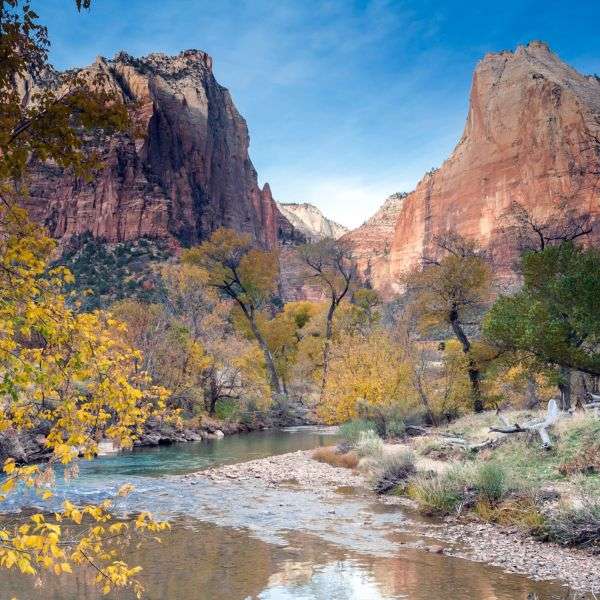
towering red sandstone cliffs, narrow slot canyons, and breathtaking landscapes
Fast Facts
Location
Southwest Utah
Established in
1919
Established by
President Woodrow Wilson
Size
229 sq. miles
Known For
- Zion National Park is renowned for its striking red and white sandstone cliffs and rock formations including Angels Landing and the Court of the Patriarchs
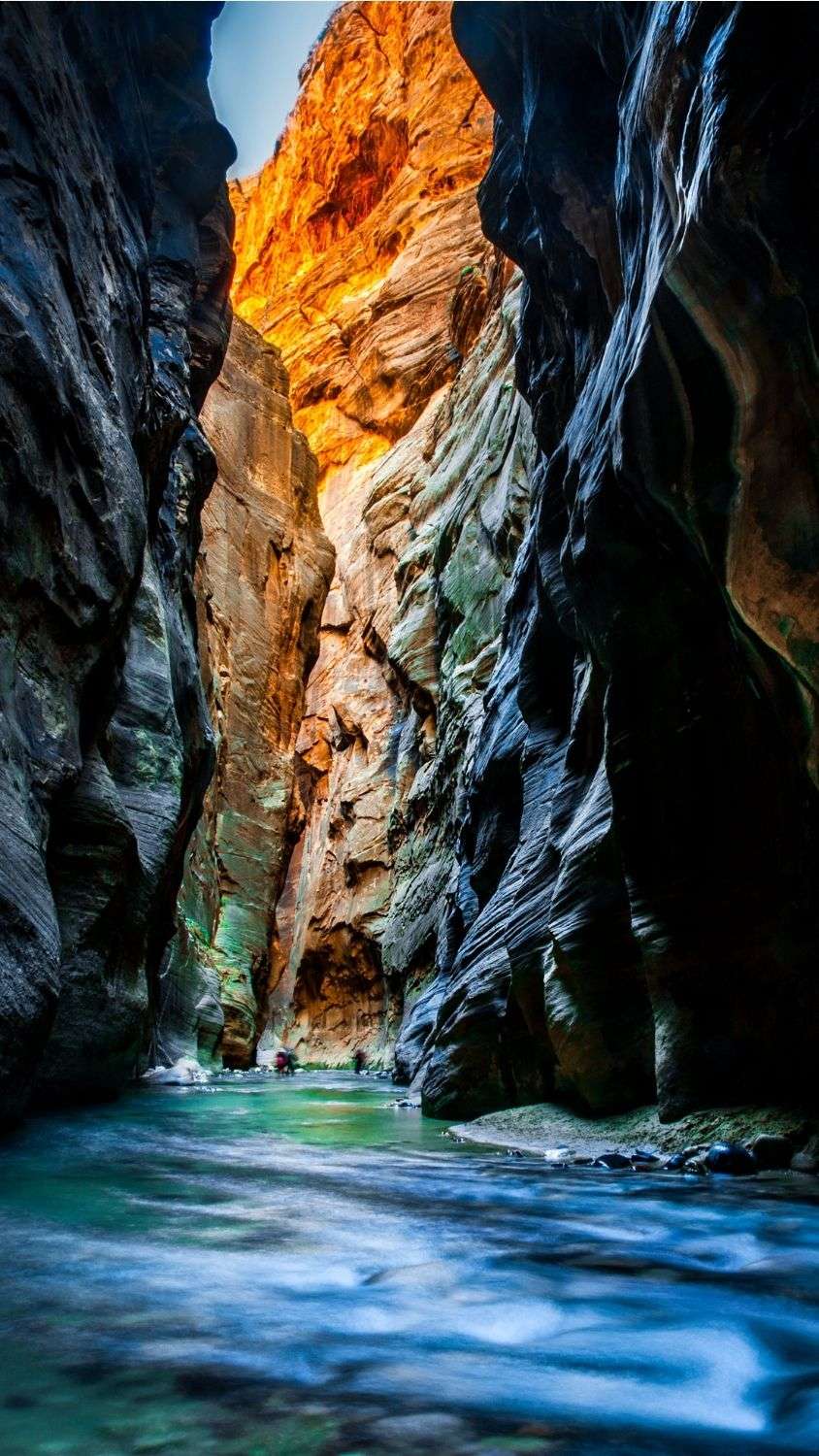
- The park features mesmerizing slot canyons carved by the Virgin River, such as the famous Narrows
- Zion offers a variety of hiking trails catering to different skill levels, from the relatively easy to the challenging and exhilarating
History
Natural History and Formation
Zion National Park has a remarkable geological history that stretches back more than 250 million years. The park's towering cliffs, deep canyons, and colorful rock layers were shaped by ancient deserts, rising land, rivers, weathering, and erosion. These forces continue to change Zion's landscape today.
Navajo Sandstone Formation: One of the most important rock layers in Zion is Navajo Sandstone. It formed about 180 to 190 million years ago during the Jurassic Period, not the Late Triassic. At that time, the area was covered by a huge desert with large sand dunes. Over millions of years, the sand was buried, pressed together, and cemented into sandstone. The rock's red, orange, and white colors come from minerals in the sandstone.
Uplift of the Colorado Plateau: Millions of years later, the Colorado Plateau was lifted high above the surrounding land. This uplift began about 5 to 10 million years ago in the area around Zion. As the land rose, rivers gained more energy to cut through the layers of rock. This helped create the deep canyons found in the park today.
Formation of Zion Canyon: The Virgin River has played a major role in shaping Zion Canyon. As the river flowed across the rising landscape, it slowly cut downward through layers of sandstone and other rock. Over millions of years, this erosion created the deep canyon and towering cliffs that make Zion famous. The canyon is still being changed by the river and other forces of erosion.
Weather and Ice Age Effects: Zion's landscape was also shaped by rain, snow, freezing and thawing, landslides, and other weathering processes. During the Ice Ages, the Zion area was generally too warm for large glaciers to cover the park. However, colder and wetter conditions affected erosion and helped shape the landscape. The original text is therefore incorrect in saying that glaciers carved Zion's deep canyons.
Ongoing Geological Processes: Zion's landscape continues to change today. The Virgin River carries sediment away from the park, while rain, wind, freezing temperatures, and landslides break down rock. Flash floods can also move large amounts of water, rocks, and sediment through the canyons.
Fact check: The main ideas in the original text are correct, but several dates and details needed to be changed. Navajo Sandstone formed during the Jurassic Period, about 180 to 190 million years ago, rather than during the Late Triassic. The Colorado Plateau's uplift in the Zion area is much younger than 15 to 20 million years, and large glaciers did not carve Zion Canyon. The Virgin River and other erosion processes have been the main forces shaping the canyon.
Native History
Zion National Park has a Native American history that stretches back thousands of years. People have lived in the Zion region for at least 7,000 years, using the Virgin River, plants, animals, and fertile land to survive. The area is part of the traditional homeland of the Southern Paiute, who continue to have strong cultural connections to Zion today. :contentReference[oaicite:0]{index=0}
Early People: The earliest people in the Zion region were hunter-gatherers who lived there thousands of years ago. They hunted animals and gathered wild plants for food. Archaeologists have found tools and other objects that provide evidence of their lives. Some of the earliest people hunted large animals, including mammoths and other animals that later disappeared from the region. :contentReference[oaicite:1]{index=1}
Ancestral Puebloans and Fremont People: Later, people began farming and living in more settled communities. The Virgin Branch of the Ancestral Puebloans lived in the Zion region from about AD 700 to 1200. Fremont people also lived in parts of the area. They grew crops such as corn and made pottery, tools, and other objects. Archaeological sites, including those in Parunuweap Canyon, provide evidence of these communities. :contentReference[oaicite:2]{index=2}
Southern Paiute: The Southern Paiute have lived in the Zion region for hundreds of years and continue to have connections to the area today. They used the Virgin River and nearby land for water, farming, hunting, gathering plants, and other resources. Their seasonal way of life was well suited to the desert environment. :contentReference[oaicite:3]{index=3}
Cultural Importance: Zion's rivers, mountains, plants, animals, and rock formations have deep cultural meaning for Native peoples. The Southern Paiute name for the area is Mukuntuweap, which means "straight canyon." The landscape continues to be important for cultural traditions, stories, and the gathering of plants used for traditional purposes. :contentReference[oaicite:4]{index=4}
Modern Connections: Native American communities continue to have strong ties to Zion. The National Park Service works with tribes to protect archaeological sites and cultural resources. Tribal knowledge and oral traditions also help people understand the long history of the landscape. :contentReference[oaicite:5]{index=5}
Fact check: The original text is mostly correct, but some dates needed to be changed. The National Park Service says people first used the Zion region about 7,000 years ago, while some evidence points to human presence even earlier. The Ancestral Puebloans in Zion are more accurately described as the Virgin Branch of the Ancestral Puebloans. The Southern Paiute have been in the region since at least about AD 1100, rather than simply beginning their history there at that exact date.
Preservation
Zion National Park has a long history of conservation that began with the efforts of explorers, artists, local residents, and government officials to protect the area's remarkable scenery. Today, the park protects its canyons, wildlife, plants, archaeological sites, and other natural and cultural resources.
Early Exploration: European American explorers began visiting the Zion region in the late 1800s. John Wesley Powell traveled through the area in 1872, and artist Frederick S. Dellenbaugh later helped bring attention to Zion through his paintings and writing. Dellenbaugh's work helped more people learn about the area's dramatic scenery.
Mormon Settlement and the Name Zion: Mormon pioneers began settling in the Zion region in the 1860s. They used the name "Zion," a word they understood to mean a place of safety or refuge. The name eventually became the official name of the park.
Frederick Vining Fisher: Frederick Vining Fisher was a Methodist minister who explored Zion Canyon and helped name several of its famous landmarks. He was not a geologist, as the original text states. His descriptions and enthusiasm helped draw attention to the canyon's beauty.
Mukuntuweap National Monument: In 1909, President William Howard Taft established Mukuntuweap National Monument. The monument protected about 16,000 acres of Zion Canyon because of its unusual archaeological, geological, and scenic features. This was the first major federal protection for the area.
Zion National Monument: In 1918, President Woodrow Wilson enlarged the protected area and changed its name to Zion National Monument. The new monument covered a much larger area than the original Mukuntuweap National Monument.
Creation of Zion National Park: On November 19, 1919, Congress established Zion National Park. President Wilson signed the legislation, making Zion the first national park in Utah. The park has been expanded and changed several times since then.
Park Development: As more people visited Zion, roads, trails, campgrounds, and other facilities were built. The Zion-Mount Carmel Highway and Tunnel, completed in 1930, made it easier for visitors to travel through the park and connect with other parks in the region.
Protection of Cultural Resources: Zion contains thousands of years of Native American history. The National Park Service works to protect archaeological sites and other cultural resources. The park also works with Native American tribes to better understand and protect places that have cultural importance.
Park Expansion: Zion's protected area grew over time. In 1937, a separate Zion National Monument was created in the Kolob Canyons area. In 1956, this monument was added to Zion National Park, creating the park's present connection between Zion Canyon and the Kolob Canyons area.
Modern Conservation: Today, Zion National Park protects more than 147,000 acres. Park managers work to protect wildlife, plants, water, geology, archaeological sites, and historic buildings while also providing safe opportunities for visitors to explore the park.
Future Preservation
Zion National Park faces several challenges as it works to protect its natural and cultural resources for the future. Growing visitation, extreme heat, wildfire risk, invasive species, and climate change can all put pressure on the park. The National Park Service must balance protecting Zion with allowing people to safely enjoy it each year.
High Visitation: Zion receives millions of visitors each year. Large crowds can lead to crowded trails, busy roads, and damage to plants and soil. The park uses shuttle buses and other visitor management plans to reduce crowding and protect important areas.
Infrastructure Maintenance: Roads, trails, bridges, buildings, restrooms, and other facilities need regular repairs and care. Heavy visitor use can increase wear on these facilities. Keeping them safe while protecting the surrounding landscape is an ongoing challenge.
Protecting Natural Resources: Zion's plants, animals, rivers, and rock formations can be affected by human activity. The park must carefully manage hiking, camping, traffic, and other activities to reduce damage to these resources.
Climate Change and Extreme Heat: Rising temperatures and changing weather patterns are important concerns for Zion. Extreme heat can affect visitors, wildlife, water resources, and plants. Climate change can also change the conditions that shape Zion's ecosystems.
Invasive Species: Non-native plants can threaten native species and change the park's natural ecosystems. Invasive grasses such as cheatgrass can also become very dry and increase the risk of wildfires.
Cultural Resource Protection: Zion contains archaeological sites and other places connected to thousands of years of human history. Protecting these resources from damage, theft, and natural wear is an important part of the park's work.
Sustainable Tourism: Zion is working to reduce the effects of transportation and large crowds. The park uses shuttle buses to reduce traffic in Zion Canyon and encourages visitors to make responsible choices that protect the environment.
Wildfire: Hot and dry conditions can increase the risk of wildfires. Invasive grasses can add to this risk because they dry out and become highly flammable. The park uses fire restrictions and other safety measures when conditions become dangerous.
Future Preservation: Protecting Zion will require careful planning, research, visitor education, and cooperation with local communities and Native American tribes. By managing visitor use and responding to environmental changes, the National Park Service can help protect Zion's landscapes, wildlife, and cultural resources for future generations.
Geography
Zion National Park is located in southern Utah and is known for its towering sandstone cliffs, deep canyons, and beautiful river valleys. The park's geography includes the famous Zion Canyon, the Virgin River, rocky mountains, forests, and dry desert areas. These different environments provide homes for many plants and animals. With its dramatic landscapes and rich cultural history, Zion offers visitors a chance to explore and learn about the natural beauty of the American Southwest.
Colorado Plateau
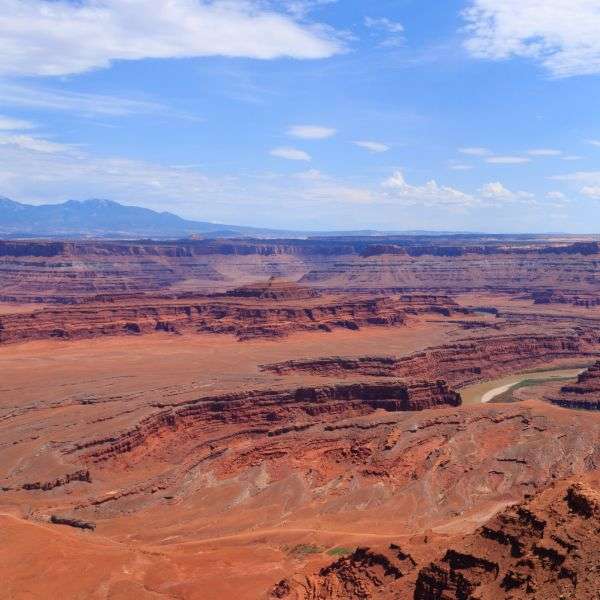
Zion National Park is located in the Colorado Plateau region, which spans parts of Utah, Arizona, Colorado, and New Mexico. The Colorado Plateau is a vast and rugged geological region characterized by its striking red rock canyons, mesas, and unique rock formations.
Zion Canyon
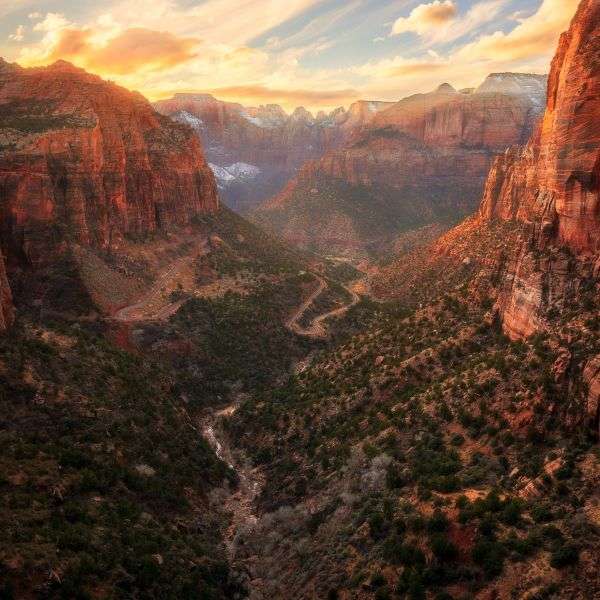
The centerpiece of the park, Zion Canyon, is a deep, narrow gorge carved by the Virgin River. With depths of up to 2,640 feet, the canyon is flanked by towering sandstone cliffs, including iconic formations like Angels Landing and the Great White Throne.
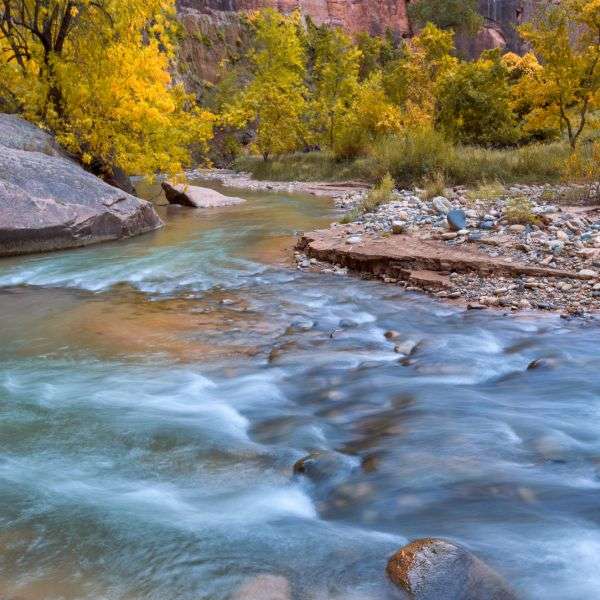
Virgin River
The Virgin River flows through the park, playing a pivotal role in shaping the landscape. The river has carved intricate canyons, such as The Narrows, a famous slot canyon where hikers can wade through the river.
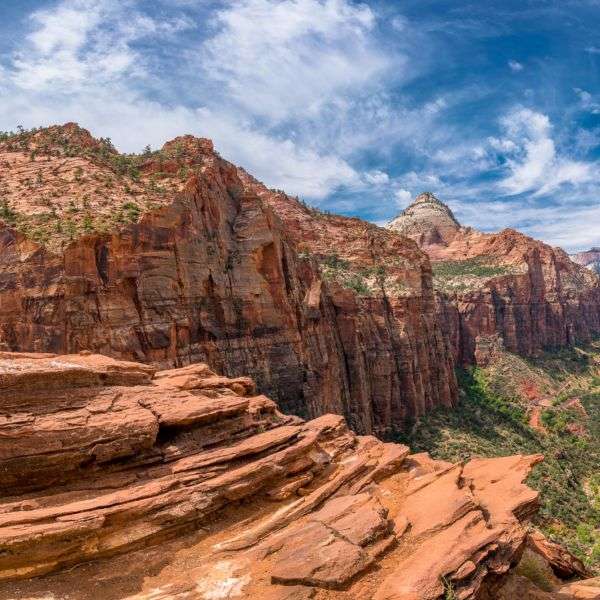
Red and White Sandstone Formations
The dominant rock formation in Zion is the Navajo Sandstone, which gives rise to the park's signature red and white sandstone cliffs. The contrasting colors create a visually stunning and varied landscape.
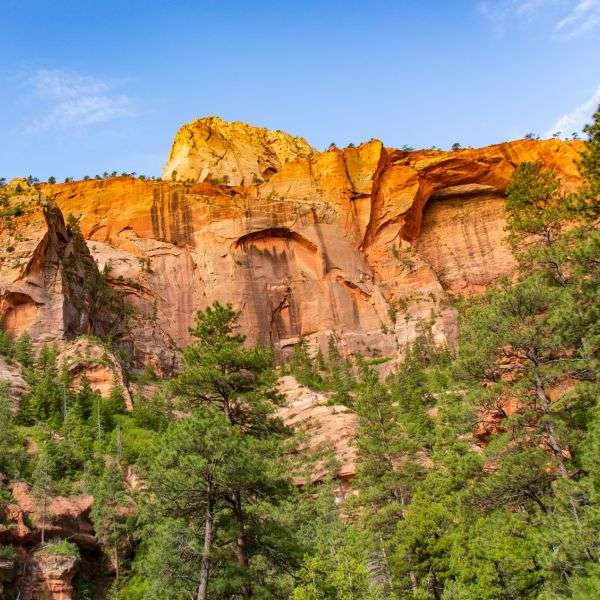
Kolob Canyons
The northern section of the park, known as Kolob Canyons, features a different set of geological formations. The Kolob Canyons showcase red rock canyons, towering peaks, and the famous Kolob Arch, one of the largest freestanding natural arches in the world.
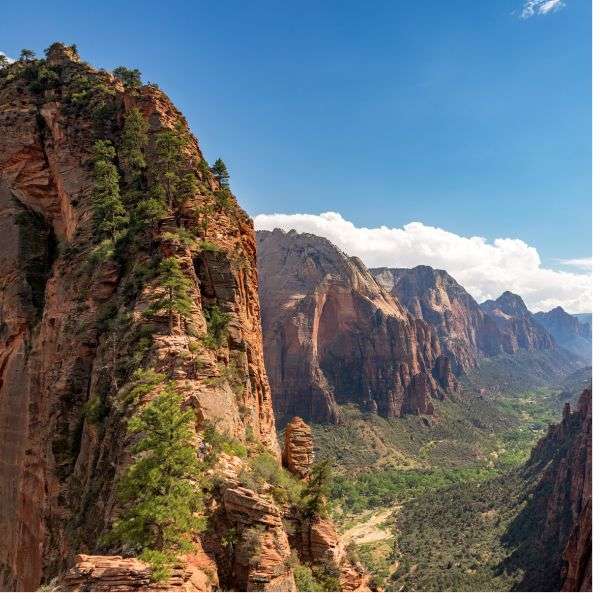
Elevations
The unique combination of deep canyons, towering cliffs, and diverse rock formations contributes to Zion National Park's varried elevation. Within the park, elevations range from around 3,700 feet at the lowest point along the Virgin River to over 8,700 feet at the highest point on Horse Ranch Mountain.
Plants
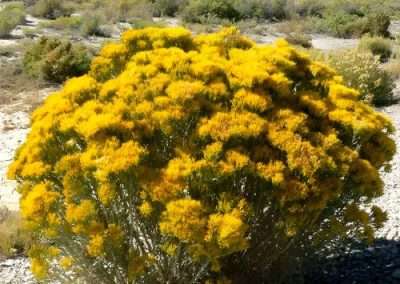
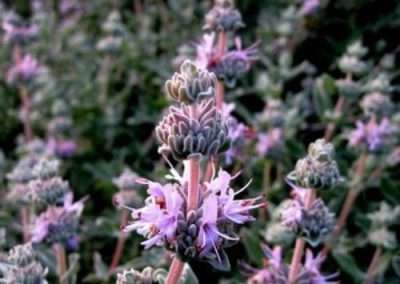
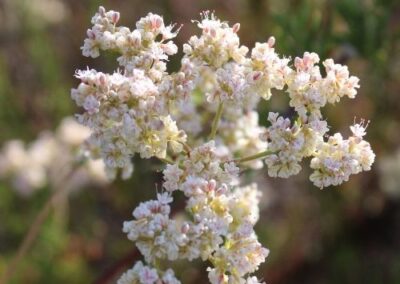
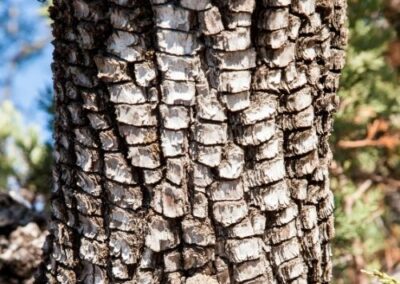
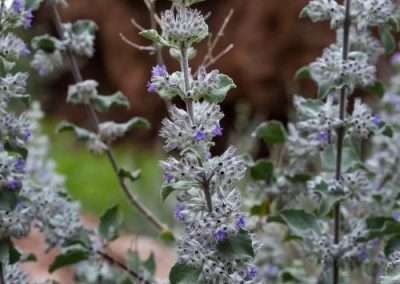
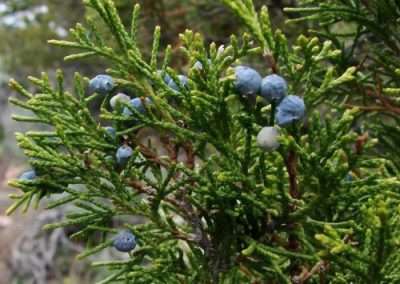
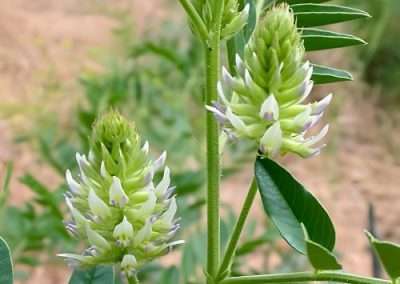
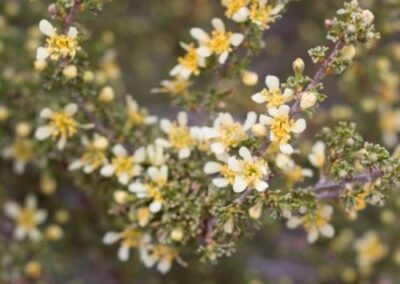
Zion National Park is home to many different kinds of plants that have adapted to its dry deserts, rocky cliffs, deep canyons, and river valleys. The park's plant life includes desert shrubs, cottonwood trees, pinyon pines, junipers, grasses, and colorful wildflowers. In spring, many wildflowers bloom across the park, adding bright colors to the landscape. These plants provide food and shelter for wildlife and play an important role in Zion's ecosystems.
Animals
Mammals
Zion National Park is home to many kinds of mammals. They live in different habitats, from hot desert areas and river valleys to forests and high rocky cliffs. Some mammals are common and easy to spot, while others are shy and rarely seen.
Mule Deer (Odocoileus hemionus): Mule deer are common in Zion and can live in many habitats. They eat plants such as grasses, leaves, and shrubs and are often seen near forests, meadows, and river areas.
Desert Bighorn Sheep (Ovis canadensis nelsoni): Desert bighorn sheep are well adapted to Zion's steep, rocky cliffs. Their strong legs and hooves help them climb and move across difficult terrain. They are one of the park's most famous mammals.
Mountain Lion (Puma concolor): Mountain lions live in Zion but are rarely seen. These large cats are solitary hunters that feed mainly on deer and other animals. They usually avoid people and spend much of their time in remote areas.
Gray Fox (Urocyon cinereoargenteus): Gray foxes live in forests, rocky areas, and other habitats in Zion. They are mostly active at night and eat small mammals, birds, insects, fruits, and other foods.
Coyote (Canis latrans): Coyotes are adaptable animals found throughout Zion. They eat a wide variety of foods, including small mammals, birds, insects, fruits, and carrion.
Bobcat (Lynx rufus): Bobcats are secretive cats that live in Zion's forests, deserts, and rocky areas. They usually hunt alone and feed on rabbits, rodents, birds, and other small animals.
Rock Squirrel (Otospermophilus variegatus): Rock squirrels are common in Zion and are often seen around rocky cliffs, trails, and campsites. They eat plants, seeds, insects, and other foods. Visitors should not feed them because human food can harm wildlife.
Desert Cottontail (Sylvilagus audubonii): Desert cottontails are common in the park's lower and drier areas. They eat grasses, leaves, and other plants and are an important source of food for predators.
Striped Skunk (Mephitis mephitis): Striped skunks can be found in Zion, although they are usually active at night. They eat insects, small animals, fruits, and plants. Their strong-smelling spray helps protect them from predators.
California Myotis (Myotis californicus): California myotis are small bats found in parts of Zion. They are most active around dusk and at night, when they fly through the air catching insects.
Fact check: The original list is mostly accurate. One important correction is that the bighorn sheep found in Zion are best identified as desert bighorn sheep, rather than simply bighorn sheep. The California myotis is also one of several bat species found in the park, so it should not be presented as the only bat species in Zion.
Reptiles
Zion National Park is home to many reptiles, including lizards and snakes. These animals are well adapted to the park's hot, dry deserts, rocky cliffs, forests, and higher elevations. Reptiles play important roles in Zion's ecosystems by eating insects, rodents, and other animals.
Collared Lizard (Crotaphytus collaris): Collared lizards live in rocky, open areas of Zion. They are known for the dark bands around their necks and can often be seen basking in the sun on rocks.
Chuckwalla (Sauromalus ater): Chuckwallas are large desert lizards that live among rocky areas. When threatened, they can hide in rock cracks and inflate their bodies to make it difficult for predators to pull them out.
Western Fence Lizard (Sceloporus occidentalis): Western fence lizards are common in many parts of Zion. They can often be seen sitting on rocks or logs in sunny areas. Males may have bright blue coloring on their bellies.
Plateau Fence Lizard (Sceloporus tristichus): Plateau fence lizards live in rocky areas and can be found at higher elevations in the region. They often bask on rocks and logs to warm their bodies.
Western Patch-nosed Snake (Salvadora hexalepis): The original text incorrectly listed the western collared snake using the scientific name Crotaphytus collaris, which is actually the collared lizard. A snake found in Zion is the western patch-nosed snake. It is nonvenomous and can live in dry, rocky habitats.
Gopher Snake (Pituophis catenifer): Gopher snakes are nonvenomous constrictors found in many habitats. They eat rodents, birds, eggs, and other small animals and help control rodent populations.
Side-blotched Lizard (Uta stansburiana): Side-blotched lizards are small and common in dry, rocky areas. They have a dark spot behind each front leg and can show different colors and patterns.
Rattlesnakes: Several rattlesnake species can be found in the Zion region. These venomous snakes usually avoid people but should always be given plenty of space. Visitors should watch where they step, especially in warm weather.
Western Skink (Plestiodon skiltonianus): Western skinks are small lizards with smooth scales. Young skinks often have a bright blue tail. They eat insects and other small animals.
Common Kingsnake (Lampropeltis getula): Common kingsnakes are nonvenomous snakes that can eat rodents, lizards, snakes, and other small animals. Their bold patterns help make them easy to recognize.
Fact check: The original list had one major scientific-name error: Crotaphytus collaris is the collared lizard, not a western collared snake. The snake entry was therefore replaced with the western patch-nosed snake. The list is also better described as including several rattlesnake species rather than naming the Mojave rattlesnake without confirming its presence throughout the park.
Birds
Zion National Park is home to many bird species because it has a wide range of habitats, from desert canyons and rivers to forests and high plateaus. Birds found in Zion include birds of prey, songbirds, scavengers, and birds that live around cliffs and streams.
California Condor (Gymnogyps californianus): California condors can sometimes be seen flying over Zion. These giant birds are critically endangered, and Zion is part of the area where condors have been reintroduced to the wild. Visitors should keep a safe distance if they see one.
Peregrine Falcon (Falco peregrinus): Peregrine falcons live among Zion's cliffs and canyons. They are powerful hunters that can reach very high speeds when diving after prey. The park's steep cliffs provide good nesting sites.
Golden Eagle (Aquila chrysaetos): Golden eagles can be seen soaring over Zion's cliffs and open areas. They are large birds of prey that hunt animals such as rabbits and other small mammals.
Common Raven (Corvus corax): Common ravens are widespread throughout Zion. They are intelligent birds that can often be seen flying over cliffs or searching for food on the ground.
Turkey Vulture (Cathartes aura): Turkey vultures are common in Zion and are often seen soaring in circles above the canyons. They use their excellent sense of smell to help locate dead animals.
Steller's Jay (Cyanocitta stelleri): Steller's jays are commonly found in Zion's higher-elevation forests. They have dark heads, bright blue bodies, and loud calls.
Mountain Bluebird (Sialia currucoides): Mountain bluebirds can be found in open areas and higher elevations of the park. Males have bright blue feathers, while females are more grayish.
Canyon Wren (Catherpes mexicanus): Canyon wrens are well suited to Zion's rocky landscape. They live around cliffs and canyons, where their clear, descending songs can echo off the rock walls.
Black-throated Gray Warbler (Setophaga nigrescens): These small songbirds live in wooded areas and feed mainly on insects. They are often easier to hear than see as they move through the trees.
Common Nighthawk (Chordeiles minor): Common nighthawks can be seen flying over open areas around dusk and dawn. They catch flying insects in the air and are especially active during the warmer months.
Fact check: The original list is mostly accurate. California condors are especially important to Zion because the park is part of the species' recovery area, but condors are not reintroduced only within Zion National Park. They range across a much larger area of southern Utah and northern Arizona. Mountain bluebirds are also more closely associated with open, higher-elevation areas than the hot canyon floor.
Fish
Zion National Park has limited opportunities for fishing because the park has relatively few large bodies of water. The Virgin River is the main river in the park and flows through Zion Canyon. The river supports aquatic life, but fishing is not a major activity in Zion and is restricted in some areas.
Virgin River: The Virgin River flows through the park and is an important part of Zion's ecosystem. It provides water and habitat for fish, insects, plants, and other wildlife. The river also helped shape the deep canyons and cliffs that make Zion famous.
Fishing Rules: Fishing is allowed in some parts of Zion National Park, but visitors must follow park regulations and have the required Utah fishing license. Fishing may be restricted in certain areas or during certain times to protect wildlife and water resources.
Outside the Park: The Virgin River continues beyond Zion's boundaries, where there are additional fishing opportunities. Nearby rivers, lakes, and reservoirs can also provide more options for anglers.
Conservation: Protecting the Virgin River is important because it provides habitat for native fish and other aquatic species. Visitors should avoid disturbing wildlife, keep the river clean, and follow all fishing regulations.
Amphibians
Zion National Park is home to several amphibian species, even though much of the park is dry and receives little rainfall. These animals depend on rivers, streams, ponds, pools, and other sources of water to survive and reproduce. The park is home to frogs, toads, and salamanders.
Arizona Toad, or Southwestern Toad (Anaxyrus microscaphus): Arizona toads are well adapted to the dry environment of Zion. They are often found near streams and other sources of water. They have been recorded in places such as Coalpits Wash and Pine Creek.
Canyon Treefrog (Hyla arenicolor): Canyon treefrogs are well suited to Zion's rocky canyons and streams. They are usually active at night and can often be found near water. Their toe pads help them climb rocks and other surfaces.
Great Basin Spadefoot (Spea intermontana): These small toads can survive in dry conditions by spending much of their time underground. They have a small, hard "spade" on each back foot that helps them dig into the soil.
Red-spotted Toad (Anaxyrus punctatus): Red-spotted toads are small toads that live in dry areas of Zion. They have small reddish spots on their skin and are often active after rain or during damp conditions.
Woodhouse's Toad (Anaxyrus woodhousii): Woodhouse's toads are found in some areas of Zion and are especially active after heavy rain. They can survive dry periods by burrowing underground.
Northern Leopard Frog (Lithobates pipiens): Northern leopard frogs need areas with a steady supply of water. They have dark spots surrounded by lighter borders and are mostly active at night.
Tiger Salamander (Ambystoma mavortium): Tiger salamanders live near water and can spend much of their time underground. They may be seen at night after heavy rain, especially during their breeding season.
Fact check: The original text was correct about the Arizona toad and Canyon treefrog, but it left out several other amphibians found in Zion. The National Park Service lists six species of frogs and toads and one salamander in the park. The name "Southwestern toad" is also an older common name for the Arizona toad.
"Gaze up at massive sandstone cliffs of cream, pink, and red that soar into a brilliant blue sky. Experience wilderness in a narrow slot canyon."
― National Parks Services
"Nerves frayed and body trembling as the adrenaline dissipates in your veins, you pull yourself over the crest and stare. The world is laid out before you, sprawling and vast."
- Nathan Anderson
“Zion National Park is a place where history deepens one's appreciation for the beauty of the canyon. Visitors marvel at the pioneering spirit of those who created an oasis in the arid desert."
―
"It was the intensity of Zion National Park that held our attention; The red rock backdrop dazzled us as brutal rapids nose-dived off the cliffs into pools surrounded by abundant green piñon-juniper forests and fiery peach and coral sandstone canyons carved by flowing rivers and streams."
―
Explore More With Us
Stay updated on National Parks EDU resources, park news, community updates, and and ways to explore, and protect.

National Parks Edu's mission is to help kids and families understand what makes these places so important. Because when you learn about nature, you start to care about protecting it.
National Parks EDU is an independent educational website and is not affiliated with, endorsed by, sponsored by, or officially connected to the National Park Service (NPS) or the U.S. government. © National Parks EDU. All Rights Reserved. October 18, 2026