Yellowstone
National Park
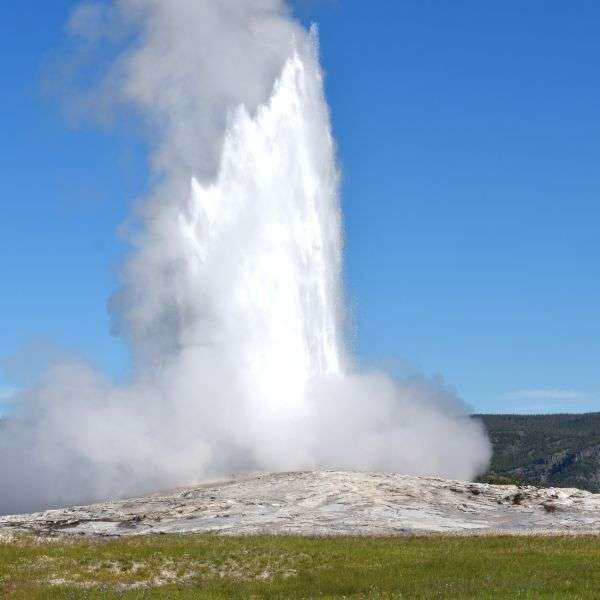
Wyoming, Montana, and Idaho
a mesmerizing tapestry of geothermal wonders, pristine landscapes, and wildlife sanctuaries
Fast Facts
Location
Mostly in Wyoming with areas stretching into Montana and Idaho
Established in
1872
Established by
President Ulysses S. Grant
Size
3,471 sq. miles
Known For
- First National Park in American history
- Yellowstone is renowned for its spectacular geothermal features, including the iconic Old Faithful geyser and the colorful Grand Prismatic Spring
- The park is home to a diverse range of wildlife, including grizzly bears, wolves, elk, bison, and various bird species, providing unique opportunities for wildlife enthusiasts
History
Natural History and Formation
Yellowstone National Park's geological history is defined by powerful volcanic forces, tectonic activity, glacial processes, and ongoing geothermal activity that have shaped one of the most unique landscapes on Earth. The park's famous geysers, hot springs, colorful pools, and dramatic terrain are the result of millions of years of geological change driven by the Yellowstone volcanic system.
Volcanic Activity: The geological story of Yellowstone began millions of years ago with volcanic activity beneath the region. The movement of magma from deep within the Earth helped create the volcanic landscape that would eventually become the foundation of the modern park.
Formation of the Yellowstone Caldera: One of the most significant events in Yellowstone's history occurred approximately 2.1 million years ago when a massive volcanic eruption released enormous amounts of ash, lava, and volcanic material. The eruption caused the collapse of the volcanic surface, forming the Yellowstone Caldera, one of the largest volcanic features in the world.
Repeated Volcanic Activity: After the formation of the caldera, Yellowstone continued to experience volcanic activity. Additional eruptions and lava flows helped shape the park's plateaus, mountains, and volcanic rock formations over millions of years.
Glacial Activity: During the Pleistocene Epoch, glaciers covered much of the Yellowstone region. The movement of these massive ice sheets carved valleys, shaped mountains, altered drainage patterns, and contributed to many of the landscape features visible today.
Post-Glacial Landscape Changes: As glaciers retreated, the land slowly adjusted through a process known as isostatic rebound, where the Earth's crust rises after the removal of the immense weight of ice. This process continues to influence the region's geology.
Yellowstone Hot Spot: Yellowstone sits above a geological hot spot, where heat from deep within the Earth causes magma to rise toward the surface. This ongoing source of heat drives the park's active geothermal systems and contributes to its unique geological character.
Geothermal Features: Yellowstone's geysers, hot springs, mud pots, and fumaroles are created by the interaction between underground heat, water, and rock. Rain and snowmelt seep into the ground, become heated by magma beneath the surface, and return upward through cracks and channels, producing iconic features such as Old Faithful and the Grand Prismatic Spring.
The combination of volcanic forces, glacial shaping, and continuing geothermal activity makes Yellowstone National Park a living laboratory of Earth's geological processes. Its extraordinary landscape provides scientists with valuable insight into volcanism, hydrothermal systems, and the dynamic forces that continue to shape our planet.
Native History
Yellowstone National Park has a deep and complex Native American history that extends thousands of years before the park's establishment in 1872. The region has long been connected to numerous Indigenous peoples who developed strong cultural, spiritual, and practical relationships with its landscapes, wildlife, and natural resources.
Shoshone and Bannock Tribes: The Shoshone and Bannock peoples are among the Native American groups with longstanding connections to the Yellowstone region. They possessed extensive knowledge of the land, including seasonal movements, wildlife patterns, and the use of natural resources for food, tools, and cultural practices.
Sacred Land: Many Native American tribes consider Yellowstone a place of spiritual importance. The park's geothermal features, including geysers, hot springs, and other hydrothermal areas, have held cultural significance and have been incorporated into traditional stories, ceremonies, and beliefs.
Obsidian Use: Obsidian found within Yellowstone was an important resource for Indigenous peoples. Obsidian Cliff served as a major source of volcanic glass, which was used to create sharp tools, weapons, and other objects. Materials from this source were traded across wide areas of North America.
Hunting and Gathering: Native peoples relied on Yellowstone's diverse ecosystems for survival. Large animals such as bison, elk, and deer provided food and materials, while plants, berries, and other natural resources supported traditional lifeways.
Trail Systems and Trade Networks: Indigenous groups established travel routes throughout the Yellowstone region, connecting different communities and allowing for the exchange of goods, knowledge, and cultural traditions. These trails reflected generations of understanding of the landscape.
Early European Exploration: Expeditions such as the Lewis and Clark Expedition in the early 1800s brought increased Euro-American awareness of the region. These encounters marked the beginning of greater outside interest in Yellowstone and its resources.
Forced Relocation and Changing Land Rights: Like many Indigenous communities throughout the United States, Native American groups connected to Yellowstone experienced significant disruptions due to westward expansion, government policies, and the loss of traditional lands. The creation of Yellowstone National Park changed access and use of ancestral territories.
Establishment of Yellowstone National Park: When Yellowstone became the world's first national park in 1872, Indigenous connections to the landscape were often overlooked in early park narratives. The establishment of the park contributed to restrictions on traditional activities within areas that had long been used by Native communities.
Cultural Preservation and Collaboration: Today, Yellowstone National Park works with associated Native American tribes to recognize Indigenous histories, incorporate traditional knowledge, and preserve cultural resources. These efforts help provide a more complete understanding of Yellowstone's natural and cultural heritage.
The Native American history of Yellowstone is an essential part of the park's identity, revealing the deep relationships between Indigenous peoples and one of the world's most extraordinary landscapes.
Preservation
The preservation history of Yellowstone National Park represents a landmark chapter in the global conservation movement. As the world's first national park, Yellowstone established the idea that extraordinary natural landscapes could be protected for future generations while also providing opportunities for education, scientific research, and public enjoyment.
Establishment as the First National Park (1872): On March 1, 1872, President Ulysses S. Grant signed the Yellowstone National Park Protection Act, creating the first national park in the world. This historic decision set a new precedent for preserving significant natural areas and inspired the creation of protected landscapes around the globe.
Scientific Exploration and Public Awareness: The Yellowstone region gained national attention through scientific expeditions, including surveys led by geologist Ferdinand V. Hayden in the 1870s. Artist Thomas Moran accompanied the 1871 Hayden expedition and created detailed paintings that showcased Yellowstone's dramatic scenery. These images helped build public support for protecting the area.
Influence of Early Conservation Ideas: The preservation of Yellowstone was shaped by growing awareness of the importance of protecting wilderness. The writings and advocacy of conservation thinkers such as John Muir and Henry David Thoreau helped promote the idea that natural landscapes held scientific, cultural, and spiritual value beyond economic use.
Army Administration (1886–1916): Before the creation of the National Park Service, the U.S. Army managed Yellowstone. Soldiers were stationed in the park to enforce regulations, protect wildlife, maintain order, and prevent resource exploitation. Their role represented one of the earliest examples of federal management of protected public lands.
Creation of the National Park Service (1916): The establishment of the National Park Service in 1916 changed the management of Yellowstone and other national parks. The agency developed a more organized approach to conservation, visitor services, scientific research, and resource protection.
UNESCO World Heritage Site and Biosphere Reserve Designation (1978): Yellowstone was recognized internationally in 1978 when it was designated a UNESCO World Heritage Site and Biosphere Reserve. This recognition highlighted the park's global ecological importance and the need for continued preservation efforts.
Expansion of Conservation Measures: Over time, additional laws, regulations, and management practices have strengthened Yellowstone's protection. These efforts have addressed wildlife conservation, ecosystem management, invasive species control, habitat preservation, and responsible visitor use.
The preservation history of Yellowstone National Park demonstrates the lasting importance of protecting natural landscapes. Its creation marked the beginning of the national park movement and continues to influence conservation strategies worldwide, ensuring that Yellowstone's geological wonders, wildlife, and ecosystems remain protected for future generations.
Future Preservation
Preserving Yellowstone National Park for future generations requires addressing a range of challenges related to climate change, ecological pressures, increasing visitation, and resource management. As one of the world's most iconic protected areas, Yellowstone must balance public access with the need to safeguard its unique geological features, wildlife, and ecosystems.
Climate Change: Climate change poses one of the greatest long-term threats to Yellowstone. Rising temperatures, changing precipitation patterns, reduced snowpack, and shifting seasons can affect plant communities, wildlife habitats, water resources, and the park's geothermal and aquatic systems.
Wildfires: Increasingly frequent and intense wildfires across the western United States present ongoing challenges for Yellowstone. While fire is a natural part of many park ecosystems, extreme wildfire conditions can threaten forests, wildlife habitats, infrastructure, and visitor safety.
Invasive Species: Non-native plants and animals can disrupt Yellowstone's natural ecosystems by competing with native species, altering habitats, and changing ecological relationships. Continued monitoring and control efforts are necessary to prevent invasive species from spreading.
Human-Wildlife Conflict: Growing visitation increases the likelihood of encounters between people and wildlife. Animals such as bears, bison, elk, and wolves require careful management to protect both visitors and wildlife while maintaining natural behaviors and populations.
Visitor Impact: Millions of people visit Yellowstone each year, creating challenges related to trail erosion, vegetation damage, traffic congestion, litter, and pressure on popular destinations. Sustainable visitor management is essential to preserve the park's resources while allowing public enjoyment.
Water Management Issues: Changes in water availability, temperature, and quality can affect Yellowstone's rivers, lakes, wetlands, and aquatic species. Protecting water resources is especially important for maintaining the health of the park's ecosystems and geothermal features.
Infrastructure Challenges: Roads, bridges, trails, and visitor facilities require ongoing maintenance and improvements. Aging infrastructure must be upgraded while minimizing impacts on the surrounding environment and preserving the park's natural character.
Wildlife Diseases: Diseases affecting wildlife populations, such as chronic wasting disease in deer and elk, could alter ecosystem dynamics. Monitoring and research are needed to understand and manage potential impacts on Yellowstone's animal communities.
Air Quality: Although Yellowstone is located in a relatively remote area, air pollution from outside the park can affect visibility, human health, and sensitive ecosystems. Maintaining clean air requires cooperation beyond park boundaries.
Resource Extraction Pressures: Development activities near Yellowstone, including mining, energy production, or other resource uses, could threaten wildlife corridors, water quality, and ecosystem connectivity if not carefully managed.
Funding and Resource Limitations: Effective preservation depends on adequate funding, staffing, and scientific resources. Limited budgets can make it more difficult to address maintenance needs, conservation projects, and emerging environmental threats.
Protecting Yellowstone National Park requires a combination of scientific research, adaptive management, conservation planning, and cooperation among government agencies, Indigenous communities, local stakeholders, and visitors. By addressing these challenges proactively, Yellowstone can continue to preserve its extraordinary landscapes, wildlife, and natural processes for generations to come.
Geography
The geology of Yellowstone National Park reveals a dynamic history shaped by volcanic activity, tectonic forces, glacial processes, and erosion over millions of years. Beneath the park lies one of the world's most active volcanic systems, responsible for creating the Yellowstone Caldera and powering its famous geothermal features, including geysers, hot springs, and mud pots. The ongoing interaction between underground heat, shifting landscapes, and natural forces has produced a remarkable geological environment that continues to provide scientists with valuable insights into Earth's processes.
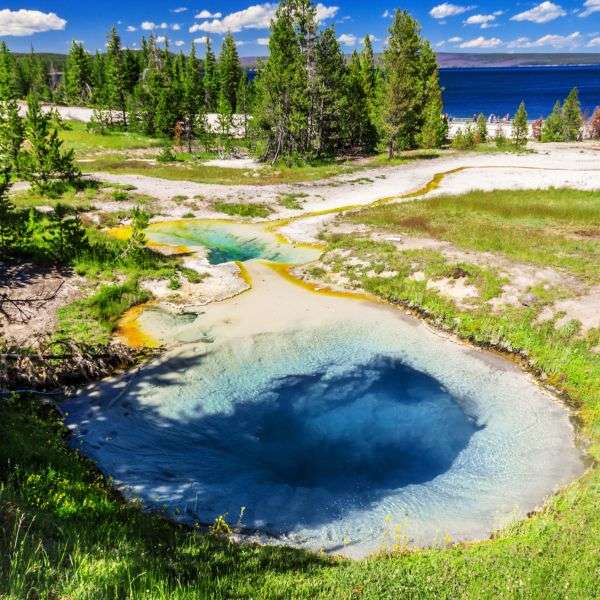
Yellowstone Caldera
The park sits atop the Yellowstone Caldera, one of the largest active volcanic systems in the world. The caldera is a vast, crater-like depression formed by a massive volcanic eruption over 640,000 years ago.
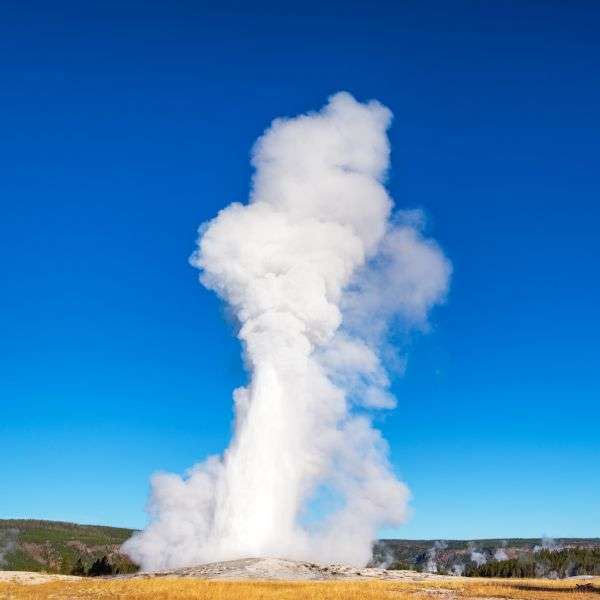
Geysers
Yellowstone is famous for its geysers, including the iconic Old Faithful. Geysers are hot springs that intermittently erupt, sending columns of water and steam into the air.
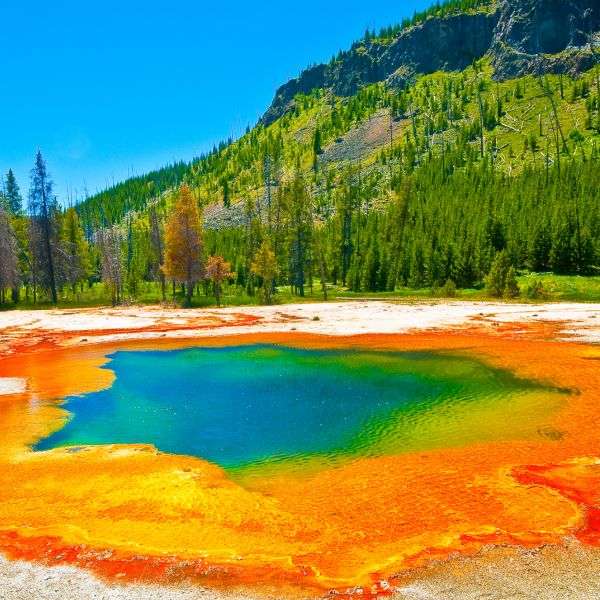
Hot Springs
The park features numerous hot springs, each with unique colors due to thermophilic bacteria and minerals. The Grand Prismatic Spring is one of the largest and most colorful hot springs in the world.
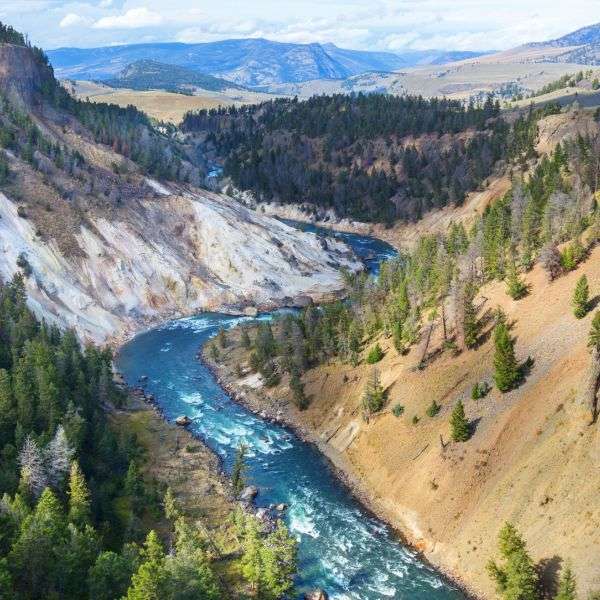
Canyons and Rivers
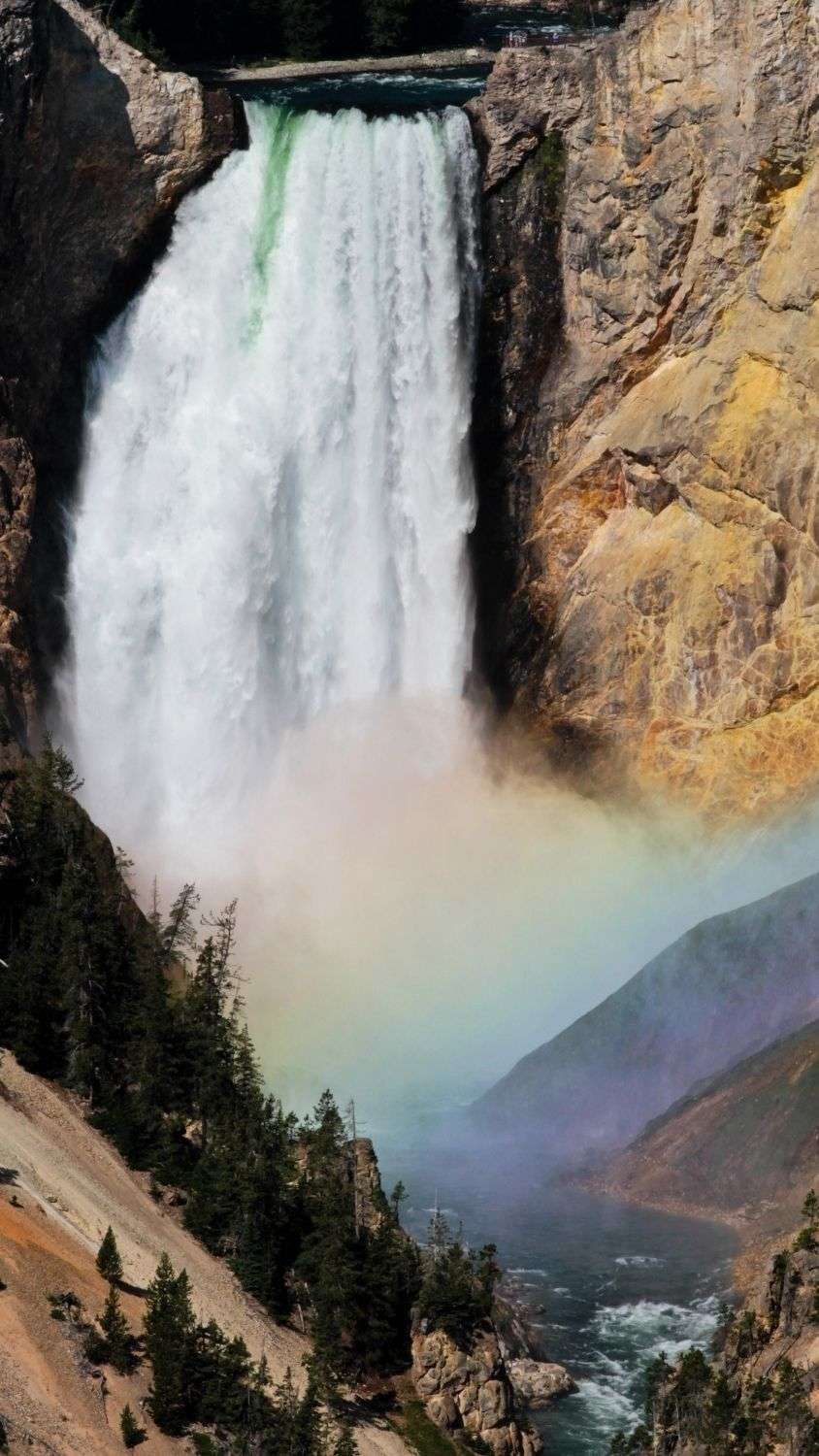
Carved by the Yellowstone River, this canyon features stunning waterfalls, including the Lower Falls and Upper Falls. The park is traversed by the Yellowstone River, which flows through the Grand Canyon of Yellowstone and contributes to the scenic landscapes.
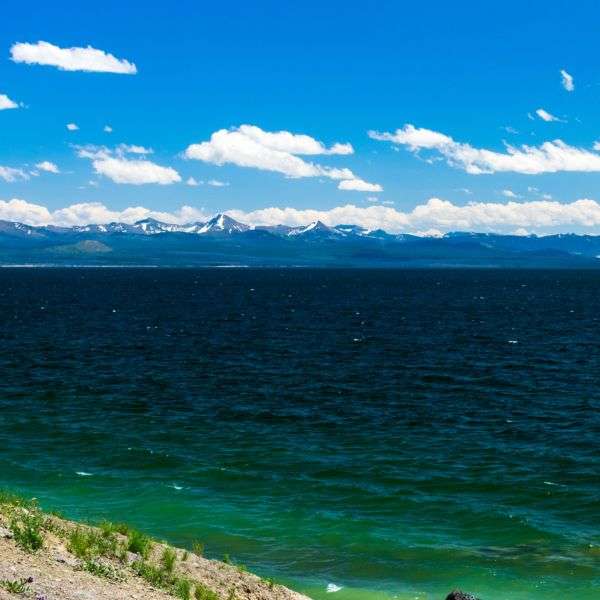
Yellowstone Lake
One of the largest high-altitude lakes in North America, Yellowstone Lake is situated in the central part of the park. It offers picturesque views and is known for its cold and clear waters.
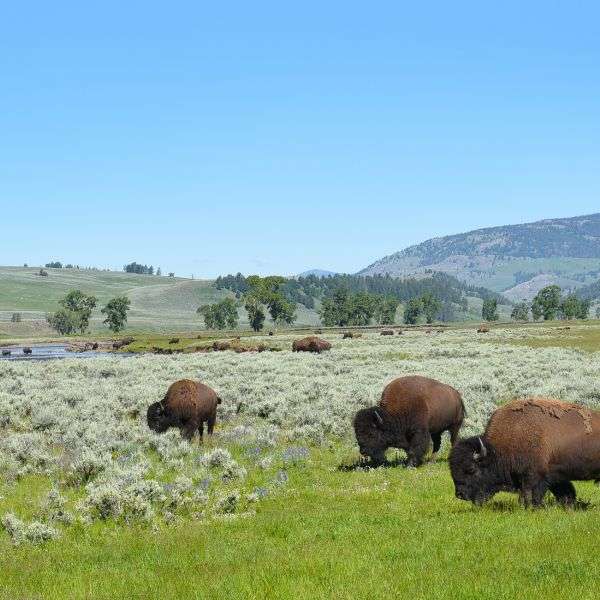
Valleys and Plateaus
The Hayden Valley and Lamar Valley are known for their rich wildlife populations and are popular spots for wildlife viewing, especially for bison, elk, and grizzly bears.
Plants
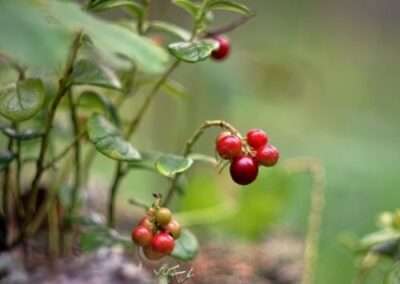
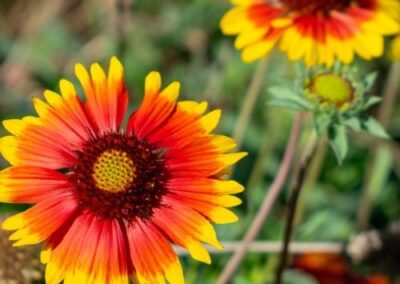
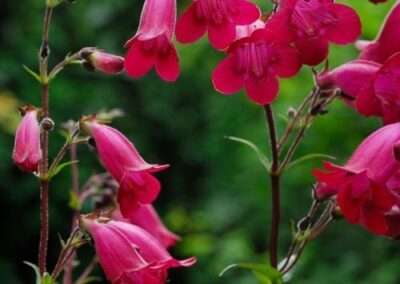
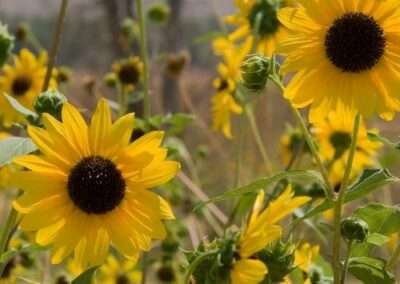
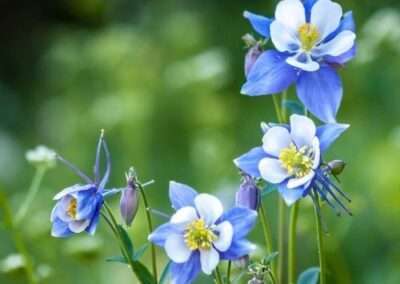
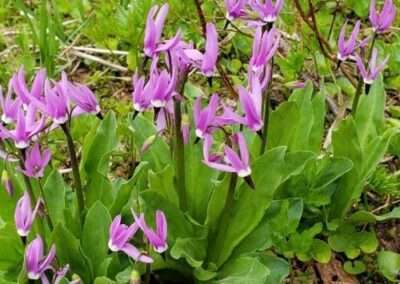
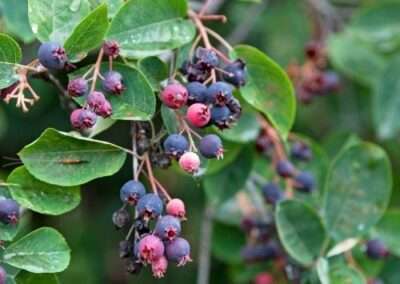
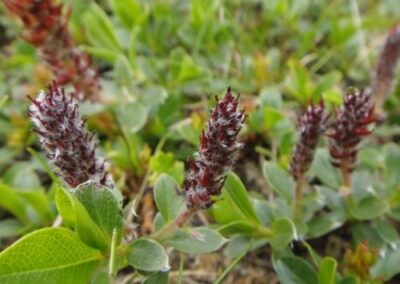
Yellowstone National Park's plant life reflects the incredible diversity and resilience of ecosystems shaped by volcanic landscapes, mountain environments, forests, and open grasslands. From towering conifer forests and expansive meadows to delicate alpine wildflowers and specialized plants growing near geothermal areas, the park supports a remarkable range of vegetation. These plants play essential roles in maintaining habitats, supporting wildlife, and preserving the ecological health of one of the world's most celebrated natural landscapes.
Animals
Mammals
Yellowstone National Park is home to many kinds of mammals. Its forests, grasslands, rivers, lakes, and other habitats support 67 species of mammals. Yellowstone has one of the largest and most diverse groups of wild mammals in the lower 48 states.
Bison (Bison bison): Yellowstone has the largest population of bison on public land in the United States. Bison have lived in Yellowstone continuously since prehistoric times. They can often be seen eating grasses in meadows and other open areas.
Elk (Cervus canadensis): Elk are the most common large mammal in Yellowstone. About 10,000 to 20,000 elk spend the summer in the park. During the fall mating season, called the rut, male elk make loud bugling calls. The northern range and Lamar Valley are good places to look for elk.
Mule Deer (Odocoileus hemionus): Mule deer live in Yellowstone and use many different habitats. They may be seen in forests, meadows, and other open areas.
Pronghorn (Antilocapra americana): Pronghorn live in grasslands and sagebrush areas of Yellowstone. They are sometimes called antelope, but they are not true antelope. They can run 45 to 50 miles per hour in sustained sprints. This makes them the fastest land animal in North America over long distances, but not the fastest sprinter; cheetahs are faster.
Grizzly Bear (Ursus arctos horribilis): Grizzly bears live in Yellowstone and the surrounding Greater Yellowstone Ecosystem. They eat many kinds of food, including berries, roots, insects, small animals, and the remains of larger animals. About 1,030 grizzly bears were estimated to live in the Greater Yellowstone Ecosystem in 2024.
Black Bear (Ursus americanus): Black bears are common in Yellowstone. They live in forests and meadows and eat both plants and animals. Although black bears can be seen in the park, visitors should never approach them.
Gray Wolf (Canis lupus): Gray wolves were restored to Yellowstone in 1995 after being absent from the park for many years. Wolves now live in several parts of Yellowstone. The northern range is one of the best places to look for them.
Coyote (Canis latrans): Coyotes are common throughout Yellowstone. They eat small mammals and other animals and may also eat food left by larger predators.
Mountain Lion (Puma concolor): Mountain lions, also called cougars, live in Yellowstone. They are solitary and difficult to see. They use forests and other areas where they can hunt and stay hidden.
Red Fox (Vulpes vulpes): Red foxes live in Yellowstone, especially in the northern part of the park. They hunt small animals such as mice, voles, rabbits, and birds. They may also eat dead animals and some plants.
River Otter (Lontra canadensis): River otters are found in Yellowstone and are well adapted to life in and around water. They are strong swimmers and hunt for food in rivers, lakes, and streams.
Bobcat (Lynx rufus): Bobcats are found throughout Yellowstone, but they are rarely seen. They live in places such as rocky areas and conifer forests and often hunt at night.
Wildlife Safety: Seeing wildlife is one of the special parts of visiting Yellowstone, but animals need plenty of space. Visitors should never approach or feed wild animals. The park requires people to stay at least 25 yards from bison and other large animals such as elk, and at least 100 yards from bears, wolves, and mountain lions.
Reptiles
Yellowstone National Park has relatively few reptile species compared with many warmer places. The park has six confirmed reptile species. These include four snakes and one lizard species, plus another garter snake species. Reptiles are not well studied in the park, and their populations can be affected by changes to their habitat.
Garter Snakes (Thamnophis spp.): Yellowstone is home to two species of garter snakes: the terrestrial garter snake and the common garter snake. The terrestrial garter snake is the park's most common reptile and is often found near water. The common garter snake has a much smaller known range in the Yellowstone area.
Rubber Boa (Charina bottae): Rubber boas are small, nonvenomous snakes that are rarely seen in Yellowstone. They are often found in rocky areas near streams or rivers, especially where shrubs or trees grow nearby.
Sagebrush Lizard (Sceloporus graciosus): The sagebrush lizard is the only lizard species confirmed in Yellowstone. It is usually found in dry, rocky places and can live at elevations as high as about 8,300 feet in the park. The correct scientific name is Sceloporus graciosus, not "Sceloporus gracious."
Bullsnake (Pituophis catenifer sayi): Bullsnakes are one of Yellowstone's six reptile species. They are the park's largest reptile and can grow from about 50 to 72 inches long. They live mainly in warmer, drier areas at lower elevations.
Prairie Rattlesnake (Crotalus viridis): Prairie rattlesnakes are found in the warmer, drier parts of Yellowstone, especially along the lower Yellowstone River. They are the only dangerously venomous snake in the park. They usually try to defend themselves rather than attack people.
Important correction: Painted turtles and western skinks are not among the six confirmed reptile species in Yellowstone National Park. The confirmed reptiles are bullsnakes, prairie rattlesnakes, rubber boas, sagebrush lizards, common garter snakes, and terrestrial garter snakes.
Birds
Yellowstone National Park is a great place for birdwatching. The park has more than 300 documented bird species, and about 150 species nest there. Its forests, grasslands, wetlands, lakes, and rivers provide homes for many kinds of birds.
Bald Eagle (Haliaeetus leucocephalus): Bald eagles can be seen along Yellowstone's rivers and lakes. They often eat fish, but they also eat waterfowl and dead animals.
Osprey (Pandion haliaetus): Ospreys come to Yellowstone in the warmer months. They are expert fish hunters and are usually found near lakes, rivers, and river valleys. They build large nests in trees and other high places.
Trumpeter Swan (Cygnus buccinator): Trumpeter swans are North America's largest wild waterfowl. A small resident population lives in Yellowstone, along with swans that visit the park during winter. Their numbers have been increasing in recent years.
Sandhill Crane (Antigone canadensis): Sandhill cranes nest in Yellowstone during the summer. They are the tallest birds in the park and can often be seen in grasslands and wetlands. Their loud calls can be heard from far away.
Mountain Bluebird (Sialia currucoides): Mountain bluebirds are found in Yellowstone's open areas. Males have bright blue feathers, making them easy to notice against green grass and other vegetation.
Western Meadowlark (Sturnella neglecta): Western meadowlarks live in open grasslands and other grassy areas. They are known for their clear, musical songs.
American Dipper (Cinclus mexicanus): American dippers live along Yellowstone's cold rivers and streams. They can dive and swim underwater while searching for aquatic insects.
Peregrine Falcon (Falco peregrinus): Peregrine falcons live in Yellowstone and are among the fastest birds in the world. They often nest on cliffs and hunt other birds in flight.
Red-tailed Hawk (Buteo jamaicensis): Red-tailed hawks are found in many parts of Yellowstone, including open country. They are common birds of prey that hunt small mammals and other animals.
Clark's Nutcracker (Nucifraga columbiana): Clark's nutcrackers are important to Yellowstone's forests. They collect and bury seeds from whitebark pine and other trees. Some of the buried seeds are left behind and can grow into new trees.
Fish
Yellowstone National Park is home to many fish species. The park has 12 native fish species, along with several nonnative species that were introduced over the years. Fish live in the park's rivers, lakes, and streams and are an important part of the food web.
Native Fish
Yellowstone Cutthroat Trout (Oncorhynchus clarkii bouvieri): Yellowstone cutthroat trout are the most widespread native trout in the park. They are an important food source for animals such as bald eagles, grizzly bears, and river otters. Protecting these fish is a major goal of the National Park Service.
Arctic Grayling (Thymallus arcticus): Arctic grayling are native to parts of Yellowstone. Some populations declined or disappeared from their historic streams. The National Park Service is working to restore native, stream-dwelling grayling in some areas.
Mountain Whitefish (Prosopium williamsoni): Mountain whitefish are native to Yellowstone and live in cold, clear rivers and streams. They are an important part of the park's aquatic food web.
Westslope Cutthroat Trout (Oncorhynchus clarkii lewisi): Westslope cutthroat trout are also native to parts of Yellowstone. Conservation work has helped restore some populations in the park.
Nonnative Fish
Lake Trout (Salvelinus namaycush): Lake trout are not native to Yellowstone Lake. They were introduced to nearby lakes in the late 1800s and were later found in Yellowstone Lake. They eat large numbers of native cutthroat trout, so the National Park Service works to remove them.
Rainbow Trout (Oncorhynchus mykiss): Rainbow trout are not native to Yellowstone. They were introduced through stocking and now live in many park waters. They compete with native fish, and they can also breed with cutthroat trout, which can harm the genetic health of native populations.
Brown Trout (Salmo trutta): Brown trout are native to Europe and were introduced to Yellowstone in the late 1800s. They live in several rivers and streams and can compete with native fish for food and habitat.
Brook Trout (Salvelinus fontinalis): Brook trout are native to eastern North America and were introduced to Yellowstone. They can compete with native cutthroat trout and have replaced them in some areas.
Fact check: The original text was mostly correct, but one important detail needed to be changed. Rainbow trout are not native to Yellowstone. They are a nonnative species in the park. Yellowstone also has more native fish than the three listed in the original text. The National Park Service currently reports 12 native fish species in Yellowstone.
Amphibians
Yellowstone National Park is home to five species of amphibians. These include frogs, a toad, and a salamander. Amphibians depend on wetlands, ponds, streams, and other wet places to survive. They are also important parts of the food web and can help scientists understand changes in the environment.
Boreal Chorus Frog (Pseudacris maculata): Boreal chorus frogs are common and widespread in Yellowstone, but they are small and hard to see. They live near wetlands and breed in shallow ponds and temporary pools. Their loud call sounds like a finger or thumb running along the teeth of a comb.
Columbia Spotted Frog (Rana luteiventris): Columbia spotted frogs live in wetlands, ponds, streams, lakes, and other areas with quiet water. They have dark spots on their backs and can grow to about 3.5 inches long. They are one of the most widespread amphibians in Yellowstone.
Western Toad (Anaxyrus boreas): The western toad is Yellowstone's only true toad species confirmed to breed in the park. It has warty skin and usually has a light stripe along its back. Western toads were once common throughout Yellowstone but are now less common in some areas.
Western Tiger Salamander (Ambystoma mavortium): The western tiger salamander is the only salamander species in Yellowstone. It can grow to about 9 inches long and often has yellow markings on a dark body. It breeds in ponds and fishless lakes and is common in some parts of the park.
Plains Spadefoot Toad (Spea bombifrons): Plains spadefoot toads are rarely seen in Yellowstone. A single breeding population is known in the Lower Geyser Basin. These toads have a hard, spade-like structure on each back foot that helps them dig into the soil.
Important corrections: Northern leopard frogs and long-toed salamanders are not among Yellowstone's five confirmed amphibian species. The park's five documented species are the boreal chorus frog, Columbia spotted frog, western toad, western tiger salamander, and plains spadefoot toad. The National Park Service also notes that the plains spadefoot has only one known breeding population in Yellowstone.
"The wonders of Yellowstone are inexhaustible; they will never cease to be objects of admiration and study for the enlightened lover of nature."
― Ferdinand V. Hayden
"I thank you and the country thanks you for the foresight and wisdom that have preserved Yellowstone Park to the United States."
― John Muir
"It was perfectly evident to me that once the Yellowstone region became a park, the whole Northwest would soon follow."
― Nathaniel P. Langford
"There is nothing so American as our national parks... The fundamental idea behind the parks... is that the country belongs to the people, that it is in process of making for the enrichment of the lives of all of us."
— President Franklin D. Roosevelt
Explore More With Us
Stay updated on National Parks EDU resources, park news, community updates, and and ways to explore, and protect.

National Parks Edu's mission is to help kids and families understand what makes these places so important. Because when you learn about nature, you start to care about protecting it.
National Parks EDU is an independent educational website and is not affiliated with, endorsed by, sponsored by, or officially connected to the National Park Service (NPS) or the U.S. government. © National Parks EDU. All Rights Reserved. October 17, 2026