Wrangell -
St. Elias
National Park
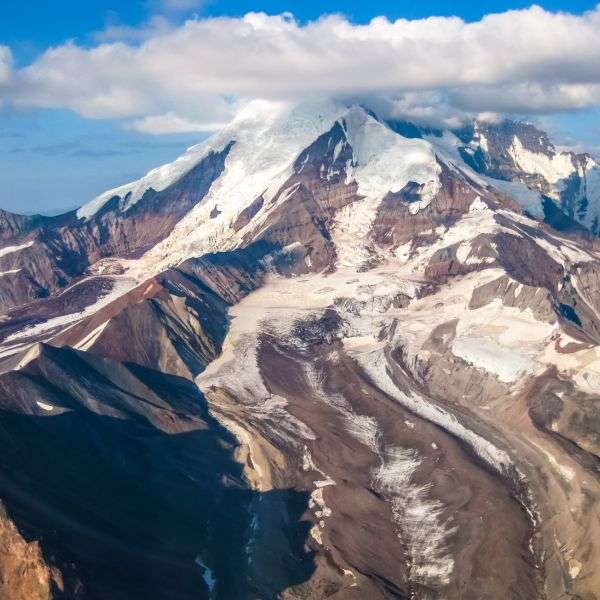
Alaska
the largest national park in the United States, renowned for its vast wilderness and towering mountains
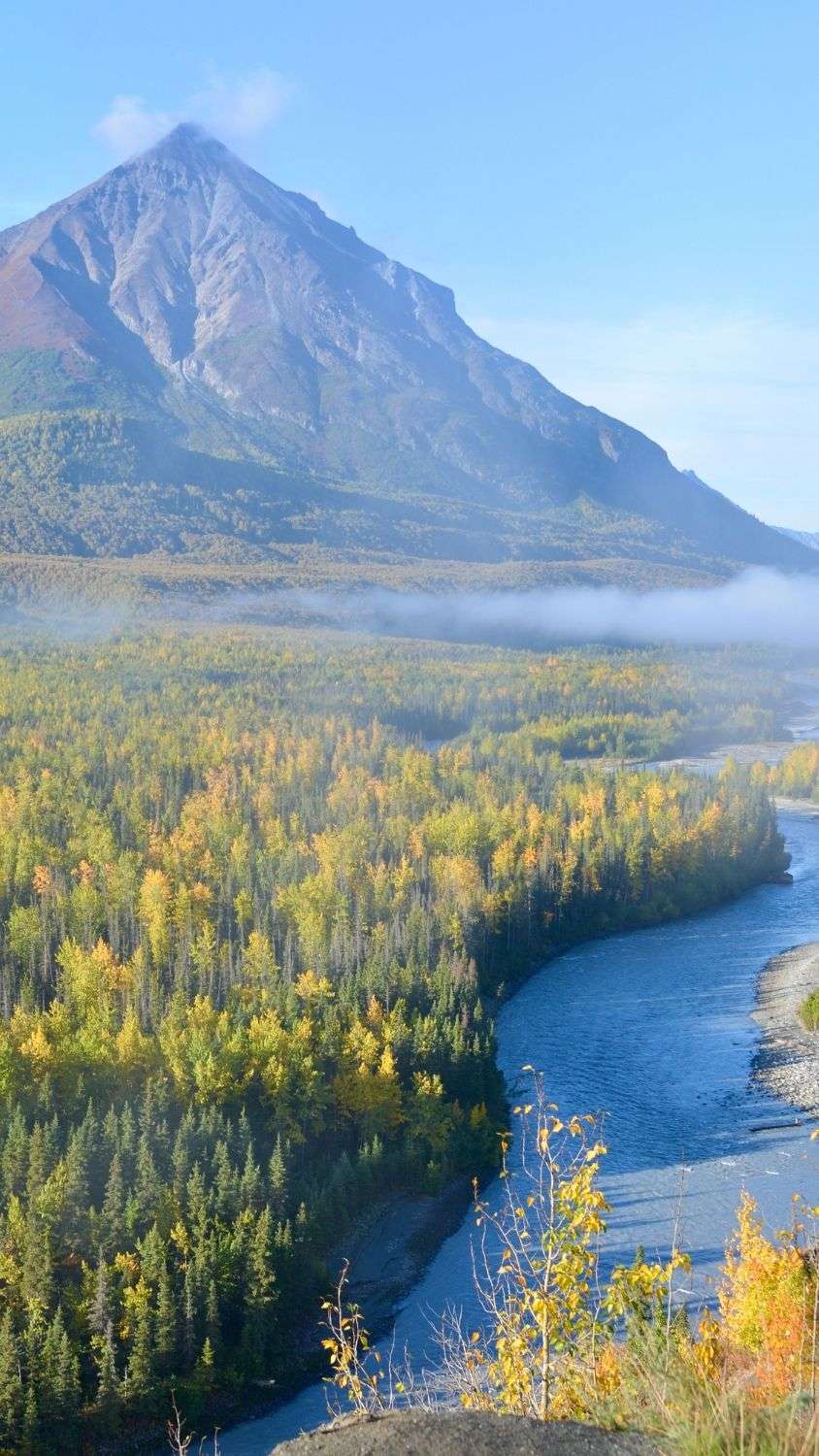
Fast Facts
Location
Alaska
Established in
1980
Established by
President Jimmy Carter
Size
15,000 sq. miles
Known For
- Wrangell-St. Elias National Park is the largest national park in the United States, covering over 13 million acres
- The park is home to some of the highest peaks in North America, including Mount St. Elias, Mount Logan, and Mount Blackburn
- Home to more glaciers than any other national park in the U.S., with around 60% of the park covered in ice
History
Natural History and Formation
Wrangell-St. Elias National Park has a remarkable geological history shaped by millions of years of tectonic activity, volcanic eruptions, glaciation, and erosion. As the largest national park in the United States, its landscape reflects powerful natural forces that have created towering mountains, active volcanoes, vast glaciers, and deep valleys.
Tectonic Activity: The park is located within the Pacific Ring of Fire, where the Pacific Plate and North American Plate interact. The ongoing collision and movement of these tectonic plates have uplifted large mountain ranges and continue to influence the region's geology through earthquakes and crustal deformation.
Volcanic Activity: The Wrangell Mountains were formed through extensive volcanic activity. The Wrangell volcanic field contains several large volcanoes, including Mount Blackburn, Mount Wrangell, and Mount Sanford. These volcanoes have been shaped by eruptions, erosion, and glacial activity over time.
Glacial Processes: Glaciers have played a major role in sculpting the park's modern landscape. During the Pleistocene epoch, extensive ice sheets and mountain glaciers carved deep valleys, U-shaped valleys, and rugged terrain. As glaciers advanced and retreated, they left behind features such as moraines, glacial lakes, and hanging valleys.
Copper Mineralization: The region contains significant copper deposits associated with the Wrangellia Terrane, a complex geological area formed through ancient volcanic and sedimentary processes. The historic Kennecott copper mines provide evidence of the area's rich mineral resources and geological significance.
Continued Geological Activity: Geological processes continue to shape Wrangell-St. Elias National Park today. Earthquakes, erosion, volcanic activity, and mountain-building processes remain active, although they occur over long timescales.
Tectonic Uplift: The Wrangell Mountains continue to rise due to tectonic forces beneath the Earth's surface. This ongoing uplift contributes to the dramatic elevation and rugged character of the landscape.
Isostatic Rebound: Following the retreat of glaciers, the Earth's crust has slowly risen in response to the removal of massive ice loads. This process, known as isostatic rebound, continues to influence the park's terrain.
Modern Landscape: The combined effects of tectonic forces, volcanic activity, glaciation, and erosion have created a spectacular landscape of snow-covered peaks, active glaciers, volcanic formations, and expansive wilderness.
The geological history of Wrangell-St. Elias National Park reveals the powerful natural forces that have shaped Alaska's landscape. The interaction of mountains, volcanoes, glaciers, and ongoing geological processes makes the park one of the most geologically diverse and impressive wilderness areas in the world.
Native History
The Native American history of Wrangell-St. Elias National Park is deeply connected to the Alaska Native peoples who have lived in and cared for this landscape for thousands of years. The park lies within the traditional territories of several Indigenous groups, whose cultures, languages, and traditions developed in response to the region's mountains, rivers, forests, and abundant wildlife.
Ahtna Athabascan People: The Ahtna Athabascan people have a longstanding relationship with the lands of Wrangell-St. Elias National Park. Traditionally, they relied on hunting, fishing, and gathering to sustain their communities and developed extensive knowledge of the region's ecosystems.
Subsistence Lifestyle: Native communities in the region practiced a subsistence lifestyle based on the sustainable use of natural resources. Salmon, game animals, berries, roots, and other plants provided essential sources of food, materials, and cultural connection.
Seasonal Migration: Many Alaska Native groups followed seasonal patterns of movement to access different resources throughout the year. These migrations allowed communities to make effective use of the diverse environments within the park, including rivers, forests, and alpine areas.
Cultural Practices: Traditional practices such as storytelling, artistic expression, ceremonies, and the passing down of oral knowledge were central to Native cultures in the Wrangell-St. Elias region. These traditions helped preserve history, values, and connections to ancestral lands.
Trade Networks: The region was part of extensive Indigenous trade networks that connected different communities across Alaska and beyond. Valuable resources, including copper from the Wrangell Mountains, were exchanged among Native groups and played an important role in regional commerce.
Impact of Russian and European Contact: The arrival of Russian explorers, traders, and later European and American settlers brought significant changes to Native communities. New diseases, economic changes, and shifting trade relationships affected traditional ways of life.
Missionary Influence: Missionaries introduced Christianity and established new cultural influences in the region. Over time, many Native communities incorporated aspects of Christianity while continuing to maintain important traditional practices and beliefs.
Cultural Resilience: Despite historical challenges, Alaska Native communities in the Wrangell-St. Elias region have demonstrated resilience in preserving their languages, traditions, and cultural identities. Many continue to practice subsistence activities and pass traditional knowledge to future generations.
Land and Resource Rights: When Wrangell-St. Elias National Park and Preserve was established in 1980, provisions recognized the importance of continued subsistence use by local Native communities. The protection of traditional land practices remains an important part of park management.
Cultural Sites: The park contains numerous cultural resources, including historic camps, traditional use areas, archaeological sites, and artifacts that provide evidence of thousands of years of Indigenous presence and connection to the land.
Recognizing the Native American history of Wrangell-St. Elias National Park is essential to understanding the cultural significance of the region. Collaboration with Alaska Native communities helps preserve both the natural landscape and the living traditions that continue to shape this remarkable area.
Preservation
The preservation history of Wrangell-St. Elias National Park reflects a long-standing effort to protect one of Alaska's most extraordinary landscapes and its rich cultural heritage. Conservation efforts have focused on safeguarding the park's vast wilderness, glaciers, wildlife, geological features, and the traditions of the Indigenous communities connected to the region.
Exploration and Recognition: During the late 19th and early 20th centuries, explorers, scientists, and adventurers were drawn to the Wrangell-St. Elias region because of its dramatic mountains, glaciers, wildlife, and mineral resources. As interest in the area grew, so did recognition of the need to protect its unique natural features.
National Park Establishment: Wrangell-St. Elias National Park and Preserve was established on December 2, 1980, through the Alaska National Interest Lands Conservation Act (ANILCA). This legislation protected large portions of Alaska's wilderness while recognizing the importance of preserving both natural landscapes and cultural resources.
Size and Significance: With more than 13 million acres, Wrangell-St. Elias became the largest national park in the United States. Its designation recognized the importance of its towering mountain ranges, extensive glaciers, diverse ecosystems, and vast undeveloped wilderness.
Recognition of Native Subsistence Rights (ANILCA): ANILCA included important protections for the subsistence practices of local Alaska Native communities. These provisions acknowledged the continuing cultural relationship between Native peoples and the land while allowing traditional hunting, fishing, and gathering activities to continue.
Protection of Cultural Sites: Preservation efforts also focus on the park's cultural heritage, including archaeological sites, historic settlements, traditional use areas, and remnants of mining operations. These resources provide valuable insight into the long history of human activity in the region.
World Heritage Site Designation: In 1979, the Wrangell-St. Elias region, together with neighboring protected areas such as Kluane National Park and Glacier Bay National Park, was designated a UNESCO World Heritage Site. This recognition highlighted the area's outstanding natural and cultural significance on a global scale.
Wilderness Designation: Large portions of Wrangell-St. Elias National Park and Preserve are designated as wilderness areas, providing some of the strongest protections available for undeveloped landscapes. These protections help preserve the park's natural character, wildlife habitats, and remote wilderness experiences.
The preservation history of Wrangell-St. Elias National Park demonstrates a commitment to balancing conservation, cultural preservation, scientific research, and responsible public enjoyment. Through collaboration among government agencies, Indigenous communities, and conservation partners, the park continues to protect one of the world's most remarkable wilderness landscapes.
Future Preservation
Preserving Wrangell-St. Elias National Park for future generations presents complex challenges involving climate, ecosystems, cultural resources, and human activities. Protecting this vast wilderness requires careful management strategies that balance conservation goals with traditional uses, scientific understanding, and visitor access.
Climate Change: Climate change is one of the most significant challenges facing Wrangell-St. Elias National Park. Rising temperatures, changing precipitation patterns, and accelerating glacier retreat are affecting ecosystems, wildlife habitats, and the physical landscape. These changes may alter the park's natural processes and impact species that depend on specific environmental conditions.
Permafrost Degradation: Large areas of the park contain permafrost, which is increasingly vulnerable to thawing as temperatures rise. Permafrost loss can alter drainage patterns, destabilize slopes, affect vegetation communities, and contribute to changes in the overall structure of the landscape.
Wildfire Management: Increasing wildfire activity across Alaska presents challenges for protecting ecosystems and nearby communities. Wildfires can reshape forests, affect wildlife habitat, and influence air quality. Effective monitoring, prevention, and response strategies are necessary to manage fire impacts while allowing natural ecological processes to occur.
Visitor Impact: Managing recreation in such a large and remote park requires balancing public enjoyment with resource protection. Increased visitation can create concerns such as trail erosion, disturbance to wildlife, and impacts on culturally sensitive areas. Sustainable tourism practices and visitor education are important components of preservation.
Invasive Species: Non-native plants and animals can threaten the park's native ecosystems by competing with local species and altering natural processes. Preventing the introduction and spread of invasive species requires continued monitoring and management efforts.
Cultural Resource Protection: Wrangell-St. Elias contains important cultural resources, including Alaska Native sites, historic settlements, and mining structures. Protecting these resources from erosion, weathering, and human disturbance requires careful preservation strategies while allowing opportunities for education and interpretation.
Remote Location: The park's enormous size and isolated location create challenges for management, research, and emergency response. Limited road access and difficult terrain can make monitoring remote areas and addressing conservation concerns more challenging.
Resource Extraction Pressures: Protecting the park's wilderness while addressing interest in resource development remains an ongoing challenge. Potential pressures related to mining and other extraction activities require careful evaluation to ensure that conservation priorities are maintained.
Alaska Native Subsistence Rights: Supporting Alaska Native subsistence practices while preserving ecosystems requires collaboration and respect for traditional knowledge. Park management must work with Native communities to protect cultural traditions while maintaining healthy wildlife populations and habitats.
Funding and Resources: Maintaining effective conservation programs in a park of this size requires sufficient funding, staffing, and equipment. Limited resources can make it difficult to conduct research, monitor environmental changes, and maintain infrastructure.
Global Connectivity: Environmental changes beyond the park's boundaries, including pollution, climate impacts, and ecosystem disruptions, can influence Wrangell-St. Elias. Cooperation with regional, national, and international partners is often necessary to address broader environmental challenges.
Addressing these preservation challenges requires a combination of scientific research, adaptive management, Indigenous collaboration, and public involvement. Through continued stewardship and cooperation, Wrangell-St. Elias National Park can remain a protected landscape where natural processes, cultural traditions, and wilderness values endure for future generations.
Geography
Wrangell-St. Elias National Park, located in southeastern Alaska, is the largest national park in the United States and a spectacular landscape of towering mountains, vast glaciers, and remote wilderness. The park's geography is defined by the rugged Wrangell and Saint Elias mountain ranges, including some of North America's highest peaks, as well as immense icefields, deep valleys, and powerful rivers. With its expansive wilderness, diverse ecosystems, and dramatic scenery, Wrangell-St. Elias National Park provides visitors with an extraordinary opportunity to experience the scale, beauty, and natural power of Alaska's untamed landscape.
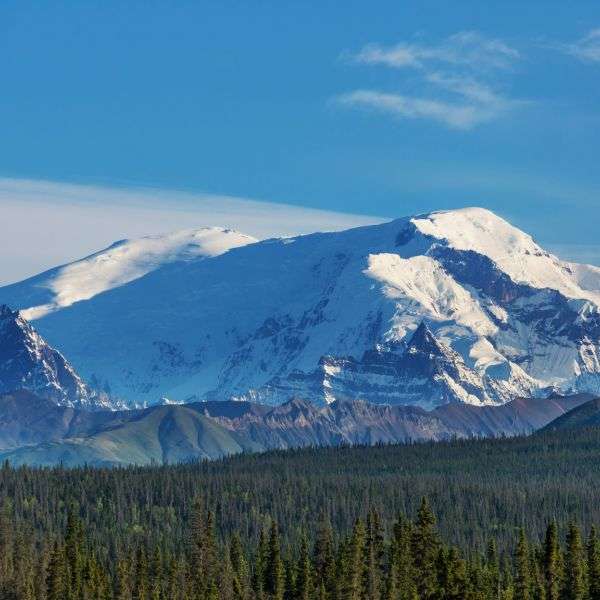
Size
Wrangell-St. Elias National Park is the largest national park in the United States, covering over 13.2 million acres. It is larger than Switzerland and includes a significant portion of the Wrangell and St. Elias mountain ranges.
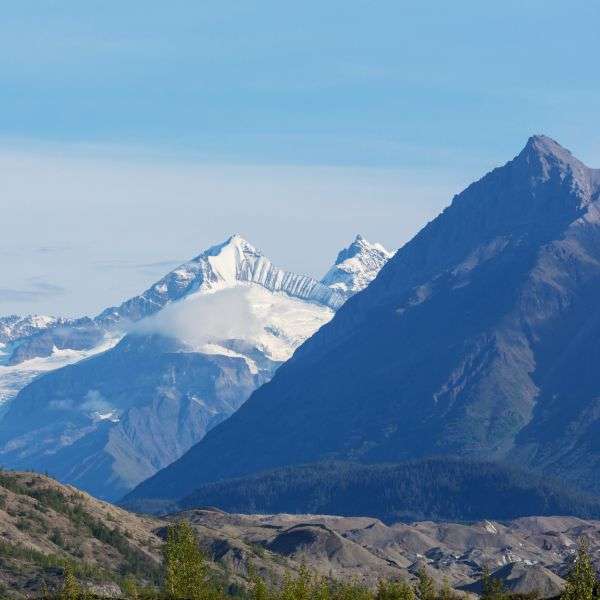
Mountain Ranges
The park is characterized by the Wrangell and St. Elias mountain ranges, which are part of the larger Pacific Mountain System. These ranges contain numerous peaks, including some of the highest in North America.
Glaciers
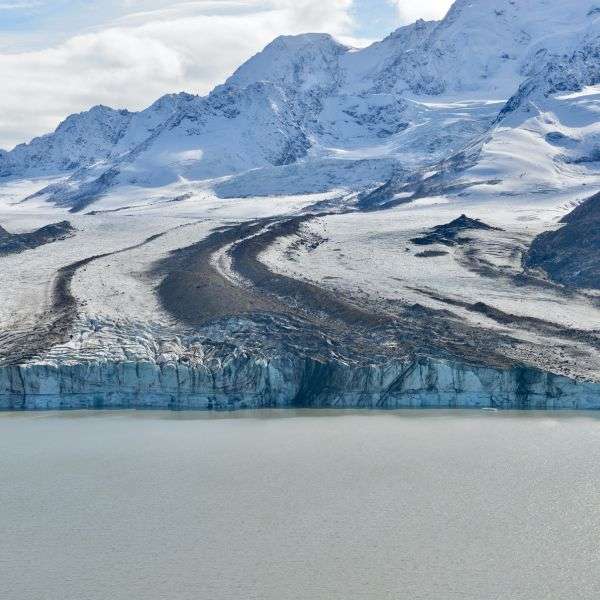
The park is renowned for its extensive glacier coverage, with approximately 60% of its area covered by glaciers. Notable glaciers include the Nabesna, Root, and Kennicott Glaciers. The Malaspina Glacier, one of the largest piedmont glaciers globally, lies just outside the park's southern boundary.
Valleys and Fjords
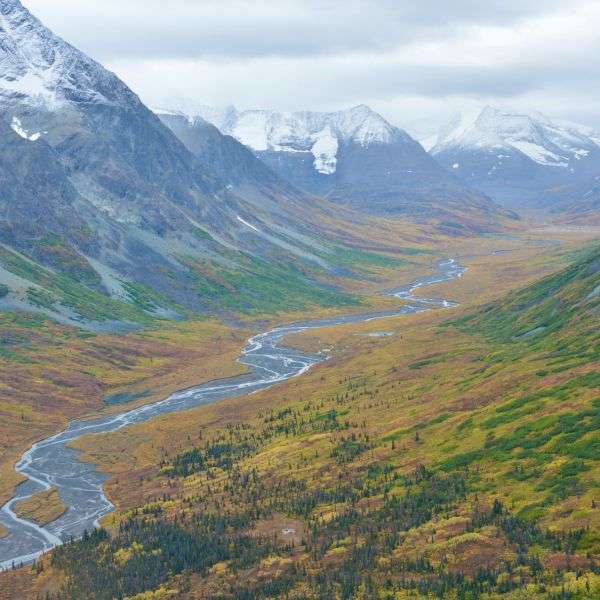
Deep valleys and fjords are carved into the landscape by glacial and tectonic processes. These valleys contribute to the park's stunning scenery and provide habitats for diverse plant and animal species.
Tundra and Boreal Forests
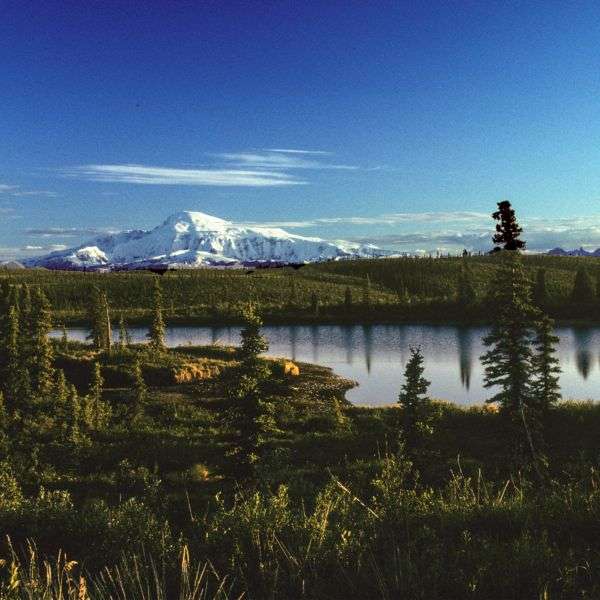
The park spans a range of ecosystems, from the treeless alpine tundra at higher elevations to boreal forests at lower elevations. The vegetation varies depending on factors such as elevation, slope, and aspect.
Rivers and Lakes
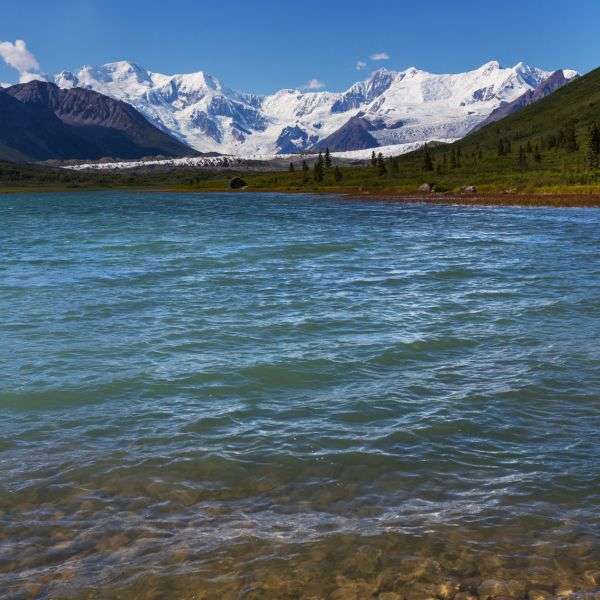
Several major rivers flow through the park, including the Copper River, which is one of the largest rivers in Alaska. Lakes and smaller water bodies are also scattered throughout the landscape.
Plants
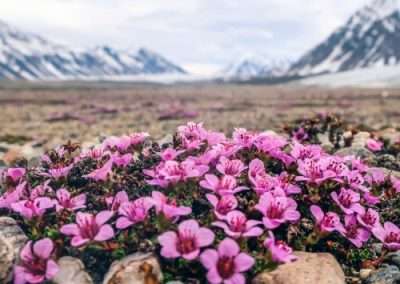
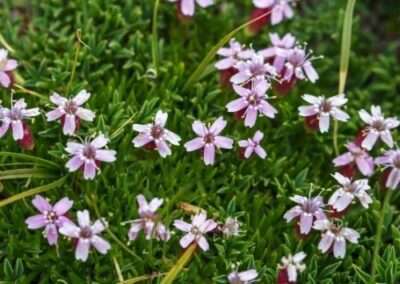
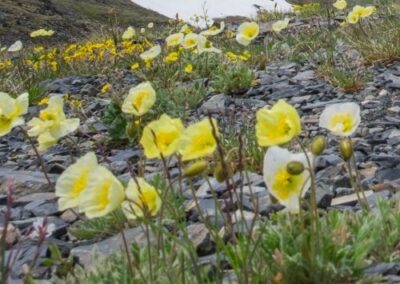
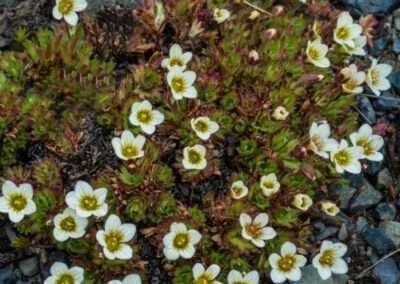
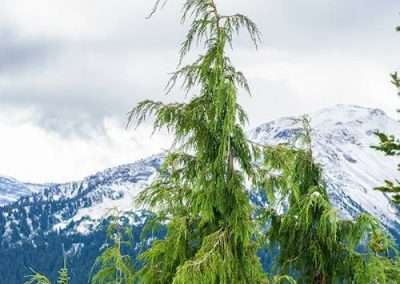
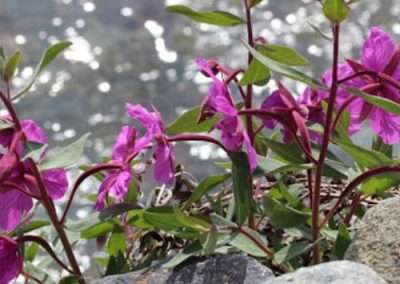
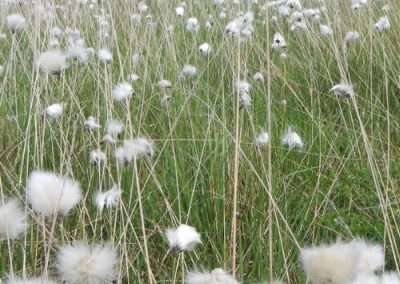
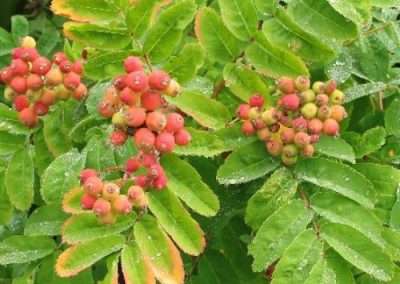
Wrangell-St. Elias National Park, located in southeastern Alaska, supports a remarkable diversity of plant life adapted to its wide range of environments, from coastal areas and boreal forests to alpine tundra and glacier-fed valleys. The park's flora includes hardy conifers, tundra vegetation, shrubs, grasses, and colorful wildflowers that have evolved to survive in Alaska's challenging climate. Visitors to Wrangell-St. Elias National Park can discover the botanical richness of this vast wilderness, where plant communities play an essential role in supporting wildlife and maintaining the ecological balance of one of Alaska's most spectacular landscapes.
Animals
Mammals
Wrangell-St. Elias National Park supports an impressive diversity of mammal species due to its vast wilderness, varied elevations, and wide range of habitats. From coastal areas and boreal forests to alpine tundra and glacier-fed valleys, the park provides essential habitat for large predators, herbivores, and smaller mammals adapted to Alaska's challenging environment.
Grizzly Bear (Ursus arctos horribilis): Grizzly bears are among the park's most iconic mammals and inhabit a variety of environments throughout Wrangell-St. Elias. They forage for berries, roots, small animals, and fish, especially near rivers and streams during salmon runs.
Black Bear (Ursus americanus): Black bears are widespread throughout the park and occupy forests, river valleys, and other habitats. As adaptable omnivores, they feed on vegetation, berries, insects, and small animals.
Moose (Alces alces): Moose are commonly found in the park's boreal forests, wetlands, and river corridors. Their large bodies and specialized adaptations allow them to thrive in Alaska's cold northern climate.
Dall's Sheep (Ovis dalli): Dall's sheep inhabit the alpine and subalpine regions of Wrangell-St. Elias, where they navigate steep mountain slopes. Their white coats provide camouflage against snowy landscapes.
Caribou (Rangifer tarandus): Caribou are adapted to the park's tundra and subarctic environments. They undertake seasonal movements in search of food and are well suited to harsh northern conditions.
Gray Wolf (Canis lupus): Gray wolves live throughout the park's diverse ecosystems and play an important ecological role as apex predators. They hunt in packs and help regulate populations of prey species.
Coyote (Canis latrans): Coyotes are highly adaptable predators found in forests, valleys, and open landscapes. They feed on a variety of prey, including small mammals, birds, and other available food sources.
Red Fox (Vulpes vulpes): Red foxes inhabit many areas of the park and are well adapted to changing environments. Their opportunistic feeding habits allow them to survive in forests, tundra, and alpine regions.
North American River Otter (Lontra canadensis): River otters inhabit the park's rivers, lakes, and streams. These skilled swimmers feed primarily on fish, amphibians, and aquatic invertebrates.
Arctic Ground Squirrel (Urocitellus parryii): Arctic ground squirrels live in alpine and subalpine habitats, where they create burrows and survive long winters through hibernation.
American Beaver (Castor canadensis): Beavers are found along the park's waterways, where their dams and lodges create important wetland habitats that benefit many other species.
Arctic Hare (Lepus arcticus): Arctic hares are adapted to cold alpine and tundra environments. Their seasonal coat changes help them blend into snowy winter landscapes.
Snowshoe Hare (Lepus americanus): Snowshoe hares inhabit the park's boreal forests and are known for their seasonal fur color changes, turning white in winter to provide camouflage in snow-covered environments.
Canada Lynx (Lynx canadensis): Canada lynx are specialized predators of boreal forests and rely heavily on snowshoe hares as their primary prey. Their large paws help them move efficiently across deep snow.
American Marten (Martes americana): Martens are agile forest mammals belonging to the weasel family. They are excellent climbers and hunt small mammals, birds, and other forest creatures.
The diverse mammal communities of Wrangell-St. Elias National Park reflect the park's extraordinary range of habitats and its importance as a refuge for Alaska's wildlife. Protecting these ecosystems helps ensure that these species continue to thrive in one of North America's largest and most remote wilderness areas.
Reptiles
Wrangell-St. Elias National Park has very limited reptile diversity due to its high-latitude location and predominantly cold climate. Reptiles depend on external sources of heat to regulate their body temperature, making the park's alpine, subarctic, and boreal environments challenging for most reptile species to survive.
Birds
Wrangell-St. Elias National Park is a remarkable destination for birdwatchers, offering a wide variety of habitats including alpine tundra, boreal forests, wetlands, rivers, and lakes. These diverse environments support a rich bird community of resident species and seasonal migrants that have adapted to Alaska's challenging northern climate.
Golden Eagle (Aquila chrysaetos): Golden eagles are powerful raptors often seen soaring above the park's mountains and open landscapes. They nest on cliffs and use their keen eyesight to hunt mammals and other prey.
Bald Eagle (Haliaeetus leucocephalus): Bald eagles are commonly observed near the park's rivers and lakes, where they feed on fish and other aquatic resources. Their presence reflects the abundance of healthy waterways throughout the region.
Arctic Tern (Sterna paradisaea): Arctic terns migrate thousands of miles between polar regions and can be found in the park during the summer breeding season. They are known for their extraordinary long-distance migrations.
Peregrine Falcon (Falco peregrinus): Peregrine falcons inhabit the park's rugged mountain landscapes, nesting on cliffs and rocky ledges. They are among the fastest birds in the world and hunt other birds in flight.
Northern Hawk Owl (Surnia ulula): Northern hawk owls are adapted to boreal forest environments and are unusual among owls because they often hunt during daylight hours. They are skilled predators of small mammals and birds.
American Dipper (Cinclus mexicanus): American dippers are closely associated with fast-moving streams and rivers. They are unique songbirds capable of swimming and diving underwater to capture aquatic insects and small prey.
Gray Jay (Perisoreus canadensis): Gray jays are year-round residents of the park's boreal forests. Known for their intelligence and bold behavior, they often approach visitors and store food for later use.
Common Loon (Gavia immer): Common loons are iconic birds of northern lakes and are frequently seen on the park's waterways. Their distinctive calls are a familiar sound in Alaska's wilderness.
Red-tailed Hawk (Buteo jamaicensis): Red-tailed hawks are widespread raptors that inhabit many of the park's ecosystems. They are often seen soaring over valleys and open areas while searching for prey.
Swainson's Thrush (Catharus ustulatus): Swainson's thrushes are migratory songbirds that breed in the park's boreal forests. They are recognized for their beautiful, flute-like songs.
Willow Ptarmigan (Lagopus lagopus): Willow ptarmigans are well adapted to Alaska's tundra environments. Their seasonal plumage changes provide camouflage in both summer vegetation and winter snow.
Gyrfalcon (Falco rusticolus): Gyrfalcons are large Arctic falcons that inhabit northern regions. They may be seen in the park's mountainous areas, especially during colder months.
Boreal Owl (Aegolius funereus): Boreal owls are small nocturnal owls that inhabit dense coniferous forests. They are more often heard than seen because of their secretive behavior.
Mew Gull (Larus canus): Mew gulls are commonly found near rivers, lakes, and other aquatic habitats within the park. They feed on fish, insects, and other available food sources.
Rock Ptarmigan (Lagopus muta): Rock ptarmigans are specialized alpine birds that thrive in rocky tundra environments. Their seasonal color changes help them blend into their surroundings throughout the year.
The bird diversity of Wrangell-St. Elias National Park highlights the importance of its varied ecosystems, from mountain peaks and tundra to forests and waterways. These habitats provide essential breeding grounds, migration routes, and feeding areas for many of Alaska's most fascinating bird species.
Fish
Wrangell-St. Elias National Park contains a remarkable variety of fish species supported by its extensive network of rivers, lakes, and glacier-fed streams. These aquatic ecosystems provide important habitat for native fish, including migratory salmon, cold-water trout, and freshwater species that contribute to the region's ecological health and support the traditional subsistence practices of local communities.
Chinook Salmon (Oncorhynchus tshawytscha): Also known as king salmon, Chinook salmon are among the largest Pacific salmon species. They migrate from the ocean into freshwater rivers within and around the park to spawn, providing an important food source for wildlife and people.
Sockeye Salmon (Oncorhynchus nerka): Sockeye salmon are known for their brilliant red coloration during spawning. They migrate into freshwater systems, including lakes and rivers, where they complete their life cycle.
Coho Salmon (Oncorhynchus kisutch): Coho salmon, also called silver salmon, are powerful migratory fish valued for their energetic behavior and ability to leap through rapids during their spawning migrations.
Pink Salmon (Oncorhynchus gorbuscha): Pink salmon are the smallest and most abundant Pacific salmon species. They have a two-year life cycle and contribute significantly to seasonal salmon runs in Alaskan waterways.
Chum Salmon (Oncorhynchus keta): Chum salmon inhabit rivers throughout Alaska and play an important ecological role by transporting nutrients from marine environments into freshwater ecosystems.
Rainbow Trout (Oncorhynchus mykiss): Rainbow trout are found in the park's rivers and lakes, where they inhabit cold, clear waters. Some populations migrate between freshwater and marine environments as steelhead.
Dolly Varden (Salvelinus malma): Dolly Varden are a species of char adapted to both freshwater and marine environments. They are commonly found in cold rivers and streams throughout the park region.
Arctic Grayling (Thymallus arcticus): Arctic grayling are recognizable by their large, sail-like dorsal fins. They inhabit clear, cold streams and rivers and are an important part of northern freshwater ecosystems.
Lake Whitefish (Coregonus clupeaformis): Lake whitefish inhabit freshwater lakes within the park and serve as an important prey species for larger fish, birds, and mammals.
Burbot (Lota lota): Burbot are freshwater members of the cod family found in lakes and slow-moving rivers. They are primarily active at night and are adapted to cold northern waters.
Northern Pike (Esox lucius): Northern pike are aggressive freshwater predators found in lakes, wetlands, and slow-moving waters. They help regulate populations of smaller fish species.
Sheefish (Stenodus leucichthys): Sheefish, also known as inconnu, are large whitefish relatives found in some northern rivers. They are valued by anglers and are an important component of Alaska's freshwater ecosystems.
The fish communities of Wrangell-St. Elias National Park reflect the richness of Alaska's aquatic environments. From migrating salmon that connect ocean and freshwater ecosystems to resident species adapted to cold rivers and lakes, these fish play vital roles in sustaining the park's wildlife, ecosystems, and cultural traditions.
Amphibians
Amphibians are relatively uncommon in Wrangell-St. Elias National Park because of the region's cold climate, long winters, and short growing season. Since amphibians depend on water for reproduction and are sensitive to environmental changes, only a small number of species are able to survive in the park's subarctic and boreal habitats. Those that do occur are specially adapted to cold conditions and temporary aquatic environments.
Wood Frog (Lithobates sylvaticus): Wood frogs are among the most cold-tolerant amphibians in North America and are well adapted to Alaska's boreal forests. They can survive partial freezing during winter by entering a dormant state and become active soon after temperatures rise in spring.
Boreal Chorus Frog (Pseudacris maculata): Boreal chorus frogs are small amphibians adapted to northern wetlands, ponds, and moist grasslands. Their distinctive calls are often heard during the short breeding season when temporary pools provide suitable habitat.
Long-toed Salamander (Ambystoma macrodactylum): Long-toed salamanders inhabit wetlands, ponds, and forested areas where moisture is available. Their long toes and adaptable life cycle allow them to survive in a variety of cool northern environments.
Northwestern Salamander (Ambystoma gracile): Northwestern salamanders prefer cool, moist habitats near ponds, lakes, and forested waterways. They spend much of their lives in or near aquatic environments where they breed and develop.
The limited amphibian diversity of Wrangell-St. Elias National Park reflects the challenges of survival in Alaska's harsh northern climate. These species provide valuable ecological functions and serve as indicators of environmental health, making their conservation an important part of protecting the park's diverse ecosystems.
"You must see Wrangell-St. Elias National Park and Preserve to believe it. Number and scale loom large here, magnified by splendid isolation."
- National Parks Services
"Spectacularly expansive yet breathtakingly isolated, Wrangell–St. Elias National Park & Preserve is truly a place that you have to see to believe. It’s a magical setting where scale and solitude merge, resulting in a once-in-a-lifetime experience for all who are lucky enough to visit."
- Stephen Milioti
Explore More With Us
Stay updated on National Parks EDU resources, park news, community updates, and and ways to explore, and protect.

National Parks Edu's mission is to help kids and families understand what makes these places so important. Because when you learn about nature, you start to care about protecting it.
National Parks EDU is an independent educational website and is not affiliated with, endorsed by, sponsored by, or officially connected to the National Park Service (NPS) or the U.S. government. © National Parks EDU. All Rights Reserved. October 18, 2026