Wind Cave
National Park
South Dakota
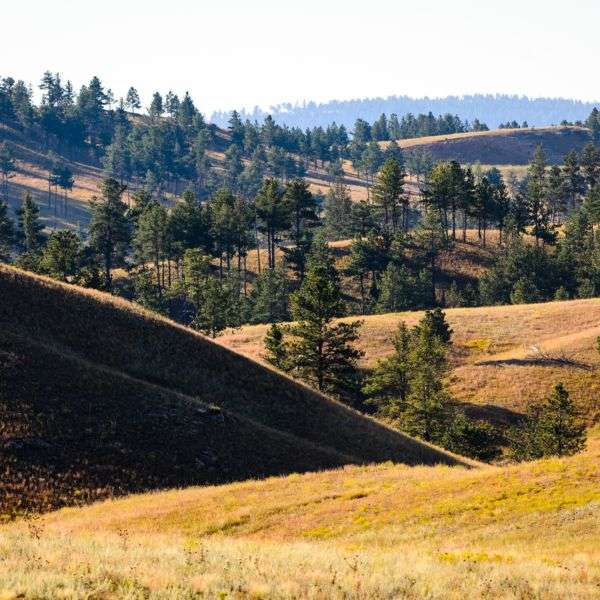
renowned for its extensive cave system, unique box-work formations, and above ground a landscape of mixed-grass prairie
Fast Facts
Location
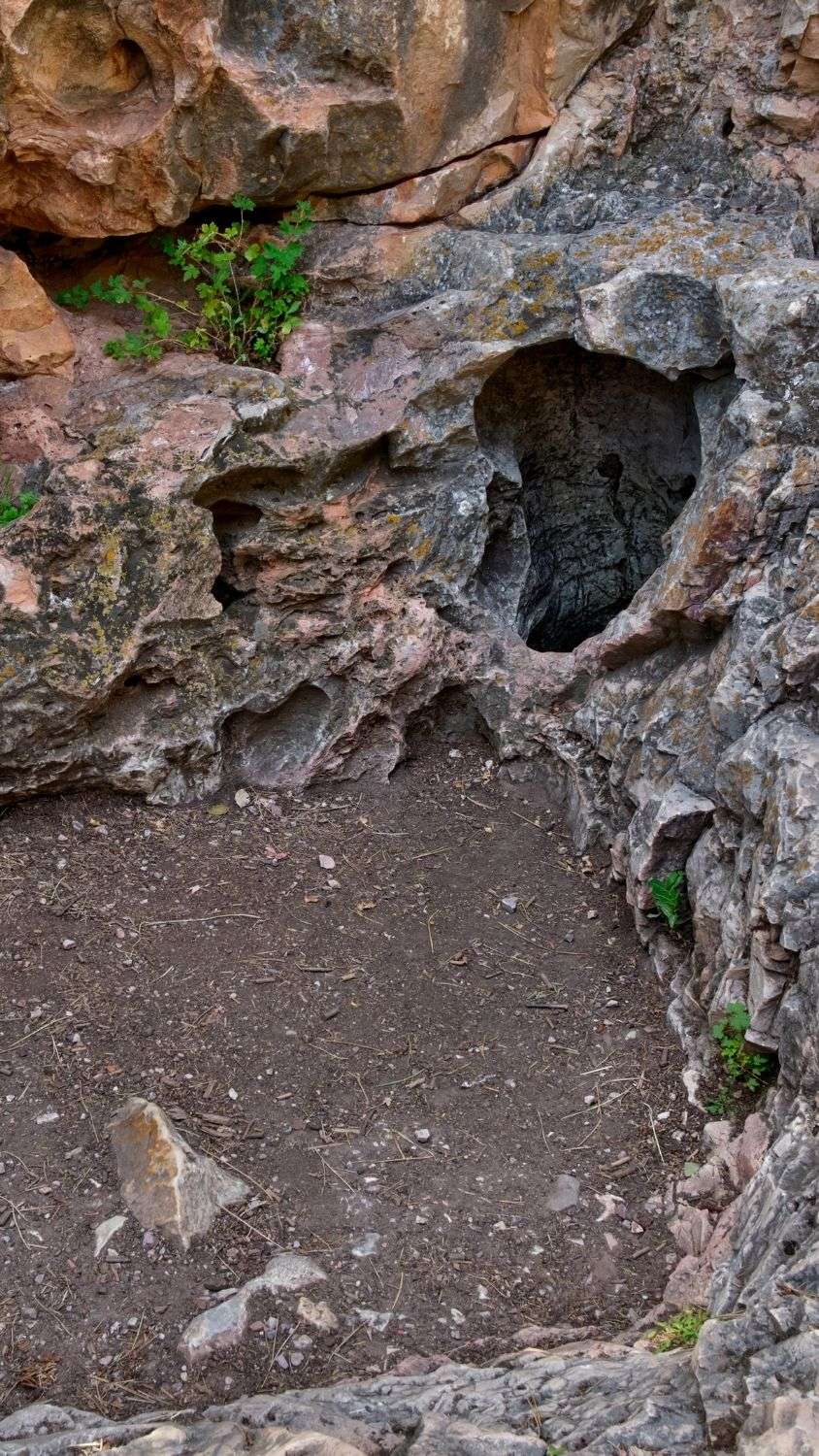
in the southwestern part of South Dakota
Established in
1903
Established by
President Theodore Roosevelt
Size
44 sq. miles
Known For
- Wind Cave National Park is renowned for its extensive underground cave system, one of the world's longest and most complex
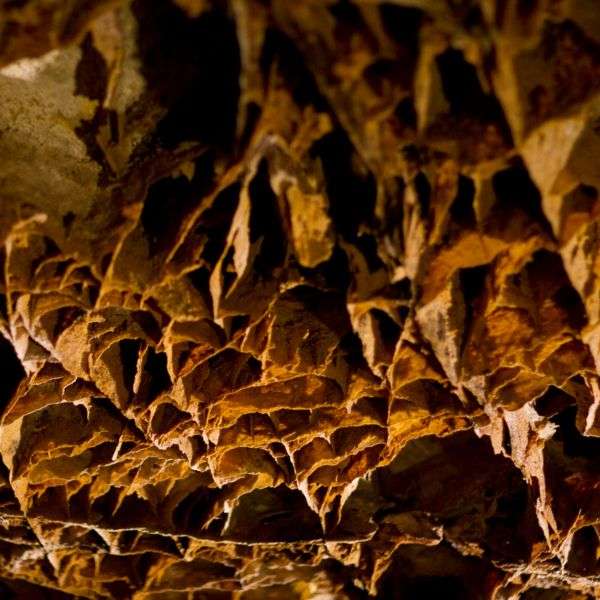
- 95% of all the world's discovered boxwork formations are found in Wind Cave
- Above ground, the park boasts a diverse ecosystem of mixed-grass prairie, providing a habitat for a wide variety of wildlife
History
Natural History and Formation
Wind Cave National Park in South Dakota is known for one of the longest and most complex cave systems in the world. The cave formed over millions of years through a process called speleogenesis, where water slowly dissolves limestone and creates underground passages.
Limestone Formation: Wind Cave formed in Madison Limestone, a type of rock made mostly of calcium carbonate. This limestone was deposited in the region hundreds of millions of years ago when a shallow sea covered the area.
Cave Formation: Rainwater and melting snow moved through the ground and absorbed carbon dioxide from the soil. This created a weak acid that slowly dissolved the limestone as it traveled underground, creating cracks and openings.
Maze-Like Passages: Over a very long period of time, the continued dissolving of limestone formed the narrow tunnels and chambers that make Wind Cave unique. The cave is known for its complex network of twisting passages.
Boxwork Formation: Wind Cave is famous for its boxwork, a rare cave formation made mostly of calcite. Boxwork formed when mineral-filled cracks in the limestone remained while the surrounding rock slowly wore away, leaving behind a honeycomb-like pattern.
Air Movement: Wind Cave gets its name from the strong air currents that move through its entrance. These winds are caused by differences in air pressure between the cave passages and the outside environment.
The geology of Wind Cave reveals millions of years of natural change. The combination of ancient limestone, underground water, and mineral deposits created a remarkable cave system that continues to be studied and explored today.
Native History
Wind Cave National Park has deep cultural importance for Native American peoples, especially the Lakota people of the Great Plains. The cave and the surrounding Black Hills are considered sacred places with strong connections to traditional stories, beliefs, and cultural practices.
Sacred Site: The Lakota consider Wind Cave an important spiritual place. According to Lakota tradition, the cave is connected to the story of their emergence into the world. This makes Wind Cave a place of great cultural and spiritual meaning.
Ceremonial Use: Native American peoples have long used the Black Hills region for ceremonies, prayer, and other spiritual practices. These traditions reflect a deep connection between people, nature, and the spiritual world.
Traditional Life: The area around Wind Cave was part of the traditional homeland of the Lakota and other Native American groups. People used the land's plants, animals, and water resources for food, tools, and other needs while following traditions that respected the natural environment.
Black Hills Treaty: The 1868 Treaty of Fort Laramie recognized the Black Hills as part of the Great Sioux Reservation. Later, gold discoveries led to increased settlement and the U.S. government taking control of the Black Hills, which violated the treaty agreement and caused lasting conflict.
Cultural Preservation: Wind Cave National Park works with Native American tribes to protect and share the cultural history of the area. These partnerships help include Native perspectives in the interpretation and management of the park.
The Native American history of Wind Cave extends beyond the Lakota people, as several tribes have connections to the Black Hills region. The park continues efforts to recognize and respect the many cultural traditions connected to this important landscape.
Preservation
The preservation history of Wind Cave National Park reflects efforts to protect its unique underground formations, wildlife, and cultural resources. The park was created to conserve one of the world's most unusual cave systems and the natural landscape of the Black Hills.
Discovery and Early Exploration: Wind Cave was discovered by European settlers in 1881 when Tom and Jesse Bingham noticed air blowing from a small opening in the ground. The strong wind coming from the entrance inspired the cave's name. Alvin McDonald, a young explorer, helped map many of the cave's passages and shared information about its unique features.
Calls for Protection: As interest in the cave grew, concerns developed about possible damage from mining and uncontrolled tourism. Explorers and scientists worked to highlight the importance of protecting Wind Cave's rare formations, including its famous boxwork.
Establishment as a National Park: Wind Cave National Park was established on January 9, 1903, by President Theodore Roosevelt. It became the first national park created to protect a cave system. The park was established to preserve the cave's unusual formations and the surrounding landscape.
National Park Service Management: After the National Park Service was created in 1916, it took over management of Wind Cave National Park. The agency has worked to protect the cave, conserve wildlife habitats, and provide opportunities for visitors to learn about the area's natural and cultural history.
Modern Conservation: Today, Wind Cave National Park protects both the underground cave system and the surface environment, including forests, grasslands, and wildlife habitats. Scientists and park staff continue to study and preserve this unique area for future generations.
Future Preservation
Preserving Wind Cave National Park requires protecting its underground cave system, wildlife, and cultural resources. The park faces challenges from natural changes, human activities, and the need to balance visitor use with conservation.
Protecting Cave Features: Wind Cave's delicate formations, including its famous boxwork, can be damaged by human contact. Careful monitoring, visitor guidelines, and conservation efforts help protect these rare geological features.
Climate Change: Changes in temperature and weather patterns can affect both the surface and underground environments of the park. These changes may influence the cave's air flow, moisture levels, and the conditions needed to preserve its formations.
Changes in Rainfall: Shifts in rainfall patterns can affect water supplies, plant growth, and wildlife habitats. Water moving through the ground also plays an important role in the cave system.
Drought: Longer or more severe droughts can reduce available water for plants and animals. Drought may also affect underground water sources that help shape and maintain the cave environment.
Wildfire Risk: Hotter temperatures and dry conditions can increase the risk of wildfires. Fires can damage grasslands, forests, and wildlife habitats within the park.
Changes to Water Systems: Changes in precipitation and temperature can affect streams, groundwater, and the water that enters the cave system. Protecting these water resources is important for maintaining the park's ecosystems.
Invasive Species: Non-native plants and animals can threaten native species by competing for resources and changing habitats. Managing invasive species helps protect the park's natural balance.
Visitor Impact: Thousands of people visit Wind Cave each year, and managing tourism is an important challenge. Park staff work to provide enjoyable experiences while preventing damage to fragile cave formations and natural areas.
Protecting Wind Cave National Park requires careful planning, scientific research, and cooperation between park managers, visitors, and conservation partners. These efforts help ensure that the park's unique cave system and landscapes remain protected for future generations.
Geography
Wind Cave National Park, located in the Black Hills of South Dakota, features a unique landscape of underground caves, rolling hills, and mixed-grass prairies. The park's geology includes limestone formations, rugged ridges, and one of the world's most complex cave systems. Above ground, forests and grasslands provide habitat for a variety of plants and animals. With its scenic views, fascinating underground passages, and opportunities for hiking and wildlife viewing, Wind Cave National Park offers visitors a chance to experience the natural wonders of the Great Plains.
Cave System
The centerpiece of the park is the Wind Cave, one of the longest and most complex cave systems in the world. The cave is known for its distinctive boxwork formations, which are thin blades of calcite that form a honeycomb pattern on the cave walls.
Surface Features
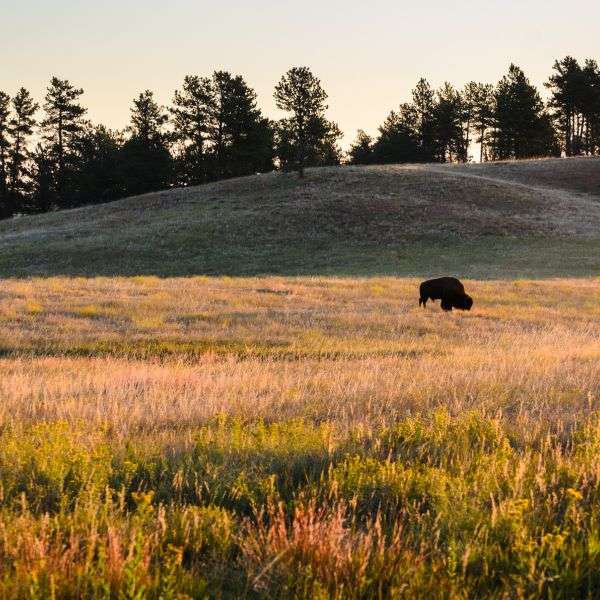
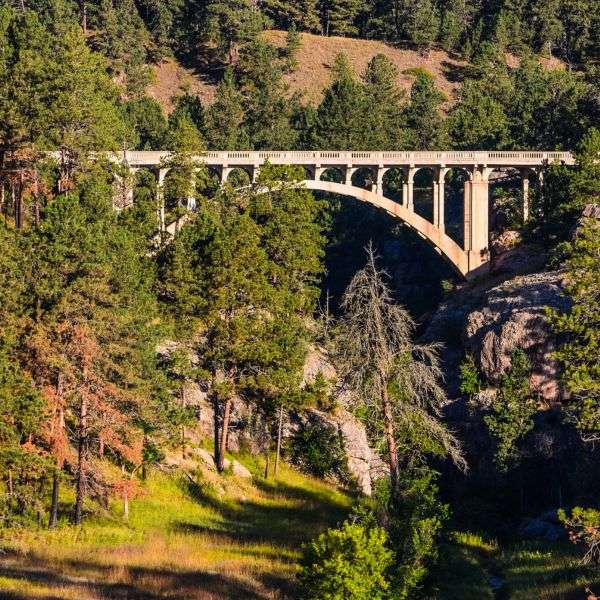
Above ground, the park features a mix of rolling hills, canyons, and mixed-grass prairie. The prairie ecosystem is characterized by a variety of grasses, wildflowers, and shrubs. The above-ground ecosystems include ponderosa pine forests, meadows, and open grasslands.
Hydrology
Wind Cave National Park has several small streams, such as Beaver Creek, which contribute to the park's hydrology. The underground cave system is influenced by the movement of groundwater through the limestone formations.
Plants
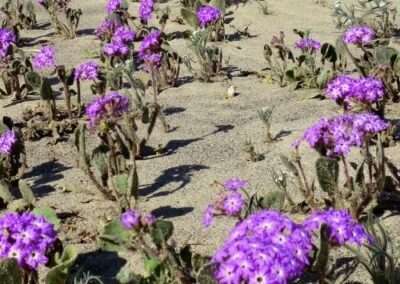
Wind Cave National Park is home to a variety of plant life adapted to the park's mixed-grass prairies, ponderosa pine forests, and rugged landscapes. The park's flora includes native grasses, wildflowers, shrubs, and trees that support the area's diverse ecosystems. Plants such as prairie grasses, sagebrush, and wildflowers provide food and shelter for wildlife while adding beauty to the landscape. Visitors to Wind Cave National Park can explore the rich plant life of the Black Hills and discover how these species survive in the unique environments found throughout the park.
Animals
Mammals
Wind Cave National Park is home to a wide variety of mammals that live in its prairies, forests, and rocky landscapes. These animals play important roles in the park's ecosystems and include large grazers, predators, and smaller mammals.
American Bison (Bison bison): American bison are one of the park's most well-known mammals. A herd was reintroduced to Wind Cave National Park in 1913, and these large grazers continue to thrive in the park's grasslands.
Elk (Cervus canadensis): Elk are commonly seen in the park's forests and open meadows. These large herbivores help shape plant communities through grazing.
Pronghorn (Antilocapra americana): Pronghorn live in the park's open prairie areas. They are known for their incredible speed and are the fastest land animals in North America.
Mule Deer (Odocoileus hemionus): Mule deer are common throughout the park and can be found in both grasslands and forested areas. They are recognized by their large ears and bounding movement.
Coyote (Canis latrans): Coyotes are adaptable predators that live throughout Wind Cave National Park. They help maintain ecosystem balance by hunting small mammals and other prey.
Red Fox (Vulpes vulpes): Red foxes can survive in many habitats, including prairies and forests. They feed on small mammals, birds, insects, and other available food sources.
Bobcat (Lynx rufus): Bobcats are secretive predators found in the park's wooded areas and grasslands. They use their excellent hunting skills to catch small animals.
American Badger (Taxidea taxus): Badgers are powerful digging mammals that live mainly in prairie habitats. They use their strong claws to create burrows and hunt animals such as rodents.
White-tailed Deer (Odocoileus virginianus): White-tailed deer also occur in the park, although mule deer are more common. They are adaptable animals that live in a variety of habitats.
Bighorn Sheep (Ovis canadensis): Bighorn sheep were reintroduced to the Black Hills region and may be seen in parts of Wind Cave National Park. They are well adapted to rocky terrain.
Black-tailed Prairie Dog (Cynomys ludovicianus): Prairie dogs are important members of the park's grassland ecosystem. Their underground colonies provide habitat for other wildlife and help shape the prairie landscape.
Golden-mantled Ground Squirrel (Callospermophilus lateralis): These small mammals are commonly found in the park's forests and rocky areas. They collect and store seeds and other foods.
American Pika (Ochotona princeps): American pikas are small mammals adapted to cool, rocky environments. They gather plants during warmer months and store them as food for winter.
Mountain Lion (Puma concolor): Mountain lions are rare and difficult to spot but live in the Black Hills region. These powerful predators help regulate populations of other animals in the ecosystem.
The mammals of Wind Cave National Park reflect the diversity of the Black Hills landscape. From grazing bison and pronghorn to predators like coyotes and mountain lions, these species help maintain the balance of the park's natural communities.
Reptiles
Wind Cave National Park is home to a variety of reptiles adapted to its mixed-grass prairies, forests, rocky areas, and aquatic habitats. These reptiles play important roles in the park's ecosystems as predators, prey, and contributors to ecological balance.
Prairie Rattlesnake (Crotalus viridis): The prairie rattlesnake is a venomous snake found in the grasslands and rocky areas of Wind Cave National Park. It uses its rattle as a warning signal and helps control populations of small mammals.
Plains Garter Snake (Thamnophis radix): Plains garter snakes are common in a variety of habitats, including grasslands and areas near water. These non-venomous snakes feed on insects, amphibians, and small vertebrates.
Common Sagebrush Lizard (Sceloporus graciosus): This small lizard is found in open areas and rocky outcrops throughout the park. It is known for its ability to adjust its coloration to blend with its surroundings.
Northern Prairie Skink (Plestiodon septentrionalis): Northern prairie skinks are small, secretive lizards that inhabit grasslands and open areas. Their smooth scales and quick movements help them navigate their environment while searching for insects.
Eastern Yellow-Bellied Racer (Coluber constrictor flaviventris): This fast-moving, non-venomous snake lives in grasslands and open woodlands. Racers are active hunters that feed on insects, small mammals, and other reptiles.
Common Snapping Turtle (Chelydra serpentina): Common snapping turtles may be found in the park's ponds, streams, and other aquatic habitats. These large turtles are powerful predators and are adapted to both water and land environments.
Western Painted Turtle (Chrysemys picta bellii): Western painted turtles inhabit slow-moving waters such as ponds and marshes. They are recognized by their colorful markings and their habit of basking on logs and rocks.
Northern Plains Box Turtle (Terrapene ornata ornata): Northern plains box turtles live in grasslands and open woodlands. Their hinged shells allow them to completely close themselves inside for protection from predators.
The reptiles of Wind Cave National Park are an important part of the park's biodiversity. From prairie-dwelling snakes and lizards to freshwater turtles, these species have adapted to the unique environments of the Black Hills and help maintain healthy ecosystems.
Birds
Wind Cave National Park is home to a diverse community of birds that thrive in its mixed-grass prairies, ponderosa pine forests, and riparian habitats. These birds contribute to the park's biodiversity and provide excellent opportunities for birdwatching throughout the year.
Black-capped Chickadee (Poecile atricapillus): Black-capped chickadees are small, energetic birds commonly found in the park's wooded areas. They are recognized by their black caps and bibs and are frequent visitors to forest habitats.
Western Meadowlark (Sturnella neglecta): Western meadowlarks inhabit the park's grasslands and are known for their beautiful, flute-like songs. Their bright yellow underparts make them easy to recognize in open prairie areas.
Mountain Bluebird (Sialia currucoides): Mountain bluebirds are striking blue songbirds often seen in open meadows and grasslands. They feed on insects and small prey while adding vibrant color to the landscape.
Turkey Vulture (Cathartes aura): Turkey vultures are commonly seen soaring above the park. They use rising air currents to glide across the sky while searching for carrion.
Prairie Falcon (Falco mexicanus): Prairie falcons are powerful birds of prey adapted to open landscapes. They hunt small mammals and birds across the park's grasslands.
American Goldfinch (Spinus tristis): American goldfinches are small, brightly colored birds found in meadows and grassy areas. Their yellow plumage becomes especially vibrant during the breeding season.
Red-tailed Hawk (Buteo jamaicensis): Red-tailed hawks are large raptors often seen perched on trees or soaring above the park. They help control populations of small mammals and other prey.
Common Nighthawk (Chordeiles minor): Common nighthawks are active during the evening and night. They are skilled aerial hunters that capture insects while flying.
American Kestrel (Falco sparverius): American kestrels are small, colorful falcons found in grasslands and open woodlands. They hover in place while searching for insects, rodents, and other prey.
Bald Eagle (Haliaeetus leucocephalus): Bald eagles are occasionally seen in the park, especially near water sources. These iconic birds feed primarily on fish and other animals.
Northern Flicker (Colaptes auratus): Northern flickers are medium-sized woodpeckers commonly found in open areas with scattered trees. Their distinctive calls are often heard throughout the park.
Song Sparrow (Melospiza melodia): Song sparrows inhabit wetlands, streamsides, and other areas with vegetation. They are known for their complex and varied songs.
The birds of Wind Cave National Park reflect the diversity of the Black Hills landscape. From prairie songbirds and forest dwellers to soaring raptors, these species help maintain the ecological health and beauty of the park.
Fish
Wind Cave National Park does not contain large lakes or extensive waterways, so its fish diversity is limited compared to parks with larger aquatic systems. However, some small streams, ponds, and creeks in and around the park may support a few fish species adapted to the cool, freshwater environments of the Black Hills.
Brook Trout (Salvelinus fontinalis): Brook trout are cold-water fish that may be found in clear, cool streams and creeks near the park. They are known for their colorful markings and their preference for clean, well-oxygenated water.
Brown Trout (Salmo trutta): Brown trout may also occur in suitable waterways near Wind Cave National Park. These adaptable fish can survive in a variety of freshwater conditions and are valued by anglers throughout the Black Hills region.
Although fish are not a major component of Wind Cave National Park's ecosystems, the species found in its waters contribute to the biodiversity of the region. Protecting water quality and stream habitats remains important for maintaining healthy aquatic communities.
Amphibians
Wind Cave National Park has a limited amphibian diversity due to its dry prairie environment and the scarcity of permanent water sources. However, wetlands, ponds, streams, and temporary pools within the park provide important habitats for several amphibian species. These animals play valuable roles in the ecosystem as both predators and prey.
Plains Leopard Frog (Lithobates blairi): Plains leopard frogs are adapted to prairie environments and may be found near ponds, marshes, and slow-moving water sources. They are recognized by their spotted patterns and are important members of wetland ecosystems.
Western Tiger Salamander (Ambystoma mavortium): Western tiger salamanders inhabit areas near wetlands and temporary ponds. They rely on seasonal water sources for breeding, where their larvae develop before moving onto land.
Boreal Chorus Frog (Pseudacris maculata): Boreal chorus frogs are small amphibians found in grassy areas, wetlands, and shallow ponds. They are known for their distinctive breeding calls, which can often be heard during the spring and summer months.
"we made our way down the stairway against the very strong wind and then began our descent proper, into the wonderful, indescribably wonderful cave—down, down into the very 'bowels of the earth."
—An early explorer of Wind Cave, 1890
"Wind Cave is very special to us. In our language we call it Oniya Oshoka or Maka Oniye which means the earth is breathing. The reason this cave is so special to us is that this is the site of our Emergence Story, which is part of our larger Creation Story."
- Sina Bear Eagle
Explore More With Us
Stay updated on National Parks EDU resources, park news, community updates, and and ways to explore, and protect.

National Parks Edu's mission is to help kids and families understand what makes these places so important. Because when you learn about nature, you start to care about protecting it.
National Parks EDU is an independent educational website and is not affiliated with, endorsed by, sponsored by, or officially connected to the National Park Service (NPS) or the U.S. government. © National Parks EDU. All Rights Reserved. October 18, 2026