White Sands
National Park
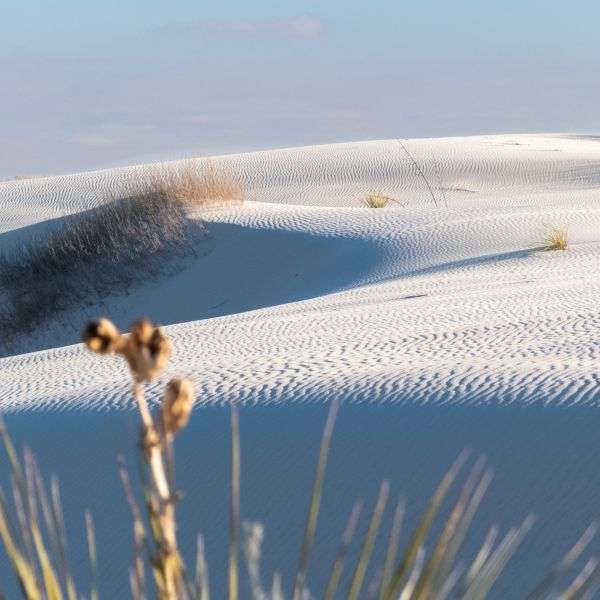
New Mexico
a mesmerizing tapestry of geothermal wonders, pristine landscapes, and wildlife sanctuaries
Fast Facts
Location
New Mexico
Established in
2019
Established by
President Donald Trump
Size
275 sq. miles
Known For
- Incredible white gypsum sand dunes that cover approximately 275 square miles
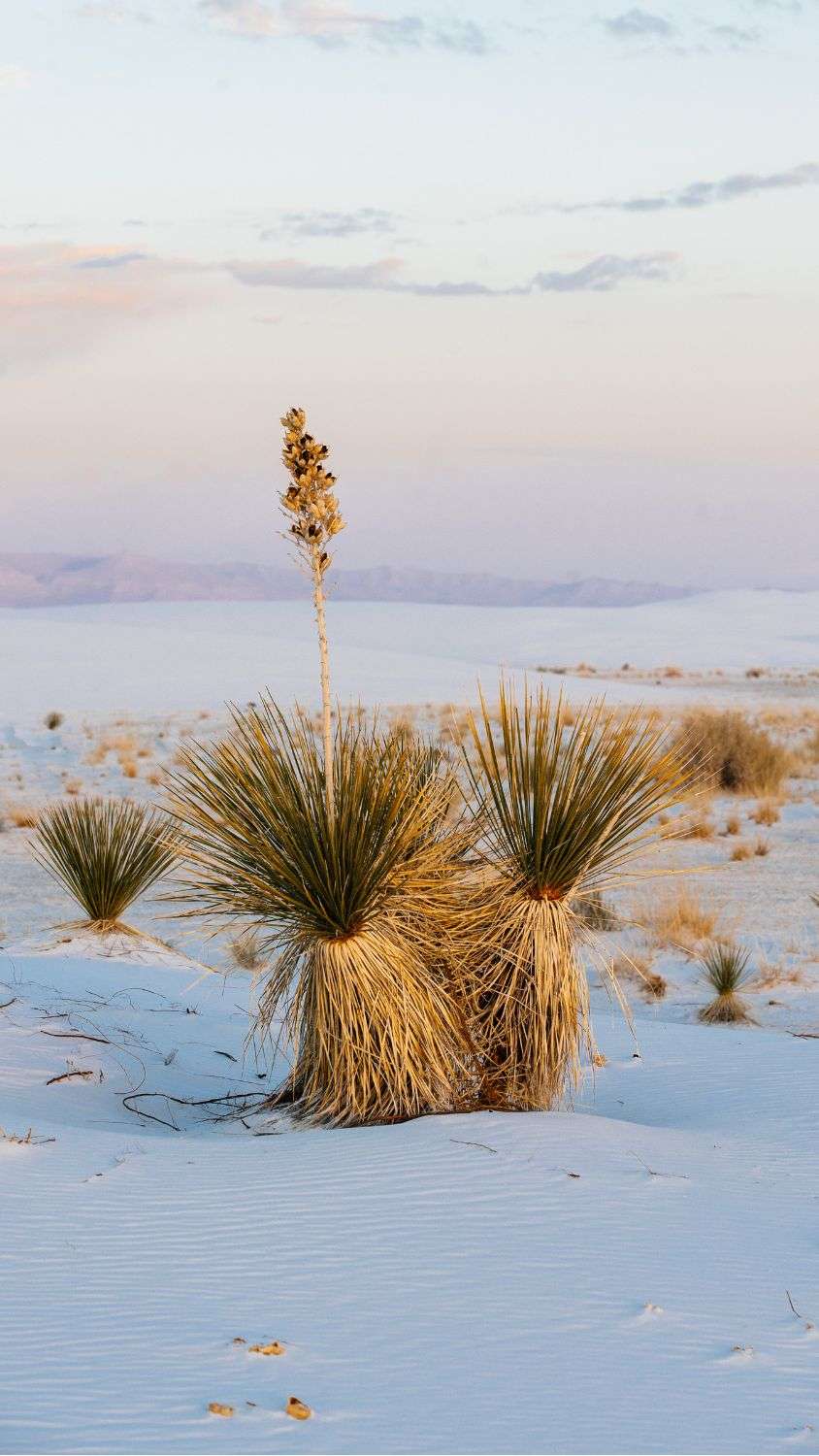
- home to a distinct ecosystem adapted to the harsh conditions of the gypsum dune field, including specialized plant and animal species
- Preserves traces of human history, including evidence of prehistoric cultures and the remnants of those who traversed the area
History
Natural History and Formation
White Sands National Park has a unique geological history that created its famous white gypsum sand dunes. Millions of years of changing landscapes, water, climate, and wind shaped the beautiful dune field seen today.
Gypsum Formation: About 250 million years ago, a shallow sea covered the region. As the sea dried up, it left behind thick layers of gypsum, a soft mineral made of calcium sulfate and water.
Mountain Uplift and Erosion: Over millions of years, forces inside the Earth lifted nearby mountain ranges. Erosion from wind and water slowly exposed the gypsum deposits that had been buried underground.
Formation of the Tularosa Basin: Around 10 million years ago, the land changed and the Tularosa Basin formed. Mountains surrounding the basin created a closed area where water could collect but could not flow to the ocean.
Climate Changes: During the Ice Age, the region experienced periods of wetter and drier weather. Water from rain and melting snow carried dissolved gypsum from the surrounding mountains into the basin.
Lake Lucero: At times, a shallow lake called Lake Lucero formed in the lowest part of the basin. When the lake dried, it left behind layers of gypsum crystals on the ground.
Wind and Dune Formation: Strong winds carried small gypsum particles from the dry lakebed and shaped them into dunes. Over thousands of years, these dunes grew into the large white sand landscape found at White Sands National Park today.
The landscape of White Sands National Park was created by the combined effects of ancient seas, mountain building, climate changes, water, and wind. These natural processes continue to shape one of the world's largest gypsum dune fields.
Native History
White Sands National Park has a long Native American history, with evidence that people have lived in and used the area for thousands of years. The dunes and surrounding lands have provided resources, cultural connections, and important places for many Indigenous communities.
Paleoindian Period: Archaeological evidence shows that Paleoindian people lived in the region about 12,000 years ago. These early hunter-gatherers hunted large animals, including mammoths and ancient bison, and collected plants for food.
Archaic Period: During the Archaic period, from about 8,000 to 2,000 years ago, people adapted to a drier climate. They relied more on gathering wild plants, hunting smaller animals, and using a wider variety of natural resources.
Jornada Mogollon Culture: About 2,000 years ago, the Jornada Mogollon people lived in the region. They practiced farming near the Rio Grande and its tributaries while also hunting and gathering wild foods.
Tularosa Basin Culture: Native American groups connected to the Mogollon tradition lived in the Tularosa Basin. They used the area for seasonal camps, hunting, gathering plants, and taking advantage of the resources found around the dunes and nearby mountains.
Sacred Sites and Cultural Significance: The White Sands area has cultural importance for many Native American tribes, including the Mescalero Apache. The landscape, including the dunes and surrounding mountains, is connected to traditional stories, beliefs, and cultural practices.
Archaeological Sites: Archaeological discoveries in and around White Sands National Park include ancient footprints, campsites, tools, and other artifacts. These discoveries help scientists learn about the daily lives of the people who lived in the region long ago.
Protection and Preservation: White Sands National Park works to protect its cultural resources through research, preservation efforts, and partnerships with Native American tribes. These efforts help ensure that Indigenous history and traditions are respected and shared with future generations.
The Native American history of White Sands National Park shows the deep and lasting connection between people and this unique desert landscape.
Preservation
The preservation history of White Sands National Park shows the long effort to protect its unique gypsum dunes, wildlife, and cultural resources. Conservation work has helped ensure that this special desert landscape remains protected for future generations.
Early Recognition: In the late 1800s and early 1900s, scientists and explorers began studying the White Sands area. They recognized the importance of the large gypsum dunes and supported efforts to protect the landscape.
Establishment as a National Monument: In 1933, President Herbert Hoover created White Sands National Monument to protect the unusual gypsum dune field. This designation helped preserve the area's natural beauty and scientific value.
Expansion and Renaming: Over time, the protected area grew to include more of the dune field and surrounding habitats. In December 2019, White Sands National Monument became White Sands National Park, recognizing its importance as a national treasure.
Conservation Efforts: The National Park Service works with scientists, conservation groups, and other partners to protect White Sands. These efforts include studying the environment, protecting wildlife, and managing natural resources.
Cultural Heritage Protection: The park also protects important cultural resources, including ancient footprints, archaeological sites, and historic features. These resources help tell the story of the people who have lived in and traveled through the region.
Dark Sky Protection: White Sands National Park is also valued for its dark night skies. Protecting the night sky from light pollution helps preserve opportunities for stargazing and scientific study.
The preservation of White Sands National Park reflects a commitment to protecting its natural wonders and cultural history. Continued conservation efforts help ensure that visitors can experience this remarkable landscape for many years to come.
Future Preservation
Protecting White Sands National Park for the future requires careful management of its natural and cultural resources. The park faces several challenges that must be addressed to preserve its unique gypsum dunes, wildlife, and history.
Climate Change: Rising temperatures, changing rainfall patterns, and stronger weather events can affect the park's plants, animals, and dune environment. Climate changes may also impact water supplies that support life in the desert.
Invasive Species: Non-native plants, such as Russian thistle and salt cedar, can compete with native plants and change the desert ecosystem. Park managers work to control invasive species and protect native habitats.
Visitor Impact: More visitors create challenges for protecting natural and cultural resources. Foot traffic, litter, erosion, and disturbance to wildlife must be carefully managed to reduce damage to the park.
Water Resources: Water is limited in the desert environment. Changes in rainfall, groundwater supplies, and water quality can affect plants, animals, and the processes that help maintain the dune landscape.
Cultural Resource Protection: White Sands contains important archaeological sites and cultural resources connected to Indigenous peoples and early settlers. Protecting these areas from damage caused by visitors, development, and natural erosion is an ongoing challenge.
Infrastructure and Development: The park needs roads, trails, and visitor facilities while also protecting the natural landscape. Careful planning helps reduce the effects of construction and visitor services on sensitive areas.
Working with Partners: Protecting White Sands requires cooperation among the National Park Service, Native American tribes, scientists, conservation groups, and local communities. Working together helps create better solutions for long-term preservation.
By using research, careful planning, and teamwork, White Sands National Park can continue protecting its unique dunes, wildlife, and cultural history for future generations.
Geography
White Sands National Park is a remarkable desert landscape in southern New Mexico, famous for its bright white gypsum sand dunes. Located in the Tularosa Basin, the park protects one of the world's largest gypsum dune fields, along with unique plants, animals, and cultural resources. Its unusual scenery, shaped by millions of years of geological change, makes White Sands a fascinating place to explore and learn about the natural history of the Chihuahuan Desert.
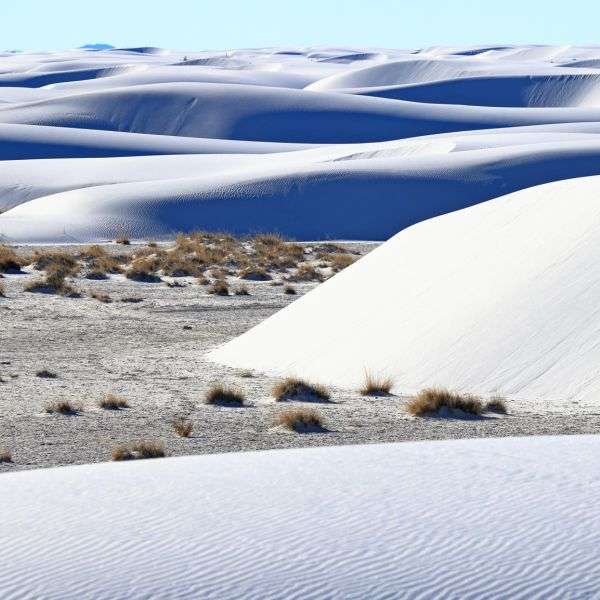
Gypsum Sand Dunes
The most prominent feature of White Sands is its expansive dunefield, which covers approximately 275 square miles (710 square kilometers) of the Tularosa Basin. These dunes are composed of gypsum sand, which gives them their distinctive white color and soft, fine texture.
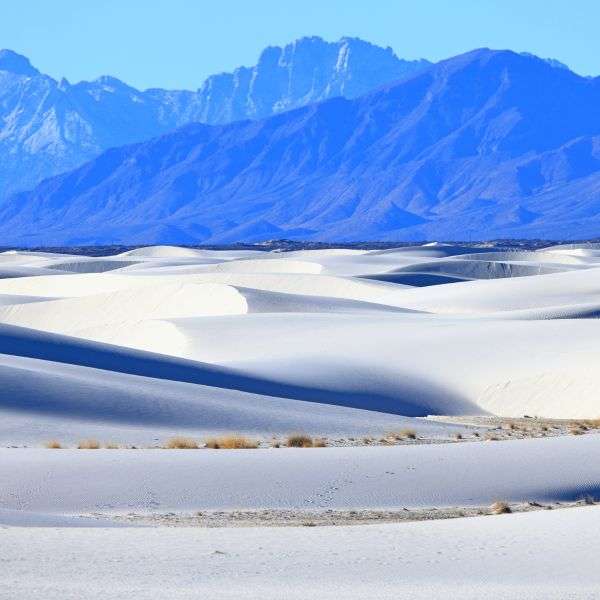
Tularosa Basin
White Sands is located within the Tularosa Basin, a geological depression bordered by mountain ranges, including the San Andres Mountains to the west and the Sacramento Mountains to the east. The basin's closed drainage system means that water does not flow out to the sea, leading to the accumulation of salts and gypsum in the basin.
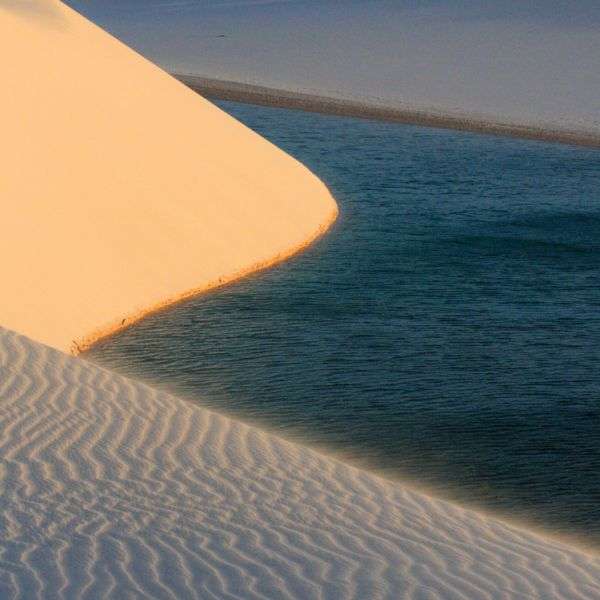
Lake Lucero
Within the park, Lake Lucero is a dry lakebed located in the southern part of the dunefield. It serves as the source of gypsum sand for the dunes, as the lake periodically fills with water during wetter periods and then evaporates, leaving behind gypsum deposits.
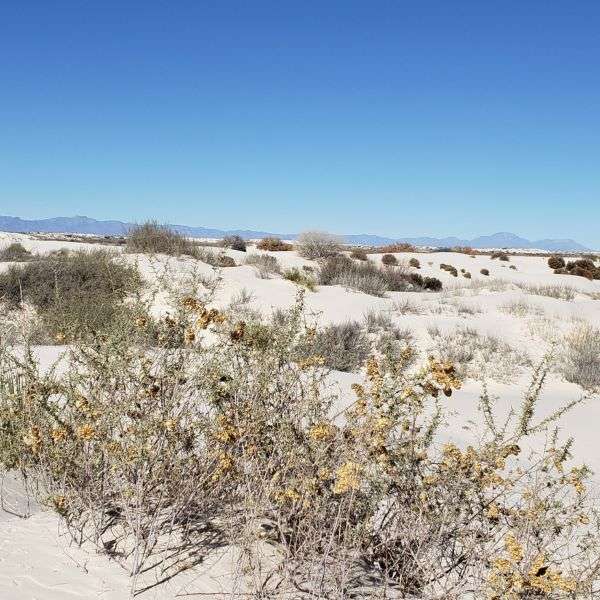
Interdune Areas
In addition to the vast expanses of sand dunes, White Sands includes interdune areas characterized by hard-packed desert pavement and sparse vegetation. These areas provide habitat for a variety of plant and animal species adapted to the harsh desert environment.
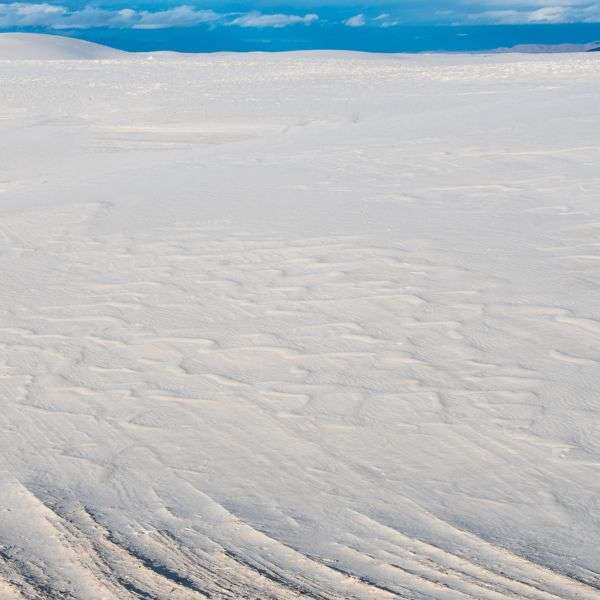
Playas and Arroyos
Playas (dry lakebeds) and arroyos (ephemeral streams) are also features of the park's landscape. These water features play a role in shaping the desert environment and provide habitat for wildlife adapted to fluctuating water levels.
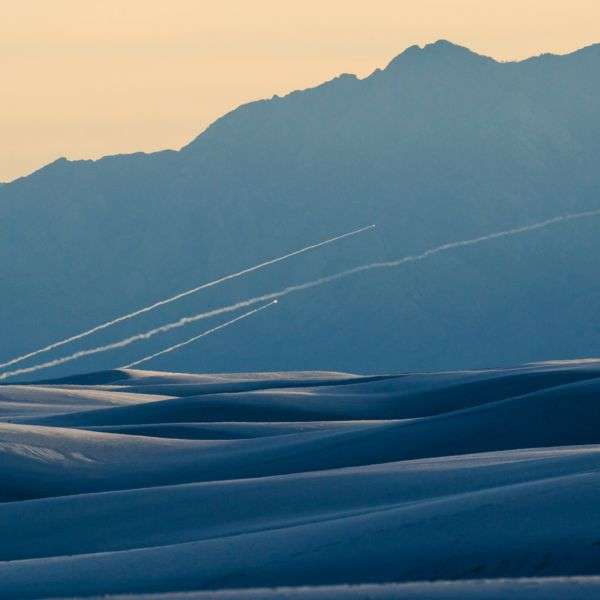
White Sands Missile Range (WSMR)
The park is located adjacent to the White Sands Missile Range, one of the largest military installations in the United States. The missile range covers a vast area and is used for testing various military hardware, including missiles, rockets, and other defense systems.
Plants
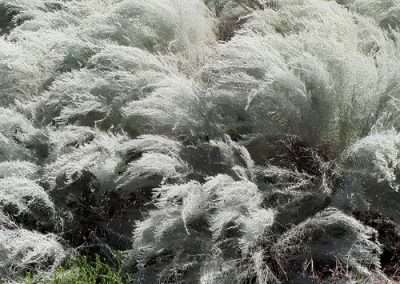
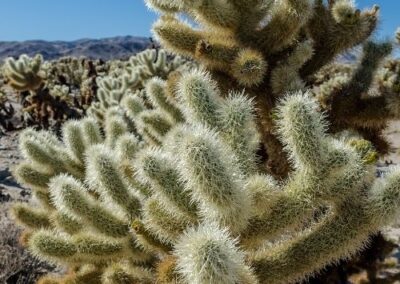
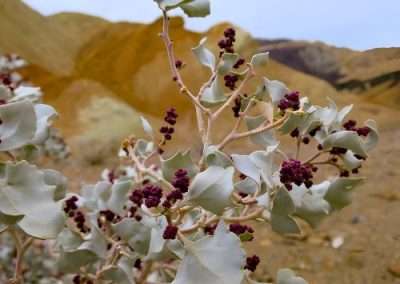
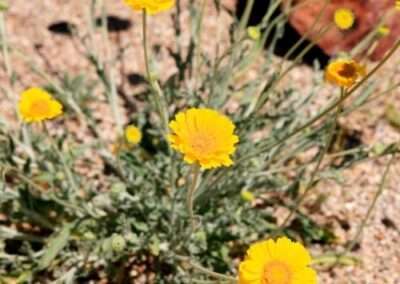
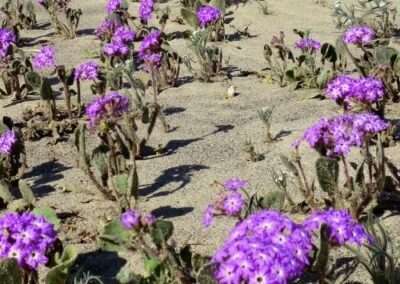
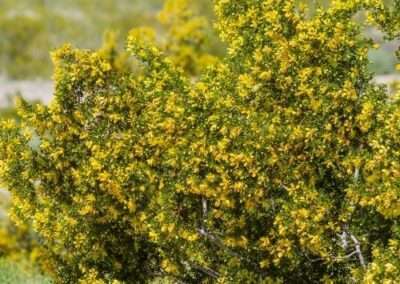
White Sands National Park is home to a unique collection of plants specially adapted to survive in the dry desert environment of the Tularosa Basin. The park's gypsum dunes support a variety of hardy species, including desert shrubs, grasses, and flowering plants that can withstand shifting sands and limited water. These resilient plants add beauty to the landscape while providing important food and shelter for desert wildlife.

Animals
Mammals
White Sands National Park supports a variety of mammals that have adapted to the dry desert environment of southern New Mexico. These animals have special adaptations that help them survive with limited water, extreme temperatures, and the shifting gypsum dunes of the Tularosa Basin.
Desert Cottontail (Sylvilagus audubonii): Desert cottontails are common rabbits found throughout the Southwest, including White Sands. They have gray-brown fur that helps them blend into the desert and a small white tail.
Black-tailed Jackrabbit (Lepus californicus): Black-tailed jackrabbits are large desert hares with long ears and powerful legs. They are often seen moving quickly across open areas and dunes.
Coyote (Canis latrans): Coyotes are highly adaptable predators found throughout the park. They help maintain balance in the ecosystem by hunting small animals and eating available food sources.
Kit Fox (Vulpes macrotis): Kit foxes are small, desert-adapted predators with large ears that help release heat. They are mostly active at night and feed on small mammals, insects, and reptiles.
Mule Deer (Odocoileus hemionus): Mule deer are found mainly in the mountains and desert areas surrounding White Sands. They may occasionally move through the park in search of food and water.
Antelope Ground Squirrel (Ammospermophilus spp.): Antelope ground squirrels are small rodents adapted to hot desert conditions. They are often seen running across sandy areas and searching for seeds and plants.
Merriam's Kangaroo Rat (Dipodomys merriami): Merriam's kangaroo rats are nocturnal rodents with powerful back legs that allow them to hop across the desert. They get most of their water from the seeds they eat.
Ringtail (Bassariscus astutus): Ringtails are small mammals related to raccoons. They are active mostly at night and use their long, striped tails for balance while climbing in rocky areas.
Mountain Lion (Puma concolor): Mountain lions are rare and difficult to spot but may travel through the mountains near White Sands. These large predators help control populations of other animals in the desert ecosystem.
The mammals of White Sands National Park demonstrate the ability of wildlife to survive in one of the most unusual desert environments in North America. Their adaptations help them thrive among the gypsum dunes and surrounding desert habitats.
Reptiles
White Sands National Park is home to a variety of reptiles that have adapted to the hot, dry conditions of the Chihuahuan Desert. These reptiles survive in the gypsum dunes and desert habitats by using special behaviors, camouflage, and adaptations that help them find food and avoid extreme temperatures.
Sidewinder Rattlesnake (Crotalus cerastes): Sidewinder rattlesnakes are venomous snakes known for their unique sideways movement across loose sand. This movement helps them travel efficiently across the dunes while avoiding the hot surface.
Coachwhip Snake (Masticophis flagellum): Coachwhip snakes are long, slender, non-venomous snakes that move quickly while hunting. They feed on small animals such as rodents, birds, and lizards.
Western Diamondback Rattlesnake (Crotalus atrox): Western diamondback rattlesnakes are venomous snakes found in many desert areas of the Southwest. They are recognized by their diamond-shaped markings and warning rattle.
Leopard Lizard (Gambelia spp.): Leopard lizards are large, active lizards with spotted patterns that help them blend into the desert landscape. They hunt insects, small reptiles, and other prey.
Greater Earless Lizard (Cophosaurus texanus): Greater earless lizards are small desert lizards that lack visible ear openings. Their coloring helps them hide in sandy environments, where they search for insects.
Zebra-tailed Lizard (Callisaurus draconoides): Zebra-tailed lizards are named for the dark stripes on their tails. They are fast runners that are well adapted to sandy desert habitats.
Western Banded Gecko (Coleonyx variegatus): Western banded geckos are small, nocturnal lizards that feed on insects. During the day, they hide in sheltered areas and come out at night when temperatures are cooler.
Long-nosed Leopard Lizard (Gambelia wislizenii): Long-nosed leopard lizards are large, daytime-active lizards with spotted markings. They hunt insects, small mammals, and other lizards in desert areas.
Desert Spiny Lizard (Sceloporus magister): Desert spiny lizards have rough, spiny scales that help protect them from predators. They often bask in the sun to warm their bodies and are commonly found in rocky desert habitats.
The reptiles of White Sands National Park show how animals can adapt to one of the most challenging environments in North America. Their unique behaviors and physical features allow them to survive among the park's shifting gypsum dunes and desert landscapes.
Birds
White Sands National Park is home to a variety of bird species that have adapted to the desert environment. The park provides habitat for year-round residents as well as migratory birds that pass through the region. From ground-dwelling desert birds to soaring predators and visiting water birds, these species add to the park's rich biodiversity.
Scaled Quail (Callipepla squamata): Scaled quail are common desert birds found in the Southwest. They live mostly on the ground and are known for their gray, scale-like feather patterns and quick movements through desert vegetation.
Gambel's Quail (Callipepla gambelii): Gambel's quail are desert birds recognized by the black plume on their heads. They forage for seeds, plants, and insects in areas with shrubs and desert vegetation.
Greater Roadrunner (Geococcyx californianus): Greater roadrunners are fast-running birds often seen crossing open desert areas. They hunt insects, lizards, snakes, and small mammals.
Cactus Wren (Campylorhynchus brunneicapillus): Cactus wrens are large desert songbirds with bold markings and a white stripe above their eyes. They are commonly found in desert shrubs and cactus habitats.
Loggerhead Shrike (Lanius ludovicianus): Loggerhead shrikes are small predatory songbirds that hunt insects, lizards, and small animals. They are known for storing prey on thorns or other sharp objects.
Northern Mockingbird (Mimus polyglottos): Northern mockingbirds are famous for copying the songs of other birds. They are adaptable and can live in desert scrub, grasslands, and areas near people.
Black-throated Sparrow (Amphispiza bilineata): Black-throated sparrows are specially adapted to desert environments. They have a dark throat patch and feed mostly on seeds and insects found on the ground.
Western Meadowlark (Sturnella neglecta): Western meadowlarks are known for their bright yellow undersides and beautiful songs. They are often found in open grasslands and desert areas with grasses.
Burrowing Owl (Athene cunicularia): Burrowing owls are small owls that live in underground burrows. They are active during the day and feed on insects, reptiles, and small mammals.
Waterfowl and Shorebirds: Wet areas near White Sands, including temporary ponds and Lake Lucero, can attract migrating water birds. Ducks, geese, herons, egrets, and shorebirds may visit these areas when water is available.
The birds of White Sands National Park demonstrate the ability of wildlife to thrive in a challenging desert environment. Their adaptations help them survive among the gypsum dunes while contributing to the park's unique ecosystem.
Fish
White Sands National Park does not have any native fish species because it lacks permanent lakes, rivers, or streams that can support fish populations. The park is located in the dry Tularosa Basin, where the landscape is mostly made up of gypsum dunes and desert habitats.
Temporary pools and shallow ponds may form after heavy rains, but these water sources usually disappear quickly and cannot provide the long-term habitat fish need to survive. Instead, the park's aquatic life is limited to small desert-adapted organisms that can survive in temporary water conditions.
Amphibians
White Sands National Park has very few amphibians because its desert environment does not provide the moist habitats that most amphibians need. Frogs and toads usually depend on ponds, streams, or wetlands for breeding, but water is limited in the park.
After heavy rains, temporary pools and puddles may form in the desert. These short-lived water sources can allow some amphibians to breed for a brief time. However, amphibians are not a common or permanent part of the park's ecosystem and are usually seen only during favorable weather conditions.
New Mexico Spadefoot Toad (Spea multiplicata): New Mexico spadefoot toads are well adapted to desert life. They spend much of their time underground and can quickly emerge after rainfall to breed in temporary pools. Their tadpoles grow quickly before the water disappears.
Western Chorus Frog (Pseudacris triseriata): Western chorus frogs are small frogs that may use temporary ponds for breeding when enough water is available. They are known for their loud, repeated calls during the breeding season.
Spotted Salamander (Ambystoma maculatum): Spotted salamanders are not common in the desert environment of White Sands. They are more often found in wetter habitats but could potentially occur near temporary wetlands after periods of heavy rainfall.
Amphibians at White Sands National Park are rare because of the area's dry climate. Species that occur in or near the park must rely on special adaptations to survive in an environment where water is available only for short periods.
"The surrounding mountains may crumble, but the dunes will last forever, as these are the sands of time."
- Joplin Sell
"Nothing grows in White Sands, except perhaps the imagination."
- George R. Stewart
Explore More With Us
Stay updated on National Parks EDU resources, park news, community updates, and and ways to explore, and protect.

National Parks Edu's mission is to help kids and families understand what makes these places so important. Because when you learn about nature, you start to care about protecting it.
National Parks EDU is an independent educational website and is not affiliated with, endorsed by, sponsored by, or officially connected to the National Park Service (NPS) or the U.S. government. © National Parks EDU. All Rights Reserved. October 18, 2026