Virgin Islands
National Park
U.S. Virgin Islands
Lush tropical landscapes and wildlife, vibrant coral reefs, and rich cultural history
Fast Facts
Location
St. John, St. Thomas, and Hassel Island
Established in
1956
Established by
President Dwight D. Eisenhower
Size
23 sq. miles
Known For
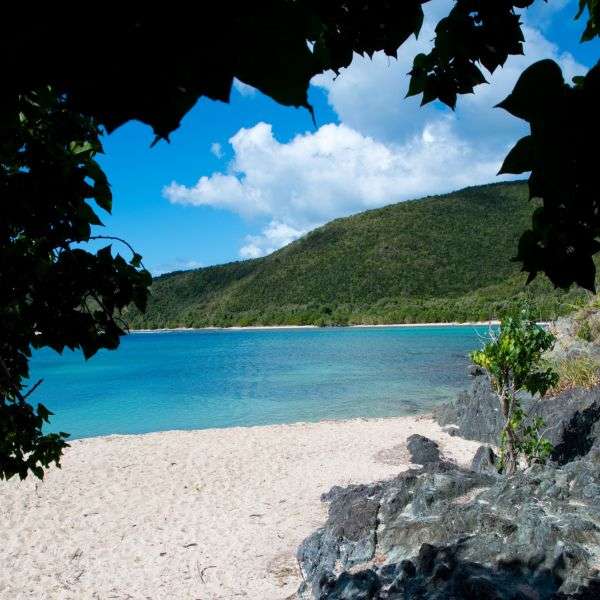
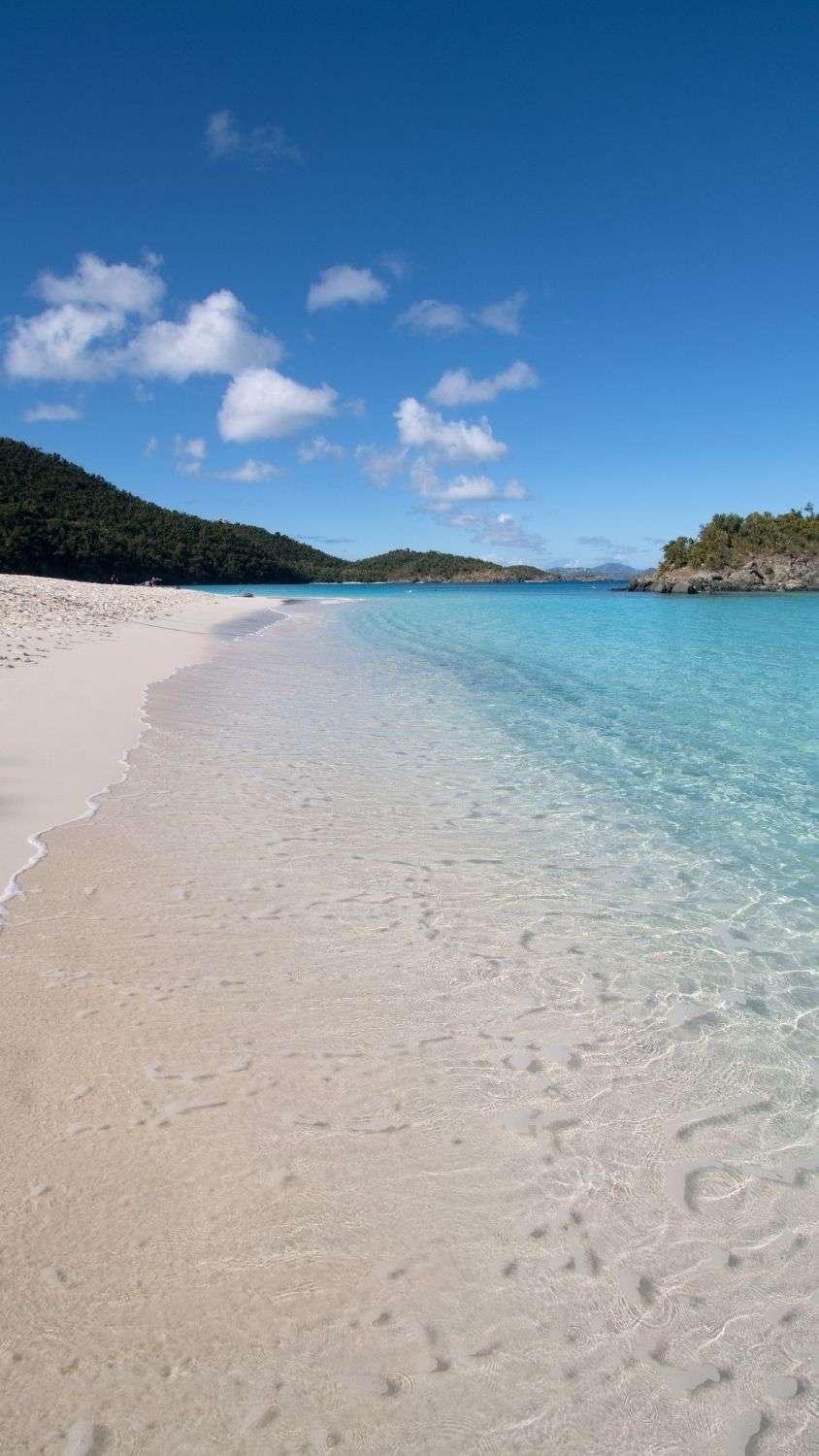
- Some of the most stunning and unspoiled beaches in the Caribbean, including Trunk Bay with its famous underwater snorkeling trail
- Diverse ecosystems, encompassing lush tropical forests, coral reefs, and mangrove swamps, providing a habitat for a wide range of plant and animal species
- A prime destination for snorkeling and diving enthusiasts
History
Natural History and Formation
The geological history of Virgin Islands National Park has been shaped by volcanic activity, tectonic forces, erosion, and changes in sea level over millions of years. These processes created the island's rugged hills, coastal landscapes, and important marine habitats.
Tectonic Activity: The Virgin Islands formed through the movement of tectonic plates in the Caribbean region. The area was shaped by the interaction of the Caribbean Plate and the North American Plate, which caused volcanic activity and uplift that helped create the islands.
Volcanic Origins: The islands of St. John and St. Thomas have volcanic origins. Ancient volcanic activity created the foundation of these islands, forming mountains and valleys that were later shaped by weathering and erosion.
Coral Reef Formation: Coral reefs developed around the islands as warm, shallow waters provided ideal conditions for coral growth. These reefs became important marine ecosystems, supporting many fish, plants, and other ocean species.
Erosion and Weathering: Over time, rain, wind, and ocean waves slowly changed the landscape. These natural forces carved valleys, shaped hillsides, and created the rocky coastlines and beautiful bays found throughout the park today.
Changes in Sea Level: During past ice ages, lower sea levels changed the shape of the Caribbean islands and surrounding waters. These changes influenced the movement and distribution of plants and animals in the region.
Human Influence: Human activities have also changed parts of the landscape. During the colonial period, forests were cleared for sugar plantations, and roads, buildings, and other structures altered the natural environment.
Virgin Islands National Park's geology reflects millions of years of natural forces. The combination of volcanic origins, coral reef development, erosion, and human history has created the diverse landscapes that visitors explore today.
Native History
The history of the native people connected to the Virgin Islands, including the area now protected as Virgin Islands National Park, reaches back thousands of years. Several Indigenous groups lived in the region before European contact, including the Taíno and earlier Caribbean cultures.
Early Indigenous Settlements: Archaeological evidence shows that people lived in the Virgin Islands long before Europeans arrived. These early communities used the islands' natural resources for fishing, farming, hunting, and gathering. They created tools, pottery, and other items that help researchers understand their way of life.
Taíno Culture: The Taíno people, who spoke an Arawakan language, lived throughout much of the Caribbean, including parts of the Virgin Islands. They were skilled farmers, fishers, and traders. They grew crops such as cassava and created pottery, carvings, and ceremonial objects.
European Arrival: Christopher Columbus visited the Caribbean during his second voyage in 1493. European exploration brought major changes to the Indigenous peoples of the region, including the spread of diseases and conflicts over land and resources.
Changes After Colonization: European colonization greatly affected Indigenous communities in the Virgin Islands. New diseases, forced labor, and violence caused major population declines. Over time, many Indigenous traditions and communities were disrupted.
Danish Colonization: During the 1600s and 1700s, Denmark established colonies in the Virgin Islands, including St. Thomas, St. John, and St. Croix. Sugar plantations were developed, and enslaved Africans were brought to the islands to work. This changed the culture and population of the Virgin Islands.
Archaeological Sites: Today, archaeological sites throughout the Virgin Islands provide important information about Indigenous life before European contact. Artifacts such as pottery, tools, and shell remains help scientists learn about the people who lived there.
Cultural Legacy: The history of Indigenous peoples remains an important part of Virgin Islands National Park. The park works to protect cultural sites and share the stories of the people who have lived on these islands for thousands of years.
Preservation
The preservation history of Virgin Islands National Park includes efforts to protect the area's natural beauty, wildlife, marine environments, and cultural resources. The park protects tropical forests, beaches, coral reefs, and historic sites that show the long history of the Virgin Islands.
Establishment of the Park: Virgin Islands National Park was created on August 2, 1956, when President Dwight D. Eisenhower signed the law establishing the park. The park was created to protect the natural landscapes, cultural sites, and marine environments of St. John.
Land Donations and Acquisition: The creation of the park was made possible in part through the support of philanthropist Laurance S. Rockefeller. He donated large areas of land on St. John to help preserve the island's forests, beaches, and historic places.
Park Expansion: Over time, the park grew to protect more important areas, including coral reefs, underwater habitats, and archaeological sites. Today, the park protects both land and marine environments around St. John.
Natural Resource Conservation: The National Park Service works to protect the park's tropical forests, coral reefs, beaches, and native wildlife. Conservation programs help protect plants and animals while addressing challenges such as invasive species, pollution, and climate change.
Historical Preservation: Virgin Islands National Park protects many cultural and historic sites, including ancient petroglyphs, plantation ruins, and other structures from the colonial period. These sites help visitors learn about the people and events that shaped the islands.
Visitor Education: The park provides educational programs, exhibits, and guided activities to teach visitors about conservation and the history of the Virgin Islands. These programs encourage people to respect and protect the park's resources.
Marine Conservation: Protecting ocean habitats is an important part of the park's mission. The nearby Virgin Islands Coral Reef National Monument, established in 2001, helps protect coral reefs and underwater ecosystems around St. John.
Virgin Islands National Park continues to protect the natural and cultural treasures of the Caribbean. Through conservation, research, and education, the park helps preserve these special places for future generations.
Future Preservation
Protecting Virgin Islands National Park for the future requires careful management of environmental, cultural, and human challenges. The park must balance protecting its natural resources while allowing visitors to enjoy its forests, beaches, coral reefs, and historic sites.
Climate Change: Climate change is one of the biggest challenges facing the park. Rising sea levels, warmer temperatures, and stronger storms can affect coral reefs, wildlife habitats, forests, and historic sites along the coast.
Hurricanes and Natural Disasters: The Virgin Islands are often affected by hurricanes. Strong storms can damage forests, beaches, coral reefs, buildings, and cultural sites. Recovery after major storms requires time, planning, and funding.
Invasive Species: Non-native plants and animals can harm the park's ecosystems. Invasive species may compete with native species for food and space, making it harder for local plants and animals to survive.
Visitor Impact: Tourism is important to the Virgin Islands, but large numbers of visitors can create challenges. Heavy use of trails, beaches, and reefs can lead to erosion, pollution, and damage to sensitive habitats.
Development and Habitat Protection: Growth and construction near the park can put pressure on natural resources. Protecting forests, coastlines, and wildlife habitats while supporting local communities requires careful planning.
Cultural Resource Protection: The park protects important cultural sites, including Indigenous archaeological sites and historic plantation ruins. These places must be protected from damage while still allowing visitors to learn about their history.
Limited Resources: Protecting a national park requires enough funding, staff, and equipment. Limited resources can make it difficult to complete conservation projects, maintain facilities, and monitor environmental changes.
Water Quality and Marine Conservation: Coral reefs and marine habitats face threats from pollution, warming oceans, and coral bleaching. Protecting clean water and healthy reefs is important for fish, wildlife, and the overall health of the park.
Community Involvement: Working with local residents, scientists, conservation groups, and government agencies is important for protecting the park. Cooperation helps ensure that conservation efforts support both nature and the people who live nearby.
Protecting Virgin Islands National Park requires teamwork, research, and careful planning. By addressing these challenges, the park can continue to preserve its natural beauty and cultural history for future generations.
Geography
Virgin Islands National Park, located on the island of St. John in the U.S. Virgin Islands, is known for its beautiful tropical landscapes, clear waters, and diverse ecosystems. The park features lush forests, rocky hills, sandy beaches, and colorful coral reefs. These habitats support many types of plants and animals, both on land and underwater.
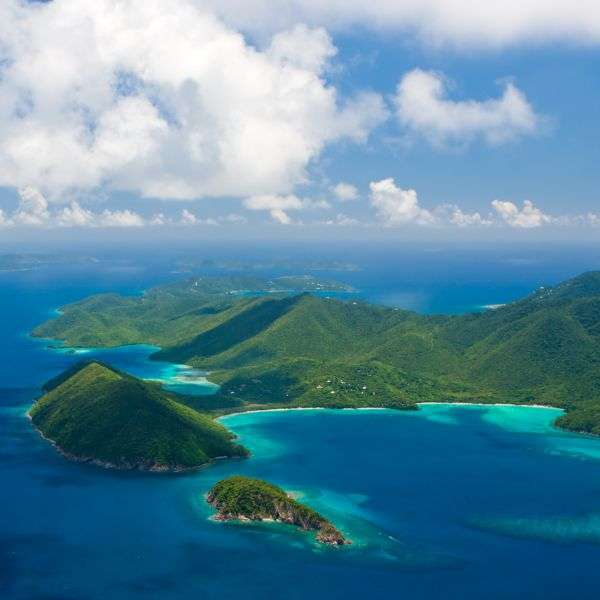
Archipelago Location
The park is situated within the Caribbean archipelago, which is part of the larger West Indies. The U.S. Virgin Islands, including St. John and St. Thomas, are located in the eastern Caribbean Sea.
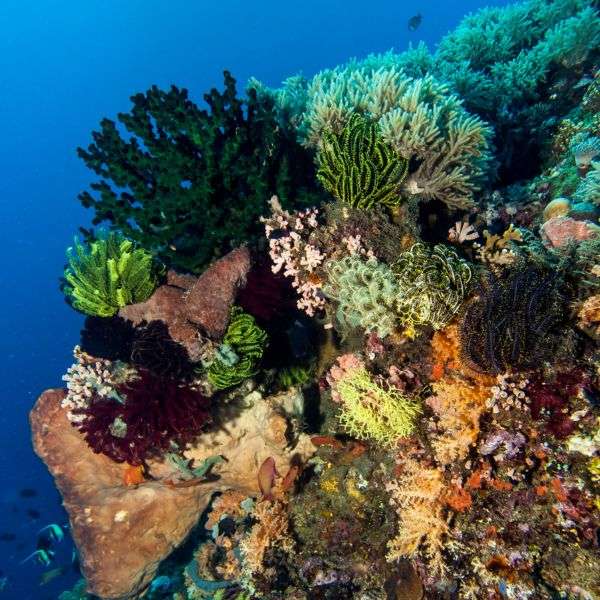
Coral Reefs
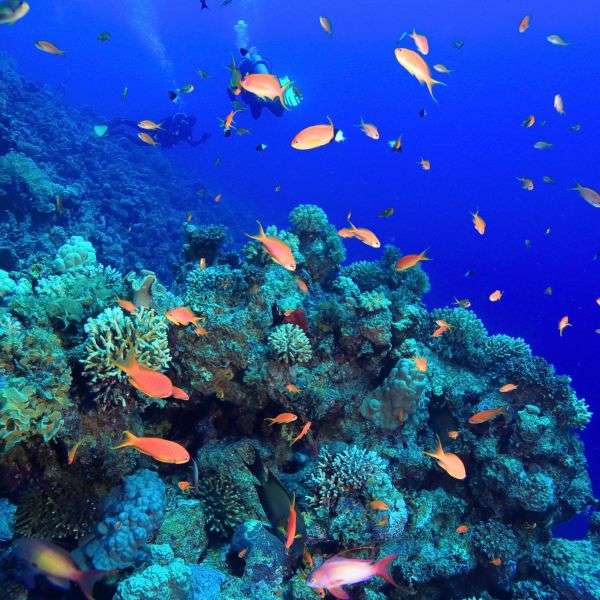
Virgin Islands National Park includes significant portions of submerged areas, including extensive coral reefs. These reefs are vital to the marine ecosystem and contribute to the region's biodiversity.
Underwater Habitats
In addition to coral reefs, the park encompasses various underwater areas, providing habitats for a rich diversity of marine life. The Virgin Islands Coral Reef National Monument, established in 2001, specifically protects these underwater ecosystems.
Tropical Climate
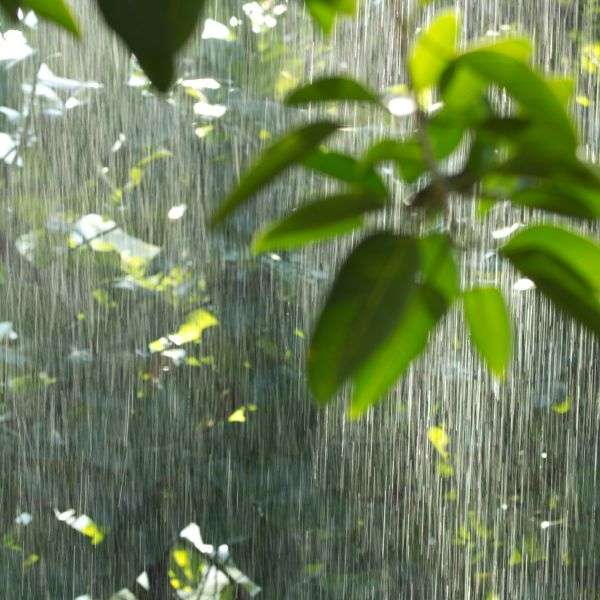
The geography of Virgin Islands National Park is influenced by a tropical climate. Warm temperatures prevail throughout the year, with a distinct wet season from May to November.
Tropical Forests
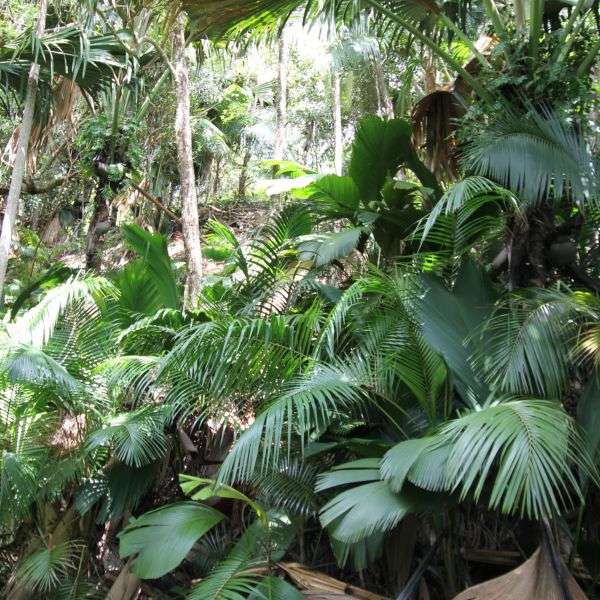
The park is home to diverse vegetation, including tropical forests with a variety of tree species, shrubs, and endemic plants. The vegetation contributes to the overall biodiversity of the park.
Historical Sites
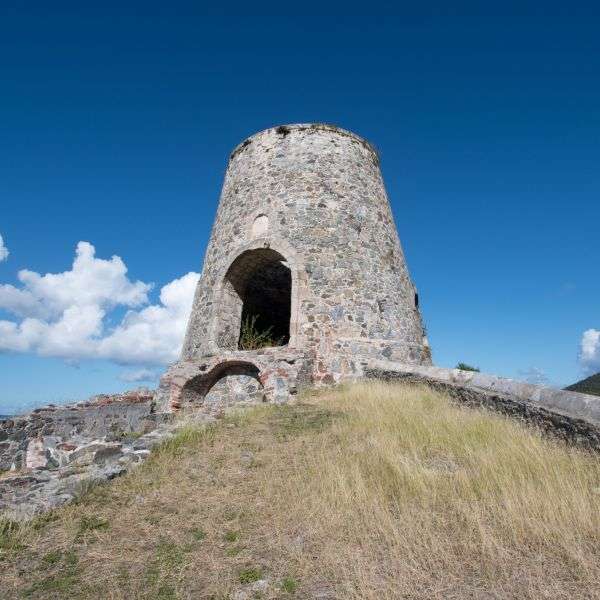
The geography of the park includes various historical sites, such as the ruins of sugar plantations, colonial-era structures, and pre-Columbian petroglyphs. These sites offer glimpses into the cultural history of the region.
Plants
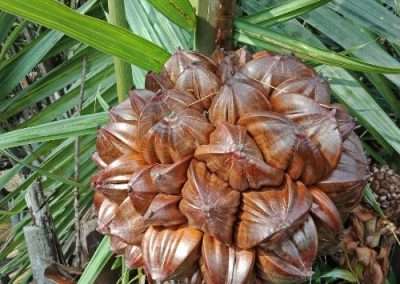
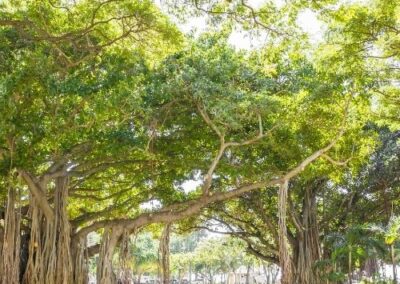
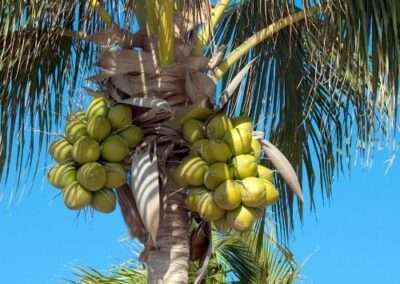
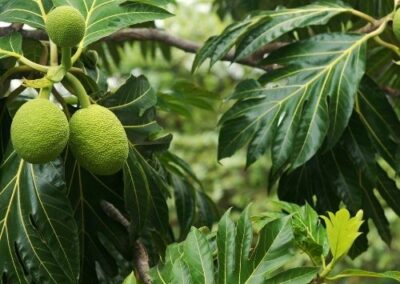
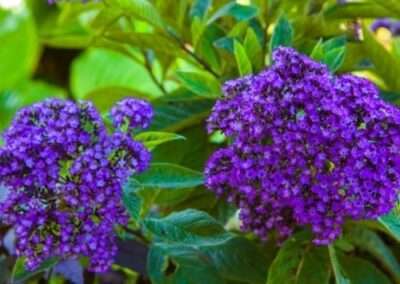
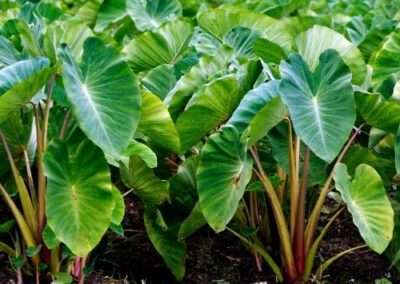
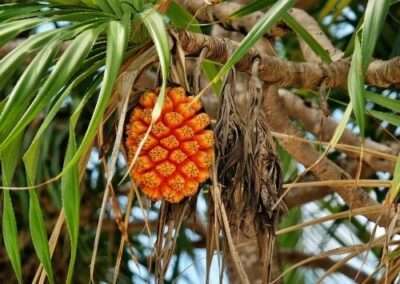
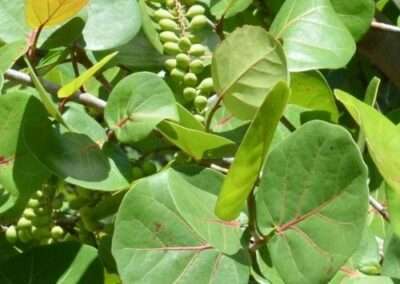
Virgin Islands National Park is home to a remarkable variety of plant life shaped by its warm tropical climate, coastal environments, and lush forests. From mangrove wetlands and palm trees to colorful flowers and tropical hardwoods, the park's vegetation creates important habitats for wildlife while adding to the beauty of the Caribbean landscape.
Animals
Mammals
Virgin Islands National Park has fewer native mammal species than many larger areas because it is located on islands separated from the mainland. The mammals found in the park include native species, animals introduced by humans, and marine mammals that visit the surrounding waters.
Mongoose (Herpestes auropunctatus): Small Indian mongooses were introduced to the Virgin Islands in the late 1800s to control rats on sugar plantations. However, they became invasive and can harm native wildlife by eating birds, reptiles, and other small animals.
Bats: Bats are some of the most important native mammals in the Virgin Islands. Species such as the Jamaican fruit bat (Artibeus jamaicensis) help spread seeds and pollinate plants, while insect-eating bats help control insect populations.
White-tailed Deer (Odocoileus virginianus): White-tailed deer were introduced to some areas of the Virgin Islands. They can affect native plants by feeding on vegetation and changing the balance of island ecosystems.
Humpback Whale (Megaptera novaeangliae): Humpback whales are seasonal visitors to the waters around the Virgin Islands. They migrate through the Caribbean during winter months, where they breed and raise their young.
Dolphins: Several dolphin species can be found in the waters near Virgin Islands National Park. Bottlenose dolphins (Tursiops truncatus) and Atlantic spotted dolphins (Stenella frontalis) are among the species seen in the region.
West Indian Manatee (Trichechus manatus): West Indian manatees may occasionally be seen in coastal waters around the Virgin Islands. These gentle marine mammals feed mainly on seagrasses and other aquatic plants.
Rats and Mice: Introduced rodents, including roof rats (Rattus rattus) and house mice (Mus musculus), are found on the islands. These animals can harm native plants and wildlife by competing for resources and eating native species.
The mammals of Virgin Islands National Park reflect the unique challenges of island ecosystems. Protecting native species and managing introduced animals are important parts of conserving the park's biodiversity.
Reptiles
Virgin Islands National Park is home to a variety of reptiles that live in its forests, coastal areas, and surrounding waters. These reptiles include lizards, snakes, and sea turtles that play important roles in the park's ecosystems.
Green Iguana (Iguana iguana): Green iguanas are an introduced species in the Virgin Islands. These large plant-eating lizards are often seen in trees and along trails. Because they are not native, they can compete with local species and affect native plants.
Anole Lizards: Several species of anole lizards live in the Virgin Islands. These small lizards are commonly seen on trees, rocks, and shrubs. They help control insect populations by eating small insects and other tiny animals.
Virgin Islands Dwarf Gecko (Sphaerodactylus parthenopion): This tiny gecko is one of the smallest reptiles in the world. It lives in leaf litter and rocky areas, where it hunts small insects and other tiny prey.
Virgin Islands Boa (Chilabothrus granti): The Virgin Islands boa is a rare, non-venomous snake native to the region. It helps control populations of small animals, including rodents.
Sea Turtles: The waters around Virgin Islands National Park provide habitat for several sea turtle species. Green sea turtles (Chelonia mydas), hawksbill turtles (Eretmochelys imbricata), and loggerhead turtles (Caretta caretta) can be found in the surrounding Caribbean waters.
Leatherback Turtle (Dermochelys coriacea): Leatherback turtles, the largest sea turtles in the world, may pass through the waters around the Virgin Islands. They are known for their flexible, leathery shells and long migrations across oceans.
Skinks: Skinks are small lizards with smooth, shiny scales. Some skink species live in the Caribbean and help maintain healthy ecosystems by feeding on insects and other small animals.
Caribbean Racer (Borikenophis portoricensis): This non-venomous snake is found in parts of the Caribbean. It feeds on small animals and helps maintain balance in island ecosystems.
The reptiles of Virgin Islands National Park are an important part of the area's biodiversity. Protecting their habitats helps conserve the unique wildlife found throughout the Caribbean.
Birds
Virgin Islands National Park is home to many bird species that live in or visit the park throughout the year. The park's tropical forests, beaches, mangroves, and coastal waters provide important habitats for resident birds and migrating species.
Bananaquit (Coereba flaveola): The bananaquit is a small, colorful bird commonly found throughout the Virgin Islands. It uses its curved bill to feed on nectar, fruit, and insects and can often be seen in gardens and forested areas.
Brown Pelican (Pelecanus occidentalis): Brown pelicans are commonly seen along the coast. These large seabirds dive into the water to catch fish and are an important part of the coastal ecosystem.
Magnificent Frigatebird (Fregata magnificens): These large seabirds are often seen soaring above coastal areas. They have long wings and are known for their ability to glide for long periods while searching for food.
American Kestrel (Falco sparverius): The American kestrel is a small falcon found in open areas of the park. It hunts insects, small birds, and small animals from perches or while flying.
Mangrove Cuckoo (Coccyzus minor): Mangrove cuckoos live in coastal forests and mangrove habitats. They are secretive birds and are often heard more easily than they are seen.
Zenaida Dove (Zenaida aurita): The Zenaida dove is a common Caribbean bird found in open areas, forests, and near human communities. It feeds mainly on seeds and fruits.
Yellow Warbler (Setophaga petechia): Yellow warblers are small, bright songbirds that can be found in mangroves and coastal habitats. Some populations migrate through the Virgin Islands during the year.
Scaly-naped Pigeon (Patagioenas squamosa): This large Caribbean pigeon lives in forests and wooded areas. It is named for the scaly-looking feathers on the back of its neck.
Red-tailed Hawk (Buteo jamaicensis): Red-tailed hawks are large birds of prey that can live in many different habitats. They hunt small mammals, reptiles, and birds.
Pearly-eyed Thrasher (Margarops fuscatus): This Caribbean bird is known for its loud calls and active behavior. It is often found in forests, shrubs, and coastal areas.
Yellow-crowned Night Heron (Nyctanassa violacea): This coastal bird lives near mangroves and shorelines. It uses its long bill to catch crabs, fish, and other small animals.
Olive-capped Warbler (Setophaga pityophila): This small songbird is found mainly in Caribbean forest habitats. It feeds on insects and is recognized by its yellow throat and olive-colored cap.
Migratory Songbirds: During the winter months, many birds from North America visit the Virgin Islands. Migrating warblers, thrushes, and other songbirds use the park's forests and coastal habitats as places to rest and feed.
The birds of Virgin Islands National Park add to the park's rich biodiversity. Protecting forests, wetlands, and coastal habitats helps support both resident and migratory bird populations.
Fish
The waters around Virgin Islands National Park are home to a wide variety of fish species. Coral reefs, seagrass beds, and coastal waters provide important habitats for colorful reef fish, predators, and other marine animals.
Parrotfish: Several species of parrotfish live around the park's coral reefs. These colorful fish help keep reefs healthy by eating algae that can grow on corals.
Blue Tang (Acanthurus coeruleus): The blue tang is a bright blue reef fish commonly seen in the clear waters of the Virgin Islands. It uses its small teeth to feed on algae growing on rocks and reefs.
French Angelfish (Pomacanthus paru): French angelfish are large, colorful reef fish with dark bodies, yellow markings, and bright highlights. They are often found near coral reefs and rocky areas.
Queen Triggerfish (Balistes vetula): Queen triggerfish are known for their unusual shape, colorful patterns, and strong teeth. They live near reefs and rocky habitats, where they search for food.
Yellowtail Snapper (Ocyurus chrysurus): Yellowtail snapper are popular reef fish recognized by their bright yellow tails. They are commonly found near coral reefs and rocky areas.
Bar Jack (Caranx ruber): Bar jacks are fast-swimming fish often seen near reefs. They usually travel in groups and feed on smaller fish and other marine animals.
Spotted Drum (Equetus punctatus): Spotted drums are small reef fish with black and white markings. They are often found near coral reefs and seagrass beds.
Sergeant Major (Abudefduf saxatilis): Sergeant majors are common reef fish with yellow bodies and dark stripes. They are often seen swimming around shallow coral reefs.
Great Barracuda (Sphyraena barracuda): Great barracudas are large predators with long bodies and sharp teeth. They hunt fish and can be found in open water and near reefs.
Bluehead Wrasse (Thalassoma bifasciatum): Bluehead wrasses are small, colorful reef fish with bright blue markings on their heads. They are common in shallow reef areas.
Lionfish (Pterois spp.): Lionfish are an invasive species in the Caribbean, including the waters around the Virgin Islands. They can reduce native fish populations by eating many small reef fish, so conservation programs work to control their numbers.
The fish of Virgin Islands National Park are an important part of the Caribbean marine ecosystem. Protecting coral reefs, seagrass beds, and clean ocean waters helps preserve these diverse fish communities for the future.
Amphibians
Virgin Islands National Park has a limited number of amphibian species compared with many mainland areas. The islands' warm, tropical climate supports a few types of frogs, especially small tree frogs that can live in moist forests and other habitats.
Puerto Rican Coqui (Eleutherodactylus coqui): The Puerto Rican coqui is a small tree frog that has been introduced to the Virgin Islands. It is best known for its loud nighttime call, which sounds like "co-qui." These frogs live in forests, gardens, and other areas with moisture.
Other Eleutherodactylus Tree Frogs: Other small tree frog species in the Eleutherodactylus group may occur in the Caribbean region. Some species are difficult to identify and are not as well studied in the Virgin Islands.
"Warm, turquoise waters lapped the sugar-sand beaches, with rainbow-hued fish and trunk-sized sea turtles beneath."
- Steve Nelson
"It’s one of those perfect environments to do what people love to do on any paradise island - soak in the sun, play in the sand, and swim in the sea."
- Stefanie Payne
"When you stand where saltwater and sand meet, the first few yards of crystal clear water allow you to see everything below. The water is mesmerizing."
- Dustin Crowe
"Rumor has it that pirates buried fortunes throughout this Caribbean area. Today's island visitors find treasures of greater value than gold and silver. A wealth of beaches, coral reefs, plantation ruins, and diverse plants and animals is awaiting discovery here. This national park is indeed a treasure trove filled to the brim."
- National Parks Services
Explore More With Us
Stay updated on National Parks EDU resources, park news, community updates, and and ways to explore, and protect.

National Parks Edu's mission is to help kids and families understand what makes these places so important. Because when you learn about nature, you start to care about protecting it.
National Parks EDU is an independent educational website and is not affiliated with, endorsed by, sponsored by, or officially connected to the National Park Service (NPS) or the U.S. government. © National Parks EDU. All Rights Reserved. October 18, 2026