Saguaro
National Park
Arizona
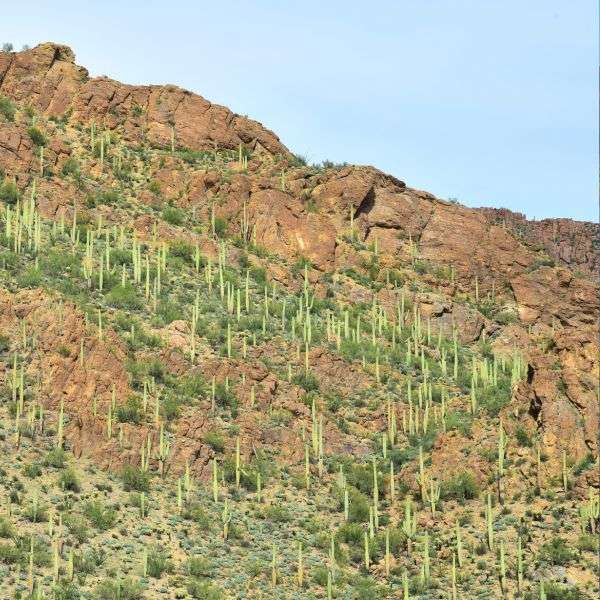
vast expanses of stunning desert landscapes adorned with towering saguaro cacti
Fast Facts
Location
Arizona
Established in
1994
Established by
President Bill Cilnton
Size
143 sq. miles
Known For
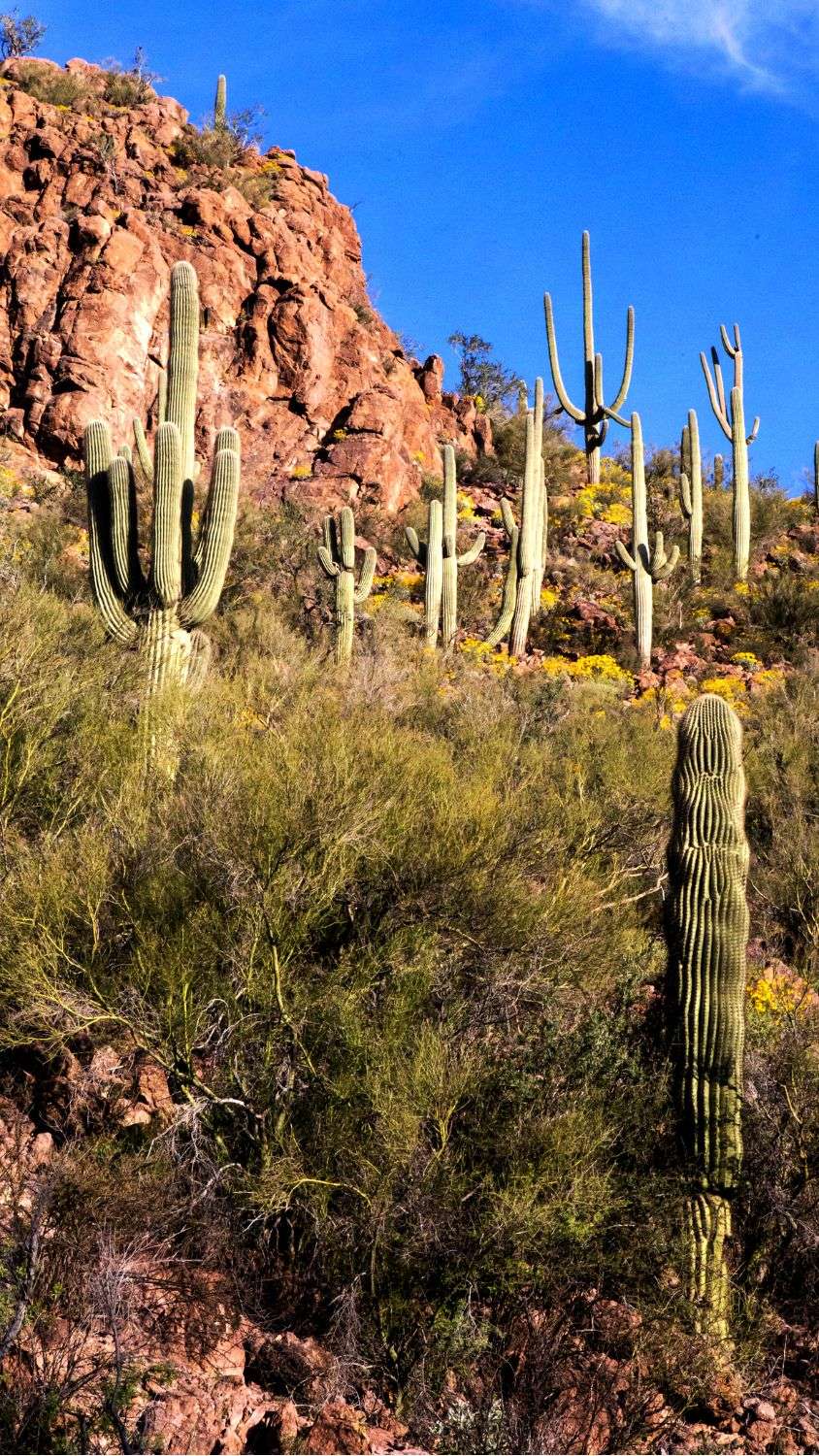
- Iconic saguaro cacti, some reaching heights of over 40 feet
- Vast expanses of pristine desert landscapes
- Diverse flora and fauna, including desert wildflowers, Gila monsters, and desert bighorn sheep
History
Natural History and Formation
Saguaro National Park, located in southern Arizona, has a complex geological history shaped by volcanic activity, tectonic forces, erosion, and changes in the Earth's climate. The park includes the Tucson Mountains to the west and the Rincon Mountains to the east, giving it a varied and rugged landscape.
Ancient Rocks: The rocks in Saguaro National Park formed over hundreds of millions of years. The region has a mix of volcanic and sedimentary rocks. Some rocks formed when ancient seas covered parts of the area, while others formed from volcanic activity and cooling magma.
Uplift and Mountain Building: Tectonic forces slowly lifted and changed the rocks in the region. The Rincon Mountains were shaped by major faulting and uplift, while the Tucson Mountains have a complex history involving volcanic rocks and tectonic activity.
Faulting and Folding: Movement along faults has played an important role in forming the mountains and valleys around the park. These movements changed the position of rock layers and helped create the steep and rugged terrain seen today.
Volcanic Activity: Volcanic activity was an important part of the geological history of the Tucson Mountains. Ancient volcanic eruptions produced lava, ash, and other volcanic rocks. Some of these rocks can still be seen in the western part of the park.
Erosion and Weathering: Wind, rain, temperature changes, and other natural forces have slowly broken down and moved rocks over time. Erosion has helped form the canyons, rocky slopes, and valleys found throughout the park. These processes continue to shape the landscape today.
Modern Landscape: The mountains and valleys of Saguaro National Park are the result of many geological processes working over a very long period of time. The combination of ancient rocks, volcanic activity, tectonic movement, and erosion created the rugged desert landscape that provides a home for the park's famous saguaro cacti and many other plants and animals.
Native History
The Native American history of Saguaro National Park goes back thousands of years. The park is part of the traditional homelands of the Tohono O'odham and other Indigenous peoples who have long-standing connections to the Sonoran Desert.
Tohono O'odham People: The Tohono O'odham, whose name means "Desert People," have deep cultural and historical ties to the Sonoran Desert. They developed ways of living that were well suited to the desert's hot, dry environment and used many of the area's plants and animals for food, tools, and other needs.
Traditional Lifeways: Tohono O'odham communities practiced farming, hunting, and gathering. They grew crops such as corn, beans, and squash and gathered wild foods from the desert. The saguaro cactus was especially important because its fruit provided food and seeds could be used as a food source.
Saguaro Harvest: The annual saguaro fruit harvest has important cultural meaning for the Tohono O'odham. Traditionally, families gathered the ripe fruit using long poles made from saguaro ribs. The harvest is connected to traditional knowledge, food, community, and cultural practices.
Rock Art and Archaeological Sites: The area contains archaeological sites and petroglyphs created by Indigenous peoples. These remains provide evidence of people living in and using the Sonoran Desert long before the creation of the national park. The park works to protect these important cultural resources.
Traditional Knowledge: Indigenous people developed detailed knowledge of desert plants, animals, water sources, and seasonal changes. This knowledge helped communities survive and thrive in a challenging environment. It also shows the long relationship between people and the Sonoran Desert.
European-American Contact: Spanish explorers and missionaries entered the region centuries ago, followed later by Mexican and American settlers. These changes brought disease, conflict, land loss, and changes to traditional ways of life for Indigenous communities.
Cultural Heritage Today: The Tohono O'odham Nation continues to maintain strong cultural connections to the Sonoran Desert. Saguaro National Park recognizes the importance of Indigenous history and works to protect archaeological and cultural resources associated with the area's Native American heritage.
The Native American history of Saguaro National Park shows that the desert is more than a natural landscape. It is also a place with thousands of years of human history, cultural traditions, and continuing connections to Indigenous communities.
Preservation
The preservation history of Saguaro National Park reflects the efforts of conservationists, local communities, and the federal government to protect the Sonoran Desert and its famous saguaro cacti.
Early Conservation Efforts: During the early 1900s, growing concern about damage to the Sonoran Desert led people to call for greater protection. The saguaro cactus became an important symbol of the need to protect the desert landscape.
National Monument Designation: In 1933, President Herbert Hoover established Saguaro National Monument. The protected area included land in the Tucson Mountains west of Tucson. A separate area in the Rincon Mountains was added to the monument in 1961.
National Park Status: On October 14, 1994, Congress changed Saguaro National Monument to Saguaro National Park. The law also added more land to the park. Today, the park protects more than 91,000 acres in two districts, one east and one west of Tucson.
Protection of the Saguaro: Protecting the giant saguaro is one of the park's most important goals. Saguaros can live for more than 150 years and provide food and shelter for many desert animals. Park staff monitor their health and study how drought, extreme temperatures, and other changes affect them.
Conservation Efforts: The park works to protect desert plants, animals, water sources, and cultural resources. Conservation work includes controlling invasive plants, restoring damaged areas, monitoring wildlife, and protecting archaeological sites.
International Recognition: Saguaro National Park is part of the Sonoran Desert region recognized for its important biodiversity. The original claim that the park itself was designated an International Biosphere Reserve by UNESCO in 1976 is misleading. The relevant UNESCO biosphere reserve was the larger Sonoran Desert region, not Saguaro National Park itself.
Working With Indigenous Communities: The park recognizes the long history of Indigenous peoples in the region, including the Tohono O'odham. Protecting archaeological sites and respecting Indigenous cultural connections are important parts of park management.
The preservation history of Saguaro National Park shows how conservation has helped protect the Sonoran Desert and its unique plants, animals, and cultural resources. Today, these efforts help ensure that the park's famous saguaros and desert landscapes remain protected for future generations.
Future Preservation
Preserving Saguaro National Park for future generations presents several challenges, reflecting the complexities of managing a delicate desert ecosystem in the face of various threats.
Climate Change: The Sonoran Desert, like many other arid regions, is vulnerable to the impacts of climate change. Rising temperatures, altered precipitation patterns, and increased frequency of extreme weather events can disrupt delicate ecological balances, affecting plant and animal populations, water availability, and wildfire risk.
Invasive Species: Invasive plant species, such as buffelgrass and fountain grass, pose a significant threat to the native vegetation of Saguaro National Park. These invaders can outcompete native plants, alter habitat structure, and increase the risk of wildfires, impacting the park's biodiversity and ecosystem resilience.
Urbanization and Development Pressure: The surrounding region of southern Arizona, including the Tucson metropolitan area, is experiencing rapid population growth and urban development. Increased urbanization can lead to habitat fragmentation, pollution, light pollution, and encroachment on wildlife corridors, threatening the integrity of the park's ecosystems and connectivity.
Water Management: Water scarcity is a critical issue in the arid Southwest, and the availability of water resources is essential for sustaining both natural ecosystems and human communities. Managing water use and conservation practices within and around the park is crucial for maintaining the health of desert ecosystems and supporting native flora and fauna.
Recreation and Visitor Impact: Saguaro National Park attracts thousands of visitors each year who come to hike, camp, and enjoy the desert landscapes. While recreation is an essential part of the park experience, it can also lead to impacts such as soil erosion, trampling of vegetation, disturbance to wildlife, and littering. Balancing visitor enjoyment with conservation goals requires careful planning and management.
Cultural Resource Preservation: Protecting the cultural heritage of Indigenous peoples, such as the Tohono O'odham, while also providing opportunities for public education and interpretation, presents challenges. Ensuring that archaeological sites, petroglyphs, and other cultural resources are preserved and respected requires collaboration with tribal nations and community stakeholders.
Addressing these challenges requires a collaborative approach involving park management, government agencies, tribal nations, local communities, conservation organizations, and the public. By implementing adaptive management strategies, promoting sustainable practices, and raising awareness about the importance of conservation, Saguaro National Park can continue to thrive as a protected natural and cultural treasure for future generations.
Geography
Saguaro National Park, located in southern Arizona, is renowned for its iconic saguaro cacti, which dominate the park's desert landscapes. The park's geography is characterized by its vast expanses of Sonoran Desert, rugged mountain ranges, and unique geological formations such as rocky outcrops and arroyos. With its diverse ecosystems, including desert scrub, riparian areas, and grasslands, Saguaro National Park offers visitors a chance to explore the rich biodiversity and stark beauty of the American Southwest.
Sonoran Desert
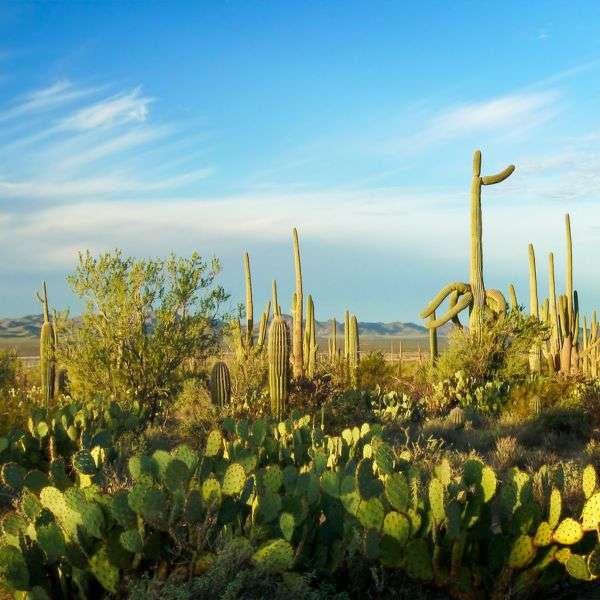
The park is situated within the Sonoran Desert, one of the hottest and most biologically diverse deserts in North America. The Sonoran Desert is known for its iconic saguaro cacti, but it also features a variety of other cactus species, shrubs, and desert-adapted plants.
Mountain Ranges
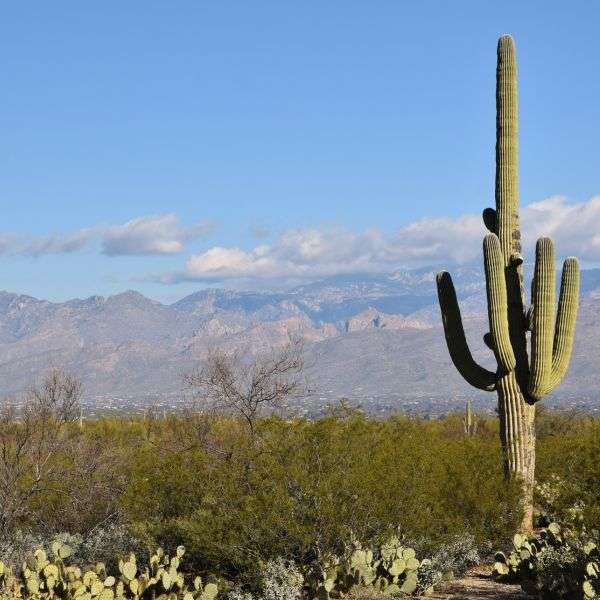
Saguaro National Park is bordered by two mountain ranges: the Tucson Mountains to the west and the Rincon Mountains to the east. These mountain ranges provide a dramatic backdrop to the desert landscape and offer opportunities for hiking, wildlife viewing, and scenic drives.
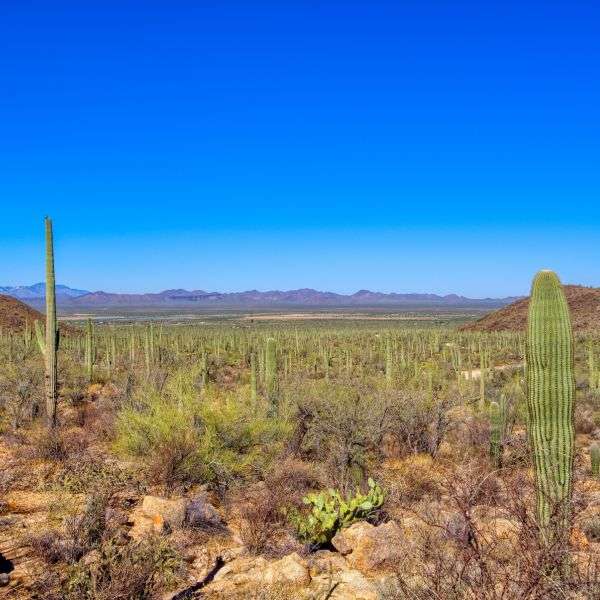
Desert Basins
Between the mountain ranges lie broad desert basins characterized by flat terrain interspersed with washes, arroyos, and alluvial fans. These desert basins are home to iconic saguaro cacti, as well as a variety of other desert plants and wildlife adapted to the arid environment.
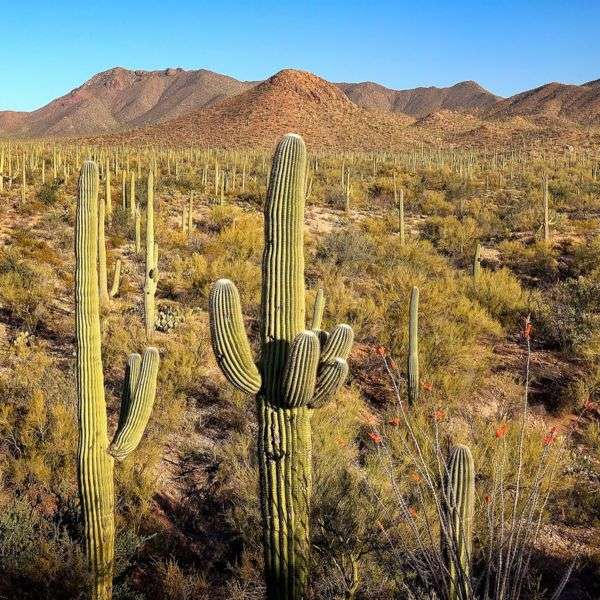
Elevational Variation
The elevation within Saguaro National Park ranges from approximately 2,180 feet (664 meters) in the desert basins to over 8,600 feet (2,621 meters) at the summit of Rincon Peak. This elevational gradient contributes to diverse microclimates and ecological zones within the park, supporting a wide range of plant and animal species.
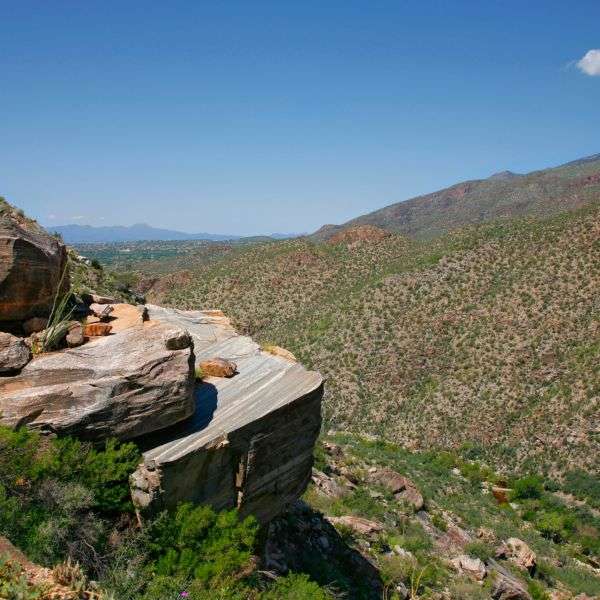
Canyons and Gorges
Both the Tucson Mountains and the Rincon Mountains feature rugged canyons, gorges, and ridges carved by erosion over millions of years. These geological formations provide habitat for wildlife, serve as corridors for water flow during seasonal rains, and offer opportunities for hiking and exploration.
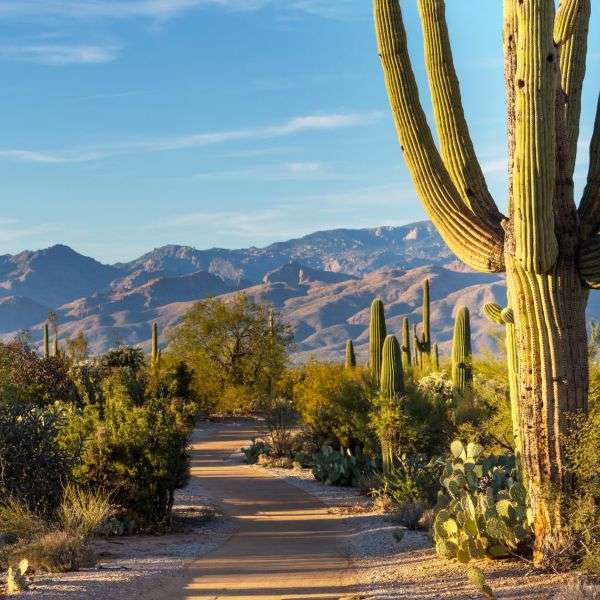
Watercourses
While water is scarce in the desert, Saguaro National Park is home to seasonal watercourses, washes, and arroyos that channel rainwater during the monsoon season. These ephemeral streams support riparian vegetation and provide vital habitat for wildlife in an otherwise arid landscape.
Plants
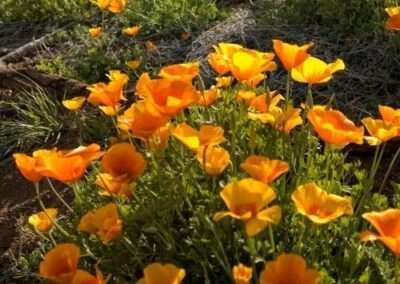
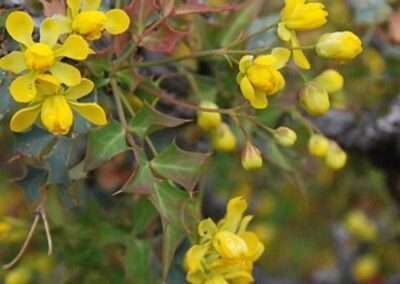
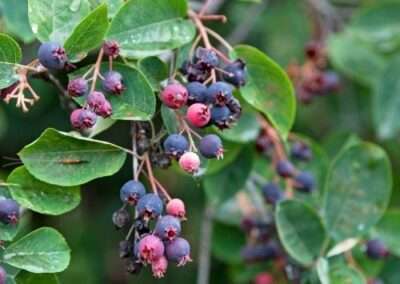
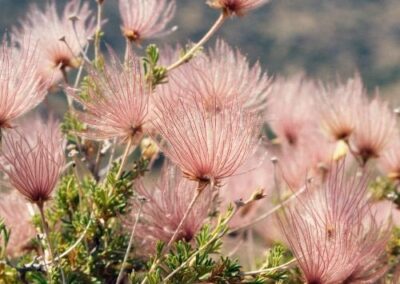
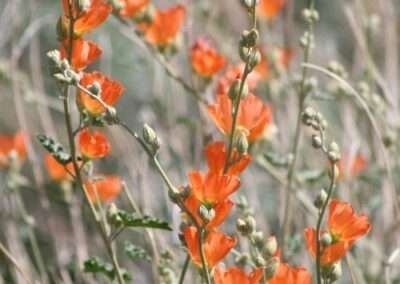
Saguaro National Park is home to a fascinating array of desert plant life, adapted to thrive in the harsh and arid Sonoran Desert environment. The park's flora includes iconic species such as the towering saguaro cactus, as well as other cacti like barrel cacti, cholla, and prickly pear. Visitors to Saguaro National Park can immerse themselves in the botanical wonders of the region, encountering a diverse mix of plant species that contribute to the park's unique landscape and ecological significance.



Animals
Mammals
Saguaro National Park is home to a variety of mammals, each adapted to the challenges of surviving in the desert environment.
Desert Bighorn Sheep (Ovis canadensis nelsoni): One of the most iconic mammals of the Sonoran Desert, desert bighorn sheep inhabit the rugged mountain ranges within Saguaro National Park. They are well adapted to climbing steep slopes and can often be spotted traversing the rocky terrain.
Coyote (Canis latrans): Coyotes are widespread throughout North America and are common in the Sonoran Desert, including Saguaro National Park. These adaptable predators play a vital role in the desert ecosystem, preying on small mammals, birds, and insects.
Javelina (Pecari tajacu): Also known as collared peccaries, javelinas are pig-like mammals native to the desert Southwest. They are often found in groups and feed on a variety of plant materials, including cactus fruits, seeds, and roots.
Bobcat (Lynx rufus): Bobcats are elusive predators that inhabit a range of habitats, including desert scrub and woodland areas. They are skilled hunters, preying on small mammals, birds, and reptiles, and are occasionally spotted in Saguaro National Park.
Mountain Lion (Puma concolor): Mountain lions, also known as cougars or pumas, are the largest predators in the Sonoran Desert ecosystem. These solitary cats roam vast territories and primarily hunt deer and other ungulates but may also prey on smaller mammals.
Gray Fox (Urocyon cinereoargenteus): Gray foxes are small carnivores with a diverse diet that includes rodents, birds, fruits, and insects. They are skilled climbers and are sometimes observed in the rocky terrain of Saguaro National Park.
Ringtail (Bassariscus astutus): Ringtails, also known as ringtail cats or miner's cats, are nocturnal members of the raccoon family. They are adept climbers and often den in rocky outcrops or abandoned buildings within the park.
Antelope Ground Squirrel (Ammospermophilus spp.): Antelope ground squirrels are small, diurnal rodents commonly found in the Sonoran Desert. They are known for their distinctive white stripes and can often be seen foraging for seeds and plant material in the park.
Reptiles
Saguaro National Park is home to a diverse array of reptiles, adapted to the arid conditions of the Sonoran Desert.
Western Diamondback Rattlesnake (Crotalus atrox): One of the most iconic and potentially dangerous reptiles in the park, the western diamondback rattlesnake is a venomous pit viper. It is well adapted to desert environments and preys on small mammals, birds, and other reptiles.
Sonoran Desert Tortoise (Gopherus morafkai): The Sonoran desert tortoise is a keystone species in the desert ecosystem. These slow-moving reptiles spend much of their time underground in burrows to escape the extreme temperatures of the desert.
Gila Monster (Heloderma suspectum): The Gila monster is one of only two venomous lizards in the world and is found in the Sonoran Desert, including Saguaro National Park. These colorful reptiles are known for their distinctive black and orange markings and slow-moving, solitary lifestyle.
Coachwhip Snake (Masticophis flagellum): Coachwhip snakes are non-venomous colubrid snakes commonly found in the Sonoran Desert. They are agile predators known for their speed and agility, preying on small mammals, birds, and lizards.
Sonoran Coral Snake (Micruroides euryxanthus): The Sonoran coral snake is a venomous species found in the southwestern United States and northern Mexico. Although venomous, coral snakes are shy and reclusive, and encounters with humans are rare.
Chuckwalla (Sauromalus ater): Chuckwallas are large, herbivorous lizards found in rocky desert habitats, including Saguaro National Park. They are well adapted to desert environments and are known for their ability to inflate their bodies to wedge themselves into crevices to escape predators.
Sonoran Whipsnake (Masticophis bilineatus): Sonoran whipsnakes are slender, fast-moving snakes that inhabit a variety of desert habitats. They are non-venomous and feed primarily on lizards and small rodents.
Western Banded Gecko (Coleonyx variegatus): Banded geckos are small, nocturnal lizards commonly found in the Sonoran Desert. They are well adapted to desert environments and are often observed hunting insects at night.
Birds
Saguaro National Park is home to a diverse array of bird species, including resident species, migratory birds, and occasional visitors.
Gila Woodpecker (Melanerpes uropygialis): Gila woodpeckers are common residents of the Sonoran Desert and are often seen hammering away at saguaro cacti to excavate nesting cavities.
Cactus Wren (Campylorhynchus brunneicapillus): Cactus wrens are well adapted to desert habitats and are frequently seen foraging for insects among the thorny vegetation of Saguaro National Park.
Greater Roadrunner (Geococcyx californianus): Roadrunners are iconic birds of the American Southwest and are known for their distinctive appearance and ground-dwelling habits. They are often seen darting across desert trails in search of prey.
Anna's Hummingbird (Calypte anna): Anna's hummingbirds are year-round residents of the Sonoran Desert and can often be seen feeding on nectar from desert flowers, including those found in Saguaro National Park.
Verdin (Auriparus flaviceps): Verdins are small, active birds with bright yellow heads and distinctive white eye rings. They are commonly found in desert scrub habitats and are known for their complex, pendulum-like nests.
Gambel's Quail (Callipepla gambelii): Gambel's quail are ground-dwelling birds commonly found in desert habitats, including Saguaro National Park. They are often seen in small family groups scratching for seeds and insects among the desert vegetation.
Phainopepla (Phainopepla nitens): Phainopeplas are striking birds with glossy black plumage and distinctive red eyes. They are often seen perched atop desert trees and shrubs, feeding on berries and insects.
Pyrrhuloxia (Cardinalis sinuatus): Pyrrhuloxias are desert-dwelling relatives of the northern cardinal and are commonly seen in the mesquite and thorn scrub habitats of Saguaro National Park.
Black-throated Sparrow (Amphispiza bilineata): Black-throated sparrows are small, desert-adapted sparrows with bold black markings on their faces and throats. They are often heard singing from the tops of desert shrubs.
Red-tailed Hawk (Buteo jamaicensis): Red-tailed hawks are large raptors commonly seen soaring over the desert landscapes of Saguaro National Park. They prey on small mammals, birds, and reptiles and are often heard calling from high perches.
Fish
Saguaro National Park is primarily a desert park and does not contain natural bodies of water suitable for fish habitats. As a result, there are no native fish species found within the park boundaries. The Sonoran Desert, where Saguaro National Park is located, is characterized by arid conditions with limited water resources, making it unsuitable for the survival of fish species.
Amphibians
Saguaro National Park, being situated in the Sonoran Desert, has limited suitable habitat for amphibians due to its arid conditions. Amphibians typically require moist environments to breed and thrive, which are scarce in desert ecosystems. As a result, the park has relatively few amphibian species compared to more mesic regions.
However, despite the challenging environment, a few amphibian species can be found in and around Saguaro National Park. These species are typically associated with the few water sources available in the area, such as seasonal streams, riparian areas, and artificial ponds.
Spadefoot Toads (Scaphiopodidae): Spadefoot toads are adapted to arid environments and can burrow underground to escape the heat and dry conditions. They emerge during periods of heavy rain to breed in temporary pools and puddles.
Canyon Treefrog (Hyla arenicolor): Canyon treefrogs are commonly found in rocky streams, canyons, and riparian habitats in the Sonoran Desert. They are well adapted to arid conditions and breed in shallow pools or slow-moving water.
Red-spotted Toad (Anaxyrus punctatus): Red-spotted toads are small, terrestrial toads that inhabit desert environments. They are often found in sandy or rocky areas near water sources and may breed in temporary rain pools.
Arizona Treefrog (Hyla wrightorum): Arizona treefrogs are closely associated with riparian habitats and can be found in streams, rivers, and ponds within the Sonoran Desert. They are nocturnal and vocalize during the breeding season.
"As the heat spreads across the desert, the saguaro bursts into broad white flowers at the tips of its arms."
- Boyce Upholt
They point to the moon
Retain water in dry times
And spread their roots wide
They endure wounds to
provide places for birds to nest
And wood after death
- Kim Manley Ort
Explore More With Us
Stay updated on National Parks EDU resources, park news, community updates, and and ways to explore, and protect.

National Parks Edu's mission is to help kids and families understand what makes these places so important. Because when you learn about nature, you start to care about protecting it.
National Parks EDU is an independent educational website and is not affiliated with, endorsed by, sponsored by, or officially connected to the National Park Service (NPS) or the U.S. government. © National Parks EDU. All Rights Reserved. October 17, 2026