Rocky Mountain
National Park
Colorado
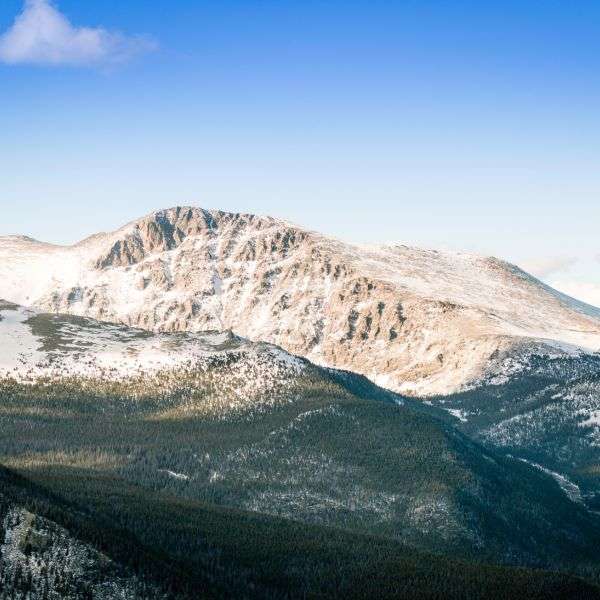
breathtaking landscapes with towering peaks, alpine meadows, and diverse wildlife
Fast Facts
Location
Colorado
Established in
1915
Established by
President Woodrow Wilson
Size
415 sq. miles
Known For
- Rocky Mountain National Park is renowned for its stunning mountainous landscapes
- The park is home to a unique alpine tundra ecosystem, where hardy plants and wildlife have adapted to the harsh conditions of high elevations
- Various outdoor activities, such as camping, fishing, rock climbing, and snowshoeing
History
Natural History and Formation
The Rocky Mountains have a long and complex geological history. They formed through several major periods of tectonic activity, uplift, erosion, and glaciation. The mountains we see today are the result of these processes working over hundreds of millions of years.
Precambrian Era: Some of the oldest rocks in the Rocky Mountain region formed more than a billion years ago. These ancient rocks became part of the deep foundation of the mountains. However, the modern Rocky Mountains did not form during this time.
Laramide Orogeny: The main formation of the modern Rocky Mountains occurred during the Laramide Orogeny, which lasted roughly from 80 to 35 million years ago. During this period, the Farallon Plate moved beneath the North American Plate. This unusual movement pushed and lifted large areas of Earth's crust, helping form the Rocky Mountains.
Uplift and Erosion: After the mountains were lifted, wind, rain, rivers, and other forces slowly wore down the rocks. At the same time, parts of the region continued to rise. These processes created many of the valleys, cliffs, ridges, and other landforms found in the Rockies today.
Ice Ages and Glaciers: During the Ice Ages of the Pleistocene Epoch, glaciers covered many high mountain areas. Moving ice carved valleys, lakes, and steep mountain slopes. Features such as U-shaped valleys and sharp peaks in parts of the Rockies were shaped by glaciers.
Modern Landscape: The Rocky Mountains continue to change today. Rivers, landslides, weathering, earthquakes, and erosion continue to reshape the land. Although the major mountain-building events happened millions of years ago, these natural processes continue to create the rugged landscape seen across the Rockies.
Native History
The region that is now Rocky Mountain National Park has a long Native American history. Indigenous people have used and traveled through the Rocky Mountains for thousands of years. Many tribes have connections to the area, and their histories and cultures remain important to the region today.
Early Peoples: Archaeological evidence shows that people have lived in and traveled through the Rocky Mountain region for at least 11,000 years. Early peoples hunted animals, gathered plants, and used the mountains during different seasons. There is evidence of campsites, tools, and other activities in and around the area that is now the park.
Ute People: The Ute are one of the Native American peoples with strong historical connections to the Rocky Mountains. Ute people traveled through areas that are now part of the park and used mountain resources for food, medicine, tools, and other needs. Their traditional homeland covered a large part of present-day Colorado and nearby states.
Seasonal Mountain Use: Native American groups traveled into the mountains during warmer months to hunt, gather plants, and collect other resources. High mountain areas provided access to animals, berries, roots, and other foods. People moved between different areas as seasons and resources changed.
Trade and Interaction: Indigenous peoples traveled and traded across the Rocky Mountain region. Different groups exchanged materials, tools, food, and cultural knowledge. The mountains were part of a much larger network of travel and trade that connected communities across the region.
European-American Contact: European-American explorers, trappers, miners, and settlers entered the region during the 1800s. Their arrival brought major changes for Native American communities. Disease, conflict, loss of land, and government policies disrupted traditional ways of life.
Removal and Reservations: The U.S. government eventually forced many Native American communities onto reservations and took control of much of their traditional land. The Ute people experienced major losses of land and changes to their way of life. These actions had lasting effects on Ute communities.
Cultural Significance: The mountains, rivers, plants, and animals of the Rocky Mountain region have cultural importance for Native American peoples. Some places are connected to traditional stories, memories, and spiritual practices. These connections continue today.
Native American Heritage Today: Rocky Mountain National Park recognizes the continuing connections between Native American peoples and the landscape. The park works to share Indigenous history and protect cultural resources. It is important to remember that Native American history is not only part of the past. Tribal nations and their cultures continue to be an important part of the region today.
Preservation
The preservation history of Rocky Mountain National Park reflects the efforts of conservationists, local communities, and the federal government to protect the mountains, wildlife, and other natural resources for future generations.
Early Advocacy: In the late 1800s and early 1900s, naturalist and guide Enos Mills became one of the strongest supporters of creating a national park in the Rocky Mountains. He wrote about the area's natural beauty and encouraged people and government leaders to protect the mountains.
Creation of the National Park: On January 26, 1915, President Woodrow Wilson signed the Rocky Mountain National Park Act. The law officially created Rocky Mountain National Park and protected its mountains, forests, wildlife, and other natural and historic resources.
Early Challenges: In its early years, the park had to balance protecting nature with growing interest in tourism and recreation. More visitors wanted to explore the mountains, creating a need for roads, trails, and other facilities while limiting damage to the environment.
National Park Service Management: The National Park Service manages Rocky Mountain National Park as part of its mission to protect natural and cultural resources while allowing people to enjoy and learn about them. Conservation remains the park's main priority.
Infrastructure Development: Over the years, roads, trails, campgrounds, and visitor facilities were built to make the park easier to explore. Trail Ridge Road, completed in 1933, became one of the park's best-known roads. Many historic structures and roads built during the 1930s are also protected as part of the park's history.
Wilderness Protection: In 1976, Congress created the Rocky Mountain National Park Wilderness. More than 265,000 acres of the park are now protected as wilderness. This designation provides additional protection for large areas where natural processes can continue with limited human development.
Conservation Today: Today, the park protects alpine tundra, forests, lakes, rivers, wildlife, and important cultural resources. Park staff monitor ecosystems, protect wildlife, maintain trails, and work to reduce the effects of climate change and heavy visitor use.
The preservation history of Rocky Mountain National Park shows how conservation has changed over time. The park's goal is to protect its natural and cultural resources while allowing people to experience and learn about the Rocky Mountains responsibly.
Future Preservation
Protecting Rocky Mountain National Park for future generations involves many challenges. Climate change, wildfires, changes in water supplies, wildlife protection, and heavy visitor use can all affect the park's natural and cultural resources.
Temperature Changes: Temperatures in the Rocky Mountains are increasing. Warmer conditions can change when snow melts, plants bloom, and animals move between different areas. These changes can affect the timing of many natural events.
Glaciers and Ice: Rocky Mountain National Park has small glaciers and permanent ice fields, but they are not major sources of water for the park. Warmer temperatures are causing glaciers and other long-lasting snow and ice to shrink. This is one sign of the larger effects of climate change in the mountains.
Snowpack Reduction: Snow is an important source of water for the park and surrounding areas. Warmer temperatures can cause snow to melt earlier or fall as rain instead of snow. Changes in the amount and timing of snow can affect streams, plants, animals, and communities that depend on mountain water.
Vegetation Shifts: Changes in temperature and moisture can affect where plants grow. Some species may move to higher elevations as lower areas become warmer. Plants at the highest elevations have less room to move because they can eventually reach the tops of the mountains.
Wildlife Habitat Changes: Changes in plants, snow, water, and temperature can affect wildlife habitats. Animals may need to change where they live or find food. Species that depend on cold mountain environments may face greater challenges as temperatures rise.
Wildfires: Warmer and drier conditions can increase the risk of large or severe wildfires in some areas. Fire is a natural part of many Rocky Mountain ecosystems, but changes in climate and vegetation can affect how fires behave. Park managers work to reduce risks to people while protecting natural processes.
Water Resources: Changes in snow and rainfall can affect when water enters rivers and streams. This can affect aquatic ecosystems inside the park as well as communities and farms farther downstream that depend on water from the Rocky Mountains.
Biodiversity Conservation: Protecting many different plants and animals is an important part of managing the park. Invasive species, diseases, climate change, and changes to wildlife habitat can threaten native species. Park staff monitor wildlife and ecosystems and work to protect sensitive species.
Visitor Management: Rocky Mountain National Park receives millions of visitors each year. Heavy use can cause trail erosion, damage plants, disturb wildlife, and increase traffic and waste. Park managers use tools such as timed-entry reservations, shuttle systems, trail maintenance, and visitor education to help reduce these impacts.
Cultural Heritage Protection: The park contains archaeological sites and other cultural resources connected to the long history of people in the Rocky Mountains. Some sites are sensitive and need special protection. The National Park Service works to protect these resources while helping visitors learn about the area's human history.
Climate Change and Long-Term Planning: Climate change connects many of these challenges. Scientists and park managers study changes in temperature, snow, water, wildlife, plants, and fires so they can adjust management plans when needed.
Protecting Rocky Mountain National Park requires research, careful planning, and cooperation. By reducing damage from human activities and responding to environmental changes, park managers can help protect the mountains, wildlife, water, and cultural resources for future generations.
Geography
Rocky Mountain National Park is located in northern Colorado and is known for its tall mountains, alpine meadows, forests, lakes, and valleys. The park has more than 60 named mountain peaks that rise above 12,000 feet. It also contains many rivers, streams, waterfalls, and mountain lakes. The Continental Divide runs through the park, separating water that flows toward the Atlantic Ocean from water that flows toward the Pacific Ocean. With its high mountains, changing landscapes, and abundant wildlife, Rocky Mountain National Park offers visitors a chance to experience the beauty of the Colorado Rockies.
Elevation
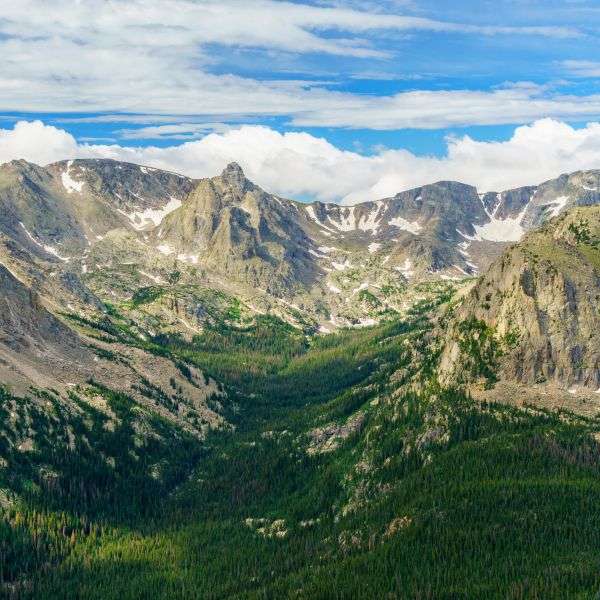
The park is known for its high elevation, with elevations ranging from around 7,600 feet at the lowest point to over 14,000 feet at the summit of Longs Peak. The high elevation contributes to the park's alpine environment and diverse ecosystems.
Alpine Tundra
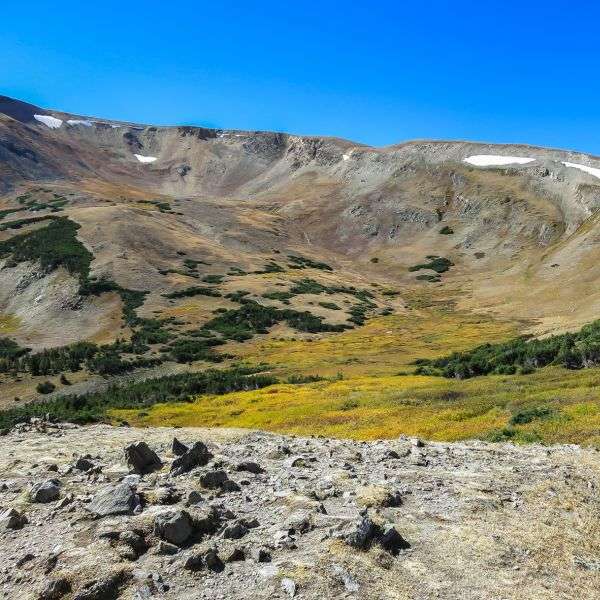
The park features extensive alpine tundra, characterized by low-lying vegetation adapted to harsh conditions at high elevations. The alpine ecosystems are home to hardy plants, such as alpine forget-me-nots and cushion plants, as well as wildlife adapted to the challenging environment.
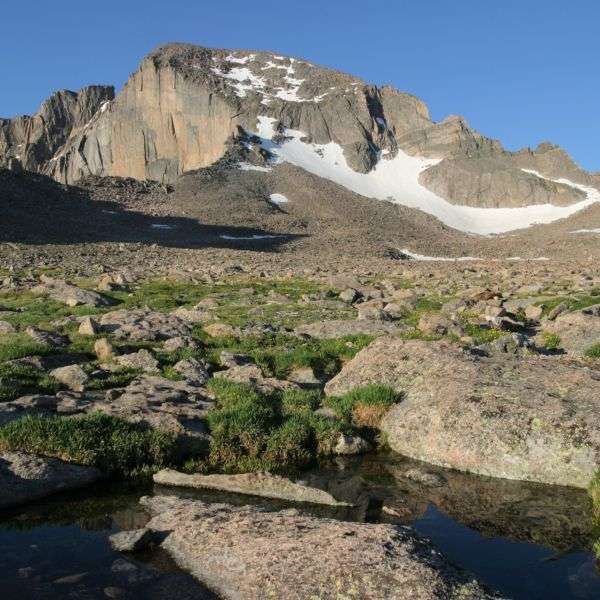
Mountain Peaks
Rocky Mountain National Park is home to over 60 mountain peaks exceeding 12,000 feet in elevation, with several exceeding 13,000 feet. Notable peaks include Longs Peak, which stands at 14,259 feet and is the highest point in the park.
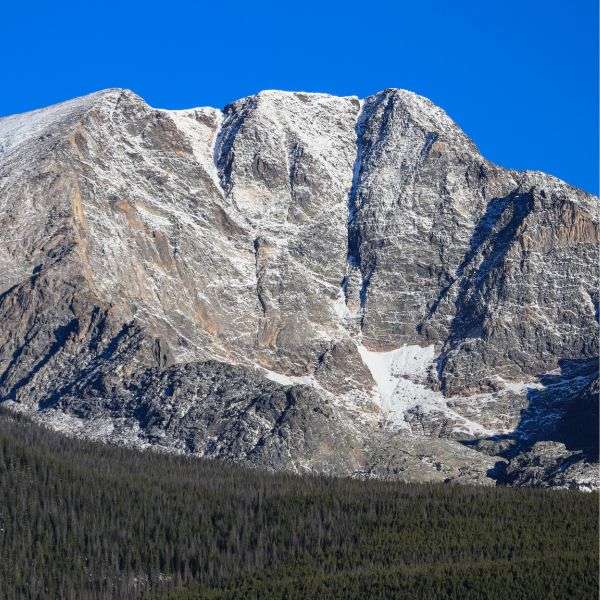
Glacial Features
Glacial activity has shaped the landscape of Rocky Mountain National Park. U-shaped valleys, cirques, moraines, and glacial lakes are evidence of past glaciation. Glacier Gorge and Tyndall Gorge are examples of glacially-carved valleys in the park.
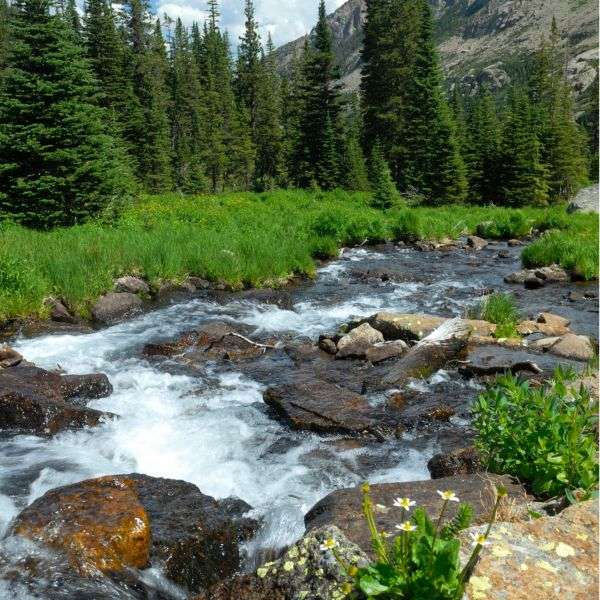
Rivers and Streams
The headwaters of several major rivers, including the Colorado River and the Cache la Poudre River, are located in the park. These rivers and their tributaries flow through rugged canyons and provide important habitats for aquatic life.
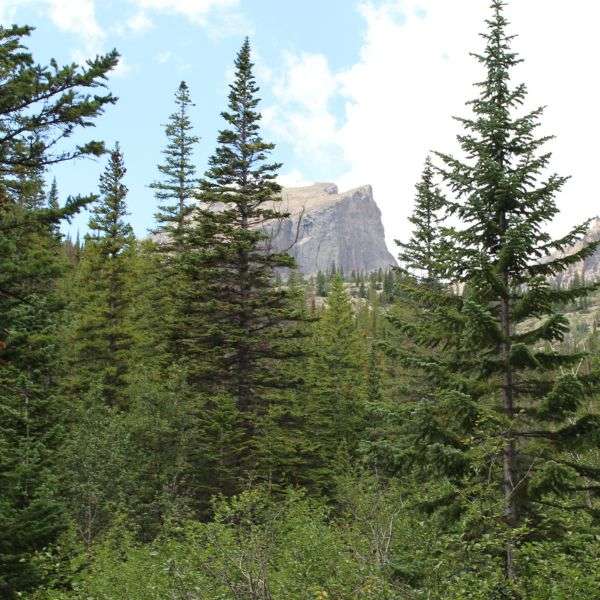
Forests
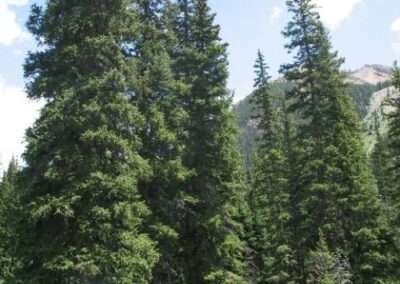
Lower elevations in the park are covered by dense forests, including subalpine and montane forests. Common tree species include spruce, fir, pine, and aspen. These forests provide habitat for a variety of wildlife, including elk, mule deer, and black bears.
Plants
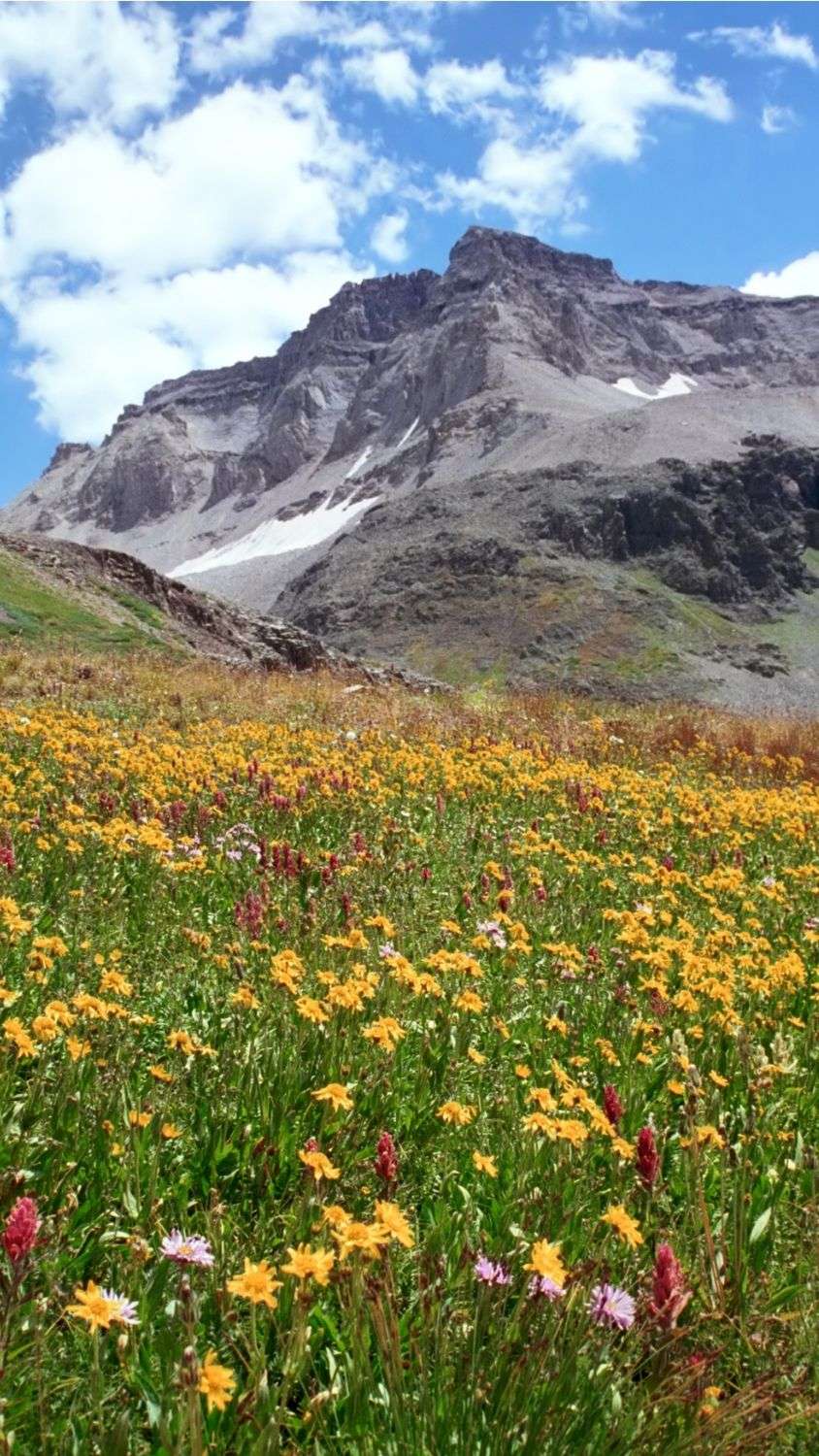
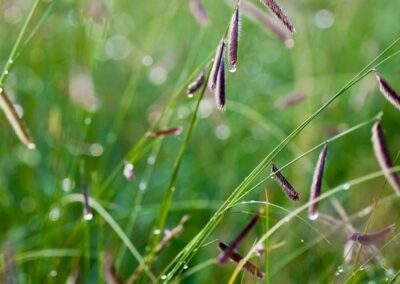
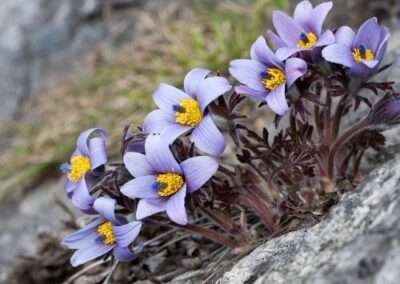
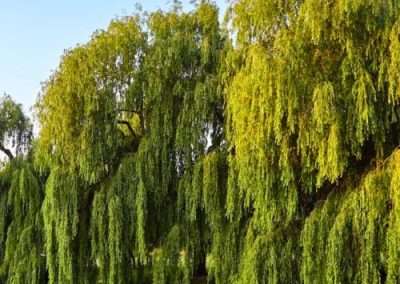
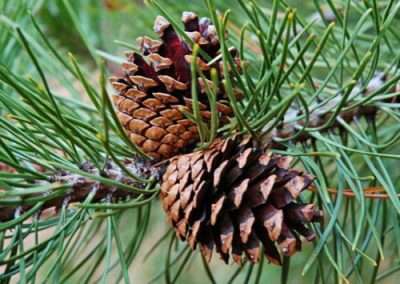
Rocky Mountain National Park is home to a wide variety of plants that are adapted to different elevations and habitats. The park's forests include lodgepole pine, ponderosa pine, Engelmann spruce, subalpine fir, and quaking aspen. Higher in the mountains, visitors can find colorful wildflowers and small plants that survive the cold, windy conditions of the alpine tundra. These plants provide food and shelter for wildlife and help make the park's landscapes beautiful and diverse.



Animals
Mammals
Rocky Mountain National Park is home to many mammals that are adapted to different elevations and habitats. From large animals such as elk and moose to small animals such as pikas and marmots, these mammals are an important part of the park's ecosystems.
Elk (Cervus canadensis): Elk are one of the most commonly seen large mammals in the park. In the fall, males compete for mates and make a loud call called a bugle. Elk can be found in meadows, forests, and other areas throughout the park.
Mule Deer (Odocoileus hemionus): Mule deer are common in the park, especially in lower-elevation areas. They have large ears and a distinctive way of moving called a bounding gait. They eat grasses, shrubs, leaves, and other plants.
Bighorn Sheep (Ovis canadensis): Bighorn sheep are well adapted to steep, rocky mountain slopes. They use their strong legs and hooves to move across difficult terrain. Males have large curved horns that they use during contests with other males.
Moose (Alces alces): Moose can be found in wet areas, willow thickets, and along streams. They are very large animals and mainly eat plants such as willow and other shrubs. Their presence in the park has increased since they were introduced to Colorado in the 1970s.
Black Bear (Ursus americanus): Black bears live in the park's forests and lower-elevation areas. They are omnivores and eat berries, plants, insects, and other foods. Despite their name, black bears can have fur that ranges from black to brown or cinnamon.
Mountain Lion (Puma concolor): Mountain lions, also called cougars or pumas, live in the park but are rarely seen. They are solitary predators that hunt animals such as deer. They are most active during the evening, night, and early morning.
Coyote (Canis latrans): Coyotes are adaptable animals that live in many habitats throughout the region. They eat a wide variety of foods, including small mammals, birds, insects, and fruits. Their calls can sometimes be heard in the park.
Red Fox (Vulpes vulpes): Red foxes are adaptable predators that can live in forests, meadows, and other habitats. They eat small mammals, birds, insects, fruits, and other foods. Their fur can vary in color, although many have a reddish coat.
American Marten (Martes americana): American martens are small members of the weasel family that live mainly in coniferous forests. They are excellent climbers and eat small mammals, birds, insects, and other foods.
Yellow-bellied Marmot (Marmota flaviventris): Yellow-bellied marmots are common in rocky areas and mountain meadows. They spend much of the warmer months eating plants and storing energy before hibernating through the winter. Their loud whistles can often be heard in the mountains.
Beaver (Castor canadensis): Beavers live near streams, ponds, and wetlands. They build dams and lodges and feed mainly on plants and tree bark. Their activities can create wetlands that provide habitat for many other species.
American Pika (Ochotona princeps): Pikas are small, rabbit relatives that live among rocks and talus slopes in the mountains. They gather grasses and other plants into piles called haypiles, which they use as food during winter. Pikas are especially sensitive to changes in temperature.
Reptiles
Rocky Mountain National Park has fewer reptile species than many warmer parts of Colorado. The park's cold winters and high elevations make it difficult for many reptiles to live there. A small number of reptiles can be found, especially in the park's lower and warmer areas.
Common Garter Snake (Thamnophis sirtalis): Common garter snakes can live in a variety of habitats, including meadows, forests, and areas near streams and ponds. They eat insects, small animals, and other prey.
Western Terrestrial Garter Snake (Thamnophis elegans): Western terrestrial garter snakes are found in meadows, grasslands, forests, and areas near water. They are active hunters and eat small animals such as insects, frogs, and small mammals.
Western Fence Lizard (Sceloporus occidentalis): Western fence lizards are mainly found in warmer, lower-elevation parts of Colorado. They are not a typical reptile of Rocky Mountain National Park, so this species should not be listed as a regular park resident.
Northwestern Garter Snake (Thamnophis ordinoides): The original information should be corrected. Northwestern garter snakes are mainly found in the Pacific Northwest and are not known as a regular species in Rocky Mountain National Park.
Northern Alligator Lizard (Elgaria coerulea): Northern alligator lizards are found mainly in the Pacific Northwest and parts of northern California. They are not a confirmed regular species of Rocky Mountain National Park and should be removed from the park's reptile list.
Western Yellow-bellied Racer (Coluber constrictor mormon): The western yellow-bellied racer is a subspecies of racer found in parts of the western United States. However, it is not considered a typical reptile of Rocky Mountain National Park, so it should not be presented as a confirmed park species.
Common Side-blotched Lizard (Uta stansburiana): Side-blotched lizards are common in many warmer parts of the western United States, but they are not known as a regular species in Rocky Mountain National Park. This species should be removed from the list.
Reptile Diversity: Overall, Rocky Mountain National Park has relatively few reptile species compared with warmer areas. The park's high elevations, cold temperatures, and long winters limit where reptiles can live. Snakes are more common than lizards, especially in the warmer lower-elevation areas.
Birds
Rocky Mountain National Park is a great place for birdwatching. Its forests, meadows, mountain streams, and alpine tundra provide habitats for many bird species. Some birds live in the park all year, while others visit during the warmer months.
Steller's Jay (Cyanocitta stelleri): Steller's jays are common in the park's coniferous forests. They have dark bodies, blue feathers, and tall crests. They are noisy, curious birds that eat seeds, insects, fruit, and other foods.
Mountain Bluebird (Sialia currucoides): Mountain bluebirds can be found in open meadows and other areas with few trees. Males have bright blue feathers, while females are more grayish-blue. They eat insects and berries.
Clark's Nutcracker (Nucifraga columbiana): Clark's nutcrackers are closely connected to high-elevation pine forests. They have strong bills that help them open pine seeds. They also bury seeds in the ground, helping new trees grow.
American Dipper (Cinclus mexicanus): American dippers live along cold, fast-moving mountain streams. They can walk underwater and dive into the water to catch insects and other small aquatic animals.
Pine Grosbeak (Pinicola enucleator): Pine grosbeaks are large finches that live in coniferous forests. They mainly eat seeds, berries, and other plant material. They can be seen in the park, especially during colder months.
Golden Eagle (Aquila chrysaetos): Golden eagles can soar over the park's mountains and open areas. They are powerful predators that hunt animals such as rabbits and other small mammals. They are less commonly seen than some other large birds of prey.
White-crowned Sparrow (Zonotrichia leucophrys): White-crowned sparrows can be found in meadows, shrubs, and open areas. They have distinctive black-and-white markings on their heads and eat seeds, insects, and other foods.
Mountain Chickadee (Poecile gambeli): Mountain chickadees are small birds that are common in the park's coniferous forests. They have gray bodies, black caps, and white cheeks. Their diet includes insects, seeds, and berries.
Common Raven (Corvus corax): Common ravens are large, intelligent birds that live in many parts of the park. They can be seen flying over forests, meadows, and alpine areas. Their diet includes carrion, insects, eggs, and many other foods.
Red-tailed Hawk (Buteo jamaicensis): Red-tailed hawks can be seen soaring over open areas and mountain valleys. They use their excellent eyesight to search for prey, especially small mammals.
Broad-tailed Hummingbird (Selasphorus platycercus): Broad-tailed hummingbirds arrive in the park during the warmer months. They feed on nectar from flowers and small insects. Males are known for the loud buzzing sound made by their wings.
Gray-crowned Rosy-Finch (Leucosticte tephrocotis): Gray-crowned rosy-finches are specially adapted to cold, high-elevation environments. They can be found around rocky slopes and alpine areas, especially during the summer. They have gray, brown, and pinkish-red coloring.
Black Rosy-Finch: The original list should be corrected here. Black rosy-finches are not a regular species of Rocky Mountain National Park. The park is better known for the Gray-crowned Rosy-Finch, which is adapted to the park's high alpine environment.
Fish
Rocky Mountain National Park has several fish species living in its lakes, rivers, and streams. Some are native to the region, while others were introduced for fishing. Fish populations vary between different waters, and park managers work to protect native species and healthy aquatic ecosystems.
Greenback Cutthroat Trout (Oncorhynchus clarkii stomias): The greenback cutthroat trout is Colorado's state fish and is native to the South Platte River basin. Rocky Mountain National Park contains important habitat for conservation efforts to restore this native trout. The species was once greatly reduced by habitat changes and competition with introduced fish.
Colorado River Cutthroat Trout (Oncorhynchus clarkii pleuriticus): The original information should be corrected. Colorado River cutthroat trout are native to the Colorado River basin, but Rocky Mountain National Park is primarily on the eastern side of the Continental Divide. They are not considered a main native fish species of the park.
Brook Trout (Salvelinus fontinalis): Brook trout are not native to Colorado. They were introduced for fishing and are now common in many mountain streams and lakes. In some areas, they compete with native cutthroat trout, so park managers work to control their populations in important native-trout habitats.
Rainbow Trout (Oncorhynchus mykiss): Rainbow trout have been introduced into many waters in the park and are popular with anglers. They can compete and sometimes reproduce with native cutthroat trout. Rainbow trout can also crossbreed with cutthroat trout, producing hybrids.
Brown Trout (Salmo trutta): Brown trout are native to Europe and were introduced to Colorado. They can live in rivers, streams, and lakes and are popular with anglers. In some waters, they compete with native fish.
Arctic Grayling (Thymallus arcticus): Arctic grayling are not native to Rocky Mountain National Park. They have been introduced to some Colorado waters in the past, and restoration efforts have occurred in parts of the state. They should not be described as a native fish of the park.
Cutthroat Trout Hybrids: Cutthroat trout can breed with rainbow trout, producing hybrids often called cutbows. These hybrids can occur where the two species live together. They are not a separate species.
Mountain Whitefish (Prosopium williamsoni): Mountain whitefish are native to western North America and occur in cold mountain streams. However, they are not widespread throughout Rocky Mountain National Park. They are more closely associated with waters on the western side of the Continental Divide.
Native Fish Conservation: Protecting native fish, especially the greenback cutthroat trout, is an important part of fish conservation in Rocky Mountain National Park. Park managers monitor fish populations and may remove or control non-native fish in certain waters to help native species recover.
Amphibians
Rocky Mountain National Park has relatively few amphibian species because of its high elevations, cold temperatures, and long winters. However, several frogs and salamanders live in suitable wetlands, ponds, streams, and meadows. These animals are important parts of the park's ecosystems.
Boreal Chorus Frog (Pseudacris maculata): Boreal chorus frogs are small frogs that can live in wetlands, ponds, meadows, and other areas with seasonal water. They are known for their loud calls, which sound like a person running a finger over the teeth of a comb.
Boreal Toad (Anaxyrus boreas): Boreal toads are a high-elevation form of the western toad. They can live in mountain forests, meadows, ponds, and wetlands. Their populations have declined in parts of the Rocky Mountains because of disease and habitat changes.
Tiger Salamander (Ambystoma mavortium): The original scientific name should be corrected. The tiger salamanders found in Colorado are generally classified as western tiger salamanders (Ambystoma mavortium). They spend much of their lives underground or in moist areas and return to ponds and other wetlands to reproduce.
Western Tiger Salamander (Ambystoma mavortium): Western tiger salamanders are found in parts of Colorado, including suitable areas near Rocky Mountain National Park. They use ponds and other bodies of water for breeding, while adults can spend much of their time on land. They have dark bodies with yellow or olive markings.
Amphibian Conservation: Amphibians in Rocky Mountain National Park can be affected by disease, changes in water availability, climate change, and habitat changes. Park scientists monitor amphibian populations and wetlands to better understand these threats and help protect these important animals.
“Colorado is an oasis, an otherworldly mountain place.”
-Brandi Carlile
"The Rockies are the grandest country I ever saw."
- John Wesley Powell
“Our peace shall stand as firm as rocky mountains.”
-William Shakespeare
“The Rockies are therefore very young and should never be thought of as ancient. They are still in the process of building and eroding, and no one today can calculate what they will look like ten million years from now. They have the extravagant beauty of youth, the allure of adolescence, and they are mountains to be loved.”
- James A. Michener
Explore More With Us
Stay updated on National Parks EDU resources, park news, community updates, and and ways to explore, and protect.

National Parks Edu's mission is to help kids and families understand what makes these places so important. Because when you learn about nature, you start to care about protecting it.
National Parks EDU is an independent educational website and is not affiliated with, endorsed by, sponsored by, or officially connected to the National Park Service (NPS) or the U.S. government. © National Parks EDU. All Rights Reserved. October 18, 2026