Redwood
National Park
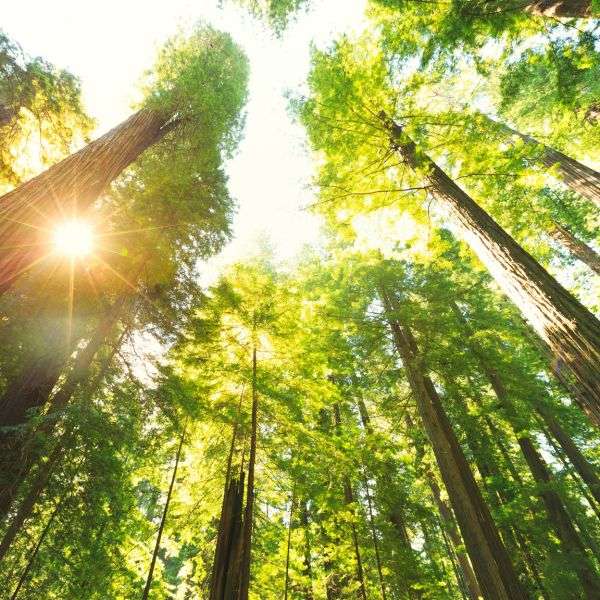
California
renowned for its awe-inspiring ancient redwood trees, some of the tallest on Earth
Fast Facts
Location
northwest California
Established in
1968
Established by
President Lyndon B. Johnson
Size
217 sq. miles
Known For
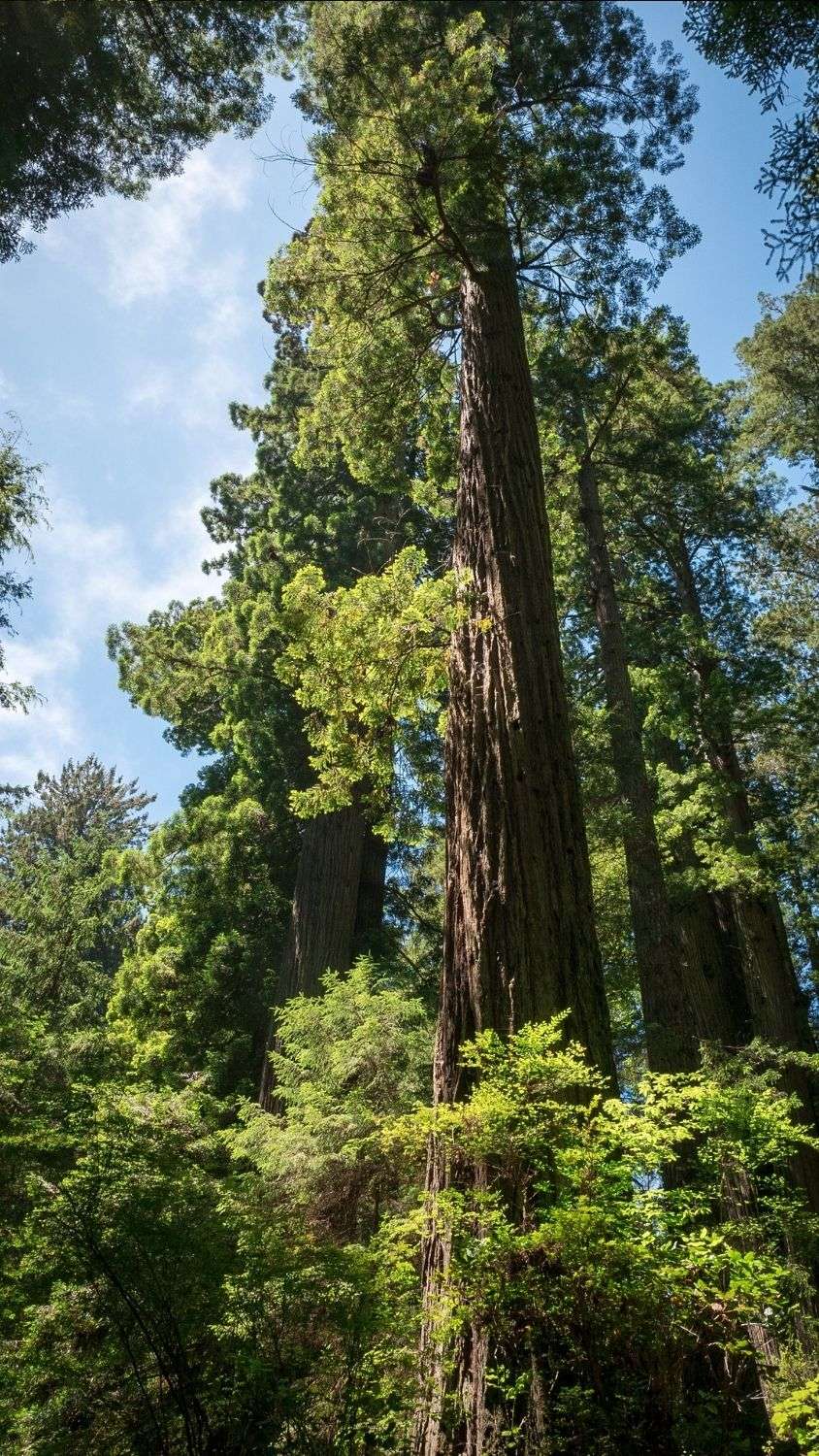
- Famous for being home to the tallest trees on the planet, with some reaching heights of over 300 feet
- The park preserves a significant portion of the remaining old-growth coast redwood forests, some of which are over 2,000 years old
- home to a variety of wildlife, including Roosevelt elk, black bears, and diverse bird species
History
Natural History and Formation
The geological history of Redwood National and State Parks stretches back millions of years. Earthquakes, moving tectonic plates, rivers, erosion, and changes in climate have all helped shape the land. These forces continue to change the park today.
Tectonic Activity: Redwood National and State Parks is in a very active earthquake region. The North American, Pacific, and Gorda tectonic plates meet near the Mendocino Triple Junction. The Gorda Plate is being pushed beneath the North American Plate along the Cascadia Subduction Zone. This movement causes earthquakes and slowly lifts the land.
Formation of the Mountains: The park is located in the western Klamath Mountains. Over millions of years, tectonic activity has lifted and changed the rocks in the region. Much of the park's bedrock is part of the Franciscan Complex, which formed from rocks that were once on or near the ocean floor and were later pushed upward and changed by tectonic forces.
Rivers and Erosion: Rivers have played an important role in shaping the park. The Smith River, Klamath River, and Redwood Creek have cut deep valleys and canyons through the mountains. Redwood Creek also follows part of the Grogan Fault, a major geologic feature in the park.
Soils and Sediments: Rivers, landslides, and erosion have moved rocks and soil throughout the park. Different types of rock and sediment have helped create different soils. These soils affect where plants can grow and help shape the park's forests, grasslands, and other habitats.
Climate and the Redwoods: Redwood National and State Parks has a cool, wet coastal climate. Rain, fog, and mild temperatures create excellent conditions for coast redwoods. The ancestors of today's redwoods first appeared about 150 million years ago, and the trees' long history is closely connected to changes in Earth's climate and geography.
Ancient Redwoods: Coast redwoods are the tallest trees on Earth. Their ability to grow so large is helped by the park's cool, wet climate, rich soils, and frequent coastal fog. Some redwood trees in the park are more than 1,000 years old, showing how long these forests can survive when conditions are right.
Glacial History: The original text should be corrected here. Redwood National and State Parks was not shaped by major glaciers in the same way as places such as Yosemite or Glacier National Park. The park's landscape has been shaped much more by tectonic uplift, earthquakes, landslides, rivers, erosion, and coastal processes.
Coastal Changes: The park's coastline continues to change because of erosion, earthquakes, landslides, and rising or falling land. These processes have helped create beaches, cliffs, terraces, estuaries, and other coastal features. Earthquakes in the region can also create tsunamis that affect the coast.
Understanding the geological history of Redwood National and State Parks helps explain why the park has such a varied landscape. The same forces that shaped the mountains, rivers, and coast are still working today, making the park a constantly changing natural environment.
Native History
The Native American history of Redwood National and State Parks is rich and goes back thousands of years. Several Indigenous nations have traditional connections to the lands and rivers in and around the parks. Their cultures and knowledge continue to be an important part of the area today.
Yurok Tribe: The Yurok people have a deep connection to the Klamath River and the surrounding lands. Their traditional territory includes much of the area around the park. The Yurok have long depended on the river, forests, and ocean for food and materials. Salmon, redwood trees, and other natural resources are important parts of Yurok culture.
Tolowa Dee-ni' Nation: The Tolowa Dee-ni' people have traditional ties to the coastal areas north of the park, including lands around the Smith River. Their culture includes a strong connection to the ocean, rivers, forests, plants, and animals of their traditional homeland.
Karuk Tribe: The Karuk Tribe's traditional territory is centered farther inland along the Klamath River. The Karuk have strong cultural connections to the river and surrounding mountains. Their traditional practices include fishing, gathering plants, basket making, and ceremonies.
Cultural Practices: Indigenous peoples of the region developed many traditions connected to the land. Basket weaving, fishing, hunting, gathering plants, storytelling, and ceremonies have been important parts of their cultures. Redwood trees provided materials for homes, boats, tools, and other objects.
Traditional Resource Use: Native peoples used detailed knowledge of plants, animals, rivers, and forests to meet their needs. They gathered foods such as berries, acorns, and roots and harvested fish and other animals. These practices were connected to cultural traditions and responsibilities to care for the land.
Impact of European Contact: European settlement in the 1800s brought major changes to Native communities. Disease, violence, loss of land, and government policies caused great harm. The growth of the logging industry also led to the loss of large areas of redwood forest and changed traditional lands.
Cultural Continuity: Despite these challenges, Native communities have maintained and strengthened their cultures. Tribal members continue to practice traditional arts, ceremonies, fishing, language, and other cultural traditions. These living cultures are an important part of the history of the redwood region.
Collaboration with Park Management: Redwood National and State Parks works with Native American tribes to protect cultural resources and include Indigenous knowledge in park management. Tribal perspectives help park staff better understand the history and importance of the land. The parks also work to protect cultural sites and provide visitors with opportunities to learn about Native history and culture.
Understanding Native American history is an important part of understanding Redwood National and State Parks. The area's Indigenous peoples have deep and continuing connections to the forests, rivers, coast, and wildlife, and their cultures remain an important part of the region today.
Preservation
The preservation history of Redwood National and State Parks shows how people, conservation groups, and government agencies worked together to protect the redwood forests. The effort took many years and continues today.
Logging and Threats to Redwoods: In the late 1800s and early 1900s, large areas of California's redwood forests were cut down for lumber. The trees were valuable for building homes, bridges, and other structures. Logging destroyed much of the original old-growth redwood forest and changed the plants, animals, rivers, and soil in the region.
Public Awareness and Advocacy: As more redwood forests were cut down, people became concerned about losing the largest and oldest trees. Scientists, conservationists, and local communities began working to protect the remaining forests. Their efforts helped create public support for redwood conservation.
Save the Redwoods League: In 1917, a group of scientists and conservationists founded Save the Redwoods League. The organization worked to protect redwood forests by raising money, buying land, and encouraging the creation of parks. The group became an important part of the effort to save old-growth redwoods.
Creation of State Parks: Before Redwood National Park was created, California established several state parks to protect redwood forests. These included Prairie Creek Redwoods State Park, Del Norte Coast Redwoods State Park, and Jedediah Smith Redwoods State Park. These parks now form part of the larger Redwood National and State Parks system.
Creation of Redwood National Park: On October 2, 1968, President Lyndon B. Johnson signed the law that created Redwood National Park. The park was created to protect remaining old-growth redwood forests and the plants and animals that depend on them.
Expansion of the Park: In 1978, Congress expanded Redwood National Park by adding about 48,000 acres. Much of this land had been damaged by logging. Protecting these areas allowed forests and streams to recover and helped connect important habitats.
Cooperative Management: Today, Redwood National and State Parks are managed together by the National Park Service and California State Parks. This partnership protects a larger area and allows the agencies to work together on forests, wildlife, rivers, trails, and visitor services.
Forest Restoration: Some areas that were heavily logged are being restored. Park staff work to improve streams, remove old logging roads, and help forests return to healthier conditions. Over time, young redwoods and other native trees can grow and replace some of the damaged forest.
Research and Conservation Programs: Scientists and park staff study redwoods, wildlife, rivers, forests, and other parts of the ecosystem. This research helps managers understand changes in the park and make better decisions about protecting its natural resources.
The preservation history of Redwood National and State Parks shows what can happen when people work together to protect nature. More than a century of conservation has helped save some of the world's tallest trees and the ecosystems that surround them. These efforts continue today so future generations can experience the redwood forests.
Future Preservation
Protecting Redwood National and State Parks for future generations comes with several challenges. Climate change, wildfires, invasive species, past logging, visitor use, and other issues can affect the forests, rivers, wildlife, and people who visit the parks.
Climate Change: Climate change can affect redwood forests by changing temperatures, rainfall, fog, and soil moisture. Coast redwoods need a cool, wet environment, so changes in these conditions could affect their growth and the plants and animals that live in the forest. Park managers and scientists are studying these changes to help protect the forests.
Fire Management: Fire is a natural part of the redwood ecosystem. However, past fire suppression and changes in land use have changed natural fire patterns in some areas. Park managers use careful fire management, including prescribed fire when appropriate, to reduce fuel and protect healthy forests and nearby communities.
Invasive Species: Non-native plants can harm native ecosystems by taking space and resources from native species. Park staff work to find and control invasive plants and other non-native species. This helps protect the plants and animals that naturally belong in the redwood forests.
Visitor Impact: Millions of people visit the Redwood National and State Parks each year. Heavy use in popular areas can damage plants, soil, and trails. Visitors can help by staying on marked trails, following park rules, and taking care not to disturb plants or wildlife.
Human-Wildlife Conflict: Animals such as black bears and Roosevelt elk live in and around the parks. People can sometimes get too close to wildlife or leave food where animals can reach it. Park staff teach visitors how to safely view wildlife and avoid situations that could harm people or animals.
Historical Logging Legacy: Much of the redwood forest was logged before the parks were created. Some forests and streams still show the effects of past logging. Restoration projects can help damaged forests and watersheds recover. Removing old logging roads and improving streams are examples of this work.
Water Quality and River Health: Rivers and streams are important parts of the redwood ecosystem. The parks protect rivers and streams such as the Klamath River, Smith River, and Redwood Creek. Pollution, erosion, changes in water flow, and other problems can affect fish and wildlife, so protecting clean and healthy waterways is important.
Cooperative Management: Redwood National and State Parks are managed together by the National Park Service and California State Parks. Working across different agencies can be challenging, but cooperation helps protect the larger redwood ecosystem instead of treating each park as a separate area.
Funding and Resources: Protecting such a large area requires money, staff, equipment, and scientific research. Park managers must balance many needs, including forest restoration, wildlife protection, trail maintenance, visitor safety, and protecting cultural resources.
Community and Indigenous Partnerships: Working with nearby communities and Native American tribes is an important part of protecting the parks. Tribal nations have deep and continuing connections to the land. Their knowledge and perspectives can help inform conservation, cultural resource protection, and land management.
Protecting Redwood National and State Parks will require continued research, careful management, and cooperation. By protecting forests, rivers, wildlife, and cultural resources while helping visitors understand their importance, people can help ensure that the redwood ecosystem remains healthy for future generations.
Geography
Redwood National and State Parks are located along the northern California coast and are famous for their towering coast redwood trees, the tallest trees on Earth. The parks have ancient redwood forests, rugged beaches, rivers, grasslands, and open prairies. Visitors can explore old-growth forests, walk along the coastline, and see rivers and wildlife. The mix of forests, rivers, and coastal areas makes Redwood National and State Parks an important place for nature and conservation.
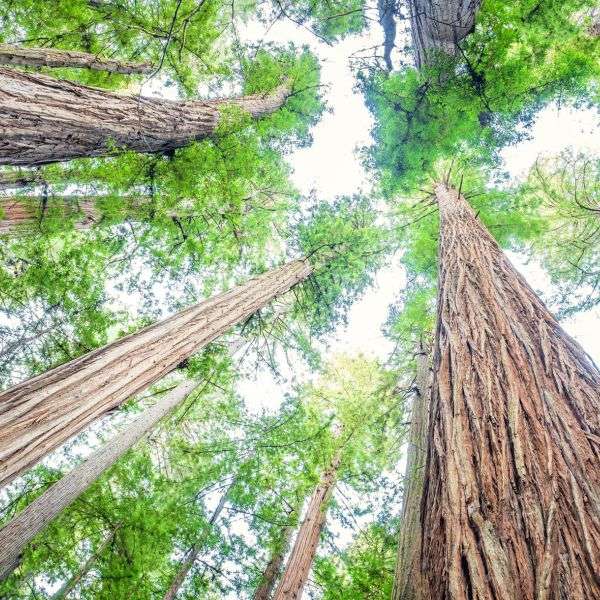
Old-Growth Redwood Forests
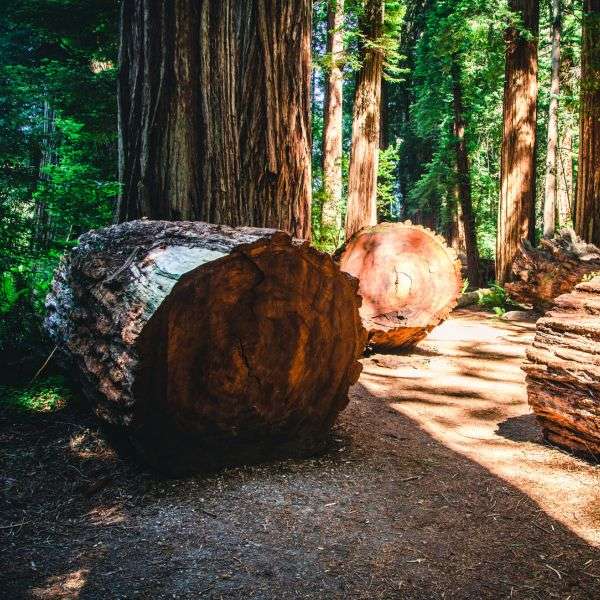
The iconic feature of the park is its ancient coast redwood forests. These towering trees, Sequoia sempervirens, are among the tallest on Earth and create a unique and awe-inspiring forest canopy.
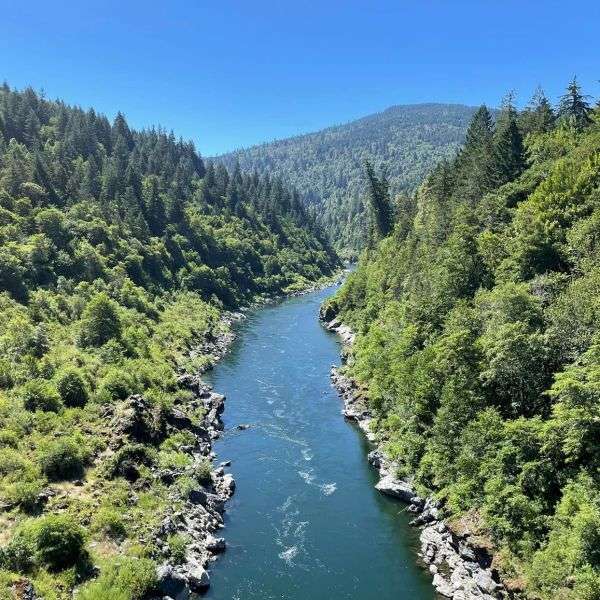
Rivers and Waterways
Several rivers flow through or border the park, contributing to its diverse ecosystems. The Klamath River is one of the major waterways, flowing through the park and playing a vital role in shaping the landscape.
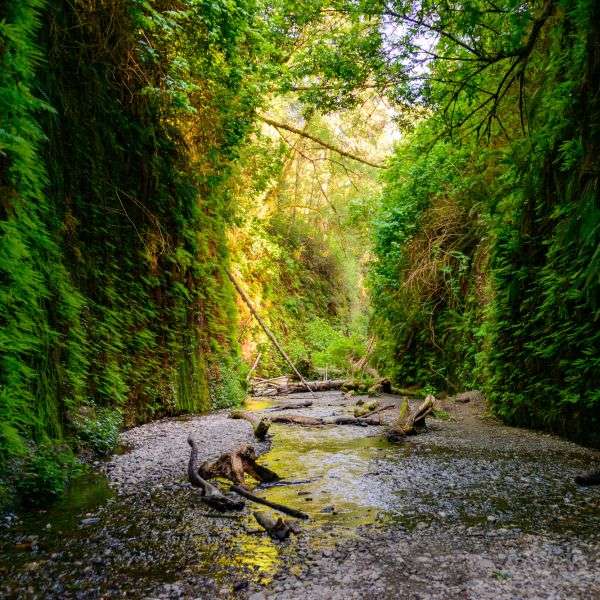
Valleys and Canyons
The park is characterized by deep river valleys and canyons, carved by the flow of rivers through the landscape. These valleys provide habitats for various plant and animal species and contribute to the park's scenic beauty.
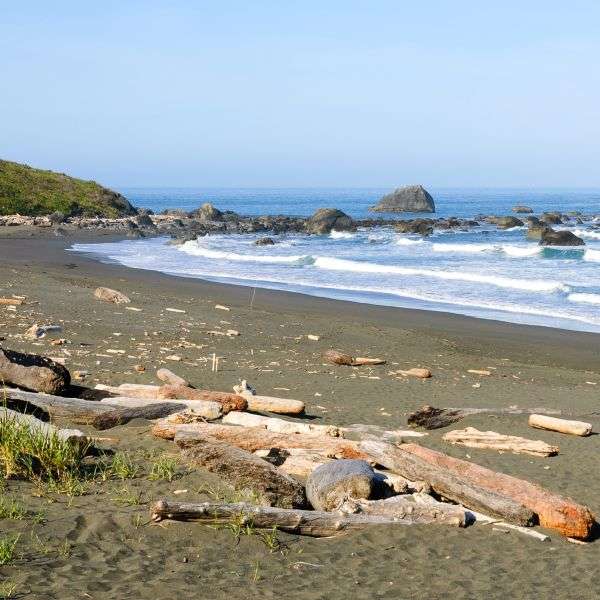
Coastline
Redwood National Park features a significant stretch of the Pacific coastline. The coastline includes rugged cliffs, rocky shores, and sandy beaches, providing stunning vistas of the Pacific Ocean.
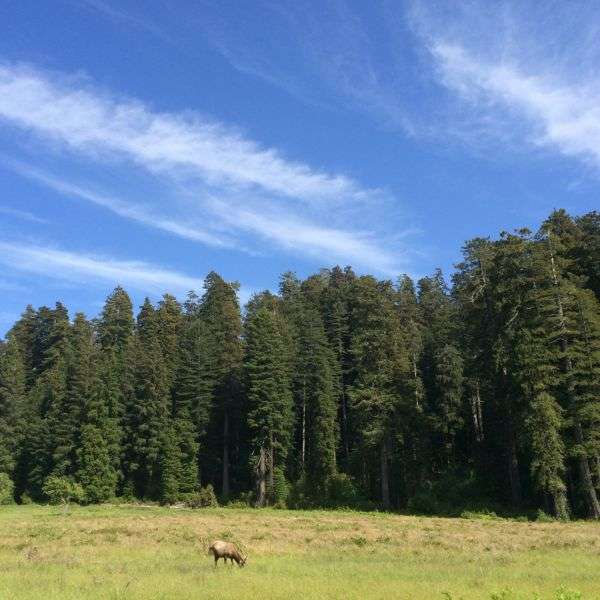
Prairies and Meadows
In addition to the dense forests, the park includes open prairies and meadows. These areas provide habitat for a variety of plant and animal species and offer visitors a different perspective on the park's diverse landscape.
Cultural and Historical Sites
The park's geography includes areas of cultural and historical significance, such as Indigenous sites and remnants of past human activities, including logging operations from the late 19th and early 20th centuries.
Plants
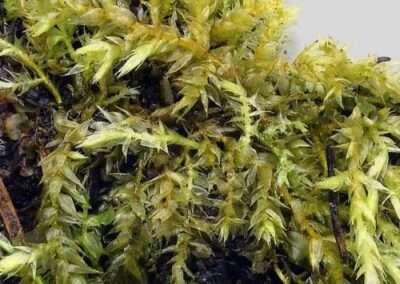
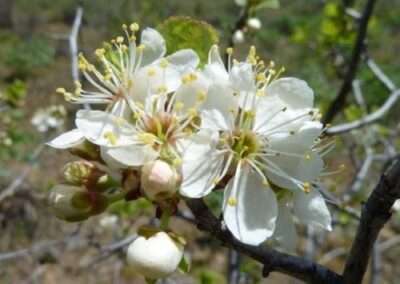
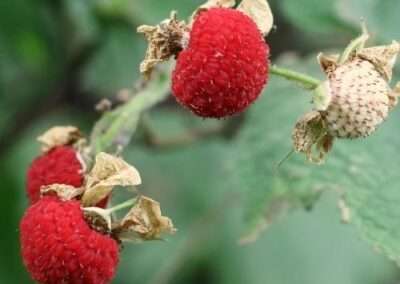
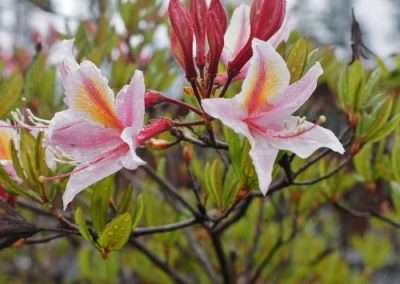
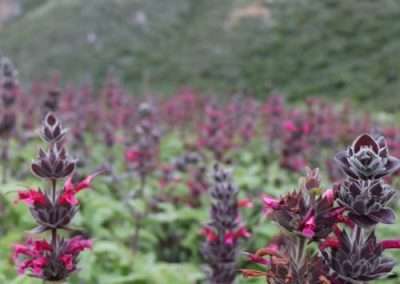
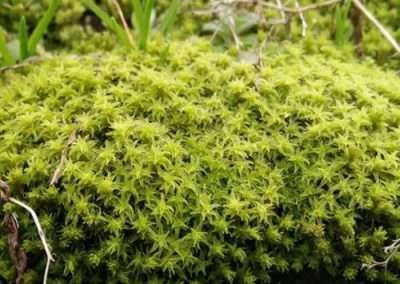
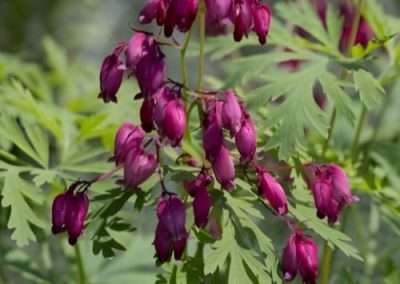
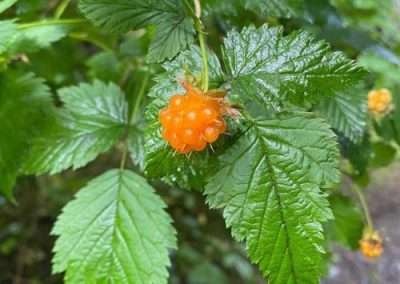
Redwood National and State Parks are home to a wide variety of plants. The most famous are the towering coast redwoods, which are the tallest trees on Earth. The cool, wet climate also supports many ferns, mosses, shrubs, grasses, and wildflowers. Different plants grow in the redwood forests, grasslands, wetlands, and along the coast. Together, these plants provide food and shelter for wildlife and help make the parks a rich and beautiful ecosystem.
Animals
Mammals
Redwood National and State Parks are home to many different mammals. The parks' redwood forests, rivers, grasslands, and coastal areas provide habitats for animals ranging from large elk and black bears to small squirrels and bats.
Black Bear (Ursus americanus): Black bears live in the forests and mountains around Redwood National and State Parks. They are omnivores and eat many types of food, including berries, plants, insects, and small animals. They can be seen in the parks, but visitors should never approach or feed them.
Roosevelt Elk (Cervus canadensis roosevelti): Roosevelt elk are one of the most well-known large mammals in the parks. They are often seen in open prairies and meadows, especially in Prairie Creek Redwoods State Park. They are the largest subspecies of elk in North America.
Mountain Lion (Puma concolor): Mountain lions, also called cougars or pumas, live in the forests and mountains of the region. They are solitary predators and are rarely seen because they avoid people. They help keep populations of deer and other animals in balance.
Bobcat (Lynx rufus): Bobcats live in forests, grasslands, and other habitats throughout the region. They are usually active at night or during the early morning and evening. Bobcats hunt small animals such as rabbits, rodents, birds, and reptiles.
Gray Fox (Urocyon cinereoargenteus): Gray foxes live in forests, grasslands, and other habitats in the parks. They eat small animals, insects, fruits, and other foods. Gray foxes are good climbers and can climb trees to escape danger or find food.
North American River Otter (Lontra canadensis): River otters live in and around rivers, streams, wetlands, and coastal waters. They are excellent swimmers and eat fish, frogs, crayfish, and other aquatic animals. They are found in the waterways of the redwood region but can be difficult to spot.
Raccoon (Procyon lotor): Raccoons are adaptable animals that can live in forests, along rivers, and near developed areas. They are omnivores and eat plants, insects, small animals, and other foods. Their dark facial markings make them easy to recognize.
Coyote (Canis latrans): Coyotes live in many habitats, including forests, grasslands, and open areas. They eat small mammals, birds, insects, fruits, and other foods. Coyotes are adaptable and can survive in many different environments.
Red Fox (Vulpes vulpes): The original text should be corrected here. The red fox is not a native species commonly associated with Redwood National and State Parks. The gray fox is the fox species that is native to the region. Therefore, the red fox should not be included as a typical mammal of the parks.
Douglas Squirrel (Tamiasciurus douglasii): Douglas squirrels are small squirrels that live in conifer forests, including redwood forests. They eat seeds, nuts, mushrooms, and other foods. They are active during the day and can often be heard before they are seen.
Northern Flying Squirrel (Glaucomys sabrinus): Northern flying squirrels live in mature forests. They are active mostly at night and can glide from tree to tree using a flap of skin between their legs. They do not actually fly like birds or bats.
Bats: Several species of bats live in the redwood region. Bats are important because they eat large numbers of insects. Species found in the area include the California myotis and other small bats. Some bats live in trees, while others use caves, buildings, and other sheltered places.
Reptiles
Redwood National and State Parks have fewer reptile species than many warmer parts of California. The cool, wet coastal climate is better suited to some amphibians, but several reptiles live in the parks' forests, grasslands, prairies, and coastal areas.
Common Garter Snake (Thamnophis sirtalis): Common garter snakes are found in a variety of habitats, especially near water and in areas with thick vegetation. They are not venomous and eat animals such as insects, frogs, fish, and small mammals.
Northwestern Alligator Lizard (Elgaria coerulea): The original name should be corrected. The lizard found in this region is the northwestern alligator lizard. It lives in forests, grasslands, and other habitats. It has rough scales and a long body and can often be found under logs, rocks, and other cover.
Western Skink (Plestiodon skiltonianus): Western skinks are small lizards with smooth scales and narrow bodies. They can be found in sunny areas, forest edges, and places with rocks or fallen logs. Young skinks often have bright blue tails.
Rubber Boa (Charina bottae): Rubber boas are small, nonvenomous snakes with smooth, rubbery-looking skin. They live in forests and other cool habitats and spend much of their time under rocks, logs, and other cover. They are generally gentle and are not dangerous to people.
California Kingsnake (Lampropeltis californiae): The original name should be corrected. The species commonly called the California kingsnake is found in northern California. Kingsnakes are nonvenomous constrictors that eat rodents, lizards, birds, and other snakes. Their colors and patterns can vary.
Western Fence Lizard (Sceloporus occidentalis): Western fence lizards are common in many parts of California and can live in open areas, grasslands, and forest edges. They often bask on rocks, logs, and tree trunks. Males have blue coloring on their bellies and throats.
Gopher Snake (Pituophis catenifer): Gopher snakes are nonvenomous snakes that eat rodents and other small animals. They are often found in grasslands, prairies, and other open areas. When threatened, they may hiss, flatten their heads, and shake their tails, which can make them look like rattlesnakes.
Reptile Diversity: The original list should be treated with some caution because not every species listed is equally common throughout Redwood National and State Parks. The park's cool, wet climate and dense forests limit the number of reptiles compared with warmer areas of California. Reptiles are more likely to be found in sunny openings, grasslands, rocky areas, and forest edges.
Birds
Redwood National and State Parks provide habitats for many bird species. The parks' old-growth redwood forests, rivers, grasslands, and coastal areas support both birds that live in the region year-round and birds that migrate through the area.
Marbled Murrelet (Brachyramphus marmoratus): Marbled murrelets are small seabirds that spend much of their time along the coast but fly inland to nest in old-growth forests. They often nest high in large trees, including redwoods. The species is listed as threatened under the federal Endangered Species Act.
Northern Spotted Owl (Strix occidentalis caurina): Northern spotted owls live in mature and old-growth forests. They are nocturnal and hunt small mammals and other animals. The species is threatened and has been an important focus of forest conservation in the redwood region.
Steller's Jay (Cyanocitta stelleri): Steller's jays are common in the parks' forests and are easy to recognize by their dark heads and blue bodies. They eat insects, seeds, berries, and other foods. Their loud calls can often be heard before the birds are seen.
Common Raven (Corvus corax): Common ravens are large, intelligent birds that live in many of the parks' habitats. They eat a wide variety of foods, including insects, small animals, carrion, and berries. They can often be seen flying over forests, grasslands, and coastal areas.
Bald Eagle (Haliaeetus leucocephalus): Bald eagles live near rivers, lakes, and coastal areas where they can find fish and other food. Adults have white heads and tails and dark bodies. They are protected under federal law and have made a strong recovery after once being at risk of extinction.
Osprey (Pandion haliaetus): Ospreys are fish-eating birds of prey that live near rivers, lakes, and the ocean. They can dive into the water to catch fish using their powerful feet and sharp claws.
Common Merganser (Mergus merganser): Common mergansers are large ducks that can be found on rivers and other waterways. They have long, narrow bills with small edges that help them catch fish. They are especially well suited to swimming in fast-moving water.
Varied Thrush (Ixoreus naevius): Varied thrushes live in the forests of the Pacific Northwest and northern California. They have orange and dark markings and a distinctive, haunting song. They often stay on the forest floor while searching for insects and other food.
Peregrine Falcon (Falco peregrinus): Peregrine falcons can be found along the coast and in other open areas. They are powerful hunters that catch birds in flight. During a steep hunting dive, they can reach speeds of more than 200 miles per hour.
Black Oystercatcher (Haematopus bachmani): Black oystercatchers live along rocky parts of the northern California coast. They have black feathers, bright orange bills, and pinkish legs. They use their strong bills to open shellfish and find other food along the shore.
Swainson's Thrush (Catharus ustulatus): Swainson's thrushes are migratory songbirds that pass through the redwood region. They can be found in forest habitats while searching for insects, berries, and other foods. Their clear, rising song is often heard during the breeding season.
American Dipper (Cinclus mexicanus): American dippers are unusual songbirds that live along clear, fast-moving streams. They walk and swim underwater while searching for aquatic insects and other small animals. They are especially well adapted to the cold, rushing waters of the redwood region.
Fish
Redwood National and State Parks have many fish species because the area includes rivers, streams, estuaries, and coastal waters. Some fish live in freshwater year-round, while others move between rivers and the ocean during their life cycle.
Chinook Salmon (Oncorhynchus tshawytscha): Chinook salmon are an important fish in rivers such as the Klamath and Smith. They spend part of their lives in the ocean and return to freshwater to spawn. Young salmon later travel downstream toward the ocean.
Coho Salmon (Oncorhynchus kisutch): Coho salmon also move between the ocean and freshwater. They return to streams to reproduce. Coho salmon are threatened in parts of California, and protecting clean, cool streams is important for their survival.
Steelhead Trout (Oncorhynchus mykiss): Steelhead are a migratory form of rainbow trout. They are born in freshwater, may spend part of their lives in the ocean, and return to freshwater to reproduce. They are an important part of the region's river ecosystems.
Coastal Cutthroat Trout (Oncorhynchus clarkii clarkii): Coastal cutthroat trout are native to coastal streams and rivers of the Pacific Northwest and northern California. Some remain in freshwater, while others move between freshwater and saltwater. They can be found in suitable streams in the redwood region.
Green Sturgeon (Acipenser medirostris): Green sturgeon are large, ancient-looking fish that spend much of their lives in coastal waters. They migrate into large rivers to reproduce. They are listed as threatened under the federal Endangered Species Act.
Pacific Lamprey (Entosphenus tridentatus): Pacific lampreys are eel-like, jawless fish that live in the Pacific Ocean and freshwater rivers. They migrate into rivers to reproduce. Their young spend several years living in stream sediments before changing into adults.
Rainbow Trout (Oncorhynchus mykiss): Rainbow trout live in freshwater streams and rivers. They are closely related to steelhead, which are the ocean-going form of the same species. Rainbow trout are native to the region and prefer cool, clean water.
Stickleback (Gasterosteidae): Sticklebacks are small fish that can live in freshwater, estuaries, and coastal waters. They are named for the small spines on their backs. Different stickleback species and populations live in various parts of northern California.
Surfperch (Embiotocidae): Surfperch are marine fish that live in coastal waters along the northern California coast. They are commonly found around rocky areas and near shore. Different species have different colors, sizes, and habitats.
Rockfish (Sebastes spp.): Rockfish are a large group of marine fish found along the Pacific coast. Several species live in rocky coastal habitats. They are generally associated with deeper water, rocky reefs, and underwater structures rather than the park's rivers.
Important Correction: The original list mixes fish found in the broader coastal region with fish found specifically inside Redwood National and State Parks. The parks include rivers and streams, but much of the ocean habitat is outside the parks' boundaries. For accuracy, marine fish such as surfperch and rockfish should be described as species found along the nearby northern California coast rather than as fish that live throughout the park.
Amphibians
Redwood National and State Parks provide habitat for several amphibian species. The parks' cool, wet forests, streams, wetlands, and grasslands create good conditions for frogs, salamanders, and newts. Amphibians are important parts of the ecosystem and can also help scientists understand changes in the environment.
Rough-skinned Newt (Taricha granulosa): Rough-skinned newts can be found in moist forests and near ponds and streams. They produce a strong toxin that helps protect them from predators. Their skin can range from brown to dark gray, with a bright orange or yellow underside.
California Giant Salamander (Dicamptodon ensatus): California giant salamanders are large salamanders that live in moist forests and near streams. They have broad heads and dark bodies with lighter markings. They can spend part of their lives in water and part on land.
Ensatina Salamander (Ensatina eschscholtzii): Ensatina salamanders are small, lungless salamanders that live in moist forests. They breathe through their skin and the lining of their mouths. Their colors and patterns vary across their range. Although Ensatina is sometimes described as a ring species, scientists continue to debate whether it fits the classic definition of a ring species.
Red-legged Frog: The original name should be corrected. The frog found in this region is the California red-legged frog (Rana draytonii), not the northern red-legged frog (Rana aurora). California red-legged frogs need ponds, streams, and other wetlands and are listed as threatened under the federal Endangered Species Act.
Pacific Chorus Frog (Pseudacris regilla): Pacific chorus frogs, also called Pacific treefrogs, are small frogs found in many habitats throughout the region. They can live in forests, grasslands, wetlands, and areas near streams. Their loud calls are especially noticeable during the breeding season.
Tailed Frog (Ascaphus truei): Tailed frogs are specially adapted to cold, fast-moving mountain streams. The male has a tail-like structure that helps him reproduce in rushing water. These frogs are associated with clear, rocky streams in the Pacific Northwest and northern California.
California Slender Salamander (Batrachoseps attenuatus): California slender salamanders are small, thin salamanders that live on land in moist forests and other habitats. They do not need ponds or streams to reproduce. They can often be found under logs, rocks, and leaf litter.
Western Toad (Anaxyrus boreas): Western toads can live in forests, grasslands, meadows, and areas near water. They have dry, bumpy skin and glands behind their eyes that can produce toxins. They eat insects and other small animals.
California Newt (Taricha torosa): California newts are found in moist forests and near ponds and streams in parts of northern and central California. They have orange or yellow undersides and produce toxins that help protect them from predators.
Foothill Yellow-legged Frog (Rana boylii): Foothill yellow-legged frogs are closely connected to streams and rivers. They are adapted to living in flowing water and often breed in shallow areas. Their populations have declined in parts of California, making protection of healthy streams important.
Important Correction: The original list included some species names that were too broad or inaccurate for Redwood National and State Parks. The northern red-legged frog should be replaced with the California red-legged frog, and the Pacific newt entry should be replaced with the specific California newt. Not every species listed is equally common throughout the parks, so these animals should be described as species found in the redwood region rather than as animals visitors are guaranteed to see.
"The redwoods, which throughout eternity have reared their domes, and which no man can rival, have a higher life in them than human beings have."
- John Muir
"The redwoods, which tower above us as if they were the petrified presences of the tree-like beings in faerie tales, remind us of the sacredness of the living world. They remind us that this is a cathedral, and we the worshipers within it."
- Derrick Jensen
"The redwoods are the best of the best. They work harder, eat less, and live longer than the rest of us."
- Richard Preston
"The redwoods, once seen, leave a mark or create a vision that stays with you always. No one has ever successfully painted or photographed a redwood tree. The feeling they produce is not transferable. From them comes silence and awe. It's not only their unbelievable stature, nor the color which seems to shift and vary under your eyes, no, they are not like any trees we know, they are ambassadors from another time."
- John Steinbeck
Explore More With Us
Stay updated on National Parks EDU resources, park news, community updates, and and ways to explore, and protect.

National Parks Edu's mission is to help kids and families understand what makes these places so important. Because when you learn about nature, you start to care about protecting it.
National Parks EDU is an independent educational website and is not affiliated with, endorsed by, sponsored by, or officially connected to the National Park Service (NPS) or the U.S. government. © National Parks EDU. All Rights Reserved. October 18, 2026