Pinnacles
National Park
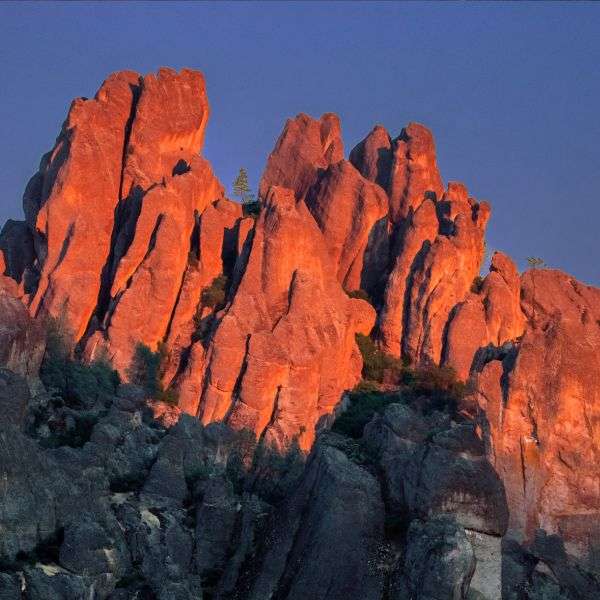
California
stunning rock formations, diverse wildlife, and hiking trails amidst its rugged landscapes
Fast Facts
Location
central California
Established in
2013
Established by
President Barack Obama
Size
42 sq. miles
Known For
- Unique and dramatic rock formations, formed by volcanic activity over millions of years
- Home to a wide variety of flora and fauna, including the endangered California condor
- Hikers and rock climbers are drawn to Pinnacles for its numerous routes of varying difficulty
History
Natural History and Formation
Petrified Forest National Park has very limited amphibian diversity due to its arid desert environment and the scarcity of permanent water sources. Amphibians typically depend on moist habitats such as wetlands, ponds, and streams for breeding and survival, making the dry conditions of the park a challenging environment for these species.
Limited Water Availability: The park’s semi-arid climate, seasonal rainfall patterns, and lack of permanent waterways restrict the habitats needed by amphibians. Temporary pools and seasonal water sources may occasionally provide brief opportunities for amphibian activity, but these conditions are not widespread or consistent.
No Significant Native Amphibian Populations: Unlike wetter ecosystems, Petrified Forest National Park does not support well-established amphibian communities. The absence of reliable aquatic breeding areas limits the presence and distribution of frogs, toads, salamanders, and newts within the park.
Desert Adaptations: While amphibians are uncommon, the park’s ecosystem supports many other species that are specially adapted to dry conditions. Reptiles, birds, mammals, and invertebrates play more prominent roles in the desert food web, relying on adaptations that allow them to survive with limited water.
The limited presence of amphibians at Petrified Forest National Park reflects the unique challenges of desert environments. The park’s biodiversity is shaped by resilience, adaptation, and the ability of species to thrive under some of the most demanding conditions in the American Southwest.
Native History
The area now known as Pinnacles National Park has a long Native American history. Native people have lived in and around the region for thousands of years. The National Park Service says Native people have used and cared for the California landscape, including the Pinnacles area, for more than 10,000 years.
Chalon and Mutsun People: The Chalon and Mutsun were Native peoples who lived in the region around Pinnacles. The Chalon lived near what is now the western side of the park. The Mutsun lived in nearby areas to the north. Both groups are part of the larger Ohlone cultural and language family.
Traditional Land Use: Native people used the Pinnacles area to gather plants and hunt animals. Acorns were an important food. People also gathered seeds, bulbs, nuts, and plants used for food and making baskets. They hunted animals such as rabbits and deer. They also used fire and other methods to care for the land and encourage useful plants to grow.
Cultural Significance: The Pinnacles landscape was more than a place to find food and materials. Native people had strong cultural and spiritual connections to the land. For example, the condor has an important place in Amah Mutsun traditions. The National Park Service works with Native communities to better understand and protect these cultural connections.
Archaeological Evidence: Archaeological sites and objects, including grinding stones and other tools, show that Native people used the area for a long time. However, the National Park Service says there is no archaeological evidence that a permanent village existed within the park boundaries. Because some cultural sites are sensitive, their exact locations are not made public.
European Contact and Displacement: Spanish missionaries arrived in California in the late 1700s. The mission system greatly changed Native people's lives. The Spanish introduced new diseases and tried to stop Native people from speaking their languages and practicing their traditions. The mission closest to Pinnacles was built at Soledad in 1791.
Preservation
The preservation history of Pinnacles National Park shows how local people, conservationists, and the federal government worked together to protect this special place.
Early Efforts to Protect Pinnacles: People began to recognize the beauty and importance of Pinnacles in the late 1800s. Local resident Schuyler Hain became an important leader in the effort to protect the area. He led tours, wrote about Pinnacles, and encouraged others to help save the land from private development. Local families and conservation leaders also supported his efforts.
Establishment as a National Monument: On January 16, 1908, President Theodore Roosevelt made Pinnacles a national monument. It was created mainly to protect the area's unusual rock formations, cliffs, and talus caves. The original monument covered about 2,080 acres. {"fallbackMarkdown":"([Parcs nationaux des États-Unis](https://www.nps.gov/pinn/learn/historyculture/upload/Heart-of-the-Gabilans_2009_small.pdf?utm_source=chatgpt.com))","reference":{"matched_text":"","prefix":null,"start_idx":1483,"end_idx":1516,"safe_urls":["https://www.nps.gov/pinn/learn/historyculture/upload/Heart-of-the-Gabilans_2009_small.pdf","https://www.nps.gov/pinn/learn/historyculture/upload/Heart-of-the-Gabilans_2009_small.pdf?utm_source=chatgpt.com","https://www.nps.gov/pinn/planyourvisit/park-brochure.htm","https://www.nps.gov/pinn/planyourvisit/park-brochure.htm?utm_source=chatgpt.com"],"refs":[],"alt":"([Parcs nationaux des États-Unis](https://www.nps.gov/pinn/learn/historyculture/upload/Heart-of-the-Gabilans_2009_small.pdf?utm_source=chatgpt.com))","prompt_text":null,"type":"grouped_webpages","items":[{"title":"National Park Service","url":"https://www.nps.gov/pinn/learn/historyculture/upload/Heart-of-the-Gabilans_2009_small.pdf?utm_source=chatgpt.com","attribution":"Parcs nationaux des États-Unis","pub_date":1776563539,"snippet":"","attribution_segments":null,"supporting_websites":[{"title":"Park Brochure - Pinnacles National Park (U.S. National Park Service)","url":"https://www.nps.gov/pinn/planyourvisit/park-brochure.htm?utm_source=chatgpt.com","pub_date":null,"snippet":"","attribution":"Parcs nationaux des États-Unis"}],"refs":[{"turn_index":0,"ref_type":"search","ref_index":23},{"turn_index":0,"ref_type":"search","ref_index":2}],"hue":null,"attributions":null}],"style":null,"error":null,"status":"done","fallback_items":null},"showLoginRequiredCard":false}
Growth and Conservation: Over time, more land was added to Pinnacles. This helped protect a larger variety of plants, animals, and habitats. The park is now about 26,000 acres. Its protected lands provide important habitat for many species, including the endangered California condor. {"fallbackMarkdown":"([home.nps.gov](https://home.nps.gov/pinn/learn/nature/index.htm?utm_source=chatgpt.com))","reference":{"matched_text":"","prefix":null,"start_idx":1827,"end_idx":1860,"safe_urls":["https://home.nps.gov/pinn/learn/nature/index.htm","https://home.nps.gov/pinn/learn/nature/index.htm?utm_source=chatgpt.com","https://www.nps.gov/pinn/planyourvisit/park-brochure.htm","https://www.nps.gov/pinn/planyourvisit/park-brochure.htm?utm_source=chatgpt.com"],"refs":[],"alt":"([home.nps.gov](https://home.nps.gov/pinn/learn/nature/index.htm?utm_source=chatgpt.com))","prompt_text":null,"type":"grouped_webpages","items":[{"title":"Nature - Pinnacles National Park (U.S. National Park Service)","url":"https://home.nps.gov/pinn/learn/nature/index.htm?utm_source=chatgpt.com","attribution":"home.nps.gov","pub_date":1729036800,"snippet":"","attribution_segments":null,"supporting_websites":[{"title":"Park Brochure - Pinnacles National Park (U.S. National Park Service)","url":"https://www.nps.gov/pinn/planyourvisit/park-brochure.htm?utm_source=chatgpt.com","pub_date":null,"snippet":"","attribution":"Parcs nationaux des États-Unis"}],"refs":[{"turn_index":0,"ref_type":"search","ref_index":13},{"turn_index":0,"ref_type":"search","ref_index":2}],"hue":null,"attributions":null}],"style":null,"error":null,"status":"done","fallback_items":null},"showLoginRequiredCard":false}
Civilian Conservation Corps: During the 1930s, the Civilian Conservation Corps, or CCC, helped develop Pinnacles. Workers built trails, tunnels, and other facilities. Some of the work they completed is still part of the park today.
California Condor Recovery: Protecting wildlife became an important part of conservation at Pinnacles. Since 2003,
Future Preservation
Preserving Yellowstone National Park in the future will require careful planning. Climate change, wildfires, invasive species, wildlife diseases, growing visitation, and other pressures could affect the park's plants, animals, water, and historic resources.
Climate Change: Climate change is already affecting Yellowstone. Warmer temperatures are causing mountain glaciers to shrink, reducing snowpack, and changing the timing and amount of water in rivers and streams. These changes can affect plants, animals, and habitats. Some species may lose habitat or move to new areas.
Wildfires: Fire is a natural part of Yellowstone's ecosystem, and many plants and animals depend on it. However, warmer temperatures, drought, and earlier snowmelt can increase the risk of very large and severe wildfires. These fires can affect forests, wildlife habitat, roads, buildings, and visitor safety.
Invasive Species: Non-native plants, animals, and other organisms can harm Yellowstone's native ecosystems. Invasive plants can replace native plants and may even change how often fires occur. Aquatic invasive species can also harm native fish and other wildlife. Park staff monitor and control invasive species to reduce these risks.
Human-Wildlife Conflict: Yellowstone is home to large animals such as bears, bison, elk, and wolves. As people visit the park, there is a risk of unsafe encounters between people and wildlife. Visitors must keep a safe distance from animals and follow park rules to protect both people and wildlife.
Visitor Impact: Yellowstone receives millions of visitors, especially during the summer. Heavy use can cause traffic, crowded parking areas, litter, social trails, and damage to some popular sites. Increasing visitation also puts pressure on park roads, bridges, utilities, and other facilities.
Water Resources: Changes in temperature, snow, rainfall, and runoff can affect Yellowstone's rivers, lakes, wetlands, and streams. Warmer water and lower summer streamflows can be harmful to native cold-water fish. Water quality can also be affected by development, sewage problems, pollution, and other activities.
Infrastructure Challenges: Roads, bridges, trails, buildings, and other facilities need regular maintenance. Climate change, floods, wildfires, and increasing visitation can put additional stress on this infrastructure. Major floods in 2022 caused serious damage to roads and other facilities, showing how extreme weather can create difficult challenges for the park.
Wildlife Diseases: Diseases can affect Yellowstone's wildlife and the larger Greater Yellowstone Ecosystem. Chronic wasting disease is a concern for deer, elk, and other members of the deer family in the region. Park managers also monitor other diseases and health problems that could affect wildlife populations.
Air Quality: Yellowstone has strong protections for air quality. However, air pollution can still affect the park's plants, lakes, streams, and soils. Wildfire smoke is an important source of air pollution in the Greater Yellowstone area. Pollution from outside the park can also enter the ecosystem.
Development Outside the Park: Yellowstone is part of a much larger ecosystem that extends beyond the park's boundaries. Mining, energy development, roads, and other land uses outside the park can affect water, wildlife, and natural habitats inside the park. Protecting wildlife migration routes and surrounding lands is an important part of protecting Yellowstone.
Funding and Resources: Yellowstone needs enough staff, money, equipment, and scientific information to manage these challenges. Growing visitation increases the need for workers, housing, maintenance, and other services. Limited resources can make it harder to respond to new problems while continuing to protect the park.
Protecting Yellowstone in the future will require science, careful planning, and cooperation. Park managers work with scientists, Native American nations, government agencies, local communities, and other partners to understand these risks and find ways to protect Yellowstone's natural and cultural resources.
Geography
Pinnacles National Park, located in central California, has a unique landscape shaped by ancient volcanic activity, earthquakes, and erosion. The park is known for its tall rock formations, steep cliffs, narrow canyons, and talus caves. These features formed from volcanic rock that was later changed and worn down by natural forces. The park also has a variety of plants and animals, beautiful views, and an interesting geological history. Pinnacles National Park gives visitors a chance to see how natural forces have shaped the California landscape over millions of years.
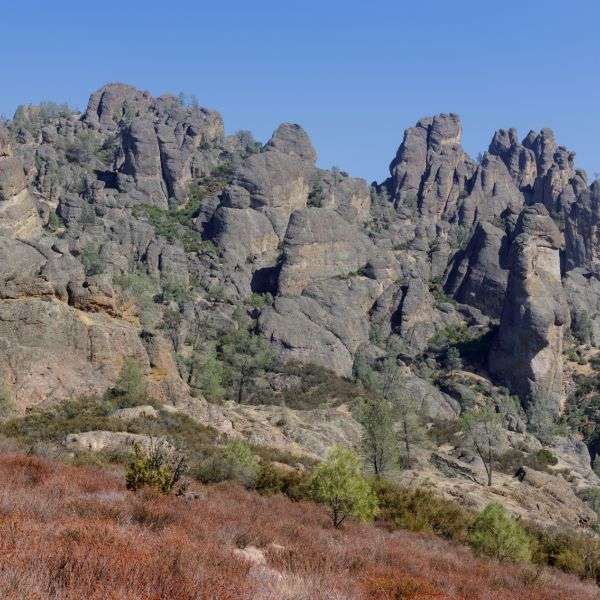
Rock Formations
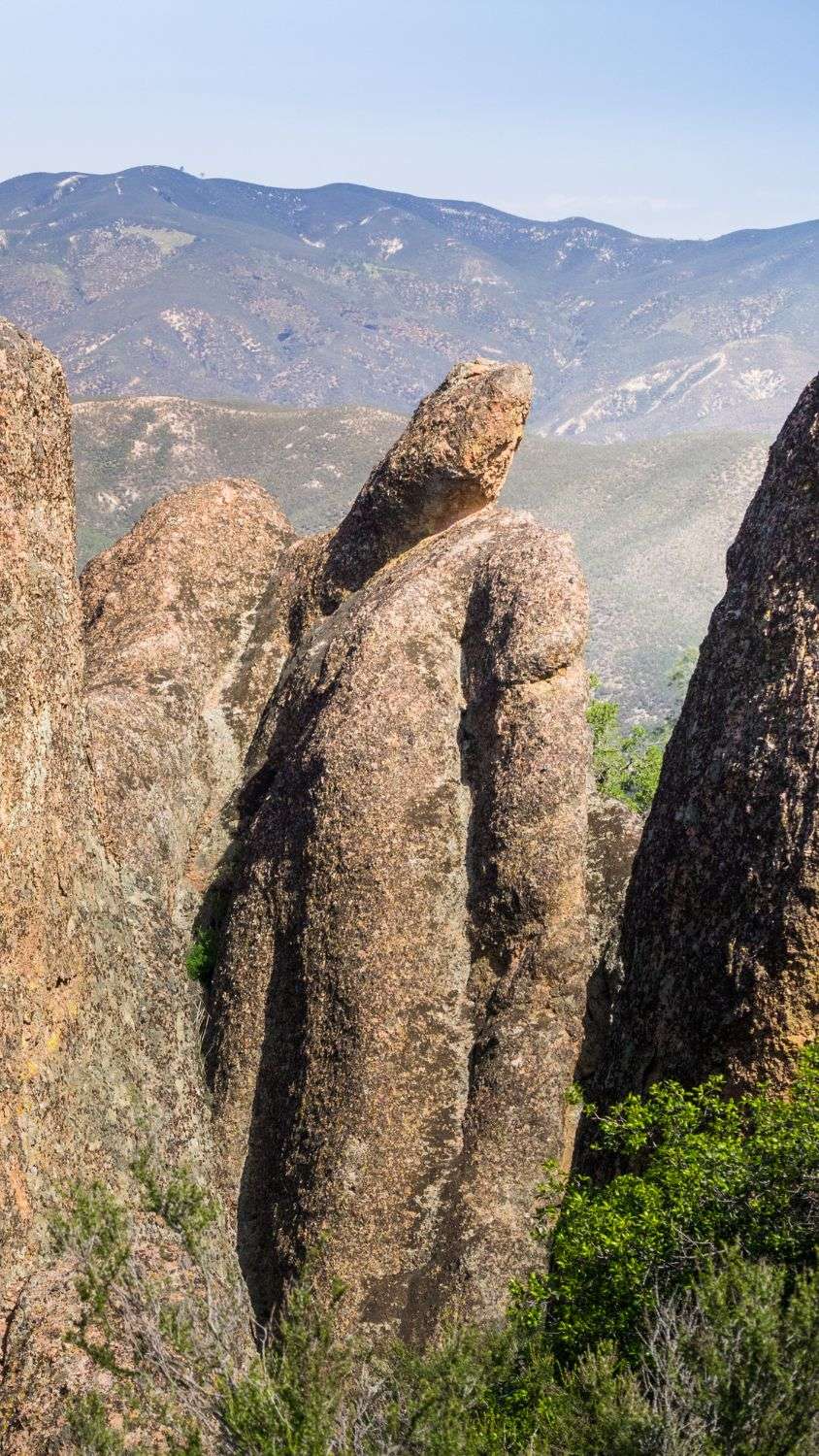
The park is renowned for its towering rock formations, including massive spires, sheer cliffs, and rugged canyons. These formations are primarily composed of volcanic breccia, a type of rock formed from volcanic ash, lava, and other volcanic debris.
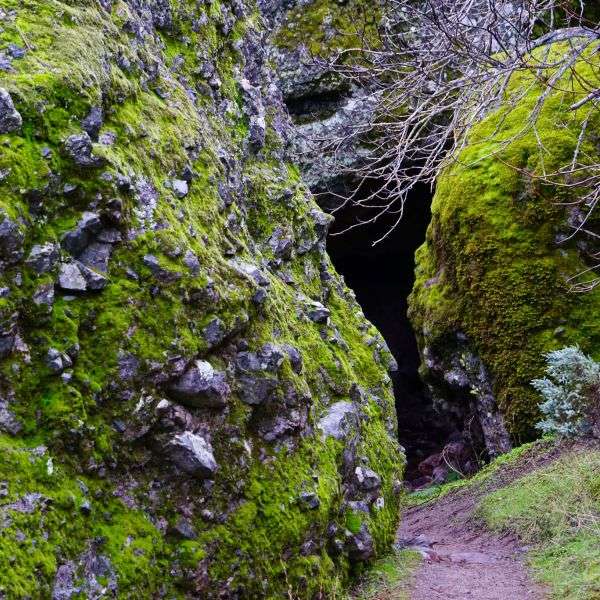
Talus Caves
One of the unique features of Pinnacles National Park is its talus caves, formed by massive boulders wedged between narrow canyons. Visitors can explore these caves by hiking through narrow passageways and scrambling over boulders.
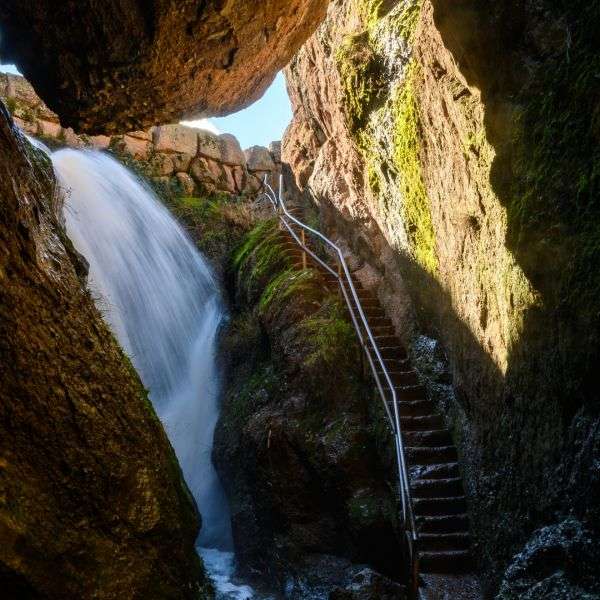
Waterways
Several creeks flow through Pinnacles National Park, carving deep canyons and providing critical water sources for wildlife. Bear Gulch Creek and Chalone Creek are two of the main waterways in the park, supporting riparian vegetation and creating scenic landscapes.
Plants
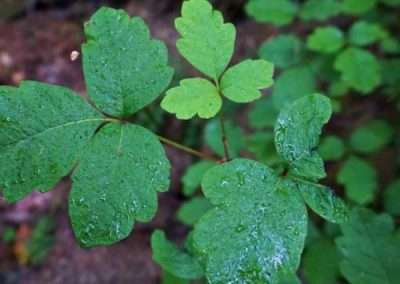
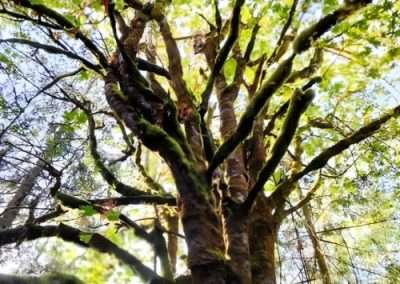
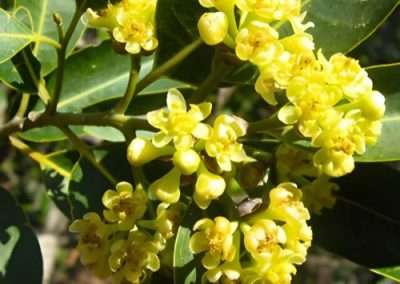
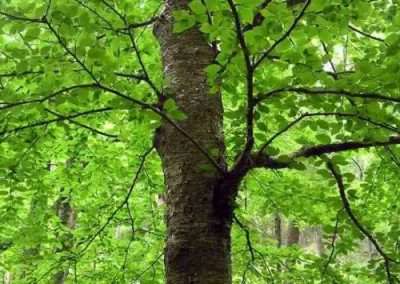
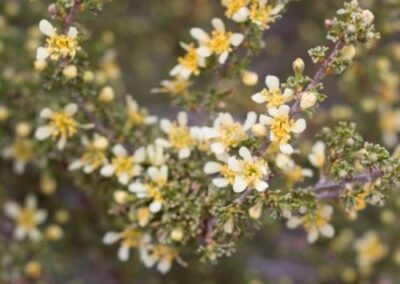
Pinnacles National Park has many different kinds of plants that are adapted to its rocky landscape and Mediterranean climate. The park is home to chaparral shrubs, oak woodlands, grasses, and colorful wildflowers. In spring, wildflowers can add bright colors to the hills and valleys. These plants provide food and shelter for many animals and help make Pinnacles a diverse and beautiful ecosystem.
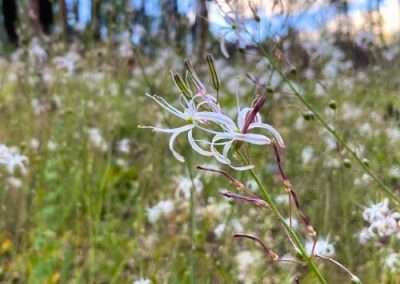
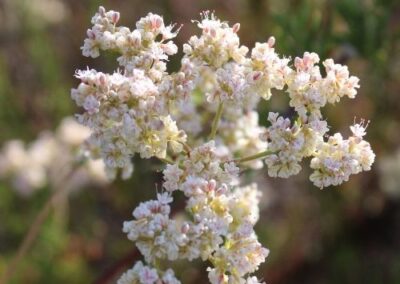
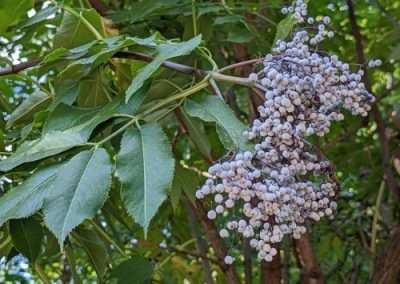
Animals
Mammals
Pinnacles National Park is home to more than 40 species of mammals. These animals live in a variety of habitats, including rocky slopes, chaparral, oak woodlands, and grasslands. Some are commonly seen, while others are shy and rarely spotted.
Mountain Lion (Puma concolor): Mountain lions, also called cougars or pumas, live in Pinnacles National Park. They are skilled predators that hunt animals such as deer and smaller mammals. Mountain lions are uncommon and very difficult to see, but park staff can find signs of them, such as tracks and other evidence.
Bobcat (Lynx rufus): Bobcats are common mammals at Pinnacles. They are usually solitary and are well suited to the park's rocky and wooded habitats. Bobcats hunt small animals such as rabbits and rodents.
Coyote (Canis latrans): Coyotes live throughout Pinnacles National Park and are considered common. They eat a wide variety of foods, including small mammals and other animals. They may also eat fruits and other available foods.
Tule Elk (Cervus canadensis nannodes): Tule elk are a California subspecies of elk. They were once found across much of California but nearly disappeared because of hunting and habitat loss. In 2022, park staff documented two young male tule elk at Pinnacles. This was the first known record of the species in the park, so it is not accurate to say that tule elk were reintroduced to Pinnacles in the early 2000s.
Mule Deer (Odocoileus hemionus): Mule deer are common at Pinnacles National Park. They live in many of the park's habitats and eat plants such as grasses, shrubs, and leaves. Their name comes from their large ears, which look similar to those of a mule.
Raccoon (Procyon lotor): Raccoons are common mammals at Pinnacles. They are adaptable animals that eat many types of food, including plants, insects, and small animals. They are often associated with areas that provide water, food, and shelter.
Gray Fox (Urocyon cinereoargenteus): Gray foxes are common at Pinnacles but can be difficult to spot. They live in a variety of habitats and eat small animals, insects, fruits, and other foods. Unlike many other members of the dog family, gray foxes can climb trees.
Reptiles
Pinnacles National Park is home to many reptile species. The park has rocky slopes, chaparral, grasslands, oak woodlands, and other habitats that provide places for reptiles to live. The National Park Service lists eight lizard species, fourteen snake species, and one turtle species in the park.
California Kingsnake (Lampropeltis californiae): California kingsnakes are nonvenomous snakes found at Pinnacles. They have black, white, or cream-colored bands and eat other snakes, lizards, small mammals, and birds. They are considered uncommon in the park.
Western Fence Lizard (Sceloporus occidentalis): Western fence lizards are one of the most common reptiles at Pinnacles. They are often seen basking in the sun on rocks, logs, and other warm surfaces. Males have blue coloring on their belly and throat.
Western Rattlesnake (Crotalus oreganus oreganus): Western rattlesnakes are venomous snakes found in Pinnacles. They live in a variety of habitats and are considered common. Visitors should watch where they step and give rattlesnakes plenty of space.
Western Pond Turtle (Actinemys pallida): Western pond turtles are freshwater turtles found in the park. They are uncommon and can be difficult to spot. The southern western pond turtle is listed as a rare species on the National Park Service's reptile and amphibian checklist.
California Striped Racer (Coluber lateralis lateralis): The California striped racer, also called the California whipsnake, is a fast-moving snake found at Pinnacles. It lives in habitats such as grasslands, chaparral, and woodlands. It hunts lizards and other small animals and is considered common in the park.
Common Garter Snake (Thamnophis sirtalis): Common garter snakes are nonvenomous snakes found in many parts of Pinnacles. They are often associated with areas near water and eat small animals such as frogs, fish, and insects. They are considered common in the park.
Western Yellow-bellied Racer (Coluber constrictor mormon): Western yellow-bellied racers are fast-moving, nonvenomous snakes. They can live in grasslands, woodlands, and chaparral. The species is listed as rare at Pinnacles, so visitors are unlikely to see one.
Western Skink (Plestiodon skiltonianus): The original list should be corrected here. The National Park Service does not list the western skink as a confirmed species at Pinnacles. Instead, the park's checklist includes Gilbert's Skink (Plestiodon gilberti), which is uncommon. Gilbert's skinks are small lizards that can be found in the park's habitats.
Birds
Pinnacles National Park is home to many bird species, making it a great place for birdwatching. The park's cliffs, oak woodlands, grasslands, and chaparral provide habitats for many different birds. Some birds live in the park all year, while others visit during certain seasons.
California Condor (Gymnogyps californianus): California condors are one of the most important birds at Pinnacles. The endangered birds were released at Pinnacles beginning in 2003 as part of a recovery program. Visitors may see condors flying high above the park or resting on cliffs. Park staff continue to monitor the birds and work to help restore their population.
Golden Eagle (Aquila chrysaetos): Golden eagles live in the open areas and rocky habitats of Pinnacles. They are powerful birds of prey that hunt animals such as rabbits, rodents, and other birds. They can often be seen soaring above the park.
Peregrine Falcon (Falco peregrinus): Peregrine falcons live and nest in the cliffs of Pinnacles. They are skilled hunters that catch birds in flight. During a steep dive, peregrine falcons can reach speeds of more than 200 miles per hour, making them one of the fastest animals in the world.
California Quail (Callipepla californica): California quail are common birds at Pinnacles. They live in grasslands, chaparral, and woodlands and often travel in small groups. They are easy to recognize by their round bodies and small, curved head plumes.
Acorn Woodpecker (Melanerpes formicivorus): Acorn woodpeckers are common in the oak woodlands of Pinnacles. They collect acorns and store them in holes in trees, fence posts, and other wooden surfaces. These storage areas are called granaries and can hold thousands of acorns.
Anna's Hummingbird (Calypte anna): Anna's hummingbirds can be found at Pinnacles throughout the year. They feed on flower nectar and small insects. Males have bright, colorful feathers on their heads and throats that can shine in the sunlight.
Oak Titmouse (Baeolophus inornatus): Oak titmice are small songbirds commonly found in the park's oak woodlands. They search trees and branches for insects and seeds. Their gray coloring and small crest make them easy to identify.
Western Bluebird (Sialia mexicana): Western bluebirds can be found in open areas, grasslands, and oak woodlands at Pinnacles. Males have bright blue feathers, while females have more muted colors. They eat insects, berries, and other small foods.
Fish
Pinnacles National Park has very few fish because most of its streams are seasonal and dry up during the summer. The National Park Service says that the three-spined stickleback is the only native fish currently found in the park. A non-native fish called the mosquitofish is also found there. Other fish may sometimes enter the park's streams during floods, but they usually do not survive when the water dries up.
Amphibians
Pinnacles National Park is home to several species of amphibians. These frogs and salamanders depend on the park's streams, ponds, springs, and moist areas for parts of their lives. Amphibians are also important to the ecosystem because they eat insects and provide food for other animals.
California Red-legged Frog (Rana draytonii): California red-legged frogs are listed as threatened under the federal Endangered Species Act. They need ponds, streams, and other wetlands for breeding. The species has been found in the Pinnacles area, but it is not common throughout the park.
California Tiger Salamander (Ambystoma californiense): California tiger salamanders are threatened under the federal Endangered Species Act. They spend much of their lives underground and return to ponds and other seasonal water sources to breed. They are associated with grasslands and oak woodlands in parts of central California, but they are not a common species at Pinnacles.
Pacific Chorus Frog (Pseudacris regilla): Pacific chorus frogs are small frogs found in many parts of California. They can live in grasslands, woodlands, and areas near water. Their loud calls can often be heard around ponds and streams in the park.
California Newt (Taricha torosa): California newts are salamanders that live in forests, grasslands, and other habitats near water. They have orange or yellow coloring on their undersides and produce toxins that can make them dangerous for predators to eat. They are found in the Pinnacles area.
Western Toad (Anaxyrus boreas): Western toads are found in a variety of habitats, including grasslands, woodlands, and areas near water. They have dry, bumpy skin and large glands behind their eyes. They are not one of the most common amphibians at Pinnacles, but they are included on the park's amphibian species list.
California Slender Salamander (Batrachoseps attenuatus): California slender salamanders are small, thin salamanders that live in moist places. They can be found under rocks, logs, and leaf litter. They are most active at night or during wet weather.
Sierra Nevada Yellow-legged Frog (Rana sierrae): The Sierra Nevada yellow-legged frog should be removed from this list. It lives mainly in the high-elevation Sierra Nevada and is not a species found in Pinnacles National Park. Its range and habitat do not match the Pinnacles region.
Important Correction: The original list also makes some species sound more common at Pinnacles than they really are. The National Park Service's species information should be used when describing which amphibians are confirmed in the park. The Sierra Nevada yellow-legged frog should not be described as living in Pinnacles.
"Brilliant chartreuse moss covers the shaded rocks as towering volcanic-rock pinnacles, eroded from years of wind and rain, stand majestically in the distance."
- Rachael Medina
"The difference is immediately apparent. Rock spires, ramparts, and crags that bear no resemblance to the nearby foothills dominate the landscape here."
- National Parks Services
Explore More With Us
Stay updated on National Parks EDU resources, park news, community updates, and and ways to explore, and protect.

National Parks Edu's mission is to help kids and families understand what makes these places so important. Because when you learn about nature, you start to care about protecting it.
National Parks EDU is an independent educational website and is not affiliated with, endorsed by, sponsored by, or officially connected to the National Park Service (NPS) or the U.S. government. © National Parks EDU. All Rights Reserved. October 17, 2026