Petrified Forest
National Park
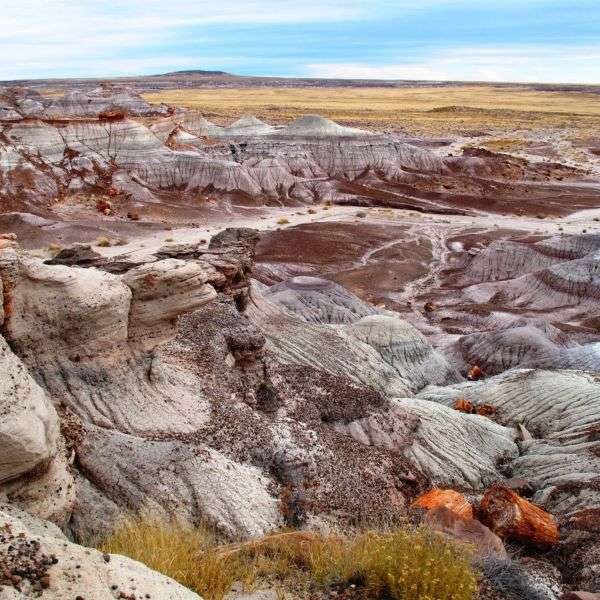
Arizona
a captivating landscape of ancient petrified wood, vibrant badlands, and prehistoric fossils
Fast Facts
Location
northeastern Arizona
Established in
1962
Established by
President John F. Kennedy
Size
346 sq. miles
Known For
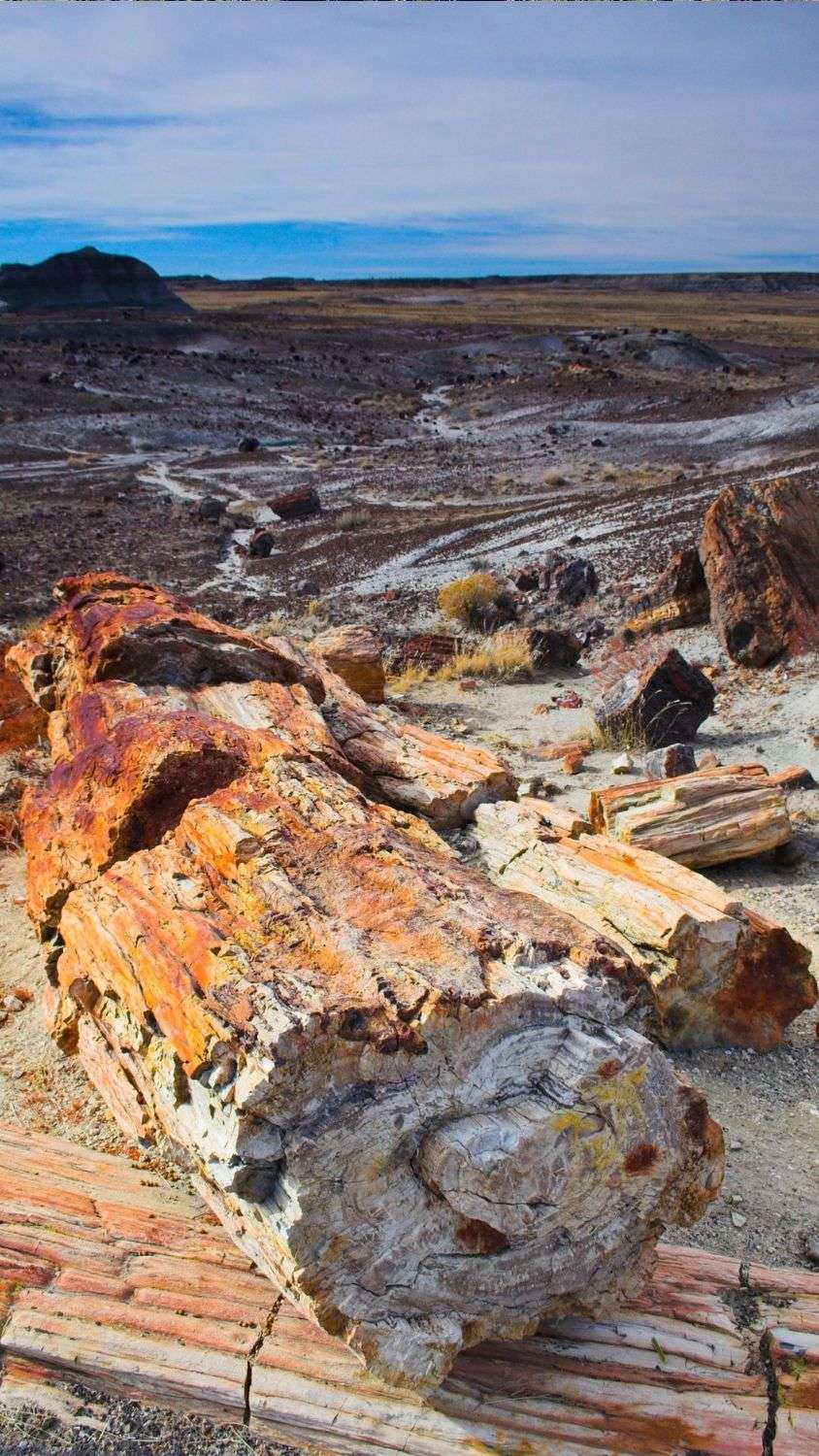
- Renowned for its extensive deposits of petrified wood, featuring logs that have undergone the process of mineralization and transformed into colorful, fossilized stone
- The Painted Desert, a visually striking and multicolored badlands landscape
- Home to a wealth of paleontological and archaeological sites, offering glimpses into ancient ecosystems and the presence of prehistoric human civilizations in the area
History
Natural History and Formation
The geological history of Petrified Forest National Park reveals a remarkable story of ancient environments, shifting landscapes, and the powerful natural processes that transformed living forests into stone. Spanning hundreds of millions of years, the park’s geology preserves evidence of prehistoric ecosystems, sediment deposition, tectonic uplift, and erosion. The fossilized trees, colorful badlands, and layered rock formations provide a window into Earth’s distant past.
Late Triassic Period: Approximately 225 million years ago, the region that is now Petrified Forest National Park was located near the equator and was part of a vast floodplain crossed by rivers. The area experienced a warm, subtropical climate and supported a diverse ecosystem of large conifer trees, ferns, reptiles, amphibians, and some of the earliest dinosaurs. Over time, sediments from rivers buried fallen trees and preserved evidence of this ancient environment.
Petrification Process: The transformation of wood into stone occurred through a process called permineralization. As fallen trees were buried beneath layers of sediment, groundwater rich in silica flowed through the wood’s cellular structure. Minerals gradually replaced the organic material while preserving the original details of the tree, eventually forming the colorful quartz-filled petrified logs seen throughout the park today.
Deposition of Sedimentary Layers: The rocks exposed within Petrified Forest National Park were formed through millions of years of sediment accumulation. Layers of sandstone, mudstone, and other sedimentary rocks record changes in ancient environments, including shifts in climate, river systems, and landscapes over geological time.
Uplift of the Colorado Plateau: Millions of years after the Triassic period, tectonic forces caused the Colorado Plateau to rise, elevating the region and exposing buried geological formations. This uplift helped create the modern landscape and allowed erosion to reveal the petrified wood and fossil-bearing layers beneath the surface.
Erosion and Formation of the Painted Desert: Wind and water erosion continue to shape the park’s landscape, carving valleys, mesas, and colorful badlands. The Painted Desert’s striking red, orange, purple, and gray layers are the result of mineral-rich sediments deposited over millions of years. Iron and other minerals within the rocks create the vibrant colors visible today.
Paleontological Significance: Petrified Forest National Park preserves one of the world’s most significant collections of Late Triassic fossils. The park’s fossilized plants, reptiles, and early dinosaurs provide valuable information about ancient ecosystems and the evolution of life on Earth.
The geological history of Petrified Forest National Park demonstrates the incredible transformations that occur over vast periods of time. From ancient forests near the equator to the colorful desert landscape visible today, the park preserves a unique record of Earth’s changing environments and the geological forces that continue to shape the planet.
Native History
The Native American history of Petrified Forest National Park reflects thousands of years of human connection with the landscape. Indigenous peoples have lived in and traveled through the region for millennia, leaving behind archaeological sites, tools, dwellings, and rock art that provide insight into their cultures, traditions, and relationships with the land.
Paleoindian Period (Approximately 13,000 to 8,000 BCE): The earliest known inhabitants of the region were Paleoindian peoples who lived as hunter-gatherers. They relied on hunting large game, gathering wild plants, and moving across the landscape in search of resources. Archaeological discoveries, including stone tools and projectile points, provide evidence of their presence and adaptive strategies in the ancient environment.
Archaic Period (Approximately 8,000 BCE to 1 CE): During the Archaic period, Native American groups adapted to changing climates and environments by developing more specialized tools and expanding their food sources. Communities relied on a combination of hunting, gathering seeds and plants, and harvesting small animals. This period reflects increasing knowledge of the region’s diverse resources.
Basketmaker and Pueblo Periods (Approximately 1 CE to 1300 CE): The Basketmaker and Pueblo periods brought major cultural developments, including agriculture, permanent settlements, and advanced construction techniques. Indigenous communities began cultivating crops such as maize, beans, and squash and built pit houses and multi-room pueblos. Within Petrified Forest National Park, sites such as Puerco Pueblo preserve evidence of these ancestral communities and their way of life.
Petroglyphs and Rock Art: The park contains numerous examples of Indigenous rock art, including petroglyphs created by ancestral peoples. These carvings provide important cultural and historical information, depicting animals, symbols, human figures, and patterns that reflect the beliefs and experiences of the people who created them. Newspaper Rock is one of the most significant examples, containing hundreds of petroglyphs from different periods.
Navajo and Apache Influence (After 1300 CE): Following the decline of ancestral Pueblo communities in the region, Navajo and Apache peoples established cultural connections with the area. The landscape became part of the broader traditional homelands used for travel, gathering resources, ceremonies, and cultural practices. Their histories and traditions continue to contribute to the cultural significance of the region.
Continuing Indigenous Connections: Today, Petrified Forest National Park recognizes the enduring relationships between the land and Native American communities. Several tribes, including Pueblo, Navajo, and other Indigenous groups, maintain cultural ties to the region. Preservation efforts emphasize protecting archaeological sites, respecting sacred places, and incorporating Indigenous perspectives into the understanding and stewardship of the park.
The Native American history of Petrified Forest National Park demonstrates the deep and lasting connection between people and place. Through archaeological sites, ancient artwork, and living cultural traditions, the park preserves an important record of Indigenous resilience, innovation, and heritage.
Preservation
The preservation history of Petrified Forest National Park reflects a long-standing commitment to protecting its extraordinary geological formations, fossil resources, and cultural heritage. From early conservation efforts to modern scientific management, the park’s history demonstrates the importance of safeguarding its petrified wood, ancient landscapes, and archaeological treasures for future generations.
Early Recognition of Petrified Wood: During the late 19th and early 20th centuries, the region became widely known for its extensive deposits of petrified wood. The beauty and scientific value of these fossilized trees attracted collectors and commercial interests, leading to concerns about the removal and loss of these irreplaceable resources.
Antiquities Act of 1906: The passage of the Antiquities Act in 1906 provided a major step toward protecting important natural and cultural sites across the United States. Signed into law by President Theodore Roosevelt, the act gave presidents the authority to designate national monuments to preserve areas of historic, scientific, and cultural significance.
Establishment as a National Monument: In 1906, President Theodore Roosevelt designated the Petrified Forest as a national monument, protecting its remarkable petrified wood deposits and important archaeological resources. This designation helped prevent further destruction and ensured that the area would be preserved for scientific study and public appreciation.
Expansion and Redesignation as a National Park: Over the following decades, the protected area was expanded to include additional landscapes, including portions of the Painted Desert and other significant geological features. In 1962, Petrified Forest National Monument was redesignated as Petrified Forest National Park, recognizing the broader importance of the area’s geology, fossils, ecosystems, and cultural resources. Management was transferred to the National Park Service, which continues to oversee preservation and visitor education.
Cultural Resource Protection: Preservation efforts at Petrified Forest National Park extend beyond geological features to include ancient Native American sites, petroglyphs, pueblos, and historic structures. The park works to protect these cultural resources while providing opportunities for visitors to learn about the people who have been connected to this landscape for thousands of years.
Scientific Research and Conservation: Ongoing research in the park helps scientists better understand the processes behind petrification, ancient ecosystems, fossil discoveries, and human history in the region. Studies of the park’s geology, paleontology, and archaeology guide conservation practices and improve resource management strategies.
Modern Preservation Efforts: Today, Petrified Forest National Park continues to protect its natural and cultural resources through education, responsible visitor management, scientific monitoring, and conservation programs. These efforts ensure that the park’s fossilized forests, colorful landscapes, and cultural heritage remain preserved for future generations.
The preservation history of Petrified Forest National Park highlights the importance of protecting unique landscapes that hold both scientific and cultural value. Through legislation, stewardship, research, and public awareness, the park remains a remarkable example of successful conservation and a lasting record of Earth’s ancient history.
Future Preservation
Preserving Petrified Forest National Park requires ongoing efforts to protect its rare geological formations, fossil resources, cultural sites, and fragile desert ecosystems. The park faces a variety of challenges, from managing visitor impacts to addressing environmental changes, while maintaining a balance between public enjoyment and long-term conservation.
Visitor Impact: Managing increasing visitation is one of the park’s ongoing challenges. Foot traffic, off-trail exploration, and accidental damage can contribute to erosion and disturbance of fragile landscapes. Educating visitors about responsible recreation is essential for protecting sensitive areas and preserving the park’s unique features.
Resource Theft and Vandalism: The park’s petrified wood is a valuable and attractive resource, making theft a long-standing concern. Removing petrified wood, damaging fossil deposits, or disturbing geological features can permanently impact the scientific and cultural value of the park.
Invasive Species: Non-native plants and animals can disrupt the natural balance of desert ecosystems by competing with native species and altering habitats. Monitoring and controlling invasive species remain important tasks for maintaining the park’s ecological health.
Climate Change: Climate change presents challenges for Petrified Forest National Park’s desert environment. Rising temperatures, shifting precipitation patterns, and prolonged drought conditions may affect native vegetation, wildlife, soil stability, and water availability within the park.
Wildlife Management: Protecting wildlife while ensuring visitor safety requires careful management. Maintaining healthy animal populations, preserving habitats, and reducing human-wildlife conflicts are important components of the park’s conservation efforts.
Cultural Resource Preservation: Petrified Forest National Park contains significant Native American archaeological sites, petroglyphs, and historic resources that require careful protection. Balancing visitor access with preservation is essential to safeguarding these irreplaceable cultural treasures.
Limited Funding and Resources: Like many protected areas, the park faces challenges related to funding, staffing, and resource availability. Adequate support is needed for conservation programs, infrastructure maintenance, scientific research, and educational initiatives.
Collaboration with Indigenous Communities: Working with Indigenous communities is an important part of preserving the park’s cultural heritage. Collaboration helps incorporate traditional knowledge, respect cultural connections to the landscape, and support the protection of significant sites.
Preserving Dark Skies: Petrified Forest National Park is recognized for its exceptionally dark night skies, which provide opportunities for astronomy and stargazing. Reducing light pollution from nearby communities, roads, and development is necessary to protect this natural resource.
Scientific Research and Monitoring: Continued research and monitoring help scientists understand changes in the park’s geology, ecosystems, fossils, and cultural resources. These studies provide valuable information needed to make effective conservation decisions.
Addressing the preservation challenges facing Petrified Forest National Park requires cooperation among park managers, scientists, Indigenous communities, government agencies, conservation organizations, and visitors. Through responsible stewardship and continued conservation efforts, the park’s ancient forests, desert landscapes, and cultural treasures can be protected for future generations.
Geography
Petrified Forest National Park, located in northeastern Arizona, is a remarkable landscape shaped by millions of years of geological processes and ancient environmental changes. The park is known for its vast deposits of colorful petrified wood, dramatic Painted Desert formations, rugged badlands, and expansive desert scenery. Its geography reveals a fascinating combination of eroded mesas, layered sedimentary rocks, fossil-rich landscapes, and remnants of prehistoric forests transformed into stone.
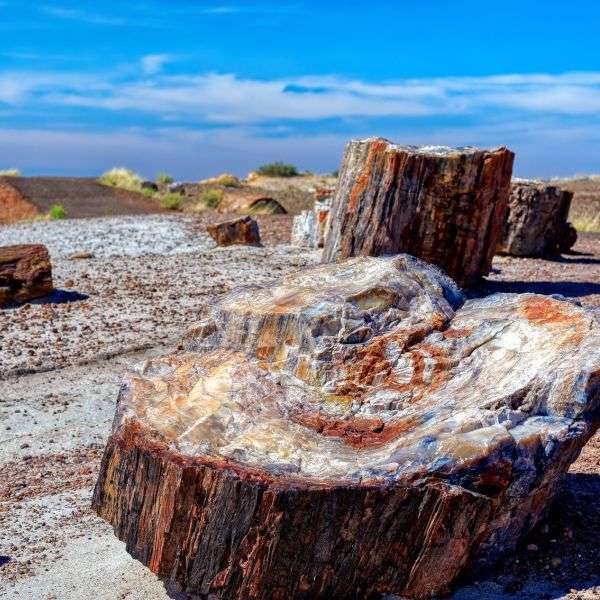
Petrified Wood Deposits
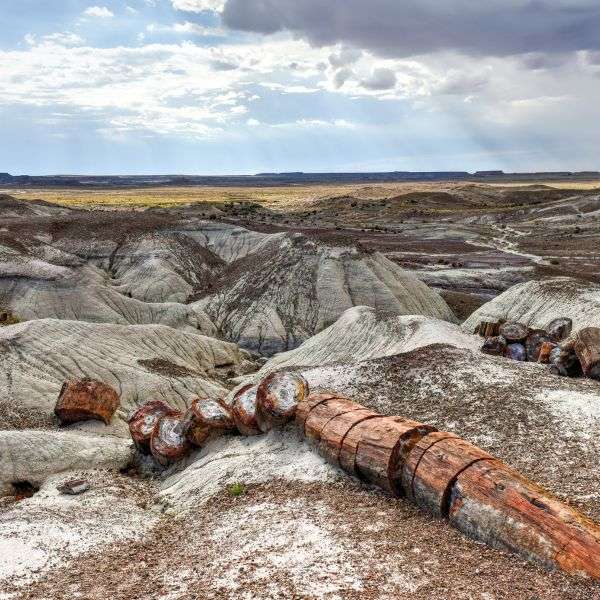
The park is renowned for its vast deposits of petrified wood, which is ancient tree material that has undergone the process of petrification, turning into colorful, fossilized stone. The petrified logs are scattered across the park.
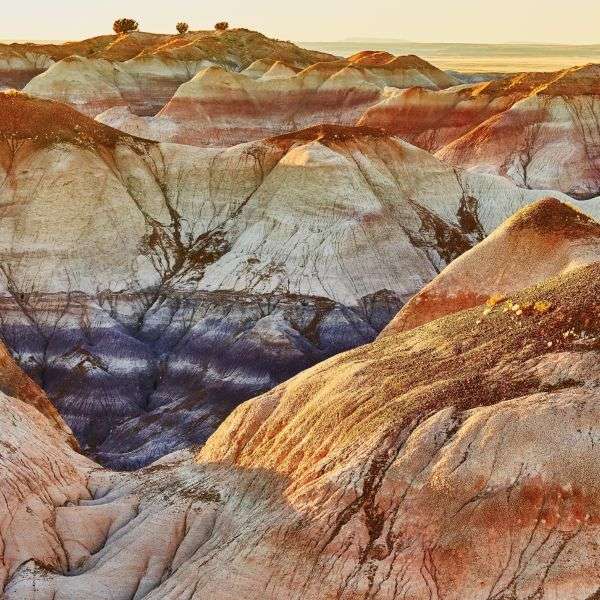
Painted Desert
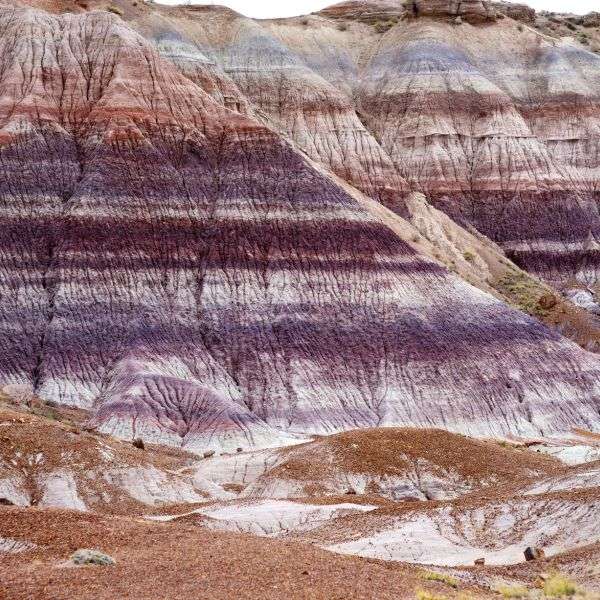
A significant portion of the park is part of the Painted Desert, a visually striking badlands landscape characterized by a spectrum of colors ranging from red and orange to lavender and blue. The layers of sedimentary rock contribute to the unique and vibrant hues of the desert.
Badlands Topography
The park features extensive badlands formations, which are eroded, barren landscapes with steep slopes, gullies, and intricate geological features. These badlands add to the scenic beauty and geological interest of the park.
Chinle Formation
The Chinle Formation, a geologic formation found in the park, contains a diverse array of sedimentary rocks that provide insights into the ancient environments and ecosystems of the Late Triassic Period.
Tepees and Buttes
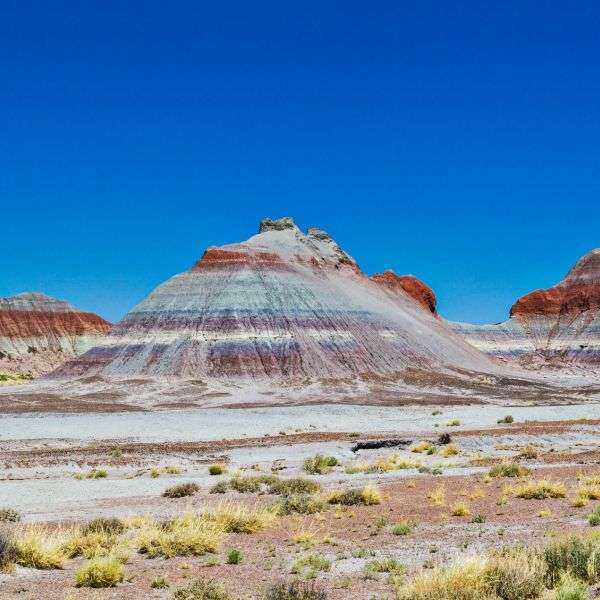
Tepees and buttes are prominent geological features in the park. These are tall, pointed formations that result from erosion of layered rock, creating visually striking landscapes.
Historic Route 66
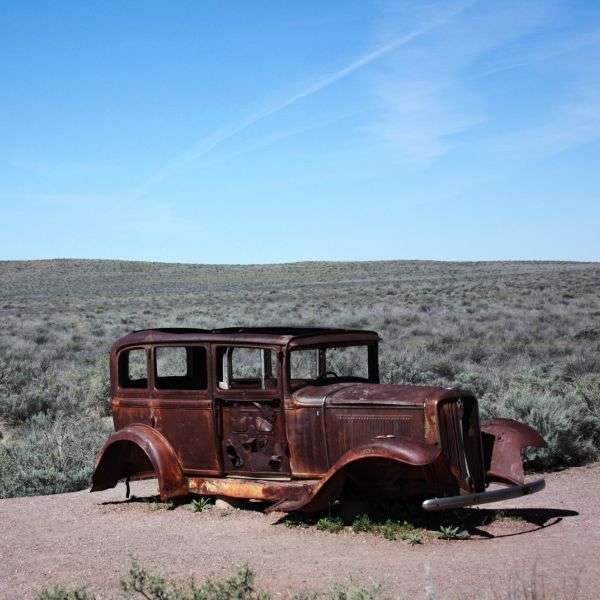
The park includes a section of the historic Route 66, the famous U.S. highway that once connected Chicago to Los Angeles. The remnants of the old road and associated structures add a historical dimension to the park's geography.
Plants
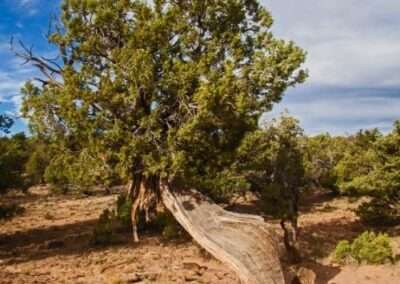
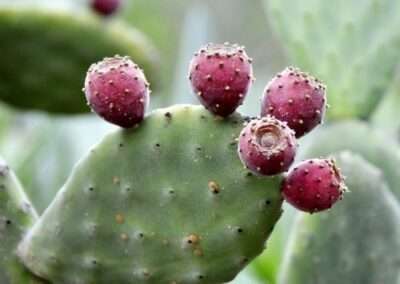
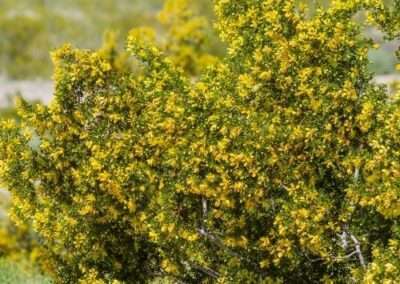
Petrified Forest National Park supports a diverse array of plant life adapted to its arid desert environment, dramatic landscapes, and changing elevations. The park’s flora includes resilient desert shrubs, grasses, wildflowers, cacti, and hardy trees that survive in the challenging conditions of the Painted Desert. Species such as sagebrush, rabbitbrush, juniper, and prickly pear cactus contribute to the park’s unique desert ecosystems, providing food and shelter for wildlife while stabilizing soils across the landscape. Visitors to Petrified Forest National Park can discover the remarkable plant communities that thrive among the colorful badlands, ancient fossil deposits, and expansive desert vistas, highlighting the ecological diversity of the American Southwest.
Animals
Mammals
Petrified Forest National Park is home to a diverse community of mammals that have adapted to the region’s dry desert climate, rugged terrain, and seasonal conditions. Many species have developed unique behaviors, such as nocturnal activity and specialized diets, allowing them to survive in the challenging environment of northeastern Arizona.
Pronghorn (Antilocapra americana): Pronghorns are among the most recognizable mammals in the park and are known as the fastest land mammals in North America. They are commonly seen moving across open grasslands and desert areas, where their incredible speed helps them evade predators. They can be identified by their slender build, tan-and-white coloration, and distinctive dark facial markings.
Mule Deer (Odocoileus hemionus): Mule deer are common throughout the park’s shrublands and grasslands. They are named for their large ears, which resemble those of a mule, and are often seen browsing on grasses, shrubs, and other vegetation.
Coyote (Canis latrans): Coyotes are highly adaptable predators found throughout Petrified Forest National Park. They inhabit a variety of environments and feed on small mammals, birds, reptiles, and plant material. Their distinctive nighttime yips and howls are a familiar sound in the desert landscape.
Bobcat (Lynx rufus): Bobcats are elusive predators that inhabit rocky areas, grasslands, and desert habitats. Mostly active during dawn, dusk, and nighttime hours, they hunt small mammals and birds using their stealth and agility.
Gray Fox (Urocyon cinereoargenteus): Gray foxes are adaptable mammals known for their gray fur, reddish markings, and black-tipped tails. Unlike many other fox species, they are excellent climbers and can use trees for shelter and escape from predators.
Black-tailed Jackrabbit (Lepus californicus): Black-tailed jackrabbits are well adapted to desert conditions, with large ears that help regulate body temperature and powerful hind legs for rapid movement. They are most active during the cooler hours of dawn and dusk.
Striped Skunk (Mephitis mephitis): Striped skunks are nocturnal mammals recognized by the white stripe running along their black fur. They are omnivores that feed on insects, plants, small animals, and other available food sources.
Ringtail (Bassariscus astutus): Also known as the ringtail cat, this small nocturnal mammal is closely related to raccoons. It is an excellent climber and uses its long, striped tail for balance while navigating rocky cliffs and desert terrain.
American Badger (Taxidea taxus): Badgers are powerful burrowing mammals with strong claws adapted for digging. They are primarily nocturnal hunters that feed on rodents, reptiles, and other small animals found in the desert ecosystem.
Pocket Gopher (Thomomys spp.): Pocket gophers are underground rodents that create extensive tunnel systems beneath the park’s soils. They feed primarily on roots and vegetation and play an important role in soil aeration and nutrient cycling.
Rock Squirrel (Otospermophilus variegatus): Rock squirrels are active during the day and are often seen in rocky areas throughout the park. They forage for seeds, fruits, and vegetation and use rocky terrain for shelter from predators.
Kangaroo Rat (Dipodomys spp.): Kangaroo rats are highly adapted to desert environments and survive with little direct water intake. These nocturnal rodents use their powerful hind legs to move quickly across sandy landscapes and feed primarily on seeds.
The mammals of Petrified Forest National Park demonstrate the remarkable ability of wildlife to thrive in harsh desert environments. From swift pronghorns and elusive predators to specialized desert rodents, these species contribute to the ecological diversity and natural character of the park’s ancient landscape.
Reptiles
Petrified Forest National Park is home to a diverse variety of reptiles that have adapted to the region’s dry desert climate, rocky terrain, and extreme temperature changes. These reptiles play important roles in the park’s ecosystems as predators, prey, and contributors to the balance of desert food webs.
Collared Lizard (Crotaphytus collaris): Collared lizards are among the most colorful reptiles found in the park. Active during the day, they are often seen basking on rocks and using their strong limbs to climb and move through rugged terrain. They primarily feed on insects and other small animals.
Western Diamondback Rattlesnake (Crotalus atrox): The western diamondback rattlesnake is a venomous pit viper adapted to desert environments. It is recognized by its diamond-shaped markings, rattling tail, and heat-sensing pits used to locate prey. These snakes are often active during warmer months and feed mainly on small mammals.
Gopher Snake (Pituophis catenifer): Gopher snakes are non-venomous constrictors that help control rodent populations within the park. They are commonly found in burrows, grasslands, and rocky areas, where they hunt small mammals, birds, and reptiles.
Sonoran Gopher Snake (Pituophis catenifer affinis): This desert-adapted subspecies of gopher snake is well suited to the dry conditions of northeastern Arizona. It uses burrows and underground spaces for shelter and hunts a variety of small prey.
Zebra-tailed Lizard (Callisaurus draconoides): Zebra-tailed lizards are named for the distinctive black-and-white stripes on their tails. They are fast-moving, sun-loving reptiles often seen running across open desert areas in search of insects.
Eastern Collared Lizard (Crotaphytus collaris collaris): Similar to other collared lizards, this species is known for its bright coloration and active daytime behavior. It inhabits rocky landscapes where it hunts insects and small animals.
Plateau Striped Whiptail (Aspidoscelis velox): Plateau striped whiptails are quick, agile lizards commonly found in open habitats. They are active during the day and rely on their speed to capture insects and avoid predators.
Short-horned Lizard (Phrynosoma douglassii): Also known as a horned lizard, the short-horned lizard has a flattened body and small horns that provide protection from predators. It is adapted to dry environments and primarily feeds on ants and other small insects.
Western Fence Lizard (Sceloporus occidentalis): Western fence lizards are commonly found on rocks, logs, and other sunny surfaces throughout the park. They are recognized by their blue belly markings and feed primarily on insects.
Side-blotched Lizard (Uta stansburiana): Side-blotched lizards are small, adaptable reptiles found in a variety of desert habitats. They are active during the day and feed on insects and other small invertebrates.
Gila Monster (Heloderma suspectum): The Gila monster is one of the few venomous lizard species in the world and is a rare sight in the park. These slow-moving reptiles spend much of their time underground and feed on eggs, small mammals, and other available prey.
Long-nosed Leopard Lizard (Gambelia wislizenii): Long-nosed leopard lizards are named for their spotted patterns and elongated snouts. They are active during the day and hunt insects, smaller lizards, and other small prey in open desert habitats.
The reptiles of Petrified Forest National Park demonstrate the remarkable adaptations required to survive in a desert environment. From colorful rock-dwelling lizards to secretive snakes, these species contribute to the ecological diversity and resilience of the park’s unique landscape.
Birds
Petrified Forest National Park supports a diverse community of bird species adapted to its desert landscapes, grasslands, rocky formations, and riparian habitats. The park’s varied environments provide important resources for resident and migratory birds, making it a rewarding destination for birdwatchers and nature enthusiasts.
Common Raven (Corvus corax): Common ravens are highly intelligent and adaptable birds frequently seen soaring above the park’s landscapes or perched on cliffs and rock formations. Their problem-solving abilities and varied diet allow them to thrive in the desert environment.
American Kestrel (Falco sparverius): The American kestrel is a small but powerful falcon often observed hunting in open areas. It feeds on insects, small mammals, and reptiles and can frequently be seen perched on poles, fences, or branches while searching for prey.
Say's Phoebe (Sayornis saya): Say’s phoebes are common in open desert habitats and are recognized by their subtle gray and orange coloration. They often perch on rocks, fence posts, and shrubs while catching flying insects.
Western Bluebird (Sialia mexicana): Western bluebirds are colorful songbirds found in open woodlands, grasslands, and areas with scattered vegetation. They feed primarily on insects and are known for their bright blue and orange plumage.
Mountain Bluebird (Sialia currucoides): Mountain bluebirds are striking birds with brilliant blue feathers, especially in males. They are commonly seen in open habitats, where they perch on fences and shrubs while searching for insects.
Peregrine Falcon (Falco peregrinus): Peregrine falcons are powerful aerial predators known for their extraordinary speed during hunting dives. They prey on other birds and may be seen flying over cliffs and open areas within the park.
Swainson's Hawk (Buteo swainsoni): Swainson’s hawks are migratory raptors often seen soaring above the park. They travel long distances between breeding and wintering grounds and feed on insects, rodents, and other small animals.
Canyon Towhee (Melozone fusca): Canyon towhees are ground-dwelling birds adapted to dry environments. They forage among rocks and vegetation for seeds, insects, and other small food sources.
Common Nighthawk (Chordeiles minor): Common nighthawks are crepuscular birds most active during dawn and dusk. They are recognized by their distinctive flight patterns and feed on flying insects captured in midair.
Northern Mockingbird (Mimus polyglottos): Northern mockingbirds are known for their impressive ability to imitate the songs of other birds. They inhabit shrubby areas and open landscapes, where they defend territories with their varied vocalizations.
American Crow (Corvus brachyrhynchos): American crows are adaptable and intelligent birds found in many habitats throughout the park. They are often seen in groups and are recognized by their distinctive calls and problem-solving abilities.
Western Meadowlark (Sturnella neglecta): Western meadowlarks inhabit grasslands and open areas of the park. They are known for their beautiful, flute-like songs and feed on insects, seeds, and other small food sources.
The birds of Petrified Forest National Park reflect the remarkable adaptability of wildlife in the desert Southwest. From soaring raptors and clever ravens to colorful songbirds and grassland species, these birds contribute to the park’s ecological diversity and provide visitors with opportunities to experience its vibrant natural communities.
Fish
Petrified Forest National Park does not support native fish populations due to its arid desert environment and the absence of permanent natural lakes, rivers, or streams. Unlike many other national parks, the park’s landscape is shaped by dry washes, seasonal waterways, and limited water sources that are not suitable for sustaining fish habitats.
Lack of Permanent Aquatic Habitats: The park’s desert climate results in limited and temporary water availability. Most water features are seasonal and depend on rainfall events, making them unsuitable for maintaining long-term aquatic ecosystems.
No Native Fish Species: Because of the lack of permanent waterways, Petrified Forest National Park does not contain native fish species. Instead, its aquatic environments primarily support temporary communities of insects, amphibians, and other small organisms adapted to seasonal moisture.
Desert Adaptations: While fish are absent, the park’s wildlife has adapted to survive with limited water resources. Many species rely on behavioral and physiological adaptations that allow them to thrive in the dry conditions of the Painted Desert and surrounding landscapes.
The absence of fish highlights the unique nature of Petrified Forest National Park’s desert ecosystem, where life is shaped not by abundant waterways but by resilience and adaptation to one of the Southwest’s most challenging environments.
Amphibians
Petrified Forest National Park has very limited amphibian diversity due to its arid desert environment and the scarcity of permanent water sources. Amphibians typically depend on moist habitats such as wetlands, ponds, and streams for breeding and survival, making the dry conditions of the park a challenging environment for these species.
Limited Water Availability: The park’s semi-arid climate, seasonal rainfall patterns, and lack of permanent waterways restrict the habitats needed by amphibians. Temporary pools and seasonal water sources may occasionally provide brief opportunities for amphibian activity, but these conditions are not widespread or consistent.
No Significant Native Amphibian Populations: Unlike wetter ecosystems, Petrified Forest National Park does not support well-established amphibian communities. The absence of reliable aquatic breeding areas limits the presence and distribution of frogs, toads, salamanders, and newts within the park.
Desert Adaptations: While amphibians are uncommon, the park’s ecosystem supports many other species that are specially adapted to dry conditions. Reptiles, birds, mammals, and invertebrates play more prominent roles in the desert food web, relying on adaptations that allow them to survive with limited water.
The limited presence of amphibians at Petrified Forest National Park reflects the unique challenges of desert environments. The park’s biodiversity is shaped by resilience, adaptation, and the ability of species to thrive under some of the most demanding conditions in the American Southwest.
"While most come to see one of the world's largest concentrations of brilliantly colored petrified wood, many leave having glimpsed something more."
- National Geographic
"The current environment is just as fascinating, a remnant of the Arizona native grassland. The types of plants and animals found in the park depend on the elevation, minerals in the soil and rock, and availability of moisture; it all ties together."
- National Park Services
Explore More With Us
Stay updated on National Parks EDU resources, park news, community updates, and and ways to explore, and protect.

National Parks Edu's mission is to help kids and families understand what makes these places so important. Because when you learn about nature, you start to care about protecting it.
National Parks EDU is an independent educational website and is not affiliated with, endorsed by, sponsored by, or officially connected to the National Park Service (NPS) or the U.S. government. © National Parks EDU. All Rights Reserved. October 18, 2026