North Cascades
National Park
Washington
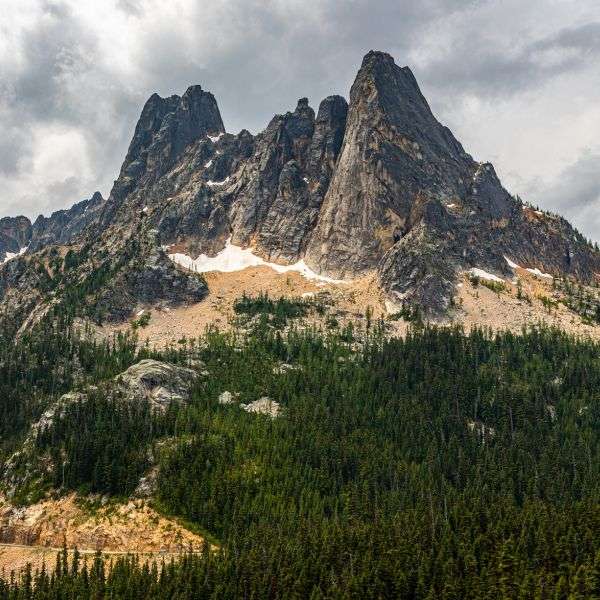
breathtaking mountain landscapes, pristine alpine lakes, and extensive wilderness
Fast Facts
Location
northern Washington
Established in
1968
Established by
President Lyndon B. Johnson
Size
788 sq. miles
Known For
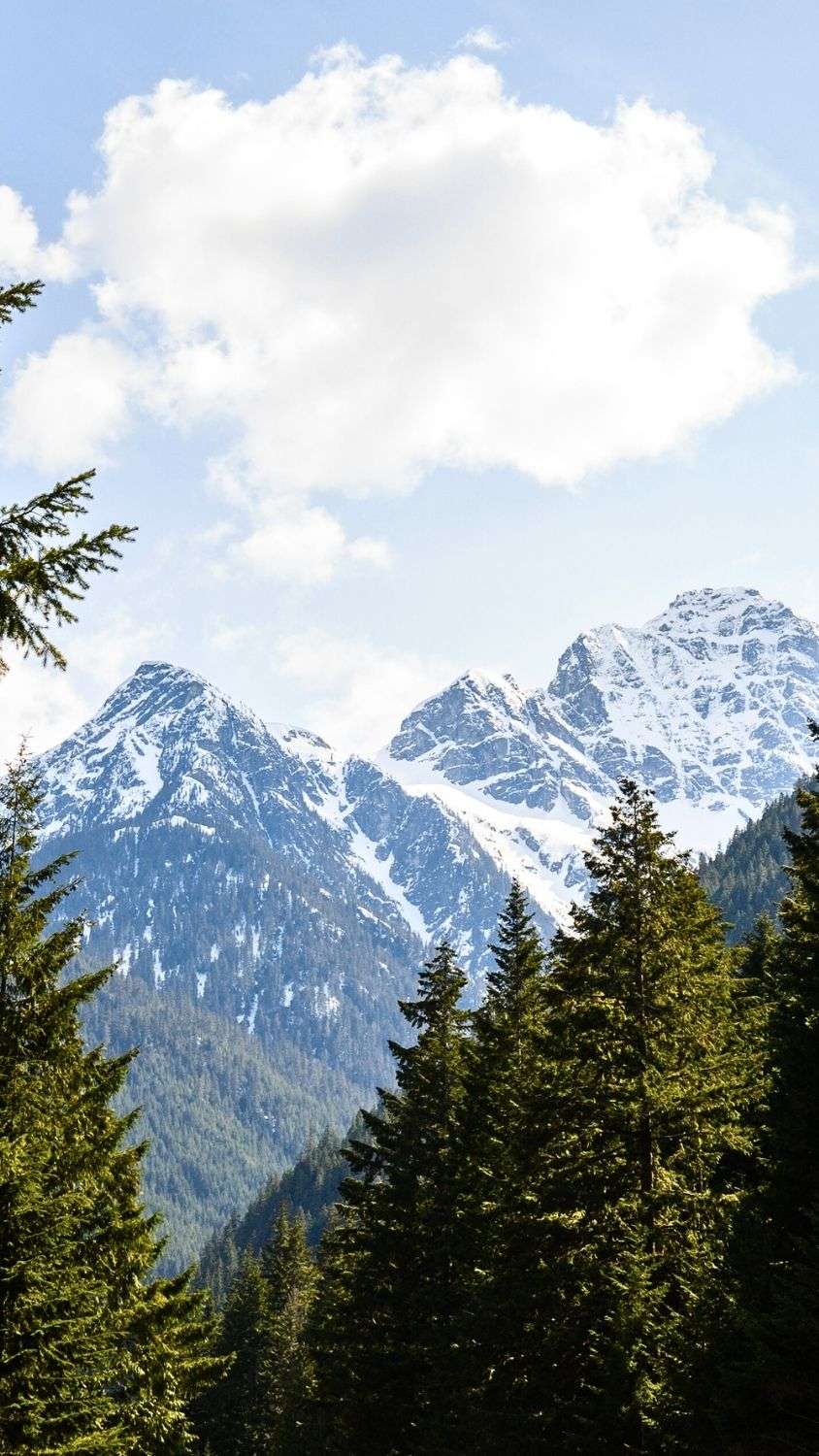
- Renowned for its stunning and rugged mountain landscapes, featuring jagged peaks, alpine meadows, glaciers, and dense forests.
- Home to numerous glaciers, the park has one of the highest concentrations of glaciers in the United States outside of Alaska
- The park includes pristine alpine lakes, such as Ross Lake and Diablo Lake, known for their stunning turquoise colors created by glacial sediment
History
Natural History and Formation
The geological history of North Cascades National Park is a complex and fascinating story that spans hundreds of millions of years. The park's dramatic landscape, characterized by rugged mountain peaks, deep valleys, glaciers, and alpine lakes, was shaped by a combination of tectonic activity, volcanic processes, glaciation, and erosion.
Precambrian and Paleozoic Eras: During these ancient eras, beginning more than 540 million years ago, sediments accumulated on the ocean floor and gradually transformed into layers of rock, including shale, sandstone, and limestone. Over millions of years, tectonic forces uplifted and folded these rocks, exposing them as part of the evolving North Cascades region.
Mesozoic Era: From approximately 251 to 66 million years ago, the region underwent major geological changes as tectonic plates collided along the western edge of North America. These collisions contributed to the formation of the ancestral Cascade Mountains through uplift, volcanic activity, and the addition of new rock material. Sedimentary, metamorphic, and volcanic rocks accumulated, creating the foundation of the modern mountain range.
Cenozoic Era and Volcanic Activity: The Cenozoic Era brought some of the most significant changes to the North Cascades. Beginning around 50 million years ago, volcanic activity associated with the Cascade volcanic arc helped shape the region. Major volcanic peaks, including Mount Baker and Glacier Peak, formed as layers of lava, ash, and volcanic debris accumulated over time, creating the stratovolcanoes that dominate parts of the landscape today.
Metamorphism and Mountain Building: Intense heat and pressure caused by tectonic activity transformed many of the region's rocks into metamorphic formations, including gneiss and schist. These processes, combined with continued uplift, helped create the steep, rugged terrain characteristic of the North Cascades.
Glacial Sculpting: Over the past two million years, repeated cycles of glaciation dramatically reshaped the North Cascades. Massive glaciers carved deep valleys, sharp ridgelines, cirques, and U-shaped valleys into the mountains. Glacial erosion also created many of the park's spectacular alpine lakes and deposited sediment that continues to influence the landscape today.
Ongoing Geological Activity: The North Cascades remain an active geological region. The area continues to experience tectonic movement, earthquakes, erosion, and volcanic processes due to its location near the boundary between the North American Plate and the Juan de Fuca Plate. These ongoing forces continue to shape the mountains and valleys of the park.
The geological history of North Cascades National Park reveals the powerful forces that have shaped the Pacific Northwest over hundreds of millions of years. From ancient ocean sediments and volcanic eruptions to massive glaciers and continuing tectonic activity, these processes have created one of the most rugged and breathtaking mountain landscapes in North America.
Native History
Ancient Occupation: Archaeological evidence indicates that Native American peoples have inhabited the North Cascades region for thousands of years, with some evidence suggesting human presence dating back 8,000 to 9,000 years or more. Early communities developed ways of life closely connected to the landscape, relying on hunting, fishing, gathering, and seasonal movements throughout the mountains and valleys.
Tribal Presence: The North Cascades region is traditionally associated with several Native American tribes, including the Nlaka'pamux, Okanagan, Upper Skagit, Sauk-Suiattle, and Swinomish peoples. These tribes have longstanding cultural, spiritual, and ancestral connections to the lands, waters, and resources of the region.
Resource Utilization: Native American communities developed extensive knowledge of the North Cascades environment and used its diverse resources for survival and cultural practices. Rivers and lakes provided salmon and other fish, forests supplied plant materials and game, and mountain landscapes offered hunting grounds, medicinal plants, and gathering areas. Seasonal patterns guided travel and resource use throughout the region.
Trade Networks: The North Cascades served as an important connection point between Indigenous communities on both sides of the mountains. Travel routes and traditional trails allowed tribes to exchange goods, materials, and knowledge. Trade networks included items such as obsidian, shells, tools, and other resources gathered from distant regions.
Spiritual and Cultural Significance: The mountains, rivers, and forests of the North Cascades hold deep spiritual and cultural meaning for Native American tribes. Peaks, waterways, and natural features are often connected to traditional stories, ceremonies, teachings, and beliefs that emphasize the relationship between people and the natural world.
European Contact and Changes: European and American exploration in the 19th century brought significant changes to Native communities in the North Cascades. The introduction of new diseases, increased settlement, resource extraction, and government policies affected traditional lifeways and altered Indigenous relationships with ancestral lands.
Resilience and Continuity: Despite historical challenges, Native American communities connected to the North Cascades have maintained their cultural identities, traditions, and relationships with the land. Many tribes continue to practice traditional activities, protect cultural resources, and advocate for the preservation of important natural areas.
Collaboration with Park Authorities: Modern conservation efforts increasingly recognize the importance of Indigenous knowledge and involvement in managing the North Cascades landscape. Collaborative partnerships between tribal nations and park agencies help incorporate traditional ecological knowledge, protect cultural resources, and promote responsible stewardship of the region.
Understanding the Native American history of North Cascades National Park provides a deeper appreciation of the region's cultural heritage and highlights the enduring connections between Indigenous peoples and the landscapes they have cared for and valued for thousands of years.
Preservation
The preservation history of North Cascades National Park reflects decades of conservation efforts, public advocacy, and legislative actions aimed at protecting one of the most rugged and ecologically significant landscapes in the Pacific Northwest.
Initial Recognition of Value: The North Cascades region gained attention during the late 19th and early 20th centuries as explorers, scientists, naturalists, and outdoor enthusiasts recognized the area's extraordinary mountain scenery, glaciers, forests, and wildlife. Early conservation advocates promoted the protection of the region's wilderness character and encouraged efforts to preserve its natural resources.
Establishment of Ross Lake National Recreation Area: Before the creation of North Cascades National Park, the Ross Lake National Recreation Area was established in 1968 as part of the legislation that created the North Cascades complex. The designation protected the scenic Ross Lake region while allowing for carefully managed recreational activities such as boating, fishing, and camping.
Formation of North Cascades National Park: North Cascades National Park was officially established on October 2, 1968, through the North Cascades Conservation Act. The creation of the park followed years of advocacy by conservation groups, local communities, and outdoor enthusiasts who recognized the need to protect the area's glaciers, forests, wildlife habitats, and dramatic mountain landscapes.
Wilderness Act Designation: In 1988, large portions of North Cascades National Park were designated as wilderness under the Wilderness Act. This additional protection helped preserve the park's undeveloped character by limiting activities such as road construction and maintaining opportunities for solitude, scientific study, and traditional wilderness recreation.
Stehekin Protection Act: The Stehekin Protection Act of 1990 provided additional safeguards for the Stehekin Valley, a remote and culturally significant area within the North Cascades region. The act helped protect the valley's natural landscapes, historic resources, and unique connection between human communities and the surrounding wilderness.
Collaboration and Stewardship: Preservation of North Cascades National Park continues through partnerships among the National Park Service, Indigenous communities, conservation organizations, researchers, and local residents. These efforts focus on protecting wildlife, monitoring ecosystems, preserving cultural resources, and promoting sustainable recreation practices.
International Dark Sky Recognition: North Cascades National Park has worked to protect its naturally dark night skies by reducing light pollution and promoting awareness of the importance of nighttime ecosystems. These efforts contribute to preserving opportunities for astronomy, wildlife protection, and the enjoyment of the park's wilderness character after sunset.
The preservation history of North Cascades National Park demonstrates a long-term commitment to safeguarding one of America's most spectacular mountain landscapes. Through legislation, conservation partnerships, and ongoing stewardship, the park continues to protect its glaciers, forests, wildlife, cultural resources, and wilderness for future generations.
Future Preservation
Preserving North Cascades National Park presents a range of challenges that require careful management to protect its wilderness character, biodiversity, and cultural resources. The park must balance conservation efforts with the impacts of climate change, human activity, and evolving ecological conditions.
Climate Change: Climate change is one of the most significant threats facing North Cascades National Park. Rising temperatures, shifting precipitation patterns, and changing seasonal cycles are affecting ecosystems throughout the park. These changes can alter plant and animal distributions, disrupt ecological relationships, and influence the availability of important water resources.
Glacial Retreat: The glaciers of the North Cascades are experiencing significant retreat due to warming temperatures. These glaciers play an important role in regulating streamflow, supporting aquatic ecosystems, and providing water resources downstream. Continued glacier loss may affect river systems, wildlife habitats, and the long-term stability of mountain ecosystems.
Invasive Species: Non-native plants, animals, and diseases pose a threat to the park's native ecosystems. Invasive species can compete with native organisms, alter habitats, and reduce biodiversity. Monitoring and controlling invasive species is an ongoing challenge requiring continued research and management efforts.
Wildfire Management: Wildfire is a natural process that helps maintain many forest ecosystems, but changing climate conditions have increased the risk of larger and more severe fires. Park managers must balance the ecological benefits of fire with the need to protect visitors, nearby communities, and important natural and cultural resources.
Visitor Impact: Increasing visitation creates challenges in protecting the park's fragile wilderness areas. Popular trails, campsites, and scenic locations can experience erosion, habitat disturbance, overcrowding, and increased waste. Sustainable recreation practices and visitor education are essential for minimizing human impacts.
Air and Water Quality: Pollution from sources outside the park can affect the quality of its air, rivers, lakes, and streams. Maintaining clean water and healthy ecosystems requires monitoring pollution levels, protecting watersheds, and addressing environmental impacts that extend beyond park boundaries.
Ecological Connectivity: Protecting connections between habitats inside and outside the park is important for wildlife movement and ecosystem resilience. Development, roads, and other human activities near park boundaries can disrupt migration routes and reduce opportunities for species to adapt to environmental changes.
Cultural Heritage Protection: Preserving the cultural heritage of Native American tribes with ancestral connections to the North Cascades is an important part of park stewardship. Collaboration with Indigenous communities helps incorporate traditional ecological knowledge and supports the protection of culturally significant landscapes and resources.
Resource Limitations: Limited funding, staffing, and resources can make it difficult to address the many conservation needs within the park. Continued investment in scientific research, monitoring programs, restoration projects, and visitor management is essential for effective long-term preservation.
Addressing the challenges facing North Cascades National Park requires collaboration among park managers, Indigenous communities, scientists, conservation organizations, government agencies, and visitors. Through adaptive management, research, and responsible stewardship, the park can continue to protect its glaciers, forests, wildlife, and cultural landscapes for future generations.
Geography
North Cascades National Park, located in northern Washington state, is a spectacular wilderness area known for its dramatic mountain scenery, ancient forests, and vast alpine landscapes. The park's geography is defined by rugged peaks, including iconic summits such as Mount Baker and Glacier Peak, along with deep valleys, cascading rivers, and more than 300 glaciers that shape the landscape. Its diverse terrain supports a wide range of ecosystems, from lush temperate rainforests and river valleys to subalpine meadows and high-elevation alpine environments. With its pristine wilderness, abundant wildlife, and breathtaking views, North Cascades National Park provides visitors with an extraordinary opportunity to explore the natural beauty and ecological diversity of the Pacific Northwest.
Mountain Ranges
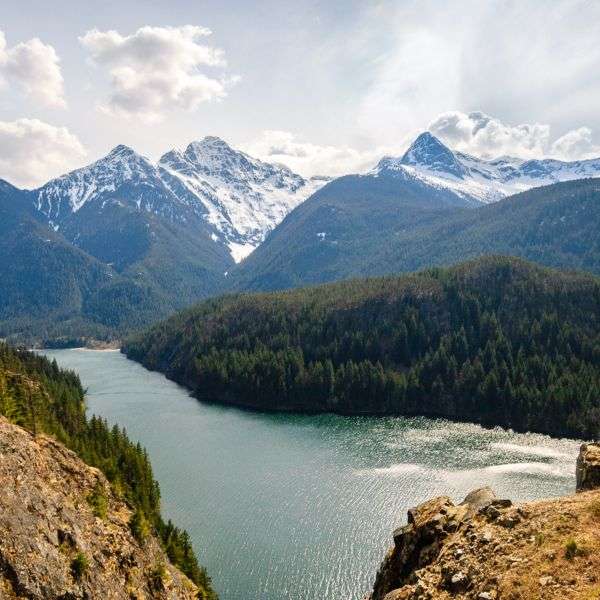
The park is part of the Cascade Range, a mountain range that extends from southern British Columbia, Canada, through Washington and Oregon to northern California. Within the North Cascades, several subranges contribute to the complex topography, including the Picket Range, the Skagit Range, and the Hozomeen Range.
Glaciers
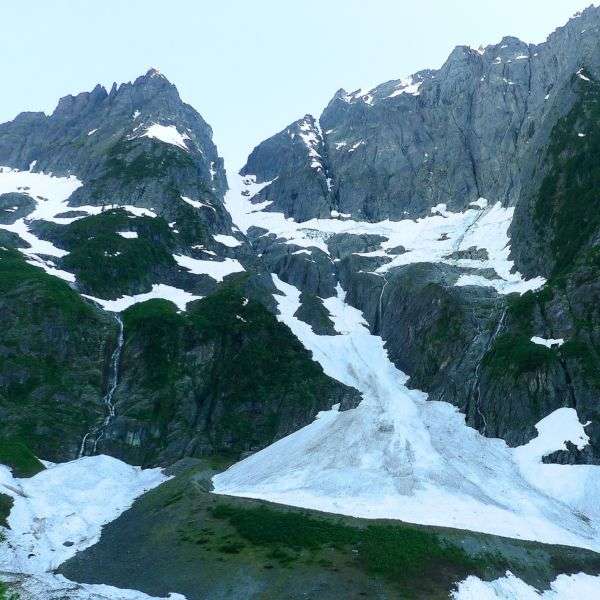
The park is known for its high concentration of glaciers, remnants of the last ice age and a defining feature of the landscape. These glaciers contribute to the formation of alpine lakes, provide a water source for rivers, and contribute to the region's unique hydrology.
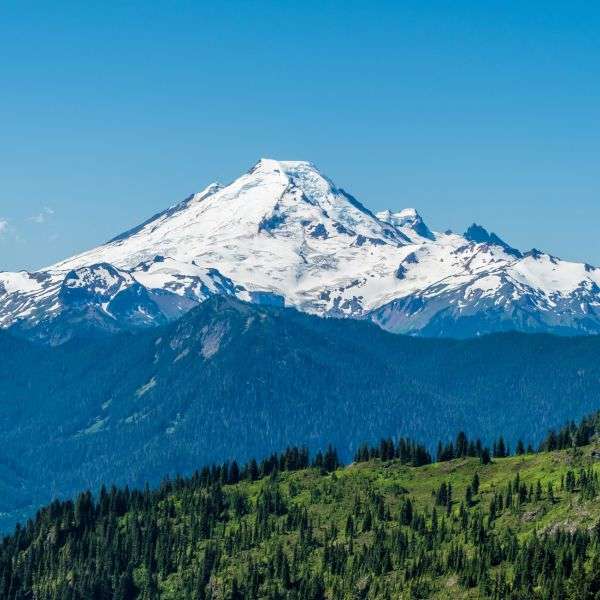
High Peaks
North Cascades National Park is home to some of the most rugged and majestic peaks in the Cascade Range. Notable peaks include Mount Baker, the highest point in the park at 10,781 feet, Mount Shuksan, and Glacier Peak.
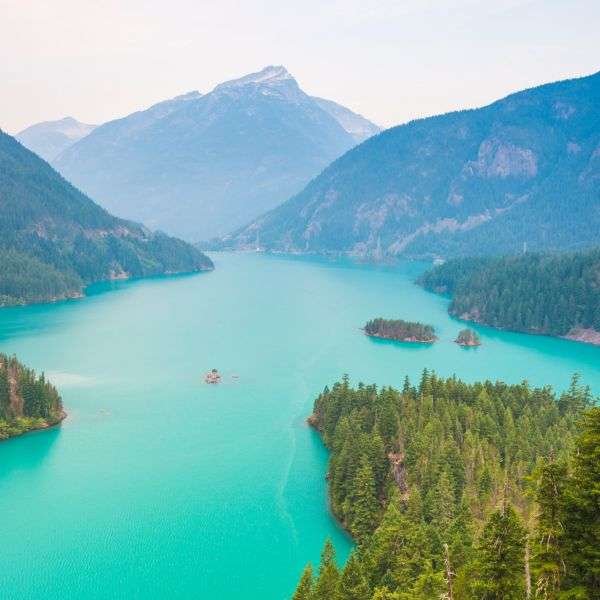
Alpine Lakes
The park features numerous alpine lakes, including popular destinations like Ross Lake and Diablo Lake. These lakes are often surrounded by rugged mountain scenery and are known for their stunning turquoise colors, created by glacial sediment.
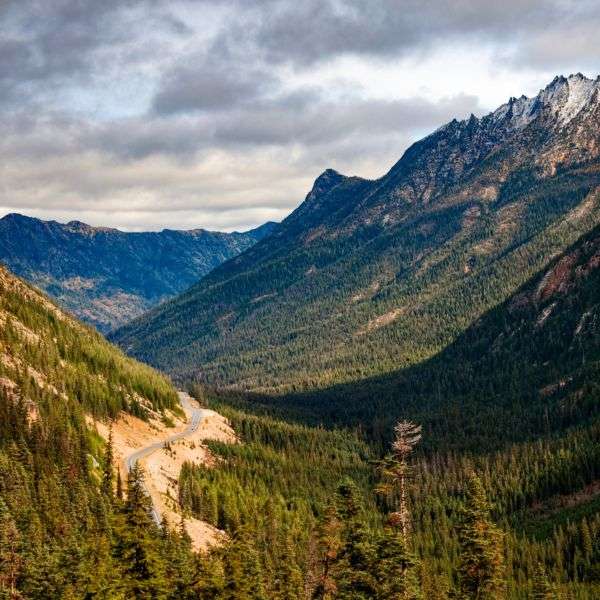
Valleys and Fjords
Deep valleys and fjords, carved by glacial activity, characterize the park's landscape. Stehekin Valley, in particular, is a significant and scenic valley within the park. Ross Lake and its surrounding fjord-like arms also contribute to the park's diverse geography.
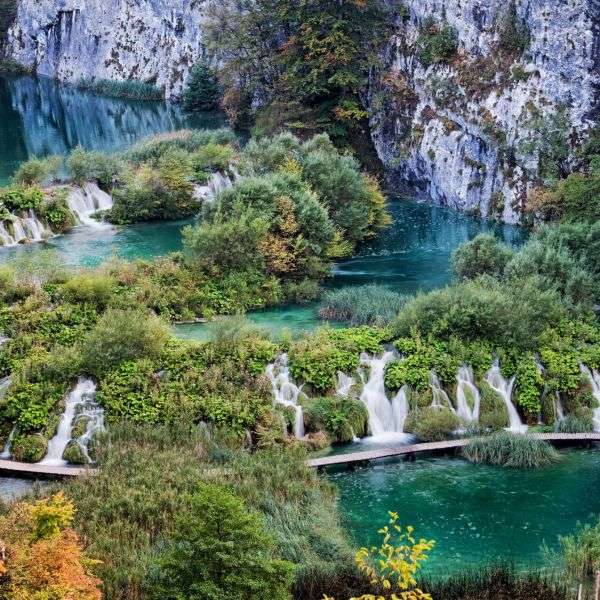
Rivers and Waterfalls
Several rivers flow through the park, fed by glacial meltwater and snowmelt. The Skagit River, the Nooksack River, and others play a vital role in shaping the landscape. Waterfalls, such as the spectacular Cascade Pass Waterfalls, are common features.
Plants
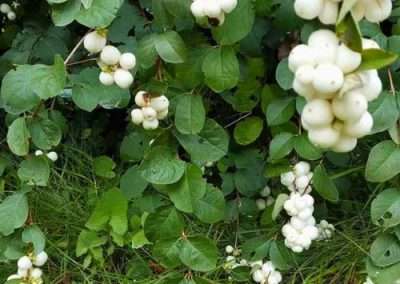
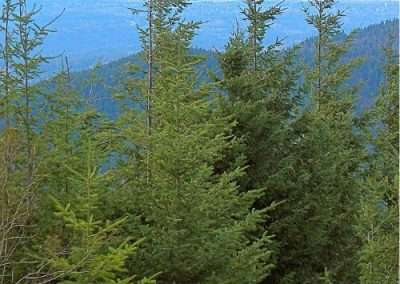
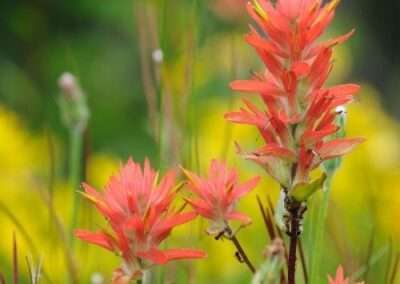
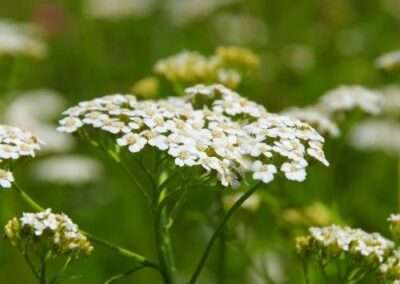
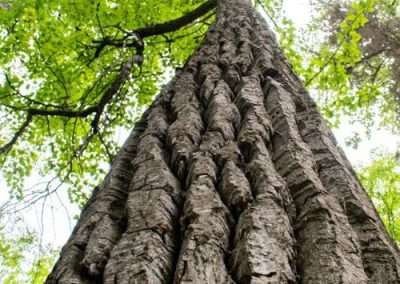
North Cascades National Park is home to an extraordinary diversity of plant life, supported by its wide range of ecosystems, including temperate rainforests, river valleys, subalpine forests, and alpine meadows. The park's flora includes towering western red cedar, Douglas fir, western hemlock, and subalpine fir, along with a spectacular variety of wildflowers that brighten mountain meadows during the spring and summer months. Mosses, ferns, shrubs, and other specialized alpine plants thrive in the park's unique environments, contributing to its ecological complexity. Visitors to North Cascades National Park can explore the region's botanical diversity while experiencing the remarkable connection between the park's plant communities, wildlife habitats, and breathtaking mountain landscapes.
Animals
Mammals
North Cascades National Park is home to a remarkable diversity of mammals, with species adapted to the park’s wide range of habitats, from old-growth forests and river valleys to subalpine meadows and rugged alpine terrain. These mammals play important roles in maintaining the ecological balance of the park’s complex mountain ecosystems.
Black Bear (Ursus americanus): Black bears are widespread throughout North Cascades National Park and inhabit forests, meadows, and subalpine areas. They are omnivores with a varied diet that includes berries, roots, insects, vegetation, and small animals.
Mountain Goat (Oreamnos americanus): Mountain goats are iconic residents of the North Cascades, specially adapted to steep, rocky environments. Their powerful legs and specialized hooves allow them to navigate cliffs and alpine slopes while feeding on grasses, shrubs, and other vegetation.
Mule Deer (Odocoileus hemionus): Mule deer are found throughout the park in forests, meadows, and open shrublands. These herbivores browse on a variety of plants and are an important prey species for larger predators.
Elk (Cervus canadensis): Elk inhabit the park’s forested valleys, meadows, and montane environments. They feed primarily on grasses and other vegetation and are well known for the distinctive bugling calls of males during the autumn breeding season.
Coyote (Canis latrans): Coyotes are highly adaptable predators found in many habitats throughout the park. They help regulate populations of small mammals and birds while also feeding on fruits and other available resources.
Gray Wolf (Canis lupus): Gray wolves have historically occupied the North Cascades region, and conservation efforts have focused on restoring their populations in parts of Washington. As apex predators, wolves play an important role in maintaining healthy ecosystems by influencing prey populations and ecological interactions.
Red Fox (Vulpes vulpes): Red foxes inhabit forests, meadows, and alpine environments within the region. These adaptable predators feed on small mammals, birds, insects, and other available food sources.
Bobcat (Lynx rufus): Bobcats are secretive predators that occupy forests, rocky areas, and brushy habitats. They primarily hunt small mammals and birds using their excellent camouflage and stealth.
American Marten (Martes americana): American martens are agile members of the weasel family that live in mature coniferous forests. They are skilled climbers and feed on small mammals, birds, insects, and berries.
North American River Otter (Lontra canadensis): River otters inhabit the park’s rivers, streams, and lakes. These excellent swimmers feed on fish, amphibians, and aquatic invertebrates and contribute to the health of freshwater ecosystems.
American Pika (Ochotona princeps): Pikas are small alpine mammals that live among rocky slopes and talus fields. They collect and store vegetation in “haypiles” to survive the harsh winter months and are highly adapted to cold mountain environments.
Northern Flying Squirrel (Glaucomys sabrinus): Northern flying squirrels inhabit the park’s old-growth forests and are active primarily at night. They use a membrane between their limbs to glide between trees and feed on fungi, seeds, nuts, and plant materials.
These mammals represent only a portion of the wildlife found in North Cascades National Park. The park’s diverse landscapes provide essential habitats that support both common and rare species, highlighting the importance of protecting its forests, waterways, and alpine environments.
Reptiles
North Cascades National Park has a limited diversity of reptiles compared to many warmer regions, largely due to its cool climate, rugged terrain, and high elevations. However, several reptile species are adapted to the park’s lower-elevation forests, meadows, and warmer microhabitats. These reptiles play important roles in the ecosystem as predators and contributors to local food webs.
Northern Alligator Lizard (Elgaria coerulea): Northern alligator lizards inhabit forests, meadows, and shrublands in the lower elevations of the North Cascades region. They are often found in sunny locations, where they bask on rocks, logs, and forest debris. Their slender bodies and overlapping scales help them move through their woodland environments while hunting insects and small prey.
Western Terrestrial Garter Snake (Thamnophis elegans): Western terrestrial garter snakes are among the more commonly encountered reptiles in the region. They can be found in forests, wetlands, meadows, and areas near streams and lakes. These non-venomous snakes are active during the day and feed on insects, amphibians, fish, and small vertebrates.
Rubber Boa (Charina bottae): Rubber boas are uniquely adapted to the cooler environments of the Pacific Northwest and can survive in forested areas and mountain meadows. These small, non-venomous snakes have smooth, rubber-like skin and are generally secretive, often hiding beneath logs, rocks, and leaf litter. They feed primarily on small mammals and other small prey.
Although reptiles are less abundant in North Cascades National Park than mammals, birds, and amphibians, the species that inhabit the park demonstrate remarkable adaptations to the region’s cool forests and mountainous landscapes. Protecting these habitats helps ensure the continued survival of these important but often overlooked members of the park’s ecosystem.
Birds
North Cascades National Park supports an impressive diversity of bird species, thanks to its wide range of habitats, including old-growth forests, alpine meadows, mountain lakes, and rushing rivers. These varied environments provide nesting, feeding, and migration areas for both resident and seasonal bird species, making the park a destination for birdwatchers and nature enthusiasts.
Bald Eagle (Haliaeetus leucocephalus): Bald eagles are frequently seen near the park’s lakes, rivers, and reservoirs, where they hunt for fish. Their powerful wings and distinctive white head and tail make them one of the most recognizable birds in the region.
Golden Eagle (Aquila chrysaetos): Golden eagles inhabit the open landscapes, cliffs, and mountainous areas of the North Cascades. These skilled predators use their exceptional eyesight to locate and capture small mammals and other prey.
Osprey (Pandion haliaetus): Ospreys are commonly found near rivers and lakes, where they specialize in catching fish. They are known for their dramatic hunting technique of diving feet-first into the water to capture prey.
Peregrine Falcon (Falco peregrinus): Peregrine falcons inhabit the park’s cliffs and rocky areas, where they nest and hunt. Famous for their incredible speed, they are among the fastest birds in the world, using powerful dives to capture other birds.
Mountain Bluebird (Sialia currucoides): Mountain bluebirds are often seen in open meadows and alpine areas, especially during the warmer months. Their bright blue plumage and graceful flight make them a favorite among visitors.
Clark's Nutcracker (Nucifraga columbiana): Clark’s nutcrackers are highly intelligent birds associated with high-elevation conifer forests. They play an essential ecological role by spreading and storing seeds from trees such as whitebark pine.
Gray Jay (Perisoreus canadensis): Also known as the Canada jay, gray jays inhabit coniferous forests throughout the park. These curious and resourceful birds are known for their bold behavior and ability to survive harsh mountain winters.
Common Raven (Corvus corax): Common ravens are widespread throughout North Cascades National Park, living in forests, cliffs, and alpine environments. Their intelligence, problem-solving abilities, and distinctive calls make them a familiar presence in the wilderness.
Steller's Jay (Cyanocitta stelleri): Steller’s jays are common in the park’s coniferous forests. Their striking blue and black feathers and loud calls make them easy to identify.
American Dipper (Cinclus mexicanus): The American dipper is a unique aquatic songbird found along fast-moving streams and rivers. It feeds by walking underwater and searching for aquatic insects beneath the surface.
Swainson's Thrush (Catharus ustulatus): Swainson’s thrushes are migratory songbirds that breed in the park’s forests. They are known for their beautiful, flute-like songs that echo through the trees during the breeding season.
Harlequin Duck (Histrionicus histrionicus): Harlequin ducks are specialized for life in fast-flowing mountain streams and rivers. Their colorful plumage and ability to navigate turbulent waters make them a unique species within the park.
Red Crossbill (Loxia curvirostra): Red crossbills are adapted to life in coniferous forests, using their uniquely crossed bills to extract seeds from pine and spruce cones. Their presence often depends on the availability of cone crops.
American Pipit (Anthus rubescens): American pipits are ground-dwelling birds commonly found in alpine and subalpine environments. They forage among rocks, grasses, and open mountain landscapes.
White-crowned Sparrow (Zonotrichia leucophrys): White-crowned sparrows inhabit a variety of habitats, including shrublands, meadows, and forest edges. They are recognizable by their distinctive black-and-white striped heads and seasonal migrations.
The bird diversity of North Cascades National Park reflects the incredible variety of ecosystems found within the region. From soaring raptors above mountain peaks to songbirds in forest canopies and water-loving species along streams, these birds contribute to the ecological richness and natural beauty of the park.
Fish
North Cascades National Park contains a rich variety of aquatic habitats, including glacier-fed rivers, mountain streams, and alpine lakes that support diverse fish communities. These cold, clear waters provide important habitat for native species adapted to mountain environments as well as some introduced species managed for recreational fishing. Fish in the park play important roles in aquatic food webs and contribute to the overall health of the region’s freshwater ecosystems.
Bull Trout (Salvelinus confluentus): Bull trout are native to the North Cascades and are highly adapted to cold, clean, oxygen-rich waters. They inhabit mountain lakes, rivers, and streams and are considered an important indicator species because their presence reflects healthy aquatic ecosystems.
Cutthroat Trout (Oncorhynchus clarkii): Cutthroat trout are native to the region and are among the most widespread fish species in the park. They inhabit a variety of environments, including mountain streams, rivers, and lakes, where they help maintain balanced aquatic food webs.
Rainbow Trout (Oncorhynchus mykiss): Rainbow trout occur in many waterways throughout the North Cascades. Some populations are native, while others have been introduced or stocked to support recreational fishing opportunities in certain lakes and streams.
Brook Trout (Salvelinus fontinalis): Brook trout are a non-native species found in some lakes and streams within the park. Although popular among anglers, introduced brook trout can compete with native fish species, requiring careful management to protect native aquatic communities.
Mountain Whitefish (Prosopium williamsoni): Mountain whitefish are native freshwater fish that thrive in cold mountain rivers and streams. They are well adapted to fast-moving waters and serve as an important part of the food chain for larger predators.
Sockeye Salmon (Oncorhynchus nerka): Sockeye salmon may occur in larger river systems connected to the park during seasonal spawning migrations. Their migrations contribute important nutrients to freshwater and terrestrial ecosystems.
Chinook Salmon (Oncorhynchus tshawytscha): Chinook salmon may be found in some river systems near the park during migration periods. These large salmon are an important ecological species, providing nutrients to rivers and supporting wildlife that feed on them.
Coho Salmon (Oncorhynchus kisutch): Coho salmon may also enter waterways connected to the North Cascades during spawning migrations. Like other Pacific salmon, they play a vital role in transferring ocean-derived nutrients into freshwater ecosystems.
Arctic Grayling (Thymallus arcticus): Arctic grayling have been introduced into some waters in the region for recreational fishing. Known for their distinctive sail-like dorsal fins, they prefer cold streams and lakes similar to those found in mountain environments.
Largescale Sucker (Catostomus macrocheilus): Largescale suckers are native fish found in lakes and rivers throughout the region. They feed primarily on aquatic organisms and organic material, helping recycle nutrients within freshwater ecosystems.
The fish species of North Cascades National Park reflect the importance of protecting the park’s rivers, streams, and lakes. Conservation efforts focus on maintaining clean water, preserving native fish populations, and balancing ecological protection with recreational activities such as fishing.
Amphibians
North Cascades National Park supports a diverse community of amphibians that thrive in its forests, wetlands, alpine meadows, lakes, and streams. The park’s cool, moist climate and abundance of freshwater habitats provide ideal conditions for frogs, salamanders, and newts. These amphibians play important ecological roles as both predators and prey while serving as indicators of environmental health.
Cascades Frog (Rana cascadae): The Cascades frog is a native species adapted to the cold, mountainous environments of the Pacific Northwest. It is commonly found near alpine ponds, streams, and wet meadows within the park. These frogs rely on clean, cold water habitats for breeding and survival.
Western Toad (Anaxyrus boreas): Western toads are adaptable amphibians found in forests, meadows, wetlands, and mountain environments. They breed in shallow ponds and slow-moving waters, where they lay large numbers of eggs. Their ability to tolerate a range of habitats allows them to persist across much of the North Cascades region.
Pacific Treefrog (Pseudacris regilla): Pacific treefrogs are small but widespread amphibians found in forests, wetlands, meadows, and areas near water. They are well known for their loud and distinctive calls during the breeding season and are highly adaptable to different environments.
Long-toed Salamander (Ambystoma macrodactylum): Long-toed salamanders inhabit wetlands, ponds, and lake margins throughout the region. They are named for their unusually long fourth toe on their hind feet and spend portions of their lives both in aquatic and terrestrial environments.
Rough-skinned Newt (Taricha granulosa): Rough-skinned newts are found in the park’s wetlands, ponds, and slow-moving waters. They are recognized by their dark upper bodies and bright orange undersides. Their toxic skin secretions provide protection from many predators.
Northern Red-legged Frog (Rana aurora): Northern red-legged frogs inhabit wetlands, ponds, and slow-moving streams. They are named for their reddish-colored hind legs and depend on healthy aquatic habitats for breeding and development.
Columbia Spotted Frog (Rana luteiventris): Columbia spotted frogs are associated with ponds, lakes, marshes, and slow-flowing streams. They are easily identified by their dark spots and are important members of wetland ecosystems.
Western Redback Salamander (Plethodon vehiculum): Western redback salamanders are lungless salamanders that live in moist forest environments. Instead of lungs, they absorb oxygen through their skin, requiring cool, damp habitats with abundant leaf litter and forest cover.
Ensatina (Ensatina eschscholtzii): Ensatina salamanders inhabit forested areas throughout the Pacific Northwest. These lungless salamanders are adapted to life on land and are recognized by their distinctive coloration and ring-like markings around their necks.
The amphibians of North Cascades National Park contribute greatly to the park’s biodiversity and ecological balance. Protecting wetlands, streams, and forest habitats is essential for maintaining healthy amphibian populations, especially as they face challenges from climate change, habitat changes, and emerging diseases.
"The North Cascades are the premier mountains in this country. Nowhere else will you find such deep valleys, bold peaks, and sheer walls."
- Fred Beckey
"The most luxuriant and the most extravagantly beautiful of all the alpine gardens I ever beheld in all my mountain-top wanderings."
- John Muir
"In the wildness of the North Cascades, there is both the satisfaction of knowing our heritage and the thrill of adventure."
- Lyndon B. Johnson
"Here, the mountains are a place of enchantment, every twist and turn bringing something new and extraordinary, the next more breathtaking than the last."
- Robert Michael Pyle
Explore More With Us
Stay updated on National Parks EDU resources, park news, community updates, and and ways to explore, and protect.

National Parks Edu's mission is to help kids and families understand what makes these places so important. Because when you learn about nature, you start to care about protecting it.
National Parks EDU is an independent educational website and is not affiliated with, endorsed by, sponsored by, or officially connected to the National Park Service (NPS) or the U.S. government. © National Parks EDU. All Rights Reserved. October 18, 2026