New River Gorge
National Park
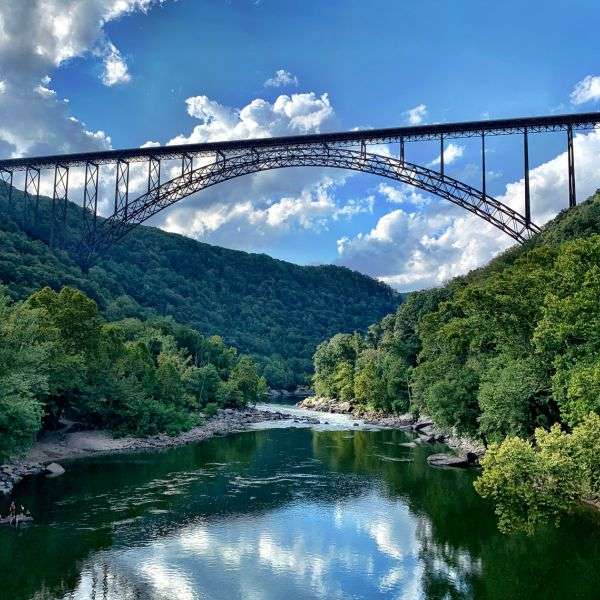
West Virginia
a mesmerizing tapestry of geothermal wonders, pristine landscapes, and wildlife sanctuaries
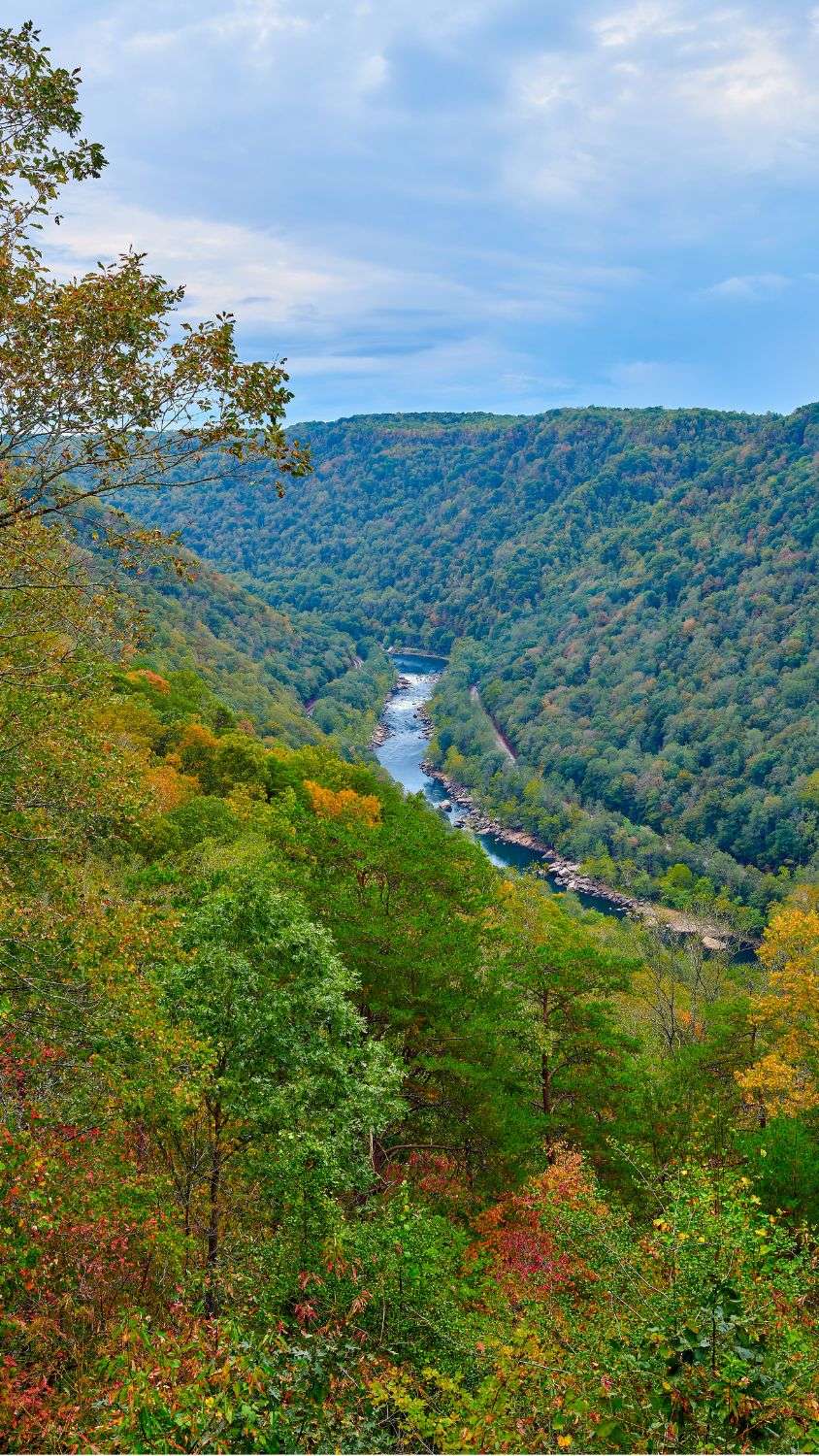
Fast Facts
Location
West Virgina
Established in
2020
Established by
President Donald Trump
Size
9 sq. miles
Known For
- Natural beauty, characterized by rugged cliffs, lush forests, and the meandering New River
- Some of the best whitewater rafting in the United States
- The gorge is a mecca for rock climbers, with over 1,400 established climbing routes
History
Natural History and Formation
The geological history of New River Gorge National Park reflects millions of years of mountain building, erosion, and changing environments. The park’s dramatic cliffs, deep gorge, and exposed rock layers tell the story of powerful natural forces that have shaped the Appalachian landscape over hundreds of millions of years.
Formation of the Appalachian Mountains: The geological story of New River Gorge begins with the formation of the Appalachian Mountains. Beginning hundreds of millions of years ago, collisions between tectonic plates caused layers of rock to be compressed, folded, and uplifted, creating one of the oldest mountain ranges in the world.
Development of the New River: The New River is considered one of the oldest rivers in North America. Over millions of years, the river has flowed through the Appalachian region, gradually cutting through layers of rock as the surrounding landscape continued to change.
Erosion and Gorge Formation: The New River slowly carved its way through the Appalachian Plateau, creating the steep-walled gorge seen today. The combination of flowing water, weathering, and continued uplift shaped the cliffs, valleys, and rugged terrain of the park.
Geological Layers: The exposed rocks of New River Gorge include sandstone, shale, and limestone formations created in ancient marine and terrestrial environments. These layers preserve evidence of changing climates, ecosystems, and geological conditions throughout Earth's history.
Coal Formation: During the Carboniferous Period, approximately 300 million years ago, the region was covered by vast swamp forests. Over time, layers of buried plant material were compressed and transformed into coal deposits. These coal resources later became central to the region’s mining and industrial history.
Tectonic Activity: Continued tectonic forces influenced the shape of the Appalachian region through processes such as uplift, folding, and faulting. These forces helped create the steep terrain and diverse rock formations found throughout New River Gorge.
The geological history of New River Gorge National Park showcases the incredible power of rivers, tectonic forces, and erosion over vast periods of time. The resulting landscape provides visitors with a unique opportunity to explore the ancient geological story of the Appalachian Mountains.
Native History
New River Gorge National Park has a rich Native American history that stretches back thousands of years. The gorge and surrounding Appalachian landscapes have long provided resources, travel routes, and culturally significant places for Indigenous peoples. Archaeological evidence reveals a deep connection between Native communities and the land, highlighting the importance of preserving these cultural traditions and histories.
Early Inhabitants: Indigenous peoples have lived in the New River Gorge region for thousands of years. Archaeological discoveries, including stone tools and other artifacts, show that Native communities occupied and used the area for hunting, gathering, fishing, and seasonal activities long before European settlement.
Native American Tribes: Several tribes have historical connections to the New River Gorge region, including the Cherokee, Shawnee, and Seneca. These communities developed complex societies and relied on the region’s forests, rivers, and wildlife for food, materials, and cultural practices.
Cultural Sites: The New River Gorge area contains archaeological resources that provide insight into Indigenous lifeways. Evidence of village sites, rock shelters, tools, and other cultural materials helps researchers understand how Native peoples adapted to and interacted with the Appalachian environment.
Trading Networks: The New River served as an important travel and trade route through the Appalachian Mountains. Indigenous communities used waterways and mountain pathways to exchange goods, share knowledge, and maintain relationships with neighboring groups.
European Contact: The arrival of European settlers brought significant changes to Indigenous communities in the region. Land loss, conflicts, and introduced diseases disrupted traditional ways of life and forced many Native peoples to relocate from their ancestral lands.
Cultural Continuity: Despite the challenges caused by colonization, Native American communities continue to maintain cultural traditions and connections to the Appalachian landscape. Modern preservation efforts recognize Indigenous history and emphasize the importance of protecting cultural resources within New River Gorge National Park.
The Native American history of New River Gorge National Park reflects the enduring relationship between Indigenous peoples and the land. Their traditions, knowledge, and stewardship continue to be an important part of the region’s cultural heritage.
Preservation
The preservation history of New River Gorge National Park reflects a long-standing effort to protect the region’s remarkable natural landscapes, cultural resources, and recreational opportunities. From early conservation movements to its designation as a national park, the area’s protection has evolved through decades of public interest and environmental stewardship.
Early Conservation Efforts: Interest in preserving the New River Gorge region grew during the late 19th and early 20th centuries as people recognized its scenic beauty, ecological importance, and recreational potential. Conservation organizations and federal programs, including efforts associated with the Civilian Conservation Corps (CCC), helped improve trails, facilities, and public access while promoting appreciation for the area’s natural resources.
National River Designation: In 1978, Congress designated the New River Gorge as a National River, creating the New River Gorge National River. This designation provided federal protection for the gorge’s landscapes, waterways, wildlife habitats, and cultural resources while allowing recreational activities such as hiking, fishing, climbing, and whitewater rafting.
Transition to National Park and Preserve: In December 2020, the New River Gorge National River was redesignated as New River Gorge National Park and Preserve through the passage of the Consolidated Appropriations Act of 2021. This change recognized the area’s national significance and elevated its status as one of the United States’ protected parklands.
Modern Preservation Efforts: Today, the National Park Service works to balance public enjoyment with conservation by protecting forests, rivers, wildlife habitats, historic sites, and cultural resources. Management efforts focus on maintaining the gorge’s ecological health while providing opportunities for education, recreation, and connection with the landscape.
The preservation history of New River Gorge National Park demonstrates the importance of long-term conservation efforts. Through changing designations and continued stewardship, the park remains protected as a place where natural beauty, cultural heritage, and outdoor experiences can be enjoyed by future generations.
Future Preservation
Preserving New River Gorge National Park for future generations requires addressing a variety of challenges involving environmental protection, cultural resource conservation, and responsible visitor management. The park’s forests, rivers, wildlife habitats, and historic sites must be carefully managed to maintain their ecological and cultural significance.
Environmental Conservation: Protecting the park’s diverse ecosystems is a major preservation priority. Forests, rivers, and wildlife habitats face threats from invasive species, habitat fragmentation, pollution, and changing environmental conditions. Maintaining biodiversity requires ongoing monitoring, habitat restoration, and conservation efforts.
Water Quality and Quantity: The New River and its tributaries are central to the park’s ecosystem and recreational opportunities. Protecting clean water sources requires addressing pollution, sediment runoff, and impacts from surrounding development and industrial activities. Maintaining healthy waterways is essential for aquatic life and visitors who enjoy activities such as fishing and rafting.
Cultural Resource Management: New River Gorge contains important archaeological sites, historic structures, and cultural landscapes that reflect the region’s long human history. Protecting these resources requires preventing damage, documenting important sites, and educating visitors about their significance while allowing appropriate public access.
Visitor Use Management: Increasing visitation creates challenges in protecting natural and cultural resources. Park managers must address issues such as trail erosion, traffic congestion, parking demands, and impacts on sensitive areas while ensuring visitors can safely enjoy hiking, climbing, paddling, and other recreational activities.
Climate Change: Climate change presents long-term challenges for New River Gorge National Park. Rising temperatures, changing rainfall patterns, extreme weather events, and shifting habitats may affect forests, wildlife populations, waterways, and cultural resources. Adaptive management strategies are needed to respond to these changes.
Funding and Resource Management: Adequate funding and staffing are essential for maintaining trails, protecting ecosystems, preserving historic sites, and conducting scientific research. Continued investment helps ensure that conservation goals can be met while supporting public access.
Addressing the challenges facing New River Gorge National Park requires cooperation among park managers, scientists, local communities, visitors, and conservation organizations. Through research, responsible recreation, and long-term stewardship, the park can continue to protect its natural and cultural treasures for generations to come.
Geography
New River Gorge National Park, located in southern West Virginia, is known for its dramatic landscapes, ancient geological formations, and the winding path of the New River as it cuts through the Appalachian Plateau. The park’s geography is characterized by steep canyon walls, forested hillsides, rugged cliffs, and diverse habitats that support a wide variety of plant and animal life. From scenic overlooks and cascading waterfalls to the powerful rapids of the New River, the park offers visitors a chance to experience the natural beauty, geological history, and outdoor adventures of the Appalachian Mountains.
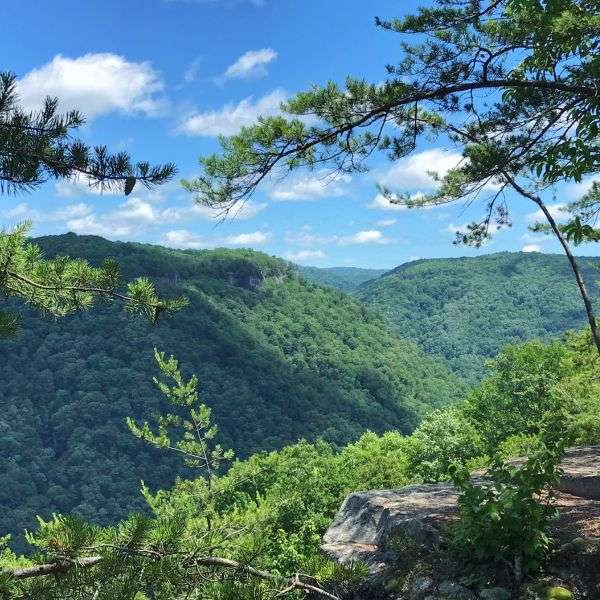
New River Gorge
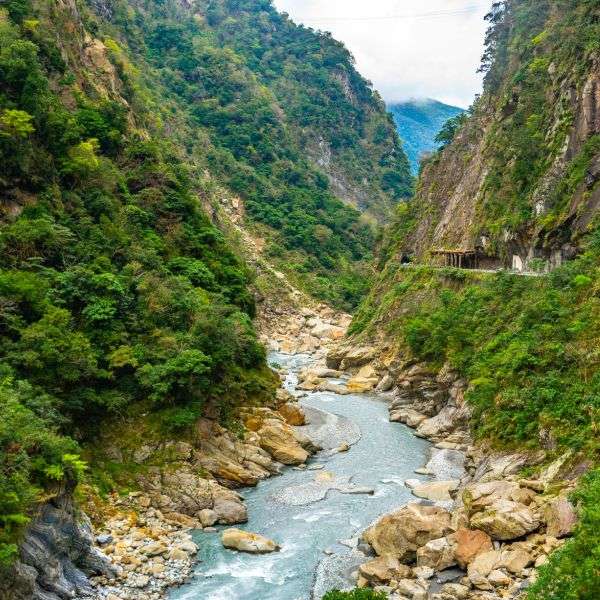
The centerpiece of the park is the New River Gorge, a deep and rugged canyon carved by the New River over millions of years. The gorge is up to 1,000 feet deep and stretches for approximately 53 miles through the Appalachian Plateau.
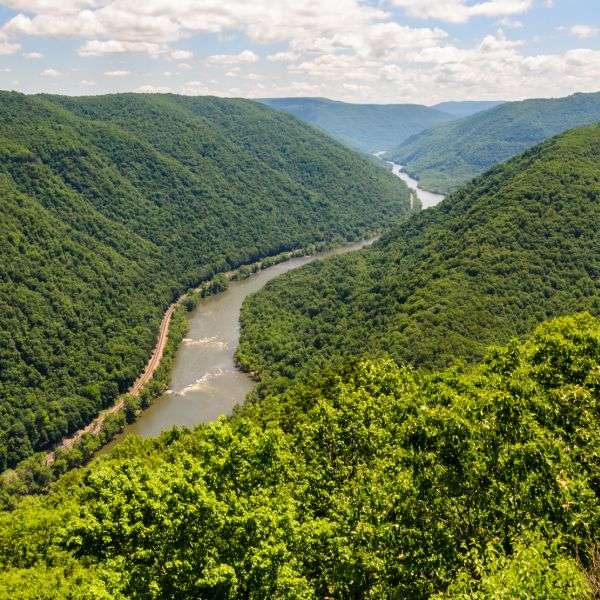
New River
The New River, one of the oldest rivers in North America, flows through the gorge, offering opportunities for whitewater rafting, fishing, and scenic floats. The river is known for its diverse aquatic life and recreational activities.
Rock Formations
The gorge is flanked by steep sandstone cliffs and rock formations, including the iconic Nuttall Sandstone, which provides the backdrop for scenic overlooks, hiking trails, and rock climbing routes.
Plants
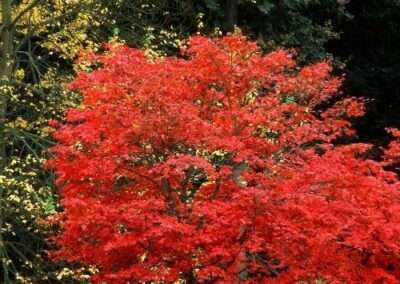
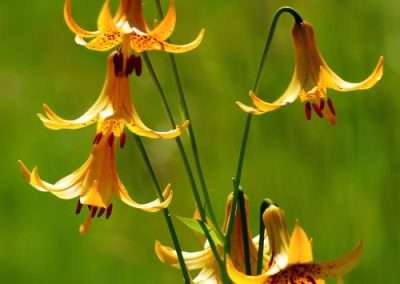
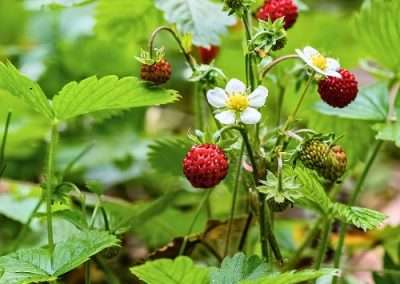
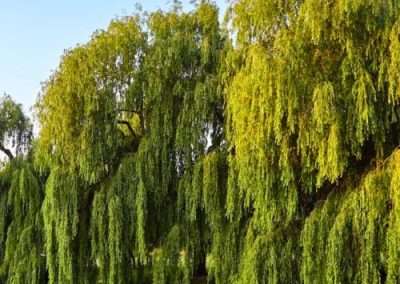
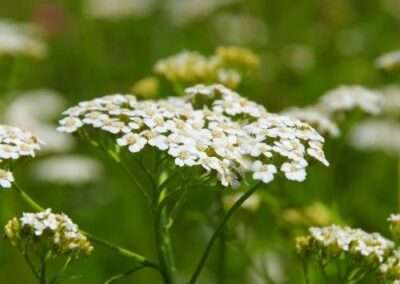
New River Gorge National Park is home to a remarkable diversity of plant life, reflecting the variety of habitats found throughout the Appalachian landscape. The park’s forests, cliffs, riverbanks, and shaded valleys support a wide range of vegetation, including towering hardwood trees, colorful wildflowers, ferns, mosses, and plants adapted to rocky environments. These plant communities play essential roles in maintaining healthy ecosystems by providing food, shelter, and habitat for wildlife. Visitors to New River Gorge National Park can explore the region’s rich botanical diversity and experience the natural beauty created by its unique Appalachian flora.


Animals
Mammals
New River Gorge National Park supports a diverse community of mammals that thrive in its forests, river valleys, cliffs, and meadows. These species play important roles in the park’s ecosystems as herbivores, predators, and contributors to nutrient cycling. From large mammals to small woodland creatures, the park’s varied habitats provide essential resources for wildlife.
White-tailed Deer (Odocoileus virginianus): White-tailed deer are among the most commonly observed mammals in New River Gorge National Park. They inhabit forests, meadows, and areas near the river, where they browse on grasses, leaves, shrubs, and other vegetation.
Black Bear (Ursus americanus): Black bears live throughout the park’s forested areas. These adaptable omnivores feed on berries, nuts, insects, plants, and occasionally small animals. They are generally shy and most active during dawn and dusk.
Eastern Gray Squirrel (Sciurus carolinensis): Eastern gray squirrels are abundant in the park’s hardwood forests. They are frequently seen climbing trees and gathering seeds, nuts, and other plant materials.
Eastern Cottontail Rabbit (Sylvilagus floridanus): Eastern cottontails are found in grassy fields, forest edges, and brushy areas. They rely on dense vegetation for shelter and feed on a variety of grasses and plants.
Raccoon (Procyon lotor): Raccoons are adaptable, nocturnal mammals found throughout the park. They are skilled foragers and often live near streams, rivers, and other areas where food resources are plentiful.
Eastern Coyote (Canis latrans): Coyotes are versatile predators that occupy many habitats within the park, including forests, fields, and open areas. They help regulate populations of small mammals and other prey species.
Bobcat (Lynx rufus): Bobcats are secretive predators that inhabit the park’s forests and rocky areas. Although they are present in New River Gorge, their solitary behavior makes sightings uncommon.
Eastern Chipmunk (Tamias striatus): Eastern chipmunks are small rodents commonly found in wooded areas. They forage for seeds, nuts, berries, and fungi and often create burrows beneath rocks, logs, and forest debris.
Eastern Red Bat (Lasiurus borealis): Eastern red bats are tree-roosting bats found in the park. They emerge at night to hunt insects, helping control insect populations within the ecosystem.
Eastern Mole (Scalopus aquaticus): Eastern moles live underground in the park’s soil-rich habitats. Although rarely seen, they play an important role by aerating soil while searching for earthworms and other invertebrates.
The mammals of New River Gorge National Park reflect the diversity of Appalachian ecosystems. Protecting the park’s forests, waterways, and natural habitats ensures that these species continue to thrive and remain an important part of the region’s ecological heritage.
Reptiles
New River Gorge National Park supports a diverse community of reptiles that thrive in its forests, rocky cliffs, wetlands, and river ecosystems. These reptiles play important roles in the park’s food webs by controlling insect and small animal populations while contributing to the overall biodiversity of the Appalachian landscape.
Eastern Rat Snake (Pantherophis alleghaniensis): Eastern rat snakes, also known as black rat snakes, are among the largest snakes found in the park. These non-venomous constrictors are excellent climbers and are often seen in forests, rocky areas, or near human structures where they help control rodent populations.
Northern Copperhead (Agkistrodon contortrix): Northern copperheads are venomous snakes recognized by their copper-colored heads and distinctive hourglass-shaped body markings. They are generally secretive and avoid humans, but hikers should use caution when exploring rocky areas and forested trails where they may be present.
Eastern Box Turtle (Terrapene carolina): Eastern box turtles inhabit forests, meadows, and woodland edges throughout the park. Their high-domed shells and hinged lower shells allow them to completely close themselves inside their shells as protection from predators.
Eastern Fence Lizard (Sceloporus undulatus): Eastern fence lizards are small reptiles commonly found basking on rocks, logs, and tree trunks in sunny areas. Their spiny scales and quick movements help them avoid predators.
Northern Water Snake (Nerodia sipedon): Northern water snakes are commonly found near rivers, streams, ponds, and other aquatic habitats within the park. These non-venomous snakes feed primarily on fish and amphibians and are often mistaken for venomous species due to their similar appearance.
Northern Slimy Salamander (Plethodon glutinosus): Northern slimy salamanders are found in moist forests, under logs, and beneath rocks. They have smooth, dark skin and produce a sticky secretion as a defense mechanism against predators.
Eastern Garter Snake (Thamnophis sirtalis): Eastern garter snakes are adaptable reptiles found in forests, wetlands, and grassy areas. Their distinctive stripes make them easy to identify, and they often live near streams and other sources of moisture.
Eastern Worm Snake (Carphophis amoenus): Eastern worm snakes are small, secretive snakes that spend much of their time underground or beneath leaf litter. They feed primarily on earthworms and other soft-bodied invertebrates.
The reptiles of New River Gorge National Park represent an important part of the Appalachian ecosystem. Protecting forests, wetlands, and natural habitats helps ensure that these fascinating species continue to thrive while allowing visitors to appreciate the park’s wildlife responsibly.
Birds
New River Gorge National Park provides important habitats for a wide variety of bird species, from forest-dwelling songbirds to powerful birds of prey. The park’s cliffs, rivers, hardwood forests, and open meadows create diverse environments that support resident and migratory birds throughout the year.
American Bald Eagle (Haliaeetus leucocephalus): Bald eagles can be observed soaring above the New River Gorge, especially near waterways where they search for fish. Their presence reflects the importance of healthy river ecosystems within the park.
Peregrine Falcon (Falco peregrinus): Peregrine falcons nest along the steep cliffs of the gorge and are known for their remarkable speed and hunting ability. They often patrol the canyon landscape while searching for birds and other prey.
Common Raven (Corvus corax): Common ravens are intelligent and adaptable birds found throughout the park’s cliffs and forests. Their deep calls often echo through the gorge, and they play important roles as scavengers in the ecosystem.
Eastern Bluebird (Sialia sialis): Eastern bluebirds are commonly seen in open fields, meadows, and forest edges. Males are recognized by their bright blue feathers and orange-red breasts.
Scarlet Tanager (Piranga olivacea): Scarlet tanagers inhabit the forest canopy during the breeding season. Males are especially striking with their bright red bodies and black wings, while females have more subdued yellow-green coloring.
Black Vulture (Coragyps atratus): Black vultures are frequently seen soaring above the gorge in search of carrion. As scavengers, they help maintain ecosystem health by removing remains of dead animals.
Northern Cardinal (Cardinalis cardinalis): Northern cardinals are year-round residents of the park and surrounding areas. Males are easily recognized by their vivid red plumage and distinctive crest.
American Robin (Turdus migratorius): American robins are familiar birds found in grassy areas, forest edges, and open habitats. They forage for insects, worms, and berries and are known for their cheerful songs.
Belted Kingfisher (Megaceryle alcyon): Belted kingfishers are commonly found near the New River and its tributaries. They perch above the water and dive to catch fish and other aquatic prey.
Wood Thrush (Hylocichla mustelina): Wood thrushes inhabit the park’s mature forests and are known for their beautiful, flute-like songs. They play an important role in forest ecosystems by feeding on insects and fruits.
The bird diversity of New River Gorge National Park reflects the richness of Appalachian ecosystems. Protecting forests, waterways, and cliff habitats helps ensure that these species continue to thrive and provides visitors with opportunities to experience the park’s remarkable avian life.
Fish
New River Gorge National Park provides excellent habitat for a variety of amphibian species due to its extensive forests, streams, wetlands, and moist Appalachian environments. Amphibians play an important role in the park's ecosystems as both predators and prey, helping maintain ecological balance while serving as indicators of environmental health. The park's numerous creeks, pools, and forested habitats support a diverse community of frogs, salamanders, and other amphibians.
American Toad (Anaxyrus americanus): American toads are widespread throughout the park and can be found in forests, meadows, and areas near water sources. They breed in shallow pools and temporary wetlands during the spring and are recognized by their warty skin and distinctive calls.
Spring Peeper (Pseudacris crucifer): These small tree frogs are common in wooded wetlands and vernal pools throughout the park. They are named for their high-pitched "peeping" calls, which are especially noticeable during the spring breeding season.
Green Frog (Lithobates clamitans): Green frogs inhabit ponds, streams, and slow-moving sections of rivers within the park. They are semi-aquatic and are often seen along the edges of waterways waiting for insects and small prey.
Bullfrog (Lithobates catesbeianus): Bullfrogs are among the largest frogs found in the region and inhabit ponds, wetlands, and quiet river areas. Their deep, resonant calls are a common sound near suitable aquatic habitats.
Wood Frog (Lithobates sylvaticus): Wood frogs are adapted to forest environments and temporary wetlands. They are especially notable for their ability to survive freezing temperatures and are among the earliest amphibians to breed in spring.
Pickerel Frog (Lithobates palustris): Pickerel frogs are found near streams, wetlands, and wooded waterways. They are recognizable by their rectangular dark spots and are often associated with clean, cool aquatic habitats.
Eastern Red-backed Salamander (Plethodon cinereus): This small terrestrial salamander is one of the most common salamanders in Appalachian forests. It lives beneath logs, rocks, and leaf litter, where it helps recycle nutrients by feeding on small invertebrates.
Northern Slimy Salamander (Plethodon glutinosus): Northern slimy salamanders inhabit moist forests and rocky areas throughout the park. They produce a sticky defensive secretion when threatened and are important predators of forest-floor invertebrates.
Spotted Salamander (Ambystoma maculatum): Spotted salamanders are found in forested areas near temporary pools and wetlands. They are recognized by their yellow spots and migrate to breeding ponds during rainy spring nights.
Two-lined Salamander (Eurycea bislineata): These stream-dwelling salamanders are commonly found along rocky creeks and seeps. They are well adapted to aquatic environments and feed on insects and other small organisms.
Eastern Hellbender (Cryptobranchus alleganiensis): The eastern hellbender is a large aquatic salamander historically associated with clean, fast-flowing Appalachian streams. Conservation efforts focus on protecting suitable river habitats for this unique species.
These amphibians contribute significantly to the biodiversity of New River Gorge National Park. Their dependence on clean water and healthy forest ecosystems makes them valuable indicators of the overall condition of the park's natural environment.
Amphibians
New River Gorge National Park is home to a variety of amphibian species, including frogs, toads, salamanders, and newts. The park's forests, streams, wetlands, and moist Appalachian habitats provide ideal conditions for these amphibians, which play important roles in maintaining ecosystem health and biodiversity.
Northern Green Frog (Lithobates clamitans melanota): Green frogs are commonly found in ponds, wetlands, and slow-moving streams throughout the park. They are known for their distinctive "jug-o-rum" call during the breeding season and are important predators of insects and other small organisms.
American Toad (Anaxyrus americanus): American toads are widespread in the park and can be found in a variety of habitats, including woodlands, meadows, and areas near water sources. They are known for their rough, warty skin and distinctive trilling call during the breeding season.
Eastern Red-backed Salamander (Plethodon cinereus): These small, terrestrial salamanders are common in the forested areas of the park, where they can be found hiding under logs, rocks, and leaf litter. They play an important role in forest ecosystems by helping regulate populations of small invertebrates.
Northern Two-lined Salamander (Eurycea bislineata): Two-lined salamanders are semi-aquatic and can be found along the edges of streams, rivers, and seeps in the park. They are named for the two dark lines that run down their backs and are well adapted to life in clear, flowing waters.
Northern Dusky Salamander (Desmognathus fuscus): Dusky salamanders are often found in rocky, fast-flowing streams and creeks within the park. They are small, slender salamanders with mottled brown or gray coloration and are closely associated with moist habitats.
Eastern Newt (Notophthalmus viridescens): Eastern newts are a common sight in the park's ponds, wetlands, and slow-moving streams. They have a complex life cycle that includes aquatic adults and terrestrial juvenile stages known as red efts.
Northern Spring Peeper (Pseudacris crucifer): Spring peepers are small tree frogs known for their loud, high-pitched "peep" call that fills the air during the breeding season. They breed in temporary ponds and wetlands throughout the park.
Gray Treefrog (Hyla versicolor): Gray treefrogs are arboreal frogs that can be found in wooded areas throughout the park. They are masters of camouflage, with mottled gray or green skin that helps them blend into tree bark and vegetation.
"The New River is one of the most ancient on the continent, and is older than the Appalachian Mountains themselves."
- Edward Abbey
"The New River, unlike many other rivers, flows north. It is a river of life and vitality, of rapids and waterfalls, of scenic beauty that attracts visitors from around the world."
- Tim Kaine
"The New River Gorge is an American treasure and an international icon, and it deserves to be treated as such."
- John Kasich
"The New River is a stream of surprising beauty, unusual in its rock formations and geological phenomena, yet more unusual in its botanical diversity and its exceptional productivity for fish and wildlife."
- Bob Burrell
Explore More With Us
Stay updated on National Parks EDU resources, park news, community updates, and and ways to explore, and protect.

National Parks Edu's mission is to help kids and families understand what makes these places so important. Because when you learn about nature, you start to care about protecting it.
National Parks EDU is an independent educational website and is not affiliated with, endorsed by, sponsored by, or officially connected to the National Park Service (NPS) or the U.S. government. © National Parks EDU. All Rights Reserved. October 18, 2026