Mount Rainier
National Park
Washington
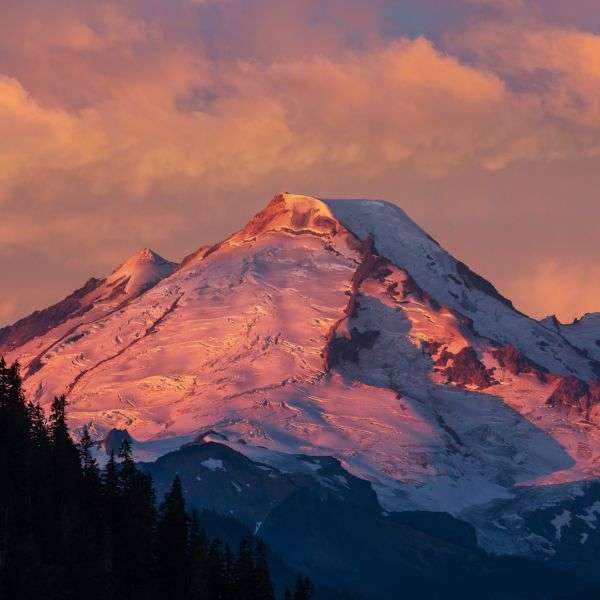
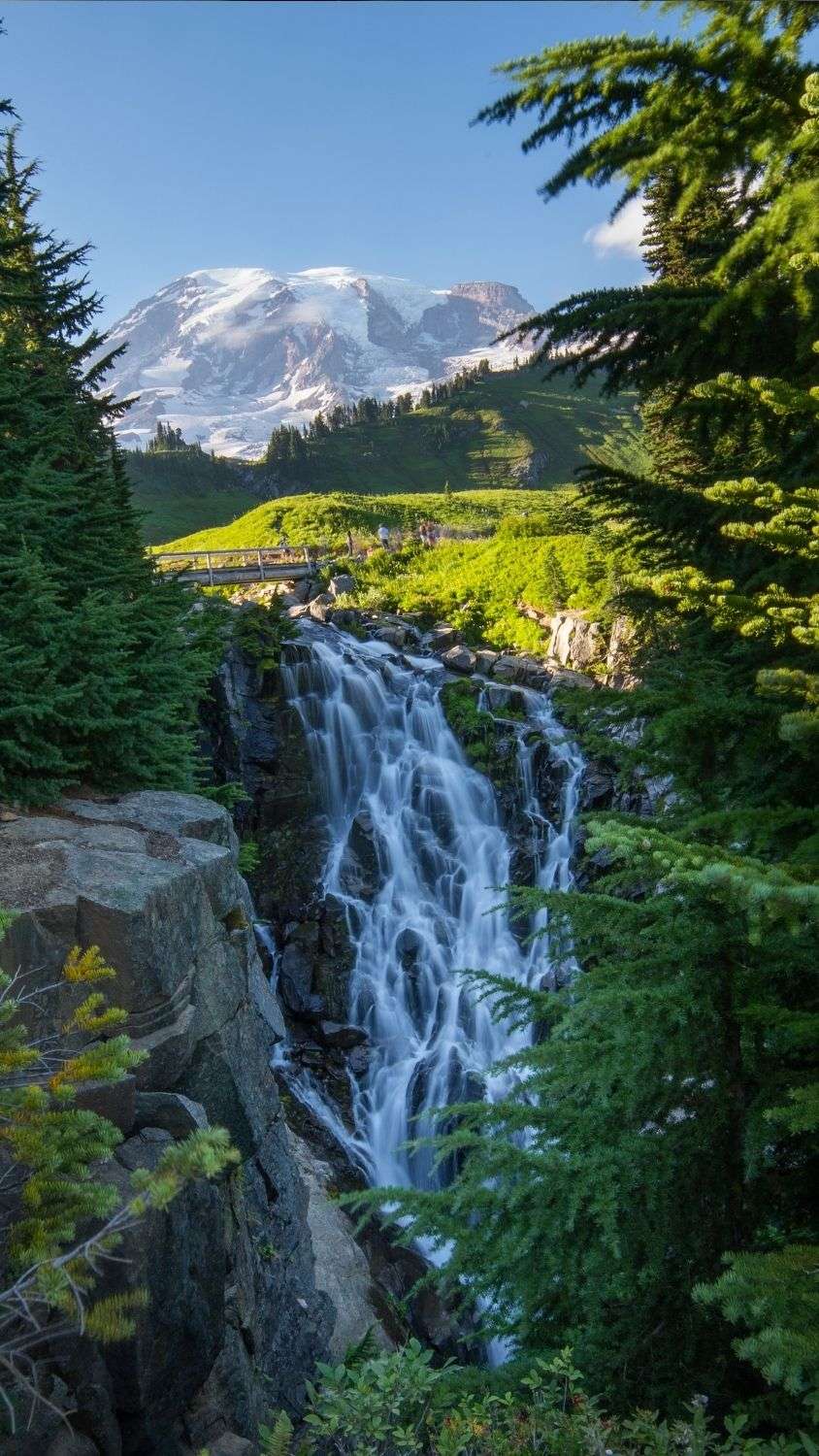
showcases the iconic Mount Rainier, an active stratovolcano surrounded by alpine meadows, glaciers, and lush forests
Fast Facts
Location
in the Cascade mountain range of Washington
Established in
1899
Established by
President William McKinley
Size
369 sq. miles
Known For
- Home to the iconic Mount Rainier, an active stratovolcano and the highest mountain in Washington State
- A range of ecosystems, from lush forests and alpine meadows to glaciers, offer a unique blend of biodiversity
- Attracts climbers from around the world for challenging ascents of Mount Rainier's glaciated slopes
History
Natural History and Formation
Mount Rainier, located in Washington State, is a large stratovolcano formed by layers of lava, ash, and volcanic rock built up over thousands of years. The mountain’s formation is connected to the activity of the Cascadia Subduction Zone, where one tectonic plate moves beneath another, creating the conditions needed for volcanic activity.
Tectonic Setting: Mount Rainier is part of the Cascade Range, a chain of volcanoes that stretches from northern California to British Columbia. The volcanoes in this range formed because of the movement of the Juan de Fuca Plate beneath the North American Plate.
Subduction Zone: Along the Cascadia Subduction Zone, the Juan de Fuca Plate sinks beneath the North American Plate. As the plate moves deeper into Earth, heat and pressure cause parts of it to melt, creating magma.
Magma Formation: The melted rock, called magma, rises through cracks in Earth’s crust because it is less dense than the surrounding rock. Some of this magma collects in chambers beneath Mount Rainier before reaching the surface.
Eruptions and Growth: Over many thousands of years, repeated eruptions added layers of lava, ash, and volcanic debris, gradually building Mount Rainier into the tall, steep-sided volcano seen today.
Stratovolcano Characteristics: Mount Rainier is a stratovolcano, a type of volcano known for its steep slopes and layers of hardened lava and ash. These volcanoes can produce powerful eruptions and are often found near subduction zones.
Glacial Activity: Mount Rainier is covered by extensive glaciers, which have shaped the mountain’s landscape over time. Moving ice has carved valleys, ridges, and other features around the volcano.
Past Eruptions: Mount Rainier has not had a major eruption in recent history, but it is still considered an active volcano. Scientists study the mountain closely because future eruptions are possible.
Volcanic Hazards: Mount Rainier is monitored because volcanic activity could create hazards such as lahars, which are fast-moving mixtures of volcanic material, rock, and water. These mudflows can occur if volcanic heat melts snow and glaciers on the mountain.
The formation of Mount Rainier shows the powerful forces that shape Earth’s surface. Its volcanic history, glaciers, and dramatic landscape make it one of the most recognizable and scientifically important mountains in the United States.
Native History
The area around Mount Rainier has been home to Native American peoples for thousands of years. Indigenous communities developed strong cultural, spiritual, and economic connections with the mountain, rivers, forests, and wildlife of the region. Several tribes have historical ties to the lands surrounding Mount Rainier, including the Puyallup Tribe, Nisqually Tribe, and Yakama Nation.
Puyallup Tribe: The Puyallup Tribe has deep cultural connections to the Mount Rainier region and the Puyallup River watershed. The river begins in the glaciers of Mount Rainier and provided important resources for the tribe. Traditionally, the Puyallup people relied on fishing, hunting, and gathering plants for food and materials. Salmon was especially important, serving as both a food source and a central part of cultural traditions and ceremonies.
Nisqually Tribe: The Nisqually people have ancestral lands along the Nisqually River, which flows from the glaciers of Mount Rainier. Fishing, especially salmon fishing, was an important part of their traditional way of life. The Nisqually people also hunted and gathered plants throughout the region and maintained a strong relationship with the natural environment.
Yakama Nation: The Yakama Nation has historical connections to areas on the eastern side of the Cascade Range, including regions near Mount Rainier. The Yakama people traditionally used a wide range of landscapes for hunting, fishing, gathering, and cultural activities.
Traditional Cultural Connections: Mount Rainier holds spiritual and cultural importance for many Indigenous peoples of the region. Stories, traditions, and traditional ecological knowledge reflect a deep respect for the mountain and its natural resources. These connections continue today through cultural practices, education, and resource stewardship.
European Contact and Settlement: European exploration of the Pacific Northwest increased in the late 1700s and early 1800s. Explorers, traders, and settlers arrived in the region, bringing new goods but also diseases that caused serious population losses among Native communities. Expanding settlement also changed traditional land use patterns.
Treaties and Land Changes: During the 1800s, the U.S. government negotiated treaties with many Native American tribes in the region. These agreements resulted in tribes giving up large areas of their traditional lands in exchange for reservations and other promises. These changes greatly affected Indigenous communities and their connections to ancestral lands.
Reservations and Cultural Preservation: Reservations, including the Puyallup and Nisqually Reservations, became important places for maintaining tribal governments, traditions, and cultural practices. Despite historical challenges, Native communities continue to preserve their languages, ceremonies, arts, and relationships with the land.
Modern Partnerships: Today, tribes connected to the Mount Rainier region continue to protect their cultural heritage and natural resources. The National Park Service works with Indigenous communities to recognize their history, include traditional knowledge, and support the preservation of this important cultural landscape.
Preservation
The preservation history of Mount Rainier National Park reflects the growing effort in the United States to protect important natural landscapes for future generations. The park’s history includes conservation efforts to protect its glaciers, forests, wildlife, and cultural resources.
Establishment as a National Park: Mount Rainier National Park was established on March 2, 1899, becoming the fifth national park in the United States. The park was created to protect the beauty of Mount Rainier, including its glaciers, wildflower meadows, forests, and unique ecosystems.
Naturalist Influence: Scientists, explorers, and conservationists helped build support for protecting Mount Rainier. Naturalists such as John Muir promoted the idea that important natural places should be preserved for education, recreation, and future generations.
Infrastructure Development: During the early 1900s, roads, trails, visitor centers, and other facilities were developed to allow people to explore the park. Park managers worked to provide visitor access while protecting the natural environment.
Wilderness Protection: In 1988, parts of Mount Rainier National Park were designated as wilderness under the Wilderness Act. This protection helps preserve large areas in a more natural condition by limiting activities that could harm the landscape.
Collaboration with Indigenous Communities: In recent years, Mount Rainier National Park has placed greater emphasis on working with Indigenous communities, including the Puyallup and Nisqually Tribes. These partnerships help include traditional ecological knowledge and cultural perspectives in park management.
Dark Sky Protection: Mount Rainier National Park works to protect its natural nighttime environment by reducing light pollution and promoting awareness of the importance of dark skies. Protecting the night sky helps preserve opportunities for stargazing and supports nocturnal wildlife.
The preservation of Mount Rainier National Park continues through conservation programs, scientific research, partnerships, and efforts to balance public enjoyment with protection of the park’s natural and cultural resources.
Future Preservation
```html id="t7p4qs"
Although Mount Rainier National Park is protected, it faces several challenges that could affect its natural and cultural resources in the future. Protecting the park requires ongoing research, conservation efforts, and cooperation among scientists, park managers, Indigenous communities, and visitors.
Climate Change: Climate change is one of the biggest challenges facing Mount Rainier National Park. Rising temperatures and changing rainfall and snowfall patterns can affect glaciers, forests, wildlife habitats, and water supplies. These changes may also influence visitor safety and the way people experience the park.
Glacial Retreat: The glaciers on Mount Rainier are shrinking as temperatures rise. Glacial loss can change the mountain’s landscape and affect streams, rivers, and ecosystems that depend on glacier-fed water. Scientists continue to monitor these changes to better understand their impacts.
Ecological Changes: Plants and animals in the park are adapted to specific environments. As temperatures and weather patterns change, some species may have to move to new areas, while others may face challenges finding suitable habitats.
Visitor Management: Millions of people visit Mount Rainier National Park each year, creating challenges such as crowded trails, damaged vegetation, and increased waste. Park managers work to protect natural areas while allowing visitors to safely enjoy the park.
Wildfire Management: Wildfires are a natural part of many ecosystems, but hotter and drier conditions can increase the risk of larger and more intense fires. The park must balance allowing natural fire processes with protecting visitors, wildlife, and park facilities.
Air and Water Quality: Pollution from outside the park can affect air quality, water systems, and ecosystems. Monitoring air and water conditions helps park managers protect the health of plants, animals, and natural resources.
Collaboration with Indigenous Communities: Working with Indigenous communities connected to the Mount Rainier region is an important part of future conservation efforts. Including tribal knowledge and respecting Indigenous cultural connections to the land helps improve park management.
Protecting Mount Rainier National Park for future generations requires cooperation between government agencies, scientists, Indigenous communities, local communities, and visitors. Through careful management and conservation, the park’s natural beauty and cultural heritage can continue to be preserved.
```
Geography
Mount Rainier National Park, located in Washington State, is a stunning landscape centered around Mount Rainier, one of the most famous volcanoes in the United States. The park protects a diverse environment of glaciers, alpine meadows, forests, rivers, and wildlife habitats surrounding the 14,410-foot mountain. Known for its breathtaking scenery, volcanic history, and rich ecosystems, Mount Rainier National Park offers visitors the chance to explore the powerful natural forces that have shaped the Pacific Northwest.
Mt. Rainier
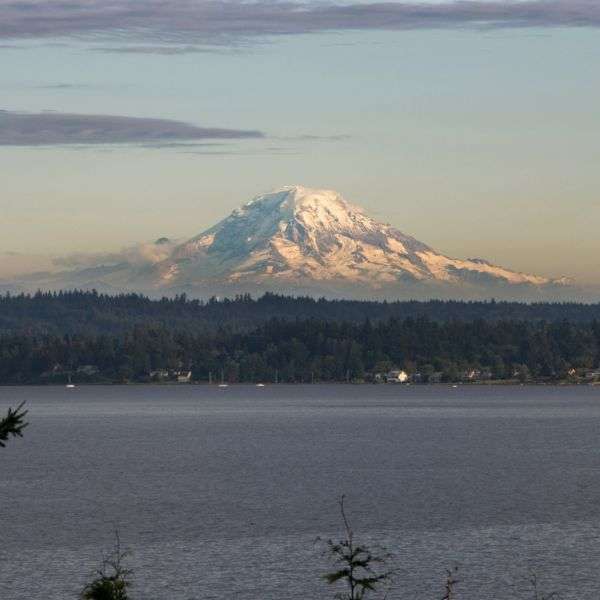
Mount Rainier stands at 14,411 feet above sea level, making it the highest peak in the Cascade Range. Mount Rainier is a stratovolcano, characterized by its steep slopes and conical shape.
Glaciers
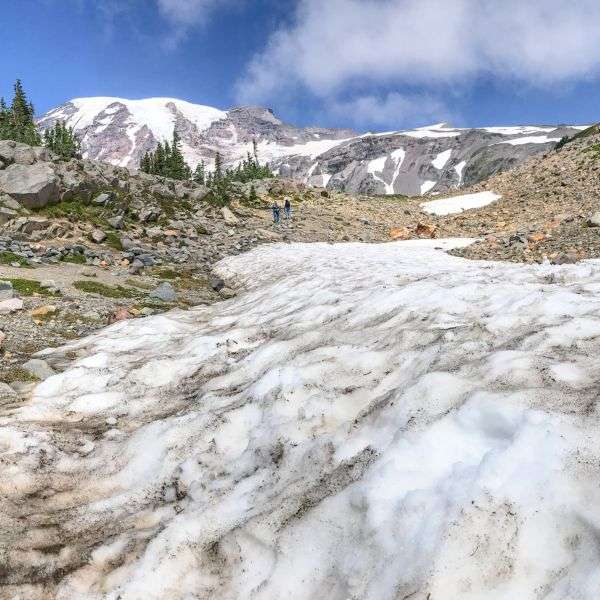
Mount Rainier is renowned for its extensive glacier system, covering approximately 35 square miles of its slopes. These glaciers contribute to the headwaters of several rivers and showcase the dynamic geological processes shaped by the mountain's icy formations.
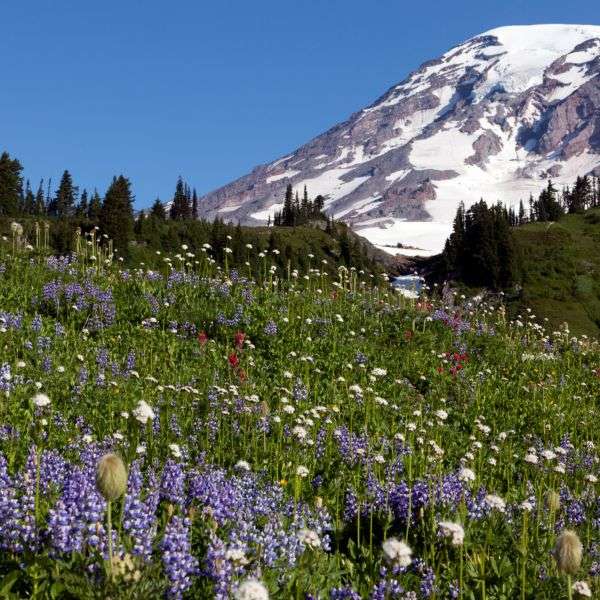
Subalpine and Alpine Zones
As elevation increases, visitors encounter subalpine and alpine zones. Subalpine meadows are renowned for their vibrant wildflower displays in the summer, while the alpine zone is characterized by rocky terrain and harsh weather conditions.
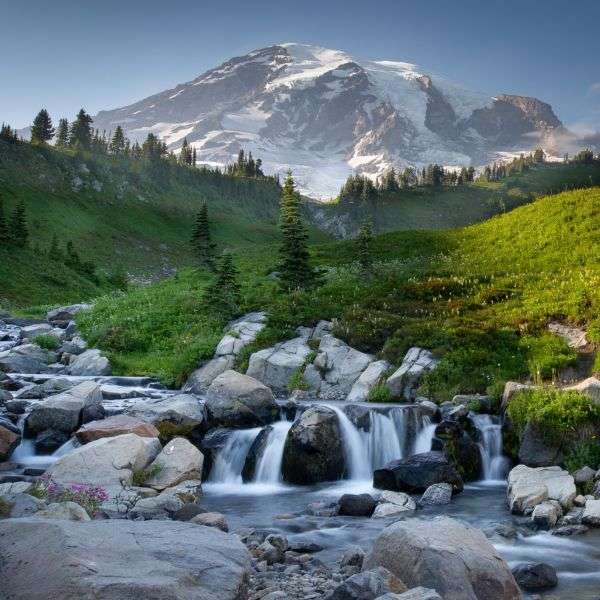
Rivers and Watersheds
Several rivers originate from the glaciers and snowfields of Mount Rainier. The Nisqually River, Carbon River, and White River are among the major watercourses within the park. These rivers contribute to the broader watershed system of the region.
Plants
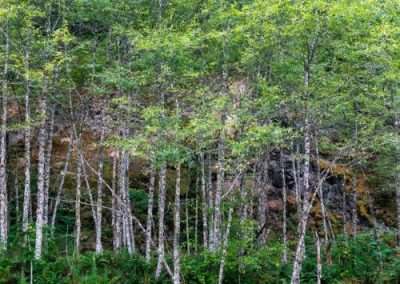
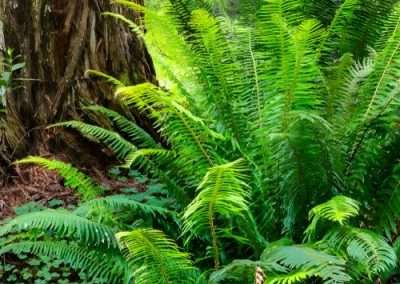
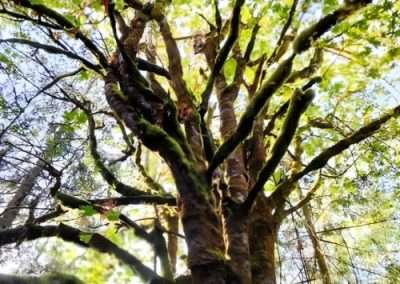
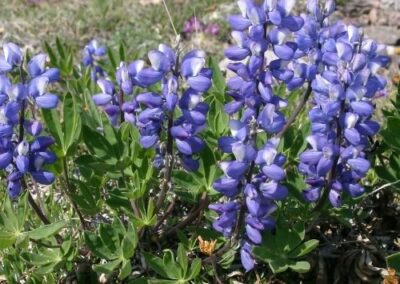
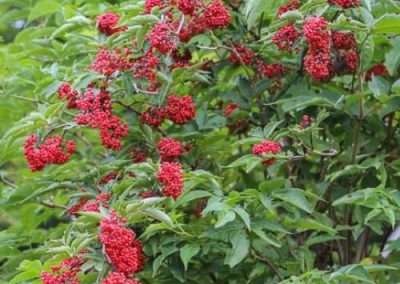
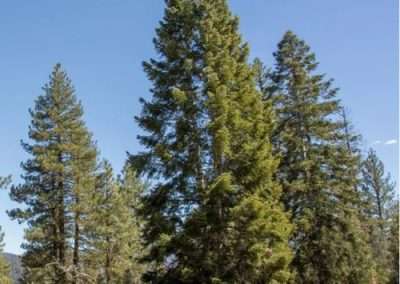
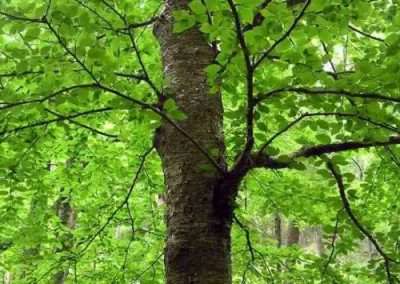
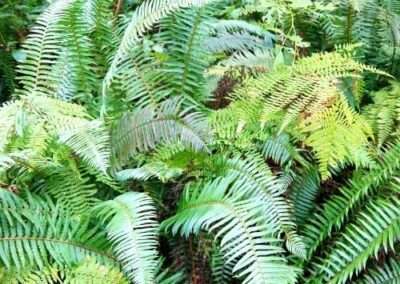
Mount Rainier National Park is home to a remarkable variety of plant life that thrives across its diverse landscapes. From ancient forests at lower elevations to colorful subalpine meadows and hardy alpine plants near the mountain’s summit, the park supports a wide range of vegetation adapted to different environments. These plants play an important role in the park’s ecosystems, providing habitat, food, and beauty that make Mount Rainier’s natural landscapes unique.
Animals
Mammals
Mount Rainier National Park supports a diverse community of mammals that live across its many habitats, from lowland forests and river valleys to subalpine meadows and rocky alpine slopes. These animals have adapted to the park’s changing elevations and weather conditions, playing important roles in the ecosystem as herbivores, predators, and scavengers.
Black Bear (Ursus americanus): Black bears are commonly found throughout the park in forests and meadows. They are omnivores that eat berries, plants, insects, and occasionally small animals.
Mountain Goat (Oreamnos americanus): Mountain goats are specially adapted to the steep, rocky terrain of Mount Rainier. Their strong legs and specialized hooves help them move safely across alpine slopes while searching for grasses and other plants.
Marmots (Marmota species): Hoary marmots and yellow-bellied marmots live in subalpine and alpine areas. These large rodents often rest on sunny rocks and feed on grasses, flowers, and other vegetation.
Snowshoe Hare (Lepus americanus): Snowshoe hares live in forest and alpine habitats. They change from brown in summer to white in winter, helping them blend into their surroundings. They feed on twigs, bark, and plant materials.
Pika (Ochotona princeps): Pikas are small mammals related to rabbits that live among rocky slopes and talus fields. They collect and store plants during summer to use as food during the winter.
Douglas Squirrel (Tamiasciurus douglasii): Douglas squirrels are common in the park’s conifer forests. They eat seeds, nuts, fungi, and other plant materials and play an important role in forest ecosystems.
Mule Deer (Odocoileus hemionus): Mule deer are found in forested areas and open meadows throughout the park. They feed on grasses, shrubs, and other vegetation.
Elk (Cervus canadensis): Elk inhabit forests and open areas of Mount Rainier National Park. During mating season, male elk make loud calls known as bugles to attract females.
Coyote (Canis latrans): Coyotes are adaptable predators found in many habitats throughout the park. They hunt small mammals and birds but also eat fruits and plants when available.
Red Fox (Vulpes vulpes): Red foxes live in a variety of environments and are skilled hunters. They feed on small mammals, birds, insects, and other available foods.
Bobcat (Lynx rufus): Bobcats are secretive predators that are usually active at night. They hunt small mammals and birds in forests and meadows.
The mammals of Mount Rainier National Park demonstrate the incredible ability of wildlife to adapt to different environments. From forest floors to alpine peaks, these animals are an important part of the park’s natural balance and biodiversity.
Reptiles
Mount Rainier National Park has a limited number of reptile species because much of the park consists of cool alpine and subalpine environments. Reptiles need warm conditions to regulate their body temperatures, so they are more commonly found in the park’s lower elevations and sunny areas. The few reptiles that live in the park are adapted to forests, meadows, wetlands, and other warmer habitats.
Western Fence Lizard (Sceloporus occidentalis): Western fence lizards can be found in lower-elevation forests, grasslands, and open areas of the park. They are often seen resting on rocks or logs in sunny locations to warm themselves. Their spiny scales help protect them from predators.
Garter Snakes (Thamnophis species): Garter snakes are among the most common reptiles in the Pacific Northwest and can be found in meadows, wetlands, and areas near streams. These non-venomous snakes feed on insects, small amphibians, and other small animals.
Although reptiles are not as common in Mount Rainier National Park as mammals, birds, and amphibians, they are still an important part of the park’s ecosystems. These species contribute to the balance of food webs and show how wildlife adapts to the challenges of mountain environments.
Birds
Mount Rainier National Park is home to a wide variety of bird species that live in habitats ranging from lowland forests and rivers to subalpine meadows and alpine areas. The park’s diverse landscapes provide food, shelter, and nesting areas for many birds, making it a popular destination for birdwatchers.
Gray Jay (Perisoreus canadensis): Gray jays live in subalpine and mountain forests. They are curious and intelligent birds that may approach visitors and are sometimes called "camp robbers" because of their habit of searching for food around campsites.
Clark's Nutcracker (Nucifraga columbiana): Clark’s nutcrackers are well adapted to high-elevation environments. They help forests grow by spreading and storing seeds, especially from whitebark pine trees.
Steller's Jay (Cyanocitta stelleri): Steller’s jays are common in the park’s conifer forests. They are easy to recognize because of their bright blue and black feathers and loud calls.
Mountain Bluebird (Sialia currucoides): Mountain bluebirds are often seen in open meadows and higher-elevation areas. They feed mainly on insects, catching them while flying or from the ground.
American Dipper (Cinclus mexicanus): American dippers live near cold mountain streams and rivers. They are unique birds that swim and dive underwater to search for insects and other small food items.
White-crowned Sparrow (Zonotrichia leucophrys): White-crowned sparrows can be found in meadows and forest edges. They are known for the black-and-white stripes on their heads and their clear, whistling songs.
Peregrine Falcon (Falco peregrinus): Peregrine falcons nest near cliffs and rocky areas in the park. These powerful birds of prey are famous for their extremely fast dives while hunting.
Common Raven (Corvus corax): Common ravens are highly intelligent birds found throughout Mount Rainier National Park. They can live in many habitats and are known for their problem-solving skills and loud calls.
Golden-crowned Kinglet (Regulus satrapa): These tiny birds live in conifer forests and spend much of their time searching for insects among tree branches. They are recognized by the bright yellow patch on their crowns.
Harlequin Duck (Histrionicus histrionicus): Harlequin ducks can be found along fast-moving mountain streams and rivers. Males have colorful feathers, while females have more muted coloring that helps them blend into their surroundings.
The birds of Mount Rainier National Park reflect the variety of habitats found throughout the mountain landscape. From forest songbirds to high-elevation species and river birds, they are an important part of the park’s rich biodiversity.
Fish
Mount Rainier National Park supports a variety of fish species that inhabit its cold, clear rivers, streams, and lakes. These aquatic environments provide important habitats for native fish as well as some introduced species. Fish play essential roles in the park’s freshwater ecosystems by supporting food webs and contributing to nutrient cycling.
Cutthroat Trout (Oncorhynchus clarkii): Cutthroat trout are native to the region and are commonly found in the park’s rivers and streams, including waters connected to the Nisqually River. Conservation programs help protect and restore native populations.
Rainbow Trout (Oncorhynchus mykiss): Rainbow trout are found in many of the park’s lakes and streams. Both native and introduced populations contribute to aquatic ecosystems and provide opportunities for recreational fishing.
Brook Trout (Salvelinus fontinalis): Brook trout are a non-native species that have been introduced into some waters within the park. Because they can compete with native fish, park managers monitor their populations to reduce potential ecological impacts.
Mountain Whitefish (Prosopium williamsoni): Mountain whitefish are native freshwater fish that live in cold, clear streams. They are an important part of the park’s aquatic food web.
Bull Trout (Salvelinus confluentus): Bull trout require very cold, clean water and are found in some of the park’s mountain streams. Conservation efforts focus on protecting their habitat and maintaining healthy populations.
Pacific Lamprey (Entosphenus tridentatus): Pacific lamprey are ancient fish species found in some rivers and streams. They play an important role in freshwater ecosystems and are culturally significant to many Indigenous communities of the Pacific Northwest.
Coho Salmon (Oncorhynchus kisutch): Coho salmon migrate through some river systems connected to Mount Rainier. Their spawning cycles help transport nutrients from marine environments into freshwater ecosystems.
Chinook Salmon (Oncorhynchus tshawytscha): Chinook salmon, also known as king salmon, are among the largest Pacific salmon species. Their migrations through regional waterways are important ecological events that support many other species.
The fish communities of Mount Rainier National Park reflect the importance of protecting freshwater habitats. Maintaining clean streams, healthy rivers, and native fish populations is essential for preserving the park’s aquatic ecosystems.
Amphibians
Mount Rainier National Park provides important habitats for a variety of amphibians that live in its forests, wetlands, meadows, ponds, and mountain streams. These species are highly sensitive to changes in water quality and climate conditions, making them important indicators of ecosystem health within the park.
Cascades Frog (Rana cascadae): Cascades frogs are well adapted to the cool alpine and subalpine environments of Mount Rainier. They can be found near mountain meadows, ponds, and slow-moving streams where they breed and feed.
Western Toad (Anaxyrus boreas): Western toads inhabit a variety of environments, including forests, wetlands, and open meadows. They gather near ponds and shallow waters during breeding season and are recognized by their warty skin and distinctive coloring.
Long-toed Salamander (Ambystoma macrodactylum): Long-toed salamanders live in wetlands, ponds, and moist forest areas. They spend part of their lives in water and part on land, and they are named for their unusually long fourth toe on each hind foot.
Northern Red-legged Frog (Rana aurora): Northern red-legged frogs are found in wetland habitats at lower elevations and some subalpine areas. They are named for the reddish coloration on the underside of their hind legs.
Pacific Treefrog (Pseudacris regilla): Pacific treefrogs are adaptable amphibians found in many habitats, including meadows, forests, ponds, and wetlands. They are well known for their loud, distinctive calls during the breeding season.
The amphibians of Mount Rainier National Park are an important part of the park’s biodiversity. By protecting wetlands, streams, and other aquatic habitats, conservation efforts help ensure the survival of these sensitive species and the ecosystems they support.
"Of all the fire mountains which like beacons, once blazed along the Pacific Coast, Mount Rainier is the noblest."
- John Muir
"Mount Rainier changes the lives of those who spend time in its shadow."
- Bruce Barcott
"When you stand on the summit of Mount Rainier, you are not standing on rock and snow, you are standing on a massive volcano that can change your life forever."
- Mike Gauthier
"Rainier is the mountain of mountains, in the greatness of its bulk, its massive, snow-clad height, its dominating isolation."
- John H. Williams
Explore More With Us
Stay updated on National Parks EDU resources, park news, community updates, and and ways to explore, and protect.

National Parks Edu's mission is to help kids and families understand what makes these places so important. Because when you learn about nature, you start to care about protecting it.
National Parks EDU is an independent educational website and is not affiliated with, endorsed by, sponsored by, or officially connected to the National Park Service (NPS) or the U.S. government. © National Parks EDU. All Rights Reserved. October 18, 2026