Mesa Verde
National Park
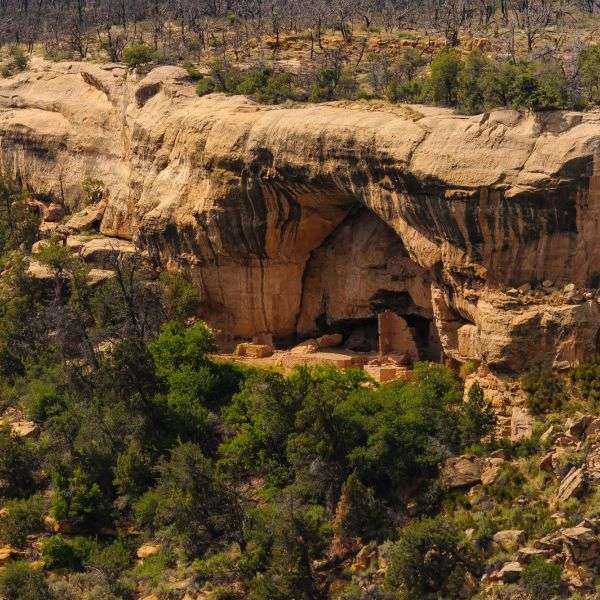
Colorado
a remarkable collection of well-preserved ancestral Puebloan cliff dwellings and archaeological sites
Fast Facts
Location
Southwestern Colorado
Established in
1906
Established by
President Theodore Roosevelt
Size
82 sq. miles
Known For
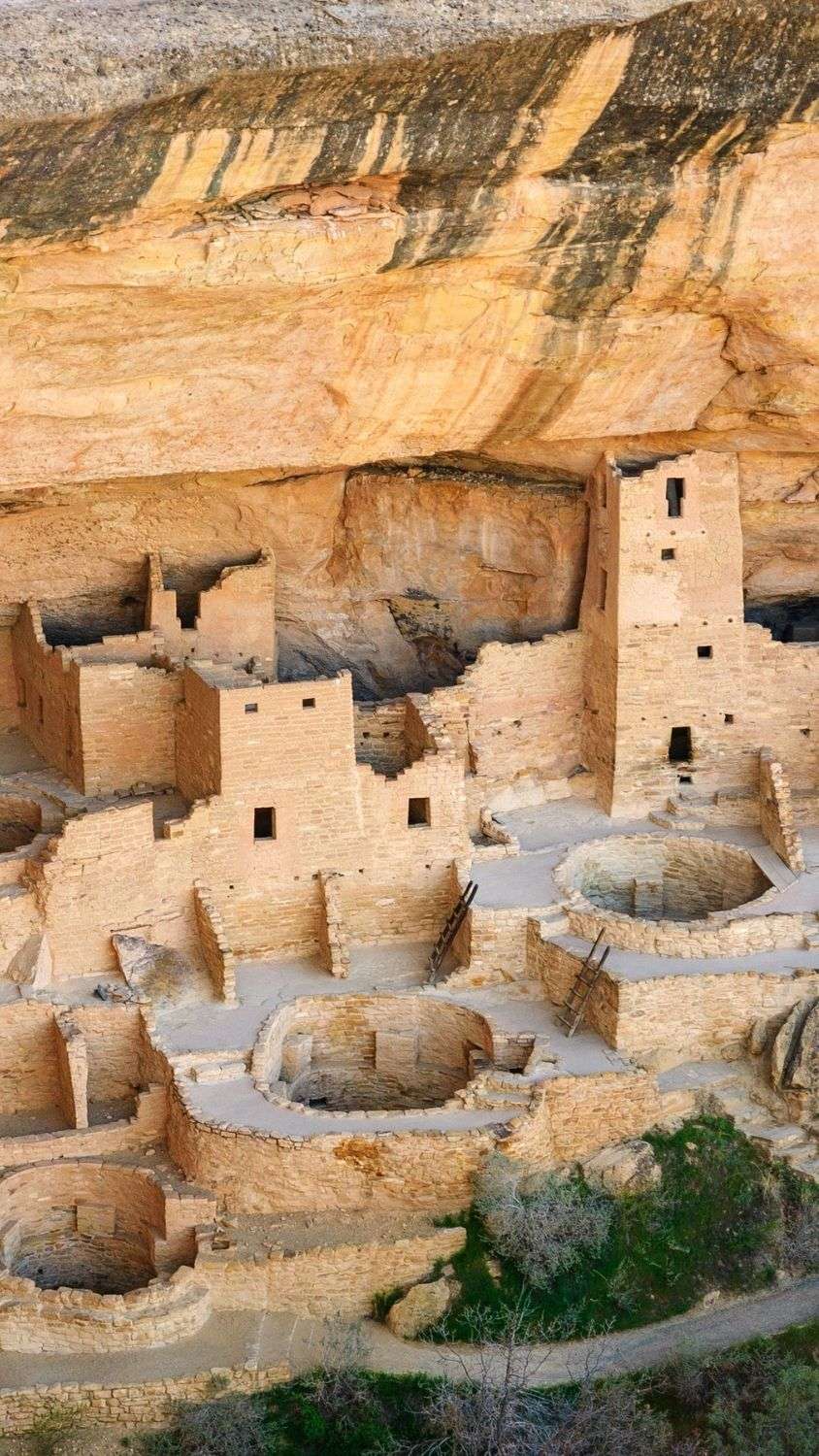
- Known for impressive ancient Puebloan cliff dwellings, including iconic structures such as Cliff Palace, Balcony House, and Long House
- Numerous archaeological sites, including mesa-top villages, pit houses, and petroglyphs, contributing to the understanding of the ancestral Puebloan civilization
- Breathtaking panoramic views of the surrounding landscapes
History
Natural History and Formation
The geological formation of Mesa Verde National Park is the result of millions of years of natural processes, including the buildup of sediments, movement of Earth’s crust, and erosion by wind and water. These processes created the high mesas, deep canyons, and sandstone cliffs that define the park’s landscape today.
Formation of Rock Layers: Millions of years ago, during the Late Cretaceous Period, the area that is now Mesa Verde was covered by a shallow sea. Sand, mud, and the remains of marine organisms collected on the seafloor and slowly hardened into layers of rock, including sandstone and shale.
Uplift of the Colorado Plateau: Over time, tectonic forces pushed the Colorado Plateau upward. This uplift raised the layers of rock and created the elevated landscape where Mesa Verde is located today.
Formation of Mesas and Canyons: After the land was uplifted, wind, rain, ice, and rivers slowly wore away the softer rock layers. Harder sandstone layers resisted erosion, leaving behind flat-topped mesas, steep cliffs, and deep canyons.
Creation of Cliff Dwellings: The erosion of sandstone cliffs created natural alcoves and sheltered spaces. The Ancestral Pueblo people used these protected areas to build cliff dwellings, including famous structures such as Cliff Palace and Balcony House.
Fire and Ecosystem Changes: Fire has been a natural part of Mesa Verde’s environment for thousands of years. Periodic fires help shape plant communities and influence the growth of species such as pinyon pine and juniper trees.
Ongoing Erosion: The landscape of Mesa Verde continues to change today. Wind, water, and freezing temperatures slowly break down rock, shaping the cliffs, mesas, and canyons over time.
The geology of Mesa Verde National Park created the unique landscape that allowed both natural ecosystems and human cultures to thrive. The sandstone cliffs and protected alcoves not only shaped the scenery but also provided important locations for the Ancestral Pueblo people to build their homes and communities.
Native History
Mesa Verde National Park has a rich Native American history centered on the Ancestral Pueblo people, who lived in the region for more than 700 years. Their communities developed farming, architecture, and cultural traditions that allowed them to thrive in the challenging environment of the Colorado Plateau.
Basketmaker Period (circa 600 - 750 CE): The earliest known inhabitants of the Mesa Verde area were Ancestral Pueblo people from the Basketmaker period. They lived in pit houses and relied on hunting, gathering, and early farming. They were skilled at making baskets, tools, and other items from natural materials.
Pueblo I Period (750 - 900 CE): During the Pueblo I period, people began building above-ground homes made from stone, mud, and wood. Villages became larger, and communities developed shared spaces such as kivas, which were used for ceremonies and social activities.
Pueblo II Period (900 - 1150 CE): The Pueblo II period brought population growth and more advanced farming methods. Ancestral Pueblo people built larger villages with masonry structures and relied heavily on crops such as corn, beans, and squash.
Pueblo III Period (1150 - 1300 CE): The Pueblo III period was the height of Ancestral Pueblo culture in Mesa Verde. During this time, people built impressive cliff dwellings in natural rock alcoves, including famous sites such as Cliff Palace, Balcony House, and Spruce Tree House. These structures provided shelter and protection while supporting large communities.
Migration from Mesa Verde (Late 1200s): By the late 1200s, many Ancestral Pueblo people left the Mesa Verde region. Scientists believe that drought, changing environmental conditions, limited resources, and social changes may have contributed to this migration. Their descendants continue to live in Pueblo communities today.
Contemporary Pueblo Peoples: Modern Pueblo communities, including the Hopi, Zuni, and other Pueblo groups, are descendants of the Ancestral Pueblo people. They maintain cultural traditions and connections to the lands where their ancestors lived, including the Mesa Verde region.
Discovery and Preservation: In the late 1800s, European American explorers brought attention to Mesa Verde’s cliff dwellings. Concerns about damage and the removal of artifacts led to the creation of Mesa Verde National Park in 1906 to protect these important cultural sites.
Mesa Verde National Park preserves one of the best examples of Ancestral Pueblo architecture and culture in North America. The cliff dwellings and archaeological sites provide important information about the lives, traditions, and achievements of the people who called this region home for centuries.
Preservation
The preservation history of Mesa Verde National Park reflects a long effort to protect its remarkable archaeological sites and the cultural heritage of the Ancestral Pueblo people. The park’s cliff dwellings, villages, and artifacts provide important information about the lives of the people who lived there for hundreds of years.
Rediscovery and Early Conservation (Late 19th Century): In the late 1800s, explorers and local residents brought attention to the cliff dwellings of Mesa Verde. Some people were concerned that artifacts and structures could be damaged or removed, leading to early efforts to study and protect the sites.
Establishment of Mesa Verde National Park (1906): Mesa Verde National Park was established on June 29, 1906, by President Theodore Roosevelt. It became the first national park created mainly to protect cultural resources rather than natural features. The park was established to preserve the cliff dwellings, kivas, and other archaeological sites built by the Ancestral Pueblo people.
Antiquities Act (1906): The Antiquities Act, passed in 1906, helped protect important historic and archaeological places on federal lands. It gave the president the ability to create national monuments and supported efforts to preserve cultural resources like those found at Mesa Verde.
Early Preservation Efforts (Early 20th Century): After the creation of the National Park Service in 1916, management of Mesa Verde focused on protecting and stabilizing archaeological structures. Preservation work included repairing damaged buildings, studying artifacts, and creating educational programs to help visitors understand the importance of the sites.
UNESCO World Heritage Site Designation (1978): Mesa Verde National Park was named a UNESCO World Heritage Site in 1978. This recognition highlighted the park’s importance as one of the best-preserved examples of ancient Native American architecture and culture in the world.
Today, Mesa Verde National Park continues to protect the achievements of the Ancestral Pueblo people through research, conservation, and education. The park preserves these important cultural resources so future generations can learn about the history and traditions of the people who lived there.
Future Preservation
Preserving Mesa Verde National Park requires ongoing efforts to protect its important archaeological sites, natural landscapes, and cultural heritage. The park faces several challenges that require careful planning, research, and cooperation to ensure that its resources remain protected for future generations.
Climate Change: Climate change may affect Mesa Verde through rising temperatures, changing rainfall patterns, and an increased risk of wildfires. These changes can impact plants, wildlife, water supplies, and the stability of ancient structures. Park managers use research and planning to help reduce these impacts.
Erosion and Weathering: The sandstone cliffs and ancient structures at Mesa Verde are slowly changed by wind, rain, ice, and temperature changes. Natural erosion and increased visitor activity can contribute to damage over time. Scientists and park staff monitor sites and use conservation methods to help protect them.
Visitor Management: Millions of people visit national parks each year, and protecting fragile archaeological sites while allowing visitors to learn about them can be challenging. Guided tours, visitor education, and carefully managed access help reduce damage while providing meaningful experiences.
Cultural Protection: Mesa Verde is an important ancestral place for many modern Pueblo communities, including the Hopi, Zuni, and other Pueblo peoples. Protecting archaeological sites while respecting Native American traditions and connections to the land requires continued cooperation and communication with tribal communities.
Use of Technology: New technologies help researchers study and protect Mesa Verde’s archaeological sites. Tools such as digital mapping, photography, and remote sensing allow scientists to monitor structures and learn more about the past while limiting physical disturbance.
Funding and Resources: Protecting Mesa Verde requires funding for research, repairs, education programs, and site maintenance. Continued support allows the National Park Service to preserve the park’s cultural and natural resources.
Protecting Mesa Verde National Park requires cooperation among the National Park Service, Native American tribes, scientists, local communities, and visitors. By addressing these challenges, the park can continue to preserve the remarkable history and achievements of the Ancestral Pueblo people for future generations.
Geography
Mesa Verde National Park, located in southwestern Colorado, is known for its remarkable archaeological sites and unique landscape. The park features high mesas, deep canyons, and towering sandstone cliffs that contain the famous cliff dwellings built by the Ancestral Pueblo people. With its combination of natural beauty and cultural history, Mesa Verde offers visitors a chance to explore ancient communities and the dramatic landscapes of the Colorado Plateau.
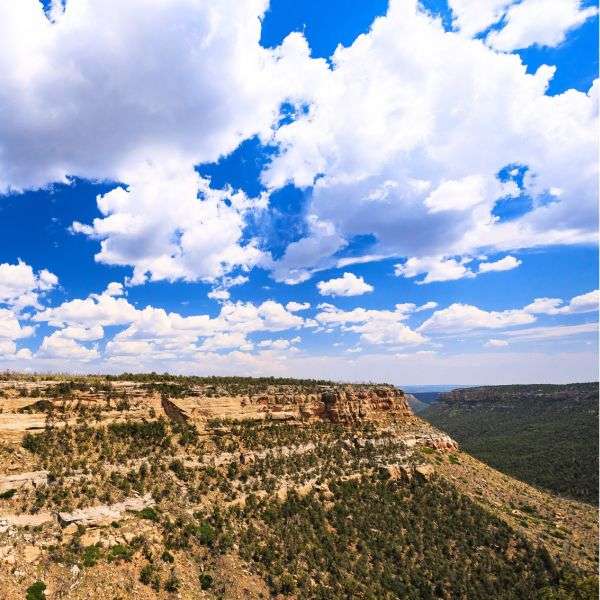
Colorado Plateau
Mesa Verde is situated on the Colorado Plateau, a region characterized by high desert terrain, deep canyons, and rugged landscapes. The park's elevation varies significantly, ranging from around 6,000 feet at the entrance to over 8,500 feet at its highest point. This variation in elevation contributes to diverse ecosystems within the park.
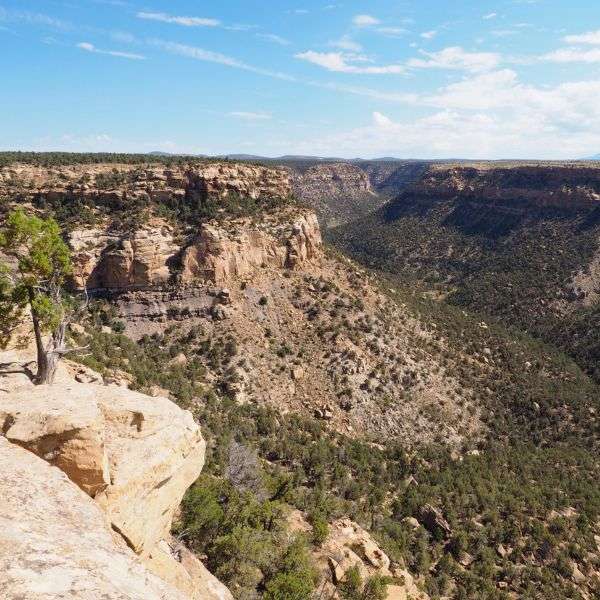
Mesa Tops and Cliffs
The park's name, Mesa Verde, translates to "green table" in Spanish. Mesa tops are flat-topped geological formations created by erosion and uplift. Mesa Verde is renowned for its cliffs, particularly those that provide sheltered alcoves where the ancestral Puebloans built their cliff dwellings. These cliffs are composed of sandstone and shale, and they rise steeply from the canyon floors.
Canyons
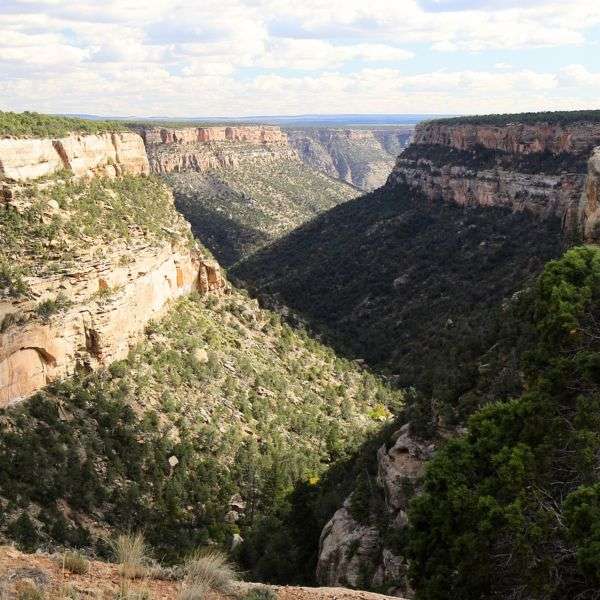
Deep canyons cut through the landscape, providing a dramatic backdrop for the park. The canyons were formed by erosion, primarily by water, over millions of years. Some of the well-known canyons include Spruce Canyon, Soda Canyon, and Prater Ridge Canyon.
Water Sources
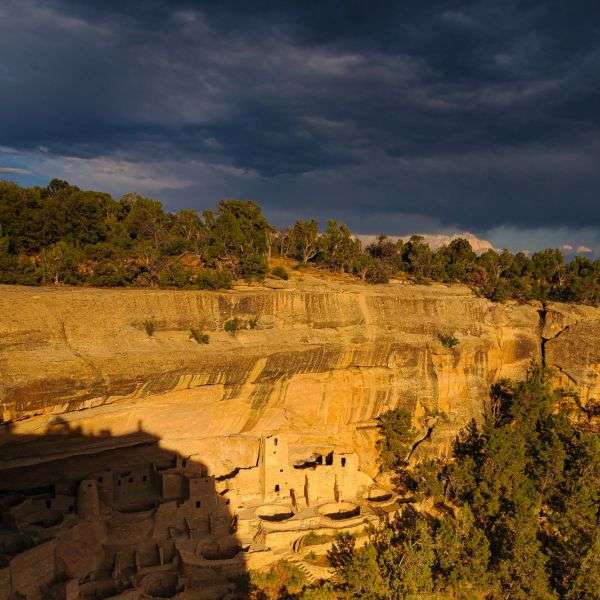
While water is scarce in the arid environment, there are springs and seeps in the canyons that have provided water sources for both ancient and modern inhabitants. These water sources are essential for supporting plant and animal life in the park.
Plants
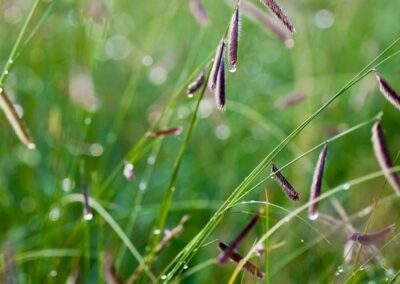
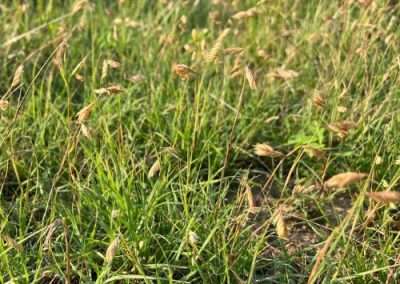
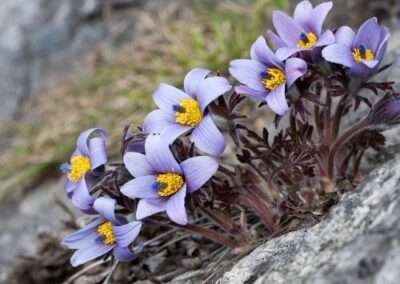
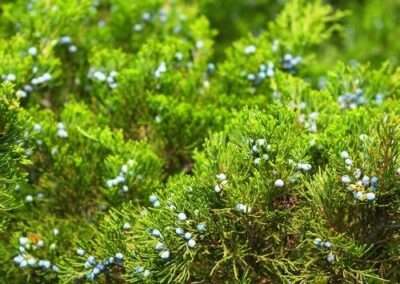
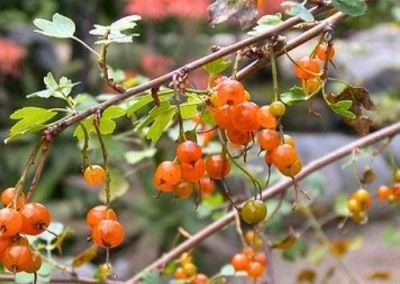
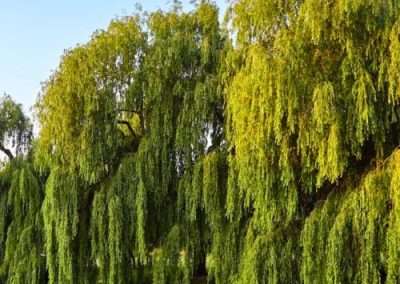
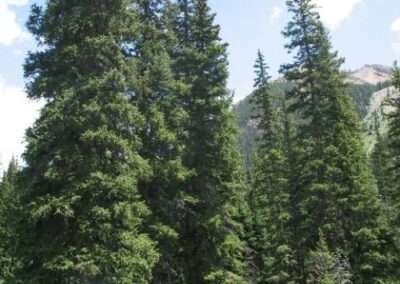
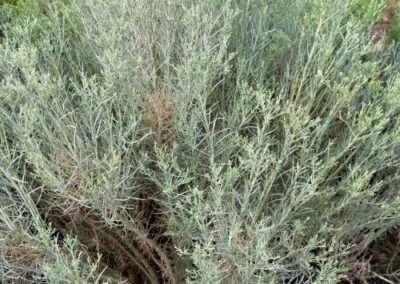
Mesa Verde National Park is best known for its ancient cliff dwellings and Ancestral Pueblo archaeological sites, but it also supports a diverse variety of plant life. The park’s flora is adapted to its dry climate, high elevations, and rugged terrain. Visitors can see forests of piñon pine and juniper, along with grasses, shrubs, wildflowers, and other plants that help create the park’s unique landscape and support local wildlife.
Animals
Mammals
```html id="c5t7yw"
Mesa Verde National Park is home to a variety of mammals that are adapted to the dry forests, grasslands, and canyons of the Colorado Plateau. These animals play important roles in the park’s ecosystem by helping maintain natural food webs and contributing to the balance of the environment.
Mule Deer (Odocoileus hemionus): Mule deer are one of the most commonly seen mammals in Mesa Verde. They live in forests, meadows, and canyon areas, where they feed on grasses, leaves, shrubs, and other vegetation.
Elk (Cervus canadensis): Elk can be found in some areas of the park, especially in forested habitats and open meadows. They feed on grasses, plants, and shrubs and are among the larger mammals in the region.
Black-tailed Jackrabbit (Lepus californicus): Black-tailed jackrabbits are well adapted to the dry environment of Mesa Verde. They are often seen in open areas and are recognized by their long ears, powerful legs, and black-tipped tails.
Coyote (Canis latrans): Coyotes are common throughout the park and are highly adaptable predators. They help control populations of smaller animals and feed on rodents, rabbits, birds, and other available food sources.
Bobcat (Lynx rufus): Bobcats are secretive predators that live in forests, canyons, and rocky areas. They are mostly active at night and hunt small mammals, birds, and reptiles.
Mountain Lion (Puma concolor): Mountain lions live in Mesa Verde but are rarely seen because they are solitary and avoid humans. These powerful predators help maintain healthy populations of deer and other prey animals.
Abert’s Squirrel (Sciurus aberti): Abert’s squirrels are found mainly in ponderosa pine forests. They are known for their large size and distinctive ear tufts, and they rely heavily on pine trees for food and shelter.
Eastern Cottontail (Sylvilagus floridanus): Eastern cottontails live in grassy areas, shrublands, and forest edges. They feed on grasses and plants and are an important food source for many predators.
Striped Skunk (Mephitis mephitis): Striped skunks are nocturnal mammals found in a variety of habitats. They are known for their black-and-white coloring and their ability to spray a strong-smelling liquid to defend themselves.
White-tailed Antelope Squirrel (Ammospermophilus leucurus): These small ground squirrels are adapted to hot, dry environments. They are often seen on mesa tops and rocky areas, where they search for seeds and plants.
Bighorn Sheep (Ovis canadensis): Bighorn sheep may be found in rocky areas and steep terrain near the park. Their strong legs and hooves allow them to move easily across cliffs and rugged landscapes.
```
Reptiles
Mesa Verde National Park is home to a variety of reptiles adapted to the dry forests, rocky cliffs, and desert-like environments of the Colorado Plateau. These reptiles play important roles in the park’s ecosystem by helping control insect and small animal populations while adding to the area’s biodiversity.
Collared Lizard (Crotaphytus collaris): Collared lizards are colorful reptiles often found on rocky slopes and open areas. They are known for the dark bands around their necks and are active during warm, sunny days.
Western Fence Lizard (Sceloporus occidentalis): Western fence lizards are common in Mesa Verde and can be found in forests, rocky areas, and along trails. They often bask on rocks and logs to warm themselves in the sun.
Plateau Striped Whiptail (Aspidoscelis velox): Plateau striped whiptails are fast-moving lizards found in open areas and dry habitats. They are active during the day and use their speed to catch insects and avoid predators.
Northern Prairie Skink (Plestiodon septentrionalis): Northern prairie skinks are small, smooth-scaled lizards that live in grasslands and areas with loose soil. They are often hidden under rocks, logs, or vegetation.
Gophersnake (Pituophis catenifer): Gophersnakes are nonvenomous snakes that live in grasslands, forests, and rocky areas. They help control rodent populations by feeding on small mammals.
Western Rattlesnake (Crotalus viridis): Western rattlesnakes are found in the region around Mesa Verde. They are generally shy and avoid people but play an important role as predators in the ecosystem.
Plateau Lizard (Sceloporus tristichus): Plateau lizards are adapted to rocky habitats and are often seen resting on rocks or other sunny surfaces. They feed mainly on insects and other small invertebrates.
Sonoran Gopher Tortoise (Gopherus morafkai): This species is not found in Mesa Verde National Park. However, other desert tortoise species live in parts of the Southwest. They are adapted to dry environments and use burrows for protection from extreme temperatures.
Eastern Collared Lizard (Crotaphytus collaris collaris): The eastern subspecies of the collared lizard is not found in Mesa Verde. The collared lizard found in the region is adapted to the rocky landscapes of the Colorado Plateau.
Eastern Yellow-bellied Racer (Coluber constrictor flaviventris): The eastern yellow-bellied racer is not found in Mesa Verde. Other racer species, including the western yellow-bellied racer, may occur in the region and are known for their speed and active hunting behavior.
Plateau Fence Lizard (Sceloporus tristichus): Plateau fence lizards are well adapted to rocky environments and are often seen basking on rocks. They are active during warmer months and feed on insects.
Birds
Mesa Verde National Park is home to a wide variety of bird species that live in its forests, canyons, grasslands, and mesa-top habitats. The park’s diverse landscapes provide nesting and feeding areas for many birds, making it a popular destination for birdwatchers and nature enthusiasts.
Peregrine Falcon (Falco peregrinus): Peregrine falcons can be seen soaring above the cliffs and canyons of Mesa Verde. These powerful birds of prey are known for their incredible speed and ability to hunt other birds in flight.
White-throated Swift (Aeronautes saxatalis): White-throated swifts are often found near cliffs and rocky areas, where they nest in cracks and crevices. They are fast, agile flyers that spend much of their time catching insects in the air.
Steller's Jay (Cyanocitta stelleri): Steller’s jays are common in the park’s ponderosa pine forests. They are easily recognized by their blue and black feathers and are known for their loud calls and intelligence.
Mountain Bluebird (Sialia currucoides): Mountain bluebirds are often seen in open meadows and grasslands. Their bright blue feathers make them one of the most noticeable birds in the park.
Turkey Vulture (Cathartes aura): Turkey vultures are large birds that often soar high above Mesa Verde. They help the ecosystem by feeding on dead animals and recycling nutrients back into the environment.
Western Tanager (Piranga ludoviciana): Western tanagers are colorful songbirds found in forests during the warmer months. Males are especially striking, with bright yellow bodies and reddish-orange faces.
Black-throated Gray Warbler (Setophaga nigrescens): These small songbirds live in pine and oak woodlands. They are known for their black, white, and gray markings and their insect-based diet.
Juniper Titmouse (Baeolophus ridgwayi): Juniper titmice are adapted to pinyon-juniper forests and are often found among juniper trees. They are small birds with gray feathers and distinctive calls.
Rufous-crowned Sparrow (Aimophila ruficeps): Rufous-crowned sparrows live in rocky slopes, shrublands, and canyon areas. They are well adapted to the dry environment of the Colorado Plateau.
Common Raven (Corvus corax): Common ravens are widespread throughout Mesa Verde. These intelligent birds are highly adaptable and can be recognized by their deep calls and large size.
Clark's Nutcracker (Nucifraga columbiana): Clark’s nutcrackers are found in conifer forests and play an important role in the ecosystem by spreading pine seeds. Their ability to remember the locations of stored seeds helps new trees grow.
Fish
Mesa Verde National Park is located in a dry region of southwestern Colorado where most of the landscape consists of mesas, canyons, and desert habitats. Because the park does not contain large rivers, lakes, or permanent streams, it supports only a limited number of fish species. The park’s ecosystems are better known for their unique plants, wildlife, and archaeological sites rather than aquatic habitats.
While fish diversity is low, some small aquatic organisms and insects live in the park’s water sources and help support the food web. These waterways are important for maintaining the overall health of the park’s ecosystem.
Amphibians
Mesa Verde National Park is located in a semi-arid region with few permanent water sources, so it supports a limited variety of amphibians. Amphibians depend on water for breeding and survival, making them less common in dry environments like Mesa Verde. However, a few species may be found in the park or nearby areas where seasonal streams, springs, and wet habitats provide suitable conditions.
Western Tiger Salamander (Ambystoma mavortium): Western tiger salamanders are found in grasslands, wetlands, and areas near temporary ponds. They have dark bodies with yellow or olive markings and spend much of their lives underground, coming out to breed when water is available.
Canyon Tree Frog (Hyla arenicolor): Canyon tree frogs are well adapted to dry environments and can live near rocky canyons, springs, and streams. Their gray or brown coloring helps them blend into rocks and desert surroundings.
Boreal Chorus Frog (Pseudacris maculata): Boreal chorus frogs are small frogs known for their loud calls during the breeding season. They are more common in wetter habitats but may appear in the Mesa Verde area during periods with increased rainfall and temporary water sources.
Although amphibians are not abundant in Mesa Verde National Park, the species that occur in the region are specially adapted to survive in a dry climate with limited water availability.
"The construction of Cliff Palace was a herculean effort, most of which occurred in a very short time, only about twenty years... Some 150 rooms-living rooms, storage rooms, and special chambers, plus nearly 75 open spaces-were eventually created."
- Rose Houk
"Amid these centuries-old dwellings, we're reminded of Mesa Verde's special place in our national park system. Many of our parks offer awe-inspiring landscapes or iconic structures, but visitors to Mesa Verde have a unique opportunity to enjoy both."
- Laura Bush
Explore More With Us
Stay updated on National Parks EDU resources, park news, community updates, and and ways to explore, and protect.

National Parks Edu's mission is to help kids and families understand what makes these places so important. Because when you learn about nature, you start to care about protecting it.
National Parks EDU is an independent educational website and is not affiliated with, endorsed by, sponsored by, or officially connected to the National Park Service (NPS) or the U.S. government. © National Parks EDU. All Rights Reserved. October 18, 2026