Mammoth Cave
National Park
Kentucky
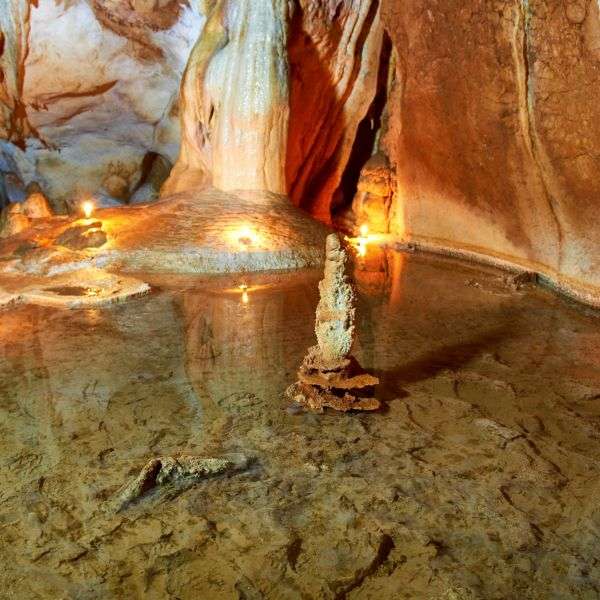
home to the world's longest-known cave system, featuring stunning underground chambers and intricate passageways
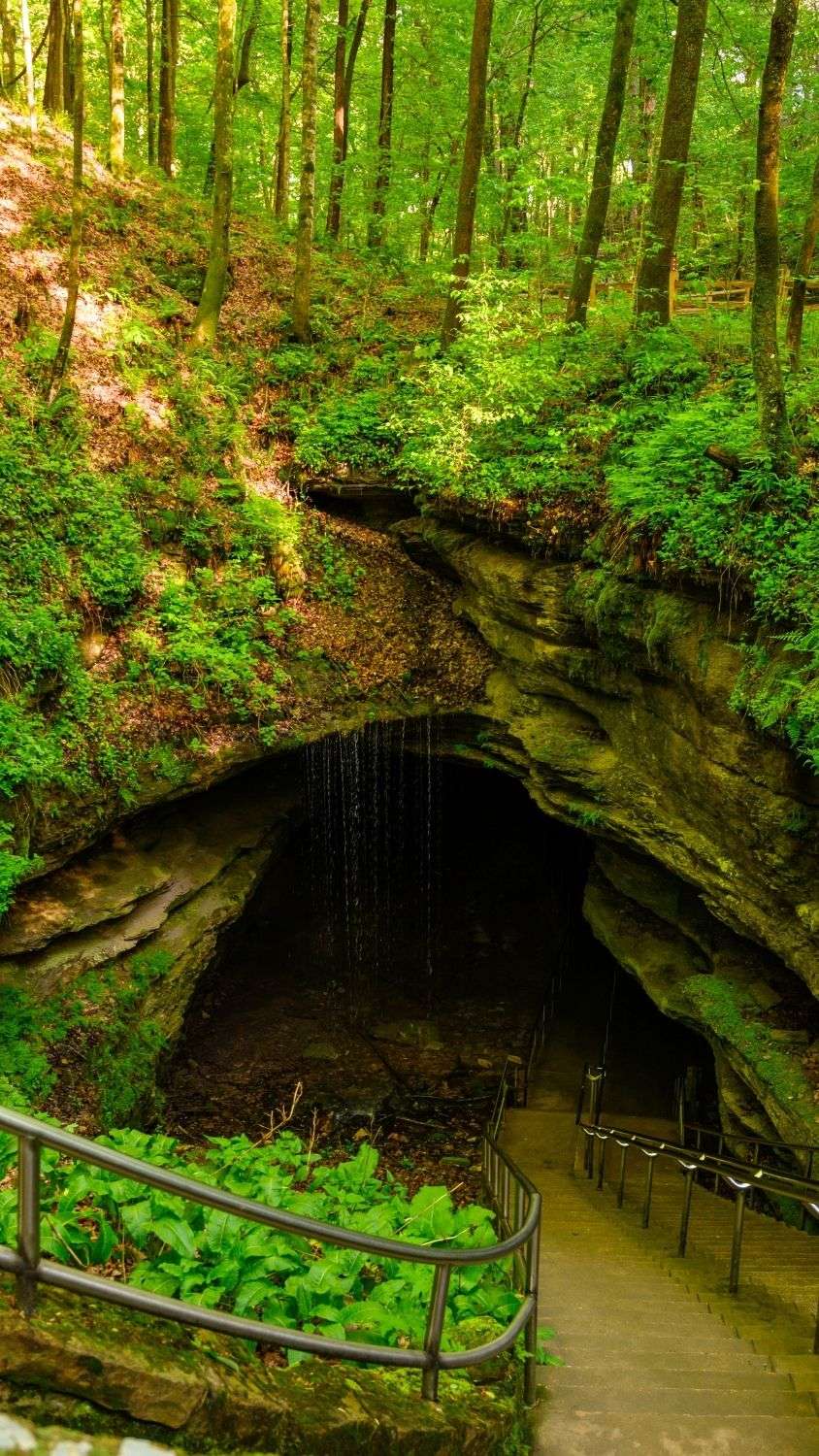
Fast Facts
Location
south-central Kentucky
Established in
1941
Established by
President Calvin Coolidge
Size
83 sq. miles
Known For
- Recognized for having the world's longest known cave system, with over 400 miles of explored passageways
- Renowned for its impressive array of stalactites, stalagmites, columns, and other unique geological formations
- The park is home to a diverse ecosystem above and below ground, with a variety of plant and animal species
History
Natural History and Formation
Mammoth Cave, located in Kentucky, is one of the longest known cave systems in the world. It formed over millions of years through the slow process of water dissolving layers of limestone beneath the ground. The cave’s passages, chambers, and rock formations show how water and geology work together to shape the Earth’s surface.
Limestone Formation: Mammoth Cave formed in thick layers of Mississippian-age limestone. These rocks developed more than 300 million years ago when the area was covered by a shallow sea. Over time, the remains of marine organisms collected on the seafloor and became limestone.
Chemical Weathering: Rainwater absorbs carbon dioxide from the air and soil, creating a weak acid called carbonic acid. As this water moves through cracks in the limestone, it slowly dissolves the rock and creates small openings that grow larger over time.
Karst Landscape Formation: The dissolving of limestone creates a karst landscape. This type of landscape includes caves, sinkholes, underground rivers, and drainage systems formed by the movement of water through soluble rock.
Cave Development: Over thousands to millions of years, flowing groundwater enlarged small cracks and tunnels into larger cave passages. Minerals carried by water later formed cave features such as stalactites, stalagmites, and other deposits.
Formation of Mammoth Cave: The large network of passages in Mammoth Cave was created by underground streams, erosion, and the continued movement of water through limestone layers. The cave is still changing today as water continues to shape its underground environment.
Mammoth Cave is a remarkable example of how natural processes can transform solid rock into a complex underground landscape. Its formation reveals the powerful effects of water, time, and geology over millions of years.
Native History
Mammoth Cave has a long Native American history that stretches back thousands of years. Indigenous peoples explored and used the cave long before European settlers arrived. Archaeological discoveries show that Native American communities interacted with the cave for practical, cultural, and possibly spiritual reasons.
Early Exploration and Use: Native Americans explored Mammoth Cave thousands of years ago. Archaeologists have discovered artifacts such as tools, pottery pieces, woven materials, and footprints preserved in the cave’s sediments, showing that people traveled deep underground.
Shelter and Cultural Importance: Native American groups may have used parts of Mammoth Cave for shelter, exploration, and ceremonial activities. The dark passages, unusual rock formations, and underground environment may have held cultural or spiritual meaning for some Indigenous communities.
Salt and Mineral Resources: The Mammoth Cave area contained valuable natural resources, including salt from nearby saline springs and minerals found inside the cave. Native peoples likely collected and used these resources for daily life, including food preservation and tool-making.
Trade and Connections: The region around Mammoth Cave was part of a larger network of travel and trade routes used by Native American groups. Natural resources from the area may have been exchanged between different communities.
Native American Tribes: Several Indigenous groups have historical connections to the region, including the Shawnee, Cherokee, and other peoples who traveled through or lived in the broader Kentucky area. The exact groups that used Mammoth Cave in ancient times are still studied by archaeologists.
Archaeological Discoveries: Evidence of Native American use includes ancient artifacts, torch marks, and other traces left behind in the cave. These discoveries help researchers understand how Indigenous peoples interacted with this unique underground environment.
Mammoth Cave was more than a natural landmark to Native American communities. It was a place connected to resources, exploration, and cultural traditions. Today, the park works to preserve and share the history of the Indigenous peoples who have long been connected to the land.
Preservation
The preservation history of Mammoth Cave National Park shows how people worked over time to protect one of the world’s most important cave systems. Efforts to preserve the cave focused on protecting its unique geology, wildlife, cultural history, and surrounding landscape.
Early Recognition of Importance: Mammoth Cave became well known in the 1800s because of its enormous size, unusual rock formations, and underground passages. Early visitors recognized that the cave was a special natural feature worth studying and protecting.
Mining and Commercial Use: In the early 1800s, parts of Mammoth Cave were used for mining saltpeter, a mineral used to make gunpowder. The cave was also developed as a tourist attraction. These activities increased awareness of the cave but also raised concerns about damage to its natural features.
Stephen Bishop’s Contributions: Stephen Bishop, an enslaved guide and explorer in the 19th century, played an important role in exploring and mapping Mammoth Cave. His knowledge of the cave helped scientists and visitors better understand its size, geology, and importance.
Growing Conservation Efforts: As more people learned about Mammoth Cave’s scientific and cultural value, conservation efforts increased. Supporters worked to protect the cave from overuse and preserve its unique underground environment for future generations.
Establishment as a National Park: Mammoth Cave National Park was established on July 1, 1941. It became the first national park created to protect a cave system. The park was established to preserve Mammoth Cave’s underground passages, geological features, and surrounding ecosystems.
UNESCO World Heritage Site: In 1981, Mammoth Cave National Park was named a UNESCO World Heritage Site because of its outstanding natural importance. This recognition highlights the cave’s value as one of the world’s most significant underground environments.
The preservation history of Mammoth Cave National Park reflects a change from using the cave for resources and tourism toward protecting it as a natural and cultural treasure. Today, conservation efforts help ensure that Mammoth Cave remains protected for scientific study, education, and future generations to enjoy.
Future Preservation
Preserving Mammoth Cave National Park for the future requires protecting both the underground cave system and the plants, animals, and waterways on the surface. Because caves are sensitive environments, small changes can have long-lasting effects on this unique natural area.
Human Impact: Millions of visitors have explored Mammoth Cave over the years, and careful management is needed to reduce damage. Foot traffic, touching cave formations, and bringing outside materials into the cave can affect delicate rock features and underground organisms.
Invasive Species: Non-native plants and animals can threaten the park’s natural ecosystems by competing with native species. Park managers work to monitor and control invasive species to help protect local biodiversity.
Water Quality and Underground Rivers: Water plays an important role in creating and maintaining Mammoth Cave. Pollution from activities outside the park, such as farming and development, can enter underground water systems and harm cave environments and wildlife.
Climate Change: Changes in temperature and rainfall patterns can affect the cave’s underground water systems. These changes may influence cave conditions, plant and animal habitats, and the natural processes that continue to shape the cave.
Scientific Research: Scientists continue to study Mammoth Cave to better understand its geology, wildlife, and underground ecosystems. Research helps park managers make decisions that protect the cave while allowing visitors to experience it responsibly.
Funding and Resources: Protecting Mammoth Cave requires enough funding, staff, and equipment. Resources are needed for conservation projects, scientific studies, visitor education, and maintaining park facilities.
Protecting Mammoth Cave National Park requires cooperation between scientists, park staff, visitors, and local communities. By balancing public access with careful conservation, the park can continue to preserve its remarkable cave system and natural environment for future generations.
Geography
Mammoth Cave National Park, located in south-central Kentucky, protects the world’s longest known cave system, with hundreds of miles of explored underground passages. The park’s geography is shaped by karst landscapes, where water has slowly dissolved limestone over millions of years to create caves, sinkholes, springs, and underground streams. Above ground, the park features forests, rivers, and rolling hills that support a variety of plants and animals. Together, the cave system and surface landscapes make Mammoth Cave National Park a unique place to explore the natural history of the region.
Cave System
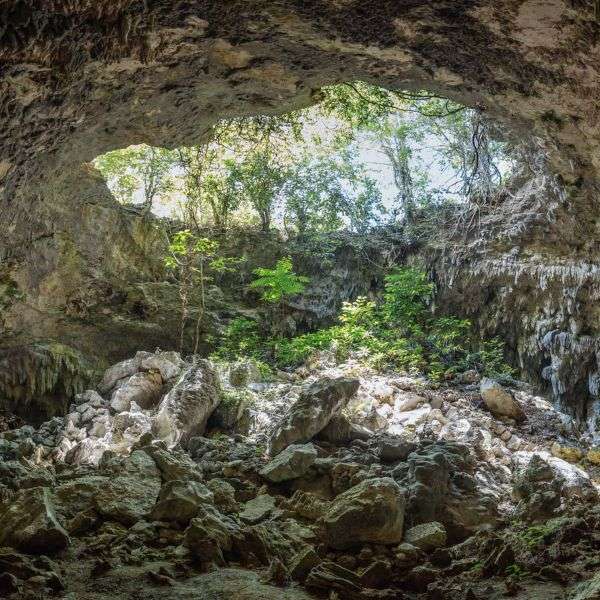
The primary geological feature of Mammoth Cave National Park is, of course, Mammoth Cave itself. The cave system is a labyrinth of interconnected passages and chambers, it has been explored for over 400 miles. Mammoth Cave is known for its remarkable stalactites, stalagmites, and other unique formations.
Karst Landscape
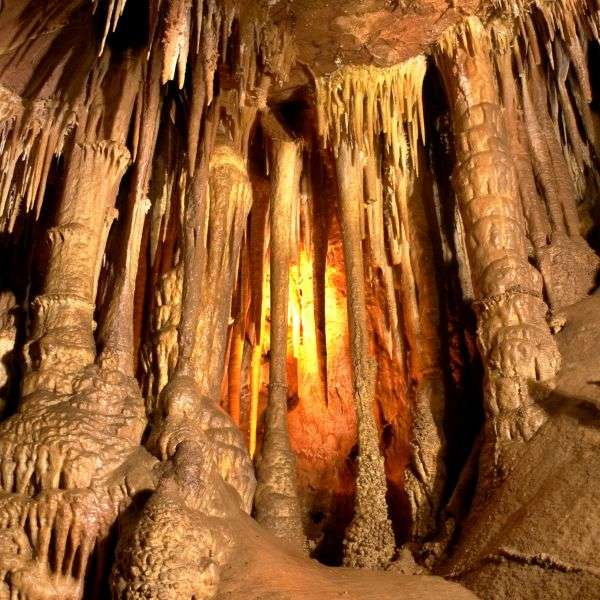
The park is situated within a region characterized by a karst landscape. Karst landscapes are formed from the dissolution of soluble rocks, such as limestone, creating features like sinkholes, underground rivers, and extensive cave systems. The limestone bedrock in the region contributes to the formation of Mammoth Cave.
Surface Features
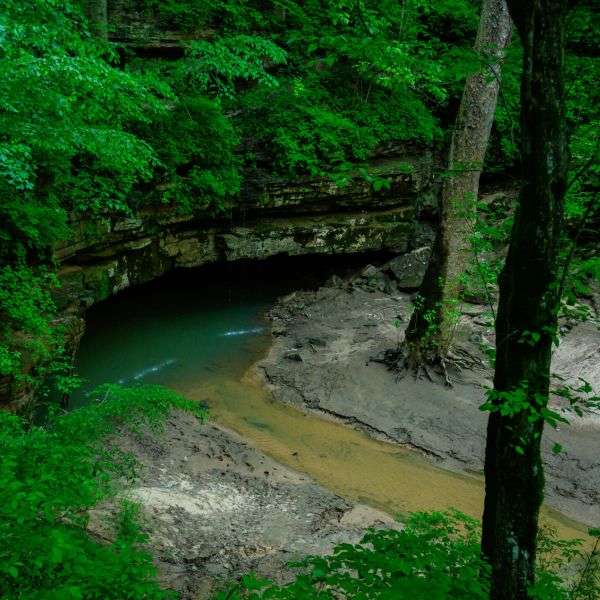
In addition to the underground cave system, the park's surface features include hills, valleys, and dense forests. Green River, one of the park's prominent waterways, meanders through the landscape. The park also contains the scenic River Styx Spring and Echo River Spring.
Plants
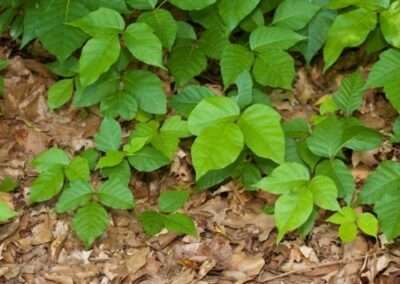
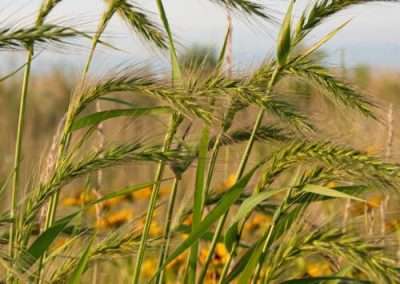
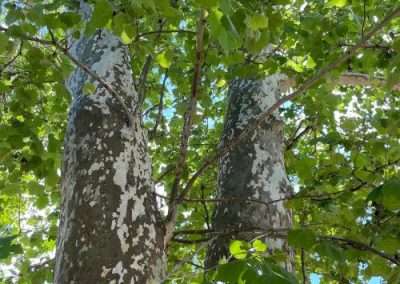
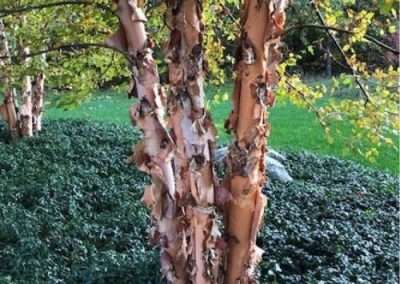
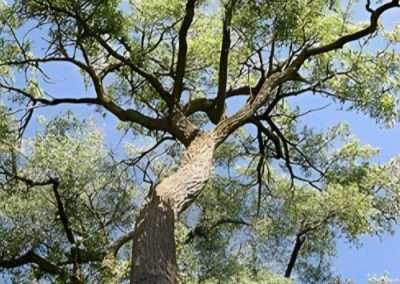
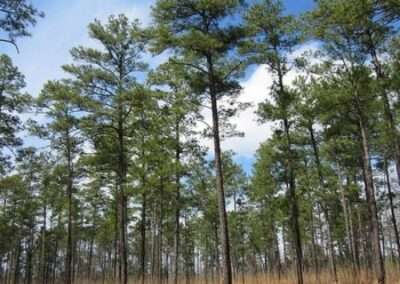
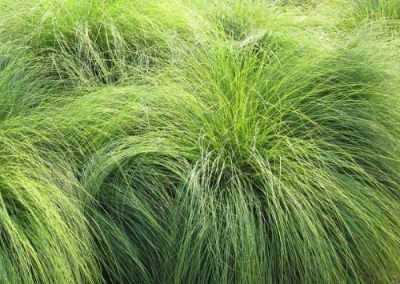
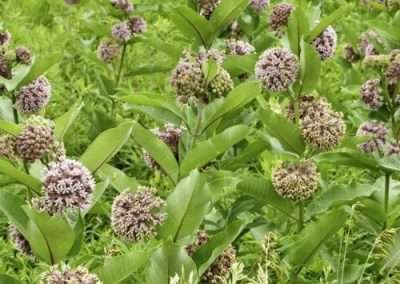
Mammoth Cave National Park is home to a wide variety of plant life found in its forests, rivers, wetlands, and cave environments. The park’s surface areas are covered with hardwood forests containing trees such as oak, hickory, and maple, along with many wildflowers, shrubs, ferns, and mosses. Some plants also grow near cave entrances where sunlight and moisture allow them to survive. These diverse plant communities provide food and shelter for wildlife and contribute to the park’s rich ecosystems and natural beauty.
Animals
Mammals
```html id="f8x3pd"
Mammoth Cave National Park provides habitat for a variety of mammal species that live in its forests, fields, rivers, and underground cave environments. These mammals range from small rodents to larger predators and play important roles in the park’s ecosystems. The cave system also provides important shelter for several bat species, making Mammoth Cave an important place for wildlife conservation.
White-Tailed Deer (Odocoileus virginianus): White-tailed deer are common throughout Mammoth Cave National Park. They are often found in forests, fields, and meadows, where they feed on grasses, leaves, shrubs, and other vegetation.
Eastern Gray Squirrel (Sciurus carolinensis): Eastern gray squirrels are abundant in the park’s hardwood forests. These active rodents collect and store nuts, helping spread seeds throughout the forest ecosystem.
Eastern Chipmunk (Tamias striatus): Eastern chipmunks are small, striped mammals found in wooded areas and along forest edges. They gather seeds, nuts, and other foods and store them in underground burrows.
Eastern Cottontail Rabbit (Sylvilagus floridanus): Eastern cottontail rabbits live in grassy areas, meadows, and forest edges. They feed on grasses and plants and are most active during the early morning and evening.
Eastern Fox Squirrel (Sciurus niger): Eastern fox squirrels are large tree-dwelling rodents found in the park’s forests. They feed mainly on nuts, seeds, and fruits and help spread plant seeds through their feeding habits.
Raccoon (Procyon lotor): Raccoons are adaptable mammals found in forests, wetlands, and areas near water. They are mostly active at night and use their sensitive paws to search for food.
Eastern Mole (Scalopus aquaticus): Eastern moles are small mammals that spend much of their lives underground. They create tunnels while searching for insects and other small organisms in the soil.
Virginia Opossum (Didelphis virginiana): The Virginia opossum is the only marsupial native to North America. These nocturnal mammals live in forests and other habitats and eat a variety of foods, including insects, fruits, and small animals.
Bobcat (Lynx rufus): Bobcats are secretive predators that live in the park’s forests and rocky areas. They hunt small mammals, birds, and other prey while helping maintain balance in the ecosystem.
Gray Bat (Myotis grisescens): Gray bats are one of the most important cave-dwelling mammals in Mammoth Cave National Park. They use caves for shelter, especially during hibernation, and are a federally endangered species that benefits from cave protection efforts.
```
Reptiles
Mammoth Cave National Park supports a variety of reptile species that live in its forests, meadows, streams, and rocky areas. The park’s warm summers, diverse habitats, and abundant food sources provide suitable environments for turtles, lizards, and snakes. These reptiles play important roles in the ecosystem by controlling insect and small animal populations and serving as food for other wildlife.
Eastern Box Turtle (Terrapene carolina carolina): Eastern box turtles are commonly found in the park’s forests and grassy areas. They are known for their high-domed shells and hinged lower shells, which allow them to close their shells for protection when threatened.
Eastern Garter Snake (Thamnophis sirtalis): Eastern garter snakes are widespread and can be found in forests, fields, and areas near water. These non-venomous snakes eat insects, amphibians, fish, and small animals.
Common Five-lined Skink (Plestiodon fasciatus): Common five-lined skinks live in wooded areas and rocky habitats. Young skinks have bright blue tails that can break off as a defense against predators and later grow back.
Eastern Rat Snake (Pantherophis alleghaniensis): Eastern rat snakes are large, non-venomous snakes found in forests and other habitats. They are excellent climbers and help control rodent populations by feeding on small mammals.
Copperhead (Agkistrodon contortrix): Copperheads are venomous snakes that live in rocky areas, forests, and near streams. They have copper-colored heads and distinctive dark bands shaped like hourglasses along their bodies.
Northern Water Snake (Nerodia sipedon): Northern water snakes are found near rivers, streams, ponds, and wetlands. These non-venomous snakes feed mainly on fish, frogs, and other aquatic animals.
Timber Rattlesnake (Crotalus horridus): Timber rattlesnakes are venomous snakes that live in forested areas and rocky habitats. They are generally shy and use their rattle as a warning when they feel threatened.
Eastern Worm Snake (Carphophis amoenus): Eastern worm snakes are small, harmless snakes that spend much of their time underground in soil and leaf litter. They mainly eat earthworms and other small invertebrates.
Broad-headed Skink (Plestiodon laticeps): Broad-headed skinks are large lizards found in forested habitats. They are strong climbers and often spend time in trees searching for insects and other small prey.
Birds
Mammoth Cave National Park provides habitat for a wide variety of bird species that live in its forests, rivers, meadows, and open areas. The park’s diverse ecosystems support songbirds, woodpeckers, owls, and birds of prey throughout the year. These birds play important roles in the ecosystem by controlling insect populations, spreading seeds, and helping maintain the balance of the park’s natural communities.
Pileated Woodpecker (Dryocopus pileatus): The pileated woodpecker is one of the largest woodpeckers in North America. It is known for its bright red crest and can often be seen searching for insects in the park’s mature forests.
Eastern Bluebird (Sialia sialis): Eastern bluebirds are commonly found in open fields, meadows, and forest edges. These colorful birds feed on insects, berries, and small fruits.
Tufted Titmouse (Baeolophus bicolor): Tufted titmice are small woodland birds with a gray body, black forehead, and pointed crest. They are often seen in deciduous forests searching for insects and seeds.
Carolina Chickadee (Poecile carolinensis): Carolina chickadees are small, active birds found in forests and wooded areas. They are recognized by their black caps and cheerful calls.
American Goldfinch (Spinus tristis): American goldfinches are bright yellow during the breeding season and are commonly found in open areas with grasses and wildflowers. They feed mainly on seeds.
Red-tailed Hawk (Buteo jamaicensis): Red-tailed hawks are large birds of prey that soar over forests and fields while searching for small mammals and other prey.
Eastern Screech-Owl (Megascops asio): Eastern screech-owls are small, nocturnal owls found in wooded areas. They have excellent camouflage and can occur in gray or reddish-brown color patterns.
Bald Eagle (Haliaeetus leucocephalus): Bald eagles may occasionally be seen near rivers, lakes, and other bodies of water in and around the park. They feed mainly on fish and are recognized by their white heads and tails.
Northern Cardinal (Cardinalis cardinalis): Northern cardinals are common year-round residents of the park. Males are known for their bright red feathers, while females have a more reddish-brown appearance.
Fish
Mammoth Cave National Park supports a variety of fish species found in its rivers, streams, springs, ponds, and underground waterways. These aquatic habitats provide homes for both common freshwater fish and unique cave-adapted species. Fish play important roles in the park’s ecosystems by supporting food chains and helping maintain healthy aquatic environments.
Green Sunfish (Lepomis cyanellus): Green sunfish are commonly found in slow-moving streams, ponds, and quiet areas of rivers. They are hardy fish with a greenish color and feed on insects, small fish, and other aquatic organisms.
Longear Sunfish (Lepomis megalotis): Longear sunfish live in clear streams with rocky bottoms. They are known for their colorful bodies and the long flap behind their gills.
Bluegill (Lepomis macrochirus): Bluegill are common freshwater fish found in ponds, lakes, and slow-moving streams. They are popular with anglers and feed on insects, small crustaceans, and other small organisms.
Smallmouth Bass (Micropterus dolomieu): Smallmouth bass prefer clear, cool rivers and streams with rocky areas. They are strong predators that feed on smaller fish, crayfish, and insects.
Largemouth Bass (Micropterus salmoides): Largemouth bass live in lakes, ponds, and slow-moving rivers. They are important sport fish and are known for their large mouths and ability to hunt other fish.
Black Crappie (Pomoxis nigromaculatus): Black crappie are freshwater fish commonly found in lakes and ponds. They have dark markings and feed on small fish and aquatic insects.
Redear Sunfish (Lepomis microlophus): Redear sunfish, also called shellcrackers, are found in lakes and rivers with sandy or gravel bottoms. They are known for eating snails and other hard-shelled aquatic animals.
Channel Catfish (Ictalurus punctatus): Channel catfish live in rivers, lakes, and deeper pools. They use their whisker-like barbels to locate food and are popular among anglers.
White Crappie (Pomoxis annularis): White crappie are found in lakes, ponds, and slow-moving waters. They are similar to black crappie but usually have lighter coloring and different markings.
Rainbow Darter (Etheostoma caeruleum): Rainbow darters are small, colorful fish found in clear streams with rocky bottoms. They feed on small insects and other tiny aquatic organisms.
Kentucky Cavefish (Troglichthys rosae): The Kentucky cavefish is a rare, eyeless fish adapted to life in underground cave waters. It uses other senses to navigate and find food in the dark cave environment.
Sculpin Species: Several sculpin species, including the mottled sculpin, live in the park’s streams and rivers. These small fish prefer cool, clear waters and rocky habitats.
Amphibians
Mammoth Cave National Park provides habitats for many amphibian species, including frogs, toads, and salamanders. The park’s forests, streams, wetlands, and ponds create ideal environments for amphibians, which depend on moist habitats to survive. Amphibians are important parts of the ecosystem because they help control insect populations and serve as food for other wildlife.
Eastern American Toad (Anaxyrus americanus): Eastern American toads are common in forests, gardens, and meadows throughout the region. They have dry, bumpy skin and are known for their loud calls during the breeding season.
Northern Spring Peeper (Pseudacris crucifer): Northern spring peepers are small tree frogs named for their high-pitched calls that are often heard near wetlands and ponds in early spring.
Eastern Newt (Notophthalmus viridescens): Eastern newts have a unique life cycle with a land-dwelling juvenile stage called a red eft. Adults live in ponds, lakes, and slow-moving streams.
American Bullfrog (Lithobates catesbeianus): American bullfrogs are large frogs found in ponds, lakes, and slow-moving waters. They are recognized by their deep, booming calls and powerful swimming ability.
Southern Leopard Frog (Lithobates sphenocephalus): Southern leopard frogs live in wetlands, ponds, and streams. They have dark spots on their backs and are active hunters of insects and other small animals.
Cope's Gray Treefrog (Hyla chrysoscelis): Cope’s gray treefrogs are excellent climbers and spend much of their time in trees and shrubs. Their color can change from gray to green depending on their surroundings.
Pickerel Frog (Lithobates palustris): Pickerel frogs are found near wetlands, streams, and ponds. They have square-shaped dark spots along their backs and produce skin secretions that help protect them from predators.
Eastern Red-backed Salamander (Plethodon cinereus): Eastern red-backed salamanders are small land salamanders found in moist forests under logs, rocks, and leaf litter. Many have a reddish stripe running down their backs.
Northern Slimy Salamander (Plethodon glutinosus): Northern slimy salamanders live in forested areas and rocky habitats. They produce a sticky substance as a defense against predators.
Four-toed Salamander (Hemidactylium scutatum): Four-toed salamanders are small salamanders that live near wetlands and mossy areas. They are named for the four toes found on each hind foot.
Mole Salamander Species: Several mole salamanders, including spotted and marbled salamanders, may be found in the park. They spend much of their lives underground or hidden beneath logs and forest debris.
Eastern Hellbender (Cryptobranchus alleganiensis): Eastern hellbenders are large aquatic salamanders that require clean, fast-moving streams. They have flattened bodies and are important indicators of healthy freshwater ecosystems.
"No changes of seasons, no sound of storm or thunder penetrate here; winter and summer, day and night, peace or war, it is all one; a world beyond the reach of change."
- John Burroughs
“Grand, gloomy and peculiar”
- Stephen Bishop
"He didn’t miss a single ramification in that great crack in the face of Mother Nature… I asked him what he thought of the Mammoth Cave, “Well, taking it as a hole, it is all right.”
- Strickland W. Gillilan
"Water is the engineer who built this tunnel, and of course, his work is done evenly and well. Every passage may be trusted to lead quite through to some other, and the floor and the ceiling are finished, & usually smooth."
- Ralph Waldo Emerson
Explore More With Us
Stay updated on National Parks EDU resources, park news, community updates, and and ways to explore, and protect.

National Parks Edu's mission is to help kids and families understand what makes these places so important. Because when you learn about nature, you start to care about protecting it.
National Parks EDU is an independent educational website and is not affiliated with, endorsed by, sponsored by, or officially connected to the National Park Service (NPS) or the U.S. government. © National Parks EDU. All Rights Reserved. October 17, 2026