Lake Clark
National Park
Alaska
a diverse and pristine wilderness, with towering mountains, expansive lakes, and vibrant ecosystems
Fast Facts
Location
southwestern Alaska
Established in
1980
Established by
President Jimmy Carter
Size
6,297 sq. miles
Known For
- Renowned for its breathtaking landscapes, featuring towering mountain ranges, pristine lakes, and lush wilderness
- The park is home to a variety of ecosystems, including coastal rainforests, tundra, and glaciers
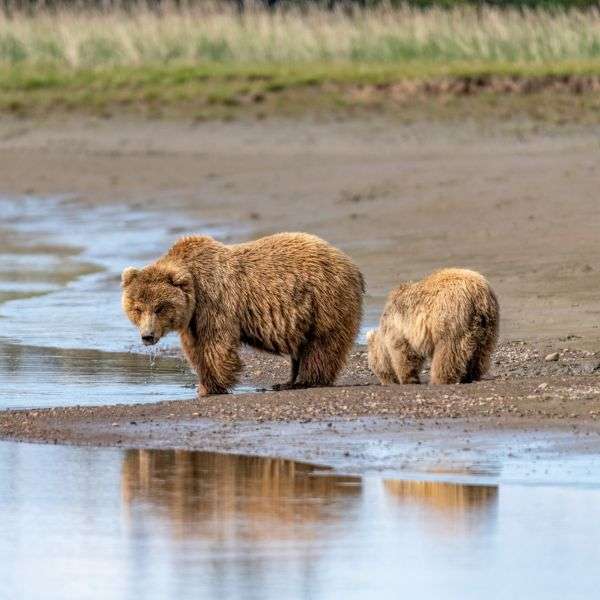
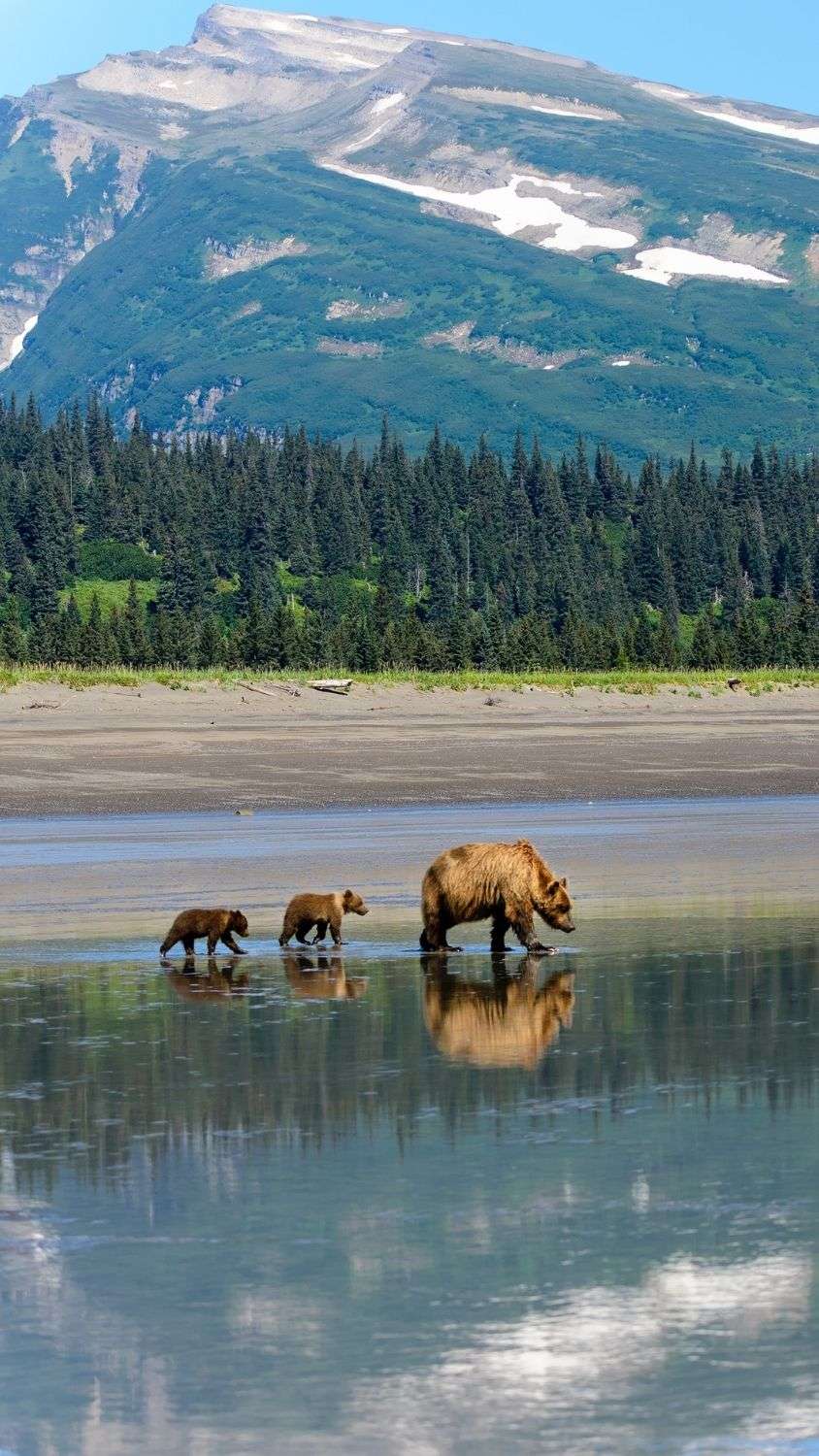
- Lake Clark is famous for its healthy population of brown bears
History
Natural History and Formation
Lake Clark National Park and Preserve's geological history reflects millions of years of volcanic activity, tectonic forces, glacial sculpting, and erosion. These powerful natural processes have created the park's dramatic landscapes, including active volcanoes, rugged mountain ranges, glacial valleys, and vast freshwater systems.
Tectonic Setting: Lake Clark National Park lies within the active tectonic boundary where the Pacific Plate is being forced beneath the North American Plate. This subduction zone has driven mountain building, earthquakes, and volcanic activity throughout southwestern Alaska, shaping the region's complex geology.
Volcanic Activity: The park is located within the Pacific Ring of Fire, one of the world's most active volcanic and seismic regions. The Aleutian Range runs through the area, and active volcanoes such as Redoubt Volcano have contributed to the formation and continued evolution of the landscape through eruptions and lava flows.
Formation of Volcanic Calderas: Lake Clark contains several volcanic features, including large calderas formed when volcanic structures collapsed following major eruptions. These crater-like depressions created unique geological formations and influenced the surrounding terrain.
Glacial Processes: During the Pleistocene Epoch, repeated cycles of glaciation dramatically reshaped the park. Advancing and retreating glaciers carved deep valleys, mountain passes, and lake basins while leaving behind features such as moraines and glacial deposits.
Formation of Iliamna Lake: Iliamna Lake, one of Alaska's largest freshwater lakes, occupies a basin shaped by ancient glacial activity. The lake and surrounding valleys demonstrate the powerful influence of glaciers on the region's topography.
Mountain Building and Landscape Formation: The Alaska Range and Aleutian Range within and around the park were formed through long-term tectonic uplift. These mountain systems create dramatic peaks, steep valleys, and diverse habitats across the park.
Rock Diversity: The park contains a variety of rock types, including volcanic rocks created by eruptions, sedimentary rocks formed from deposited materials, and metamorphic rocks altered by heat and pressure. This geological diversity contributes to the park's varied scenery.
Ongoing Geological Processes: Lake Clark's landscape continues to change through active geological processes such as earthquakes, volcanic activity, erosion, and glacial movement. These forces continue to reshape the park and provide scientists with opportunities to study Earth's dynamic systems.
The geological history of Lake Clark National Park and Preserve is a story of powerful natural forces working over millions of years. The interaction of tectonic activity, volcanoes, glaciers, and erosion has created the park's extraordinary wilderness of mountains, lakes, glaciers, and valleys.
Native History
Lake Clark National Park and Preserve has a deep cultural history shaped by the Dena'ina Athabascan people, who have lived in and around the region for thousands of years. Their traditions, knowledge, and connection to the landscape remain an important part of the park's cultural heritage.
Dena'ina Athabascan People: The Dena'ina Athabascan people are the traditional inhabitants of the Lake Clark region. Their culture is closely tied to the land, rivers, lakes, and wildlife of southwestern Alaska, with generations of knowledge passed down through oral traditions, stories, and cultural practices.
Traditional Subsistence Lifestyle: The Dena'ina historically relied on hunting, fishing, and gathering to meet their needs. Salmon, moose, caribou, berries, and other natural resources provided food, clothing materials, tools, and other necessities. Their lifestyle was based on careful stewardship and an understanding of seasonal resource cycles.
Seasonal Migration and Resource Use: The Dena'ina practiced seasonal movements throughout their traditional territory to access different resources at the appropriate times of year. Fishing camps, hunting areas, and gathering sites were used according to patterns of salmon runs, wildlife movements, and plant availability.
Cultural Sites and Archaeological Evidence: Lake Clark National Park and Preserve contains numerous cultural sites that reflect the long-standing presence of the Dena'ina people. Archaeological remains, traditional campsites, and historic locations provide evidence of generations of human interaction with the landscape.
Connection to the Land and Water: The Dena'ina view the landscape as deeply interconnected with their cultural identity. Mountains, rivers, lakes, and wildlife are not only sources of resources but also important elements of their stories, traditions, and spiritual relationships with the natural world.
Traditional Knowledge and Practices: Dena'ina traditional ecological knowledge contributes valuable insights into wildlife behavior, weather patterns, plant use, and environmental changes. This knowledge continues to influence cultural practices and resource management today.
Ceremonial and Cultural Traditions: The Dena'ina maintain cultural traditions that include storytelling, songs, dances, and ceremonies. These practices preserve history, reinforce community connections, and pass cultural knowledge between generations.
Collaboration with the National Park Service: The National Park Service works with Dena'ina communities to preserve cultural resources and incorporate Indigenous perspectives into park management and interpretation. These partnerships help protect archaeological sites, document oral histories, and share the cultural significance of the region with visitors.
Modern Subsistence Practices: Many Dena'ina people continue to practice subsistence activities today, including fishing, hunting, and gathering. These activities remain an important connection to ancestral traditions and demonstrate the continuing relationship between Indigenous communities and the Lake Clark landscape.
Lake Clark National Park and Preserve represents not only a remarkable natural environment but also a living cultural landscape. The enduring presence and traditions of the Dena'ina Athabascan people are essential to understanding the history, significance, and stewardship of this unique Alaskan region.
Preservation
Lake Clark National Park and Preserve has a preservation history centered on protecting its extraordinary natural landscapes, diverse ecosystems, and rich cultural heritage. The park's remote wilderness, volcanic features, glaciers, wildlife, and connection to the Dena'ina Athabascan people have all played a role in shaping its conservation mission.
Establishment as a National Park and Preserve: Lake Clark National Park and Preserve was established on December 2, 1980, through the Alaska National Interest Lands Conservation Act (ANILCA). This landmark legislation expanded protections for millions of acres of Alaska's public lands and recognized the importance of preserving the region's ecological, geological, and cultural resources.
Protection of Diverse Ecosystems: The park was created to protect a remarkable variety of environments, including active volcanoes, glaciers, alpine tundra, forests, rivers, lakes, and coastal ecosystems. These habitats support a wide range of wildlife species and preserve important ecological processes within southwestern Alaska.
Preservation of Cultural Heritage: A key part of Lake Clark's preservation mission is protecting the cultural heritage of the Dena'ina Athabascan people. Archaeological sites, traditional use areas, and cultural resources are managed to preserve the long history of Indigenous connections to the land and waters of the region.
Wilderness Protection: Lake Clark National Park and Preserve protects a vast area of largely undeveloped wilderness. Preservation efforts focus on maintaining the park's remote character, protecting natural landscapes, and allowing visitors to experience Alaska's wilderness with minimal human disturbance.
Collaboration with Native Communities: The National Park Service works with Dena'ina communities and other local partners to incorporate Indigenous knowledge and perspectives into conservation and resource management. These partnerships help ensure that traditional practices and cultural values are respected in park decisions.
Wildlife and Habitat Conservation: Preservation efforts focus on safeguarding important habitats for species such as brown bears, salmon, moose, caribou, and marine wildlife. Protecting intact ecosystems allows natural wildlife behaviors and ecological relationships to continue.
Scientific Research and Monitoring: Research and monitoring programs help scientists and park managers understand changes in glaciers, volcanoes, wildlife populations, vegetation, and climate conditions. This information supports adaptive management strategies designed to protect the park over the long term.
Visitor Education and Stewardship: Lake Clark National Park promotes responsible visitation through educational programs, interpretive materials, and outreach efforts. These programs help visitors understand the importance of protecting the park's natural and cultural resources while experiencing its wilderness.
Balancing Conservation and Public Access: Management of Lake Clark involves balancing opportunities for recreation and tourism with the need to preserve fragile ecosystems and cultural resources. Careful planning helps maintain the park's wilderness character while allowing visitors to appreciate its unique landscapes.
The preservation history of Lake Clark National Park and Preserve reflects a long-term commitment to protecting one of Alaska's most diverse and spectacular landscapes. Through conservation efforts, scientific research, Indigenous collaboration, and responsible stewardship, the park continues to safeguard its natural and cultural treasures for future generations.
Future Preservation
Preserving Lake Clark National Park and Preserve for future generations requires addressing a range of challenges related to climate, wilderness management, wildlife conservation, and cultural resource protection. The park's remote location and dynamic natural systems make conservation efforts complex and require ongoing adaptation.
Climate Change: Climate change is one of the greatest challenges facing Lake Clark National Park. Rising temperatures, melting glaciers, changing precipitation patterns, and shifting seasons can alter ecosystems, affect wildlife habitats, and influence natural processes throughout the park.
Glacial Retreat and Landscape Change: Glaciers and ice fields are important features of Lake Clark's landscape, but warming temperatures are causing many glaciers to shrink. These changes can affect water systems, vegetation patterns, and habitats for species that depend on cold environments.
Visitor Impact: As interest in Alaska's wilderness grows, managing visitor use while protecting fragile ecosystems remains a challenge. Maintaining trails, reducing human disturbance, promoting Leave No Trace practices, and educating visitors about responsible recreation are important parts of preserving the park.
Wildlife Management: Lake Clark supports abundant wildlife, including brown bears, salmon, moose, caribou, and many other species. Protecting wildlife populations while reducing human-wildlife conflicts, particularly with bears, requires careful management and public education.
Invasive Species: Invasive plants and animals can threaten native ecosystems by competing with local species and altering habitats. Monitoring, preventing introductions, and controlling invasive species are ongoing conservation priorities.
Cultural Resource Preservation: Protecting Dena'ina Athabascan cultural sites, archaeological resources, and traditional landscapes is an important preservation challenge. Climate change, erosion, and increased visitation can threaten these resources, requiring careful management and collaboration with Indigenous communities.
Volcanic and Natural Hazards: The park's location within the Pacific Ring of Fire means it is affected by natural hazards such as earthquakes, volcanic activity, landslides, and wildfires. Preparing for and responding to these events is essential for protecting both natural and cultural resources.
Limited Access and Infrastructure: The park's remote wilderness creates challenges for transportation, emergency response, research, and maintenance. Developing necessary infrastructure while preserving the park's wild character requires careful planning.
Limited Funding and Resources: Like many protected areas, Lake Clark faces challenges related to staffing, funding, and resource availability. Adequate support is necessary for scientific research, monitoring programs, visitor management, and conservation projects.
Scientific Research and Monitoring: The park's changing ecosystems require continued research to understand impacts from climate change, wildlife population changes, and geological processes. Long-term monitoring helps managers make informed conservation decisions.
Addressing these challenges requires cooperation among the National Park Service, Dena'ina communities, scientists, government agencies, and visitors. Through adaptive management, research, and responsible stewardship, Lake Clark National Park and Preserve can continue to protect its remarkable natural and cultural heritage for future generations.
Geography
Lake Clark National Park and Preserve, located in southwestern Alaska, encompasses a spectacular landscape of mountains, glaciers, forests, lakes, rivers, and coastal environments. The park's geography is defined by the dramatic Chigmit Mountains, the expansive waters of Lake Clark, active volcanoes, and the winding rivers that support abundant wildlife. From rugged alpine peaks and tundra-covered slopes to coastal rainforests and salmon-rich waterways, Lake Clark showcases the remarkable diversity of Alaska's wilderness. Its remote and largely undeveloped landscapes provide visitors with an opportunity to experience the breathtaking scenery, ecological richness, and dynamic natural processes that shape this extraordinary region.
Mountains and Ranges
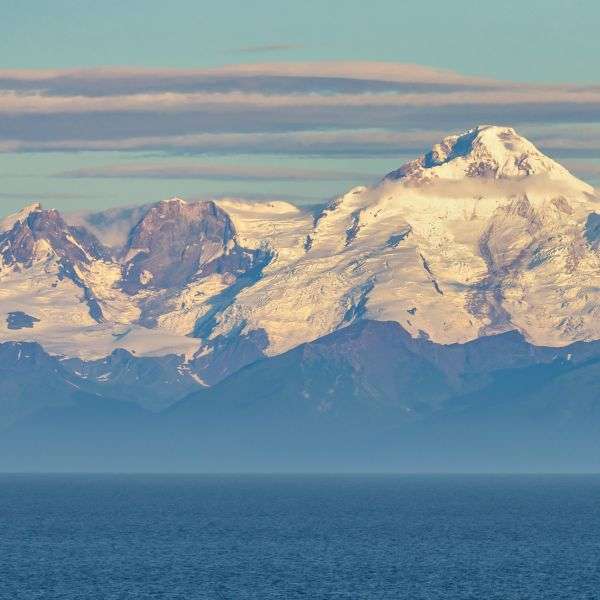
The park is home to several mountain ranges, including parts of the Alaska Range and the Aleutian Range. These mountainous terrains contribute to the park's rugged and scenic landscapes, featuring peaks, ridges, and deep valleys.
Volcanoes
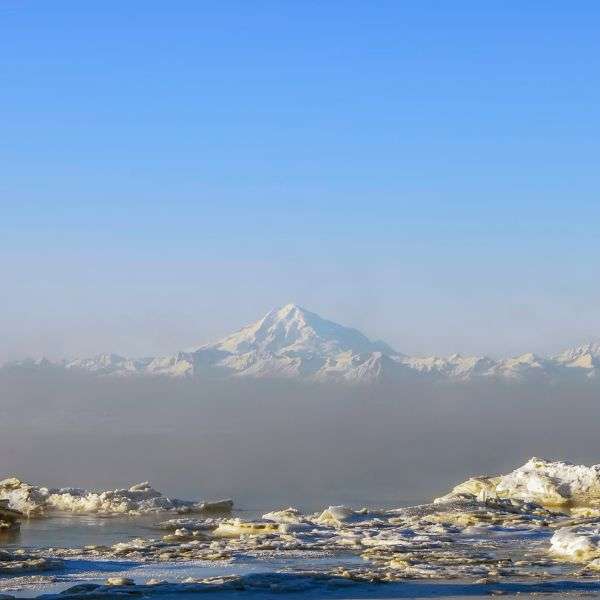
Lake Clark National Park is part of the Pacific Ring of Fire, an area known for its volcanic activity. The park includes several active volcanoes, such as Redoubt and Iliamna. These volcanoes contribute to the region's geothermal features and diverse landforms.
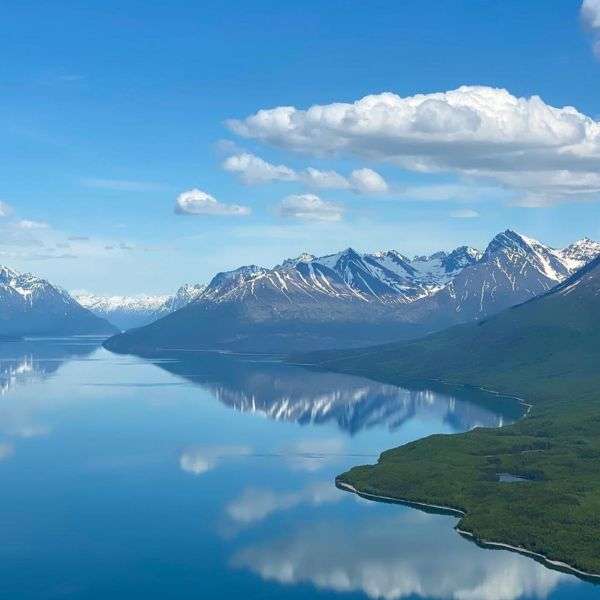
Iliamna Lake
Iliamna Lake, one of the largest and least developed lakes in Alaska, is a prominent feature within the park. The lake covers a significant area and is surrounded by mountains, offering spectacular views and opportunities for recreation.
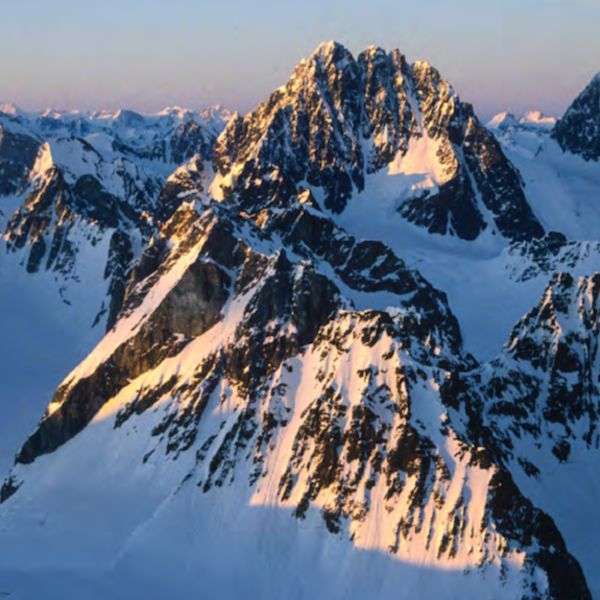
Glaciers
Glacial features are present in the park, including glaciers like the Tuxedni and Neacola Glaciers. Glacial activity has sculpted the landscape, creating valleys, fjords, and moraines.
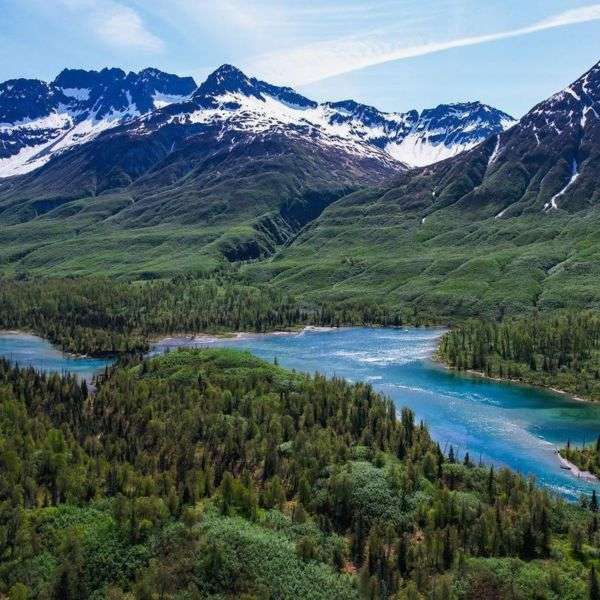
Tundra and Forests
The park features a mix of tundra, characterized by low-growing vegetation adapted to the Arctic climate, and forests consisting of spruce, birch, and alder. The vegetation varies based on elevation and proximity to water bodies.
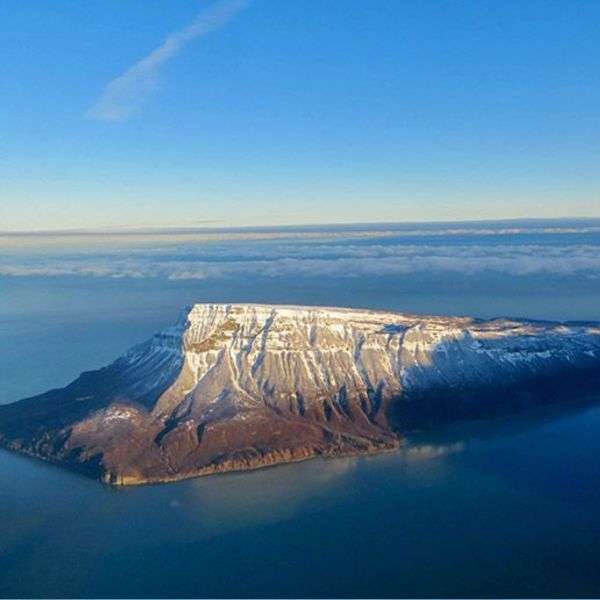
Islands
Off the coast, the park includes several islands, such as Chisik Island and Duck Island. These islands contribute to the coastal ecosystems and provide habitat for marine wildlife.
Plants
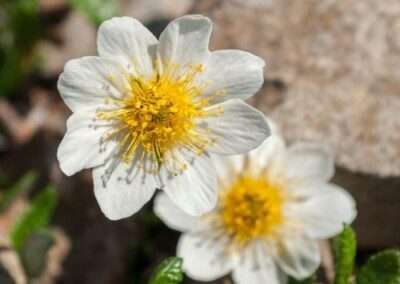
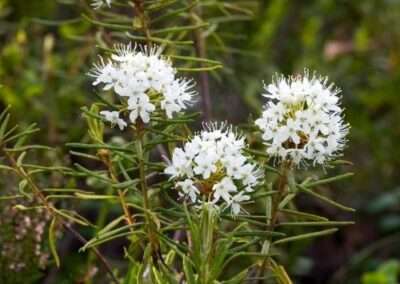
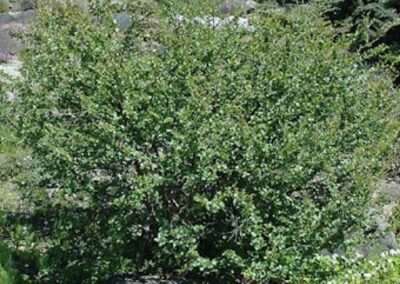
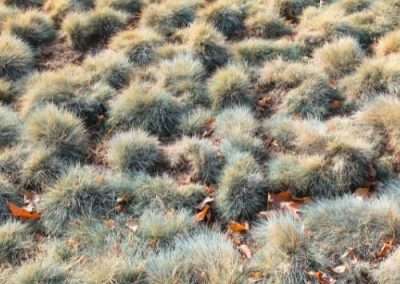
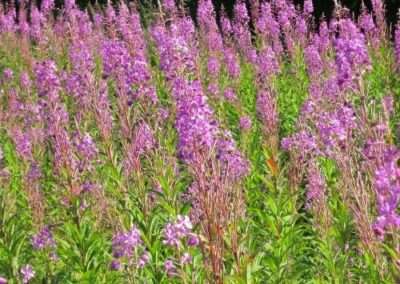
Lake Clark National Park and Preserve is home to a remarkable diversity of plant life, shaped by its varied landscapes that range from coastal forests and wetlands to alpine tundra and mountain meadows. The park's flora includes hardy trees, shrubs, mosses, lichens, and vibrant wildflowers adapted to Alaska's changing climates and rugged terrain. These plant communities play a vital role in supporting wildlife, maintaining ecosystems, and adding to the scenic beauty of one of Alaska's most pristine wilderness areas.
Animals
Mammals
Lake Clark National Park and Preserve supports a remarkable diversity of mammal species adapted to its varied landscapes, including coastal areas, forests, wetlands, mountains, and tundra. These mammals play important roles in the park's ecosystems, from maintaining predator-prey relationships to shaping habitats through their natural behaviors. Visitors have the opportunity to encounter a wide range of wildlife, including some of Alaska's most iconic species.
Brown Bear (Ursus arctos horribilis): Lake Clark is renowned for its healthy population of brown bears. The park provides important habitat for these iconic Alaskan mammals, and visitors often have opportunities to observe them foraging along coastal areas, rivers, and meadows.
Moose (Alces alces): Moose are common throughout the park's boreal forests, wetlands, and riparian areas. These large herbivores feed on vegetation such as shrubs, aquatic plants, and tree growth.
Caribou (Rangifer tarandus): Caribou inhabit the tundra and mountainous regions of Lake Clark National Park. They are highly adapted to cold environments and undertake seasonal movements in search of food.
Dall's Sheep (Ovis dalli): Dall's sheep are found in the rugged mountain terrain of the park. Their strong hooves and agility allow them to navigate steep cliffs and rocky slopes where they feed on alpine vegetation.
Red Fox (Vulpes vulpes): Red foxes are adaptable predators found in forests, tundra, and coastal habitats. They feed on small mammals, birds, insects, and carrion.
River Otter (Lontra canadensis): River otters inhabit the park's lakes, rivers, and streams. These excellent swimmers feed on fish, amphibians, and aquatic invertebrates.
Gray Wolf (Canis lupus): Gray wolves are important predators within the park's ecosystems. They help regulate populations of prey species such as moose and caribou.
Wolverine (Gulo gulo): Wolverines inhabit remote mountainous and forested areas of the park. Known for their strength and endurance, they are skilled scavengers capable of surviving in harsh environments.
Harbor Seal (Phoca vitulina): Harbor seals are found along the coastal waters of Lake Clark National Park, especially near Cook Inlet. They can often be seen resting on rocks, beaches, and floating ice.
Beaver (Castor canadensis): Beavers are common in wetland habitats, where they build dams and lodges. Their activities create and maintain important aquatic environments used by many other species.
Arctic Ground Squirrel (Urocitellus parryii): Arctic ground squirrels inhabit alpine and tundra areas of the park. They survive harsh winters through hibernation and serve as an important food source for predators.
Porcupine (Erethizon dorsatum): Porcupines live in the park's forests and woodlands. These herbivores feed on bark, leaves, and vegetation and are recognized by their protective quills.
Reptiles
Reptiles are uncommon in Lake Clark National Park and Preserve due to its cold climate and northern location. The park's mountains, tundra, forests, and coastal habitats provide limited suitable conditions for reptiles, making them far less diverse than the park's mammals, birds, and aquatic species.
Birds
Lake Clark National Park and Preserve is a remarkable destination for bird enthusiasts, with its diverse landscapes of coastlines, wetlands, forests, mountains, and tundra supporting a wide variety of bird species.
Bald Eagle (Haliaeetus leucocephalus): Bald eagles are commonly seen throughout the park, especially near lakes, rivers, and coastal areas during salmon runs when they feed on abundant fish.
Peregrine Falcon (Falco peregrinus): Peregrine falcons inhabit the park's cliffs and mountainous regions. These powerful raptors are known for their incredible speed and skill in hunting other birds.
Common Raven (Corvus corax): Common ravens are widespread throughout Lake Clark's varied habitats, including forests, tundra, and coastal areas. They are highly intelligent and adaptable scavengers.
Arctic Tern (Sterna paradisaea): Arctic terns migrate vast distances between the Arctic and Antarctic and breed in the park during the summer months. They are often found near lakes and coastal waters.
Pacific Loon (Gavia pacifica): Pacific loons inhabit the park's freshwater lakes and wetlands. They are recognized by their distinctive calls and striking breeding plumage.
Common Eider (Somateria mollissima): Common eiders are coastal sea ducks that feed on marine invertebrates. They are often observed diving in coastal waters and bays.
Northern Harrier (Circus hudsonius): Northern harriers patrol the park's open meadows, wetlands, and grasslands while hunting for small mammals and birds.
Black Oystercatcher (Haematopus bachmani): These shorebirds are found along rocky coastlines, where they use their strong bills to feed on shellfish and other marine organisms.
Yellow Warbler (Setophaga petechia): Yellow warblers are colorful migratory songbirds that breed in the park's boreal forests and feed on insects among the vegetation.
American Dipper (Cinclus mexicanus): American dippers are unique aquatic birds that forage underwater in fast-moving streams and rivers, feeding on insects and small aquatic prey.
Rock Ptarmigan (Lagopus muta): Rock ptarmigans inhabit alpine and tundra environments within the park. Their seasonal changes in plumage help them blend into their surroundings.
Common Redpoll (Acanthis flammea): Common redpolls are small finches adapted to cold subarctic environments and are found in boreal forests and tundra habitats.
Fish
Lake Clark National Park and Preserve supports a diverse range of fish species across its freshwater lakes, rivers, streams, and coastal waters. These aquatic ecosystems provide essential habitat for native and migratory fish, including species that play important roles in the park's food webs and cultural traditions.
Salmon (Various Species): Lake Clark is famous for its productive salmon runs. Species such as sockeye, coho, chinook, and pink salmon migrate through the park's rivers and streams, providing vital nutrients to freshwater and terrestrial ecosystems.
Rainbow Trout (Oncorhynchus mykiss): Rainbow trout are common in the park's cold, clear lakes and rivers. They are highly valued by anglers and are well adapted to Alaska's freshwater environments.
Arctic Grayling (Thymallus arcticus): Arctic grayling inhabit the park's clear streams and lakes. They are recognized by their large, sail-like dorsal fins and are an important species in northern freshwater ecosystems.
Dolly Varden (Salvelinus malma): Dolly Varden are a type of char found in both freshwater and coastal habitats. They are commonly seen in rivers, streams, and estuaries throughout the region.
Lake Trout (Salvelinus namaycush): Lake trout are found in the deeper, colder lakes of the park. These large predatory fish are an important part of the freshwater food chain and are popular among anglers.
Northern Pike (Esox lucius): Northern pike inhabit some of the park's lakes and slow-moving waters. These aggressive predators help regulate populations of smaller fish species.
Whitefish (Coregonus spp.): Several species of whitefish live in Lake Clark's freshwater systems. They are important prey species and contribute to the ecological balance of aquatic habitats.
Pacific Halibut (Hippoglossus stenolepis): Pacific halibut can be found in the coastal waters of Cook Inlet near the park. These large flatfish are an important marine species and are valued by both recreational and commercial fisheries.
Rockfish (Sebastes spp.): Rockfish species inhabit the rocky marine environments of Cook Inlet. They contribute to the diversity of the park's coastal ecosystems.
Flounder (Various Species): Several species of flounder live in the coastal waters surrounding the park. These bottom-dwelling fish are adapted to marine environments and are part of the region's rich aquatic biodiversity.
Amphibians
Lake Clark National Park and Preserve has a limited number of amphibian species due to its northern latitude, cold climate, and challenging subarctic conditions. Amphibians require suitable wetland habitats and temperatures that support breeding and survival, making them less common in Alaska's rugged mountain, tundra, and coastal environments. However, a few hardy species are adapted to the region's cold conditions.
Wood Frog (Rana sylvatica): The wood frog is one of the most cold-tolerant amphibians in North America and is the primary amphibian species associated with the Lake Clark region. It can survive freezing temperatures during winter hibernation and is found in wetlands, ponds, and forested areas where seasonal water sources are available.
"Steaming volcanoes, vast expanses of tundra and forest, craggy snow-covered mountains, incredible wildlife, free-flowing lakes and rivers. Lake Clark National Park and Preserve is a land of wondrous beauty."
- National Parks Services
"Think of all the splendors that bespeak Alaska. Glaciers, volcanoes, alpine spires, wild rivers, lakes with grayling on the rise. Picture coasts feathered with countless seabirds. Imagine dense forests and far-sweeping tundra, herds of caribou, great roving bears. Now concentrate all these and more into less than one percent of the state—and behold the Lake Clark region, Alaska’s epitome."
— John Kauffmann
Explore More With Us
Stay updated on National Parks EDU resources, park news, community updates, and and ways to explore, and protect.

National Parks Edu's mission is to help kids and families understand what makes these places so important. Because when you learn about nature, you start to care about protecting it.
National Parks EDU is an independent educational website and is not affiliated with, endorsed by, sponsored by, or officially connected to the National Park Service (NPS) or the U.S. government. © National Parks EDU. All Rights Reserved. October 18, 2026