Kobuk Valley
National Park
Alaska
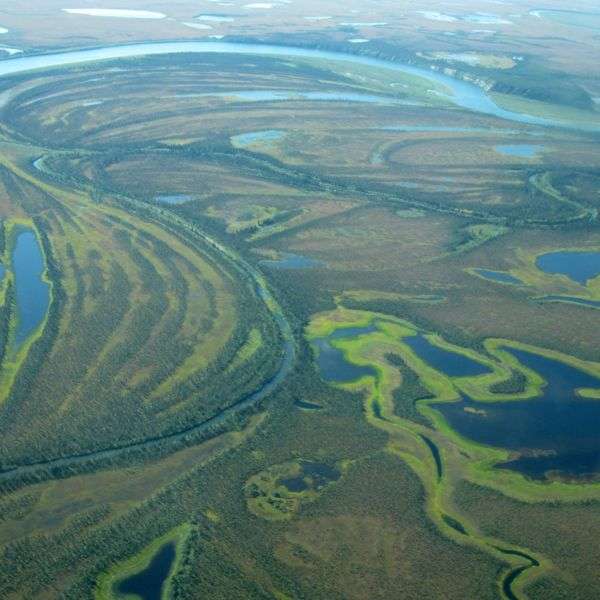
a diverse landscape encompassing sand dunes, boreal forests, and the iconic Kobuk River
Fast Facts
Location
northwestern Alaska
Established in
1980
Established by
President Jimmy Carter
Size
2,736 sq. miles
Known For
- Sand dunes, some reaching heights of 100 feet, making it one of the largest active dune fields in North America
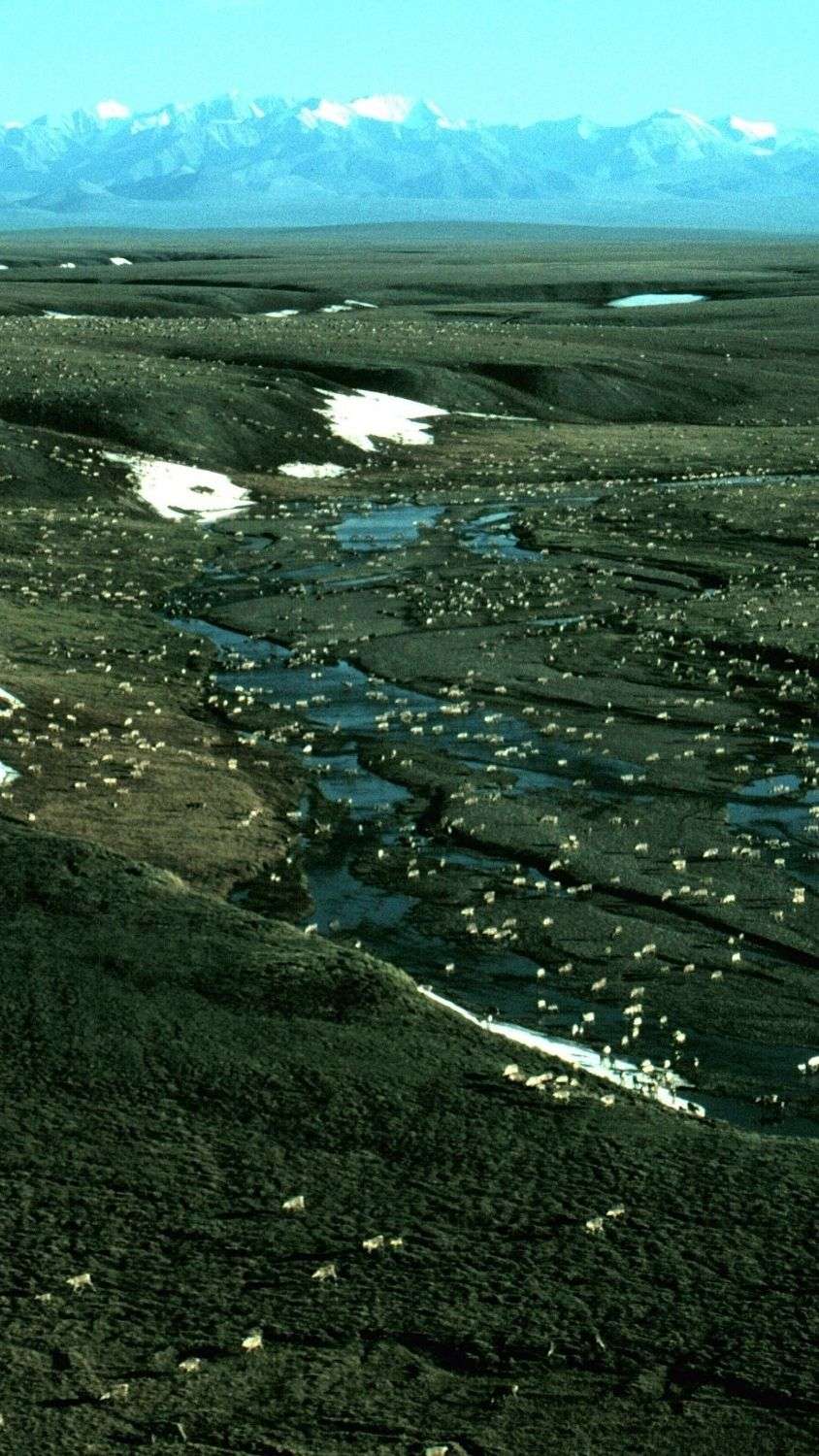
- The park is traversed by the Kobuk River, which is crucial for the migration of the Western Arctic Caribou Herd, one of the largest caribou herds in North America
- Due to its location above the Arctic Circle, Kobuk Valley National Park is an excellent spot for viewing the Northern Lights
History
Natural History and Formation
Kobuk Valley National Park has a geological history shaped by ancient seas, tectonic forces, glaciation, erosion, and wind. These processes created the park's broad river valleys, sand dunes, permafrost landscapes, and other distinctive geological features.
Ancient Oceans and Sedimentation: Ancient seas once covered parts of the region, depositing layers of sediments that eventually became sedimentary rock. These deposits form part of the geological foundation of the area.
Tectonic Activity: Over millions of years, tectonic forces uplifted and deformed the Earth's crust, contributing to the development of the mountains and valleys surrounding Kobuk Valley.
Glaciation: During repeated Ice Ages, glaciers dramatically reshaped the landscape. Glacial erosion carved valleys and transported enormous quantities of sediment across the region.
Kobuk River: The Kobuk River has played an important role in shaping the valley. Glacial meltwater and subsequent river erosion transported and redistributed sediments, helping form the broad river valley seen today.
Great Kobuk Sand Dunes: The Great Kobuk Sand Dunes are among the park's most remarkable geological features. Large quantities of sand were deposited by ancient glacial rivers and later transported and shaped by strong winds, creating extensive dune fields.
Permafrost: Permanently frozen ground influences drainage, vegetation, and erosion throughout the park. Seasonal thawing of the active surface layer contributes to changes in wetlands, ponds, and other landforms.
Ongoing Erosion and Landscape Change: Wind, rivers, seasonal freezing and thawing, and permafrost processes continue to modify Kobuk Valley's landscape. The park therefore remains an active geological environment rather than a landscape shaped entirely in the distant past.
Native History
Kobuk Valley National Park has a long and continuing Indigenous history, closely connected to the Iñupiat people and the land's abundant natural resources. Archaeological evidence and traditional practices demonstrate a relationship with the Kobuk Valley that extends back thousands of years.
Ancient Occupation: Archaeological evidence shows that people have lived in the Kobuk Valley for thousands of years. Early communities adapted their lifestyles to the region's rivers, tundra, wildlife, and seasonal changes.
Iñupiat People: The Iñupiat are the Indigenous people most closely associated with the Kobuk Valley. Their traditional homeland encompasses areas of northwestern Alaska, including the lands and waterways surrounding the park.
Caribou Migration: The migration of the Western Arctic Caribou Herd has historically been central to Iñupiat life. Caribou provided meat, hides, clothing materials, tools, and other resources essential for survival.
Traditional Subsistence: Hunting, fishing, trapping, and gathering have long been important parts of life in the Kobuk Valley. The Kobuk River provides fish, while caribou, moose, and smaller game contribute to the region's subsistence resources.
Seasonal Movement: Traditional seasonal patterns of movement allowed communities to follow changing food resources. Families could travel between hunting, fishing, and gathering areas as different resources became available throughout the year.
Cultural Sites: Archaeological sites throughout the region include evidence of camps, hunting activities, and other forms of traditional land use. These sites provide valuable information about the long history of Indigenous occupation.
Spiritual and Cultural Significance: The landscape has deep cultural significance, with knowledge, stories, traditions, and values connected to rivers, animals, mountains, and other features of the environment.
Contemporary Iñupiat Connections: Iñupiat communities continue to maintain strong cultural and subsistence connections to the Kobuk Valley. Their knowledge and perspectives remain an important part of understanding and managing the park's cultural landscape.
Preservation
The preservation history of Kobuk Valley National Park reflects efforts to protect its exceptional wilderness, wildlife, cultural resources, and unique geological features. Key milestones include:
Recognition of Wilderness Values: The remote Kobuk Valley became increasingly valued for its undeveloped landscapes, diverse wildlife, archaeological resources, and distinctive features such as the Great Kobuk Sand Dunes and Kobuk River.
Alaska National Interest Lands Conservation Act (ANILCA): In 1980, ANILCA provided sweeping protections for Alaska's public lands and established numerous national parks, preserves, and wilderness areas, including Kobuk Valley National Park.
Establishment of Kobuk Valley National Park: Kobuk Valley National Park was established in 1980 to protect approximately 1.75 million acres of wilderness, including the Kobuk River, Great Kobuk Sand Dunes, wildlife habitats, and important archaeological resources.
Protection of Iñupiat Cultural Heritage: Preservation efforts recognize the longstanding relationship between the Iñupiat people and the Kobuk Valley. Traditional subsistence activities and Indigenous knowledge remain important considerations in park management.
Wilderness Protection: Much of the park is managed as wilderness, helping preserve its remote character and limiting development and other activities that could significantly alter its natural landscape.
Wildlife Conservation: The park protects important habitat for species such as caribou, moose, wolves, and migratory birds. Protecting the Western Arctic Caribou Herd and its migration routes is particularly important to both ecological conservation and local subsistence traditions.
Scientific Research and Monitoring: The National Park Service conducts research and monitoring to better understand wildlife, vegetation, permafrost, river systems, sand dunes, and the effects of environmental change.
Ongoing Stewardship: Today, preservation involves balancing wilderness protection, scientific research, cultural resource conservation, traditional subsistence practices, and limited visitor access. Collaboration with Iñupiat communities remains an important part of protecting Kobuk Valley for future generations.
Future Preservation
Preserving Kobuk Valley National Park for future generations involves addressing environmental, cultural, and management challenges. Key challenges include:
Climate Change: Rising temperatures and changing precipitation patterns can alter ecosystems, vegetation, wildlife habitats, and the migration patterns of caribou.
Permafrost Thaw: Warming conditions can destabilize permafrost, changing drainage patterns and affecting wetlands, rivers, lakes, trails, and other infrastructure.
Invasive Species: Non-native plants and other invasive organisms can compete with native species and disrupt the park's natural ecosystems. Monitoring and prevention are important conservation priorities.
Wildlife Management: Protecting wildlife and important migration corridors, particularly those used by the Western Arctic Caribou Herd, requires careful monitoring and management.
Cultural Resource Preservation: Archaeological sites and other cultural resources can be damaged by erosion, permafrost changes, wildlife activity, or human disturbance. Protecting these resources while allowing appropriate access is an ongoing challenge.
Limited Access and Infrastructure: The park's remote Arctic location makes transportation, maintenance, emergency response, and other management activities difficult and expensive.
Visitor Impact: Although visitation is relatively limited, increasing interest in remote wilderness recreation can create additional pressure on fragile landscapes and cultural sites. Visitor education is essential for promoting responsible recreation.
Changing Visitor Patterns: Changes in tourism trends and recreational activities may require park managers to adapt visitor-management strategies while maintaining the area's wilderness character.
Limited Management Resources: Funding, staffing, transportation, and logistical constraints can limit the National Park Service's ability to conduct research, monitor environmental changes, protect cultural resources, and maintain necessary facilities.
Community Collaboration: Working with Iñupiat communities and incorporating Indigenous knowledge into management decisions is important for protecting both the park's cultural heritage and its natural resources.
Addressing these challenges requires adaptive management, scientific research, Indigenous collaboration, careful monitoring, and responsible visitation to ensure that Kobuk Valley's natural and cultural heritage remains protected for future generations.
Geography
Kobuk Valley National Park, located in northwestern Alaska, is a vast and remote wilderness shaped by the Kobuk River, Arctic tundra, boreal forests, and the remarkable Great Kobuk Sand Dunes. The park's diverse landscapes provide important habitat for wildlife, including caribou, moose, wolves, and numerous bird species. Its combination of rugged wilderness, sweeping dunes, and rich cultural history makes Kobuk Valley a unique and remarkable part of Alaska's Arctic landscape.
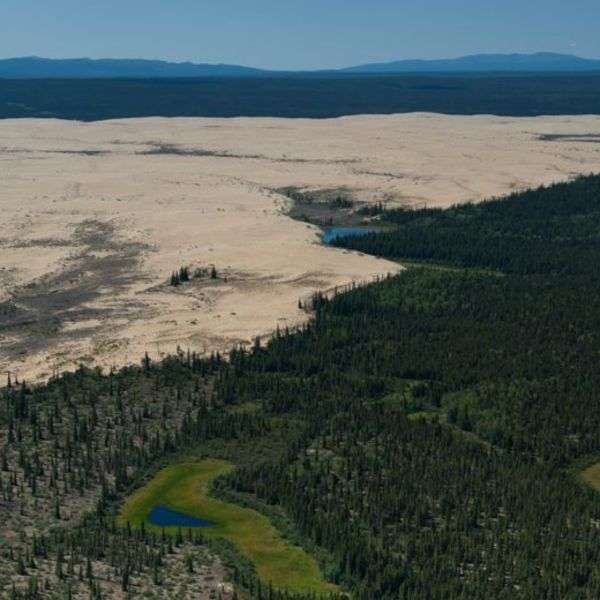
Great Kobuk Sand Dunes
One of the most distinctive features of the park is the Great Kobuk Sand Dunes, which cover an area of about 25 square miles. These massive sand dunes are among the largest in the Arctic and were formed by glacial outwash plains and prevailing winds.
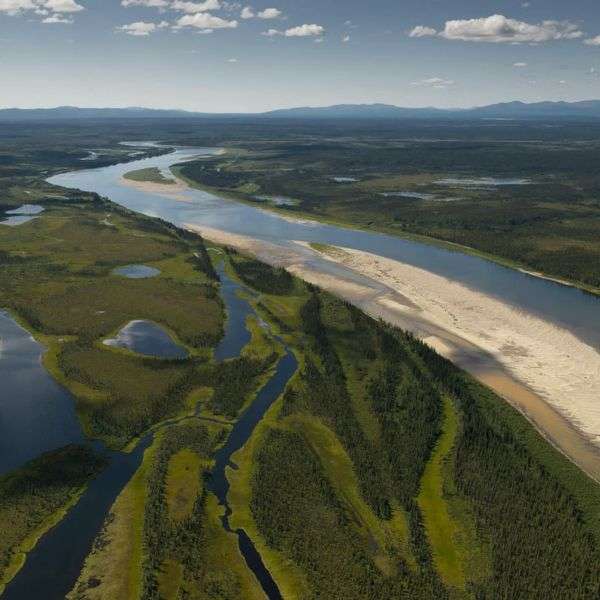
Kobuk River
The Kobuk River, a major river in the region, flows through the park. It plays a vital role in the migration of the Western Arctic Caribou Herd, and its course has been shaped by glacial processes. The river offers opportunities for boating, fishing, and other recreational activities.
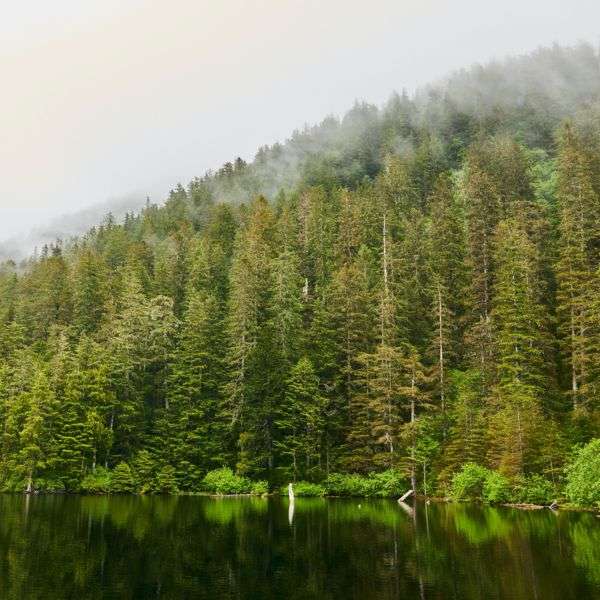
Boreal Forests
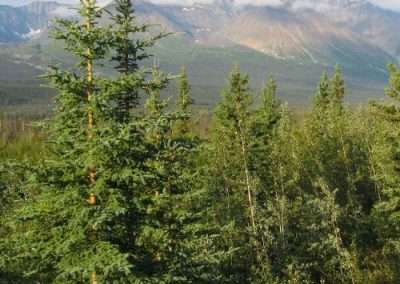
The park includes areas of boreal forest, characterized by coniferous trees such as spruce and fir. These forests are part of the larger boreal ecosystem that spans northern latitudes and provides habitat for a variety of wildlife species.
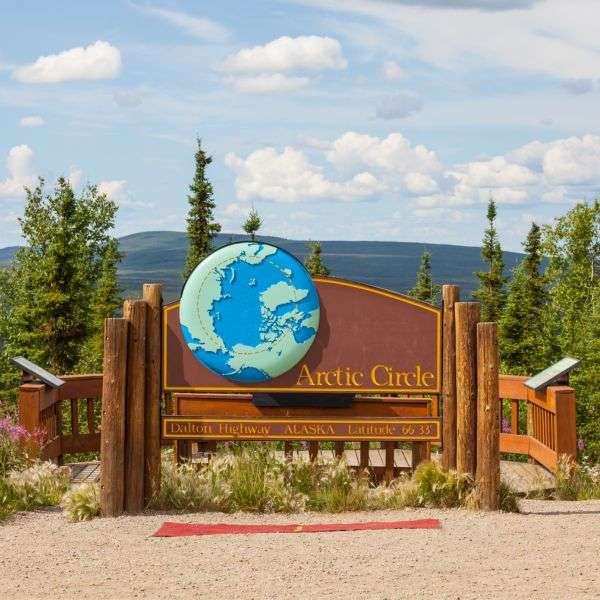
Arctic Circle
Kobuk Valley National Park is situated above the Arctic Circle, resulting in an Arctic climate. Winters are long and harsh, with extreme cold temperatures, while summers are short and marked by the presence of the midnight sun.
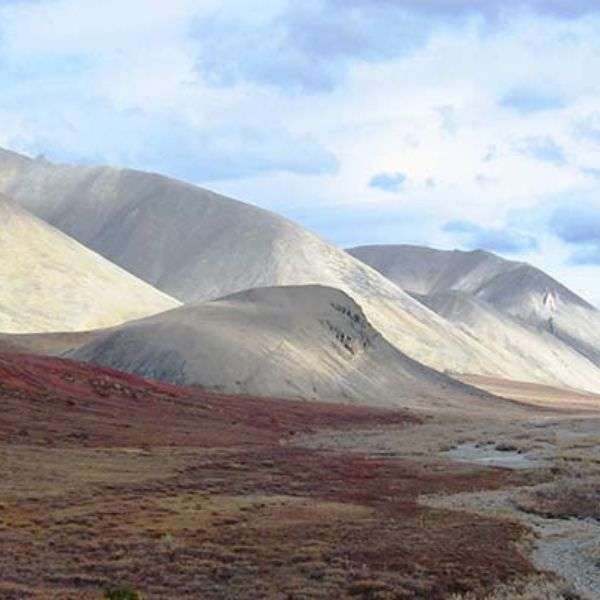
Rolling Hills and Uplands
The terrain within Kobuk Valley National Park features rolling hills, uplands, and plateaus. These varied topographical features contribute to the park's diverse ecosystems and create a visually stunning landscape.
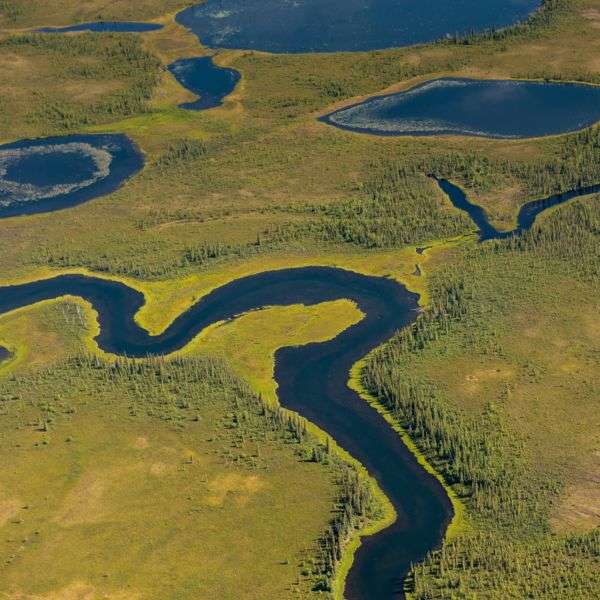
Lakes and Wetlands
Numerous lakes and wetlands are scattered throughout the park. These water bodies provide important habitats for waterfowl, fish, and other wildlife. They are also influenced by the dynamic processes of permafrost and seasonal changes.
Plants
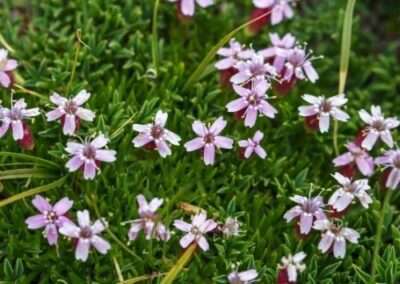
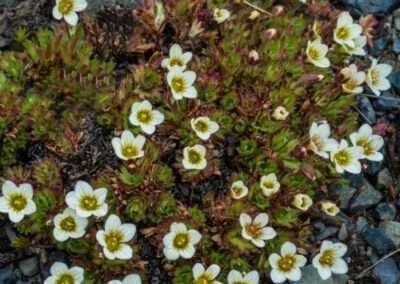
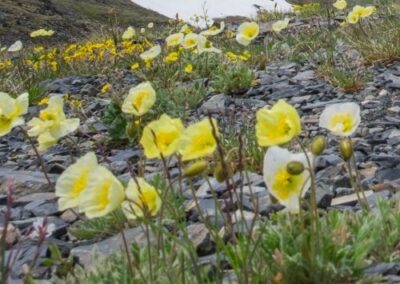
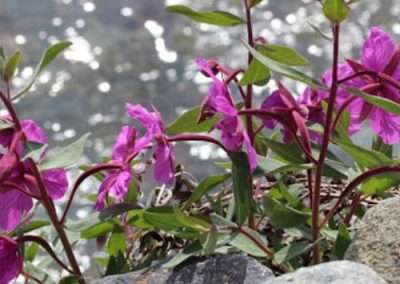
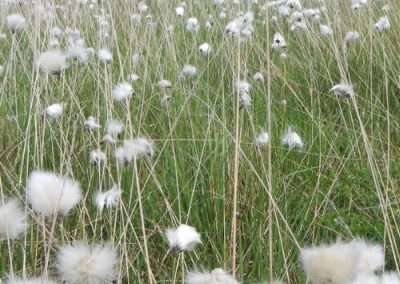
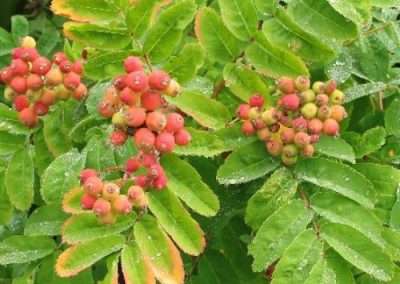
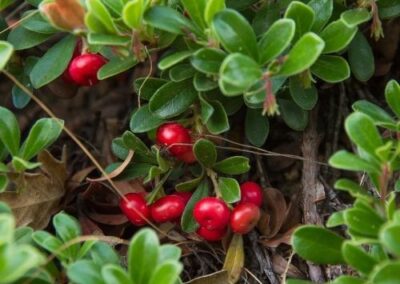
Kobuk Valley National Park supports a diverse range of plant life adapted to its Arctic and boreal environments. The park's vegetation includes hardy tundra plants, mosses, lichens, grasses, shrubs, and boreal forest species that survive the region's cold temperatures and short growing season. Together, these plants provide food and shelter for wildlife while contributing to the ecological richness and natural beauty of the park.
Animals
Mammals
Kobuk Valley National Park supports a diverse range of mammals adapted to its Arctic tundra, boreal forests, rivers, and mountainous landscapes. These species play important roles in the park's ecosystems and have developed unique adaptations to survive the region's harsh climate.
Western Arctic Caribou (Rangifer tarandus granti): The Western Arctic Caribou Herd is one of the largest caribou herds in North America and is an important part of the park's ecosystem. Large numbers migrate through the Kobuk Valley along traditional seasonal routes.
Grizzly Bear (Ursus arctos horribilis): Grizzly bears inhabit the park and are adaptable omnivores. They feed on berries, roots, vegetation, small animals, and carrion.
Black Bear (Ursus americanus): Black bears occur in the park's forested areas and feed on berries, plants, insects, and small animals. Their fur can range from black to brown or cinnamon.
Gray Wolf (Canis lupus): Gray wolves roam across the park and help regulate prey populations. They may hunt caribou, moose, and smaller mammals.
Red Fox (Vulpes vulpes): Red foxes are adaptable predators that inhabit a variety of environments. They feed on small mammals, birds, insects, and carrion.
Arctic Fox (Vulpes lagopus): Arctic foxes are specially adapted to tundra environments. Their coats change seasonally, providing camouflage, and they feed on small mammals, birds, and carrion.
Moose (Alces alces): Moose inhabit the park's boreal forests, wetlands, and areas along rivers. They are herbivores that feed on aquatic plants, shrubs, and woody vegetation.
Dall's Sheep (Ovis dalli): Dall's sheep are adapted to rugged mountainous terrain. Their agility allows them to navigate steep slopes while feeding on grasses and other vegetation.
Arctic Ground Squirrel (Urocitellus parryii): Arctic ground squirrels live in burrows and hibernate during the winter. They are an important food source for predators such as foxes and birds of prey.
Canada Lynx (Lynx canadensis): Canada lynx inhabit the park's boreal forests and are well adapted to snowy conditions. Their primary prey includes snowshoe hares and other small mammals.
Muskox (Ovibos moschatus): Muskoxen are large Arctic herbivores protected from extreme cold by their thick coats. They often form groups and use defensive formations when threatened by predators.
Arctic Hare (Lepus arcticus): Arctic hares are adapted to the tundra and have seasonal coloration that provides camouflage. They feed on grasses, shrubs, and other tundra vegetation.
Reptiles
Kobuk Valley National Park's cold Arctic and subarctic climate provides very limited habitat for reptiles. Freezing temperatures, widespread permafrost, and a short growing season make it difficult for ectothermic animals such as snakes and lizards to survive. Consequently, reptiles are not a prominent part of the park's wildlife.
Birds
Kobuk Valley National Park supports a remarkable diversity of bird species adapted to its Arctic and subarctic landscapes. The park's tundra, boreal forests, wetlands, rivers, and open wilderness provide essential habitats for raptors, waterfowl, shorebirds, and migratory species.
Golden Eagle (Aquila chrysaetos): Golden eagles are powerful raptors that soar above the park's valleys and tundra. They are skilled hunters that prey on mammals such as Arctic ground squirrels and other small animals.
Peregrine Falcon (Falco peregrinus): Peregrine falcons are among the fastest birds in the world. They nest in cliffs and rocky areas, using their speed and agility to capture other birds in flight.
Common Raven (Corvus corax): Common ravens are highly intelligent and adaptable birds found throughout the park. They thrive in Arctic environments and are known for their scavenging behavior and problem-solving abilities.
Gyrfalcon (Falco rusticolus): The gyrfalcon is the largest falcon species and is specially adapted to cold Arctic regions. It primarily hunts birds such as ptarmigans and uses its powerful flight skills to pursue prey.
Snowy Owl (Bubo scandiacus): Snowy owls are iconic Arctic birds with white plumage that provides camouflage in snowy environments. They primarily feed on lemmings and other small mammals found in the tundra.
Arctic Tern (Sterna paradisaea): Arctic terns are remarkable migratory birds that travel between Arctic breeding grounds and Antarctic wintering areas. They are known for having one of the longest migrations of any bird species.
Common Eider (Somateria mollissima): Common eiders are large sea ducks associated with coastal areas. They nest in colonies and feed on marine invertebrates in Arctic waters.
Long-tailed Duck (Clangula hyemalis): Long-tailed ducks are Arctic and subarctic diving ducks recognized by their distinctive long tail feathers. They breed in northern wetlands and feed in freshwater and marine environments.
Sanderling (Calidris alba): Sanderlings are migratory shorebirds that breed in the Arctic and travel long distances during migration. They forage along shorelines, riverbanks, and coastal areas.
Red-throated Loon (Gavia stellata): Red-throated loons inhabit Arctic lakes and rivers. They are known for their distinctive calls and their ability to dive for fish and aquatic prey.
Smith's Longspur (Calcarius pictus): Smith's longspurs are tundra-dwelling songbirds that nest on the ground. They are recognized for their unique songs and seasonal breeding plumage.
Rock Ptarmigan (Lagopus muta): Rock ptarmigans are well adapted to Arctic tundra environments and change their plumage with the seasons for camouflage. They are Alaska's state bird and are commonly associated with northern landscapes.
Fish
Kobuk Valley National Park's rivers, streams, and lakes support a diverse community of cold-water fish species adapted to the Arctic and subarctic environment. These fish play important roles in freshwater ecosystems, supporting wildlife, sustaining subsistence traditions, and contributing to the ecological balance of the region.
Arctic Grayling (Thymallus arcticus): Arctic grayling are iconic northern freshwater fish recognized by their large, sail-like dorsal fins. They inhabit clear, cold streams and rivers, feeding on insects, aquatic invertebrates, and small prey.
Chum Salmon (Oncorhynchus keta): Chum salmon are anadromous fish that migrate from the ocean into freshwater rivers to spawn. Their migrations provide important nutrients to the ecosystem and serve as a food source for wildlife and local communities.
Arctic Char (Salvelinus alpinus): Arctic char are cold-water relatives of salmon and trout. They inhabit Arctic lakes and rivers and are adapted to icy waters, with coloration that varies depending on habitat and life stage.
Sheefish (Stenodus leucichthys): Also known as inconnu, sheefish are large freshwater fish found in Arctic rivers. They are highly valued by local communities for subsistence fishing and are known for their size and quality as a food source.
Northern Pike (Esox lucius): Northern pike are aggressive freshwater predators found in lakes and slow-moving rivers. They use their sharp teeth and ambush hunting strategy to capture smaller fish and aquatic animals.
Burbot (Lota lota): Burbot are unique freshwater fish related to cod. They live in cold rivers and lakes, are primarily active at night, and prey on fish and other aquatic organisms.
Whitefish (Coregonus spp.): Several species of whitefish occur in Kobuk Valley's waters, including lake whitefish and round whitefish. They are important parts of the aquatic food web and provide a valuable food source for wildlife and people.
Broad Whitefish (Coregonus nasus): Broad whitefish are adapted to Arctic and subarctic waters. They are recognized by their broad heads and mouths and are commonly found in northern rivers and lakes.
Lake Trout (Salvelinus namaycush): Lake trout inhabit deep, cold lakes and are among the larger freshwater fish species in the region. They are powerful predators that feed on smaller fish and aquatic organisms.
Longnose Sucker (Catostomus catostomus): Longnose suckers are bottom-feeding fish found in rivers and lakes. Their elongated snouts help them search for insects, plants, and other food sources along the bottom of aquatic habitats.
Amphibians
Kobuk Valley National Park has very limited amphibian diversity due to its extreme Arctic and subarctic climate. The cold temperatures, widespread permafrost, and short summer season create challenging conditions for amphibians, which generally require warmer environments and accessible freshwater habitats for breeding and survival.
"Kobuk Valley is a wild land, untrammeled and untamed by human interference. It is a land more heavily traveled by caribou than by humans, where it’s possible to travel for days without seeing another person. In Kobuk Valley, the natural world carries on its timeless cycle as it has always done in one of the late truly wild places, but no land, no matter how remote, exists in a vacuum."
- National Park Services
"In the great state of Alaska, north of the Arctic Circle, there is a place where you can be dropped off by bush plane and stand amidst one of Earth's last true wilderness places... There are no man-made trails, only game trails, winding through spruce and birch forests that hug the foothills of the mountains and serve as a habitat for wildlife. Beneath your feet is soft Arctic sand... a relic of the last Ice Age... It is without measure one of the most pristine areas on the planet; it is Kobuk Valley, America's least visited national park."
- Stefanie Payne
Explore More With Us
Stay updated on National Parks EDU resources, park news, community updates, and and ways to explore, and protect.

National Parks Edu's mission is to help kids and families understand what makes these places so important. Because when you learn about nature, you start to care about protecting it.
National Parks EDU is an independent educational website and is not affiliated with, endorsed by, sponsored by, or officially connected to the National Park Service (NPS) or the U.S. government. © National Parks EDU. All Rights Reserved. October 18, 2026