Katmai
National Park
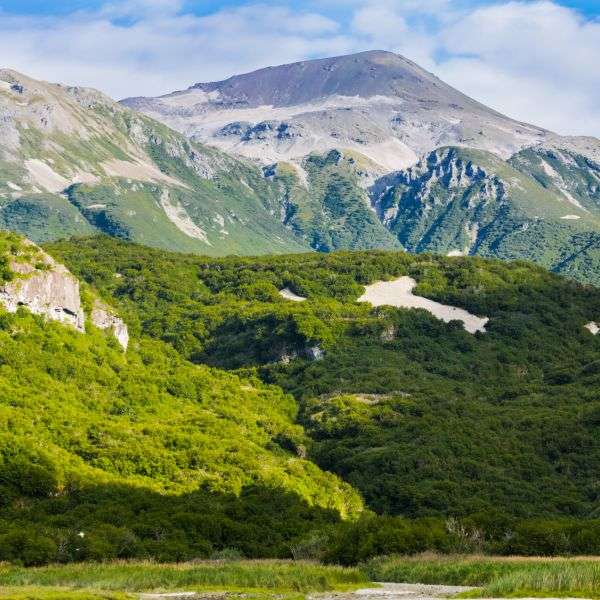
Alaska
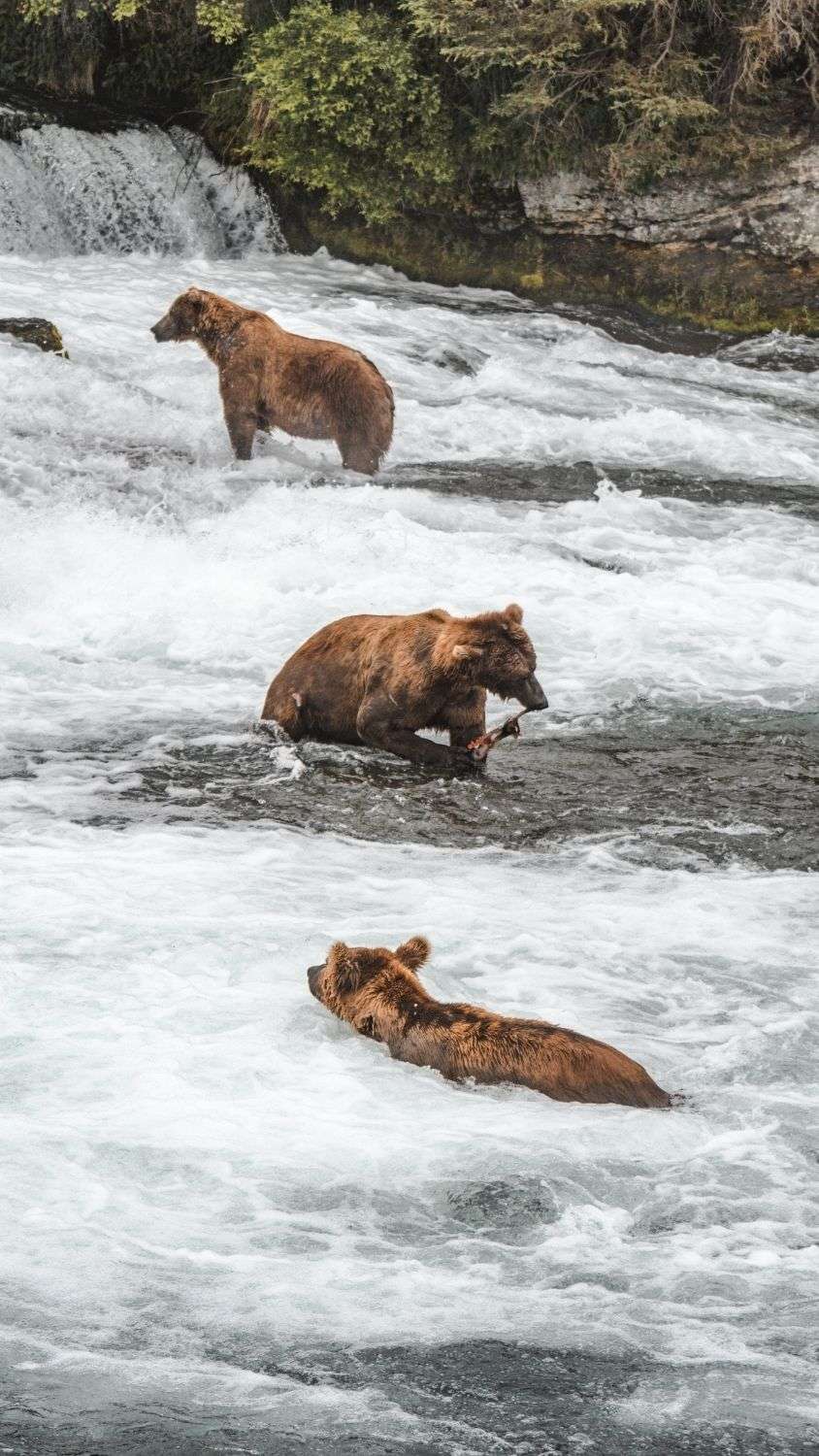
renowned for stunning landscapes, diverse wildlife, and the famous Brooks Falls, where brown bears feast on spawning salmon
Fast Facts
Location
southern Alaska
Established in
1980
Established by
President Jimmy Carter
Size
6,395 sq. miles
Known For
- Famous for the iconic images of brown bears catching salmon as they leap upstream
- Known for its pristine and remote wilderness, providing a unique and immersive outdoor experience
- The Valley of Ten Thousand Smokes, a surreal landscape formed by volcanic ash deposits from the 1912 eruption
History
Natural History and Formation
Katmai National Park and Preserve has a fascinating geological history shaped by moving tectonic plates, earthquakes, and volcanoes. The park is part of the Aleutian volcanic region, where the Pacific Plate moves beneath the North American Plate. One of the most important events in Katmai's history was the 1912 eruption of Novarupta, one of the largest volcanic eruptions in recorded history. The eruption covered the land with thick layers of ash and created the Valley of Ten Thousand Smokes, a landscape filled with steam vents and volcanic rock. Today, Katmai's volcanoes and rugged landscape show that the region is still geologically active.
Formation of the Alaska Peninsula: The Alaska Peninsula was shaped by the movement of large pieces of Earth's crust called tectonic plates. The Pacific Plate is moving beneath the North American Plate, a process called subduction. This movement causes earthquakes and helps create the volcanoes found across the region.
Creation of the Aleutian Range: Katmai is part of the Aleutian Range, which contains many volcanoes. These volcanoes formed as magma rose toward the surface because of the activity along the nearby tectonic plate boundary.
Novarupta Eruption: In June 1912, Novarupta erupted in one of the largest volcanic eruptions of the 20th century. The eruption lasted about 60 hours and sent huge amounts of ash and pumice into the air. The eruption changed the landscape across a large part of the region.
Valley of Ten Thousand Smokes: Ash from the 1912 eruption filled a nearby valley. After the eruption, hot gases and steam escaped through cracks in the ash, creating thousands of steam vents. This area became known as the Valley of Ten Thousand Smokes.
Changes After the Eruption: The eruption buried plants, streams, and other parts of the landscape under layers of volcanic ash. Over time, plants and animals returned to the area. The volcanic deposits and other features left by the eruption can still be seen today.
Ongoing Volcanic Activity: Katmai remains part of an active volcanic region. Several volcanoes in and around the park are monitored by scientists. Earthquakes and volcanic activity continue to shape the landscape.
Native History
The Native history of Katmai National Park and Preserve goes back thousands of years. The area has long been home to Alaska Native peoples, especially the Alutiiq, also known as Sugpiaq. These communities built their lives around the land and water, using salmon, other fish, plants, and wildlife for food and materials. Their history also includes trade, storytelling, art, and other traditions that helped pass knowledge from one generation to the next.
Alutiiq People: The Alutiiq, or Sugpiaq, have deep connections to the Alaska Peninsula and the areas around Katmai. They traditionally lived in coastal villages and relied on fishing, hunting, and gathering. Salmon was an important part of their food and culture.
Traditional Ways of Life: Native communities used the area's rivers, lakes, coastlines, and forests to find food and materials. They harvested salmon, gathered plants and berries, and hunted animals. Their knowledge of the land helped them live in the region for generations.
Trade Networks: Native communities across Alaska traded goods with one another. These trade routes helped people share food, tools, materials, and ideas. Trade also helped connect communities across the Alaska Peninsula and nearby regions.
Cultural Traditions: Stories, artwork, ceremonies, and other traditions helped Native people pass knowledge from parents and elders to younger generations. These traditions remain an important part of Alaska Native culture today.
Russian Contact: Russian explorers and traders arrived in Alaska in the 1700s. The fur trade changed life for many Native communities. Contact also brought new goods, new forms of trade, and serious challenges for Native peoples.
Diseases and Change: Diseases brought by outsiders caused severe losses among Alaska Native communities. These illnesses, along with changes caused by trade and settlement, affected many communities and their traditional ways of life.
Cultural Resilience: Despite these challenges, Alaska Native peoples have continued to maintain and strengthen their cultural traditions. Today, Native communities continue to share their history, protect important cultural sites, and maintain their connections to the Katmai region.
Preservation
The preservation history of Katmai National Park and Preserve began after the huge 1912 eruption of Novarupta. Over time, the protected area grew to include more of the region's volcanoes, rivers, lakes, wildlife, and cultural sites. Today, the National Park Service works to protect Katmai's natural and cultural resources while also allowing visitors to explore the area and local residents to continue traditional subsistence activities.
Establishment of Katmai National Monument: President Woodrow Wilson established Katmai National Monument on September 24, 1918. The goal was to protect the area around the Valley of Ten Thousand Smokes and the volcanic landscape created by the 1912 eruption.
Becoming a National Park and Preserve: In 1980, the Alaska National Interest Lands Conservation Act expanded Katmai and changed its status to a national park and preserve. The park and preserve now cover more than 4 million acres of mountains, rivers, lakes, forests, and coastal areas.
Protecting Wildlife: Katmai is famous for its large brown bear population. The park protects important bear habitat, as well as salmon streams and other areas that support many species of plants and animals.
Subsistence Practices: The 1980 law recognized the importance of traditional subsistence activities to local residents. Certain areas of the preserve allow qualified local residents to continue activities such as fishing, hunting, and gathering food.
Protecting Cultural Sites: Katmai contains archaeological sites that show people have lived in the region for thousands of years. The National Park Service works to protect these sites and works with Native communities to better understand and preserve the area's cultural history.
Education and Recreation: Katmai welcomes visitors who want to learn about its volcanoes, wildlife, and human history. Educational programs and visitor services help people understand why protecting this special landscape is important.
Overall, Katmai's preservation history shows how conservation can protect wildlife, landscapes, and cultural resources while still allowing people to enjoy and use the area in responsible ways.
Future Preservation
Preserving Katmai National Park and Preserve for future generations presents several challenges. Protecting its vast wilderness, abundant wildlife, volcanic landscapes, and cultural resources requires careful management as environmental conditions and human activities continue to change.
Climate Change: Rising temperatures and changing precipitation patterns can affect Katmai's ecosystems, vegetation, rivers, and wildlife. These changes may alter habitats and the availability of important food sources such as salmon.
Volcanic and Seismic Activity: Katmai lies within an active volcanic and seismic region. Future eruptions, earthquakes, and other natural events could alter landscapes, affect wildlife habitat, and create safety concerns for visitors and park staff.
Wildfire: Changing climate conditions may increase the risk of larger or more frequent wildfires. Managing wildfire risks while allowing natural fire processes to support healthy ecosystems can be challenging.
Human-Wildlife Conflicts: Katmai's large brown bear population attracts visitors from around the world. Managing interactions between bears and people requires careful visitor education, monitoring, and safety practices while allowing bears to behave naturally.
Tourism: Growing visitation can place pressure on trails, campsites, wildlife habitats, and other park resources. Maintaining opportunities for recreation while minimizing damage to the environment is an important part of park management.
Invasive Species: Non-native plants, animals, and diseases can threaten Katmai's native ecosystems. Monitoring for invasive species and preventing their spread are important for protecting the park's biological diversity.
Cultural Heritage: Archaeological sites and the cultural traditions of Alaska Native communities require continued protection. Working with Native communities is essential for preserving cultural resources and respecting longstanding connections to the land.
Remote Location: Katmai's enormous size and remote location make conservation work difficult. Monitoring wildlife, maintaining facilities, responding to emergencies, and conducting scientific research can require significant time, equipment, and resources.
Addressing these challenges will require continued scientific research, careful resource management, responsible tourism, and collaboration with Alaska Native communities and other stakeholders. These efforts will help protect Katmai's remarkable landscapes, wildlife, and cultural heritage for generations to come.
Geography
Katmai National Park and Preserve, located in southern Alaska, is a vast wilderness known for its rugged mountains, active volcanoes, expansive tundra, and abundant waterways. The park's diverse landscapes support rich ecosystems and iconic wildlife, including brown bears and salmon. From its dramatic volcanic peaks to its remote coastal and inland habitats, Katmai offers visitors a remarkable opportunity to experience the wild beauty and ecological diversity of Alaska.
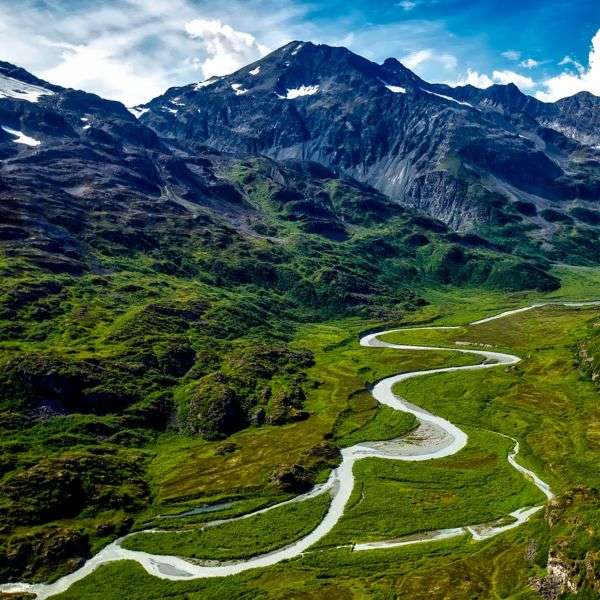
Brooks Range and Brooks River
The park includes part of the Brooks Range, a mountain range that runs along the northern boundary. The Brooks River, known for its iconic Brooks Falls, flows through the park and is a prime location for observing brown bears as they fish for salmon.
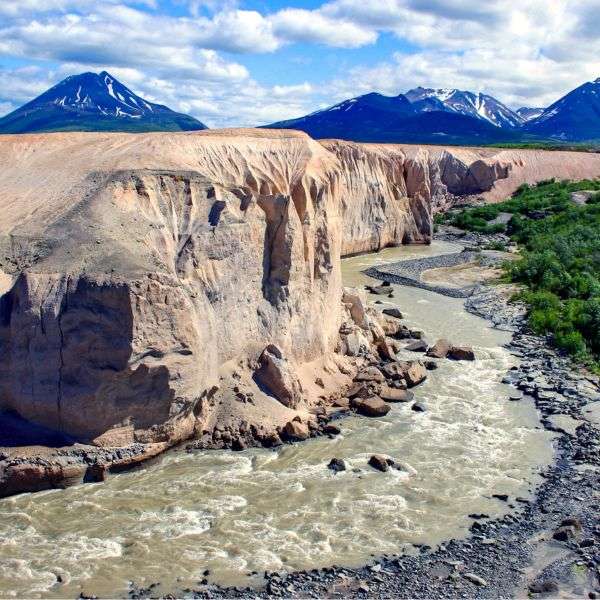
Valley of Ten Thousand Smokes
This unique area was created by the ash and pumice deposits from the 1912 eruption. It is characterized by thousands of fumaroles and steam vents, providing a surreal and otherworldly landscape. The valley is named for the steam rising from the groun
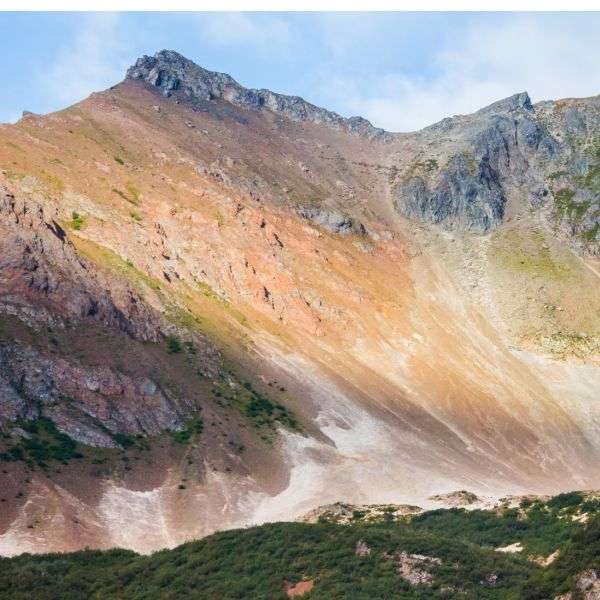
Volcanic Features
Katmai is known for its volcanic landscapes, including the Valley of Ten Thousand Smokes, which was formed by the eruption of Novarupta in 1912. The park encompasses numerous volcanoes, and the volcanic activity has left a lasting impact on the terrain.
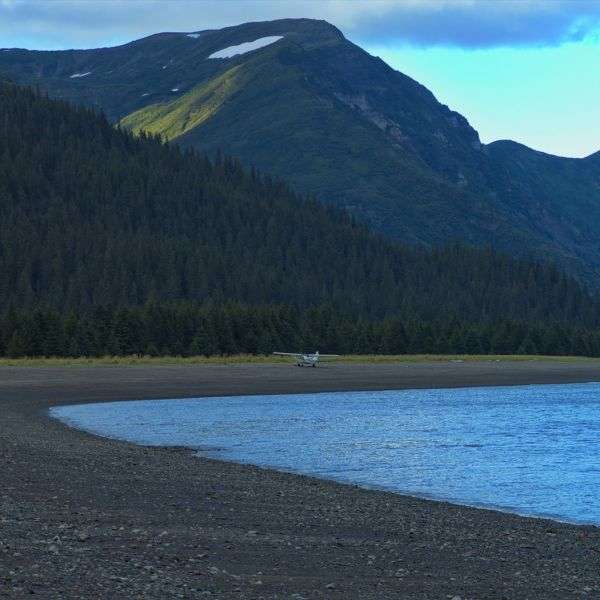
Coastline and Coastal Areas
Katmai has a significant coastline along the Shelikof Strait and the Gulf of Alaska. Coastal areas within the park are diverse and support a variety of wildlife, including marine mammals and seabirds.
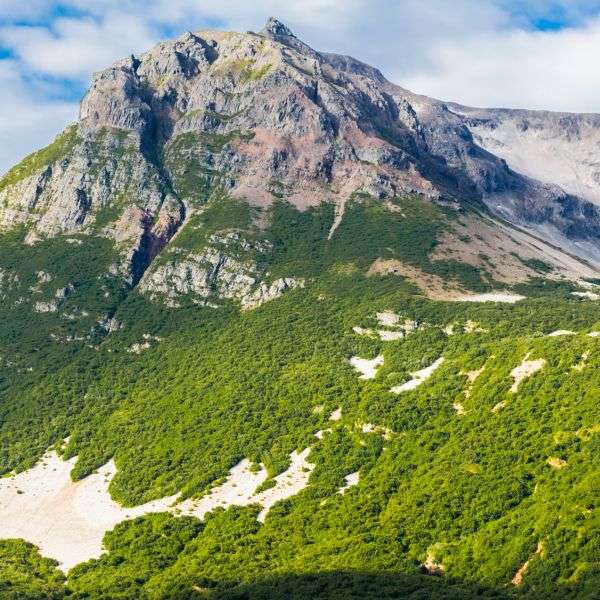
Forests and Tundra
The park features a mix of ecosystems, ranging from dense forests to Arctic tundra. Vegetation varies with elevation and proximity to water sources, contributing to the park's ecological diversity.
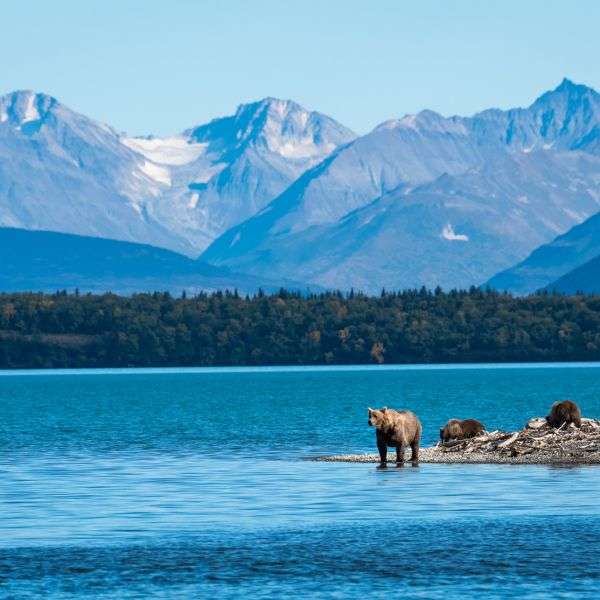
Alaskan Peninsula
The park is situated on the Alaska Peninsula, a region with a rugged coastline and mountainous terrain. The peninsula extends southwest from the mainland and separates the Bering Sea from the Pacific Ocean.
Plants
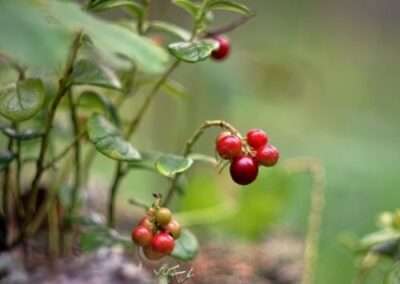
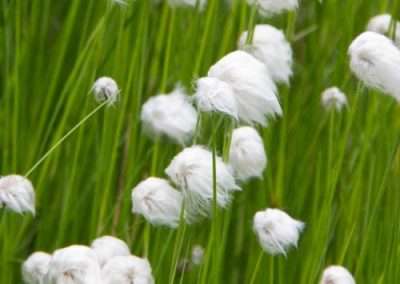
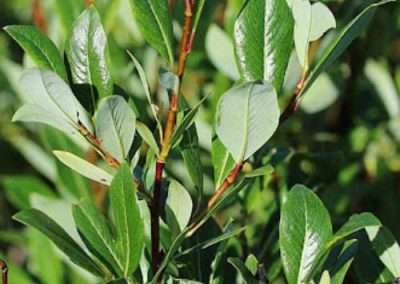
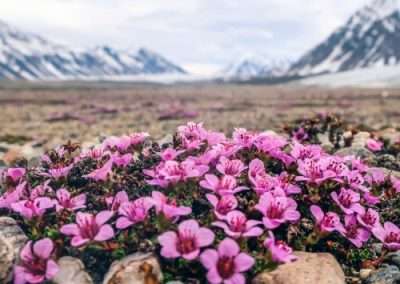
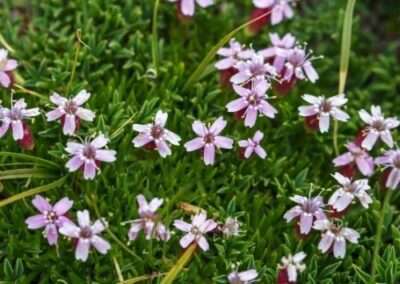
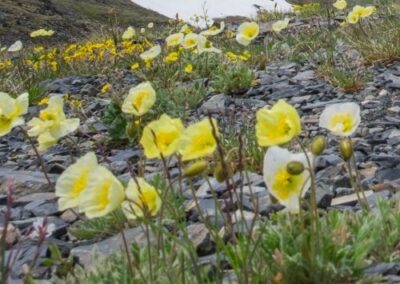
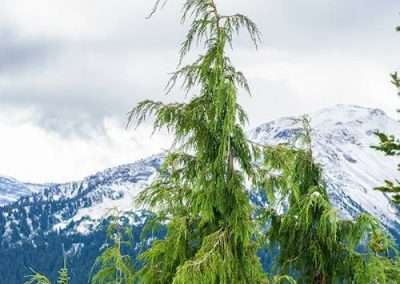
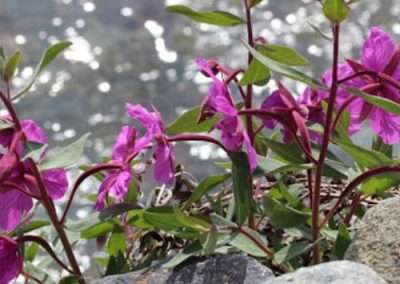
Katmai National Park and Preserve is home to a diverse array of plant life adapted to its rugged Alaskan environment. From low-growing tundra plants and colorful wildflowers to dense forests of spruce and birch, the park's vegetation varies across its mountains, wetlands, rivers, and coastal landscapes. These resilient plant communities play an essential role in supporting the park's wildlife and contribute to the scenic beauty and ecological richness of Katmai's vast wilderness.
Animals
Mammals
Katmai National Park and Preserve is home to many mammal species adapted to its forests, tundra, mountains, rivers, and coastal areas. From the famous brown bears that feed on salmon to smaller animals such as foxes and squirrels, these mammals play important roles in Katmai's ecosystems.
Brown Bear (Ursus arctos): Katmai is famous for its large brown bear population. During summer, many bears gather near rivers and streams to feed on salmon. Brooks Falls is one of the best-known places to watch them.
Moose (Alces alces): Moose live in forested areas, wetlands, and near lakes and rivers. They eat plants such as grasses, shrubs, and aquatic vegetation.
Caribou (Rangifer tarandus): Caribou live in open areas and tundra. They travel in search of food and may move long distances during different seasons.
Red Fox (Vulpes vulpes): Red foxes live in forests, tundra, and other habitats throughout the park. They eat small mammals, birds, insects, berries, and other foods.
River Otter (Lontra canadensis): River otters live near rivers, lakes, and coastal waters. They are excellent swimmers and eat fish, amphibians, and other aquatic animals.
Gray Wolf (Canis lupus): Gray wolves travel across many parts of Katmai. They hunt animals such as moose and caribou and help keep prey populations in balance.
Arctic Ground Squirrel (Urocitellus parryii): These small squirrels live in open tundra and other cold habitats. They spend the winter in underground burrows and are an important food source for predators.
Beaver (Castor canadensis): Beavers live near freshwater and build dams and lodges. Their activities create wetlands that provide habitat for many other plants and animals.
Mountain Goat (Oreamnos americanus): Mountain goats are well suited to Katmai's steep, rocky mountains. Their strong legs and sharp hooves help them climb difficult slopes.
Sea Otter (Enhydra lutris): Sea otters live along Katmai's coastal waters. They feed on marine animals such as sea urchins, crabs, and shellfish and play an important role in coastal ecosystems.
North American Porcupine (Erethizon dorsatum): Porcupines live in forests and wooded areas. They eat plants, bark, leaves, and other vegetation. Their sharp quills help protect them from predators.
Ermine (Mustela erminea): Ermines are small predators found in forests and open areas. Their fur can change from brown in summer to white in winter, helping them blend into their surroundings.
Reptiles
Katmai National Park and Preserve has very few reptiles because of its cold climate and northern location. Reptiles rely on outside heat to warm their bodies, so Alaska's cool temperatures make it difficult for them to survive. As a result, reptiles are not a major part of Katmai's wildlife. The park is better known for animals such as brown bears, wolves, moose, birds, fish, and other species adapted to cold environments.
Birds
Fish
Katmai National Park and Preserve has many fish species, especially in its rivers, streams, and lakes. Salmon are especially important because they provide food for brown bears, eagles, and other wildlife.
Sockeye Salmon (Oncorhynchus nerka): Sockeye salmon are one of Katmai's most famous fish. They travel from the ocean into freshwater streams to lay their eggs.
Chinook Salmon (Oncorhynchus tshawytscha): Also called king salmon, Chinook salmon are the largest Pacific salmon species. They are an important food source for bears and other wildlife.
Coho Salmon (Oncorhynchus kisutch): Also called silver salmon, coho return to Katmai's streams to spawn. They are known for their strong swimming and jumping abilities.
Pink Salmon (Oncorhynchus gorbuscha): Pink salmon are the smallest Pacific salmon. They have a two-year life cycle and can return to streams in very large numbers.
Chum Salmon (Oncorhynchus keta): Chum salmon are found in Katmai's rivers and streams. Their bodies change color as they prepare to spawn.
Rainbow Trout (Oncorhynchus mykiss): Rainbow trout live in many of Katmai's rivers and lakes. They are popular with anglers and feed on insects, smaller fish, and other food.
Arctic Grayling (Thymallus arcticus): Arctic grayling live in cold, clear streams and lakes. They are easy to recognize by their large, colorful dorsal fins.
Dolly Varden (Salvelinus malma): Dolly Varden are a type of char found in Katmai's cold rivers and streams. They often live in areas where salmon are found.
Lake Trout (Salvelinus namaycush): Lake trout live in some of Katmai's larger, deeper lakes. They prefer cold water and can grow to a large size.
Northern Pike (Esox lucius): Northern pike live in some of Katmai's lakes and slow-moving waters. They are predators that use surprise attacks to catch smaller fish.
Amphibians
"A landscape is alive underneath our feet, filled with creatures that remind us what it is to be wild."
- National Park Services
"The purpose of Katmai National Park and Preserve is to protect, study, and interpret active volcanism surrounding the Valley of Ten Thousand Smokes, extensive coastal resources, habitats supporting a high concentration of salmon and brown bears, and an ongoing story of humans integrated with a dynamic subarctic ecosystem."
- Katmai National Park and Preserve Foundation Document
Explore More With Us
Stay updated on National Parks EDU resources, park news, community updates, and and ways to explore, and protect.

National Parks Edu's mission is to help kids and families understand what makes these places so important. Because when you learn about nature, you start to care about protecting it.
National Parks EDU is an independent educational website and is not affiliated with, endorsed by, sponsored by, or officially connected to the National Park Service (NPS) or the U.S. government. © National Parks EDU. All Rights Reserved. October 17, 2026