Joshua Tree
National Park
California
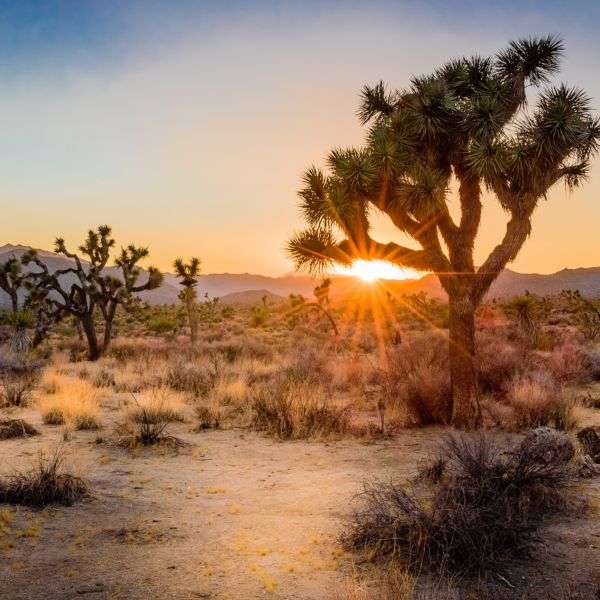
striking desert landscapes with the iconic Joshua trees, rugged rock formations, and vibrant sunsets
Fast Facts
Location
southeastern California
Established in
1994
Established by
President Bill Clinton
Size
1,242 sq. miles
Known For
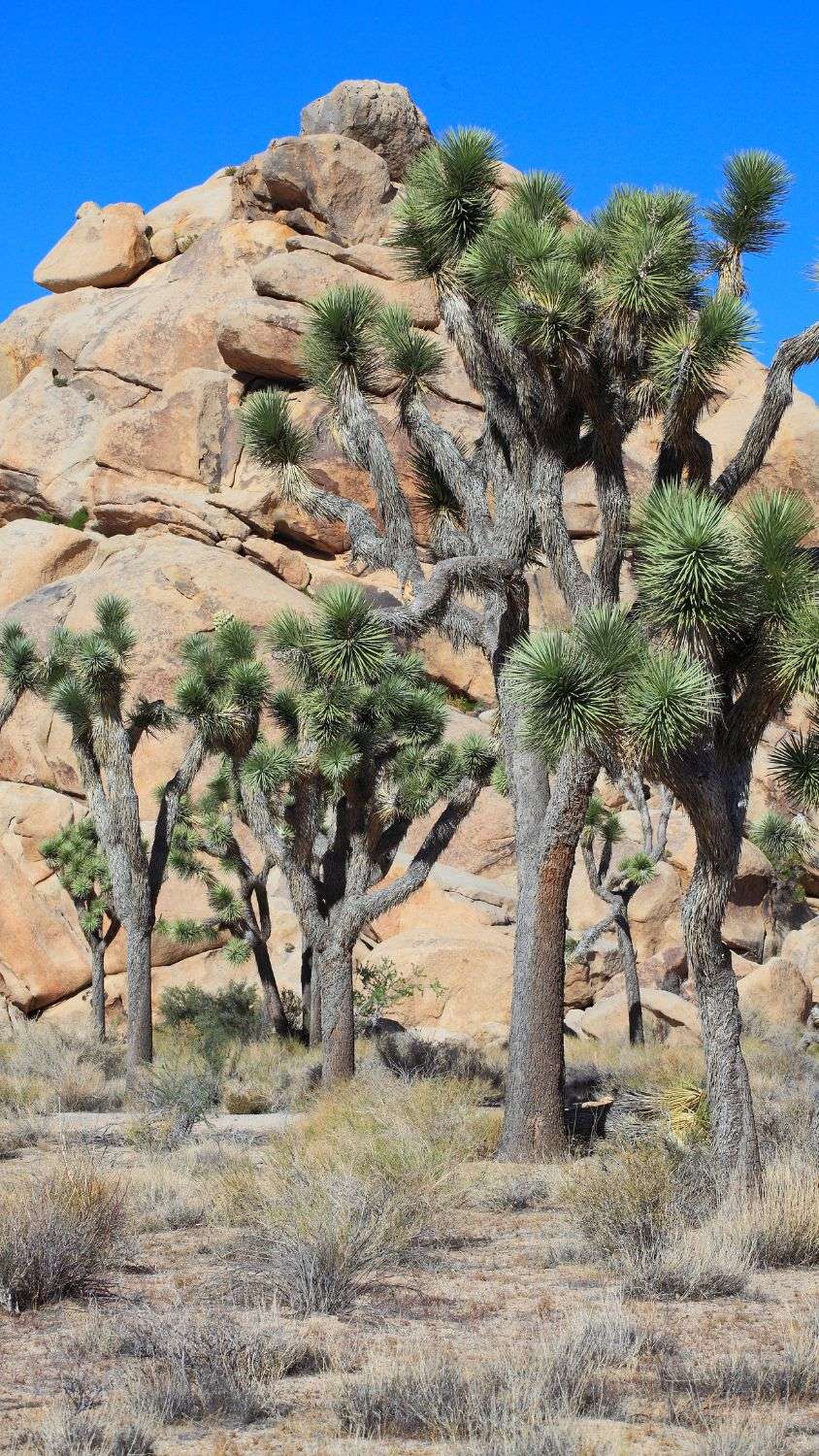
- The park is renowned for its namesake Joshua trees, unique and spiky plants that dominate the landscape
- Striking rock formations, offering opportunities for rock climbing, hiking, and photography
- Recognized as one of the best places for stargazing due to its clear desert skies and minimal light pollution.
History
Natural History and Formation
The geology of Joshua Tree National Park was shaped by powerful forces over millions of years. Deep underground, molten rock cooled to form the granite that makes up many of the park's famous rock formations. Later, earthquakes and other movements of Earth's crust lifted the land, while wind and water slowly wore away the rock. These processes created the rounded boulders, rugged mountains, valleys, and desert landscapes seen in the park today.
Granite Formation: Much of Joshua Tree's rock formed from molten magma deep underground about 100 million years ago. As the magma cooled slowly, it became a type of granite called monzogranite.
Uplift and Exfoliation: Movement of Earth's crust lifted the granite toward the surface. As pressure was released, layers of rock began to peel away from the granite. This process, called exfoliation, helped create the park's large, rounded boulders.
Faults and Joints: Cracks in the granite, called joints, helped break the rock into blocks. Faults, where large sections of Earth's crust move, also helped shape the mountains and valleys of the park.
Erosion: Wind and water have continued to wear down the rocks. Rainwater can flow through cracks in the granite, slowly widening them. Over time, this process creates the unusual boulder piles and rock formations found throughout Joshua Tree.
Desert Climate: Changes in climate over thousands of years helped create the dry desert environment seen today. The park now includes parts of the Mojave and Colorado deserts, each with its own plants, animals, and landforms.
Joshua Tree National Park's landscape is the result of a long history of rock formation, tectonic activity, weathering, and erosion. These forces continue to shape the park today.
Native History
The Native American history of Joshua Tree National Park goes back thousands of years. Indigenous peoples learned how to live in the desert by using its plants, animals, water sources, and travel routes. Today, the park remains an important place for several Native American communities and their cultural traditions.
Early Inhabitants: People have lived in the Joshua Tree region for thousands of years. The Cahuilla, Chemehuevi, and Serrano are among the Indigenous groups with strong connections to the area. They traveled through the desert, gathered food and plants, hunted animals, and used natural resources for shelter and tools.
Desert Knowledge: Indigenous people developed detailed knowledge of the desert environment. They knew where to find water and which plants could be used for food, medicine, tools, and other needs. This knowledge helped communities survive in the hot and dry landscape.
Rock Art: Petroglyphs and other cultural sites can be found in the Joshua Tree region. These sites provide clues about the people who lived in and traveled through the area. They are important cultural resources and are protected today.
Trade and Travel: The desert was also part of travel and trade routes connecting different Indigenous communities. People moved across the region to visit other communities, trade goods, and share knowledge.
Cultural Connections: Joshua Tree remains important to Indigenous communities today. Descendants of tribes connected to the region continue to maintain cultural ties to these lands and work to protect their history and traditions.
The Native American history of Joshua Tree National Park is an important part of the park's story. It shows how Indigenous people have understood, used, and cared for this desert landscape for thousands of years.
Preservation
The preservation history of Joshua Tree National Park shows how people have worked to protect its desert landscape, wildlife, plants, and cultural sites. Over time, the area received stronger protections and became a national park.
Early Conservation: During the early 1900s, conservationists, scientists, and local residents became concerned about protecting Joshua Tree's unique desert environment. They recognized the area's unusual plants, animals, rock formations, and scenic beauty.
National Monument: In 1936, President Franklin D. Roosevelt created Joshua Tree National Monument. The designation helped protect the area's desert plants, animals, and natural features. The monument covered about 825,000 acres.
Expansion: Over the years, the protected area grew. In 1950, President Harry S. Truman added more land to the monument, increasing its size to about 880,000 acres.
National Park: In 1994, the California Desert Protection Act changed Joshua Tree from a national monument to a national park. The law also expanded the park to more than 790,000 acres. Today, Joshua Tree National Park covers about 800,000 acres of protected desert land.
Conservation Today: The National Park Service works to protect Joshua Tree's plants, animals, geology, and cultural resources. Park staff also help visitors enjoy the area while reducing damage to its fragile desert environment.
Joshua Tree National Park's preservation history shows the importance of protecting desert landscapes for future generations. Today, conservation efforts help keep its unique natural and cultural resources safe while allowing people to explore and learn about the park.
Future Preservation
Preserving Joshua Tree National Park for the future will require careful planning and continued conservation. Climate change, invasive plants, growing visitation, and development near the park can all affect its fragile desert ecosystems.
Climate Change: Rising temperatures and longer periods of drought can make it harder for plants and animals to survive. Changes in rainfall and more severe wildfires may also change the desert environment.
Invasive Plants: Plants such as Sahara mustard and red brome can spread quickly and compete with native plants for water and other resources. These invasive plants can also increase the risk of wildfires.
Development: Roads, buildings, and other development near the park can break up wildlife habitat. This can make it harder for animals to move between different areas and find food, water, and shelter.
Visitor Impacts: Millions of visitors come to Joshua Tree each year. Hiking, camping, climbing, and driving can damage plants, soil, wildlife habitat, and cultural sites if visitors do not follow park rules.
Water Resources: Water is limited in the desert. Changes in rainfall, drought, and groundwater use can affect the water available to wildlife and plants.
Infrastructure: Roads, trails, campgrounds, and visitor facilities need regular repairs and maintenance. Keeping these areas safe while limiting damage to the environment can be difficult.
Wildlife Protection: Wildlife faces threats from habitat loss, roads, climate change, and human activity. Protecting important habitats and monitoring animal populations can help keep the park's ecosystems healthy.
Protecting Joshua Tree National Park will require cooperation among park staff, scientists, local communities, Indigenous communities, and visitors. Careful management and responsible recreation can help protect the park's natural and cultural resources for future generations.
Geography
Joshua Tree National Park, located in southeastern California, is known for its dry desert landscapes, rugged rock formations, and unique Joshua trees. The park includes parts of two deserts: the Mojave Desert in the north and the Colorado Desert in the south. These different environments support a wide variety of plants and animals. With its rocky mountains, sandy washes, and open desert views, Joshua Tree offers visitors a chance to explore two unique desert ecosystems in one park.
Mojave Desert
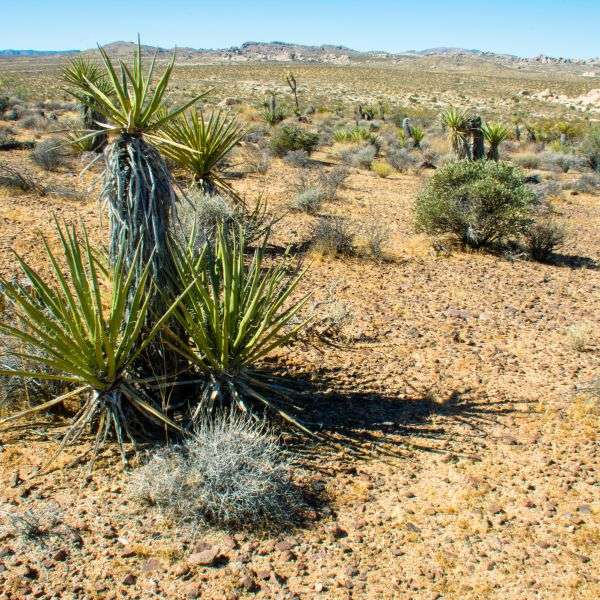
Located in southeastern California, Joshua Tree National Park straddles the transition zone between the Mojave Desert to the north and the Colorado Desert to the south. The Mojave Desert is characterized by higher elevations, cooler temperatures, and a greater abundance of Joshua trees, while the Colorado Desert features lower elevations, warmer temperatures, and a more sparse vegetation.
Joshua Trees
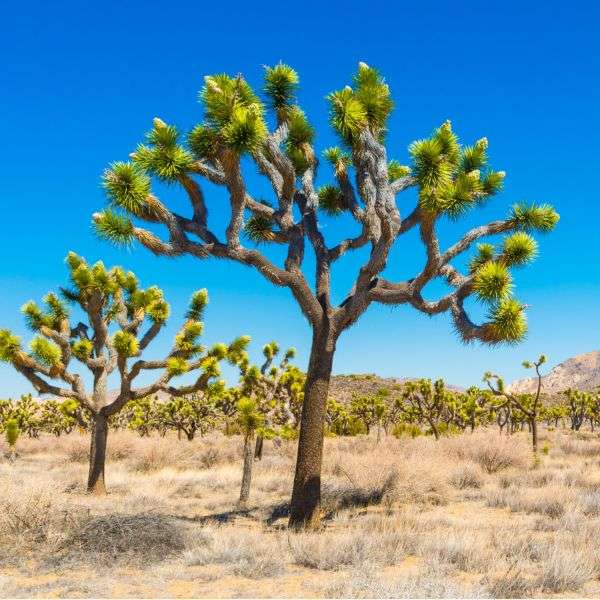
The park is named after the iconic Joshua tree (Yucca brevifolia), a species of yucca plant that is native to the Mojave Desert. These distinctive trees with their twisted branches and spiky leaves are a defining feature of the park's landscape, particularly in the northern portion.
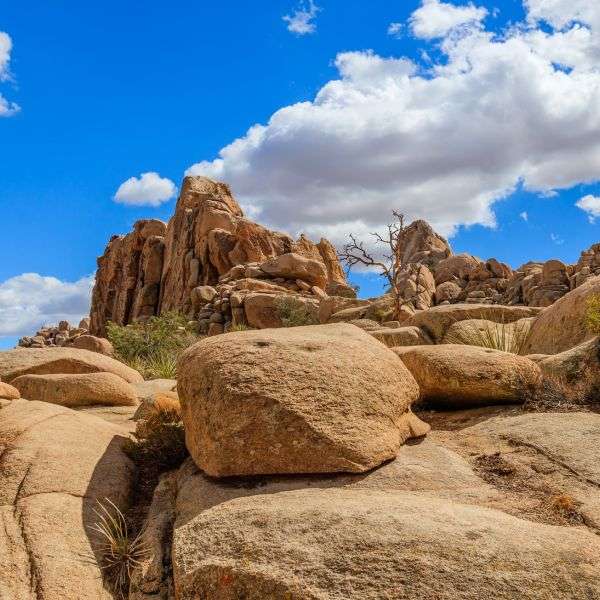
Rock Formations
Joshua Tree National Park is renowned for its rugged rock formations, including towering monzogranite boulders, granite cliffs, and rock piles. These formations were shaped by geological processes such as uplift, faulting, erosion, and exfoliation, creating a playground for rock climbers, hikers, and photographers.
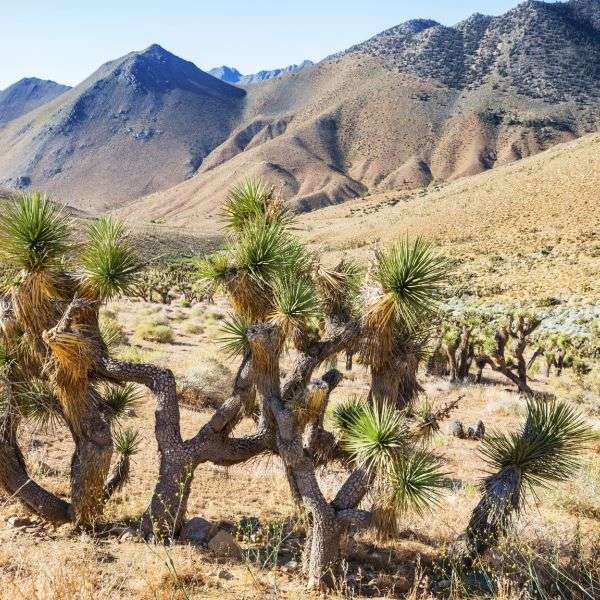
Mountains and Valleys
The park is punctuated by several mountain ranges, including the Little San Bernardino Mountains in the western portion and the Hexie Mountains in the east. In between, visitors will find expansive valleys, such as the Pinto Basin and the Wonderland of Rocks, offering sweeping vistas of the surrounding desert landscape.
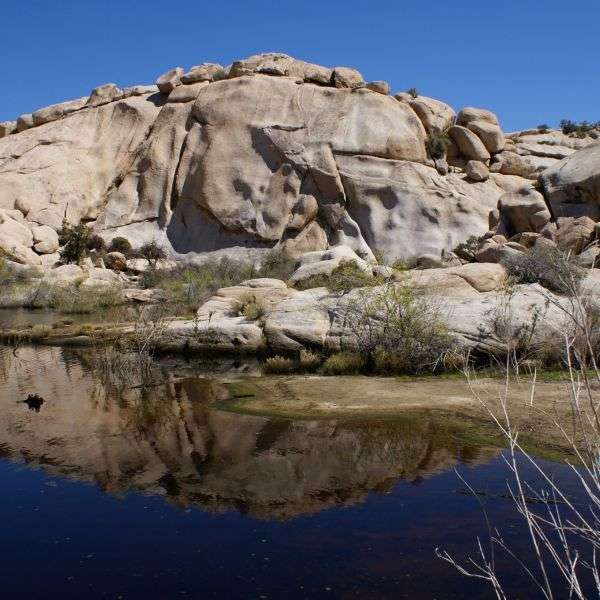
Oases
Despite its arid environment, Joshua Tree National Park is home to several desert oases, where water emerges from underground springs to support lush vegetation. These oases, including the popular Cottonwood Spring and Lost Palms Oasis, provide important habitat for wildlife and serve as havens for hikers seeking shade and respite.
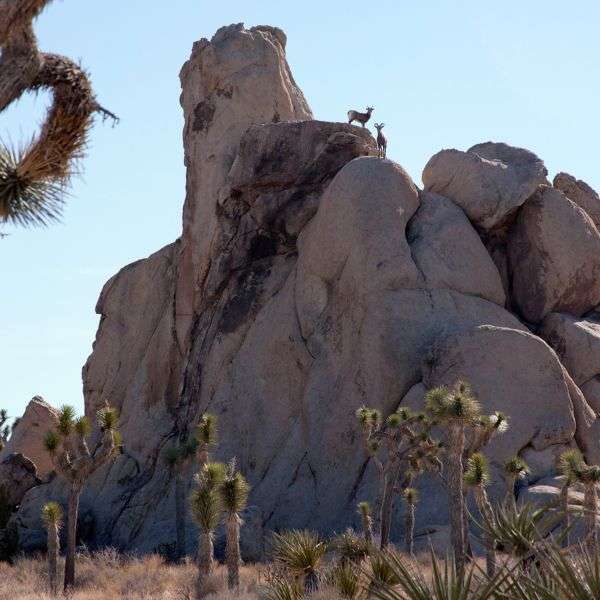
Wildlife Habitat
The park's diverse geography supports a wide range of plant and animal species adapted to desert life. Desert flora such as creosote bushes, cacti, and wildflowers thrive in the harsh conditions, while wildlife such as bighorn sheep, desert tortoises, coyotes, and various bird species call the park home.
Plants
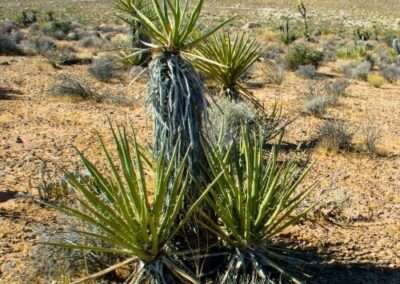
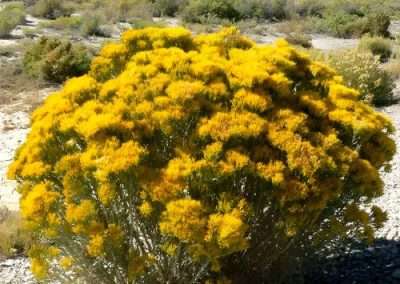
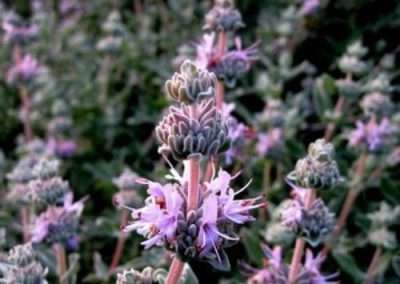
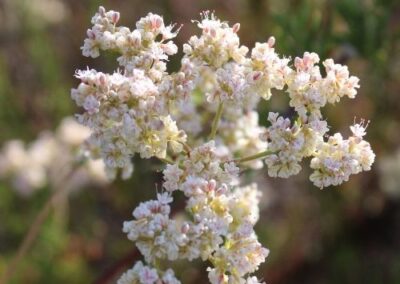
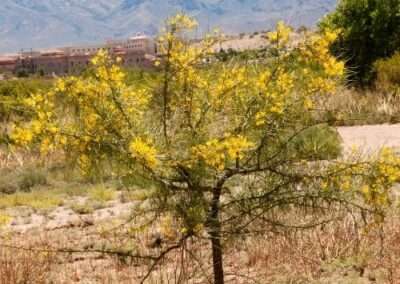
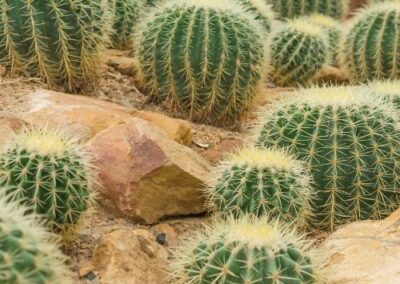
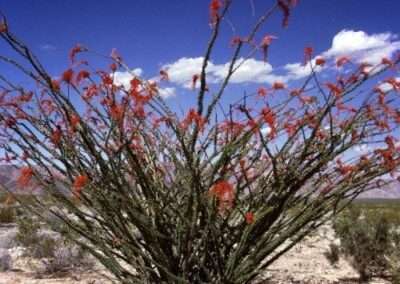
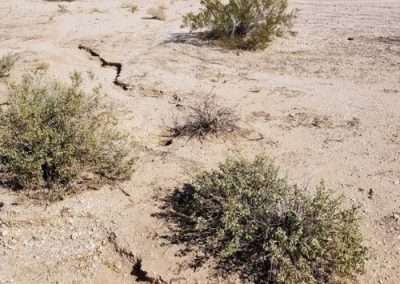
Joshua Tree National Park is best known for its unique Joshua trees, which grow across much of the park's desert landscape. The park is also home to many other desert plants, including cacti, creosote bushes, and Mojave yucca. These plants have special adaptations that help them survive with little water and in hot, dry conditions. Together, they create a unique desert ecosystem that adds beauty and supports wildlife throughout the park.
Animals
Mammals
Joshua Tree National Park is home to a variety of mammals that have special adaptations for surviving in the hot, dry desert. Some are active at night when temperatures are cooler, while others are well suited to rocky areas and limited water.
Desert Bighorn Sheep (Ovis canadensis nelsoni): These sheep are well adapted to the park's rocky mountains. They use their strong legs and hooves to climb steep slopes and can survive with very little water.
Coyote (Canis latrans): Coyotes are common desert predators. They eat a variety of foods, including small mammals, birds, reptiles, insects, and plants. They are most active during cooler parts of the day and at night.
Black-tailed Jackrabbit (Lepus californicus): These large rabbits have long ears that help release body heat. They are mostly active at night and feed on grasses, shrubs, and other plants.
Kangaroo Rats (Dipodomys spp.): Several species of kangaroo rats live in the park. These small rodents are well adapted to dry conditions and can get much of the water they need from their food.
Kit Fox (Vulpes macrotis): Kit foxes are small, mostly nocturnal predators that live in desert areas. Their large ears help them hear prey and release heat from their bodies.
Desert Cottontail (Sylvilagus audubonii): These small rabbits are found throughout the park. They are most active during the cooler parts of the day and eat grasses, shrubs, and other plants.
Mule Deer (Odocoileus hemionus): Mule deer can be found in parts of the park, especially where food and water are available. They eat leaves, grasses, shrubs, and other plants.
Bobcat (Lynx rufus): Bobcats are secretive predators that live in many parts of the park. They hunt animals such as rabbits, rodents, birds, and reptiles.
Reptiles
Joshua Tree National Park is home to many reptiles that are specially adapted to the hot, dry desert. These reptiles use different ways to survive, such as hiding in rocks, avoiding the hottest parts of the day, and getting water from their food.
Desert Tortoise (Gopherus agassizii): The desert tortoise is a threatened species and an important part of the Mojave Desert ecosystem. It spends much of its time in burrows to escape extreme heat and cold. It mainly eats desert plants.
Western Diamondback Rattlesnake (Crotalus atrox): This venomous snake has a diamond-shaped pattern and a rattle on its tail. It eats small animals, such as rodents, birds, and lizards, and helps control prey populations.
Coachwhip (Masticophis flagellum): Coachwhips are long, non-venomous snakes that are known for being fast hunters. They eat small mammals, birds, lizards, and other animals.
Chuckwalla (Sauromalus ater): Chuckwallas are large lizards that spend much of their time among rocks. They eat mostly plants and can squeeze into narrow rock cracks to escape predators.
Zebra-tailed Lizard (Callisaurus draconoides): These small lizards have black-and-white markings on their tails. They are fast runners and eat insects and other small animals.
Western Fence Lizard (Sceloporus occidentalis): Western fence lizards are often seen basking on rocks. They eat insects and other small invertebrates. Males have bright blue markings on their bellies.
Side-blotched Lizard (Uta stansburiana): These small lizards have dark spots on their sides and are common in desert areas. They eat insects and other small invertebrates and use body movements to communicate with one another.
Birds
Joshua Tree National Park is home to many bird species that are adapted to the hot, dry desert. The park's rocky hills, desert shrubs, Joshua trees, and washes provide food and shelter for birds throughout the year.
Greater Roadrunner (Geococcyx californianus): Greater roadrunners are fast-running birds that are often seen moving across the desert floor. They eat insects, lizards, snakes, and small mammals.
Cactus Wren (Campylorhynchus brunneicapillus): Cactus wrens are common desert birds with bold markings and a curved bill. They often build nests in thorny plants and eat insects, fruit, and seeds.
Black-throated Sparrow (Amphispiza bilineata): These small sparrows have a black throat and a white stripe above the eye. They live in desert scrub and eat seeds and insects.
Phainopepla (Phainopepla nitens): Phainopeplas are sleek, dark birds with red eyes. They often live near desert washes and feed heavily on berries, including mistletoe berries.
Anna's Hummingbird (Calypte anna): Anna's hummingbirds can be found in the park and are known for their fast flight and colorful feathers. They feed on flower nectar and small insects.
Loggerhead Shrike (Lanius ludovicianus): Loggerhead shrikes are small birds that hunt insects, lizards, and small animals. They are known for storing prey by placing it on thorns or other sharp objects.
Verdin (Auriparus flaviceps): Verdins are tiny desert birds with yellow heads. They search shrubs and trees for insects and spiders and build small, round nests.
Northern Mockingbird (Mimus polyglottos): Northern mockingbirds are known for copying the songs of other birds. They eat insects, berries, and other foods and can be found in many areas of the park.
Fish
Joshua Tree National Park is a dry desert park with very little permanent water. The park does not have natural lakes, rivers, or streams that can support fish populations. Most water in the park comes from short-lived pools and washes that fill after heavy rain. Because of these dry conditions, there are no native fish species living in the park's natural waters.
Amphibians
Joshua Tree National Park is a dry desert environment, so it has fewer amphibians than places with more water. The amphibians that live in the park depend on rain and temporary pools for breeding. They are often most active after storms, when water collects in washes, pools, and other low areas.
Red-spotted Toad (Anaxyrus punctatus): Red-spotted toads are small toads that are well adapted to desert life. They spend much of their time on land and become more active after rain. They use temporary pools and other sources of water to breed.
Canyon Treefrog (Dryophytes arenicolor): Canyon treefrogs live around rocky canyons and areas where water collects after rain. They have sticky toe pads that help them climb rocks and plants. They breed in pools and streams that form during wetter periods.
California Treefrog (Pseudacris cadaverina): California treefrogs are small frogs that live near rocky streams, springs, and pools. They are most closely linked to areas where water remains for part of the year.
Southwestern Toad (Anaxyrus microscaphus): Southwestern toads live in parts of the Southwest near rivers, streams, springs, and other water sources. Their breeding depends on available water, making them especially sensitive to changes in rainfall and water supplies.
"The Joshua tree, with its centuries-old limbs, its raucous crowns of foliage, its delicate white flowers tinged with lilac, is found nowhere in the world but on the Mojave Desert."
- John C. Van Dyke
"The Joshua tree is a monolith of rough, twisted limbs that seem to have been frozen in the midst of an inspired dance."
- Mike Seeger
"The Joshua trees are the most singular and most beautiful of desert plants."
- John C. Van Dyke
"Joshua Tree is the most beautiful place on Earth. There is something really special and unique about it. I love all of it - the rocks, the sunsets, the Joshua trees themselves."
- Diane Ackerman
Explore More With Us
Stay updated on National Parks EDU resources, park news, community updates, and and ways to explore, and protect.

National Parks Edu's mission is to help kids and families understand what makes these places so important. Because when you learn about nature, you start to care about protecting it.
National Parks EDU is an independent educational website and is not affiliated with, endorsed by, sponsored by, or officially connected to the National Park Service (NPS) or the U.S. government. © National Parks EDU. All Rights Reserved. October 18, 2026