Isle Royale
National Park
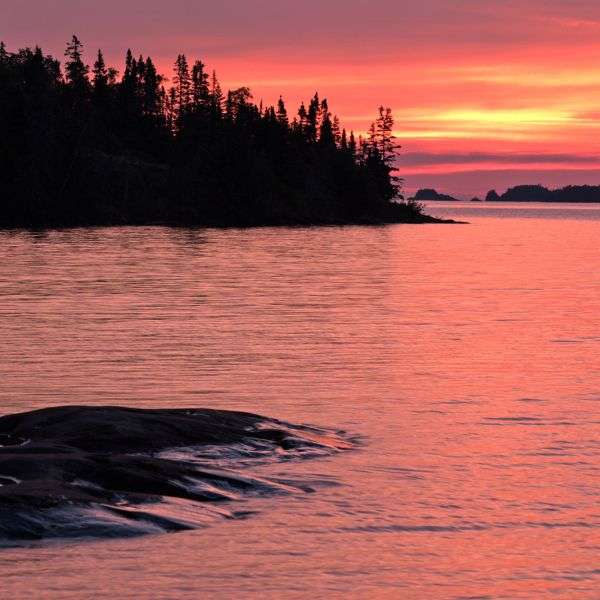
Michigan
a remote and pristine wilderness area known for its rugged landscapes and diverse ecosystems
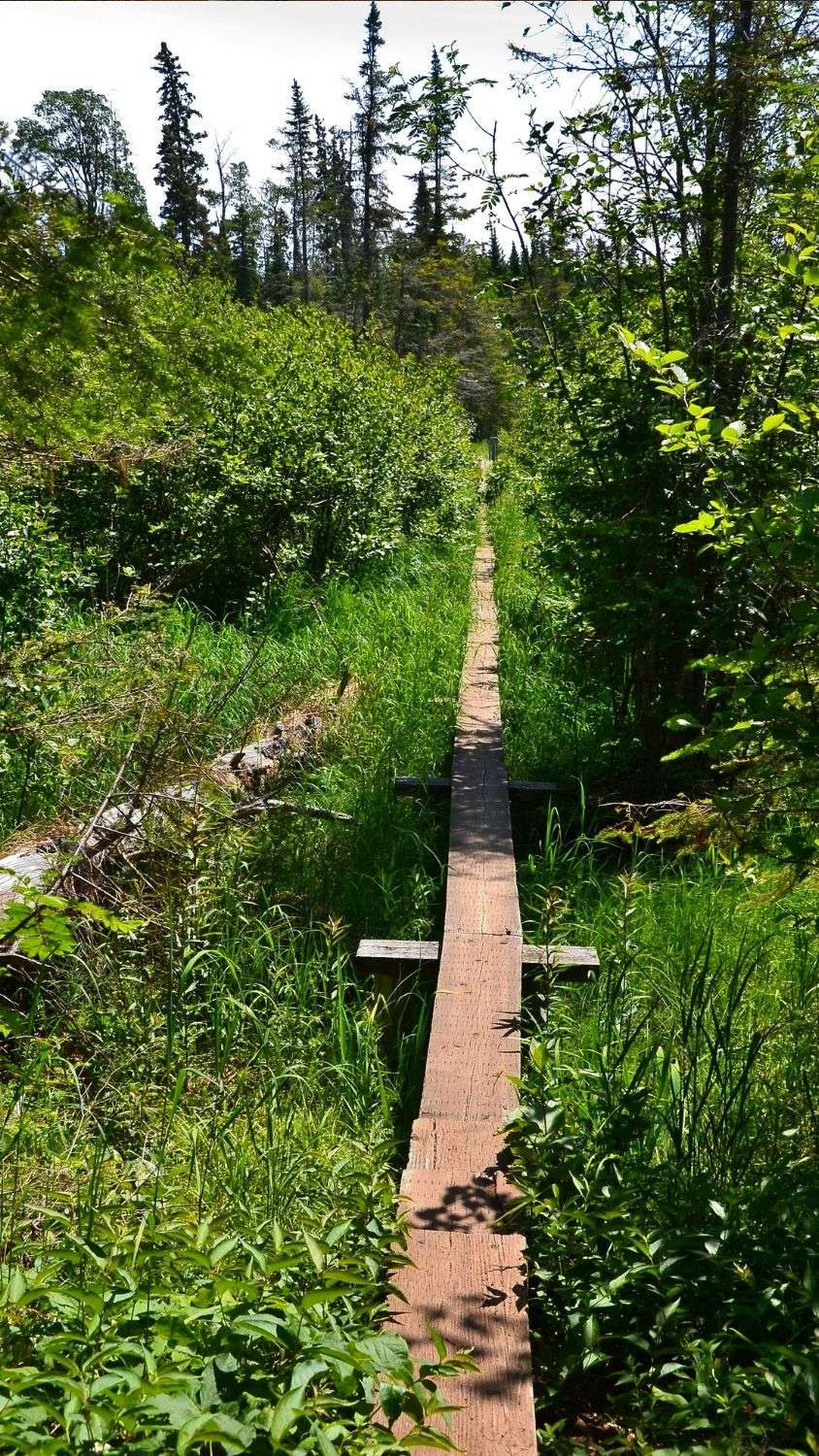
Fast Facts
Location
an island in Lake Superior
Established in
1940
Established by
President Franklin D. Roosevelt
Size
207 sq. miles
Known For
- Renowned for its remote and isolated location in Lake Superior providing a pristine wilderness experience
- Home to the longest-running predator-prey study, focusing on the dynamic relationship between wolves and moose
- Isle Royale is home to a variety of plant and animal species, showcasing the resilience and adaptability of life in this challenging environment
History
Natural History and Formation
Isle Royale National Park was shaped by powerful geological forces over billions of years. Ancient volcanic activity, moving glaciers, and changing water levels helped create the island's rocky landscape and many of its lakes.
Ancient Rocks: Much of Isle Royale is made of very old rocks that formed more than a billion years ago. These rocks are part of the geology of the Lake Superior region.
Ancient Lava Flows: Long ago, volcanic eruptions produced large flows of basalt lava. These layers of dark volcanic rock form much of the island's bedrock. The rocks are part of the Midcontinent Rift, a huge crack in Earth's crust that began forming about 1.1 billion years ago but never fully split the continent.
Glacial Activity: During the Ice Age, thick glaciers covered Isle Royale and much of the surrounding region. Moving ice scraped and shaped the land, leaving behind ridges, grooves, and other landforms. Glaciers also helped create many of the island's lakes and ponds.
Changing Lake Levels: As the glaciers melted, the land and water around Isle Royale changed. The weight of the ice had pushed the land downward, and the land slowly rose again after the ice disappeared. Changes in Lake Superior's water levels also helped shape the island's shoreline.
Inland Lakes: Isle Royale has many inland lakes and ponds. Some formed in low areas shaped by glaciers, while others developed where cracks and uneven layers of bedrock allowed water to collect.
Lake Superior: Isle Royale is surrounded by Lake Superior, the largest freshwater lake in the world by surface area. The lake continues to shape the island's coastline through waves, storms, and erosion.
Today, Isle Royale's rocky ridges, forests, lakes, and shorelines show the effects of these ancient and ongoing geological processes. The island is a unique example of how volcanoes, glaciers, and water can shape a landscape over a very long period of time.
Native History
Isle Royale has a long Native American history that stretches back thousands of years. Indigenous peoples used the island's rich natural resources and developed a strong connection to the land and surrounding waters.
Early Inhabitants: Archaeological evidence shows that Indigenous peoples have visited and lived on Isle Royale for thousands of years. The island's fish, wildlife, plants, and other resources made it an important place for hunting, fishing, and gathering.
Copper Mining: Isle Royale is well known for its ancient copper mines. Indigenous people mined copper on the island thousands of years ago. They used stone tools to remove copper from the bedrock. Copper from Isle Royale was traded across parts of the Great Lakes region, showing that Indigenous communities had wide trade networks.
Cultural Importance: Isle Royale was more than a source of food and materials. The island and its waters also had cultural importance for Indigenous peoples. Stories, traditions, and knowledge connected communities to the land and its natural resources.
Ojibwe Connection: The Ojibwe, also known as Anishinaabe or Chippewa, have strong historical and cultural connections to Isle Royale and the Lake Superior region. Fishing, travel, trade, and other activities connected Ojibwe communities with the island.
European Contact: European fur traders began arriving in the Great Lakes region during the 1600s and 1700s. The fur trade changed Indigenous trade networks and brought new goods and technologies to the region.
Changes Over Time: European settlement and the growth of mining and other industries changed life for Indigenous communities. These changes affected traditional ways of using the land and led to the loss of access to some traditional places.
Preserving Indigenous History: Today, Isle Royale National Park works to protect archaeological sites and learn more about the island's Indigenous history. Research and cooperation with Indigenous communities help tell the story of the people who have been connected to Isle Royale for thousands of years.
Preservation
The preservation history of Isle Royale National Park shows a long effort to protect its wilderness, wildlife, and cultural resources. Because the island is remote and has no roads for cars, the park has been able to protect much of its natural character.
Establishment of the National Park: Isle Royale became a national park on April 3, 1940. The goal was to protect the island's forests, lakes, wildlife, and rugged landscape for future generations.
Wilderness Protection: Protecting the island's wilderness has been an important part of park management. The National Park Service works to limit human impacts while allowing visitors to enjoy hiking, camping, boating, and other activities.
Limited Access: Visitors cannot drive to Isle Royale. Most people reach the park by ferry, private boat, or seaplane. This limited access helps reduce development and protect the island's remote character.
Wolf and Moose Research: Isle Royale is famous for its long-running study of wolves and moose. Research began in 1958 and has continued for decades. Scientists use this study to learn about predator-prey relationships and changes in ecosystems.
Protecting Natural Features: The park works to protect its forests, lakes, shorelines, wetlands, and ancient volcanic rocks. These natural features provide important habitats for many plants and animals.
Protecting Cultural Resources: Isle Royale also contains archaeological sites and other resources connected to Indigenous peoples and later residents. Protecting these places helps preserve the island's human history.
Education and Stewardship: The park uses visitor programs, signs, ranger talks, and research to teach people about Isle Royale. These programs encourage visitors to care for the island and follow rules that protect its wilderness.
Today, Isle Royale National Park continues to balance visitor use with conservation. Protecting its wilderness, wildlife, geological features, and cultural history will help keep the island special for future generations.
Future Preservation
Preserving Isle Royale National Park in the future will require careful planning and continued work. The park faces challenges from climate change, invasive species, wildlife changes, visitor use, and its remote location.
Climate Change: Warmer temperatures and changing weather patterns can affect the island's forests, lakes, plants, and animals. Climate change may also affect the relationship between wolves and moose and change the habitats that wildlife depend on.
Invasive Species: Non-native plants, animals, and diseases can harm Isle Royale's native ecosystems. Park managers must watch for new threats and work to prevent invasive species from spreading.
Wolf and Moose Populations: Wolves and moose are an important part of Isle Royale's ecosystem. Their populations can change because of disease, food supplies, weather, and other factors. Scientists continue to study these animals to better understand changes in the island's ecosystem.
Visitor Management: The park must balance visitor access with the need to protect its wilderness. Too many visitors in sensitive areas can cause soil erosion, damage plants, and disturb wildlife. Careful planning can help reduce these impacts.
Cultural Heritage: Isle Royale has important cultural resources connected to Indigenous peoples and later residents. Protecting archaeological sites and working with Indigenous communities are important parts of preserving the island's history.
Funding: Protecting a remote national park requires money for staff, research, transportation, repairs, and conservation projects. Limited funding can make it harder to respond to new environmental problems.
Remote Location: Isle Royale's distance from the mainland creates special challenges. Moving supplies, repairing facilities, and responding to emergencies can take more time and planning because the park can only be reached by boat or aircraft.
Research and Adaptation: Continued scientific research will help park managers understand how the island is changing. Using new information to adjust conservation plans will be important for protecting Isle Royale over time.
By combining research, careful management, and cooperation with Indigenous communities and visitors, Isle Royale National Park can continue to protect its wildlife, wilderness, and cultural resources for future generations.
Geography
Isle Royale National Park, located in the northwest part of Lake Superior, is a remote wilderness made up of one large island and more than 400 smaller islands. The park is known for its rocky shores, thick forests, clear lakes, and wide variety of wildlife. Its isolated location helps protect its natural beauty and gives visitors a chance to explore the quiet wilderness of the northern Great Lakes.
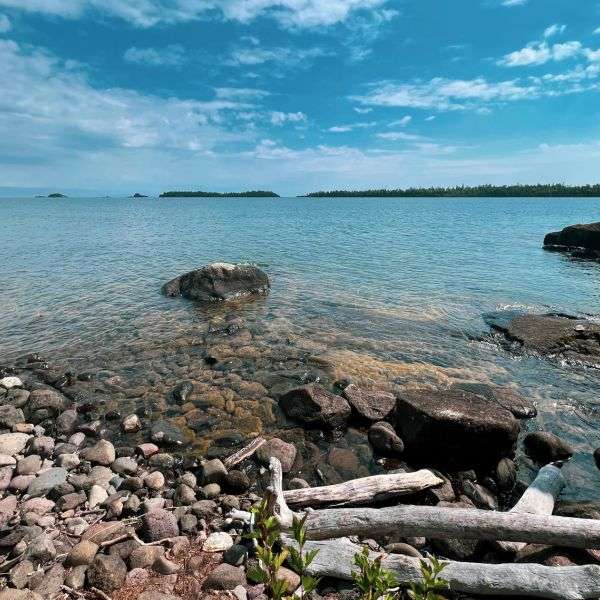
Island Isolation
The island is the largest in Lake Superior, stretching about 45 miles long and 9 miles wide at its widest point. It has a total land area of approximately 206 square miles. One of the defining geographic characteristics of Isle Royale is its isolation.
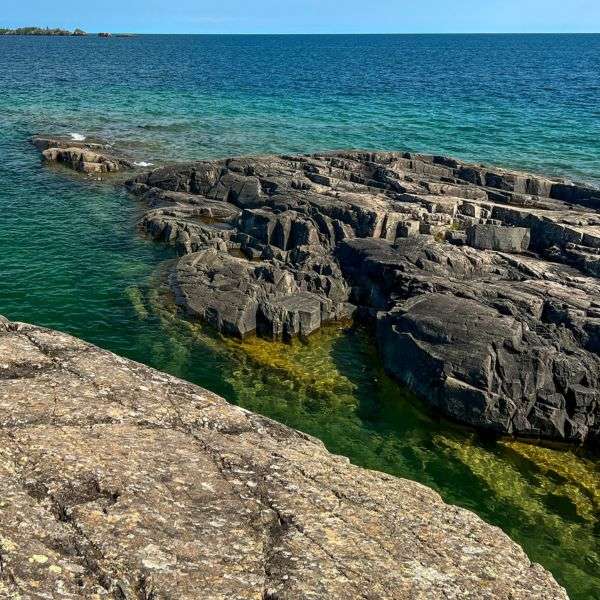
Geological Features
The island's geology is characterized by ancient Pre-Cambrian rocks, including basaltic lava flows, sedimentary rocks, and metamorphic formations. The exposed rocks are among the oldest in North America, dating back over a billion years.
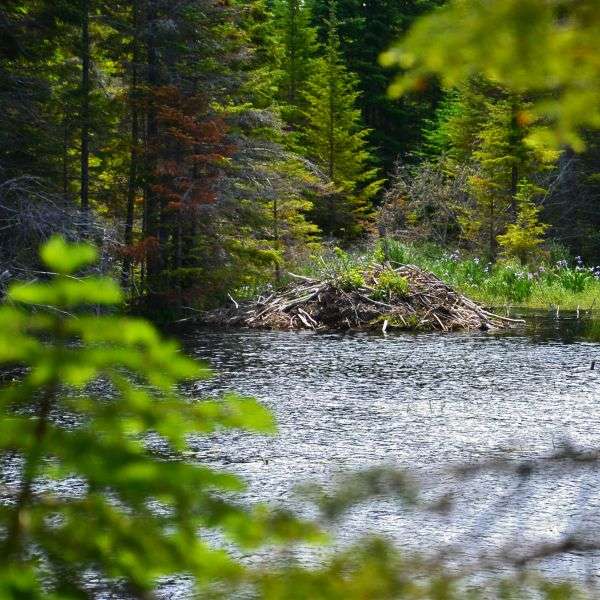
Lakes and Water
Isle Royale is dotted with numerous inland lakes, the largest of which is Siskiwit Lake. These lakes, along with smaller ponds and wetlands, contribute to the island's diverse ecosystems and provide habitat for various wildlife species.
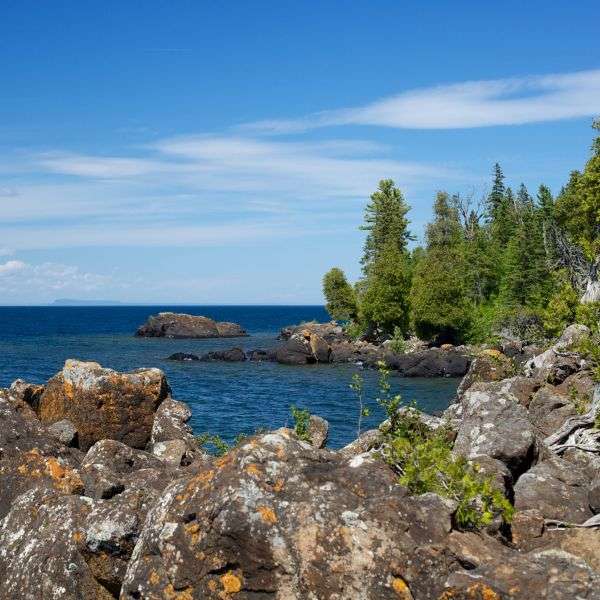
Rugged Shoreline
The island's coastline is characterized by rugged cliffs, rocky shores, and numerous smaller islands and islets. These features contribute to the isolation and pristine nature of the park.
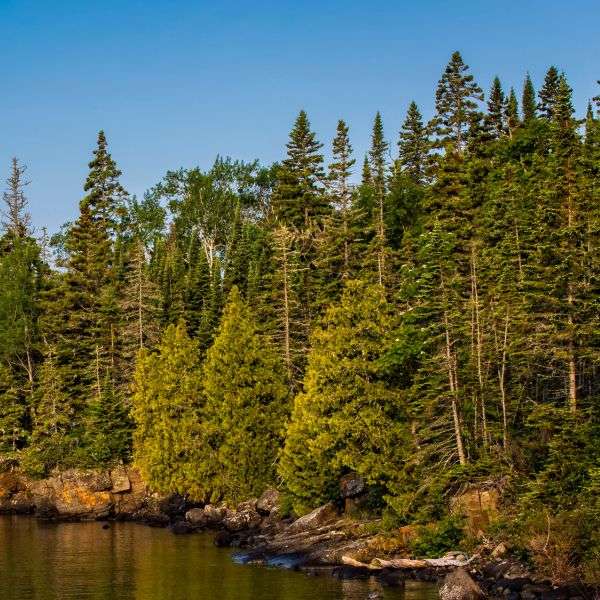
Vegetation and Forests
Isle Royale is covered by dense forests, dominated by coniferous and deciduous trees. The vegetation varies with elevation and soil conditions, creating diverse habitats across the island.
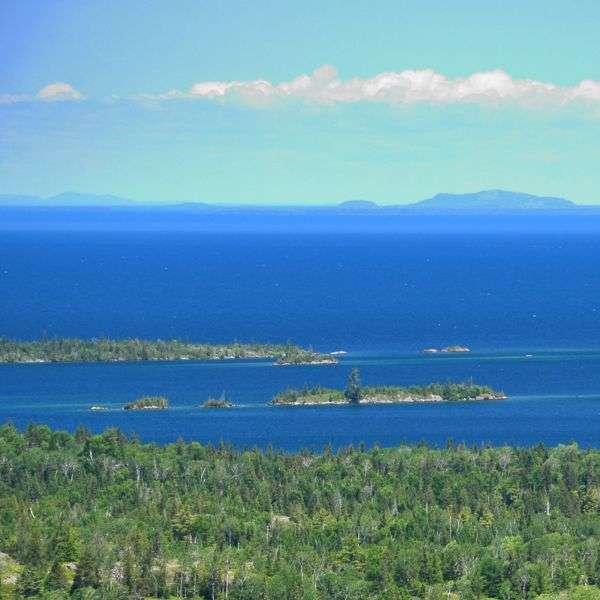
Archipelago
Isle Royale is part of an archipelago, and there are several smaller islands surrounding it. While the main island is the focus of the national park, these smaller islands contribute to the overall ecological richness of the area.
Plants
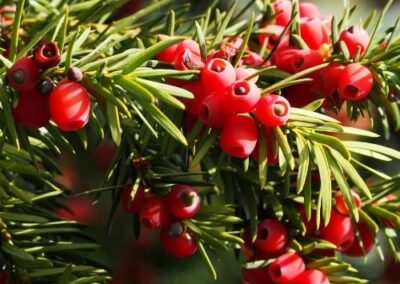
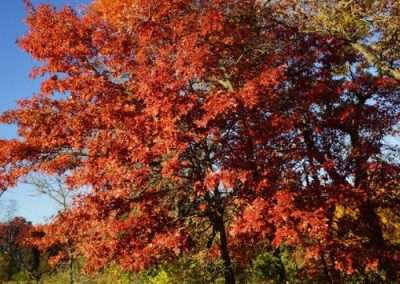
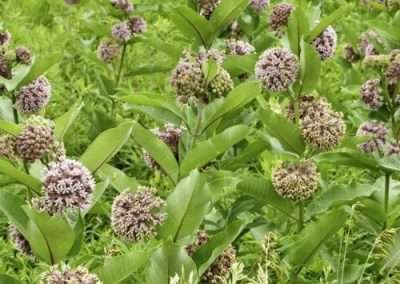
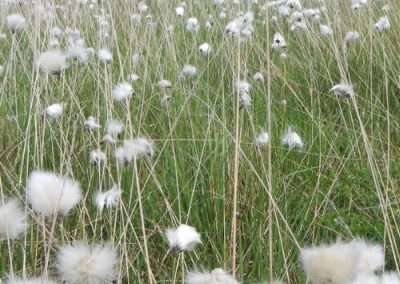
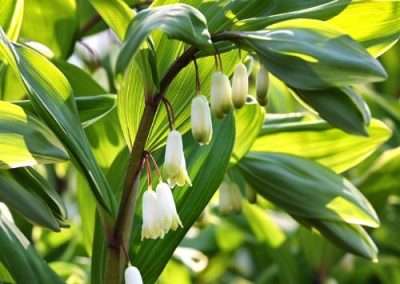
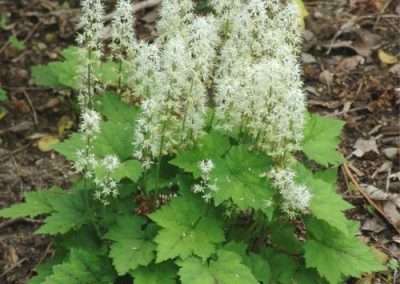
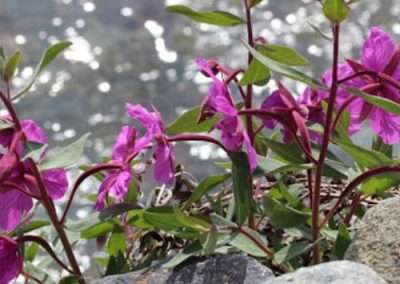
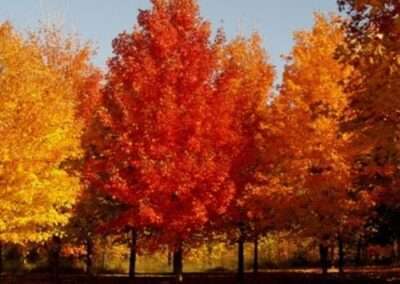
Isle Royale National Park is home to many types of plants that thrive in its cool, rugged environment. The island's forests are filled with trees such as spruce, fir, and birch, while wildflowers, grasses, and other plants grow along its rocky shores and open areas. These plants provide food and shelter for wildlife and help make Isle Royale a rich and beautiful wilderness.
Animals
Mammals
Isle Royale National Park is home to a variety of mammals that have adapted to its cool forests, wetlands, and isolated island environment. The park is especially famous for its moose and gray wolves, which have been studied together for decades. Other mammals, including beavers, red foxes, snowshoe hares, squirrels, and small rodents, also play important roles in the island's ecosystem.
Moose (Alces alces): Moose are one of the most famous animals on Isle Royale. They feed on plants, shrubs, and aquatic vegetation. Scientists have studied the island's moose population since the late 1950s as part of a long-running study of the relationship between moose and wolves.
Gray Wolf (Canis lupus): Gray wolves are important predators on Isle Royale. They mainly hunt moose and help shape the island's food web. Their population has changed over time because of factors such as food supply, disease, weather, and their small gene pool.
Red Fox (Vulpes vulpes): Red foxes live in forests and open areas throughout the island. They eat small mammals, birds, insects, and other available foods.
American Beaver (Castor canadensis): Beavers build dams and lodges in streams and ponds. Their activities create wetlands that provide habitat for many plants and animals.
Snowshoe Hare (Lepus americanus): Snowshoe hares live in the island's forests. They eat grasses, leaves, twigs, and other plants and are an important food source for predators.
Eastern Chipmunk (Tamias striatus): Eastern chipmunks are small rodents that live in wooded areas. They gather seeds, nuts, and other foods and store food in underground burrows.
American Red Squirrel (Tamiasciurus hudsonicus): Red squirrels are common in the island's forests. They feed mainly on seeds from conifer trees and are often heard making loud calls.
American Marten (Martes americana): American martens are small members of the weasel family. They live in forests and hunt small mammals, birds, and other animals.
Shrews and Voles: Several types of shrews and voles live on Isle Royale. These small mammals feed on insects, plants, and other foods and are an important part of the island's food web.
Bats: Bats can also be found on Isle Royale. They help control insect populations by feeding on insects during the night.
Reptiles
Isle Royale National Park has very few reptile species because of its cold climate and isolated location. The park is home to only two snake species and one turtle species. These reptiles have adapted to the island's forests, wetlands, lakes, and cool conditions.
Common Garter Snake (Thamnophis sirtalis): Common garter snakes are the most often seen snakes on Isle Royale. They live in many habitats, including forests and wetlands. They eat small animals such as insects, worms, and amphibians.
Northern Red-bellied Snake (Storeria occipitomaculata): This small, non-venomous snake is found on Isle Royale but is harder to spot than the garter snake. It often lives in wooded areas and feeds on small animals such as worms and slugs.
Western Painted Turtle (Chrysemys picta): The western painted turtle is the only turtle species found on Isle Royale. It lives in lakes and ponds and can often be seen resting on logs in the sun. During winter, painted turtles hibernate underwater in the mud.
These three reptiles are well suited to the island's northern environment. Their small number of species shows how Isle Royale's cold climate and isolation affect the animals that can live there.
Birds
Isle Royale National Park is home to many bird species that live on the island or pass through during migration. Its forests, lakes, wetlands, and rocky shores provide food and shelter for a wide range of birds. These habitats make the park a great place for birdwatching.
Common Loon (Gavia immer): Common loons are often seen on the park's lakes. They are excellent swimmers and divers and are known for their distinctive calls.
Bald Eagle (Haliaeetus leucocephalus): Bald eagles can be seen near lakes and shorelines, where they search for fish and other food. They may also build nests in tall trees.
Peregrine Falcon (Falco peregrinus): Peregrine falcons may be seen near cliffs and rocky areas. They are fast-flying hunters that catch other birds in the air.
Merlin (Falco columbarius): Merlins are small falcons that hunt other birds. They may be found in forests and open areas throughout the island.
Ruby-throated Hummingbird (Archilochus colubris): These tiny birds pass through Isle Royale during migration. They feed on nectar from flowers and small insects.
Common Raven (Corvus corax): Common ravens are year-round residents of Isle Royale. They can be found in forests and rocky areas and are known for their intelligence and deep calls.
Spruce Grouse (Falcipennis canadensis): Spruce grouse live in the island's boreal forests. Their feathers help them blend into the trees and forest floor.
Yellow-bellied Flycatcher (Empidonax flaviventris): These small birds live in forests and feed mainly on insects. They are easier to hear than see because they often stay hidden among the trees.
Red-breasted Nuthatch (Sitta canadensis): These small birds climb along tree trunks and branches while searching for insects and seeds. They are well suited to the island's conifer forests.
Warblers: Several species of warblers visit Isle Royale during migration. Birds such as the Black-throated Green Warbler can be found in the park's forests, especially during spring and fall.
Waterfowl: Ducks, geese, and other waterfowl use the island's lakes and wetlands. Some species live in the area during part of the year, while others stop at Isle Royale during migration.
Fish
Isle Royale National Park is surrounded by the cold, clear waters of Lake Superior and also contains many inland lakes and streams. These waters support a variety of fish that are adapted to the island's northern climate. Some fish are important predators, while others provide food for larger animals.
Lake Trout (Salvelinus namaycush): Lake trout are native to Lake Superior and are well adapted to its cold, deep waters. They are an important part of the lake's food web and are also popular with anglers.
Cisco (Coregonus artedi): Also called lake herring, cisco are cold-water fish found in Lake Superior. They are an important food source for larger fish, including lake trout.
Lake Whitefish (Coregonus clupeaformis): Lake whitefish are native to Lake Superior and live in cold, deep water. They are important to the lake's food web and have also been used as a food fish.
Northern Pike (Esox lucius): Northern pike live in some of Isle Royale's inland lakes. They are powerful predators that use quick attacks to catch smaller fish.
Yellow Perch (Perca flavescens): Yellow perch can be found in some inland waters and are known for their yellow and dark coloring. They are an important food source for larger fish.
Burbot (Lota lota): Burbot are unusual-looking freshwater fish that are well suited to cold water. They are found in Lake Superior and some inland waters around Isle Royale.
Brook Trout (Salvelinus fontinalis): Brook trout are native to the Great Lakes region and can be found in some of the island's inland waters. They prefer cold, clean water and are known for their colorful markings.
Suckers: Several species of suckers live in the waters around Isle Royale. They help move nutrients through aquatic ecosystems and provide food for larger fish and other wildlife.
Smallmouth Bass (Micropterus dolomieu): Smallmouth bass are found in some of Isle Royale's inland waters. They prefer rocky areas and feed on smaller fish, insects, and other aquatic animals.
Isle Royale's fish communities are an important part of the park's ecosystem. The cold waters of Lake Superior and the island's inland lakes provide different habitats that support both native fish and other wildlife.
Amphibians
Isle Royale National Park has a small number of amphibian species because of its cold climate, short summers, and remote location. Frogs and toads depend on wetlands, ponds, and other sources of water to breed. These habitats allow several amphibian species to survive on the island.
Wood Frog (Lithobates sylvaticus): Wood frogs are well suited to Isle Royale's cold climate. They can survive freezing temperatures during winter and are found in forests and wetlands.
Northern Leopard Frog (Lithobates pipiens): Northern leopard frogs live near ponds, wetlands, and other bodies of water. They are easy to recognize by the dark spots on their backs.
Mink Frog (Lithobates septentrionalis): Mink frogs are found in cool ponds and lakes with plenty of plants. Their call is often heard near the water during the warmer months.
Green Frog (Lithobates clamitans): Green frogs live near ponds, lakes, and wetlands. They are usually green or brown and have a deep call that can be heard near the water.
Boreal Chorus Frog (Pseudacris maculata): Boreal chorus frogs are small frogs that live in moist areas near ponds and wetlands. They are known for their loud calls during the breeding season.
American Toad (Anaxyrus americanus): American toads can live in forests, wetlands, and other habitats. They have bumpy skin and use ponds and other shallow waters for breeding.
These amphibians are an important part of Isle Royale's ecosystem. They help control insect populations and provide food for birds, fish, and other animals. Their presence also shows the importance of protecting the island's wetlands and freshwater habitats.
"Perhaps the rich human history entombed within the soil and rock of the island plays a role in the song it sings into the hearts and minds of those who travel to it."
- Ren Brabenec
"It’s so big it has its own lake, Siskiwit Lake. The lake also has its own island, Ryan Island. That makes Ryan Island the largest island on the largest lake on the largest island on the largest freshwater lake in the world."
-
“It has been said that wilderness without wildlife is mere scenery. Then, it is the moose and wolf that make Isle Royale more than just another pretty place.”
- Jeff Rennicke
"Such living rawness is of great allure. On this island in the middle of the world’s second largest freshwater lake, there are no communications signals, nor throngs of people that alter the landscapes the way they do at most other national parks—there is no land in sight in any direction… it’s just you and the world."
- Stefanie Payne
Explore More With Us
Stay updated on National Parks EDU resources, park news, community updates, and and ways to explore, and protect.

National Parks Edu's mission is to help kids and families understand what makes these places so important. Because when you learn about nature, you start to care about protecting it.
National Parks EDU is an independent educational website and is not affiliated with, endorsed by, sponsored by, or officially connected to the National Park Service (NPS) or the U.S. government. © National Parks EDU. All Rights Reserved. October 18, 2026