Indiana Dunes
National Park
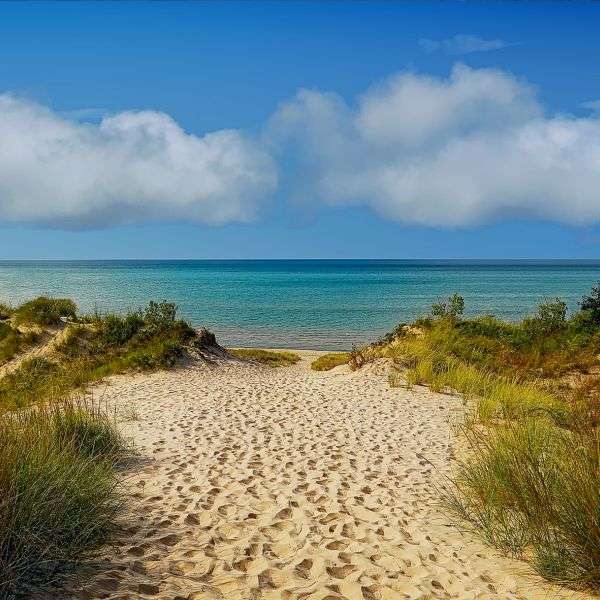
Indiana
stunning sand dunes, diverse ecosystems, and picturesque landscapes of Lake Michigan
Fast Facts
Location
northwestern Indiana
Established in
2019
Established by
President Donald Trump
Size
24 sq. miles
Known For
- Impressive sand dunes, some of which reach heights of up to 200 feet
- Diverse ecosystems, including dune, beach, forest, and wetland environments
- The park features approximately 15 miles of pristine shoreline along Lake Michigan
History
Natural History and Formation
The geological history of Indiana Dunes National Park began long before the dunes formed. The area was shaped by ancient seas, glaciers, and the changing waters of Lake Michigan.
Ancient Seas: Millions of years ago, seas covered parts of the region. Over time, they left behind layers of sand, clay, and other sediments that helped form the area's geology.
Glacial Activity: During the last Ice Age, large glaciers moved across the region. As the glaciers melted and retreated, they left behind sand, gravel, and other rocks. The melting ice also helped create large lakes, including the ancient Lake Chicago, which covered much of the area around present-day Lake Michigan.
Dune Formation: As the glaciers retreated and the ancient lake changed, large amounts of sand were left along the shoreline. Wind and waves moved this sand, slowly building the dunes. Plants later grew on the dunes and helped hold the sand in place. Wind and water continue to shape the dunes today.
Changing Habitats: Over thousands of years, different habitats developed across the area, including sand dunes, wetlands, forests, prairies, and beaches. These habitats support many different plants and animals.
Overall, the geology of Indiana Dunes National Park shows how glaciers, water, wind, and plants have worked together to create a constantly changing landscape.
Native History
The native history of Indiana Dunes National Park is connected to Indigenous peoples who have lived in the Great Lakes region for thousands of years. The land around the dunes provided food, water, plants, and important travel routes.
Early Inhabitants: Indigenous peoples lived in the Indiana Dunes region for thousands of years. Groups connected to the area included the Potawatomi, Miami, and other Native peoples. They hunted, fished, gathered plants, and traveled throughout the region.
Life Along Lake Michigan: Lake Michigan and the surrounding dunes provided many useful resources. People could fish in the lake and nearby waterways, hunt animals, and gather berries, nuts, roots, and other plants.
Trade and Travel: The southern shore of Lake Michigan was an important travel route. Indigenous communities used trails and waterways to move between different areas. These routes also helped people trade goods and share knowledge.
Cultural Connections: The land, water, plants, and animals of the region were important parts of Indigenous life and traditions. Stories and knowledge about the natural world were passed from one generation to the next.
European Settlement: European settlement brought major changes to Indigenous communities. Disease, loss of land, new laws, and forced removal greatly affected Native peoples in the region. The Potawatomi were among the Indigenous peoples who were forced from their homelands during the 19th century.
Survival and Resilience: Indigenous peoples have continued to preserve their cultures, traditions, languages, and connections to their ancestral lands. Today, federally recognized tribes, including the Citizen Potawatomi Nation and Pokagon Band of Potawatomi Indians, continue to maintain strong cultural connections to the Great Lakes region.
Preserving Native History: Indiana Dunes National Park works to share the history of the people who lived in and cared for this landscape. Learning about Indigenous history helps visitors better understand that the park is not only a natural area but also a place with a long and important human history.
Preservation
The preservation history of Indiana Dunes National Park is a story of conservation, community action, and efforts to protect the area's unique plants, animals, dunes, and cultural resources.
Early Conservation: In the late 1800s and early 1900s, scientists began studying the Indiana Dunes and recognized that the area was home to many different plants and habitats. Henry Chandler Cowles was an important early scientist who studied the dunes and helped people understand their ecological value.
Indiana Dunes State Park: In 1925, Indiana Dunes State Park was established to protect part of the dunes and provide a place for people to enjoy nature. The state park remains an important part of the larger Indiana Dunes landscape.
Conservation Efforts: During the 20th century, conservation groups and local communities worked to protect more of the dunes from industrial development. The Save the Dunes Council, founded in 1952, played an important role in these efforts.
National Lakeshore: In 1966, Congress created Indiana Dunes National Lakeshore. This protected a large area of dunes, beaches, wetlands, forests, and prairies along Lake Michigan. The designation helped prevent additional development and protect important natural areas.
Becoming a National Park: In 2019, Indiana Dunes National Lakeshore was renamed Indiana Dunes National Park. It became the 61st national park in the United States. The change recognized the national importance of the area's natural and cultural resources.
Protecting the Future: Today, the National Park Service works to protect the dunes, wetlands, forests, prairies, wildlife, and cultural sites. Research, habitat restoration, invasive species control, and visitor education all help protect the park for future generations.
The preservation of Indiana Dunes National Park shows how scientists, local communities, conservation groups, and government leaders worked together for many years to protect this special landscape.
Future Preservation
Preserving Indiana Dunes National Park for the future comes with several challenges. The park must protect its natural habitats while also managing development, visitors, and changes in the environment.
Development Pressures: The park is surrounded by cities, roads, and industrial areas. New development can reduce or change wildlife habitat and affect the dunes, wetlands, and other natural areas. Working with nearby communities is important for protecting the park.
Invasive Species: Invasive plants, such as common reed and garlic mustard, can spread quickly and crowd out native plants. Park staff work to control these species and protect native habitats.
Climate Change: Warmer temperatures, changes in rainfall, and stronger storms may affect the park's plants, animals, beaches, and wetlands. Scientists monitor these changes so park managers can respond to new threats.
Water Quality: The park includes beaches, wetlands, rivers, and other waterways connected to Lake Michigan. Pollution and runoff can affect water quality and wildlife. Protecting clean water is important for both nature and visitors.
Visitor Impact: Large numbers of visitors can put pressure on trails, beaches, dunes, and other sensitive areas. Staying on marked trails, following park rules, and keeping the park clean can help reduce damage.
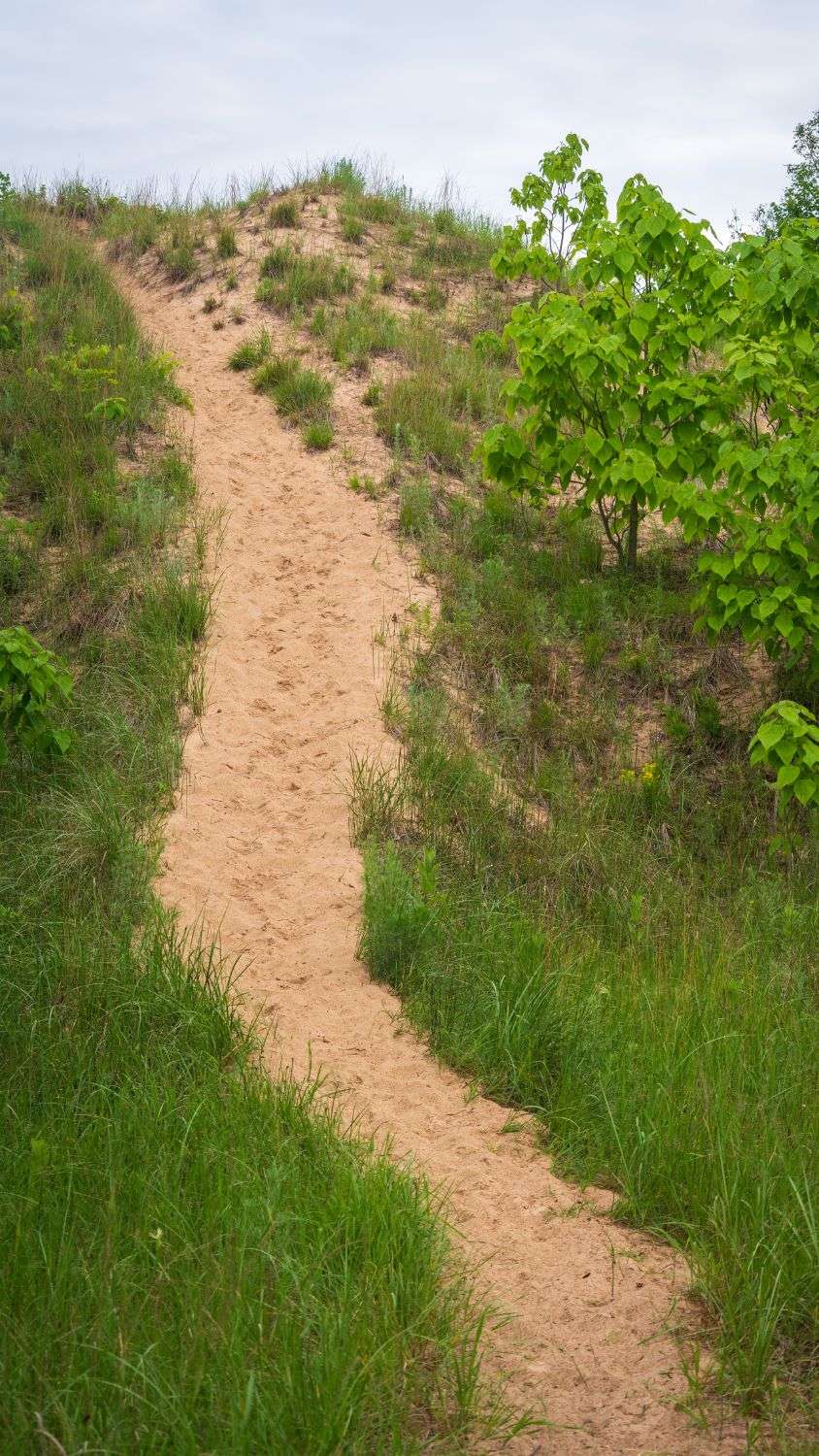
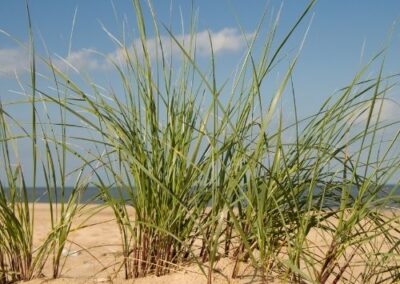
Protecting the Dunes: Dunes are shaped by wind and water and can be easily damaged by heavy foot traffic. Protecting fragile dune plants is important because their roots help hold the sand in place.
Protecting Indiana Dunes National Park will require cooperation among the National Park Service, local communities, scientists, and visitors. Careful management and responsible recreation can help keep the park's natural and cultural resources healthy for future generations.
Geography
Indiana Dunes National Park, located along the southern shore of Lake Michigan in Indiana, is known for its beautiful and varied landscape. The park includes sandy dunes, beaches, wetlands, forests, and prairies. Shaped by wind, water, glaciers, and time, these habitats create a unique environment for many plants and animals. Together, they make Indiana Dunes National Park a special place to explore and enjoy nature.
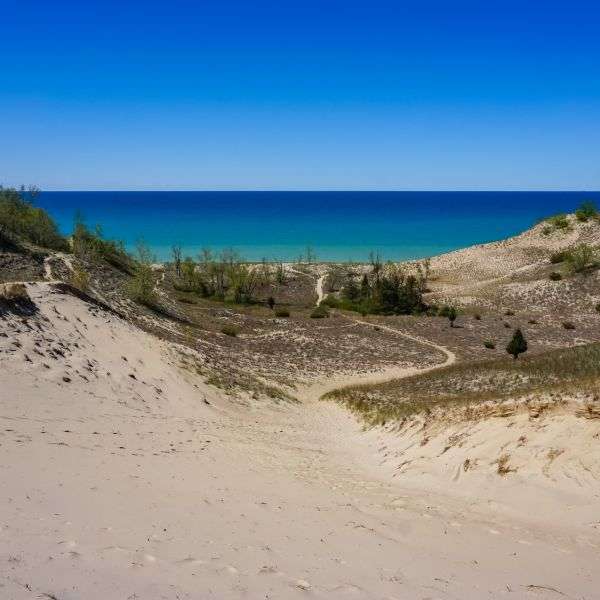
Sand Dunes
The most iconic feature of Indiana Dunes National Park is its extensive sand dunes, which rise up to nearly 200 feet above Lake Michigan. These dunes are the result of millennia of wind and wave action shaping sands deposited by glaciers during the last Ice Age. The dunes are dynamic, constantly shifting and evolving due to natural processes.
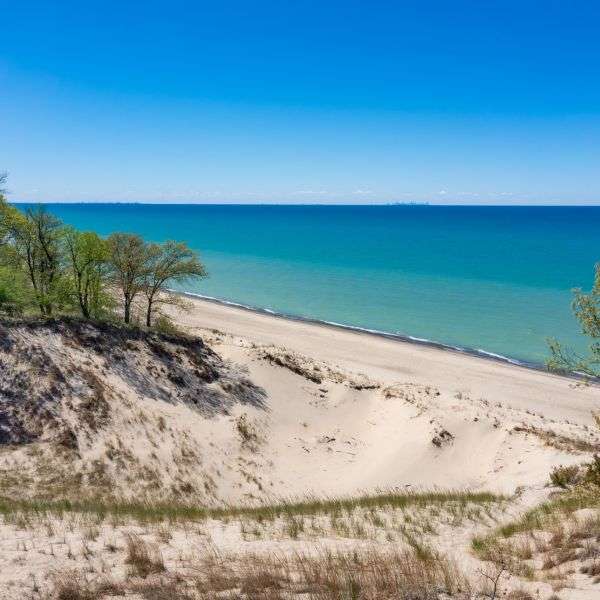
Lake Michigan Shoreline
The park's northern boundary is defined by approximately 15 miles of shoreline along Lake Michigan. This shoreline includes sandy beaches, rocky outcrops, and coastal wetlands, providing habitat for a variety of plant and animal species.
Geological Features
In addition to sand dunes, the park contains other geological features such as moraines, kettle lakes, and glacial erratics. These features offer insights into the region's glacial history and provide opportunities for geological exploration and study.
Inland Areas
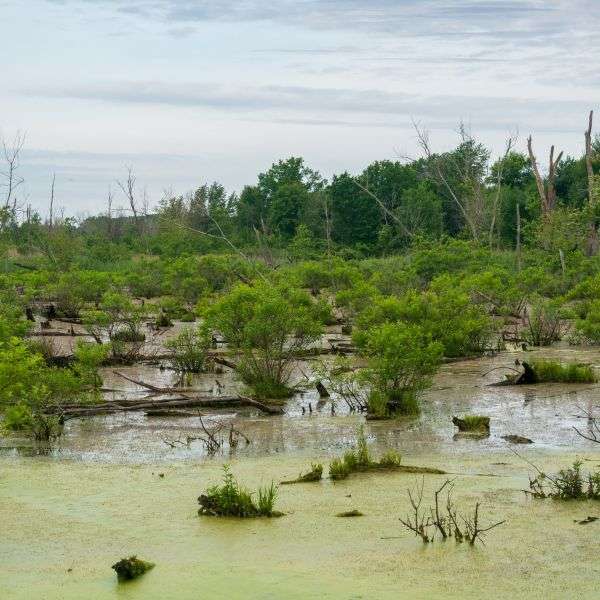
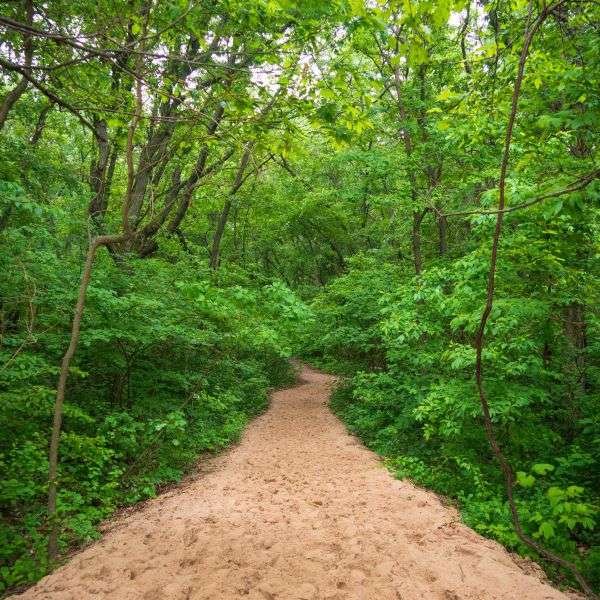
Beyond the shoreline, the park extends inland, encompassing woodlands, meadows, and marshes. These inland areas provide habitat for wildlife, opportunities for hiking and nature exploration, and serve as buffers against development encroachment.
Plants
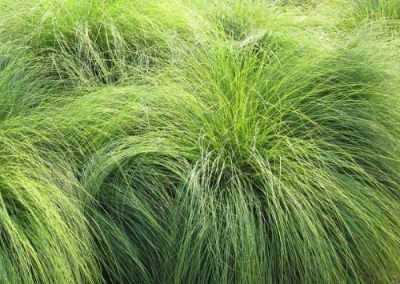
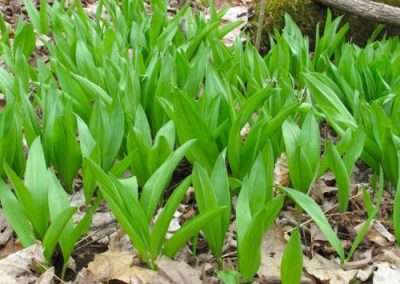
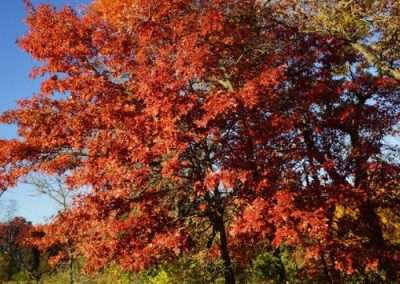
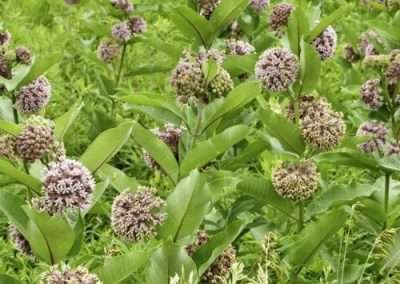
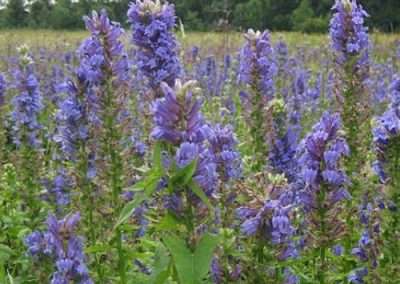
Indiana Dunes National Park is home to a wide variety of plants that grow across its dunes, wetlands, forests, and prairies. Many plants are specially adapted to sandy soil, strong winds, and changing water levels. From beach grasses and colorful wildflowers on the dunes to oak and hickory trees in the forests, the park's plant life adds beauty and provides important food and shelter for wildlife.
Animals
Mammals
Indiana Dunes National Park is home to many mammals that live in its forests, wetlands, prairies, and dunes. These animals have adapted to the park's many habitats and play important roles in the ecosystem.
White-tailed Deer (Odocoileus virginianus): White-tailed deer are the largest herbivores in the park. They are found throughout the park and feed on many types of plants.
Eastern Cottontail (Sylvilagus floridanus): Eastern cottontails live in grassy areas, fields, and forest edges. They are most active around dawn and dusk.
Eastern Gray Squirrel (Sciurus carolinensis): These common squirrels live in wooded areas. They search for nuts, seeds, and other foods.
Eastern Chipmunk (Tamias striatus): Eastern chipmunks are small, striped animals that live in forests and areas with plenty of cover. They collect and store food in underground burrows.
Raccoon (Procyon lotor): Raccoons are active mainly at night. They eat many kinds of food and can live in forests, wetlands, and areas near people.
Muskrat (Ondatra zibethicus): Muskrats are small mammals that live near water. They are commonly found in wetlands and feed on aquatic plants.
Virginia Opossum (Didelphis virginiana): The Virginia opossum is North America's only native marsupial. It is mostly active at night and eats a wide variety of foods.
Coyote (Canis latrans): Coyotes are the largest predators in the park. They are adaptable animals that eat small mammals and other available foods.
Striped Skunk (Mephitis mephitis): Striped skunks are mostly active at night. They are easy to recognize by their black-and-white fur and can spray a strong-smelling liquid when threatened.
Meadow Vole (Microtus pennsylvanicus): Meadow voles are small rodents that live in grassy areas and wetlands. They eat grasses and other plants and build tunnels through thick vegetation.
These mammals are part of the rich wildlife found at Indiana Dunes National Park. The park's many different habitats provide food, shelter, and space for a wide range of animals.
Reptiles
Indiana Dunes National Park is home to several reptile species that live in its wetlands, forests, prairies, and dunes. These reptiles have adapted to different habitats and help keep the park's ecosystems healthy.
Eastern Garter Snake (Thamnophis sirtalis): Eastern garter snakes are common in many parts of the park. They can live in wetlands, grasslands, and forests and eat insects, small animals, and amphibians.
Northern Water Snake (Nerodia sipedon): Northern water snakes live near ponds, streams, and wetlands. They are strong swimmers and eat fish, frogs, and other small animals. They are not venomous.
Common Snapping Turtle (Chelydra serpentina): Snapping turtles live in ponds, marshes, and other freshwater habitats. They have strong jaws and a rough shell and spend much of their time in the water.
Eastern Box Turtle (Terrapene carolina): Eastern box turtles live on land in forests, fields, and other areas with plenty of cover. Their high, domed shells help protect them from predators.
Five-lined Skink (Plestiodon fasciatus): Five-lined skinks are small lizards that live in wooded areas. Young skinks have bright blue tails, while their colors become less noticeable as they grow.
Eastern Fence Lizard (Sceloporus undulatus): Eastern fence lizards can be found in open, sunny areas and along forest edges. They eat insects and often climb trees, logs, and other surfaces to bask in the sun.
Smooth Green Snake (Opheodrys vernalis): Smooth green snakes are small, slender snakes that live in grassy areas and other habitats with thick plants. They are not venomous and mainly eat insects and spiders.
Red-bellied Snake (Storeria occipitomaculata): Red-bellied snakes are small, secretive snakes that live in forests and areas with moist soil. They feed mainly on slugs, earthworms, and other small invertebrates.
These reptiles are an important part of Indiana Dunes National Park's wildlife. Protecting their habitats helps support healthy and diverse ecosystems throughout the park.
Birds
Indiana Dunes National Park is home to many bird species because it has beaches, dunes, wetlands, forests, and prairies. The park is also an important stop for birds during migration, making it a popular place for birdwatching.
Bald Eagle (Haliaeetus leucocephalus): Bald eagles can be seen near the park's wetlands and Lake Michigan. They feed mainly on fish and other animals and may be seen soaring overhead.
Great Blue Heron (Ardea herodias): Great blue herons are often found near wetlands, ponds, and streams. They use their long bills to catch fish, frogs, and other small animals.
Piping Plover (Charadrius melodus): Piping plovers are small shorebirds that nest on sandy beaches. They are federally endangered, and the park works to protect their nesting areas.
Black-capped Chickadee (Poecile atricapillus): These small songbirds are common in wooded areas. They are easy to recognize by their black caps and cheerful calls.
Red-tailed Hawk (Buteo jamaicensis): Red-tailed hawks can often be seen soaring over open areas. They hunt small mammals and other animals.
Sandhill Crane (Antigone canadensis): Sandhill cranes pass through the park during migration. They are large birds with long legs and loud, distinctive calls.
American Woodcock (Scolopax minor): American woodcocks live in forests, brushy areas, and wet habitats. They are best known for their unusual flight display during courtship.
Indigo Bunting (Passerina cyanea): Indigo buntings can be found near woodland edges and brushy areas. Males have bright blue feathers during the breeding season.
Ruby-throated Hummingbird (Archilochus colubris): These tiny birds visit flowers to feed on nectar. They can be seen in the park during the warmer months.
Yellow Warbler (Setophaga petechia): Yellow warblers are small, bright birds that live in shrubs and along forest edges. They feed on insects and are common during the warmer months.
These birds are just a small sample of the many species found at Indiana Dunes National Park. Its location along Lake Michigan makes the park an especially important place for migrating and nesting birds.
Fish
Indiana Dunes National Park lies along the southern shore of Lake Michigan. The lake, wetlands, ponds, and nearby streams provide homes for many fish species. Some fish are native to the Great Lakes, while others were introduced for fishing or arrived from other places.
Lake Trout (Salvelinus namaycush): Lake trout are native to the Great Lakes and live in the cold, deep waters of Lake Michigan. They are an important fish for both the ecosystem and recreational fishing.
Smallmouth Bass (Micropterus dolomieu): Smallmouth bass live in Lake Michigan and nearby waters. They are popular with anglers and are known for being strong fighters.
Yellow Perch (Perca flavescens): Yellow perch are common in Lake Michigan, especially in shallower waters. They are an important food source for larger fish and are also popular with anglers.
Rainbow Trout (Oncorhynchus mykiss): Rainbow trout can be found in Lake Michigan and nearby waters. In the Great Lakes, rainbow trout that spend part of their lives in the lake are often called steelhead.
Chinook Salmon (Oncorhynchus tshawytscha): Chinook salmon were introduced to the Great Lakes and are now an important sport fish. They live mainly in the lake but enter streams during spawning.
Common Carp (Cyprinus carpio): Common carp are an introduced fish that can live in many types of freshwater habitats. They are found in Lake Michigan and other waters in the region.
Brown Trout (Salmo trutta): Brown trout are not native to the Great Lakes. They have been introduced and are found in Lake Michigan and some nearby waters. They are popular with anglers.
Channel Catfish (Ictalurus punctatus): Channel catfish live in Lake Michigan and other freshwater habitats. They prefer areas with slower-moving water and are popular with anglers.
These fish are part of the aquatic ecosystems around Indiana Dunes National Park. Protecting Lake Michigan and the park's wetlands and waterways helps keep these habitats healthy for fish and other wildlife.
Amphibians
Indiana Dunes National Park provides important habitats for amphibians, including frogs, toads, and salamanders. Its wetlands, ponds, forests, and dunes give these animals places to find food, hide, and reproduce.
American Toad (Anaxyrus americanus): American toads can live in forests, fields, and wetlands. They have bumpy skin and make a long, musical call during the breeding season.
Northern Leopard Frog (Lithobates pipiens): Northern leopard frogs live near ponds, wetlands, and other freshwater habitats. They are usually green or brown with dark spots and can make long jumps to escape danger.
Spring Peeper (Pseudacris crucifer): Spring peepers are tiny tree frogs known for their loud, high-pitched calls. They breed in shallow ponds and wetlands, especially in the spring.
Eastern Newt (Notophthalmus viridescens): Eastern newts have a complex life cycle. Young newts called red efts spend time on land before returning to the water as adults. They live in and around ponds and other wet areas.
Eastern Tiger Salamander (Ambystoma tigrinum): Eastern tiger salamanders are large salamanders that spend much of their lives underground. They use ponds and other temporary wetlands for breeding.
Northern Two-lined Salamander (Eurycea bislineata): These small salamanders are closely associated with streams and other wet areas. They have two dark lines running along their bodies and feed on small insects and other invertebrates.
Fowler's Toad (Anaxyrus fowleri): Fowler's toads can live in sandy areas, grasslands, and other open habitats. They breed in shallow water and are known for their loud calls.
These amphibians play an important role in the park's food webs. They eat insects and other small animals while also providing food for birds, snakes, and mammals. Protecting wetlands and clean water is important for keeping amphibian populations healthy.
“We are prepared to spend the rest
of our lives if necessary to save the
dunes.”
- Dorothy R. Buell
"The Indiana Dunes, like so many other natural wonders, teaches us that though we may have come a long way in conquering and controlling the natural world, there are still places that remain beyond our grasp, where the earth speaks for itself and where we can marvel at the wonders of creation."
- Richard Lugar
Explore More With Us
Stay updated on National Parks EDU resources, park news, community updates, and and ways to explore, and protect.

National Parks Edu's mission is to help kids and families understand what makes these places so important. Because when you learn about nature, you start to care about protecting it.
National Parks EDU is an independent educational website and is not affiliated with, endorsed by, sponsored by, or officially connected to the National Park Service (NPS) or the U.S. government. © National Parks EDU. All Rights Reserved. October 17, 2026