Hot Springs
National Park

Arkansas
renowned for its therapeutic thermal waters, historic bathhouses, and scenic surroundings
Fast Facts
Location
Arkansas
Established in
1921
Established by
President Andrew Jackson
Size
9 sq. miles
Known For
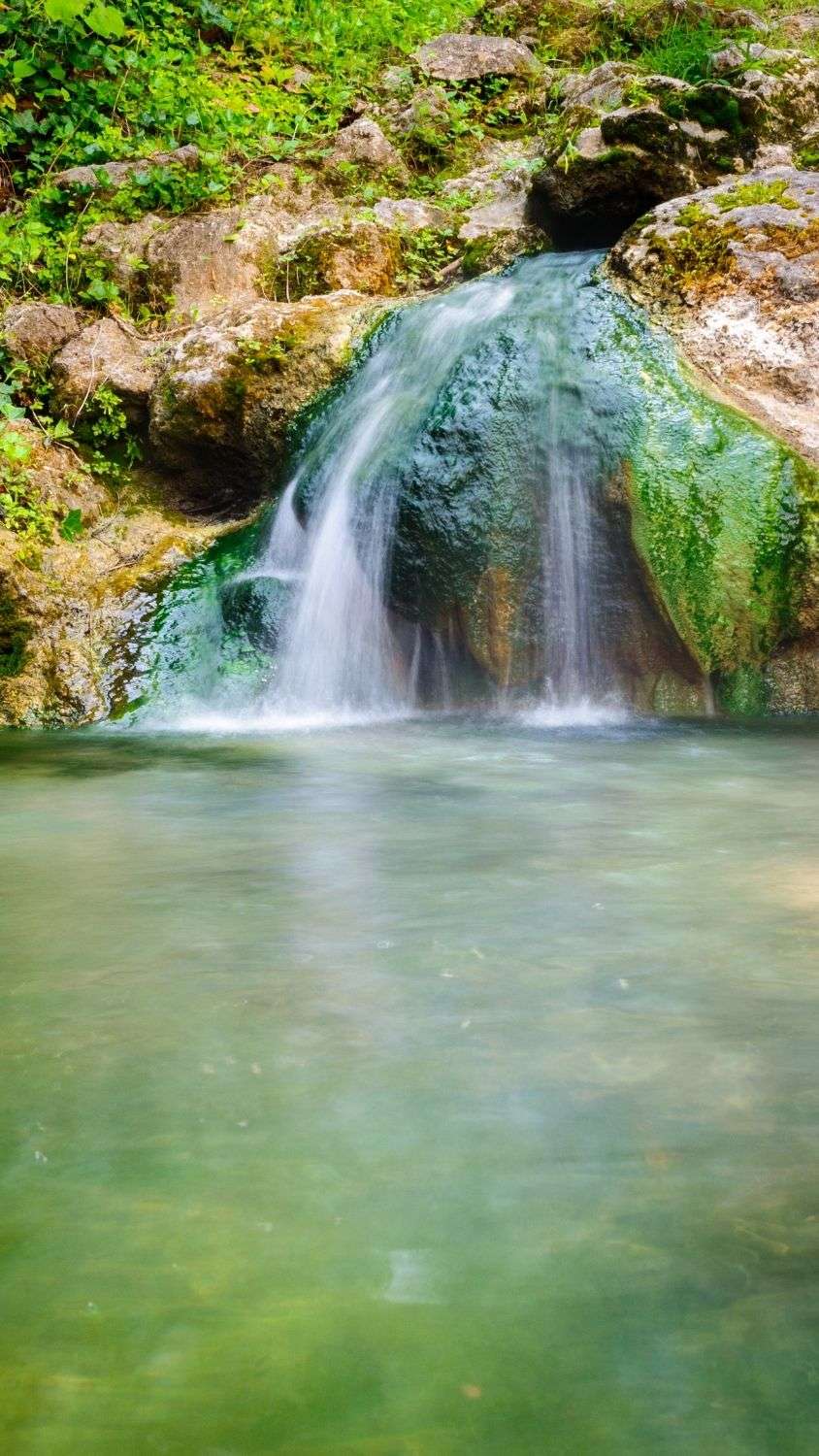
- Hot Springs National Park is renowned for its natural hot springs, with water emerging from the ground at an average temperature of 143°F
- Hot Springs National Park has a rich cultural history, with a focus on the bathhouse era and the development of the park as a health resort
History
Natural History and Formation
Hot Springs National Park's geological history is closely connected to the ancient Ouachita Mountains and the tectonic forces that shaped the region. Unlike volcanic hot springs, the park's thermal waters are produced by deep circulation of groundwater through fractured and folded rocks.
Ouachita Mountains Formation: The park lies within the Ouachita Mountains, an ancient range formed roughly 300 million years ago during a major mountain-building episode caused by the collision of tectonic plates. These forces compressed, folded, and uplifted layers of sedimentary rock.
Folded and Faulted Rocks: The region contains rocks such as sandstone, shale, and novaculite. Intense tectonic pressure produced extensive folding, faulting, and fracturing, creating networks of cracks through which groundwater can travel deep beneath the surface.
Deep Groundwater Circulation: Rainwater enters the ground and moves downward through fractures in the rocks. As the water descends, it becomes progressively warmer because temperatures increase with depth beneath Earth's surface.
Thermal Spring Formation: After circulating deep underground, the heated groundwater rises through fractures and faults. During its journey, the water dissolves minerals from surrounding rocks before emerging at the surface as the thermal springs that give the park its name. The springs are therefore geothermal rather than volcanic in origin.
Hot Springs: The park contains numerous natural thermal springs, historically numbering about 47. Some of the water emerges at temperatures of up to approximately 143°F (62.8°C), making the springs a distinctive geological feature of the Ouachita Mountains.
Geological Significance: The combination of ancient mountain-building, fractured rock, deep groundwater circulation, and geothermal heating has created Hot Springs National Park's remarkable thermal environment. These processes continue today, making the park an unusual example of naturally occurring geothermal activity far from an active volcanic region.
Native History
Hot Springs National Park has a long Native American history, with Indigenous peoples maintaining connections to the thermal springs for centuries before European contact. The Quapaw, Caddo, and Osage are among the Native nations associated with the broader region, and the springs held important cultural, spiritual, and healing significance.
Quapaw Tribe: The Quapaw have a particularly strong historical connection to the Hot Springs area. Their traditional homelands extended across portions of the lower Mississippi Valley, including present-day Arkansas. The thermal springs were regarded as an important place for healing and spiritual practices.
Sacred and Neutral Ground: The springs were traditionally regarded as a place where different Indigenous groups could gather. Their mineral-rich waters were valued for their perceived healing properties, and the area could serve as a place for peaceful interaction among different peoples.
Ceremonial and Healing Practices: Indigenous visitors used the thermal waters for bathing and other practices associated with healing and purification. The springs' unusual warmth and mineral content contributed to their importance within Indigenous traditions.
Indigenous Place Names: Native peoples had their own names and traditions associated with the springs and surrounding landscape. European explorers later applied French and English names to the area, contributing to the development of the modern name "Hot Springs."
European Contact: European exploration and settlement brought significant changes to the region. Europeans learned of the springs and their reputation through interactions with Indigenous peoples, eventually contributing to the area's development as a destination associated with health and recreation.
Treaties and Displacement: During the expansion of the United States, treaties and federal policies resulted in Indigenous nations losing substantial portions of their traditional territories. The Quapaw were ultimately relocated to Indian Territory, in present-day Oklahoma, although their cultural connections to their ancestral homelands remain important.
Native Heritage Today: Hot Springs National Park recognizes the Indigenous history of the landscape as part of its broader cultural heritage. Understanding the longstanding Native American relationship with the thermal springs provides important context for appreciating the site's history beyond its later development as a national park and health resort.
Preservation
The preservation history of Hot Springs National Park reflects more than a century of efforts to protect its thermal springs, historic structures, cultural heritage, and surrounding landscape. The area has a particularly important place in U.S. conservation history because federal protection of the springs predates the establishment of Yellowstone and the National Park Service.
Hot Springs Reservation: On April 20, 1832, Congress established the Hot Springs Reservation to protect the thermal springs and make them available for public use. This made the area the first federally protected reservation established for conservation and public recreation in the United States.
Early Management: During the 19th century, increasing visitation and private development placed pressure on the springs and surrounding lands. Concerns about uncontrolled construction and commercial exploitation led to stronger federal oversight, including the creation of a board of commissioners in 1877.
National Park Designation: On March 4, 1921, Hot Springs Reservation was redesignated as Hot Springs National Park. The change recognized the area's broader natural, recreational, and historical importance and strengthened its connection to the emerging national park system.
Bathhouse Row Preservation: The historic bathhouses along Central Avenue became a major focus of preservation efforts. Built primarily in the late 19th and early 20th centuries, these buildings reflect the era when Hot Springs was a nationally prominent health resort. Restoration and adaptive-use projects have helped preserve their architectural and historical character.
Protection of the Thermal Springs: Protecting the springs themselves remains central to the park's mission. Park managers monitor the thermal water and its surrounding environment to help maintain water quality, protect the geothermal system, and preserve the springs as a defining natural feature.
Fordyce Bathhouse: The Fordyce Bathhouse has been preserved as a museum and visitor center. Its historic rooms, equipment, and exhibits interpret the therapeutic bathing culture that developed around the springs and provide insight into the social history of the national park.
Cultural Heritage: Preservation also encompasses the area's long Indigenous history and the many layers of human activity that preceded and followed the development of the bathhouse era. Protecting archaeological, architectural, and historical resources helps present a more complete history of the landscape.
Ongoing Stewardship: Today, Hot Springs National Park continues to balance preservation with public access. Conservation of the thermal springs, historic buildings, forests, trails, and cultural resources allows visitors to experience the area's unusual combination of natural and human history while ensuring that these resources remain protected for future generations.
Future Preservation
Preserving Hot Springs National Park for future generations requires balancing protection of its thermal springs, historic structures, cultural resources, and natural ecosystems with the needs of visitors and the surrounding community.
Thermal Resource Management: Protecting the park's thermal springs is a central challenge. Managers must monitor the geothermal system and groundwater to ensure that the quantity and quality of the thermal water remain stable while accommodating public use.
Urban Interface: Unlike many remote national parks, Hot Springs National Park is closely integrated with the city of Hot Springs. Nearby development, stormwater runoff, pollution, and changes in land use can affect park resources and require coordination with local authorities and residents.
Visitor Impact: Heavy visitation can contribute to trail erosion, vegetation damage, litter, infrastructure wear, and disturbance of sensitive resources. Managing access and maintaining facilities while providing visitors with meaningful experiences remains an ongoing responsibility.
Invasive Species: Non-native plants and animals can compete with native species and alter ecological processes. Continued monitoring, removal, and prevention programs are important for maintaining the park's native biodiversity.
Climate Change: Changing temperatures, precipitation patterns, and extreme weather events could affect forests, wildlife, water resources, and the thermal spring system. Long-term monitoring and adaptive management will be increasingly important as environmental conditions change.
Historic Structures: Preserving Bathhouse Row and other historic buildings requires continual maintenance, restoration, and appropriate adaptive use. Historic structures must be protected from deterioration while remaining accessible and useful to the public.
Water Quality: Maintaining the exceptional quality of the thermal waters is essential. Monitoring helps detect potential contamination or changes in the geothermal system and supports decisions designed to protect this defining feature of the park.
Cultural Heritage: The park contains layers of Indigenous, medical, architectural, and recreational history. Responsible interpretation should recognize Native American connections to the springs while also preserving the later history associated with the bathhouse era.
Funding and Partnerships: Maintaining historic buildings, trails, water-monitoring systems, and visitor facilities requires sustained funding. Cooperation among the National Park Service, local government, conservation organizations, researchers, and the surrounding community can strengthen long-term preservation efforts.
Long-Term Stewardship: Meeting these challenges requires an integrated approach that combines scientific monitoring, historic preservation, invasive-species management, responsible visitor use, and community engagement. Such stewardship can help ensure that Hot Springs National Park's thermal waters, natural landscapes, and cultural resources remain protected for future generations.
Geography
Hot Springs National Park, located in central Arkansas within the Ouachita Mountains, is distinguished by its natural thermal springs, forested hills, and historic landscape. The park's geology allows groundwater to circulate deep beneath the surface before emerging as naturally heated springs. Its rugged terrain includes wooded ridges, valleys, and scenic hiking trails, while the historic Bathhouse Row provides a distinctive cultural and architectural setting. Together, the thermal waters, forests, mountains, and historic structures give Hot Springs National Park a unique character that combines natural beauty with a long tradition of recreation and healing.
Ouachita Mountains
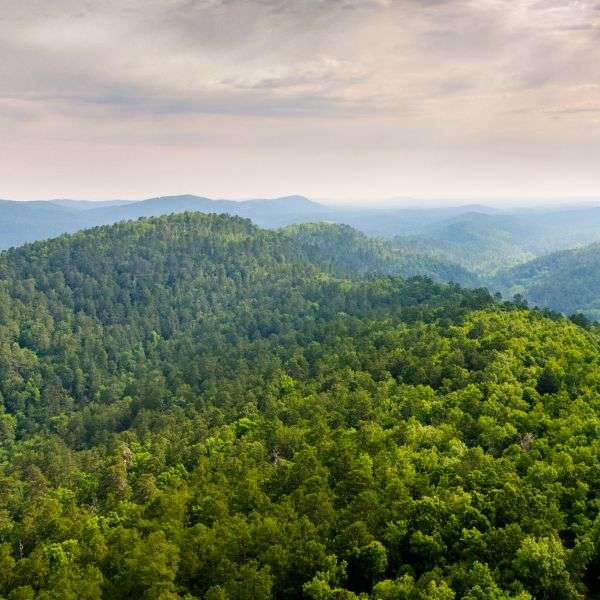
Hot Springs National Park is situated within the Ouachita Mountains, a range that extends across parts of Arkansas and Oklahoma. The park includes Hot Springs Mountain, one of the prominent peaks in the Ouachita Mountains with an elevation of 1,468 feet above sea level.
Hot Springs
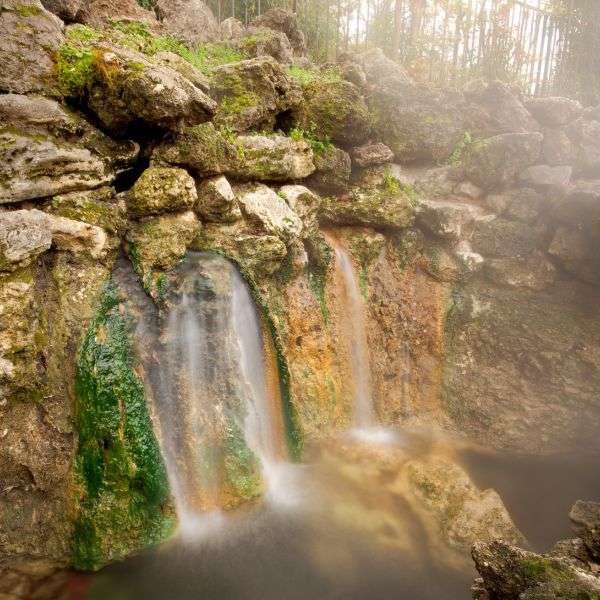
The central feature of the park is the thermal springs for which it is named. There are about 47 natural thermal springs within the park, with water emerging at an average temperature of 143°F.
Forests and Lakes
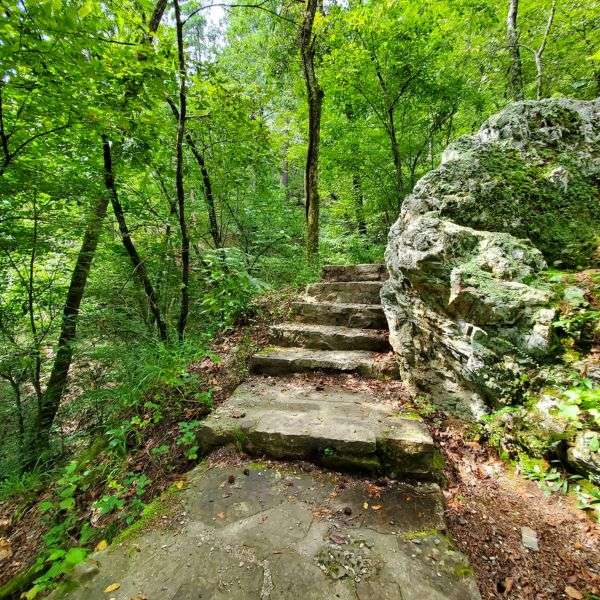
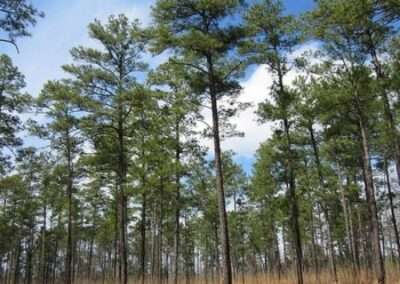
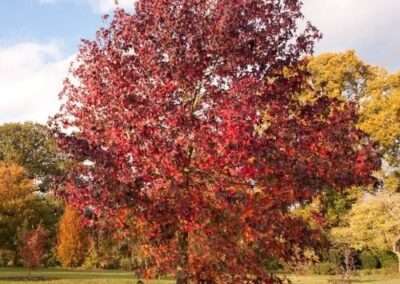
The park is characterized by a mix of deciduous and pine forests, adding to its scenic beauty. The park also encompasses several lakes, including Lake Hamilton and Lake Catherine, which are popular for recreational activities.
Plants
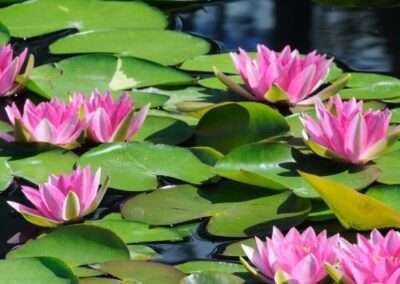
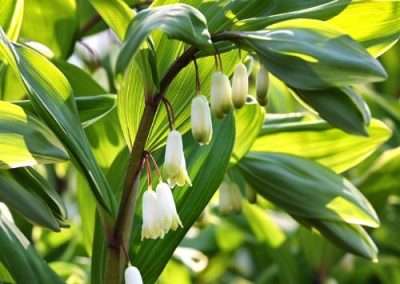
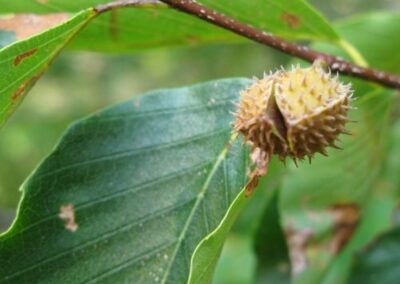
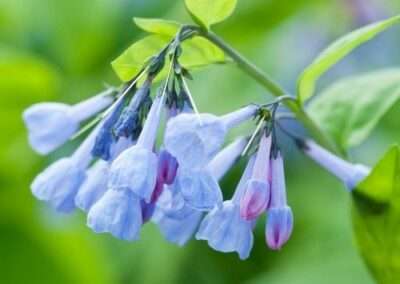
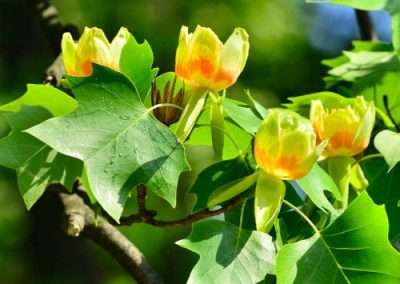
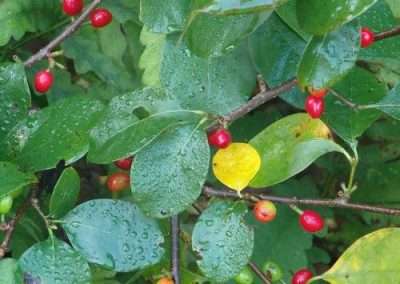
Hot Springs National Park supports a diverse variety of plant life within its forested Ouachita Mountain landscape. The park's warm, humid conditions and varied terrain create habitats for numerous trees, shrubs, ferns, wildflowers, mosses, and other plants. Oak and hickory forests dominate many areas, while moisture-loving ferns and mosses thrive in shaded locations and along streams and springs. The park's plant communities contribute to soil stability, provide food and shelter for wildlife, and add to the scenic beauty experienced along its hiking trails.
Animals
Mammals
Hot Springs National Park supports a diverse community of mammals associated with the forests, streams, rocky slopes, and open habitats of the Ouachita Mountains.
White-Tailed Deer (Odocoileus virginianus): White-tailed deer are widespread in the park and are commonly associated with forest edges, wooded areas, and clearings. They feed on a variety of vegetation.
Eastern Gray Squirrel (Sciurus carolinensis): These abundant tree-dwelling mammals are frequently seen in the park's forests. They feed on nuts, seeds, fruits, and other plant material.
Eastern Cottontail (Sylvilagus floridanus): Eastern cottontails inhabit grassy areas, woodland edges, and shrubby habitats. They are primarily herbivorous and are most active around dawn and dusk.
Raccoon (Procyon lotor): Raccoons are adaptable nocturnal mammals found in wooded habitats and around streams. Their varied diet includes fruits, insects, small animals, and other available foods.
Bobcat (Lynx rufus): Bobcats are solitary and elusive predators that occupy forested and rocky habitats. They prey on rabbits, rodents, birds, and other small animals.
Virginia Opossum (Didelphis virginiana): North America's only native marsupial, the Virginia opossum is primarily nocturnal and occurs in a variety of habitats. It is an opportunistic feeder with a highly varied diet.
Striped Skunk (Mephitis mephitis): Striped skunks are recognizable by their contrasting black-and-white coats. They forage for insects, small animals, fruits, and other foods and use a strong-smelling spray as a defense.
Eastern Chipmunk (Tamias striatus): Eastern chipmunks are small rodents commonly encountered on the forest floor. They gather seeds, nuts, fruits, and other foods and often store food in underground burrows.
Coyote (Canis latrans): Coyotes are adaptable predators capable of using forests, clearings, and other habitats. Their diet includes small mammals, birds, fruits, and other available food.
Southern Flying Squirrel (Glaucomys volans): These nocturnal squirrels use a membrane between their limbs to glide from tree to tree. They are associated with mature forests and feed on nuts, seeds, fungi, and other foods.
Red Fox (Vulpes vulpes): Red foxes are adaptable carnivores that can use forests, woodland edges, and open habitats. They hunt small mammals and birds and also consume fruits and other foods.
North American River Otter (Lontra canadensis): River otters are associated with streams and other aquatic habitats. Their streamlined bodies and webbed feet make them highly effective swimmers and aquatic predators.
Big Brown Bat (Eptesicus fuscus): Big brown bats are nocturnal insectivores that forage over forests, clearings, and water. Along with other bat species, they help control nighttime insect populations.
Reptiles
Hot Springs National Park supports a variety of reptiles associated with its forests, rocky slopes, streams, wetlands, and open habitats. The park's reptile community includes lizards, turtles, and numerous snake species.
Eastern Collared Lizard (Crotaphytus collaris): These colorful lizards are associated with rocky, sun-exposed habitats where they bask and hunt insects and other small prey.
Five-Lined Skink (Plestiodon fasciatus): Five-lined skinks are common woodland lizards recognized by their distinct striping, particularly prominent in younger individuals. They forage among leaf litter, fallen logs, and rocks.
Eastern Box Turtle (Terrapene carolina carolina): Eastern box turtles are terrestrial turtles that inhabit forests, woodland edges, and other moist habitats. Their hinged shells allow them to close themselves inside for protection.
Slender Glass Lizard (Ophisaurus attenuatus): This legless lizard can resemble a snake but differs in several anatomical features, including movable eyelids and external ear openings. It occurs in grassy, open, and woodland-edge habitats.
Western Diamondback Rattlesnake (Crotalus atrox): Western diamondbacks are venomous pit vipers that prey primarily on rodents and other small animals. They are generally secretive and avoid human activity.
Rough Green Snake (Opheodrys aestivus): Rough green snakes are slender, nonvenomous, and largely arboreal. Their green coloration provides excellent camouflage among leaves and vegetation, where they hunt insects and other small prey.
Broad-Headed Skink (Plestiodon laticeps): Broad-headed skinks are relatively large lizards associated with mature forests. Adult males develop noticeably broad, often reddish-colored heads and may be found climbing trees or foraging near fallen timber.
Eastern Worm Snake (Carphophis amoenus): This small, nonvenomous snake spends much of its life underground or beneath leaf litter, logs, and other debris. It feeds primarily on earthworms and other soft-bodied invertebrates.
Common Snapping Turtle (Chelydra serpentina): Snapping turtles inhabit ponds, streams, and other aquatic environments. They are powerful omnivores that spend much of their time in or near water.
Eastern Ratsnake (Pantherophis alleghaniensis): Eastern ratsnakes are large, nonvenomous constrictors that inhabit forests and wooded areas. They are effective predators of rodents, birds, and other small animals.
Eastern Copperhead (Agkistrodon contortrix): Eastern copperheads are venomous pit vipers associated with forests, rocky areas, and woodland edges. Their patterned bodies provide effective camouflage among leaves and rocks.
Common Garter Snake (Thamnophis sirtalis): Common garter snakes are adaptable, nonvenomous snakes that can occur in forests, grasslands, wetlands, and areas near streams. They feed on a variety of small animals.
Red-Eared Slider (Trachemys scripta elegans): Red-eared sliders are aquatic turtles commonly associated with ponds and other calm waters. They are recognizable by the reddish marking behind each eye and are widespread beyond their native range.
Birds
Hot Springs National Park in Arkansas is home to many kinds of birds. The park's forests, streams, open areas, and shrubs provide food and shelter for birds. Some birds live in the park all year, while others visit during spring and fall migration. The National Park Service lists more than 100 bird species in the park.
Northern Cardinal (Cardinalis cardinalis): Northern cardinals are common birds that live in the park all year. Males are easy to recognize because of their bright red feathers.
American Robin (Turdus migratorius): American robins are often seen in open areas and along forest edges. They search the ground for insects, worms, and other food.
Eastern Bluebird (Sialia sialis): Eastern bluebirds live in open woodlands, grassy areas, and forest edges. They often sit on branches while looking for insects.
Great Blue Heron (Ardea herodias): Great blue herons can be found near streams and other water areas. They stand in shallow water and hunt for fish and other small animals.
Red-Shouldered Hawk (Buteo lineatus): Red-shouldered hawks live in forested areas. They hunt small animals such as mice, frogs, snakes, and other prey.
Pileated Woodpecker (Dryocopus pileatus): Pileated woodpeckers are large woodpeckers with a bright red crest. They live in mature forests and use their strong bills to find insects in trees.
Tufted Titmouse (Baeolophus bicolor): Tufted titmice are small, active birds that live in forests. They often travel with other small birds and feed on insects, seeds, and nuts.
Northern Mockingbird (Mimus polyglottos): Northern mockingbirds are known for copying the songs and calls of other birds. They are often found near open areas and shrubs.
Brown Thrasher (Toxostoma rufum): Brown thrashers live in shrubs and along forest edges. They search through leaves and soil for insects and other food.
Eastern Screech-Owl (Megascops asio): Eastern screech-owls are small, nighttime hunters. They live in wooded areas and come in gray and reddish color forms.
Cedar Waxwing (Bombycilla cedrorum): Cedar waxwings often travel in groups. They eat many fruits and berries and can be recognized by their smooth feathers and pointed crest.
Belted Kingfisher (Megaceryle alcyon): Belted kingfishers live near streams and ponds. They often sit above the water before diving in to catch fish.
These birds are only a small part of the bird life found in Hot Springs National Park. Birdwatching can be enjoyed throughout the year, especially along the Grand Promenade and trails on West Mountain.
Fish
Hot Springs National Park has a limited number of fish species because the park does not contain large lakes or rivers. Its streams and creeks provide habitat for some freshwater fish. The warm water from the thermal springs is also not suitable for most fish.
Longear Sunfish (Lepomis megalotis): Longear sunfish can live in clear, shallow streams. They are small, colorful fish that feed on insects and other small animals.
Green Sunfish (Lepomis cyanellus): Green sunfish can live in streams, ponds, and other freshwater habitats. They have a large mouth and are often found near rocks, plants, and other cover.
Bluegill (Lepomis macrochirus): Bluegill are common freshwater sunfish that live in calm or slow-moving water. They eat insects, small animals, and plant material.
Largemouth Bass (Micropterus salmoides): Largemouth bass prefer warm, slow-moving water and feed on smaller fish, insects, frogs, and other prey. They are an important sport fish in Arkansas.
Channel Catfish (Ictalurus punctatus): Channel catfish live in streams, rivers, ponds, and lakes. They use their whisker-like barbels to help find food in the water.
Common Carp (Cyprinus carpio): Common carp are introduced fish that can live in many types of freshwater habitats. They feed along the bottom and can disturb muddy areas while searching for food.
These fish are examples of freshwater species associated with the park and the surrounding Ouachita Mountain region. Fish populations can vary by stream and location. Visitors should check current park rules before fishing because fishing access and regulations can change.
Amphibians
Hot Springs National Park provides habitat for many amphibians. The park's forests, streams, springs, and wet areas give frogs, toads, and salamanders places to live and breed. Amphibians are especially active during wet weather and are often easier to hear than see.
American Bullfrog (Lithobates catesbeianus): American bullfrogs are large frogs that live near ponds, streams, and other areas with water. Their deep calls can often be heard on warm nights.
Green Frog (Lithobates clamitans): Green frogs live near ponds, streams, and other freshwater areas. They are often found sitting near the edge of the water.
Southern Leopard Frog (Lithobates sphenocephalus): Southern leopard frogs have dark spots on their backs and strong legs for jumping. They are usually found near ponds, streams, and wet areas.
Pickerel Frog (Lithobates palustris): Pickerel frogs have dark rectangular spots on their backs. They live in moist areas near streams, ponds, and other sources of water.
Cope's Gray Treefrog (Hyla chrysoscelis): These small frogs spend much of their time in trees and shrubs. They are most noticeable during the breeding season because of their loud calls.
Eastern Narrow-Mouthed Toad (Gastrophryne carolinensis): This small toad has a pointed head and a narrow mouth. It spends much of its time hidden under leaves, soil, or other cover and feeds mainly on ants and termites.
American Toad (Anaxyrus americanus): American toads have dry, warty skin and can live in forests, fields, and yards. They feed on insects and other small animals.
Spring Peeper (Pseudacris crucifer): Spring peepers are tiny treefrogs known for their high-pitched calls. They breed in shallow water and are often heard during wet spring nights.
Squirrel Treefrog (Hyla squirella): Squirrel treefrogs live in trees, shrubs, and other vegetation. Their calls can sound somewhat like a squirrel.
Eastern Newt (Notophthalmus viridescens): Eastern newts have several stages in their life cycle. Young newts, called red efts, live on land before returning to the water as adults.
Amphibians are an important part of the park's ecosystem. They eat insects and other small animals and also provide food for larger wildlife. Because they depend on clean water and healthy habitats, amphibians can also help show how healthy an ecosystem is.
"Humans have been coming to this area for thousands of years to quarry the Novaculite stone found on the hilltops and to partake of the hot and cold spring water flowing from the ground."
― National Park Services
"Scientists have determined through radiocarbon dating that the water that reaches the surface in Hot Springs fell as rainfall 4,400 years ago"
― Kathy Alexander
Explore More With Us
Stay updated on National Parks EDU resources, park news, community updates, and and ways to explore, and protect.

National Parks Edu's mission is to help kids and families understand what makes these places so important. Because when you learn about nature, you start to care about protecting it.
National Parks EDU is an independent educational website and is not affiliated with, endorsed by, sponsored by, or officially connected to the National Park Service (NPS) or the U.S. government. © National Parks EDU. All Rights Reserved. October 18, 2026