Hawaii Volcanoes
National Park
Hawai'i
a unique and dynamic environment showcasing volcanic activity and diverse ecosystems
Fast Facts
Location
on the Big Island of Hawai'i
Established in
1916
Established by
President Woodrow Wilson
Size
523 sq. miles
Known For
- The park is renowned for hosting two of the world's most active volcanoes, Kīlauea and Mauna Loa
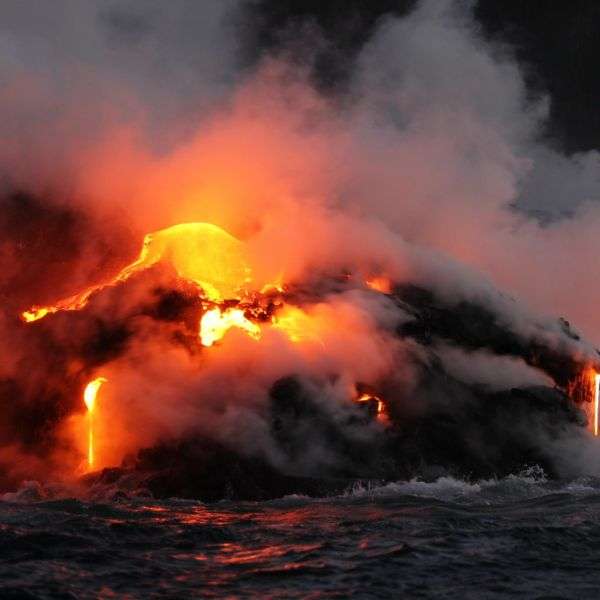
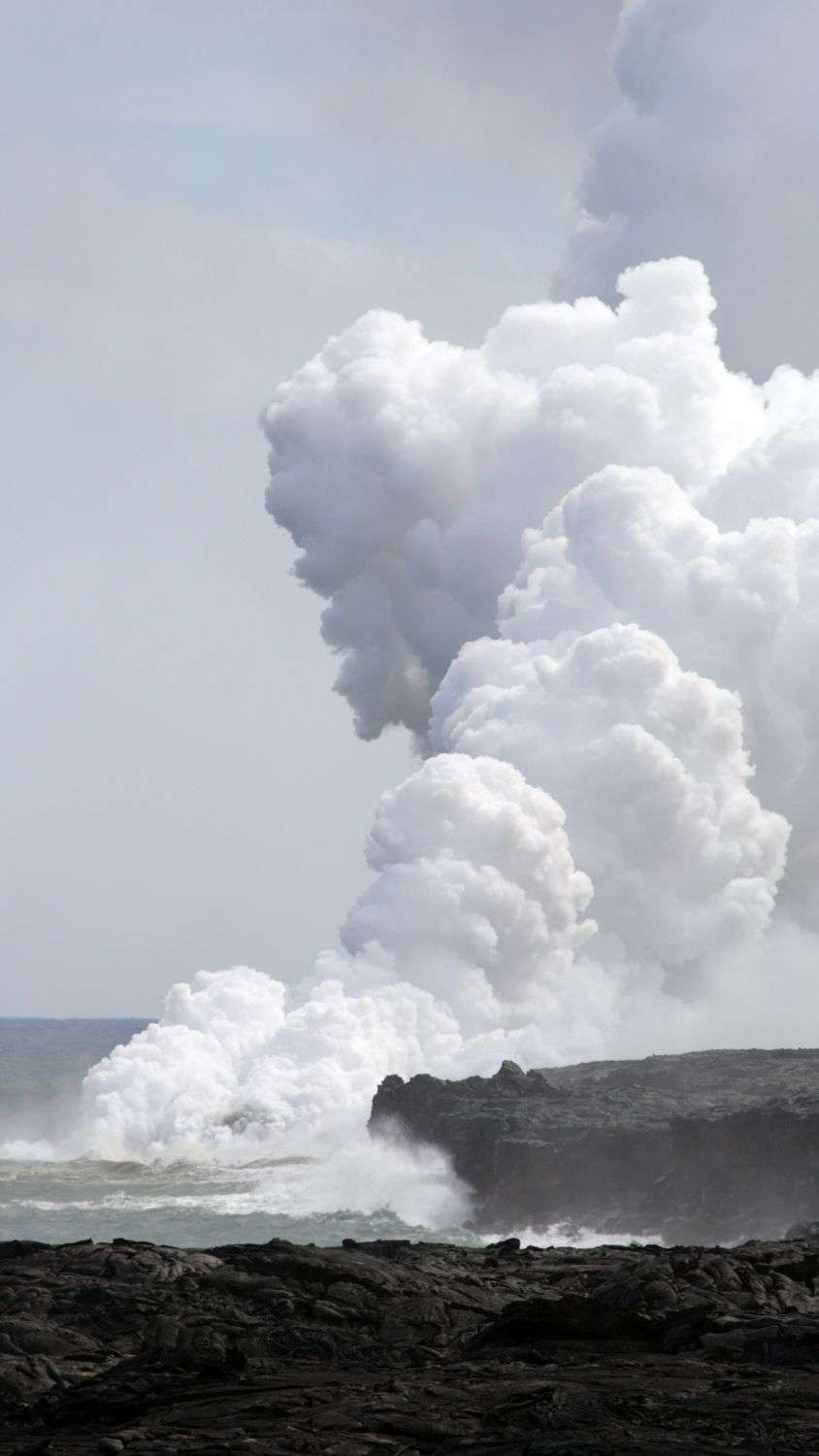
- It is known for its mesmerizing lava flows creating ever-changing landscapes
- The park is home to diverse ecosystems, ranging from lush rainforests to barren lava fields, showcasing the resilience of life in the face of volcanic activity
History
Natural History and Formation
Hawai'i Volcanoes National Park is located on the southeastern part of the Big Island of Hawai'i and is primarily shaped by the volcanic activity associated with two major volcanoes: Kīlauea and Mauna Loa.
Kīlauea Volcano: Kīlauea is a shield volcano, characterized by its broad, gently sloping profile. Unlike more explosive stratovolcanoes, shield volcanoes are built up by relatively fluid lava flows.
Mauna Loa: Mauna Loa is the world's largest shield volcano and covers more than half of the Big Island. Its summit reaches an elevation of over 13,600 feet above sea level.
Kīlauea Caldera: The Kīlauea Caldera, a large depression at the summit of Kīlauea, was formed by the collapse of the volcano after a series of explosive eruptions. The current Halema'uma'u Crater is within this caldera and has been the focus of recent volcanic activity.
Mokuaweoweo Caldera: At the summit of Mauna Loa is the Mokuaweoweo Caldera, a massive depression formed by the collapse of the volcano's summit region.
Pāhoehoe and 'A'a: The park showcases various types of lava flows, including the smooth, ropey pāhoehoe and the rough, jagged 'a'a. These flows result from the viscosity of the lava and environmental conditions during eruptions.
Ongoing Activity: Kīlauea has been one of the most active volcanoes on Earth in recent decades, with frequent eruptions producing lava flows that reshape the landscape.
Although Mauna Loa has experienced fewer eruptions in recent years compared to Kīlauea, it remains active, and its eruptions can have significant impacts on the park.
Overall, the geological formation of Hawai'i Volcanoes National Park is an ongoing process, with the constant interplay of volcanic activity shaping the island's dynamic and ever-changing landscape.
Native History
The native history of Hawai'i Volcanoes National Park is deeply intertwined with the cultural heritage of the Native Hawaiian people. The park area holds significant cultural and spiritual importance, with numerous archaeological sites and legends associated with the land.
Cultural Significance: The park area, including the volcanoes Kīlauea and Mauna Loa, is considered sacred in Native Hawaiian culture. These sites are believed to be inhabited by deities, and the eruptions are often interpreted as expressions of the gods.
Pele, the Goddess of Fire: Pele, the goddess of fire, lightning, wind, and volcanoes, plays a central role in Hawaiian mythology. According to legend, Pele resides in the Halema'uma'u Crater at the summit of Kīlauea. The eruptions are sometimes seen as manifestations of Pele's presence.
Connection to Creation Myths: The creation stories of Native Hawaiians often reference the volcanic origins of the islands. According to these myths, the gods and goddesses shaped the Hawaiian archipelago, with the eruptions and lava flows playing a crucial role in the formation of the land.
Ceremonial and Spiritual Practices: Native Hawaiians historically conducted ceremonies and rituals in specific areas of the park, especially around the active volcanic sites. These practices were often associated with seeking Pele's favor or appeasing her during periods of volcanic activity.
Archaeological Sites: The park contains archaeological sites, including petroglyphs and heiau (temples), that provide insights into the ancient practices and beliefs of the Native Hawaiian people. These sites are remnants of the cultural history of the area.
Traditional Navigation: Hawaiians were skilled navigators who relied on the stars, ocean currents, and other natural signs for navigation. The volcanic peaks, including Mauna Loa, were used as landmarks for wayfinding on the open ocean.
Spiritual Pilgrimages: Some Native Hawaiians consider the journey to the summit of Mauna Loa as a spiritual pilgrimage. The high elevation and challenging terrain are seen as a test of one's physical and spiritual strength.
Understanding and respecting the native history and cultural significance of Hawai'i Volcanoes National Park is essential for visitors to appreciate the richness of the land beyond its geological wonders.
Preservation
The preservation history of Hawai'i Volcanoes National Park reflects a commitment to safeguarding the unique geological, ecological, and cultural features of the area. The park's preservation efforts have evolved over time, and various initiatives have been implemented to ensure the conservation of its natural and cultural resources.
Establishment of the Park: Hawai'i Volcanoes National Park was established on August 1, 1916, as part of the National Park Service. The park was created to protect the significant geological formations, including active volcanoes, lava landscapes, and unique ecosystems.
Early Conservation Efforts: In the early years, the focus was on preserving the geological wonders and maintaining the integrity of the natural landscapes. Efforts were made to limit human impact on the fragile ecosystems surrounding the active volcanoes.
Cultural Preservation: Recognizing the cultural importance of the area to Native Hawaiians, efforts were made to preserve and interpret the archaeological and cultural sites within the park. This included the protection of petroglyphs, heiau (temples), and other cultural artifacts.
Visitor Management: As the popularity of the park increased, strategies were implemented to manage visitation and minimize the impact of human activities on the environment. This involved the development of trails, visitor centers, and educational programs to promote responsible tourism.
Scientific Research: The park has been a hub for scientific research, with ongoing studies focused on volcanic activity, ecological processes, and cultural history. Scientific findings contribute to the understanding of the dynamic nature of the park and inform conservation practices.
Eruption Response and Safety Measures: Given the dynamic nature of the active volcanoes, the park has implemented safety measures and response plans for volcanic eruptions. Monitoring systems are in place to track changes in volcanic activity, and visitor safety is a priority during periods of increased volcanic activity.
Invasive Species Management: The park has faced challenges from invasive plant and animal species that threaten the native ecosystems. Conservation efforts include the removal of invasive species to protect the park's biodiversity.
The preservation history of Hawai'i Volcanoes National Park reflects a balance between protecting its unique natural and cultural resources and providing opportunities for education and enjoyment for present and future generations.
Future Preservation
Preserving Hawai'i Volcanoes National Park will likely face several challenges in the future, as the park grapples with environmental, cultural, and management issues.
Climate Change: The impacts of climate change, including rising temperatures, changes in precipitation patterns, and sea level rise, can have profound effects on the park's ecosystems. This may alter habitats, threaten native species, and impact the overall biodiversity of the area.
Invasive Species: Invasive plant and animal species can pose a threat to the park's native ecosystems. These species can outcompete or prey upon native flora and fauna, disrupting the delicate balance of the ecosystem and requiring ongoing management efforts.
Volcanic Activity: The active volcanoes within the park, particularly Kīlauea and Mauna Loa, pose ongoing challenges. Eruptions can lead to changes in the landscape, endanger park infrastructure, and require careful management to ensure visitor safety.
Visitor Management: As tourism continues to grow, managing visitor impact becomes increasingly challenging. Balancing the desire for access with the need to protect sensitive environments and cultural sites is an ongoing concern. Implementing sustainable tourism practices and educating visitors on responsible behavior will be crucial.
Cultural Sensitivity: Balancing the preservation of Native Hawaiian cultural sites and traditions with public access and education can be challenging. Ensuring that park management respects and integrates Native Hawaiian perspectives is essential for sustainable preservation.
Wildfire Risk: The park's dry, grassy areas are susceptible to wildfires, and climate change may increase the frequency and intensity of these events. Wildfires can threaten both natural and cultural resources, necessitating effective fire management strategies.
Scientific Research and Monitoring: Ongoing scientific research and monitoring are vital for understanding the park's dynamic environment. Challenges may arise in securing funding for research initiatives and maintaining a robust monitoring system to track changes in volcanic activity and ecosystem health.
Addressing these challenges will require collaboration among various stakeholders, including the National Park Service, local communities, scientists, and policymakers. A holistic and adaptive approach will be essential to ensure the long-term preservation of Hawai'i Volcanoes National Park.
Geography
Hawai'i Volcanoes National Park, situated on the Big Island of Hawai'i, is a captivating landscape shaped by millennia of volcanic activity. The park's geography is characterized by its two active volcanoes, Mauna Loa and Kīlauea, which continuously shape the island through lava flows, eruptions, and seismic activity. From the rugged lava fields to lush rainforests and pristine coastlines, Hawai'i Volcanoes National Park offers visitors a unique opportunity to witness the dynamic forces of nature at work in one of the most geologically active regions on Earth.
Volcanic Peaks
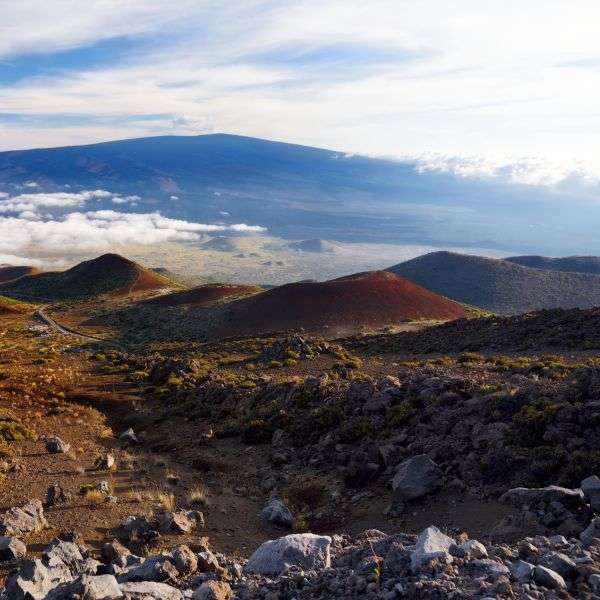
The park is dominated by two major volcanic peaks: Kīlauea and Mauna Loa. Kīlauea is an active shield volcano with a summit caldera, while Mauna Loa is the world's largest shield volcano, rising to an elevation of over 13,600 feet above sea level.
Calderas
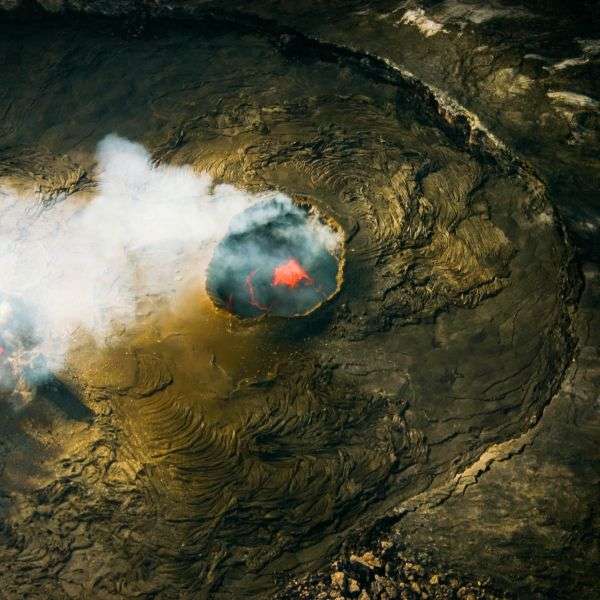
The summit of Kīlauea and Mauna Loa contains calderas, a large depression formed by the collapse of the volcano after explosive eruptions. Within the caldera is the Halema'uma'u Crater, which has been the site of recent volcanic activity.
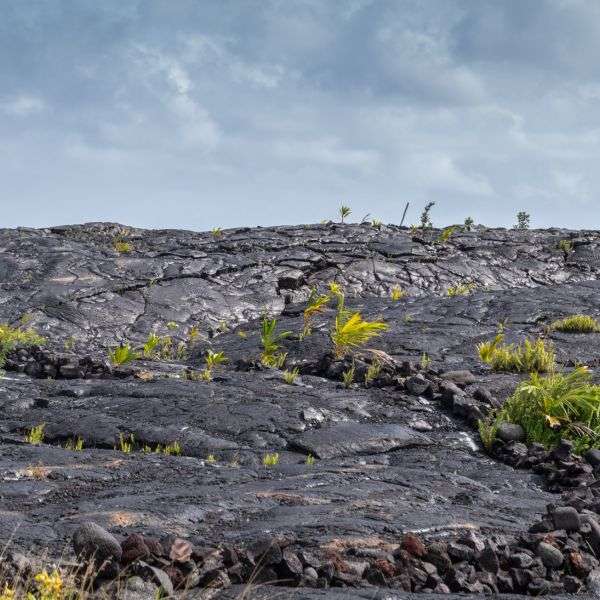
Lava Fields
The park features extensive lava fields, showcasing both pāhoehoe (smooth, ropey lava) and 'a'a (rough, jagged lava) formations. These lava flows are a result of historical and recent volcanic activity, creating a dramatic and ever-changing landscape.
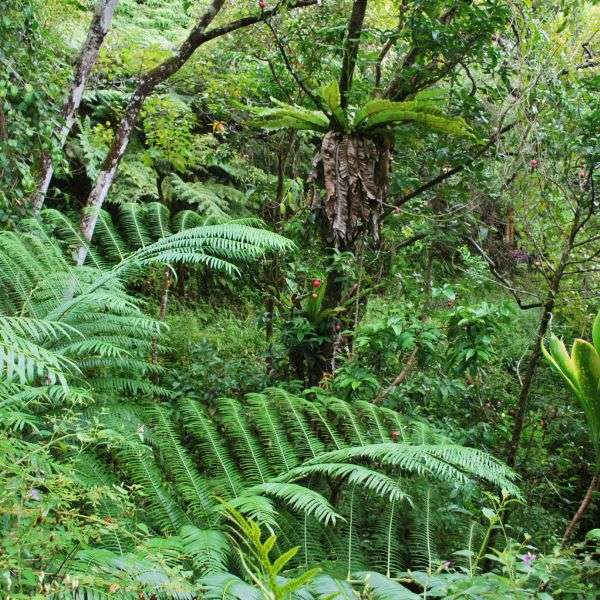
Rainforests
Despite the arid volcanic landscapes, the park includes pockets of lush rainforests, particularly along the eastern slopes of Mauna Loa and near the Kīlauea summit. These rainforests are home to unique plant and animal species adapted to the tropical environment.
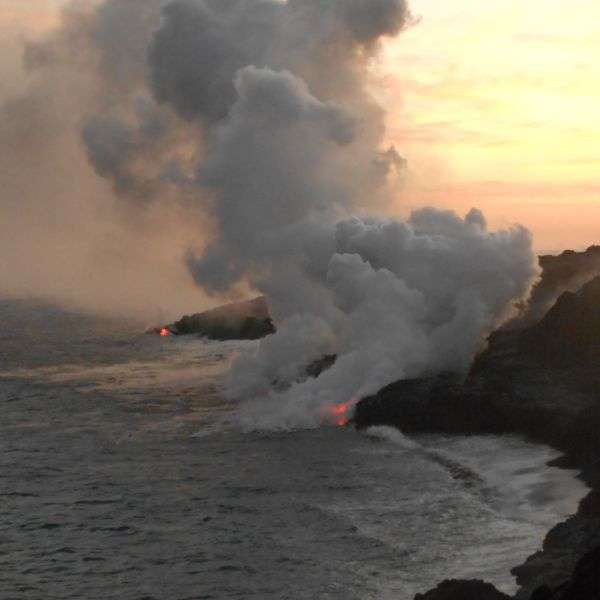
Coastal Areas
The park extends to the coastline, where visitors can observe the interaction between lava flows and the ocean. The coastal areas have been shaped by recent volcanic activity, and sea cliffs provide a dramatic backdrop to the Pacific Ocean.
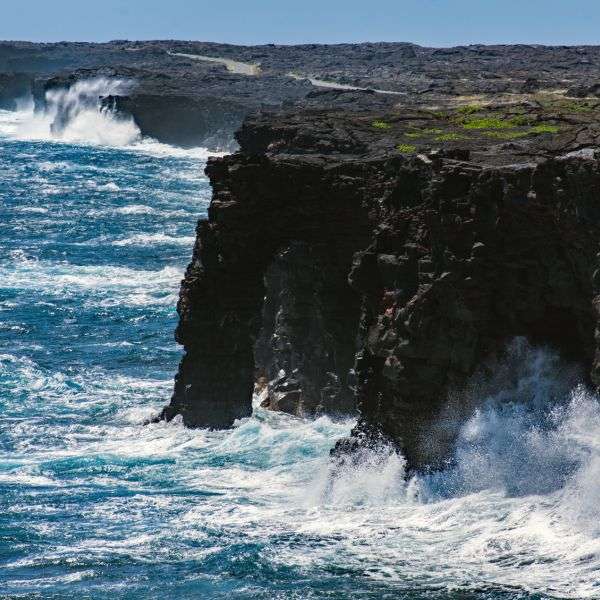
Pali (Cliffs)
Along the coastline, there are dramatic cliffs or pali created by past volcanic activity. These geological formations offer breathtaking views of the surrounding landscapes.
Plants
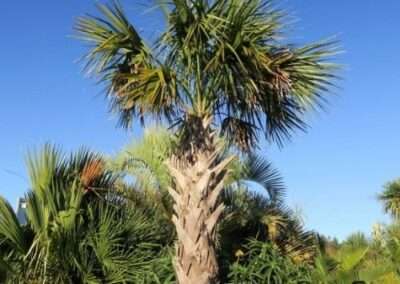
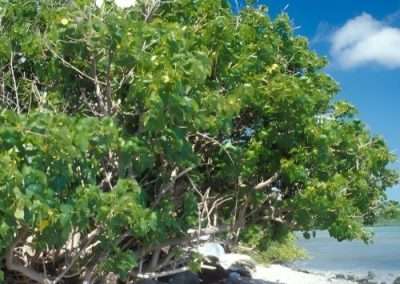
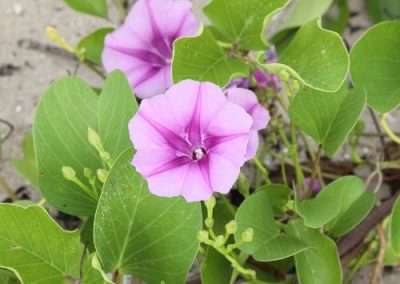
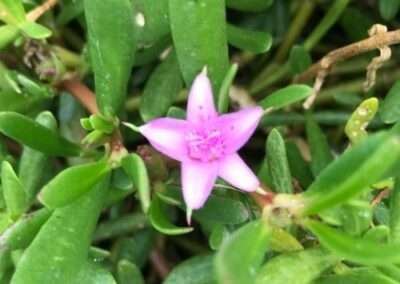
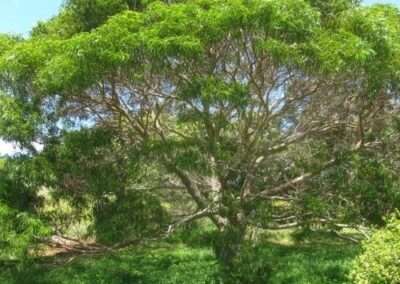
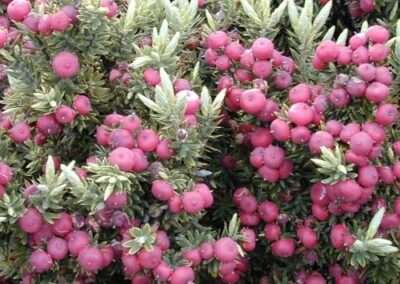
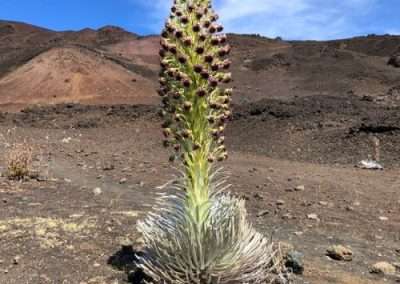
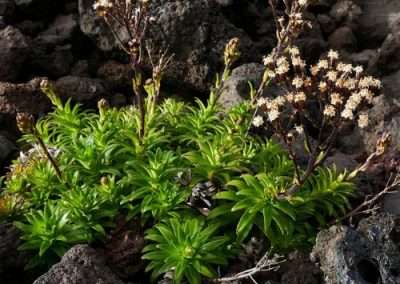
Hawai'i Volcanoes National Park is home to a rich and diverse array of plant life flourishing amidst its dynamic volcanic landscapes. From the iconic 'ōhi'a lehua trees that dominate the lower elevations to the hardy ferns and mosses that colonize the barren lava fields, the park's flora reflects adaptation to the island's volcanic environment. Visitors to Hawai'i Volcanoes National Park can witness the remarkable resilience of these plants, which play a vital role in shaping and regenerating the park's ever-changing ecosystems.
Animals
Mammals
Hawai'i Volcanoes National Park has relatively few native terrestrial mammals because the Hawaiian Islands' isolation limited the species that could naturally reach them. The Hawaiian Hoary Bat is the only native terrestrial mammal, while several introduced mammals have significant effects on the park's ecosystems.
Hawaiian Hoary Bat (Lasiurus cinereus semotus): The Hawaiian hoary bat is Hawai'i's only native terrestrial mammal. This nocturnal, insect-eating bat forages throughout the park and surrounding areas and is an important part of the native ecosystem.
Small Indian Mongoose (Urva auropunctata): Introduced to Hawai'i in the late 19th century to control rats, the small Indian mongoose has instead become a threat to native wildlife. It is active during the day and may prey on birds, eggs, and other small animals.
Hawaiian Monk Seal (Neomonachus schauinslandi): Hawaiian monk seals are critically endangered marine mammals native to the Hawaiian Islands. Although they are not commonly encountered within the park, they may occasionally occur along coastal areas of the Big Island.
Spinner Dolphin (Stenella longirostris): Spinner dolphins inhabit coastal waters around Hawai'i and may be observed offshore from areas near the park. They are known for their distinctive spinning leaps from the water.
Humpback Whale (Megaptera novaeangliae): Humpback whales migrate through Hawaiian waters during the winter breeding season. Although they are marine animals and are not found within the terrestrial portions of the park, they may be visible from coastal areas.
Feral Pig (Sus scrofa): Feral pigs are widespread introduced animals in Hawai'i. Their rooting and foraging can damage vegetation, disturb soil, spread invasive plants, and degrade native habitats within the park.
Feral Goat (Capra hircus): Feral goats have been established on the Hawaiian Islands for centuries. Their grazing can reduce native vegetation and contribute to erosion and habitat degradation in areas where populations occur.
Feral Cat (Felis catus): Feral cats pose a significant threat to native Hawaiian wildlife. They prey on birds and other small animals and can be particularly harmful to native species that evolved without mammalian predators.
Reptiles
Hawai'i Volcanoes National Park has relatively few native terrestrial reptiles because the Hawaiian Islands' isolation limited the natural arrival of reptiles. The park's reptile fauna includes marine turtles as well as several introduced lizards and snakes.
Hawaiian Green Sea Turtle (Chelonia mydas): Also known as the honu, the Hawaiian green sea turtle may be encountered along the park's coastline and in nearby waters. It is culturally significant to Native Hawaiians and is protected by law.
Hawaiian Hawksbill Sea Turtle (Eretmochelys imbricata): Hawaiian hawksbill turtles are much less common than green sea turtles but occur in Hawaiian coastal waters. They may occasionally be observed near the park's coastline.
Gold Dust Day Gecko (Phelsuma laticauda): This colorful, introduced gecko is established in Hawai'i and may be found in lower-elevation areas. It is commonly seen on vegetation and trees while searching for insects and other small prey.
Jackson's Chameleon (Trioceros jacksonii): Jackson's chameleons are introduced to Hawai'i and are recognized by their distinctive horns and ability to change coloration. Their presence can create concerns about impacts on native insects and other invertebrates.
Hawaiian Blind Snake (Indotyphlops braminus): Also called the flowerpot snake, this tiny non-native snake spends most of its time underground in soil and leaf litter. Its small size and burrowing lifestyle make it difficult to observe.
Common House Gecko (Hemidactylus frenatus): This introduced nocturnal gecko is widespread in Hawai'i. It is often found around buildings and artificial lights, where it hunts insects attracted to the illumination.
Black Rat Snake (Pantherophis alleghaniensis): Reports of non-native rat snakes on the Big Island have raised concerns because snakes could pose serious threats to Hawaii's native wildlife, particularly birds that evolved without native terrestrial snake predators.
Birds
Hawai'i Volcanoes National Park supports a diverse bird community, including endemic Hawaiian species, native seabirds, and introduced birds. The park's wide range of habitats—from coastal cliffs and lava fields to montane forests and high-elevation landscapes—provides important nesting, feeding, and sheltering areas.
Nēnē (Hawaiian Goose - Branta sandvicensis): The nēnē is Hawai'i's state bird and is endemic to the Hawaiian Islands. Adapted to volcanic highlands and other upland habitats, it is an important focus of conservation efforts within the park.
ʻApapane (Himatione sanguinea): This endemic Hawaiian honeycreeper has brilliant red plumage and is closely associated with native forests. It feeds primarily on nectar and contributes to the pollination of native plants.
ʻIʻiwi (Drepanis coccinea): The ʻiʻiwi is a striking endemic honeycreeper recognized by its scarlet plumage and curved bill. Its populations have been affected by habitat loss and introduced diseases, making protection of native forest habitat especially important.
ʻŌmaʻo (Myadestes obscurus): This endemic Hawaiian thrush inhabits native montane forests. Its subdued coloration and distinctive songs make it an important component of the park's native bird community.
Hawaiian Hawk (ʻIo - Buteo solitarius): The ʻio is Hawai'i's only endemic hawk. It can be seen soaring over forests, lava fields, and other open landscapes while hunting for small animals.
Hawaiian Petrel (ʻUaʻu - Pterodroma sandwichensis): The Hawaiian petrel is an endangered seabird that nests in high-elevation areas of Hawai'i. Adults spend much of their time at sea and return to nesting colonies after dark.
White-tailed Tropicbird (Koaʻe kea - Phaethon lepturus): This elegant seabird may be observed around coastal cliffs and other suitable areas. Its long white tail streamers and graceful flight make it particularly distinctive.
Hawaiian Short-eared Owl (Pueo - Asio flammeus sandwichensis): The pueo is a native Hawaiian owl associated with open habitats such as grasslands and uplands. It is also culturally significant in Hawaiian tradition.
Japanese White-eye (Mejiro - Zosterops japonicus): This introduced songbird is widespread throughout Hawai'i and occurs in a variety of habitats, including forests and developed areas. It is recognizable by the conspicuous white ring around its eye.
Common Myna (Acridotheres tristis): The common myna is an introduced species that has become widespread in the Hawaiian Islands. It is highly adaptable and is often associated with disturbed habitats and areas influenced by human activity.
Fish
Hawai'i Volcanoes National Park is primarily a land-based park and does not directly manage offshore marine habitats. However, the coastal waters surrounding the Big Island support a diverse community of reef and nearshore fish, including many species that are important to Hawaiian marine ecosystems.
Hawaiian Reef Fish: The nearshore reefs around the Big Island support numerous colorful fish, including parrotfish, butterflyfish, surgeonfish, wrasses, and other reef-associated species. Together, these fish contribute to the biodiversity and ecological health of Hawai'i's coastal waters.
Yellow Tang (Zebrasoma flavescens): The bright yellow yellow tang is native to Hawai'i and is commonly associated with coral and rocky reefs. It feeds primarily on algae and plays an important role in maintaining reef communities.
Humuhumunukunukuāpuaʻa (Rhinecanthus rectangulus): Also known as the reef triggerfish, the humuhumunukunukuāpuaʻa is Hawai'i's official state fish. It inhabits shallow reefs and rocky coastal areas and is recognizable by its distinctive markings and robust body.
Uhu (Parrotfish): Several Hawaiian parrotfish species, collectively known as uhu, inhabit reef environments around the Big Island. They use their beak-like teeth to graze on algae and can contribute to the production of reef sand through their feeding activities.
Moray Eels: Several moray eel species occur in Hawaiian coastal waters, including the white-mouth moray and yellowmargin moray. These elongated predators commonly shelter in reef crevices and ambush small fish and invertebrates.
Hawaiian Turkeyfish (Dendrochirus barberi): The Hawaiian turkeyfish, also called the Hawaiian lionfish, is a small reef fish endemic to the Hawaiian Islands. Its elaborate fins and venomous spines provide protection from predators, making it a distinctive inhabitant of rocky reefs.
Amphibians
Hawai'i has no native amphibian species, and none are naturally indigenous to the Big Island or Hawai'i Volcanoes National Park. The islands' extreme geographic isolation prevented frogs, toads, salamanders, and other amphibians from reaching Hawai'i naturally before human settlement.
Today, several non-native amphibian species have been introduced to Hawai'i, primarily through human activities. These introduced species can affect native ecosystems by competing with native wildlife, consuming insects and other organisms, and altering local food webs. Their presence is therefore an important concern for conservation managers.
Because Hawai'i's native ecosystems evolved without amphibians and many other groups of terrestrial animals, preventing the introduction and spread of non-native species is an important part of conservation. Biosecurity measures and invasive-species management help protect the park's unique biodiversity and maintain the ecological integrity of its native habitats.
“Nature is where it all begins for the Hawaiians. In fact, they call themselves keiki o ka aina ‘children of the land’.”
— M.J. Harden
“Hawaii is the island of big dreams for both islanders and guests. Those dreams born in paradise can indeed come true.”
― Sharon Linnéa
“Any frequent visitor to Hawaii is fixated on mapping how the islands have changed since their last visit.”
― Hanya Yanagihara
“Hawaii is like an isolated jewel set in the vastness of the Pacific Ocean. And like facets of a gem, the islands have their own unique qualities. Travelers who take the time to look beyond their obvious beauty will discover a chain of islands that is at once lush and stark, modern and ancient, simple and exotic.”
― Rita Ariyoshi
Explore More With Us
Stay updated on National Parks EDU resources, park news, community updates, and and ways to explore, and protect.

National Parks Edu's mission is to help kids and families understand what makes these places so important. Because when you learn about nature, you start to care about protecting it.
National Parks EDU is an independent educational website and is not affiliated with, endorsed by, sponsored by, or officially connected to the National Park Service (NPS) or the U.S. government. © National Parks EDU. All Rights Reserved. October 17, 2026