Haleakalā
National Park
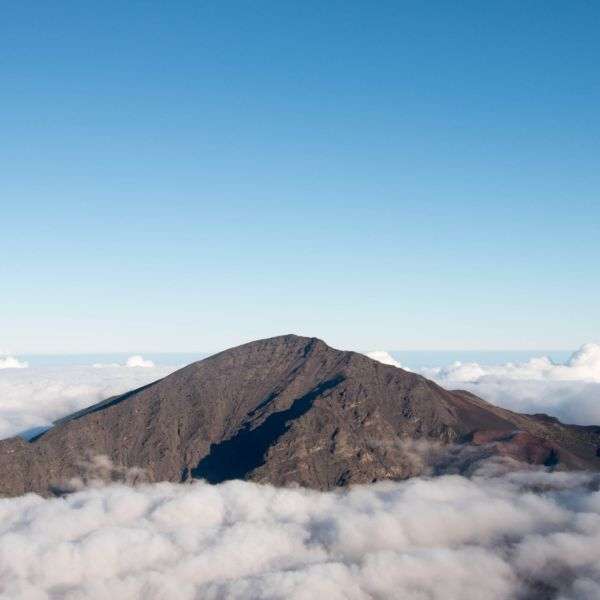
Hawai'i
Stunning volcanic landscapes, diverse ecosystems, and breathtaking sunrises
Fast Facts
Location
on the island of Maui
Established in
1961
Established by
President Woodrow Wilson
Size
52 sq. miles
Known For
- Renowned for offering one of the most spectacular sunrise views in the world from the summit of Haleakalā Crater
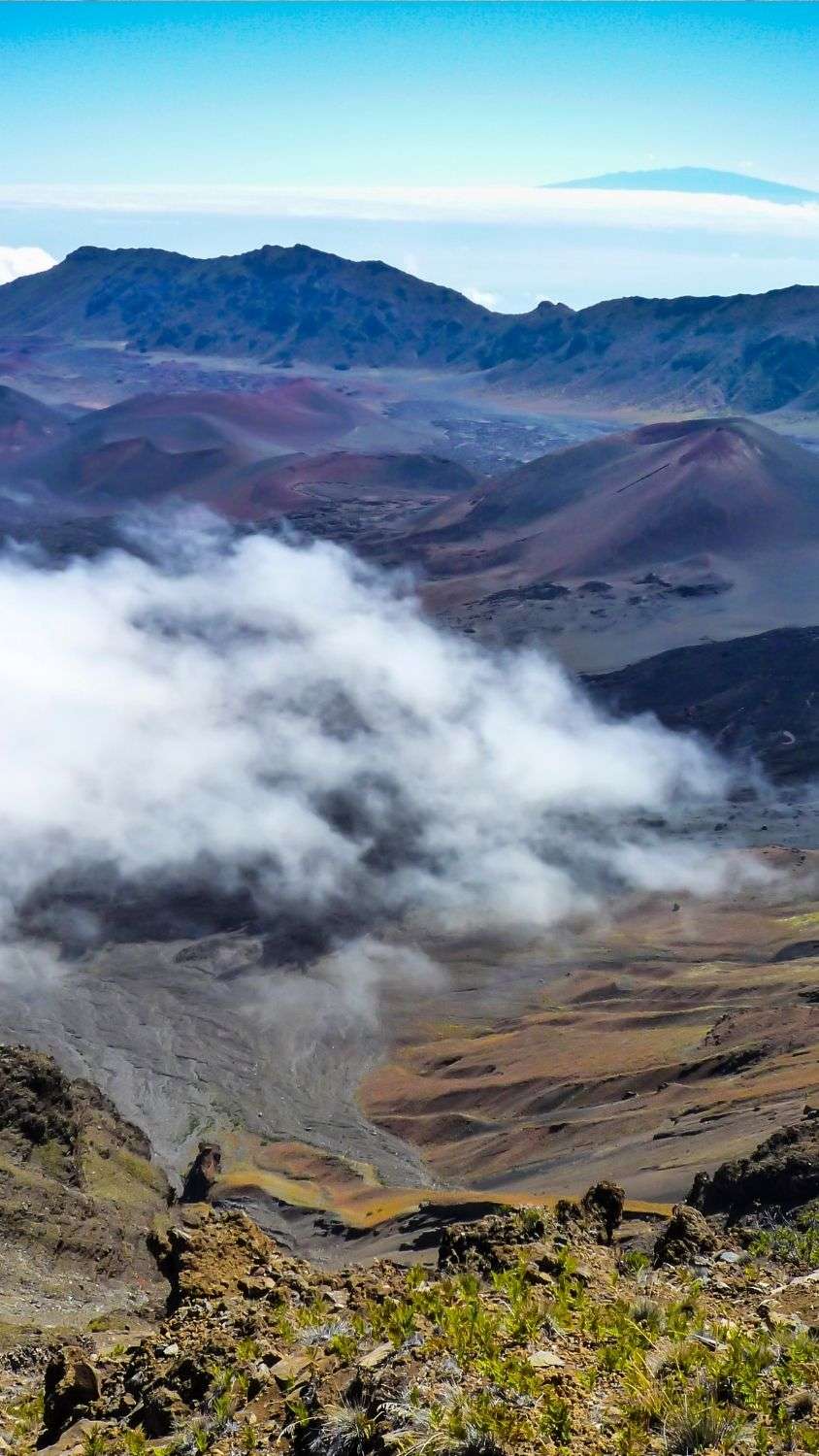
- A distinctive volcanic landscape with vast expanses of volcanic cinder cones, lava flows, and the otherworldly terrain
- The park holds cultural and historical significance for the Native Hawaiian people
History
Natural History and Formation
Formation of the Hawaiian Islands: The Hawaiian Islands were formed by a hotspot, a plume of magma rising from deep within the Earth's mantle. As the Pacific tectonic plate moved over this hotspot, a series of volcanic islands emerged.
Formation of Haleakalā Volcano: Haleakalā is a shield volcano, characterized by its broad, gently sloping profile. It began forming about 1.5 million years ago as the Pacific Plate moved over the hotspot, creating a series of eruptions that built up the volcanic structure.
Volcanic Activity: Over the course of its geological history, Haleakalā experienced both explosive and effusive eruptions. Effusive eruptions, characterized by the flow of lava, contributed to the gradual building of the volcano. The summit area has evidence of multiple volcanic vents and cinder cones.
Creation of the Haleakalā Crater: The Haleakalā Crater, a massive depression at the summit of the volcano, was formed through a combination of erosion and the collapse of the volcanic structure. It is not a traditional crater caused by a single explosive eruption but rather the result of erosional processes and the settling of the volcano over time.
Recent Geological Activity: While Haleakalā is not currently an active volcano, it is considered dormant. The last eruption occurred around 400-500 years ago. Scientists continue to monitor the volcano for signs of potential future activity.
Landscape Features: The landscape of Haleakalā National Park reflects the diverse volcanic features, including lava flows, cinder cones, and the stark beauty of the Haleakalā Crater. The volcanic soils have shaped the vegetation and ecosystems found at different elevations within the park.
Understanding the geological history of Haleakalā provides insight into the unique features of the park and the dynamic processes that have shaped its landscapes over millions of years.
Native History
Haleakalā National Park is located in the Hawaiian Islands, and its history is intertwined with the Native Hawaiian people, their culture, and their connection to the land.
Ancient Hawaiian Settlements: The region around Haleakalā has evidence of ancient Hawaiian settlements, with archaeological sites indicating that Native Hawaiians have lived in and around the area for centuries.
Cultural and Spiritual Significance: Haleakalā is considered a sacred place in Hawaiian culture. The summit of Haleakalā, in particular, holds spiritual significance, and it is often associated with Hawaiian legends and folklore. The crater is believed to be the home of the grandmother goddess, Hina, in Hawaiian mythology.
Ceremonial Practices: Native Hawaiians conducted various ceremonial practices and rituals within the Haleakalā area. The site was likely used for spiritual ceremonies, and the landscape played a role in traditional Hawaiian cosmology.
Connection to Navigation: Hawaiians were skilled navigators, and the stars visible from the summit of Haleakalā aided in celestial navigation. The area may have served as a significant point for wayfinding and guiding seafarers across the Pacific.
Impact of Western Contact: With the arrival of Western explorers and missionaries in the 18th and 19th centuries, Hawaiian society underwent significant changes. Introduced diseases, changes in land use, and shifts in cultural practices had a profound impact on the Native Hawaiian population.
Protection and Preservation Efforts: In the late 19th and early 20th centuries, there was growing recognition of the need to protect Hawaii's natural and cultural resources. Efforts were made to preserve areas like Haleakalā, leading to its designation as part of Haleakalā National Park in 1916.
Cultural Practices Today: The park continues to be a place of cultural significance, and efforts are made to integrate Native Hawaiian perspectives and practices into the park's management. Cultural practitioners may engage in ceremonies and events that help preserve and share the area's rich heritage.
Haleakalā National Park acknowledges the importance of Native Hawaiian culture and history, and ongoing collaborations with the Native Hawaiian community strive to maintain a respectful and authentic representation of this heritage within the park.
Preservation
The preservation history of Haleakalā National Park involves efforts to protect the unique natural and cultural resources of the area, ensuring their conservation and enjoyment for future generations.
Establishment of the Park: Haleakalā National Park was established on July 1, 1961. However, its history as a protected area dates back to 1916 when a portion of the summit area was designated as part of Hawaii National Park, which also included the summit of Mauna Loa on the Big Island. The two separate parks were later established, and Haleakalā gained its independent status.
Early Conservation Efforts: In the early 20th century, concerns about the impact of cattle grazing, invasive species, and the potential for development prompted conservationists and local advocates to call for the protection of Haleakalā's unique ecosystems.
Designation as a National Park: The establishment of Haleakalā National Park marked a significant step in recognizing the area's ecological and cultural value. The park encompasses diverse ecosystems, from the summit's volcanic landscapes to the lush rainforests in the Kīpahulu District.
International Dark-Sky Designation: In recognition of the importance of preserving natural darkness and the quality of its night skies, Haleakalā National Park received the designation of an International Dark-Sky Park. Efforts are made to minimize light pollution and protect the visibility of celestial bodies.
Research and Monitoring: Ongoing research and monitoring efforts help assess the health of ecosystems within the park. Scientific studies contribute to informed decision-making for conservation and resource management.
Haleakalā National Park's preservation history reflects a commitment to safeguarding the natural and cultural treasures of the region while balancing the needs of conservation, recreation, and education.
Future Preservation
Preserving Haleakalā National Park for future generations comes with several challenges, reflecting the delicate balance required to protect its unique ecosystems, cultural heritage, and visitor experience.
Invasive Species: Invasive plant and animal species can threaten the native flora and fauna of Haleakalā. Controlling and managing these invasives is an ongoing challenge to maintain the park's ecological balance.
Climate Change: Climate change poses threats such as altered precipitation patterns, increased temperatures, and the potential for more frequent and severe weather events. These changes can impact the park's ecosystems, including the distribution of plant and animal species.
Visitor Impact: The increasing number of visitors to Haleakalā can have both direct and indirect impacts on the park. Foot traffic, vehicular traffic, and waste disposal can lead to soil erosion, damage to fragile ecosystems, and a strain on park infrastructure.
Cultural Resource Protection: Balancing public access with the preservation of culturally sensitive areas is a challenge. Protecting sacred sites and respecting the cultural significance of the park to the Native Hawaiian community requires careful management.
Endangered Species Conservation: Despite conservation efforts, endangered species such as the Nēnē (Hawaiian goose) and the Haleakalā Silversword remain at risk. Maintaining and restoring their habitats is crucial for the survival of these species.
Resource Management Funding: Adequate funding for resource management, research, and staff is essential for addressing conservation challenges. Insufficient resources can hinder the implementation of effective preservation strategies.
Wildfire Risk: The dry, volcanic landscapes of Haleakalā are susceptible to wildfires. Climate change and human activities increase the risk of fires, threatening both the ecosystems and cultural resources of the park.
Collaboration and Community Engagement: Effective preservation requires collaboration with local communities, stakeholders, and the Native Hawaiian people. Building partnerships and engaging the community in conservation efforts are essential for long-term success.
Adaptation to Changing Conditions: As environmental conditions evolve, the park must adapt its management strategies. This includes staying informed about the latest scientific research and adjusting conservation practices accordingly.
Addressing these challenges requires a multifaceted approach that involves scientific research, community engagement, policy development, and ongoing commitment to sustainable and responsible practices. Haleakalā National Park's preservation efforts aim to navigate these challenges to safeguard the park's natural and cultural treasures for future generations.
Geography
Haleakalā National Park, located on the Hawaiian island of Maui, encompasses a diverse landscape shaped by the volcanic activity of the island. The park's geography is characterized by the immense Haleakalā Crater, a dormant volcano that forms the centerpiece of the park and reaches heights of over 10,000 feet above sea level. From the barren, lunar-like summit to the lush, tropical rainforests that cloak the lower slopes, Haleakalā offers visitors a breathtaking journey through contrasting ecosystems and stunning natural beauty.
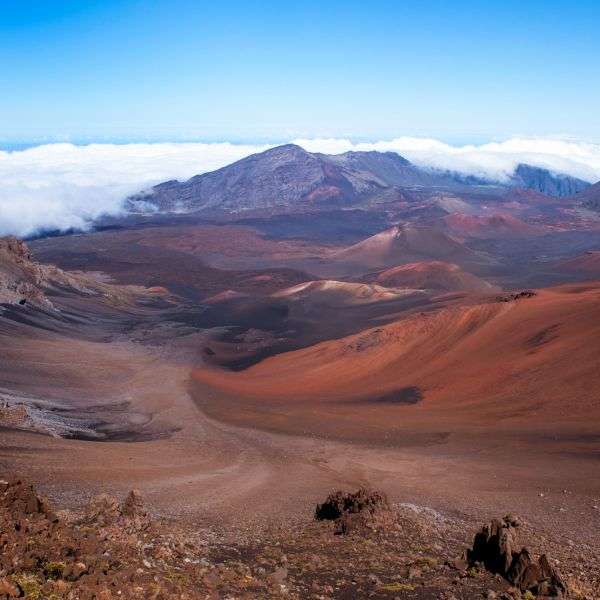
Haleakalā Crater
The centerpiece of the park is the Haleakalā Crater, a massive depression at the summit of the Haleakalā volcano. The crater is about 7 miles long, 2 miles wide, and approximately 2,600 feet deep. It was formed through a combination of erosion and the collapse of the volcanic structure.
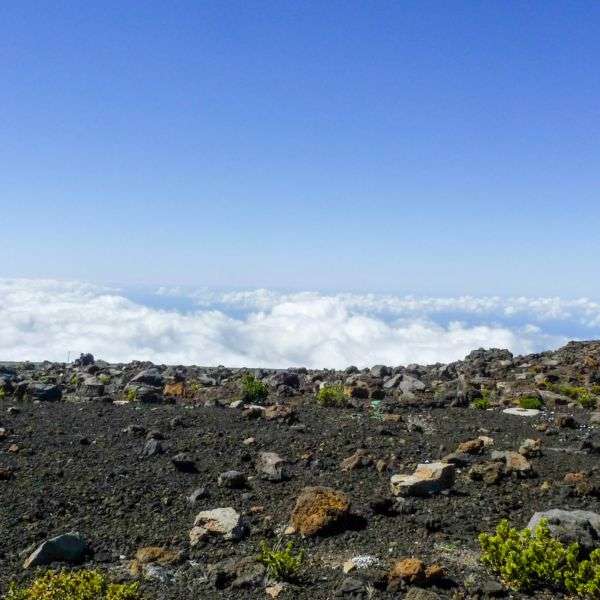
Summit Area
At the heart of the park is the massive shield volcano, Haleakalā, which means "House of the Sun" in Hawaiian. The summit of Haleakalā reaches an elevation of 10,023 feet. The volcanic summit is characterized by the Haleakalā Crater, a vast depression that spans over 19 square miles.
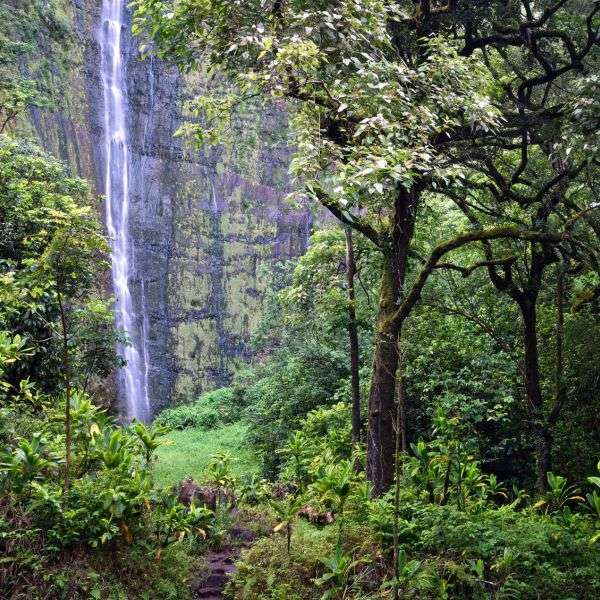
Kīpahulu District
The Kīpahulu District, located on the eastern side of Maui, is known for its lush rainforests and waterfalls. This area provides a stark contrast to the summit, with a more tropical climate and diverse plant and animal life.
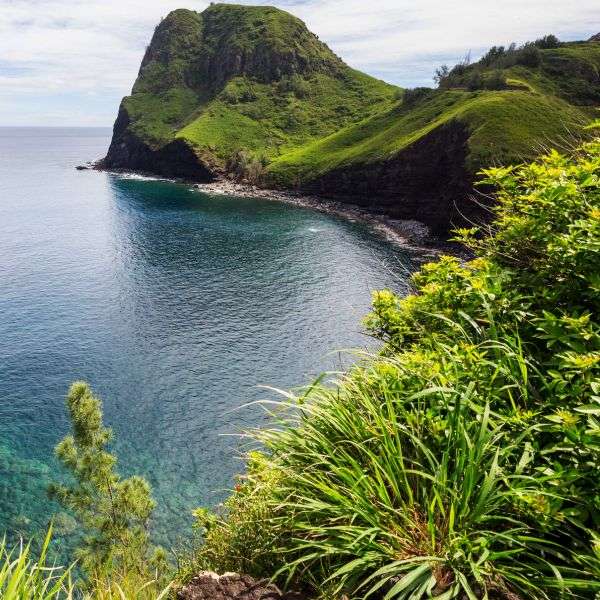
Coastal Areas
The park extends from the summit of Haleakalā to the coastline, encompassing a variety of landscapes along the way. The coastal areas include rocky shorelines and diverse marine environments.
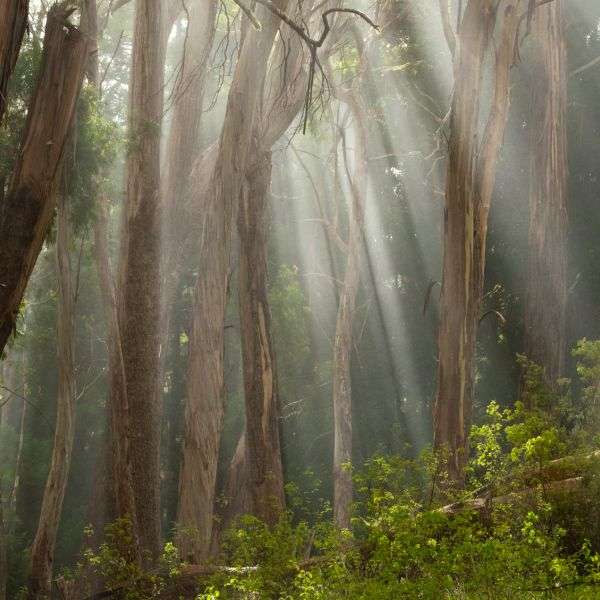
Hosmer Grove
Hosmer Grove, situated at a mid-elevation within the park, is an area with a diverse forest of introduced and native tree species. It provides a habitat for a variety of bird species and offers a different ecological setting compared to the summit and Kīpahulu.
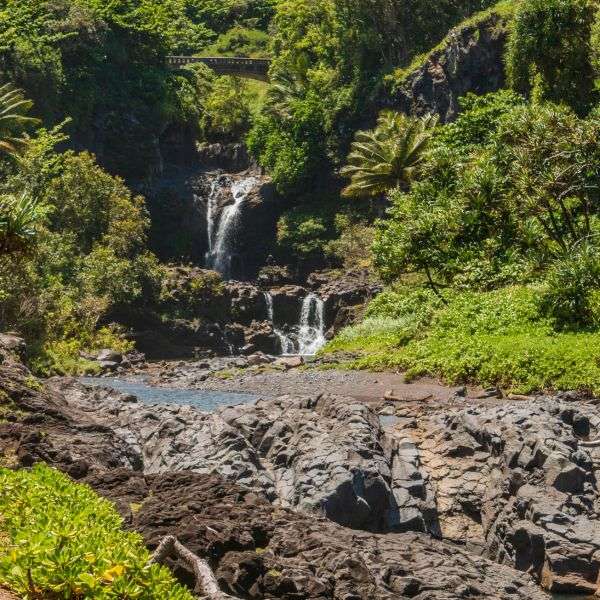
Pools of ʻOheʻo (Seven Sacred Pools)
Located in the Kīpahulu District, the Pools of ʻOheʻo are a series of cascading pools and waterfalls. Though sometimes referred to as the Seven Sacred Pools, there are more than seven pools in total. The pools are a popular destination for visitors.
Plants
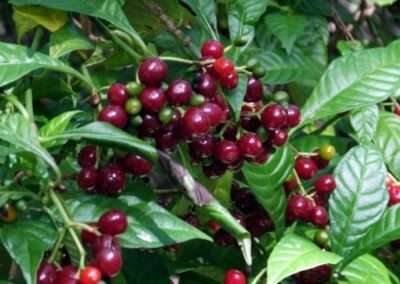
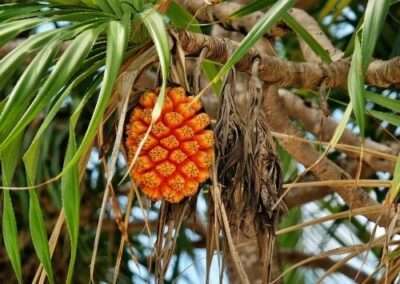
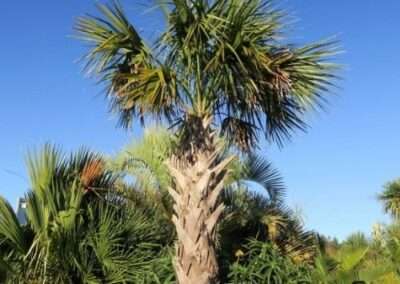
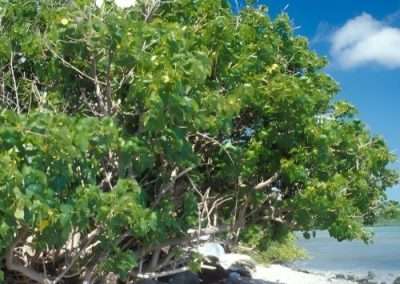
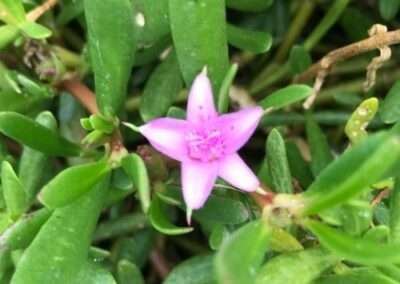
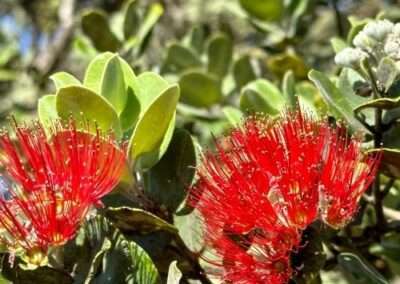
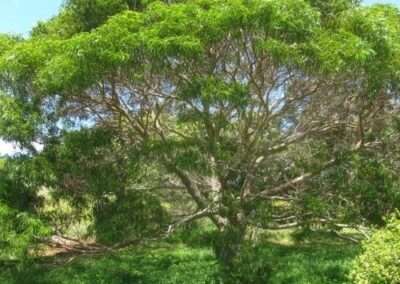
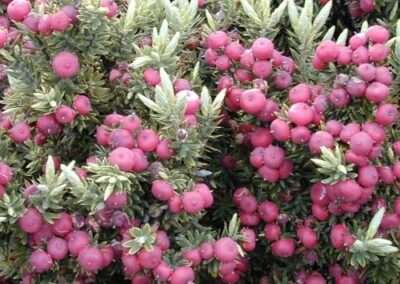
Haleakalā National Park is home to a fascinating array of plant life, adapted to the diverse ecosystems found across its volcanic landscape on the Hawaiian island of Maui. From the hardy silverswords and native shrubs clinging to the volcanic cinder slopes of the summit to the lush ferns and endemic species thriving in the park's rainforests, the flora of Haleakalā showcases remarkable adaptation and resilience. Visitors can explore the park's botanical wonders along its scenic trails, experiencing firsthand the rich diversity of plant species that contribute to the unique beauty of this volcanic wilderness.
Animals
Mammals
Haleakalā National Park in Maui, Hawaii, is home to a variety of mammal species, many of which are native to the Hawaiian Islands. Due to the isolation of Hawaii, the mammalian fauna is relatively limited compared to continental areas.
Hawaiian Hoary Bat (Lasiurus cinereus semotus): The Hawaiian hoary bat is the only native land mammal in Hawaii. It is a subspecies of the hoary bat found in North America. These bats are nocturnal and can be found foraging for insects in the park.
Mongoose (Herpestes javanicus): The mongoose is an introduced species in Hawaii and is not native to the islands. It was brought to the islands to control rat populations but has had negative impacts on native bird species. Mongoose are present in lower elevations of Haleakalā National Park.
Axis Deer (Axis axis): Axis deer, also known as chital or spotted deer, are another introduced species to Hawaii. They were introduced for hunting purposes and can be found in some areas of Haleakalā National Park, impacting native vegetation.
Mouflon Sheep (Ovis musimon): Mouflon sheep, another introduced species, are found in some areas around the park. They are known for their distinctive curved horns and are descendants of domestic sheep introduced to the Hawaiian Islands.
Feral Pigs (Sus scrofa): Feral pigs are present in various habitats within and around the park. They are considered an invasive species and can have negative impacts on native plants and ecosystems through rooting and foraging activities.
Reptiles
Haleakalā National Park is home to a variety of reptiles, though the reptile diversity is not as extensive as in some other ecosystems due to the isolation of the Hawaiian Islands.
Jackson's Chameleon (Trioceros jacksonii): Jackson's chameleon is an introduced species that has established populations in some areas of Maui, including Haleakalā. These distinctive chameleons are known for their ability to change color and their horn-like projections on their heads.
Green Anole (Anolis carolinensis): The green anole, also introduced to Hawaii, can be found in various habitats around Haleakalā National Park. This small lizard is known for its ability to change color, although it is typically green.
Hawaiian Green Sea Turtle (Chelonia mydas): While not a terrestrial reptile, the Hawaiian green sea turtle, or honu, is an important marine species found in coastal areas near the park. They can occasionally be seen basking on beaches or swimming in nearshore waters.
Hawaiian Blind Snake (Ramphotyphlops braminus): The Hawaiian blind snake is a non-venomous, burrowing snake that is often mistaken for a worm due to its small size and slender appearance. It is an introduced species and is found in various locations, including Maui.
Hawaiian Garden Snail (Partulina variabilis): While not a reptile, the Hawaiian garden snail is a notable gastropod found in the park. These snails are native to Hawaii and have faced threats from introduced predators, leading to their decline in some areas.
Birds
Haleakalā National Park is home to a diverse array of bird species, both native and introduced. The park's avian residents inhabit various ecological zones, ranging from the summit's subalpine shrubland to the lush rainforests of the Kīpahulu District.
Nēnē (Branta sandvicensis): The nēnē, or Hawaiian goose, is Hawaii's state bird and the world's rarest goose. Haleakalā National Park has been a significant site for nēnē conservation efforts. Visitors may encounter these geese in the park's higher elevations.
ʻIʻiwi (Drepanis coccinea): The ʻiʻiwi is a striking native Hawaiian honeycreeper with vibrant scarlet plumage and a distinctive curved bill. It primarily inhabits native forests and is crucial for pollination of native plants.
Hawaiian Petrel (Pterodroma sandwichensis): The Hawaiian petrel, or ʻuaʻu, nests in the subalpine and alpine regions of Haleakalā. These seabirds are nocturnal and spend the daylight hours at sea, returning to their nesting sites at night.
ʻApapane (Himatione sanguinea): The ʻapapane is another native Hawaiian honeycreeper known for its crimson plumage. It is commonly found in the native forests of Haleakalā and is often observed feeding on nectar from native flowers.
ʻAmakihi (Chlorodrepanis virens): The ʻamakihi is a native Hawaiian honeycreeper that can be found in various habitats within the park, from the summit to the rainforest. It plays a crucial role in pollination and seed dispersal.
ʻElepaio (Chasiempis sandwichensis): The ʻelepaio is a native flycatcher that inhabits a variety of habitats, including forests and shrublands. It is known for its friendly and inquisitive behavior.
ʻŌmaʻo (Myadestes obscurus): The ʻōmaʻo is a native thrush that can be found in the park's native forests. It has brown plumage and is known for its melodious song.
Japanese White-eye (Zosterops japonicus): The Japanese white-eye is an introduced species that has established populations in Hawaii, including Haleakalā. It is often found in a variety of habitats, including gardens and forests.
House Finch (Haemorhous mexicanus): Another introduced species, the house finch, can be found in the park. It is a small bird with a distinctive red coloration on males.
Northern Cardinal (Cardinalis cardinalis): The northern cardinal is yet another introduced bird species present in the park. Males are known for their bright red plumage.
Fish
Haleakalā National Park, being primarily a land-based park, does not have extensive freshwater or marine habitats within its boundaries. Therefore, the diversity of fish species directly within the park is limited. However, the coastal areas near the park do provide habitats for various marine species.
Surgeonfish: Surgeonfish, such as the yellow tang, are commonly found in the nearshore waters. These colorful fish are known for their striking coloration and distinctive scalpel-like spines on either side of their tails.
Parrotfish: Parrotfish are herbivorous fish with vibrant colors and a beak-like mouth. They play a crucial role in coral reef ecosystems by helping to control algae growth.
Triggerfish: The Hawaiian state fish, the humuhumunukunukuāpuaʻa (reef triggerfish), is commonly found in Hawaii's waters, including those near Haleakalā. It is known for its unique coloration and trigger-like dorsal fin.
Butterflyfish: Butterflyfish are characterized by their colorful and intricate patterns. Species like the raccoon butterflyfish may be found in the waters around Haleakalā.
Moray Eels: Moray eels, such as the yellowmargin moray, inhabit rocky crevices and coral reefs. These elongated eels are often spotted by snorkelers and divers.
Goatfish: Goatfish are named for their barbels, which resemble a goat's whiskers. They are often seen foraging in the sand for small invertebrates.
Wrasse: Wrasse are a diverse group of fish found in a variety of marine habitats. Some species, like the bird wrasse, are known for their vibrant colors.
Amphibians
Haleakalā National Park, like the rest of the Hawaiian Islands, lacks native terrestrial amphibians. The absence of native amphibians in Hawaii is attributed to the islands' isolation and the lack of land connections with other continents. Historically, amphibians did not naturally occur in the Hawaiian archipelago.
In recent times, introduced amphibians have been observed in various parts of Hawaii, primarily due to human activities. The introduction of non-native species can have significant ecological impacts on native flora and fauna. Invasive species can compete with or prey upon native species, disrupt ecological relationships, and contribute to the decline of native biodiversity.
Local conservation efforts, including those in Haleakalā National Park, focus on managing and mitigating the impacts of invasive species to protect the unique and fragile ecosystems of the Hawaiian Islands. Park authorities work to monitor and control invasive species to preserve the park's native flora and fauna.
"The sublimest spectacle I ever witnessed, and I think the memory of it will remain with me always"
- Mark Twain
"Once you reach the summit, you’re transported to another world."
- Kim Hall
"Maui is not just images of undeveloped beaches, ocean sunsets, swimsuits, and snorkels. Upcountry Maui has lush green mountains that jut up from the shores and into the clouds"
- Stasia Stockwell
"Haleakala National Park Boasts a Landscape Fit for a Hawaiian God. From lush jungles with waterfalls and ocean shores to otherworldly volcanic peaks and craters, the range of ecosystems you can visit in a day at this Maui park is astounding."
- Emily Pennington
Explore More With Us
Stay updated on National Parks EDU resources, park news, community updates, and and ways to explore, and protect.

National Parks Edu's mission is to help kids and families understand what makes these places so important. Because when you learn about nature, you start to care about protecting it.
National Parks EDU is an independent educational website and is not affiliated with, endorsed by, sponsored by, or officially connected to the National Park Service (NPS) or the U.S. government. © National Parks EDU. All Rights Reserved. October 18, 2026