Guadalupe Mountains
National Park
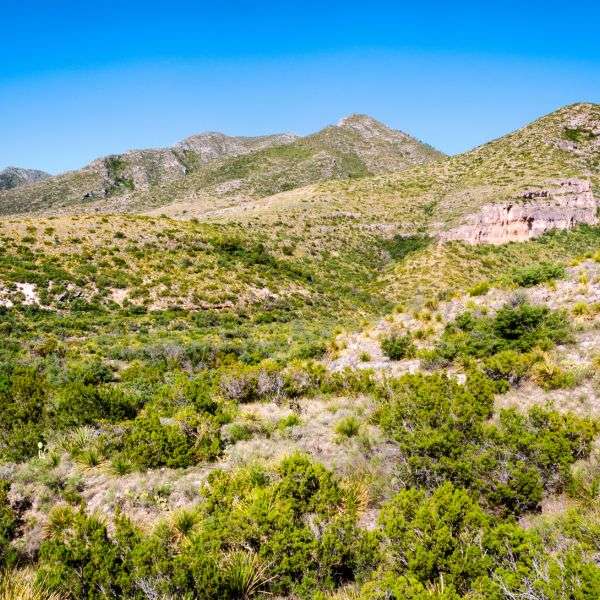
Texas
showcases rugged beauty with its towering peaks, diverse flora, and extensive hiking trails
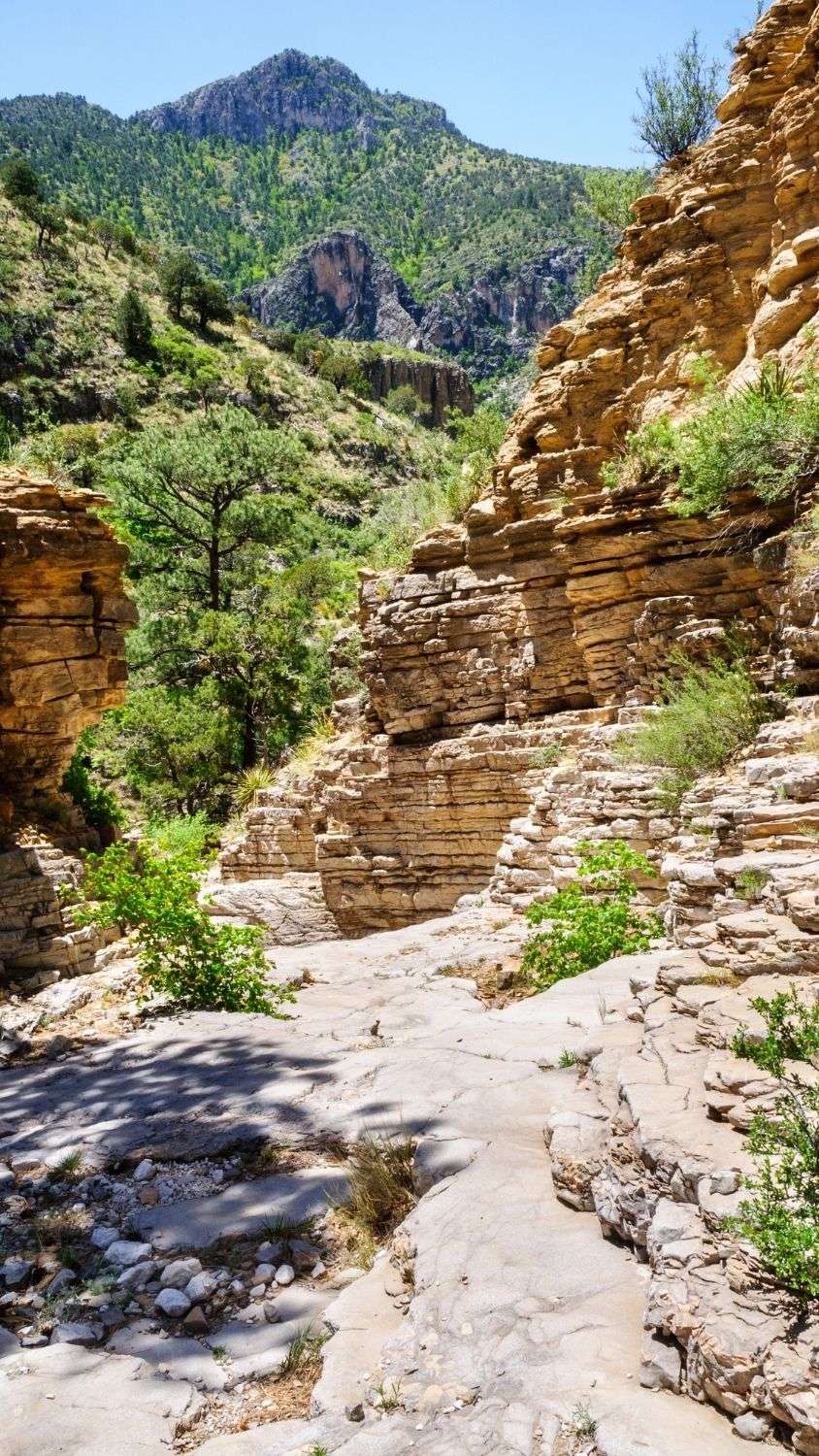
Fast Facts
Location
west Texas
Established in
1972
Established by
President Lyndon B. Johnson
Size
135 sq. miles
Known For
- Home to Guadalupe Peak, which stands at 8,751 feet, the highest point in the state of Texas
- Known for its rich fossil beds, preserving remnants of an ancient marine ecosystem, including well-preserved fossils of marine life from the Permian period
- Features a diverse range of landscapes, from desert flats to high mountain forests
History
Natural History and Formation
The geological history of Guadalupe Mountains National Park spans hundreds of millions of years and is closely tied to the formation and preservation of the ancient Capitan Reef. The park's dramatic mountains, canyons, and exposed limestone record a long history of marine deposition, reef development, uplift, and erosion.
Paleozoic Era: During the Paleozoic Era, much of the region was covered by a shallow inland sea. Marine sediments accumulated on the seafloor, eventually forming thick layers of limestone and other sedimentary rocks.
Permian Period: During the Permian Period, roughly 299 to 252 million years ago, the area was part of a large marine basin known as the Delaware Basin. A massive reef system, now known as the Capitan Reef, developed along the basin's margin. The reef was composed primarily of limestone-forming organisms, including sponges, algae, and other marine organisms. As the reef and surrounding sediments accumulated, they formed the distinctive rocks that are now exposed in the Guadalupe Mountains.
End of the Permian and Burial: As the Permian Period ended, the Delaware Basin and reef complex were gradually buried by additional sediments. The marine environment eventually disappeared as the region underwent major geological changes.
Uplift and Mountain Formation: Millions of years later, tectonic forces uplifted the ancient reef and surrounding rocks. This uplift exposed the resistant Capitan Reef limestone and contributed to the formation of the Guadalupe Mountains. The uplift was part of broader tectonic processes that shaped the landscape of the southwestern United States.
Cenozoic Era: During the Cenozoic Era, erosion became a major force shaping the newly uplifted landscape. Wind, water, weathering, and gravity gradually carved canyons, cliffs, slopes, and valleys into the exposed limestone. The resistant reef rocks helped form the prominent escarpments and peaks characteristic of the park.
Quaternary Period: During the Quaternary Period, continuing erosion and changing climatic conditions shaped features such as alluvial fans, terraces, and canyon systems. Although the Guadalupe Mountains were not extensively covered by continental glaciers, cooler and wetter periods influenced erosion and the development of the modern landscape.
Today, Guadalupe Mountains National Park preserves one of the world's best-exposed ancient fossil reef systems. The combination of marine deposition, Permian reef development, tectonic uplift, and millions of years of erosion has produced the dramatic mountains and geological formations visible throughout the park.
Native History
Guadalupe Mountains National Park has a rich Native American history, with evidence of human presence dating back thousands of years. Several Native American groups have historical connections to the region, and their cultural influence is reflected in the archaeological sites found within and around the park.
Hunter-Gatherer Period: Early Indigenous peoples inhabited the region as hunter-gatherers, relying on the diverse plant and animal resources of the Guadalupe Mountains. Archaeological sites, including campsites and rock shelters, provide evidence of these early inhabitants.
Mescalero Apache: The Mescalero Apache have a significant historical connection to the Guadalupe Mountains and surrounding region. The mountains and nearby desert areas were traditionally used for hunting, gathering, travel, and other cultural activities.
Seasonal and Mobile Lifestyles: Indigenous groups in the region adapted their movements and resource use to seasonal conditions. The mountains provided access to water, plants, wildlife, shelter, and other resources within an otherwise arid environment.
Archaeological Sites: Archaeological remains in the region include stone tools, hearths, shelters, and other materials that provide evidence of Indigenous lifeways. These sites help researchers understand how people adapted to the changing environments of the Guadalupe Mountains over thousands of years.
Cultural Significance: The Guadalupe Mountains are part of a larger landscape with cultural significance to Indigenous peoples. Mountains, springs, caves, and other natural features could have important practical, cultural, or spiritual associations.
European Contact and Displacement: Spanish exploration and later Euro-American settlement brought major changes to Indigenous communities. Competition over land and resources, military conflicts, disease, and government policies contributed to the displacement of Native peoples from their traditional territories.
Mescalero Apache Connection Today: The Mescalero Apache Tribe continues to maintain cultural connections to the broader region. Recognizing Indigenous history and protecting archaeological resources are important parts of understanding and interpreting Guadalupe Mountains National Park.
Today, the National Park Service works to preserve archaeological resources and interpret the Indigenous history of the Guadalupe Mountains. This history is an important part of the park's cultural heritage and demonstrates the long-standing relationship between Native peoples and this landscape.
Preservation
The preservation history of Guadalupe Mountains National Park reflects efforts to protect its remarkable geological formations, diverse ecosystems, scenic landscapes, and cultural resources.
Early Preservation Efforts: During the early 20th century, individuals began advocating for the protection of the Guadalupe Mountains and their geological features. Wallace Pratt, a petroleum geologist who recognized the scientific and scenic importance of the area, became an important supporter of conservation efforts.
Protection of Carlsbad Caverns: The nearby Carlsbad Caverns received federal protection as a national monument in 1923. Although Carlsbad Caverns and the Guadalupe Mountains are closely connected geologically, the Guadalupe Mountains remained outside the national park system at that time.
Establishment of Guadalupe Mountains National Park: On September 30, 1966, President Lyndon B. Johnson signed legislation authorizing the establishment of Guadalupe Mountains National Park. The park was formally established on October 16, 1972, after land acquisition and other preparations were completed. The new park protected the rugged mountains, forests, desert habitats, and important geological features of the region.
Land Acquisition and Expansion: The creation of the park involved acquiring privately owned lands within the proposed boundaries. These efforts helped assemble the protected landscape necessary to preserve the Guadalupe Mountains and their surrounding ecosystems.
UNESCO World Heritage Recognition: In 1995, Carlsbad Caverns National Park was designated a UNESCO World Heritage Site for its outstanding examples of cave and geological processes. Guadalupe Mountains National Park is not included in that World Heritage Site designation, although the two parks share the geological history of the ancient Capitan Reef.
International Dark Sky Recognition: Guadalupe Mountains National Park is recognized for its exceptionally dark night skies, and the National Park Service works to protect nighttime darkness from artificial light pollution. These efforts support astronomy, wildlife, and visitors' ability to experience the natural night environment.
Conservation and Stewardship: Ongoing preservation work focuses on protecting the park's Chihuahuan Desert ecosystems, montane forests, wildlife, archaeological resources, and geological features. Resource monitoring, scientific research, visitor education, and responsible recreation all contribute to the long-term stewardship of the park.
The preservation history of Guadalupe Mountains National Park demonstrates the importance of sustained conservation efforts in protecting a landscape whose geological, ecological, and cultural values extend far beyond its boundaries.
Future Preservation
Preserving Guadalupe Mountains National Park for future generations presents several challenges. Protecting the park's geological, ecological, and cultural resources requires balancing conservation needs with visitor access and the effects of environmental change.
Ecological Conservation: Protecting the park's diverse ecosystems, including Chihuahuan Desert habitats and montane woodlands, requires ongoing monitoring and management. Invasive species, changing vegetation patterns, wildfire, and shifts in wildlife populations can affect the health of these ecosystems.
Visitor Impact: Recreational activities such as hiking, camping, and sightseeing can affect fragile soils, vegetation, and wildlife habitats. Careful management of trails, campsites, and visitor use is necessary to reduce erosion, habitat disturbance, and damage to sensitive areas.
Climate Change: Rising temperatures, changing precipitation patterns, drought, and extreme weather events may affect water availability and alter the distribution of plants and animals. These changes can be particularly significant in the park's arid environment.
Cultural Resource Preservation: Archaeological sites, historic structures, and other cultural resources require protection from vandalism, unauthorized collection, erosion, and natural deterioration. Many archaeological resources are especially vulnerable because of their age and remote locations.
Water Management: Water is a limited and important resource in the Chihuahuan Desert. Maintaining reliable water sources for wildlife, vegetation, and visitors while responding to drought and other environmental changes is an ongoing management challenge.
Dark-Sky Protection: Guadalupe Mountains National Park is valued for its exceptionally dark night skies. Limiting unnecessary artificial lighting within and around the park helps protect opportunities for astronomy while also benefiting nocturnal wildlife.
Wildfire Management: Wildfire is a natural ecological process, but changes in climate, vegetation, and fuel conditions can influence fire behavior. Park managers must balance the ecological role of fire with the need to protect visitors, infrastructure, and sensitive resources.
Funding and Staffing: Adequate funding and staffing are essential for maintaining trails and facilities, conducting scientific research, monitoring resources, protecting cultural sites, and providing visitor services. Limited resources can make it difficult to address all management priorities.
Addressing these challenges requires ongoing scientific research, adaptive management, public education, and cooperation among the National Park Service, conservation partners, local communities, and visitors. These efforts help ensure that Guadalupe Mountains National Park's geological, ecological, cultural, and scenic resources remain protected for future generations.
Geography
Guadalupe Mountains National Park, situated in west Texas, is characterized by its rugged terrain, towering peaks, and expansive Chihuahuan Desert landscapes. The park's geography is dominated by the Guadalupe Mountains, an ancient fossil reef system that rises dramatically above the surrounding desert. The range includes Guadalupe Peak, the highest point in Texas, along with steep canyons, limestone cliffs, and exposed geological formations. With diverse ecosystems ranging from desert scrub and grasslands to pine and mixed-conifer forests at higher elevations, Guadalupe Mountains National Park offers visitors a remarkable opportunity to explore a wide variety of habitats and geological features in one of the most remote landscapes of the United States.
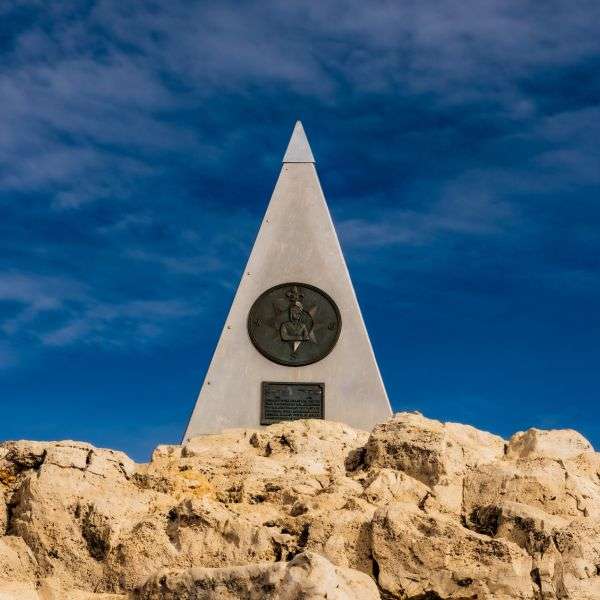
Guadalupe Mountains
The park is named after the Guadalupe Mountains, which are an ancient fossilized reef uplifted during the Permian Period. Guadalupe Peak, the highest point in Texas at 8,751 feet, is part of this mountain range.
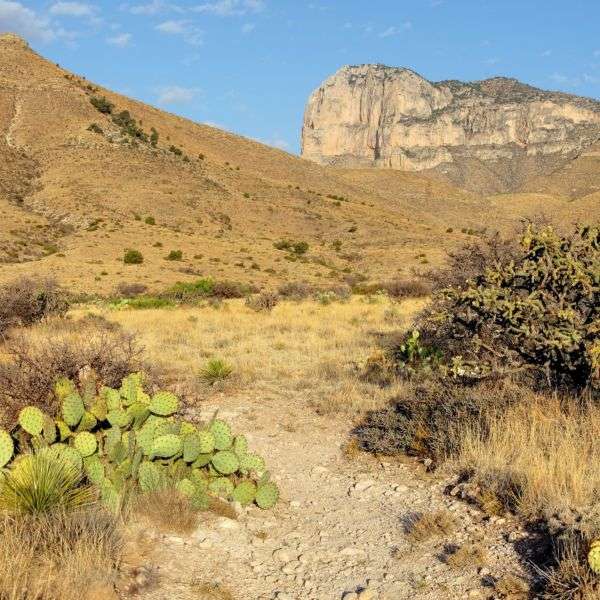
Chihuahuan Desert
A significant portion of the park is situated within the Chihuahuan Desert, one of the largest and most biologically diverse deserts in North America. The desert environment is characterized by arid conditions and a variety of plant and animal adaptations to survive in harsh climates.
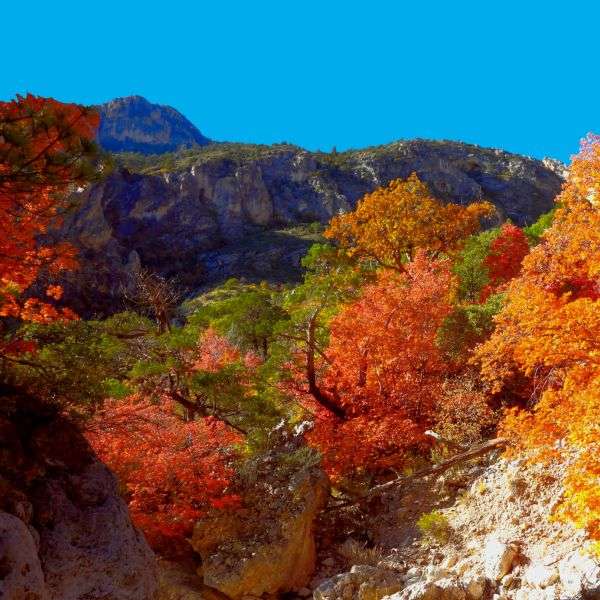
McKittrick Canyon
Located on the eastern side of the park, McKittrick Canyon is known for its scenic beauty and diverse plant life. The canyon features a riparian environment, with a perennial stream supporting a lush oasis of vegetation, especially during the fall when the foliage is vibrant.
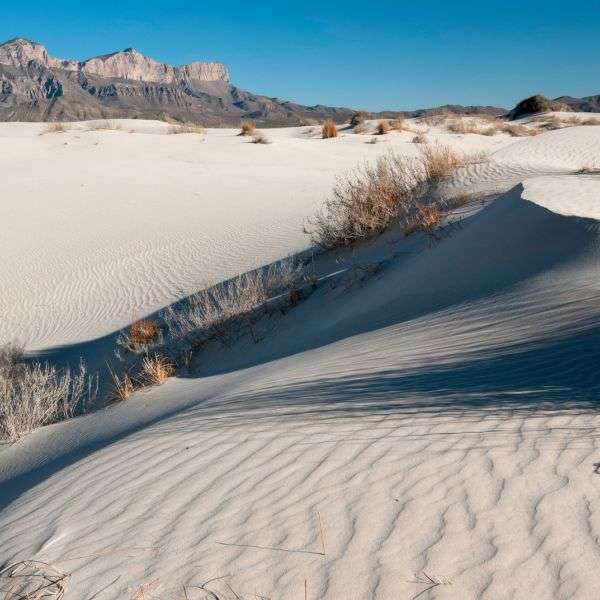
Salt Basin Dunes
In the southern part of the park, the Salt Basin Dunes are extensive sand dunes that formed in the Tertiary Period. These dunes are part of the Chihuahuan Desert ecosystem and contribute to the park's unique geography.
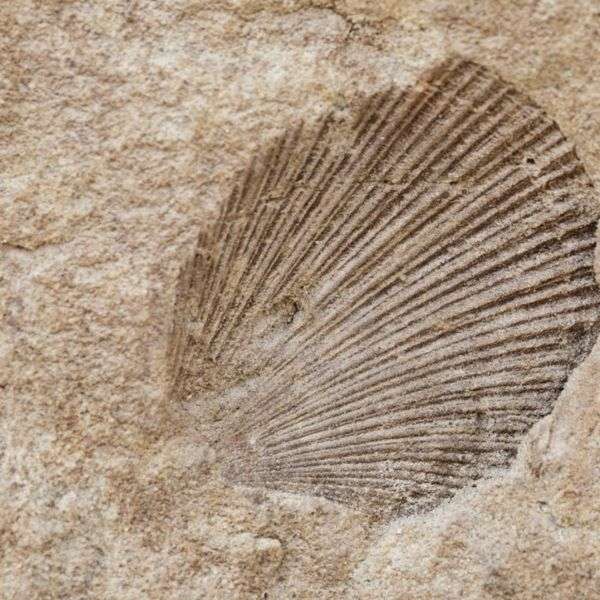
Capitan Reef
The Capitan Reef, a massive fossilized reef system, is a prominent geological feature in the park. Composed mainly of limestone, it played a significant role in shaping the Guadalupe Mountains during the Permian Period.
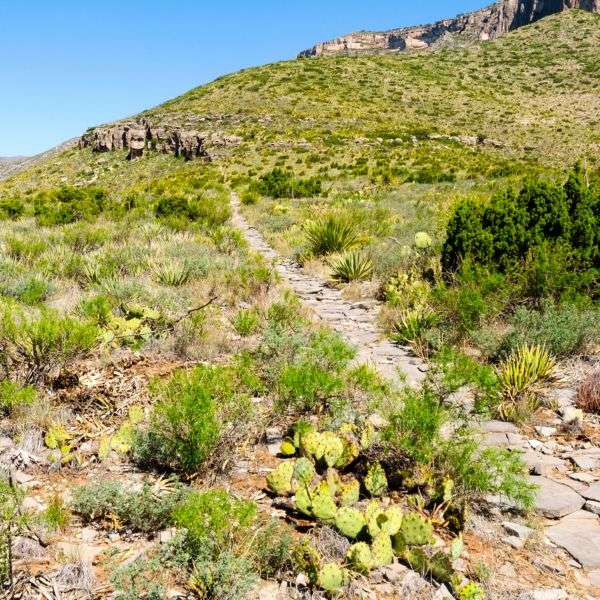
Vegetation Zones
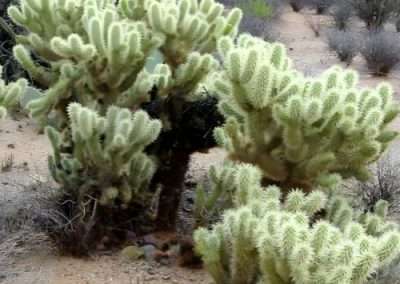
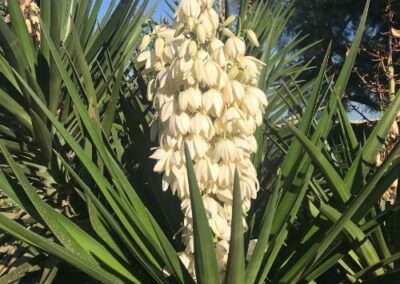
The park exhibits distinct vegetation zones, ranging from desert scrub at lower elevations to montane woodlands at higher elevations. Vegetation includes various cacti, yuccas, junipers, and pines, each adapted to the specific ecological conditions of its zone.
Plants
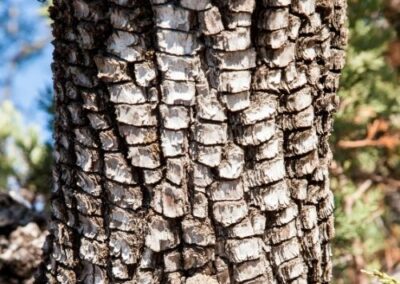
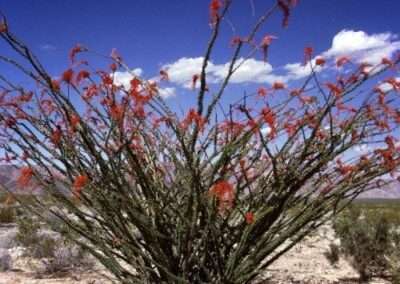
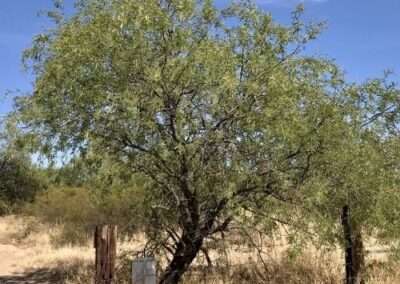
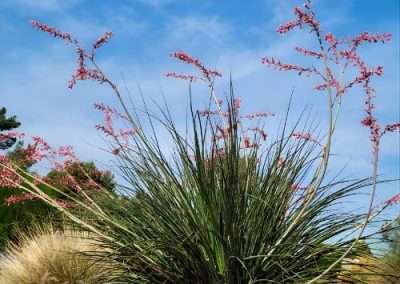
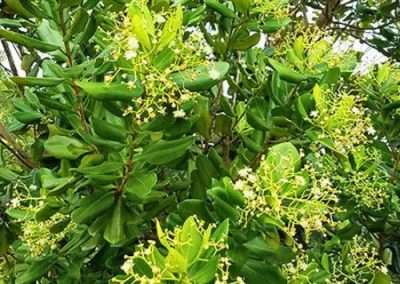
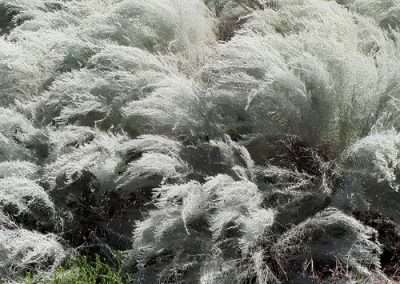
Guadalupe Mountains National Park boasts a remarkable diversity of plant life adapted to its rugged terrain, arid climate, and dramatic changes in elevation. From agaves, yuccas, and desert shrubs across the Chihuahuan Desert to ponderosa pines, Douglas-firs, and other montane trees growing at higher elevations, the park's flora reflects the variety of habitats created by its mountains and canyons. Visitors exploring the park's trails can encounter colorful wildflowers, grasses, shrubs, and forests, providing a fascinating look at how plants have adapted to the challenging conditions of this remote wilderness.
Animals
Mammals
Guadalupe Mountains National Park is home to a diverse community of mammals adapted to habitats ranging from the arid Chihuahuan Desert to cool, forested mountain slopes. These species occupy different ecological niches and contribute to the health and balance of the park's ecosystems.
Mule Deer (Odocoileus hemionus): Mule deer are among the larger herbivores found throughout the park. They inhabit desert scrub, canyon habitats, and higher elevations where vegetation provides food and cover.
Elk (Cervus canadensis): Elk can be found in the higher elevations of the Guadalupe Mountains, particularly around forested areas and mountain meadows. They are the largest members of the deer family and may be heard bugling during the breeding season.
Coyote (Canis latrans): Coyotes are highly adaptable predators that occur across a variety of habitats in the park. Their diet includes small mammals, birds, reptiles, insects, and other available food sources.
Gray Fox (Urocyon cinereoargenteus): Gray foxes are primarily nocturnal and inhabit forests, shrublands, and rocky areas. They are unusual among canids because they are capable climbers and may use trees for shelter or escape.
Bobcat (Lynx rufus): Bobcats are solitary and elusive predators that occupy desert, woodland, and rocky habitats. They primarily hunt small mammals and birds.
Black-Tailed Jackrabbit (Lepus californicus): Black-tailed jackrabbits are well adapted to the park's arid environments. Their large ears help dissipate heat, while their powerful hind legs allow them to move quickly across open terrain.
Rock Squirrel (Otospermophilus variegatus): Rock squirrels are commonly associated with rocky slopes, cliffs, and canyon environments. They feed on seeds, fruits, vegetation, and other available foods and are active primarily during the daytime.
Mexican Free-Tailed Bat (Tadarida brasiliensis): Mexican free-tailed bats are highly effective aerial insect predators. They emerge from roosting sites at night to feed on flying insects and contribute significantly to natural insect control.
Big Brown Bat (Eptesicus fuscus): Big brown bats are insectivorous bats that forage at night. They consume a variety of flying insects and are an important part of the park's nocturnal food web.
Ringtail (Bassariscus astutus): Ringtails, sometimes called ringtail cats, are nocturnal members of the raccoon family. They are excellent climbers and are particularly well suited to the rocky canyons and rugged terrain of the Guadalupe Mountains.
Mountain Lion (Puma concolor): Mountain lions are elusive, solitary predators that range across the park's desert and mountain habitats. They help regulate populations of prey species such as deer and other mammals.
Collared Peccary (Pecari tajacu): Collared peccaries, commonly called javelinas, are social mammals that travel in groups. They are adapted to arid environments and feed on a variety of plants, fruits, roots, and other foods.
Reptiles
Guadalupe Mountains National Park is home to a variety of reptile species adapted to its diverse desert and mountain environments. The park's reptile fauna includes a range of lizards, snakes, and other reptiles.
Texas Horned Lizard (Phrynosoma cornutum): Also known as the horned toad, this distinctive lizard is known for its flat body, spiky appearance, and horn-like projections on its head. It is well-camouflaged in arid environments.
Western Diamondback Rattlesnake (Crotalus atrox): A venomous pit viper, the western diamondback rattlesnake is found in a variety of habitats, from desert flats to rocky slopes. It is recognized by its diamond-shaped pattern and rattling tail.
Collared Lizard (Crotaphytus collaris): These large, colorful lizards are often found on rocky slopes and outcrops. They are known for their distinctive coloration, which includes shades of green, blue, and orange.
Madrean Alligator Lizard (Elgaria kingii): This large, legless lizard is well-adapted to rocky habitats. It is often encountered in canyons and areas with suitable hiding places.
Plateau Striped Whiptail (Aspidoscelis velox): Whiptails are fast-moving lizards characterized by their long tails. The plateau striped whiptail is a species found in the park, often seen darting across open areas.
Eastern Collared Lizard (Crotaphytus collaris): Similar to the collared lizard mentioned earlier, the eastern collared lizard is another species found in the park. It is known for the distinct collars around its neck.
Trans-Pecos Rat Snake (Bogertophis subocularis): This non-venomous snake is found in rocky canyons and slopes. It has distinctive blotched patterns on its body and preys on small mammals.
Western Banded Gecko (Coleonyx variegatus): Banded geckos are nocturnal and are often found in rocky areas. They have distinctive banding patterns on their bodies and feed on insects.
Checkered Gartersnake (Thamnophis marcianus): Gartersnakes are commonly found near water sources. The checkered gartersnake has a distinctive checkered pattern on its body and feeds on amphibians and small fish.
Texas Night Snake (Hypsiglena torquata jani): This nocturnal snake is often encountered in rocky habitats and feeds on small reptiles and insects. It has a distinct pattern of dark markings on its back.
Long-nosed Leopard Lizard (Gambelia wislizenii): Leopard lizards are characterized by their spotted patterns. The long-nosed leopard lizard is adapted to desert environments and is often found in open areas.
Eastern Black-necked Gartersnake (Thamnophis cyrtopsis): This gartersnake species is associated with riparian areas and is known for its black neck and distinct coloration. It preys on a variety of small animals.
Birds
Guadalupe Mountains National Park is home to a diverse array of bird species, thanks to its varied habitats, which range from desert scrub to montane woodlands. Birdwatchers visiting the park have the opportunity to observe a mix of resident and migratory species.
Peregrine Falcon (Falco peregrinus): These powerful raptors can be spotted in the park's rocky canyons. Peregrine falcons are known for their impressive hunting dives, or "stoops," as they pursue prey.
Black-chinned Hummingbird (Archilochus alexandri): This small hummingbird is found in the park during the breeding season. It is recognized by its black chin and throat.
Turkey Vulture (Cathartes aura): Turkey vultures are frequently seen soaring above the park's canyons. They are scavengers and play a crucial role in cleaning up carrion.
Common Raven (Corvus corax): Ravens are intelligent birds often seen in the park's rocky landscapes. Their calls are distinctive, and they are known for their problem-solving abilities.
Scaled Quail (Callipepla squamata): Scaled quail are adapted to the arid conditions of the Chihuahuan Desert. They are ground-dwelling birds with a distinctive scaly pattern on their feathers.
Western Bluebird (Sialia mexicana): Western bluebirds are found in the park's woodlands and open areas. They are known for their vibrant blue plumage and are cavity nesters.
Mexican Jay (Aphelocoma wollweberi): This social and vocal bird can be found in montane woodlands. Mexican jays are known for their cooperative breeding behavior.
Chihuahuan Raven (Corvus cryptoleucus): Chihuahuan ravens inhabit the desert areas of the park. They are similar in appearance to common ravens but have a smaller bill.
White-throated Swift (Aeronautes saxatalis): Swifts are often seen flying swiftly through canyons. White-throated swifts nest on vertical cliffs and rock walls.
Scott's Oriole (Icterus parisorum): Scott's oriole is a brightly colored bird with yellow and black plumage. It can be found in open woodlands and desert scrub.
Say's Phoebe (Sayornis saya): Say's phoebe is a flycatcher commonly found in open areas. It often perches on exposed branches or rocks while hunting for insects.
Golden Eagle (Aquila chrysaetos): Golden eagles are large raptors that inhabit the park's mountainous regions. They are powerful hunters, preying on mammals and birds.
Fish
Guadalupe Mountains National Park is not known for significant freshwater bodies such as lakes or rivers, and as a result, the park has limited fish species. Most of the water features in the park are intermittent streams or seasonal springs. The aquatic habitats within the park are generally small and are not permanent, which restricts the establishment of diverse fish populations. As a result, there is a limited variety of fish species in Guadalupe Mountains National Park. Some fish may be found in the park's waterways, particularly in intermittent streams and springs.
Desert Sucker (Catostomus clarkii): This species is adapted to arid environments and may be found in intermittent streams.
White Sands Pupfish (Cyprinodon tularosa): While not specifically found in Guadalupe Mountains National Park, the White Sands pupfish is a species native to the region and may be present in nearby areas.
Amphibians
Amphibians in arid environments, such as Guadalupe Mountains National Park, are generally less diverse compared to more humid regions. The park's intermittent water sources, such as springs and seasonal streams, provide habitats for amphibians adapted to arid conditions.
Rio Grande Leopard Frog (Lithobates berlandieri): This species of frog is adapted to a variety of habitats, including ponds, streams, and rivers. They have distinctive spots on their backs.
Great Plains Toad (Anaxyrus cognatus): Great Plains toads are found in a range of habitats, including deserts and grasslands. They have dry, warty skin and are generally nocturnal.
Red-spotted Toad (Anaxyrus punctatus): Red-spotted toads are small to medium-sized toads with reddish spots on their backs. They are adapted to arid environments and may be found near water sources in the park.
Spadefoot Toads (Scaphiopodidae family): Spadefoot toads are well-adapted to arid conditions and have specialized digging "spades" on their hind feet. They spend much of their time underground and emerge to breed during rainy periods.
"Guadalupe Mountains National Park is a hikers paradise in remote Western Texas."
- Adam Marland
"The country around me is wide open, with long, sweeping views…except for a prominent ridge of mountains coming into view. The Guadalupe Mountains stand like a secret gateway in this remote area, as they have for millions of years."
- Barbara 'Bo' Jensen
Explore More With Us
Stay updated on National Parks EDU resources, park news, community updates, and and ways to explore, and protect.

National Parks Edu's mission is to help kids and families understand what makes these places so important. Because when you learn about nature, you start to care about protecting it.
National Parks EDU is an independent educational website and is not affiliated with, endorsed by, sponsored by, or officially connected to the National Park Service (NPS) or the U.S. government. © National Parks EDU. All Rights Reserved. October 18, 2026