Great Basin
National Park
Nevada
unique topography of closed drainage basins, including expansive deserts, rugged mountains, and intermittent lakes
Fast Facts
Location
east-central Nevada
Established in
1986
Established by
President Ronald Regan
Size
121 sq. miles
Known For
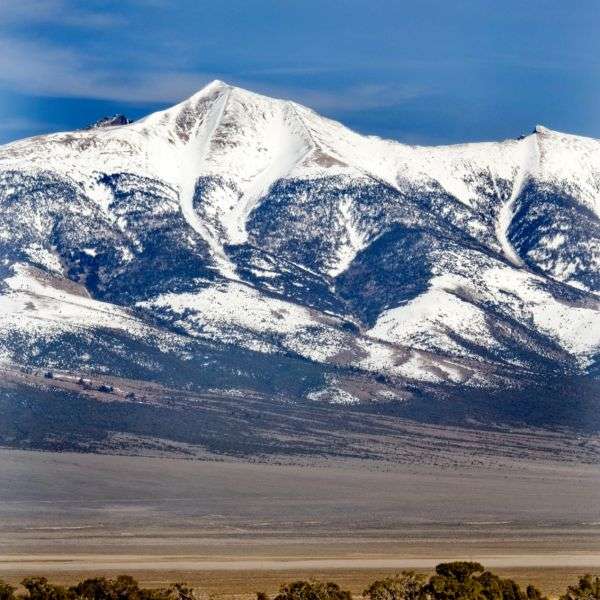
- Home to Wheeler Peak, the highest point in the park and the second-highest peak in Nevada at an elevation of 13,065 feet
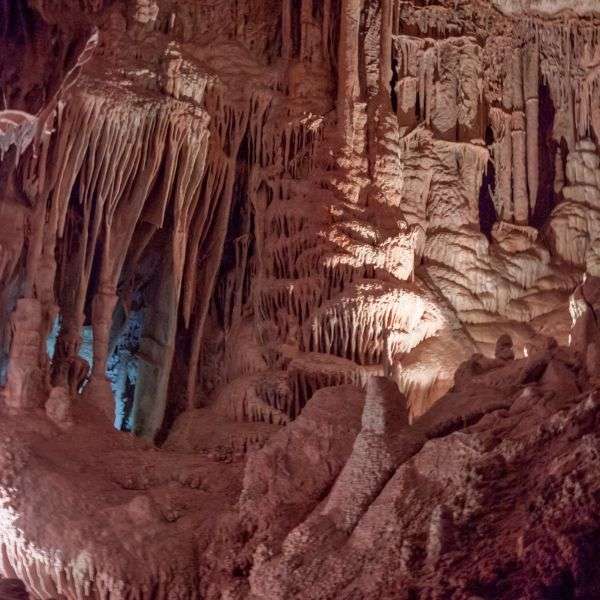
- Renowned for the stunning Lehman Caves, a marble cave system featuring unique formations such as stalactites, stalagmites, and helictites
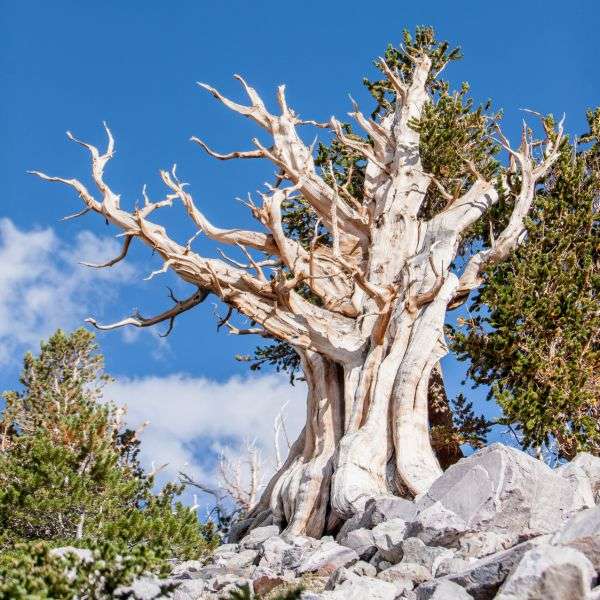
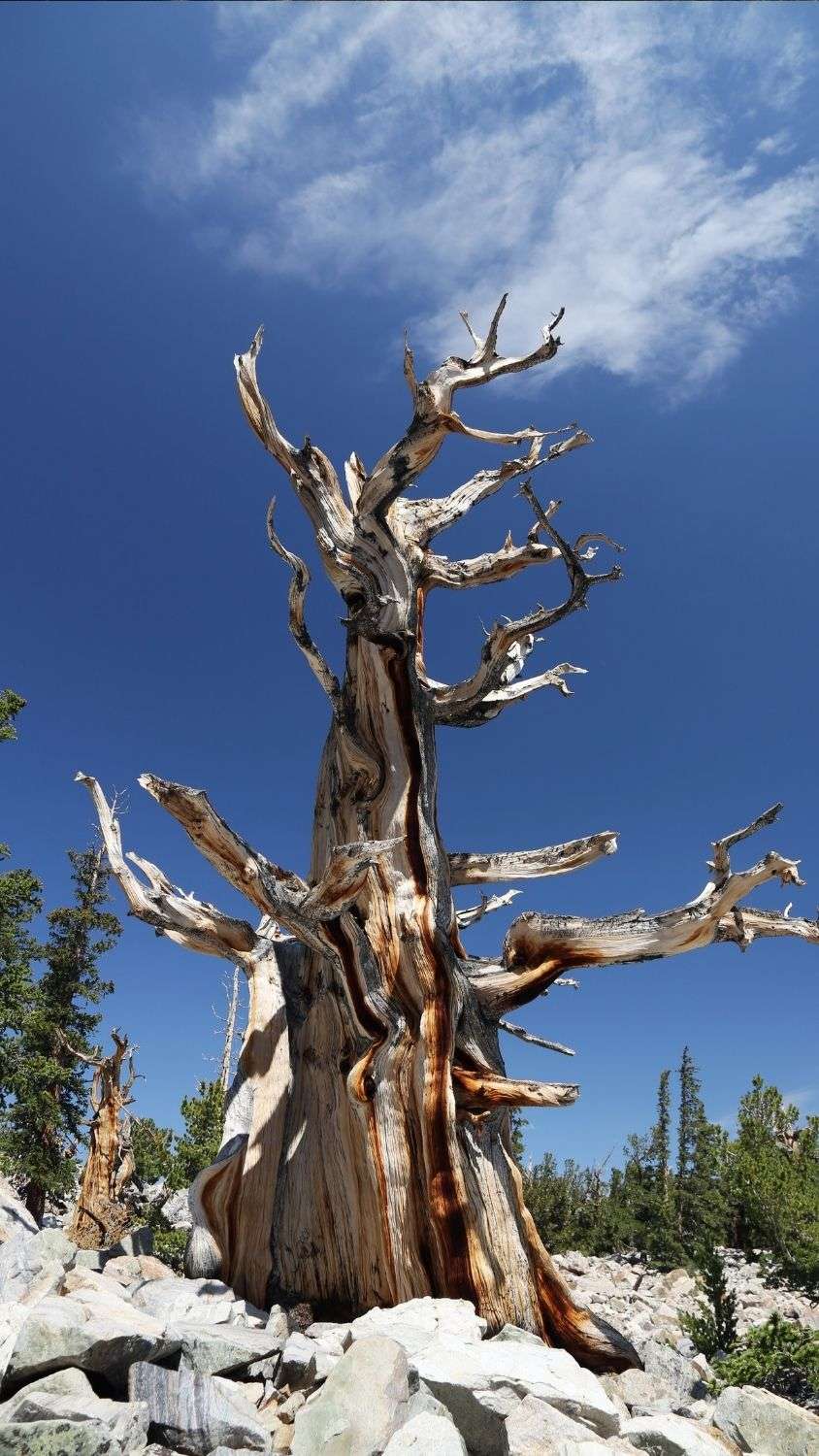
- The park is known for ancient bristlecone pine trees, some of which are over 4,000 years old
History
Natural History and Formation
Great Basin National Park has a complex geological history shaped by ancient seas, tectonic activity, erosion, limestone dissolution, and glaciation over hundreds of millions of years. Located within Nevada's Basin and Range Province, the park contains rugged mountains, deep valleys, exposed sedimentary and metamorphic rocks, and spectacular underground formations.
Paleozoic Era: During the Paleozoic Era, much of the region was covered by a shallow inland sea. Marine sediments accumulated on the seafloor and eventually hardened into limestone and other sedimentary rocks. These ancient rocks now form important parts of the park's geology.
Mesozoic Era: During the Mesozoic Era, tectonic activity altered the region and contributed to the uplift and deformation of existing rock layers. Mountain-building processes and erosion helped create new landscapes while exposing older rocks at the surface.
Cenozoic Era: During the Cenozoic Era, extensive crustal stretching transformed the region into the Basin and Range Province. Faulting caused blocks of Earth's crust to rise and sink, producing the characteristic pattern of mountain ranges separated by broad valleys. The Snake Range, which contains Great Basin National Park, developed through these processes.
Quaternary Period: Beginning about 2.6 million years ago, repeated glacial and interglacial cycles significantly modified the park's high-elevation landscape. Glaciers and meltwater eroded valleys, transported sediments, and helped shape the rugged terrain visible today.
Pleistocene Glaciation: During the Pleistocene Epoch, glaciers occupied portions of the higher Snake Range. Glacial erosion carved alpine valleys and cirques and helped create distinctive landforms around Wheeler Peak and other high-elevation areas.
Lehman Caves Formation: Lehman Caves developed primarily through the dissolution of limestone by groundwater over long periods of time. Water moving through fractures in the rock gradually dissolved the limestone and created chambers, passages, and intricate formations such as stalactites, stalagmites, and other speleothems.
Holocene Landscape Development: During the Holocene Epoch, which began about 11,700 years ago, erosion, weathering, stream activity, and vegetation continued to modify the landscape. These processes remain active today and continue to shape the mountains, valleys, caves, and other geological features of Great Basin National Park.
The combination of ancient marine environments, tectonic uplift and faulting, glacial erosion, groundwater dissolution, and ongoing weathering has produced the remarkable geological diversity found throughout Great Basin National Park.
Native History
Great Basin National Park lies within a region with a long history of Native American occupation and cultural connection. Indigenous peoples have lived throughout the Great Basin for thousands of years, developing traditions and ways of life closely adapted to the region's mountains, valleys, forests, and desert environments.
Shoshone and Northern Paiute Peoples: The Shoshone and Northern Paiute are among the Indigenous peoples historically associated with the Great Basin region. Their communities maintained deep connections to the land and moved seasonally to access different sources of food and other resources.
Hunting and Gathering: Indigenous communities relied heavily on wild plants and animals. Important resources included pine nuts, seeds, roots, berries, and other plants, as well as deer, rabbits, and other wildlife. Seasonal movement allowed communities to take advantage of resources as they became available.
Cultural Practices: Great Basin Indigenous cultures developed rich traditions of storytelling, basketry, toolmaking, ceremonies, and artistic expression. Knowledge about plants, animals, water sources, and seasonal cycles was passed from one generation to the next.
Use of Mountain Resources: The higher elevations of the Snake Range provided additional resources, including game animals, plants, and freshwater. Indigenous peoples used mountain environments seasonally and incorporated these resources into their broader subsistence systems.
Trade Networks: Native American groups throughout the Great Basin participated in extensive networks of exchange. Materials such as obsidian, stone tools, shells, pigments, and other goods could travel considerable distances between communities.
European and Euro-American Contact: Increased exploration and settlement during the 19th century brought major changes to Indigenous communities. New diseases, settlement, mining, ranching, and restrictions on access to traditional lands disrupted established lifeways and resource-use patterns.
Cultural Continuity: Despite these disruptions, Indigenous peoples of the Great Basin have maintained strong cultural connections to their ancestral landscapes. Traditional knowledge, stories, crafts, and relationships with the land continue to be important aspects of Indigenous identity and cultural heritage.
Archaeological Evidence: Archaeological sites throughout the Great Basin provide evidence of long-term Indigenous occupation, including stone tools, food remains, rock shelters, and other traces of past activities. These discoveries help researchers understand how people adapted to changing environments over thousands of years.
Today, the Indigenous history of the Great Basin remains an important part of understanding Great Basin National Park and the surrounding region. Recognizing these enduring cultural connections provides a broader perspective on the park's landscapes and their significance beyond their natural history.
Preservation
The preservation history of Great Basin National Park began with efforts to protect Lehman Caves and eventually expanded to encompass the broader mountain, desert, forest, and cultural landscapes of the Great Basin. Over time, federal protection, scientific research, resource management, and efforts to preserve the park's exceptionally dark skies have helped safeguard its natural and cultural resources.
Establishment of Lehman Caves National Monument (1922): President Warren G. Harding proclaimed Lehman Caves a national monument on January 24, 1922. The designation protected the caves and their surroundings because of their unusual geological features and scientific value. :contentReference[oaicite:0]{index=0}
Transfer to the National Park Service (1933): Lehman Caves National Monument was transferred from the U.S. Forest Service to the National Park Service in 1933. This brought increased federal management and conservation efforts, including rehabilitation projects and improvements to the cave while addressing damage caused by early visitation. :contentReference[oaicite:1]{index=1}
Expansion of Conservation Efforts: During the decades when Lehman Caves was a national monument, preservation efforts increasingly focused on protecting not only the cave itself but also its surrounding landscape. Management practices included establishing protected areas within the cave and restricting access to particularly fragile or unstable sections.
Establishment of Great Basin National Park (1986): Congress established Great Basin National Park on October 27, 1986. The legislation abolished Lehman Caves National Monument and incorporated its lands into the new park, creating a protected area of approximately 76,000 acres that included Wheeler Peak, ancient bristlecone pine forests, alpine environments, and Lehman Caves. :contentReference[oaicite:2]{index=2}
National Park Conservation Mission: The 1986 legislation established the park to preserve a representative portion of the Great Basin and its significant geological and scenic resources. The National Park Service's management responsibilities include conserving the area's natural, geological, historical, and archaeological resources while allowing appropriate public enjoyment and scientific study. :contentReference[oaicite:3]{index=3}
Protection of Cultural and Archaeological Resources: Preservation extends beyond the park's natural features. Archaeological resources, historic sites, cave evidence, and Indigenous cultural connections are important components of the park's heritage. Protecting these resources helps document the long history of human interaction with the Great Basin landscape. :contentReference[oaicite:4]{index=4}
International Dark Sky Park Designation (2016): Great Basin National Park was designated an International Dark Sky Park in 2016 in recognition of its exceptionally dark night skies. The designation supports efforts to minimize artificial light, improve park lighting practices, and educate visitors and nearby communities about protecting natural darkness. :contentReference[oaicite:5]{index=5}
Ongoing Conservation and Stewardship: Today, preservation at Great Basin National Park encompasses its caves, bristlecone pine forests, alpine ecosystems, wildlife, geological features, archaeological resources, and dark skies. Scientific research, monitoring, visitor education, and careful management continue to support the park's long-term protection. :contentReference[oaicite:6]{index=6}
The preservation history of Great Basin National Park reflects a gradual expansion from protecting a remarkable cave system to conserving an entire representative landscape of the Great Basin. Its history demonstrates how changing conservation priorities have helped protect both the park's spectacular natural features and its cultural heritage for future generations.
Future Preservation
Preserving Great Basin National Park presents a range of challenges involving climate change, water resources, wildfire, invasive species, visitor use, and the protection of cultural resources. Because the park contains interconnected mountain, forest, cave, and desert ecosystems, changes in one part of the landscape can affect other resources throughout the park.
Climate Change: Rising temperatures and changing precipitation patterns can affect the park's alpine ecosystems, vegetation, wildlife, snowpack, and water availability. High-elevation environments, including the bristlecone pine forests, may be particularly sensitive to changing climatic conditions.
Water Resources: Water is essential to the park's ecosystems and wildlife. Changes in snowpack, precipitation, and groundwater recharge can influence springs, streams, and other water sources. Maintaining reliable water supplies while understanding connections between groundwater and surrounding landscapes remains an important management concern.
Invasive Species: Non-native plants and animals can alter native ecosystems and compete with native species. Monitoring and controlling invasive species is necessary to protect the park's native biodiversity and maintain ecological processes.
Wildfire: Wildfire is a natural part of many Great Basin ecosystems, but changes in climate, vegetation, and fuel conditions can influence fire behavior and intensity. Park managers must balance the ecological benefits of natural fire with the protection of visitors, infrastructure, and sensitive resources.
Visitor Impact: Recreation can place pressure on trails, vegetation, wildlife habitat, and other sensitive areas. High levels of visitation to popular locations such as Lehman Caves and Wheeler Peak require careful management to reduce erosion, disturbance, litter, and other impacts while maintaining opportunities for public enjoyment.
Cave Protection: Lehman Caves contains delicate geological formations that can be damaged by physical contact, changes in environmental conditions, or inappropriate visitor behavior. Protecting cave formations while allowing visitors to experience the cave requires controlled access, monitoring, and visitor education.
Dark Sky Preservation: Great Basin's exceptionally dark skies are an important natural resource and a major attraction for astronomy. Artificial light from nearby development can diminish this resource, making responsible lighting practices and cooperation with surrounding communities important for maintaining nighttime darkness.
Cultural Resource Preservation: Archaeological sites, historic structures, and other cultural resources can be threatened by erosion, natural deterioration, vandalism, and unauthorized collection. Protecting these resources while providing appropriate opportunities for research and education requires careful management.
Limited Resources: Funding, staffing, and logistical constraints can make it difficult to address every conservation and maintenance need. The park must prioritize monitoring, research, infrastructure maintenance, visitor services, and protection of sensitive resources.
Tribal Consultation and Collaboration: The park's management also involves recognizing the longstanding connections of Indigenous peoples to the Great Basin landscape. Meaningful consultation with associated Tribal Nations can help incorporate Indigenous knowledge and perspectives into the understanding and stewardship of cultural and natural resources.
Long-Term Conservation: Addressing these challenges requires ongoing scientific research, resource monitoring, adaptive management, visitor education, and cooperation with Tribal Nations, local communities, scientists, and other partners. These efforts are essential for maintaining Great Basin National Park's geological, ecological, cultural, and recreational values for future generations.
Geography
Great Basin National Park, located in eastern Nevada, is a remarkable landscape of rugged mountains, high desert valleys, ancient bristlecone pine forests, and alpine environments. Dominated by the Snake Range and towering Wheeler Peak, the park also features the spectacular limestone formations of Lehman Caves. Its diverse geography, ranging from sagebrush-covered valleys to glacially shaped alpine terrain, provides visitors with an exceptional opportunity to experience the geological and ecological diversity of the Great Basin.
Mountain Ranges
The park is dominated by the Snake Range, a north-south trending mountain range that extends into Utah. Wheeler Peak, the highest point in the park and the second-highest peak in Nevada at 13,065 feet, is part of the Snake Range.
Lehman Caves
The park features Lehman Caves, a unique cave system formed in limestone. These caves are known for their intricate stalactite and stalagmite formations. Guided tours provide visitors with an opportunity to explore Lehman Caves.
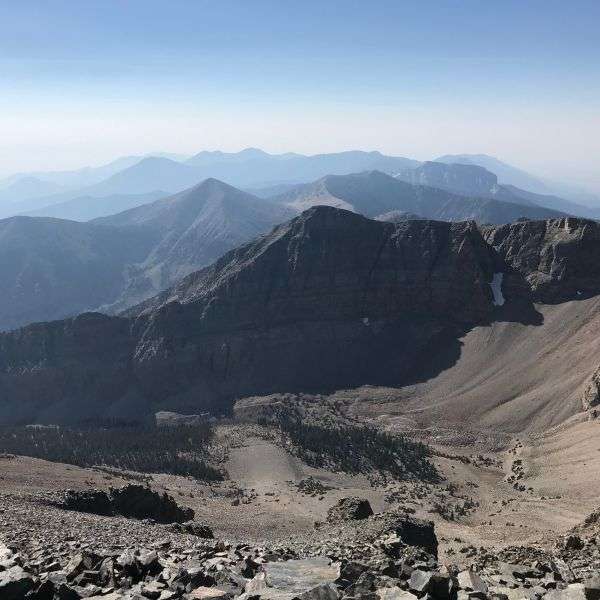
Alpine Terrain
The higher elevations of the park include alpine and subalpine environments, characterized by meadows, rocky slopes, and diverse flora adapted to the cooler temperatures at higher altitudes.
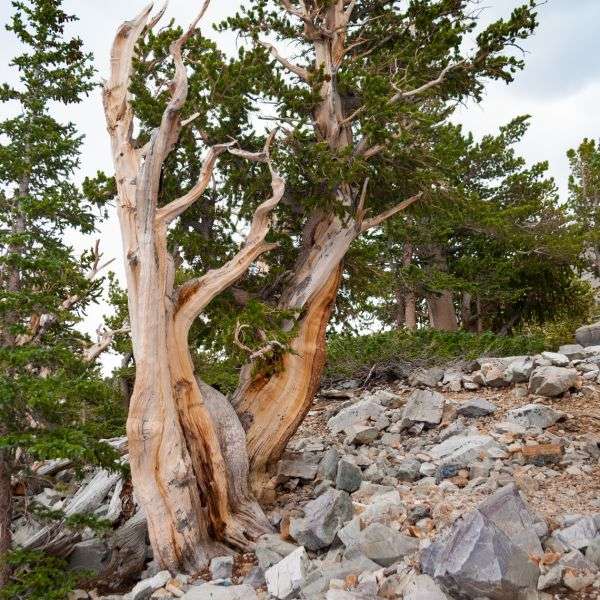
Bristlecone Pine Forests
The park is home to ancient bristlecone pine trees, some of which are among the oldest living organisms on Earth. These hardy trees thrive in the harsh alpine conditions and add to the park's unique ecological features.
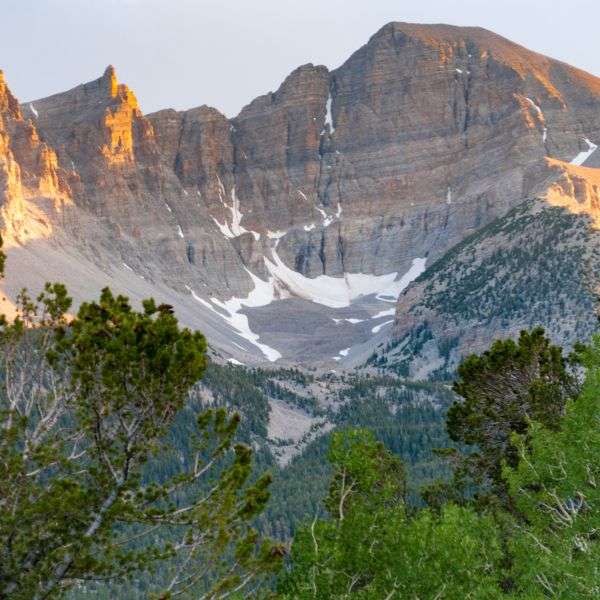
Glacial Valleys and Cirques
Evidence of past glacial activity is visible in the form of glacial valleys and cirques, showcasing the dynamic geological history of the region.
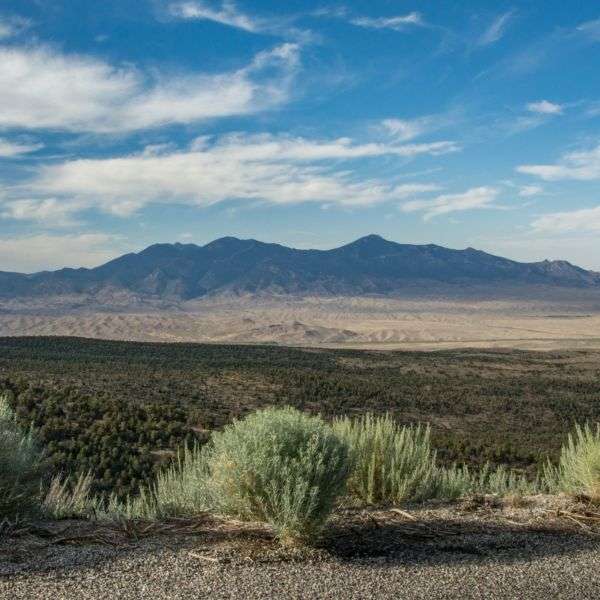
Desert Valleys
Lower elevations within the park transition to desert valleys with sagebrush, providing a stark contrast to the alpine landscapes. The park's diverse ecosystems include both high-mountain environments and arid desert terrains.
Plants
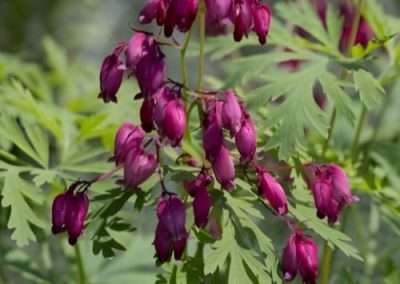
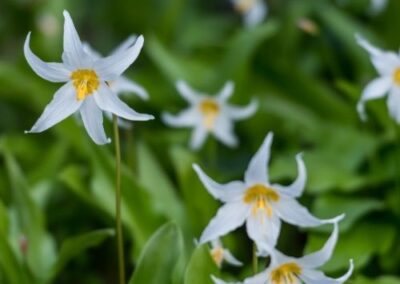
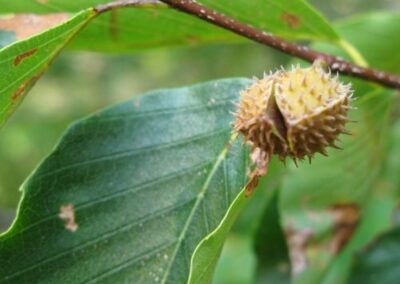
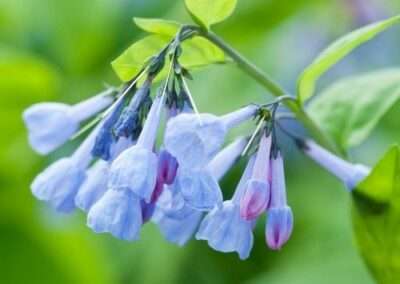
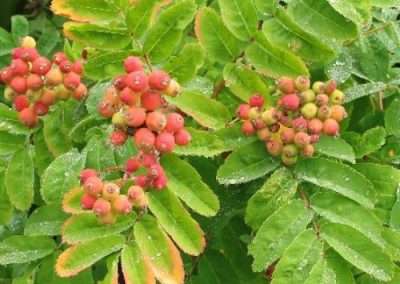
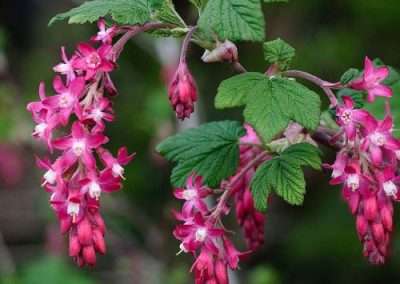
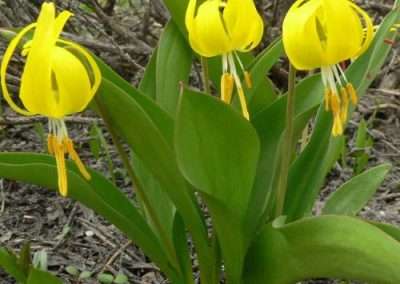
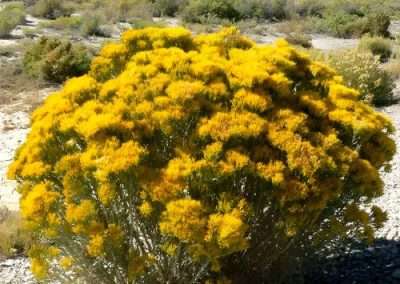
Great Basin National Park supports a remarkable variety of plant life adapted to its dramatic changes in elevation, temperature, and moisture. Ancient bristlecone pines grow among the rocky slopes of the high mountains, while limber pines, aspen, and firs occupy other forested areas. At lower elevations, sagebrush, grasses, and hardy desert plants dominate the landscape. Together, these diverse plant communities reflect the park's unique Great Basin environment and provide essential habitat for wildlife across its mountain and desert ecosystems.
Animals
Mammals
Great Basin National Park supports a diverse community of mammals adapted to environments ranging from desert valleys and sagebrush steppe to dense forests and high-elevation alpine habitats. These animals play important roles in the park's ecosystems as herbivores, predators, scavengers, and seed dispersers.
Bighorn Sheep (Ovis canadensis): Bighorn sheep are well adapted to the steep, rocky terrain of the Snake Range. Their sure-footedness allows them to navigate cliffs and rugged mountain slopes while feeding on grasses, shrubs, and other vegetation.
Mule Deer (Odocoileus hemionus): Mule deer are widely distributed throughout the park and can occupy habitats ranging from sagebrush valleys to forested mountain slopes. Their large ears and distinctive bounding gait make them easily recognizable.
Mountain Lion (Puma concolor): Mountain lions are elusive predators that inhabit the park's forests, mountains, and rugged terrain. As top predators, they help regulate populations of deer and other prey species.
Coyote (Canis latrans): Coyotes are highly adaptable and occur across a variety of habitats in the park. They feed on small mammals, birds, reptiles, insects, and other available food and are often most active during the early morning, evening, or night.
Bobcat (Lynx rufus): Bobcats are solitary predators that occupy forests, rocky areas, and other suitable habitats. Their short tails, tufted ears, and spotted coats help distinguish them from other mammals in the park.
Kit Fox (Vulpes macrotis): Kit foxes are small desert-adapted canids associated primarily with lower-elevation, arid environments. Their large ears help them dissipate heat, while their nocturnal habits allow them to avoid the hottest daytime temperatures.
Porcupine (Erethizon dorsatum): Porcupines inhabit forested areas and feed primarily on vegetation, including bark, leaves, and other plant material. They are largely nocturnal and use their sharp quills as an effective defense against predators.
Golden-mantled Ground Squirrel (Callospermophilus lateralis): These ground squirrels are common in mountain environments, including meadows, rocky areas, and forest edges. They spend much of the warmer season feeding and storing energy before entering winter dormancy.
Uinta Chipmunk (Neotamias umbrinus): Uinta chipmunks inhabit forests, rocky slopes, and other mountain habitats. They feed on seeds, fruits, insects, and other foods and are particularly active during the warmer months.
Yellow-bellied Marmot (Marmota flaviventris): Yellow-bellied marmots are commonly associated with rocky slopes, alpine meadows, and high-elevation environments. Their characteristic whistles serve as alarm calls when predators approach.
North American Badger (Taxidea taxus): Badgers are powerful burrowing mammals that inhabit open and semi-open environments. They are effective predators of rodents and other small animals and use their strong claws to excavate burrows and pursue prey.
Western Gray Squirrel (Sciurus griseus): Western gray squirrels are associated with forested habitats and feed on seeds, nuts, fruits, and other plant materials. They contribute to forest ecosystems through their movement and dispersal of seeds.
Black-tailed Jackrabbit (Lepus californicus): Black-tailed jackrabbits are well adapted to the park's arid lower elevations. Their large ears help regulate body temperature, while their powerful hind legs allow them to move rapidly across open terrain.
Reptiles
Great Basin National Park supports a variety of reptiles adapted primarily to its lower-elevation desert, sagebrush, shrubland, and woodland habitats. Reptiles are generally less common at the park's highest elevations, where cold temperatures limit their activity. They nevertheless play important ecological roles as predators of insects and small animals and as prey for larger wildlife.
Gopher Snake (Pituophis catenifer): Gopher snakes are nonvenomous constrictors found in a variety of habitats, including sagebrush, grasslands, and open woodland. They feed on rodents, birds, eggs, and other small animals.
Great Basin Rattlesnake (Crotalus lutosus): The Great Basin rattlesnake is a venomous pit viper associated with rocky and arid habitats. It is an important predator of rodents and other small animals.
Sagebrush Lizard (Sceloporus graciosus): Sagebrush lizards are small reptiles adapted to dry shrublands and sagebrush habitats. They commonly bask in the sun and feed primarily on insects and other small invertebrates.
Western Fence Lizard (Sceloporus occidentalis): Western fence lizards inhabit rocky areas, woodland edges, and other relatively open environments. They are often seen basking on rocks and logs while searching for insects.
Western Skink (Plestiodon skiltonianus): Western skinks are small, secretive lizards that occur in a variety of habitats, including forests, rocky areas, and moist locations. Juveniles often have a distinctive bright blue tail.
Western Terrestrial Garter Snake (Thamnophis elegans): Western terrestrial garter snakes can occur in meadows, woodlands, and areas near water. They are nonvenomous and feed on prey such as amphibians, small mammals, insects, and other animals.
Striped Whipsnake (Masticophis taeniatus): Striped whipsnakes are slender, fast-moving snakes associated with open and semi-arid habitats. Their speed helps them pursue lizards and other small prey.
Rubber Boa (Charina bottae): Rubber boas are small, nonvenomous snakes with smooth, rubbery-looking skin. They are generally secretive and can be found beneath rocks, logs, and other cover in suitable forested and mountainous habitats.
Night Snake (Hypsiglena chlorophaea): Night snakes are small, primarily nocturnal snakes that inhabit dry and rocky environments. They feed on small reptiles, amphibians, and other prey.
Great Basin Collared Lizard (Crotaphytus bicinctores): Collared lizards are active, brightly marked reptiles associated with rocky, open habitats. They use rocks for basking and can run rapidly when pursuing prey or escaping predators.
Horned Lizards (Phrynosoma spp.): Horned lizards are specialized reptiles adapted to arid environments. Their flattened bodies, horns, and camouflage help them blend into rocky and sandy surroundings, and many species specialize in eating ants.
Birds
Great Basin National Park supports a diverse bird community across its sagebrush valleys, pinyon-juniper woodlands, coniferous forests, alpine meadows, and rugged mountain slopes. Raptors, songbirds, woodpeckers, owls, and seed-eating species all contribute to the park's rich avian diversity.
Golden Eagle (Aquila chrysaetos): Golden eagles can be seen soaring over the park's mountains and open valleys. These powerful raptors hunt mammals and birds and use their excellent eyesight to locate prey from the air.
Mountain Bluebird (Sialia currucoides): Mountain bluebirds are commonly associated with open meadows, grasslands, and sagebrush habitats. Males are especially recognizable for their vivid blue plumage.
Clark's Nutcracker (Nucifraga columbiana): Clark's nutcrackers are closely associated with the park's high-elevation coniferous forests. They collect and cache large quantities of pine seeds, helping disperse seeds and regenerate forests.
White-crowned Sparrow (Zonotrichia leucophrys): White-crowned sparrows inhabit shrubby areas, meadows, and forest edges. Their boldly patterned heads and distinctive songs make them relatively easy to identify.
American Kestrel (Falco sparverius): American kestrels are small falcons that hunt in open habitats. They often perch on elevated points while searching for insects, small mammals, and other prey.
Mountain Quail (Oreortyx pictus): Mountain quail are secretive birds associated with dense shrubs and mountainous woodland habitats. Their prominent head plumes make them distinctive among the park's upland birds.
Northern Pygmy-Owl (Glaucidium californicum): Northern pygmy-owls are small predators found in forested habitats. Despite their size, they can hunt birds and small mammals and are active during daylight as well as at other times.
Common Nighthawk (Chordeiles minor): Common nighthawks are often active around dusk and dawn, when they fly over open areas catching flying insects. Their distinctive wing markings and erratic flight make them recognizable in the evening sky.
Peregrine Falcon (Falco peregrinus): Peregrine falcons inhabit rugged mountain and cliff environments. They are renowned for their extraordinary speed and capture other birds during high-speed aerial pursuits.
Steller's Jay (Cyanocitta stelleri): Steller's jays are common in coniferous forests and are recognizable by their dark blue coloration and prominent crests. They are omnivorous and may feed on seeds, insects, fruits, and other foods.
Red-tailed Hawk (Buteo jamaicensis): Red-tailed hawks are widespread raptors that hunt across open valleys, shrublands, and other suitable habitats. Their broad wings allow them to soar efficiently while searching for prey.
Townsend's Solitaire (Myadestes townsendi): Townsend's solitaires are mountain-dwelling songbirds associated with coniferous forests and open woodland. They feed on insects and fruits, particularly berries during colder months.
Brewer's Sparrow (Spizella breweri): Brewer's sparrows are strongly associated with sagebrush habitats. These small, subtly colored songbirds feed on seeds and insects and contribute to the biodiversity of the park's lower-elevation shrublands.
Fish
Great Basin National Park has relatively limited fish diversity because of its isolated mountain streams, small aquatic habitats, and arid surroundings. The park's streams and springs nevertheless provide important habitat for native fish, particularly in the higher elevations of the Snake Range.
Bonneville Cutthroat Trout (Oncorhynchus clarkii utah): Bonneville cutthroat trout are native to the Great Basin region and occur in suitable streams within the park. They are adapted to cold, clear mountain waters and are an important part of the park's aquatic ecosystems. Conservation efforts focus on protecting suitable habitat and maintaining native trout populations.
Amphibians
Great Basin National Park has relatively limited amphibian diversity because of its arid climate and the scarcity of permanent wetlands and other breeding habitats. Amphibians are most closely associated with springs, streams, ponds, and wet meadows, where water is available for reproduction and survival.
Western Toad (Anaxyrus boreas): Western toads are adapted to a variety of habitats and may occur near wetlands, springs, streams, and forested areas. They are recognizable by their warty skin and light-colored dorsal stripe.
Columbia Spotted Frog (Rana luteiventris): Columbia spotted frogs are associated with aquatic habitats such as wetlands, ponds, and slow-moving streams. Their dark spots and aquatic lifestyle distinguish them from many other amphibians found in the region.
Northern Leopard Frog (Lithobates pipiens): Northern leopard frogs are associated with ponds, marshes, and other wetland environments. They are recognizable by their distinctive dark spots and powerful jumping ability, although their occurrence in the Great Basin region is limited and localized.
"Clearly, the planetary science of The Great Basin is extraordinary, and there really are so many awesome ways to get outside—but it is the experience of solitude that, for us, left the strongest impression."
- Stephanie Payne
"Imagine a place where hot desert valleys meet mountain ranges with peaks soaring above 13,000 feet. Where prickly pear cactus, sagebrush, aspen, fragile alpine wildflowers, and ancient bristlecone pines grow. Where mountain lions, Clark's nutcrackers, snakes, and jackrabbits roam. Such a place exists, not just in your imagination, but in living color in the Great Basin Region of the western United States."
- National Parks Services
Explore More With Us
Stay updated on National Parks EDU resources, park news, community updates, and and ways to explore, and protect.

National Parks Edu's mission is to help kids and families understand what makes these places so important. Because when you learn about nature, you start to care about protecting it.
National Parks EDU is an independent educational website and is not affiliated with, endorsed by, sponsored by, or officially connected to the National Park Service (NPS) or the U.S. government. © National Parks EDU. All Rights Reserved. October 18, 2026