Grand Teton
National Park
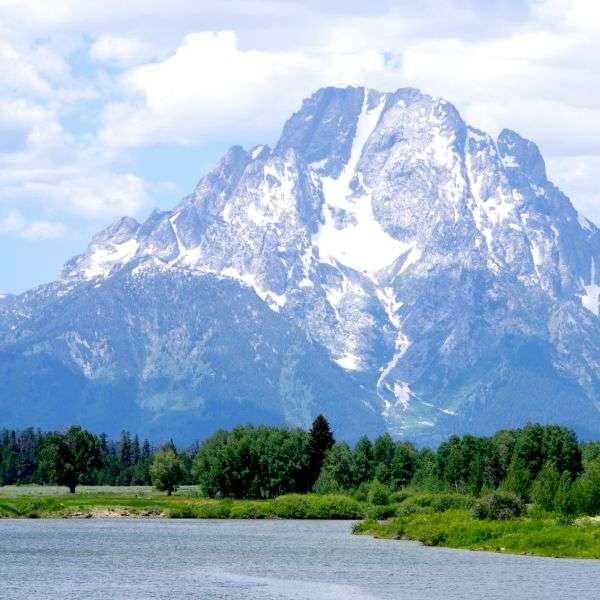
Wyoming
known for its stunning mountain scenery, pristine lakes, and abundant wildlife
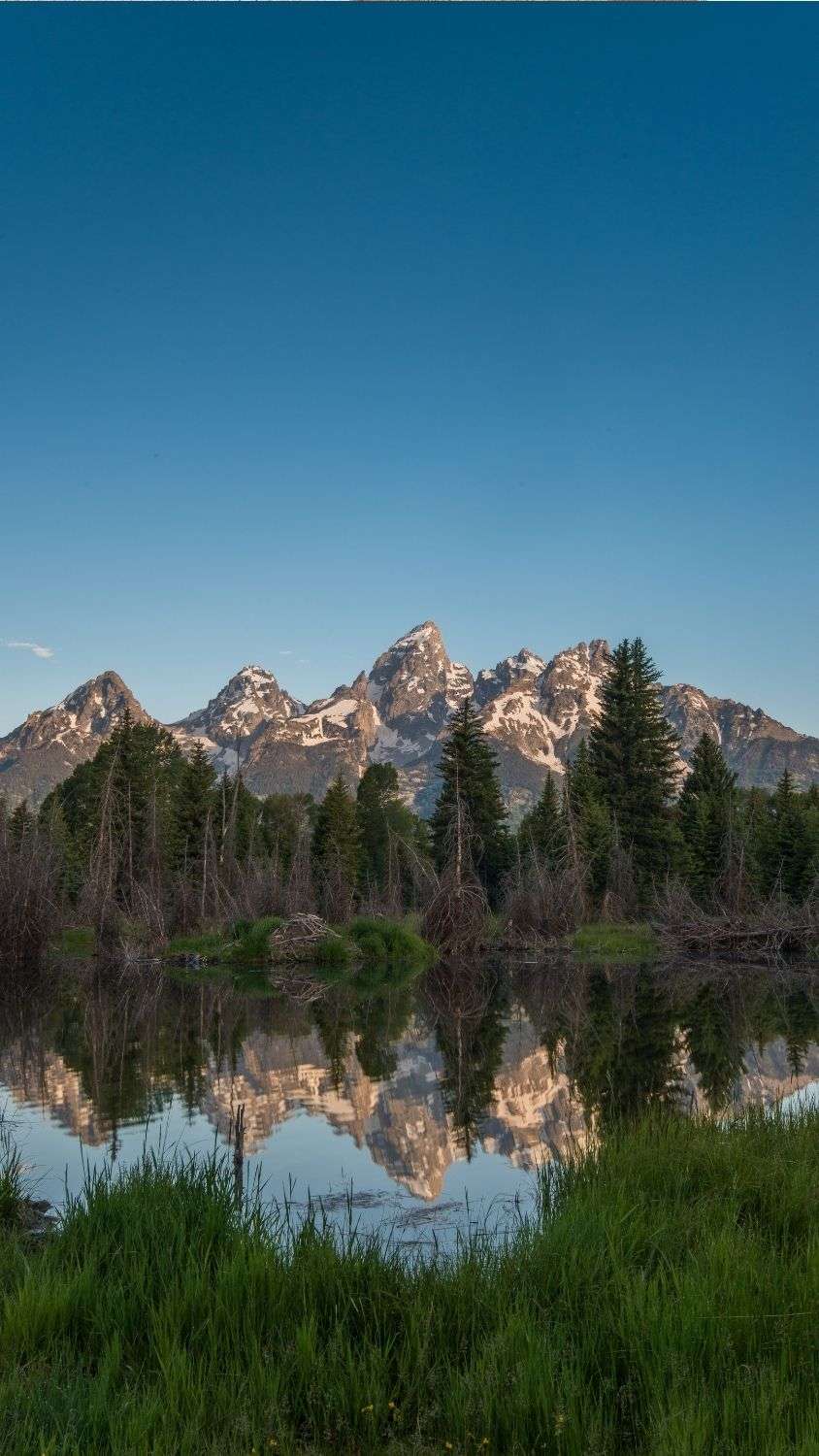
Fast Facts
Location
Wyoming, just south of Yellowstone National Park
Established in
1929
Established by
President Calvin Coolidge
Size
485 sq. miles
Known For
- The park is renowned for the impressive Grand Teton, the highest peak in the Teton Range, standing at 13,775 feet
- Thousands of elk migrate to the National Elk Refuge during the winter months, creating one of the largest elk herds in North America
- The park is home to a diverse array of wildlife, including elk, moose, bison, bears, and numerous bird species that visitors may encounter in their natural habitats
History
Natural History and Formation
The geological formation of Grand Teton National Park reflects millions of years of tectonic activity, erosion, and glacial processes. The dramatic Teton Range, with its steep eastern face and towering peaks, was shaped by faulting and uplift, while glaciers later carved the mountains and valleys into the spectacular landscape seen today.
Ancient Rock Formation: Some of the oldest rocks exposed in the Teton Range are more than 2.5 billion years old. These ancient metamorphic rocks, including gneiss and schist, were formed deep within the Earth's crust and later exposed through uplift and erosion. Granite and other igneous rocks were also emplaced during later geological events.
Rocky Mountain Formation: The broader Rocky Mountain region was significantly shaped during the Laramide Orogeny, a mountain-building episode that occurred roughly 70 to 50 million years ago. Although the modern Teton Range formed much later, this period established important geological structures in the surrounding region.
Teton Fault and Mountain Uplift: The modern Teton Range began rising approximately 9 million years ago along the Teton Fault. This major normal fault runs along the eastern base of the mountains. Movement along the fault caused the mountain block to rise while the Jackson Hole valley to the east and southeast subsided, producing the dramatic contrast between the high peaks and the broad valley.
Formation of Jackson Hole: As the Teton Range rose, the adjacent Jackson Hole basin gradually dropped relative to the mountains. Sediments eroded from the rising mountains accumulated within the basin, helping create the relatively flat valley floor that contrasts sharply with the steep mountain front.
Pleistocene Glaciation: During the Pleistocene Epoch, beginning about 2.6 million years ago, repeated periods of glaciation transformed the Teton landscape. Large glaciers flowed through the mountains and carved deep U-shaped valleys, steep cliffs, cirques, and other characteristic glacial features.
Jenny Lake and Glacial Landforms: Glacial activity helped create many of the park's most recognizable features, including Jenny Lake. Glaciers also deposited moraines, sculpted mountain passes, and carved dramatic valleys such as Cascade Canyon and Paintbrush Canyon.
Grand Teton: Grand Teton rises more than 13,000 feet above sea level and consists largely of ancient metamorphic rocks intruded by younger igneous rocks. Its imposing appearance is partly the result of uplift along the Teton Fault followed by millions of years of erosion and glacial sculpting.
Ongoing Erosion and Tectonic Activity: Geological processes continue to shape the park today. Weathering, erosion, landslides, frost action, and stream activity gradually wear down the mountains, while the Teton Fault remains capable of producing earthquakes. The landscape therefore continues to evolve as tectonic forces and erosion interact.
The combination of ancient rocks, tectonic uplift, faulting, erosion, and repeated glaciation has produced the dramatic scenery of Grand Teton National Park. The park provides an exceptional opportunity to observe Earth's geological history exposed across a relatively compact and spectacular mountain landscape.
Native History
The region now protected as Grand Teton National Park has a long and continuing Native American history. Indigenous peoples have lived in and traveled through the Teton and Jackson Hole region for thousands of years, using its mountains, valleys, rivers, and forests for hunting, fishing, gathering, trade, and spiritual practices. Tribes with historical connections to the area include the Shoshone, Eastern Shoshone, Bannock, Blackfeet, and others.
Shoshone and Bannock Peoples: The Shoshone and Bannock peoples have longstanding connections to the Greater Yellowstone and Teton region. Many groups followed seasonal patterns, moving through different elevations to take advantage of changing supplies of game, fish, berries, roots, and other resources.
Sacred Landscapes: The Teton Range and surrounding valleys held cultural and spiritual importance for Indigenous peoples. Mountains, lakes, rivers, and other natural features were connected to traditions, stories, and knowledge passed from one generation to another.
Hunting and Gathering: Indigenous communities used the diverse environments of the Teton region to obtain food and materials. They hunted animals such as elk, deer, and bison, fished in rivers and lakes, and gathered berries, roots, seeds, and other plants.
Seasonal Movement: Seasonal travel allowed Indigenous peoples to make effective use of the region's varied resources. Mountain passes and valleys also provided important routes through the Rocky Mountains, connecting the Teton region with surrounding areas.
Trade Networks: The Teton region was connected to extensive Indigenous trade networks extending across the Rocky Mountains and the Great Plains. Goods such as stone tools, hides, food, and other materials were exchanged between different communities.
European and Euro-American Contact: During the 18th and 19th centuries, increased contact with European and Euro-American explorers, trappers, and traders brought major changes. New diseases, commercial activities, conflicts, and shifting patterns of settlement affected Indigenous communities and their traditional use of the landscape.
Loss of Traditional Lands: As Euro-American settlement expanded, Indigenous peoples faced increasing restrictions on their traditional territories. Government policies and the establishment of reservations disrupted long-established seasonal movements and relationships with the land.
Wind River Indian Reservation: The Wind River Indian Reservation, located south of the Teton region, was established in the 19th century and is home to the Eastern Shoshone and Northern Arapaho. The Eastern Shoshone maintain particularly strong historical and cultural connections to the Greater Yellowstone and Teton landscapes.
Archaeological Evidence: Archaeological sites throughout the region provide evidence of Indigenous occupation and use extending back thousands of years. Stone tools, campsites, fire remains, and other discoveries help researchers understand how people adapted to and interacted with the changing environments of the Teton region.
Cultural Preservation: Today, Indigenous communities continue to maintain cultural connections to the Teton landscape. Grand Teton National Park recognizes the importance of Indigenous history and works with associated tribes to improve interpretation, protect cultural resources, and acknowledge the continuing presence and perspectives of Native peoples.
Preservation
The preservation history of Grand Teton National Park reflects a long effort to protect the dramatic Teton Range, Jackson Hole, and the region's wildlife and natural ecosystems. Conservationists, private landowners, philanthropists, and the federal government all played important roles in transforming the area from a landscape threatened by development into one of America's most protected natural treasures.
Early Exploration and Recognition: During the 19th century, explorers, trappers, surveyors, and naturalists brought increased attention to the Teton region. The spectacular mountains and relatively undeveloped Jackson Hole landscape attracted visitors and helped establish the area's importance as a scenic and natural resource.
Influence of Yellowstone National Park: The creation of Yellowstone National Park in 1872 demonstrated the potential for protecting large landscapes for their scenic, scientific, and recreational value. The success of Yellowstone contributed to growing interest in protecting the Teton region.
Establishment of Grand Teton National Park: Grand Teton National Park was established on February 26, 1929. The original park was considerably smaller than the present-day park and primarily protected the Teton Range and several of its lakes.
Early Conservation Efforts: As tourism and private development increased in Jackson Hole, concerns grew about preserving the area's natural scenery. Conservationists recognized that development could permanently alter views of the Teton Range and important wildlife habitats.
John D. Rockefeller, Jr.: Philanthropist John D. Rockefeller, Jr. became one of the most influential figures in the park's preservation history. Through the Snake River Land Company, he acquired thousands of acres of privately owned land in Jackson Hole. Much of this land was eventually donated to the federal government, helping preserve large areas from commercial development.
National Park Service Management: Management of Grand Teton National Park became the responsibility of the National Park Service in 1933. This strengthened the federal government's role in protecting the park's scenery, wildlife, forests, lakes, and other natural resources.
Jackson Hole National Monument: In 1943, President Franklin D. Roosevelt established Jackson Hole National Monument, protecting additional lands surrounding the existing national park. The designation generated significant opposition from some local residents and ranchers who objected to the expansion of federal protection.
Expansion of Grand Teton National Park: In 1950, legislation incorporated most of the Jackson Hole National Monument into Grand Teton National Park. This greatly expanded the park and helped establish the boundaries that largely define the protected landscape today.
Preservation of Scenic Landscapes: Conservation efforts have helped protect iconic views of the Teton Range, the Snake River, Jackson Lake, Jenny Lake, and surrounding valleys. Preserving these landscapes remains an important part of the park's mission.
Ongoing Conservation: Today, Grand Teton National Park is managed to protect its ecosystems, wildlife, geological features, cultural resources, and scenic character. The park continues to address challenges such as climate change, development pressures, invasive species, wildfire, and increasing visitation.
The preservation of Grand Teton National Park demonstrates how sustained conservation efforts can protect an extraordinary landscape while allowing people to experience and appreciate its natural and cultural heritage. The combined work of conservationists, philanthropists, Indigenous communities, local residents, and federal agencies continues to shape the park's future.
Future Preservation
Preserving Grand Teton National Park for future generations requires balancing the protection of its natural and cultural resources with increasing recreational use and environmental change. The park faces challenges ranging from climate change and wildfire to invasive species, wildlife management, and growing visitation.
Wildlife Management: Grand Teton supports important populations of elk, bison, moose, bears, and other wildlife. Managing these populations while maintaining healthy ecosystems and minimizing conflicts between wildlife and visitors is an ongoing challenge.
Invasive Species: Non-native plants and aquatic organisms can compete with native species and alter natural ecosystems. Park managers monitor and control invasive species to protect native biodiversity.
Recreational Pressure: Increasing visitation can place pressure on trails, campgrounds, roads, wildlife habitats, and other park resources. Managing visitor numbers and encouraging responsible recreation are important for reducing environmental impacts.
Trail Erosion: Heavy hiking use, water runoff, and harsh weather can erode trails and damage surrounding vegetation. Regular maintenance, sustainable trail design, and visitor education help reduce these impacts.
Climate Change: Rising temperatures and changing precipitation patterns can alter snowpack, water availability, vegetation, and wildlife habitats. Climate change may also affect the timing of seasonal events and increase stress on ecosystems.
Wildfire: Wildfire is a natural component of many western ecosystems, but changing climate conditions can increase the frequency or intensity of some fires. Managers must balance the ecological benefits of fire with the protection of visitors, infrastructure, and nearby communities.
Water and Air Quality: Protecting clean water in lakes, rivers, and streams is essential for wildlife and recreation. Air quality can also be affected by pollution and regional wildfire smoke, making continued monitoring important.
Human-Wildlife Conflicts: Encounters between visitors and wildlife can create risks for both people and animals. Proper food storage, safe viewing practices, and visitor education help reduce conflicts and protect wildlife.
Cultural Resource Preservation: Archaeological sites, historic structures, and places associated with Indigenous history require careful protection. Park managers must balance public interpretation and access with the need to prevent damage to sensitive cultural resources.
Development Pressures: Development and population growth in surrounding communities can affect wildlife movement, scenic views, water resources, and ecological connectivity beyond the park's boundaries. Cooperation with neighboring communities and land managers is therefore important.
Limited Resources: Maintaining roads, trails, facilities, research programs, and conservation projects requires substantial funding and staff. Limited resources can make it difficult to address every management challenge at the same time.
Protecting Grand Teton National Park requires an adaptive approach that recognizes the connections between wildlife, ecosystems, cultural resources, recreation, and climate. Continued cooperation among the National Park Service, Indigenous communities, scientists, local residents, conservation organizations, and visitors will be essential to preserving the park's natural and cultural heritage.
Geography
Grand Teton National Park, located in northwestern Wyoming, is renowned for its dramatic mountain landscapes and pristine wilderness. The towering Teton Range rises sharply above Jackson Hole, creating a striking backdrop of rugged peaks, alpine lakes, forests, meadows, and winding rivers. The park's diverse geography supports a rich variety of wildlife and ecosystems, making Grand Teton a remarkable destination for experiencing the natural beauty of the American West.
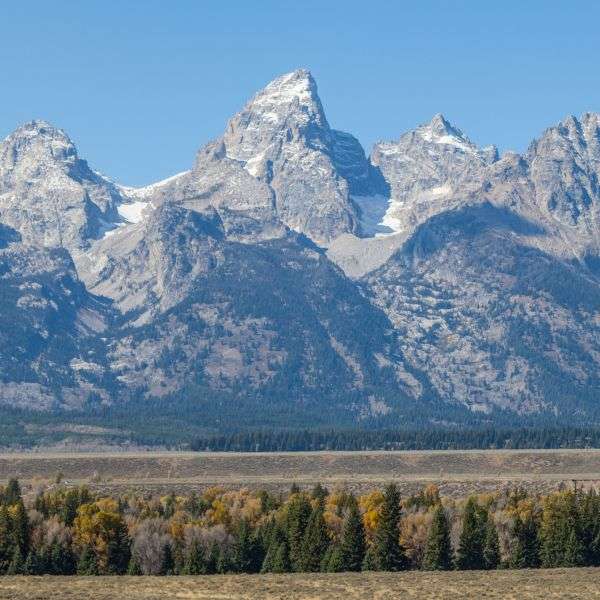
Teton Range
The Teton Range is the central geographic feature of the park, comprising a series of rugged and iconic peaks. The Grand Teton is the highest peak in the range, reaching an elevation of 13,775 feet. Other notable peaks include Mount Owen, Teewinot Mountain, and Mount Moran.
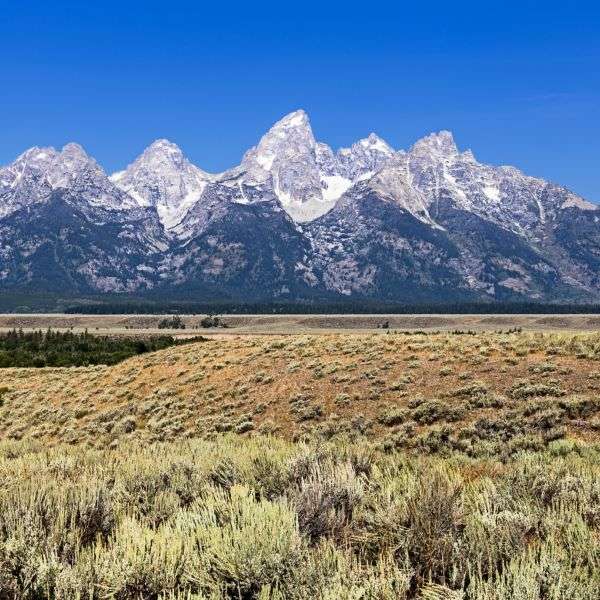
Valleys and Basins
The valleys and basins around the Teton Range contribute to the park's varied topography. Jackson Hole, a large valley to the east of the Teton Range, is bordered by the Gros Ventre Range to the east and the Teton Range to the west.
Lakes and Rivers
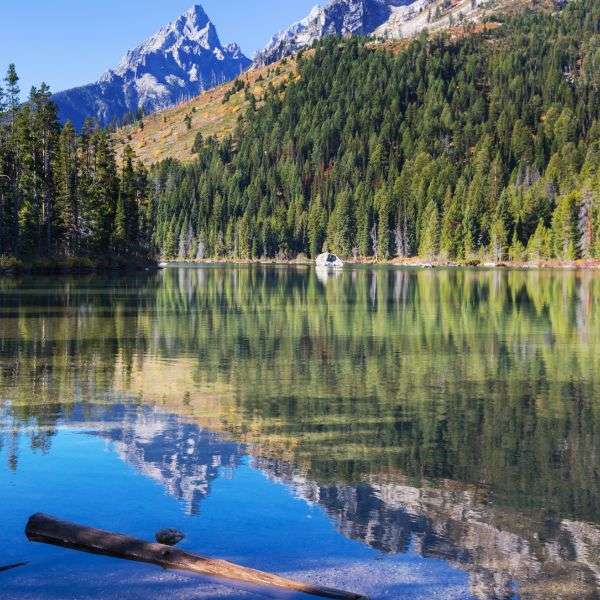
Grand Teton National Park is dotted with numerous lakes, many of which were formed by glacial activity. Jackson Lake, the largest lake in the park, is located at the base of the Teton Range. Other notable lakes include Jenny Lake, Bradley Lake, and Taggart Lake. The Snake River flows through the park, providing scenic beauty and recreational opportunities.
Glacial Features
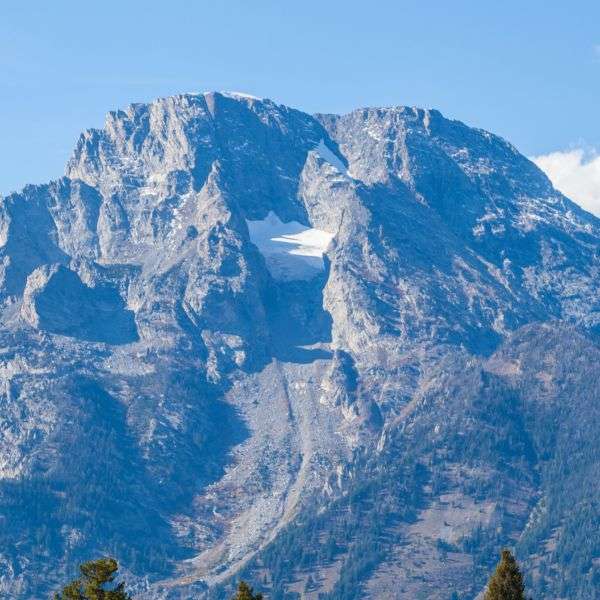
Evidence of past glacial activity is visible throughout the park. U-shaped valleys, moraines, and cirques bear witness to the powerful influence of glaciers that shaped the landscape during the Pleistocene epoch.
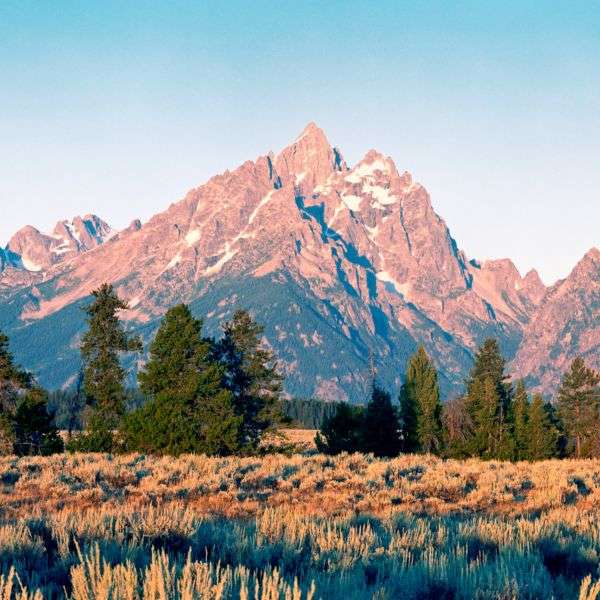
Plate Tectonics and Faulting
The Teton Range is part of the larger Rocky Mountain system and is characterized by its abrupt rise from the surrounding landscape. The Teton Fault, a prominent geological feature, runs along the eastern front of the range and has played a significant role in the uplift of the mountains.
Geothermal Features
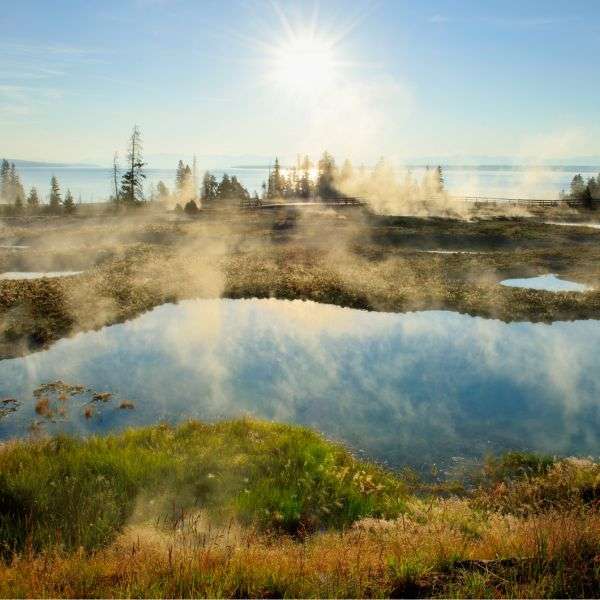
While not as prominent as in neighboring Yellowstone National Park, Grand Teton National Park has some geothermal features, including hot springs. These features are a result of the region's geothermal activity associated with the Yellowstone hotspot.
Plants
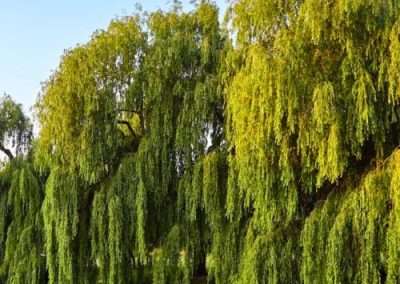
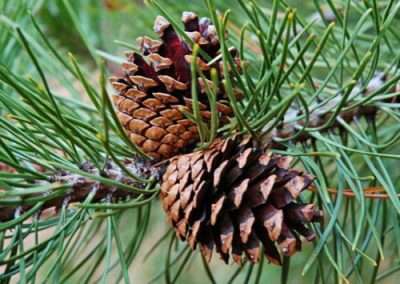
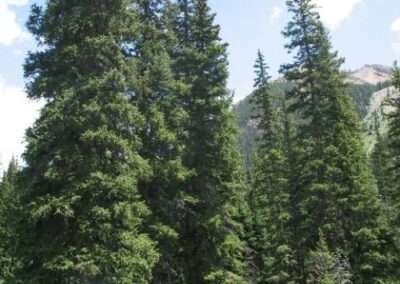
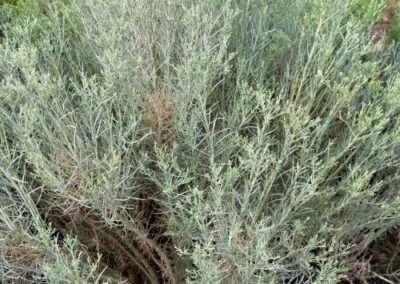
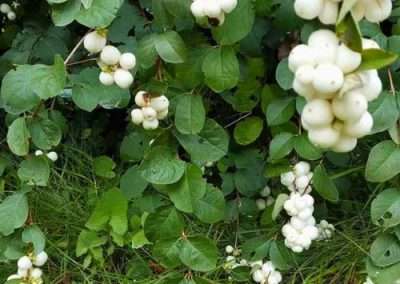
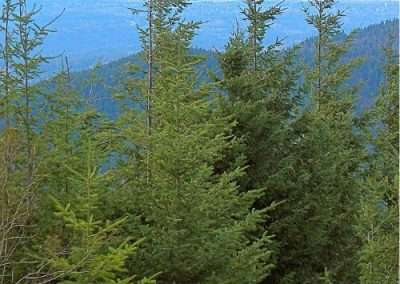
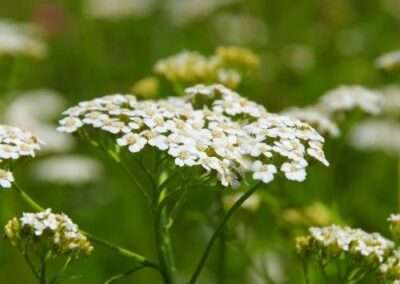
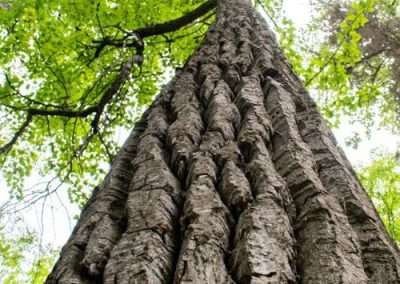
Grand Teton National Park is home to a diverse array of plant life adapted to its forests, wetlands, meadows, and alpine environments. Lodgepole pine, Engelmann spruce, subalpine fir, and other conifers dominate many of the park's forests, while colorful wildflowers bloom across meadows and higher elevations during the short summer season. Along rivers and lakes, willows, cottonwoods, and other moisture-loving plants provide important habitat for wildlife, contributing to the park's rich and interconnected ecosystems.
Animals
Mammals
Grand Teton National Park supports a diverse community of mammals adapted to its forests, wetlands, sagebrush plains, rivers, and rugged alpine environments. From large herbivores such as elk and moose to elusive predators and small alpine mammals, these species play important roles in maintaining the park's ecological balance.
Elk (Cervus canadensis): Elk are among the most commonly observed large mammals in the park. They occupy a variety of habitats, including sagebrush flats, forests, and meadows, and large herds can often be seen during the fall rut.
Moose (Alces alces): Moose are commonly associated with wetlands, willow thickets, lakes, and streams. They are the largest members of the deer family and are recognized by their large bodies and broad, palmate antlers.
Bison (Bison bison): Bison occur primarily in the northern and central areas of the park, particularly in open sagebrush and grassland habitats. They are important large grazers that influence vegetation and nutrient cycling.
Bighorn Sheep (Ovis canadensis): Bighorn sheep are adapted to the steep, rocky terrain of the Teton Range. They use cliffs and rugged slopes for escape from predators and are especially associated with higher elevations.
Pronghorn (Antilocapra americana): Pronghorn inhabit the open sagebrush and grassland areas of the park. They are exceptionally fast runners and are the fastest land mammals in North America.
Black Bear (Ursus americanus): Black bears inhabit forested areas, meadows, and other habitats throughout the park. They are omnivorous and feed on berries, vegetation, insects, carrion, and other available foods.
Grizzly Bear (Ursus arctos horribilis): Grizzly bears are part of the Greater Yellowstone Ecosystem and may occur in Grand Teton, particularly in areas with suitable habitat. They are omnivores whose diets vary seasonally.
Gray Wolf (Canis lupus): Gray wolves occasionally travel through Grand Teton as part of the broader Yellowstone ecosystem. As major predators, they influence populations and behavior of other animals and contribute to the ecological balance of the region.
Coyote (Canis latrans): Coyotes are adaptable predators found throughout the park. They occupy open landscapes, forests, and developed areas and feed on a wide range of small mammals and other prey.
Red Fox (Vulpes vulpes): Red foxes inhabit forests, meadows, and open landscapes. They are opportunistic predators that feed on small mammals, birds, insects, and other available food.
River Otter (Lontra canadensis): River otters are associated with the park's rivers, lakes, and wetlands. Excellent swimmers, they hunt fish, amphibians, and other aquatic prey.
Pika (Ochotona princeps): Pikas are small herbivorous mammals that live among rocky slopes and talus fields at higher elevations. They collect vegetation during summer to create food stores that sustain them through the winter.
Reptiles
Grand Teton National Park supports a relatively limited diversity of reptiles because of its cold climate, high elevations, and extensive mountainous terrain. Reptiles are most likely to occur in warmer, lower-elevation habitats such as sagebrush plains, wetlands, forests, and sunny rocky areas.
Garter Snakes (Thamnophis spp.): Garter snakes are among the reptiles most commonly associated with the park. They inhabit meadows, forests, wetlands, and areas near streams and lakes, where they feed on insects, amphibians, and other small prey.
Western Terrestrial Garter Snake (Thamnophis elegans): This adaptable snake occurs in a variety of terrestrial habitats, including grasslands, sagebrush areas, and meadows. It is non-venomous and relies on small animals for food.
Rubber Boa (Charina bottae): Rubber boas are small, non-venomous constrictors associated with forested and rocky habitats. Their smooth, flexible bodies give them a distinctive rubbery appearance, and they often remain concealed beneath rocks, logs, and vegetation.
Sagebrush Lizard (Sceloporus graciosus): Sagebrush lizards are adapted to dry, open habitats, particularly sagebrush communities at lower elevations. They are small, quick-moving lizards that often bask on rocks and other sunny surfaces.
Western Painted Turtle (Chrysemys picta bellii): Painted turtles may occur in suitable ponds, wetlands, and slow-moving waters. They are recognized by their dark shells and contrasting yellow or red markings.
Western Rattlesnake (Crotalus oreganus): Western rattlesnakes are associated primarily with warmer, lower-elevation areas of the broader region and are less characteristic of the high-elevation landscapes of Grand Teton National Park. They are venomous pit vipers that use their rattle as a warning when threatened.
Although reptiles are not as conspicuous as mammals or birds in Grand Teton, the species that occur in the region are important components of its ecosystems. Their distribution illustrates how temperature, elevation, habitat, and seasonal conditions influence wildlife diversity in the park.
Birds
Grand Teton National Park supports a rich variety of birdlife, with species occupying habitats ranging from alpine peaks and coniferous forests to wetlands, lakes, rivers, and open sagebrush plains. Raptors, waterfowl, songbirds, and aquatic birds all contribute to the park's diverse avian community.
Bald Eagle (Haliaeetus leucocephalus): Bald eagles are commonly associated with the park's lakes, rivers, and wetlands, where they hunt fish and other prey. They may also be seen soaring above forests and mountain valleys.
Osprey (Pandion haliaetus): Ospreys are frequently seen around lakes and rivers, where they specialize in catching fish. They are recognizable by their dramatic dives into the water.
Trumpeter Swan (Cygnus buccinator): Trumpeter swans are among the largest waterfowl in North America. They inhabit lakes, ponds, wetlands, and river environments, including areas around Jackson Lake.
Sandhill Crane (Antigone canadensis): Sandhill cranes inhabit wetlands, meadows, and open grasslands. Their loud, distinctive calls can often be heard across the park, particularly during the breeding season.
Mountain Bluebird (Sialia currucoides): Mountain bluebirds are strikingly blue songbirds that frequent open meadows, sagebrush flats, and other open habitats. They feed primarily on insects and other small invertebrates.
Western Tanager (Piranga ludoviciana): Western tanagers inhabit coniferous forests and woodland edges. Males are especially colorful, with bright yellow bodies contrasted by red and black markings.
American Dipper (Cinclus mexicanus): American dippers are closely associated with cold, fast-flowing streams. They forage for aquatic insects by walking along streambeds and diving underwater.
Peregrine Falcon (Falco peregrinus): Peregrine falcons use the cliffs and rugged mountains of the Teton Range for nesting and hunting. They are renowned for their extraordinary speed and aerial hunting abilities.
Clark's Nutcracker (Nucifraga columbiana): Clark's nutcrackers are strongly associated with coniferous forests and alpine environments. They collect and cache seeds, particularly those of whitebark pine, making them important seed dispersers in mountain ecosystems.
Fish
Grand Teton National Park's lakes, rivers, and streams support a diverse community of fish adapted to its cold, clear mountain waters. Native species are an important part of the park's aquatic ecosystems, while introduced fish have also influenced fish communities and require ongoing management.
Yellowstone Cutthroat Trout (Oncorhynchus clarkii bouvieri): Yellowstone cutthroat trout are native to the region and occur in lakes, rivers, and streams throughout the park. They are an important native predator and a valued species for anglers.
Snake River Fine-spotted Cutthroat Trout (Oncorhynchus clarkii behnkei): This distinctive form of cutthroat trout is associated with the Snake River drainage and is recognized for its characteristic fine spotting. Protecting native cutthroat populations is an important part of aquatic conservation in the park.
Lake Trout (Salvelinus namaycush): Lake trout are non-native to the park and are particularly abundant in some large lakes, including Jackson Lake. They can prey on native cutthroat trout, so management efforts have been used to reduce their impact.
Arctic Grayling (Thymallus arcticus): Arctic grayling historically occurred in portions of the Snake River drainage. Conservation and restoration efforts seek to support their populations and restore them to suitable parts of their historical range.
Mountain Whitefish (Prosopium williamsoni): Mountain whitefish are native to cold rivers and streams throughout the region. They are well adapted to fast-flowing mountain waters and serve as an important component of aquatic food webs.
Brook Trout (Salvelinus fontinalis): Brook trout are introduced fish that occur in some of the park's waterways. Because they can compete with native trout, their populations may require management in sensitive habitats.
Rainbow Trout (Oncorhynchus mykiss): Rainbow trout have been introduced into parts of the region and may occur in suitable waters. They inhabit cool streams, rivers, and lakes and are popular among recreational anglers.
Longnose Dace (Rhinichthys cataractae): Longnose dace are small native fish commonly associated with cool, flowing streams. They feed on aquatic invertebrates and contribute to the diversity of the park's freshwater ecosystems.
Sucker Species (Catostomidae): Several sucker species occur in the park's aquatic habitats. These bottom-feeding fish help recycle nutrients and form an important part of freshwater food webs.
Amphibians
Grand Teton National Park supports a variety of amphibians that depend on its wetlands, ponds, lakes, streams, and moist forest habitats. These species are important components of the park's ecosystems and can serve as indicators of changes in water quality and environmental conditions.
Boreal Chorus Frog (Pseudacris maculata): Boreal chorus frogs are small amphibians commonly associated with wetlands, ponds, and shallow water bodies. Their distinctive calls are especially noticeable during the breeding season.
Columbia Spotted Frog (Rana luteiventris): Columbia spotted frogs are associated with wetlands, ponds, lakes, and slow-moving streams. They are recognized by the dark spots on their backs and depend on healthy aquatic habitats for breeding.
Western Toad (Anaxyrus boreas): Western toads occur in a variety of moist environments, including forests, meadows, ponds, and wetlands. Their warty skin and prominent parotoid glands are characteristic features.
Northern Leopard Frog (Lithobates pipiens): Northern leopard frogs inhabit wetlands, ponds, and other aquatic environments. They are named for the dark spots covering their bodies and are known for their powerful jumping ability.
Boreal Toad (Anaxyrus boreas boreas): The boreal toad is adapted to cold, high-elevation environments and may occur in alpine meadows, wetlands, and ponds. Populations are monitored because of concerns about habitat changes and disease.
Columbia Spotted Frog (Rana luteiventris): This frog is particularly dependent on permanent or semi-permanent wetlands and shallow aquatic habitats. Its presence can provide valuable information about the condition of local wetland ecosystems.
American Bullfrog (Lithobates catesbeianus): Bullfrogs are non-native in the region and can become significant predators of native amphibians and other aquatic organisms. Their presence is therefore a concern for maintaining native amphibian communities.
Rocky Mountain Toad (Anaxyrus woodhousii): This toad is associated with moist habitats such as ponds, streams, and wet meadows. It is adapted to a range of environmental conditions and feeds primarily on insects and other small invertebrates.
"No matter how sophisticated you may be, a large granite mountain cannot be denied — it speaks in silence to the very core of your being."
— Ansel Adams
"A beautiful piece of wild country in which people love to roam, and heart-lifting scenery. And a bit of wild history … something which will never be exhausted."
— Margaret Murie
“It is safe to say that the Teton Range is as breathtaking as any mountain landscape one could ever see.”
―
"In the midst of the complexities of modern life, with all its pressures, the spirit of man needs to refresh itself by communion with unspoiled nature. In such surrounding–occasional as our visit may be–we can achieve that kind of physical and spiritual renewal that comes along with the wonder of the natural world.”
- Laurance S. Rockefeller
Explore More With Us
Stay updated on National Parks EDU resources, park news, community updates, and and ways to explore, and protect.

National Parks Edu's mission is to help kids and families understand what makes these places so important. Because when you learn about nature, you start to care about protecting it.
National Parks EDU is an independent educational website and is not affiliated with, endorsed by, sponsored by, or officially connected to the National Park Service (NPS) or the U.S. government. © National Parks EDU. All Rights Reserved. October 17, 2026