Glacier
National Park
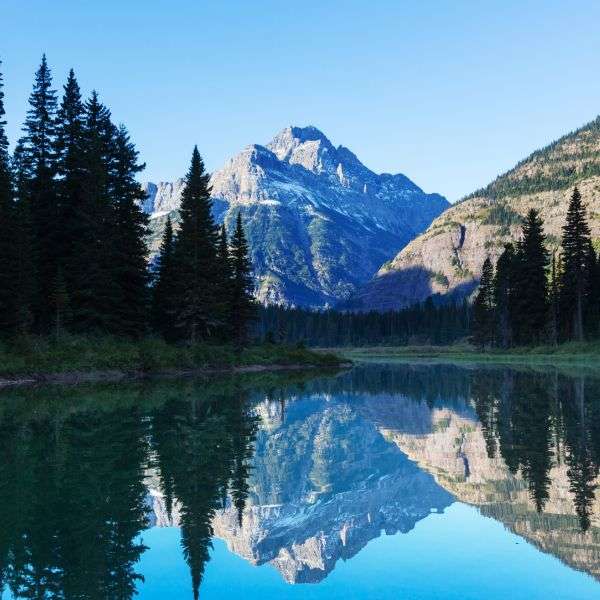
Montana (and Canada)
renowned for its breathtaking glacial landscape, rugged mountains, and pristine alpine lakes
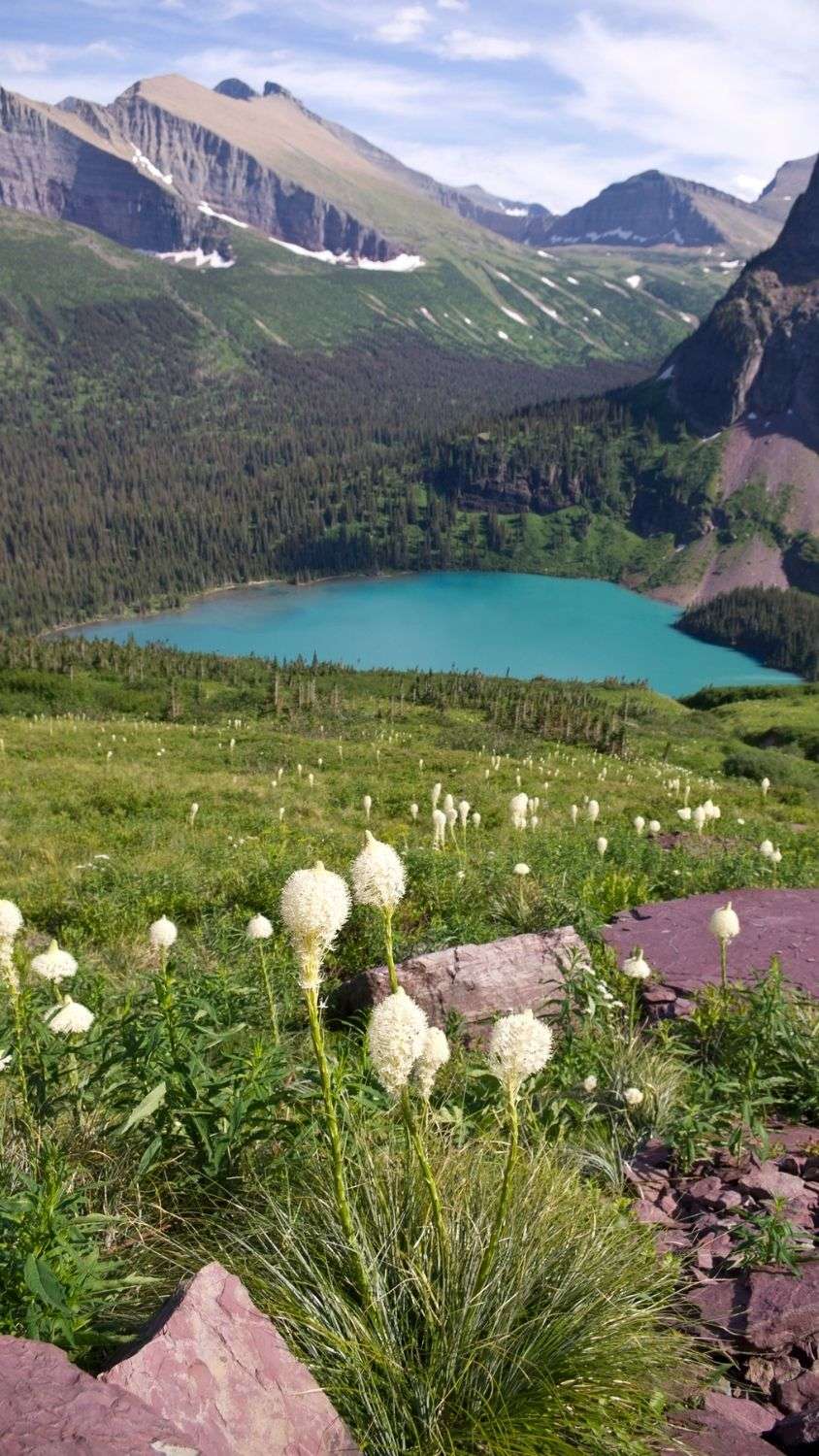
Fast Facts
Location
northwestern Montana, on the Canada–United States border, (adjacent to Waterton Lakes National Park in Canada—the two parks are known as the Waterton-Glacier International Peace Park)
Established in
1910
Established by
President William Howard Taft
Size
1,583 sq. miles
Known For
- Renowned for its iconic glaciers, such as Grinnell Glacier and Jackson Glacier, which contribute to its stunning alpine scenery
- The park features the rugged peaks of the Rocky Mountains, offering breathtaking vistas and challenging hiking
- Diverse range of wildlife, including grizzly bears, mountain goats, elk, and bighorn sheep
History
Natural History and Formation
Glacier National Park’s natural history and geological formation are the result of millions of years of tectonic activity, sediment deposition, erosion, and glacial movement. Located in the northern Rocky Mountains of Montana, the park contains dramatic mountain ranges, deep valleys, alpine lakes, and glaciers that reveal a complex geological past.
Ancient Seas and Sedimentary Rocks: Much of Glacier National Park’s bedrock formed from sediments deposited in ancient seas hundreds of millions of years ago. Layers of limestone, shale, and mudstone accumulated over time and were later hardened into rock, preserving evidence of the region’s ancient marine environments.
Tectonic Uplift: Tectonic forces gradually uplifted the sedimentary rock layers, transforming the former sea floor into the rugged mountains of the Rocky Mountains. One of the most important geological features is the Lewis Overthrust, where older rocks were pushed eastward over much younger rocks, creating some of the park’s distinctive mountain formations.
Glacial Formation: During the Ice Ages, massive glaciers covered much of the region and dramatically reshaped the landscape. Moving slowly through the mountains, the glaciers carved deep valleys, steep cliffs, and broad U-shaped valleys. Their immense erosive power helped create the dramatic scenery that defines the park today.
Alpine Features: Glacial erosion produced distinctive landforms such as cirques, aretes, horns, and hanging valleys. Sharp ridges and towering peaks developed where glaciers carved away surrounding rock, while hanging valleys were left high above the main valleys.
Formation of Lakes: Glaciers also played an important role in creating many of the park’s beautiful lakes. As glaciers moved across the landscape, they deepened and reshaped existing valleys. After the glaciers retreated, meltwater accumulated in these depressions, forming lakes such as Lake McDonald and St. Mary Lake.
Glaciers and the Modern Landscape: Although the glaciers of the last major ice age have largely disappeared, several smaller glaciers remain in the park. Features such as Grinnell Glacier provide visible evidence of the continuing effects of climate and ice on the landscape.
Ongoing Geological Processes: Glacier National Park continues to change through erosion, weathering, landslides, stream activity, and the gradual movement and melting of glaciers. Freeze-thaw cycles, flowing water, and changing temperatures constantly reshape the mountains and valleys.
The geological history of Glacier National Park reveals a landscape shaped by ancient seas, powerful tectonic forces, and enormous glaciers. Together, these processes created the spectacular mountains, valleys, lakes, and alpine environments that make the park one of the most distinctive landscapes in the Rocky Mountains.
Native History
Native American history in Glacier National Park is deeply connected to the land, mountains, rivers, and wildlife that have supported Indigenous communities for thousands of years. The region has longstanding cultural ties to the Blackfeet, Kootenai, Salish, and Pend d’Oreille peoples, whose traditions, stories, and relationships with the landscape continue to shape the cultural heritage of the park.
Blackfeet Nation: The Blackfeet have one of the strongest historical and cultural connections to the area that is now Glacier National Park. They refer to the mountains as Miistakis, often translated as the "Backbone of the World." The mountains, valleys, and prominent landmarks such as Chief Mountain hold deep spiritual significance. The Blackfeet traditionally traveled through the region to hunt, gather plants, and conduct ceremonies, following seasonal patterns and making use of the area's abundant resources.
Traditional Use of the Land: Indigenous peoples developed detailed knowledge of the park's ecosystems and used a variety of resources for food, medicine, clothing, tools, and shelter. Mountain goats, elk, deer, bison, fish, berries, roots, and other plants were important resources. Seasonal travel allowed communities to take advantage of resources available in different parts of the landscape throughout the year.
Kootenai People: The Kootenai, or Ktunaxa, have longstanding connections to the northern Rocky Mountain region, including areas west of present-day Glacier National Park. They traditionally traveled throughout the region, hunting, fishing, gathering plants, and maintaining cultural connections to particular landscapes. Their history reflects extensive knowledge of the mountains, rivers, and valleys of the northern Rockies.
Salish and Pend d’Oreille Peoples: The Salish and Pend d’Oreille also have important historical connections to western Montana and the lands surrounding Glacier National Park. These communities traditionally moved seasonally throughout the region, relying on hunting, fishing, gathering, and trade. Today, the Confederated Salish and Kootenai Tribes maintain cultural connections to lands and resources throughout western Montana.
Stories and Spiritual Traditions: The mountains and natural features of Glacier have long been incorporated into Indigenous oral traditions and spiritual beliefs. Stories passed down through generations help explain the origins and significance of particular landscapes while expressing relationships between people, animals, and the natural world.
Archaeological Evidence: Archaeological sites in and around Glacier National Park provide evidence of Indigenous occupation extending back thousands of years. Campsites, stone tools, hunting remains, and other artifacts demonstrate that Indigenous peoples traveled through and used the region long before the arrival of European Americans.
European Settlement and Displacement: During the 19th century, increasing European American settlement, government policies, and the establishment of reservations disrupted traditional Indigenous patterns of movement and land use. The creation of Glacier National Park in 1910 also affected Indigenous access to portions of their ancestral homelands, although Native peoples continued to maintain important cultural connections to the landscape.
Continuing Cultural Connections: Native American connections to Glacier National Park did not end with the park's establishment. The Blackfeet Nation, Confederated Salish and Kootenai Tribes, and other Indigenous communities continue to preserve cultural traditions, stories, and knowledge associated with the region. Collaboration between Indigenous communities and the National Park Service also helps incorporate Indigenous perspectives into interpretation, education, and stewardship.
The Native American history of Glacier National Park demonstrates that the landscape is more than a wilderness preserved for scenic beauty. It is also a cultural landscape shaped by thousands of years of Indigenous presence, knowledge, traditions, and spiritual connections to the land.
Preservation
The preservation history of Glacier National Park reflects more than a century of efforts to protect its dramatic mountains, glaciers, wildlife, ecosystems, and cultural heritage. From early forest conservation to its establishment as a national park, Glacier has been shaped by the work of conservationists, government agencies, Indigenous communities, and others committed to safeguarding the landscape.
Early Conservation Efforts: Before Glacier National Park was established, conservationists recognized the exceptional scenic and ecological value of the region. In 1897, the area was included within the Lewis and Clark Forest Reserve, providing an early form of federal protection for its forests and mountain landscapes.
Advocacy for National Park Status: Naturalist and conservationist George Bird Grinnell was one of the most influential advocates for protecting the Glacier region. Through articles, public campaigns, and political advocacy, Grinnell and others helped build support for establishing the area as a national park.
Establishment of Glacier National Park: On May 11, 1910, President William Howard Taft signed legislation establishing Glacier National Park. The new park protected more than one million acres of mountains, forests, lakes, glaciers, and wildlife habitat, creating a permanent framework for conservation.
Role of the National Park Service: Following the creation of the National Park Service in 1916, Glacier National Park became part of a nationwide system dedicated to protecting natural and cultural resources while allowing the public to experience these landscapes. Park management has since focused on preserving ecosystems while accommodating recreation and tourism.
Development and Tourism: The Great Northern Railway played an important role in promoting Glacier as a tourist destination during the early 20th century. Hotels, chalets, and transportation routes increased public access to the park. Although tourism helped build appreciation for Glacier's landscapes, park managers have also had to balance accessibility with the protection of fragile environments.
Going-to-the-Sun Road: Completed in 1933, the Going-to-the-Sun Road became one of Glacier's most significant transportation and engineering features. The road dramatically increased access to the interior of the park while being designed to complement the surrounding landscape. Today, its historic character and environmental impacts remain important considerations in park management.
Waterton-Glacier International Peace Park: In 1932, Glacier National Park was combined with Canada's Waterton Lakes National Park to create Waterton-Glacier International Peace Park. The designation recognized the shared ecosystems that cross the international boundary and represented an important example of international cooperation in conservation.
Protection of Cultural Heritage: Preservation efforts also recognize the deep cultural connections that Indigenous peoples have with the Glacier region. The Blackfeet, Kootenai, and Salish peoples have longstanding relationships with the landscape, and modern stewardship increasingly incorporates Indigenous knowledge, cultural resources, and collaboration.
Glacier and Climate Change: In recent decades, the retreat of glaciers has become an important conservation concern. Rising temperatures are affecting glaciers, snowpack, water availability, and alpine ecosystems. Monitoring these changes and protecting the park's ecological resilience have become major components of modern preservation efforts.
International Dark Sky Recognition: In 2017, Glacier National Park was designated an International Dark Sky Park, recognizing the quality of its naturally dark night skies. Protecting darkness helps preserve nighttime ecosystems while providing opportunities for astronomy and education.
Ongoing Conservation: Today, Glacier National Park continues to face challenges involving climate change, invasive species, wildfire, visitor impacts, and the preservation of historic and cultural resources. Through scientific research, habitat management, Indigenous partnerships, visitor education, and international cooperation, the National Park Service continues working to protect Glacier's remarkable landscapes for future generations.
Future Preservation
Preserving Glacier National Park for future generations requires addressing a range of environmental, ecological, and management challenges. As a landscape shaped by glaciers, mountains, forests, and alpine ecosystems, the park is particularly sensitive to changes in climate and human activity.
Climate Change: Rising temperatures are one of the greatest threats to Glacier National Park. Warmer conditions are contributing to glacier retreat, changes in snowpack, altered precipitation patterns, and shifts in ecosystems and wildlife habitats.
Glacier Loss: The park's remaining glaciers have experienced significant shrinkage over the past century. Continued glacier loss can affect seasonal water availability and alter the alpine environments that depend on cold, glacial waters.
Wildlife and Ecosystem Changes: Changes in temperature, vegetation, and water availability can affect species such as grizzly bears, mountain goats, elk, and other wildlife. Maintaining connected habitats and protecting biodiversity will become increasingly important.
Invasive Species: Non-native plants and animals can compete with native species and disrupt natural ecosystems. Monitoring, controlling, and preventing the spread of invasive species remains an important part of park management.
Increasing Visitation: Growing visitation can place pressure on roads, trails, campgrounds, wildlife habitats, and other park resources. Visitor management strategies are needed to provide recreational opportunities while minimizing impacts on the natural environment.
Infrastructure Preservation: Historic structures, trails, bridges, and the Going-to-the-Sun Road require continual maintenance. Preserving these important cultural and recreational resources while adapting them to changing environmental conditions presents an ongoing challenge.
Water Resources: Changes in snowpack, rainfall, and glacial melt can influence the availability and timing of water throughout the park. Protecting clean and reliable water sources is essential for wildlife, ecosystems, and surrounding communities.
Wildfire and Forest Health: Changing climate conditions can influence the frequency, intensity, and timing of wildfires. Although fire is a natural part of many western ecosystems, managing wildfire risks while allowing natural ecological processes to continue is an important conservation challenge.
Cultural Heritage: Protecting archaeological sites, historic structures, and the cultural connections of Native American communities requires continued cooperation with Indigenous nations. Respecting traditional knowledge and cultural resources is an important part of long-term stewardship.
International Cooperation: Glacier National Park forms part of the Waterton-Glacier International Peace Park with Canada's Waterton Lakes National Park. Continued cooperation between the United States and Canada is important for protecting wildlife, ecosystems, and watersheds that extend across the international border.
Future Conservation: Protecting Glacier National Park will require adaptive management, scientific research, sustainable recreation, habitat protection, and collaboration among the National Park Service, Indigenous communities, scientists, neighboring communities, and visitors. These efforts will help ensure that Glacier's glaciers, forests, wildlife, and cultural resources remain protected for generations to come.
Geography
Glacier National Park, located in northwestern Montana along the Canadian border, is a spectacular wilderness defined by rugged mountains, alpine lakes, glaciers, and expansive forests. The park's dramatic landscape includes towering peaks, deep valleys, cascading waterfalls, and diverse ecosystems that range from dense forests to high-elevation tundra. With hundreds of miles of trails and remarkable scenery throughout, Glacier National Park offers visitors an opportunity to experience the natural beauty and ecological diversity of the northern Rocky Mountains.
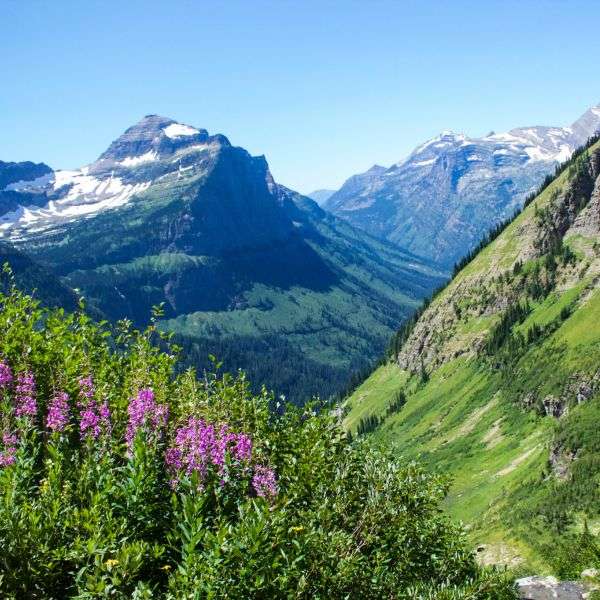
Mountainous Terrain
The park is situated in the Rocky Mountains, and its landscape is dominated by rugged and glaciated mountain peaks. Some prominent peaks include Mount Cleveland, Mount Gould, and Mount Jackson.
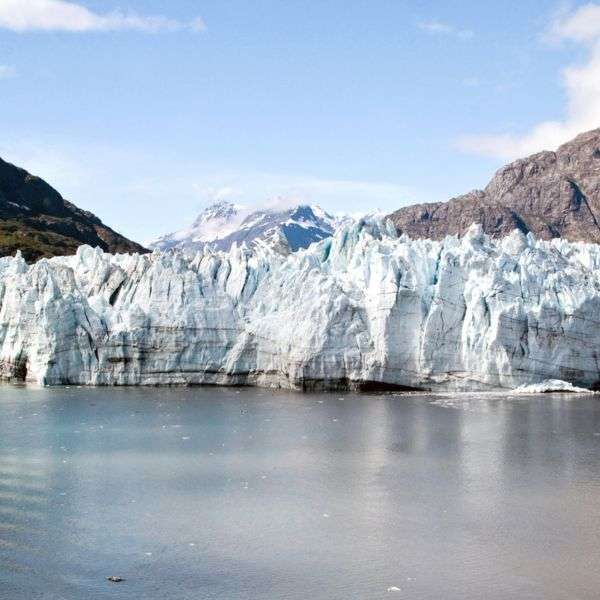
Glaciers
While the number of glaciers has decreased over the years due to climate change, some still remain. Notable glaciers include Grinnell Glacier, Jackson Glacier, and Sperry Glacier. These glaciers play a significant role in shaping the landscape.
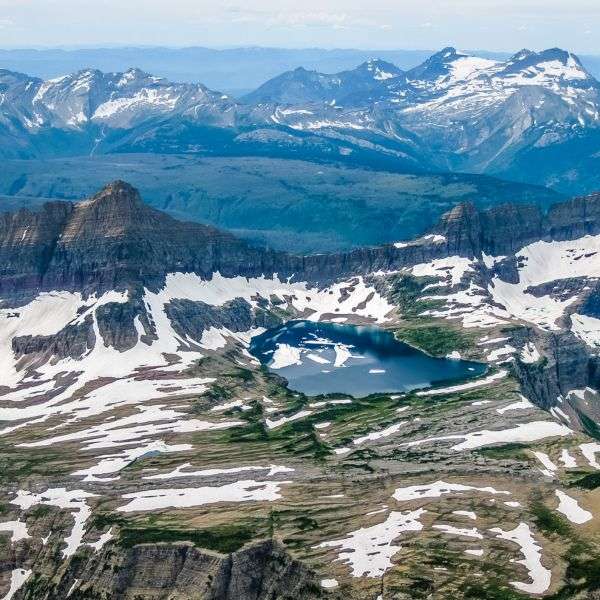
Glacial Features
Glacial activity during the last ice age has left a profound impact on the park's geography. U-shaped valleys, hanging valleys, cirques, and aretes are some of the distinctive glacial features that contribute to the park's dramatic scenery.
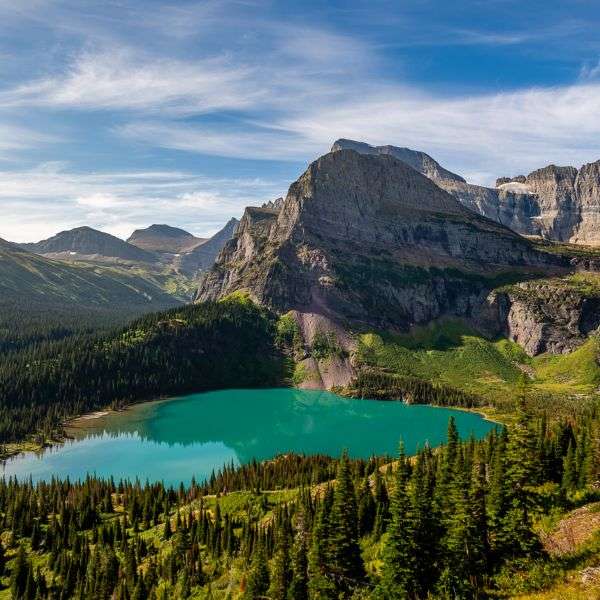
Valleys and Lakes
Deep valleys carved by glaciers are filled with pristine lakes. Lake McDonald, the largest lake in the park, is known for its crystal-clear waters. Other notable lakes include St. Mary Lake, Swiftcurrent Lake, and Two Medicine Lake.
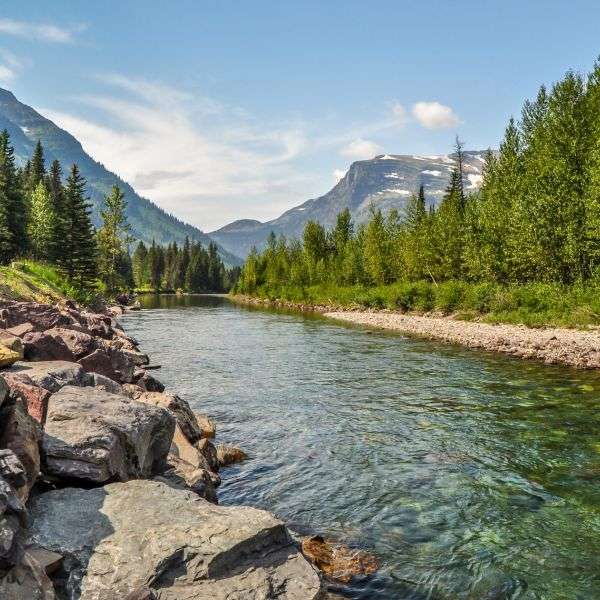
Continental Divide
The Continental Divide runs through the park, creating a hydrological boundary where water flows to either the Pacific Ocean or the Atlantic Ocean. The park's many rivers and streams originate from the snowmelt and glaciers along the Continental Divide.
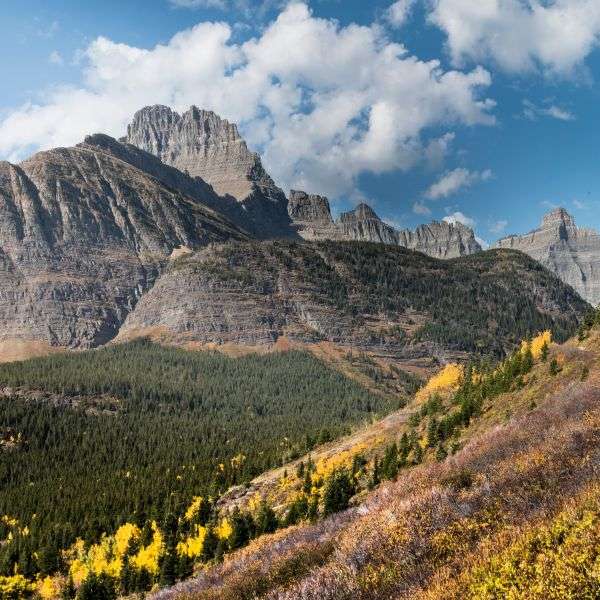
The Belt Supergroup
The rocks in Glacier National Park belong to the Belt Supergroup, a sequence of sedimentary rocks that formed between 1.4 billion and 800 million years ago. These rocks are part of the ancient geological history of the region.
Plants
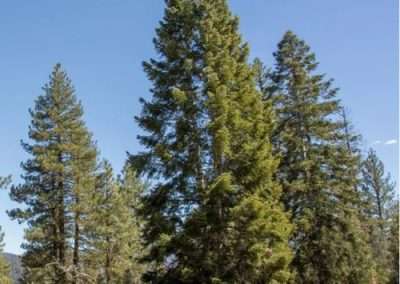
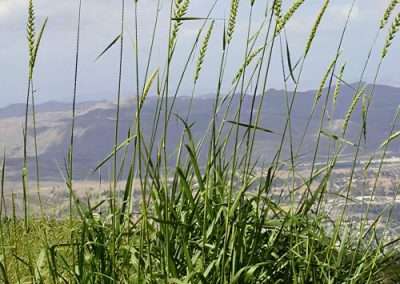
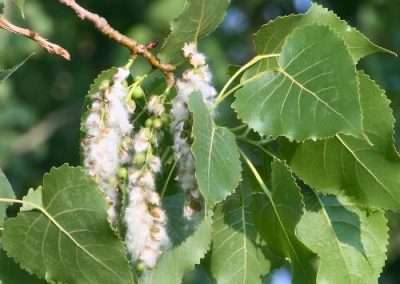
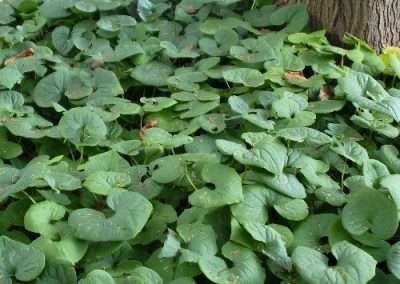
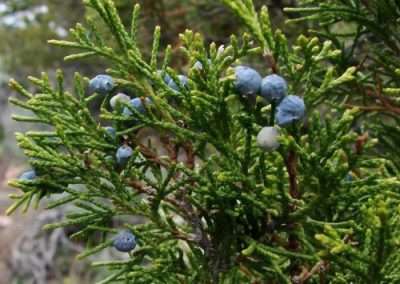
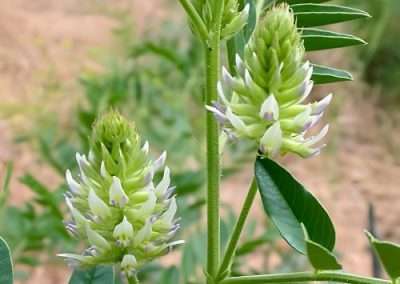
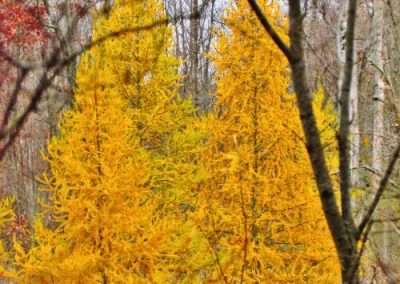
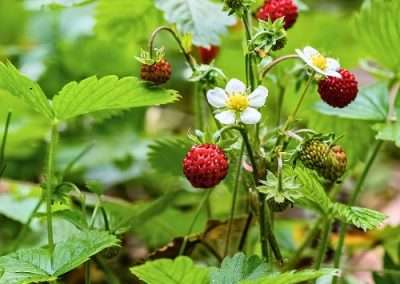
Glacier National Park is home to a remarkable diversity of plant life adapted to its forests, alpine meadows, wetlands, and rugged mountain environments. Towering conifers such as western red cedar, western hemlock, and lodgepole pine cover many of the lower elevations, while colorful wildflowers bloom across alpine meadows during the brief summer season. From hardy grasses and shrubs to delicate orchids and other alpine plants, the park's flora contributes to its rich biodiversity and provides essential food and habitat for wildlife.
Animals
Mammals
Glacier National Park is home to a remarkable diversity of mammals adapted to its varied landscapes, from dense forests and alpine meadows to rugged mountain peaks. Large herbivores, powerful predators, and small alpine mammals all contribute to the park's complex ecosystem.
Grizzly Bear (Ursus arctos horribilis): Grizzly bears are one of Glacier National Park's most iconic mammals. They inhabit forests, meadows, and alpine areas and are omnivores that feed on plants, berries, insects, fish, and other food sources.
Black Bear (Ursus americanus): Black bears are widely distributed throughout the park and occupy forests, meadows, and mountain valleys. Their fur can range from black to brown or even lighter shades, and they feed on a variety of plants, insects, and small animals.
Mountain Goat (Oreamnos americanus): Mountain goats are exceptionally well adapted to the steep, rocky terrain of the park. Their thick white coats and specialized hooves allow them to survive in cold, high-elevation environments.
Bighorn Sheep (Ovis canadensis): Bighorn sheep inhabit rocky slopes and mountain ridges. Males, known as rams, have large curved horns, while both males and females are skilled climbers capable of navigating steep terrain.
Mule Deer (Odocoileus hemionus): Mule deer are commonly found in forests, valleys, and open meadows. They are recognizable by their large ears and distinctive bounding movement and feed primarily on grasses, shrubs, and other vegetation.
Elk (Cervus canadensis): Elk occupy forests and open meadows throughout the park. During the autumn breeding season, male elk produce their characteristic bugling calls while competing for mates.
Wolverine (Gulo gulo): Wolverines are rare and elusive mammals that inhabit remote mountainous areas. They have large territories and are powerful opportunistic predators and scavengers capable of surviving in harsh winter conditions.
Red Fox (Vulpes vulpes): Red foxes inhabit a variety of environments, from forests to meadows and alpine areas. They feed on small mammals, birds, insects, and other available foods and help regulate populations of smaller animals.
Coyote (Canis latrans): Coyotes are adaptable predators found throughout the park. They hunt small mammals and birds and also consume carrion and plant material when available.
Pika (Ochotona princeps): Pikas are small alpine mammals that live among rocky slopes and talus fields. During the short summer season, they gather vegetation into piles called haypiles, which provide food throughout the winter.
Hoary Marmot (Marmota caligata): Hoary marmots inhabit alpine and subalpine meadows and rocky areas. They spend much of the winter hibernating and emerge during the warmer months to feed on grasses and other vegetation.
White-Tailed Deer (Odocoileus virginianus): White-tailed deer occur primarily in lower-elevation areas of the park, particularly in forests, meadows, and areas near streams and other water sources. They feed on a variety of grasses, leaves, and shrubs.
Reptiles
Glacier National Park has a relatively limited diversity of reptiles because of its cold mountain climate, short summers, and long winters. Reptiles are most likely to be found in warmer, lower-elevation habitats, particularly near wetlands, meadows, and sunny areas.
Common Garter Snake (Thamnophis sirtalis): Common garter snakes are adaptable reptiles that may be found in meadows, grasslands, forests, and areas near streams and wetlands. They feed on insects, amphibians, small fish, and other small animals.
Western Terrestrial Garter Snake (Thamnophis elegans): Western terrestrial garter snakes inhabit a variety of environments, including meadows, forests, and areas near water. They are active predators that feed on insects, earthworms, amphibians, and small animals.
Painted Turtle (Chrysemys picta): Painted turtles are freshwater turtles that may occur in suitable low-elevation ponds, wetlands, and slow-moving waters. They are recognizable by their dark shells and colorful markings along the head, neck, and limbs.
Birds
Glacier National Park is home to a remarkable variety of bird species, supported by its diverse habitats, including dense forests, alpine meadows, mountain lakes, rivers, and wetlands. These environments provide important nesting, feeding, and migratory habitats for birds ranging from colorful songbirds to powerful birds of prey.
Mountain Bluebird (Sialia currucoides): Mountain bluebirds are commonly found in open meadows and grasslands, where their bright blue plumage makes them easy to spot. They feed primarily on insects and other small invertebrates.
Common Loon (Gavia immer): Common loons inhabit the park's larger lakes and are recognizable by their black-and-white plumage and distinctive calls. They are excellent swimmers and dive underwater to catch fish.
Bald Eagle (Haliaeetus leucocephalus): Bald eagles can be seen near lakes and rivers, where they hunt for fish and other prey. Their large nests are often built in tall trees near reliable food sources.
Osprey (Pandion haliaetus): Ospreys are commonly found near lakes and rivers and are specialized fish hunters. They are known for their dramatic dives into the water to capture fish with their powerful talons.
Golden Eagle (Aquila chrysaetos): Golden eagles inhabit the park's mountainous and open landscapes. These powerful raptors use their excellent eyesight and strong talons to hunt mammals and birds.
Clark's Nutcracker (Nucifraga columbiana): Clark's nutcrackers are closely associated with the park's coniferous forests and alpine environments. They play an important ecological role by collecting and dispersing seeds, particularly those of whitebark pine.
American Dipper (Cinclus mexicanus): American dippers are found along the park's cold, fast-flowing streams. They are unique among North American songbirds for their ability to walk and forage underwater for aquatic insects and other small prey.
Peregrine Falcon (Falco peregrinus): Peregrine falcons nest on cliffs and rocky ledges throughout mountainous areas of the park. They are renowned for their extraordinary speed and ability to capture other birds in flight.
White-crowned Sparrow (Zonotrichia leucophrys): White-crowned sparrows inhabit meadows, shrublands, and open areas throughout the park. They are easily recognized by their distinctive black-and-white head markings.
Harlequin Duck (Histrionicus histrionicus): Harlequin ducks are often found along swift mountain streams and rivers. Their colorful plumage and ability to navigate turbulent water make them particularly distinctive.
Red-tailed Hawk (Buteo jamaicensis): Red-tailed hawks can be found in forests, meadows, and open areas throughout the park. They often soar above the landscape or perch on trees while searching for small mammals.
Northern Pygmy-Owl (Glaucidium californicum): Northern pygmy-owls inhabit coniferous forests and wooded mountain environments. Despite their small size, they are capable predators that hunt birds, insects, and small mammals.
Fish
Glacier National Park is home to a diverse community of fish species that inhabit its cold, clear lakes, rivers, and mountain streams. These aquatic ecosystems support native fish that are important to the park's natural food webs, as well as introduced species that can influence native populations and require careful management.
Westslope Cutthroat Trout (Oncorhynchus clarkii lewisi): Westslope cutthroat trout are native to many of the park's cold streams and lakes. They are an important part of the freshwater ecosystem and are the focus of conservation and habitat restoration efforts.
Bull Trout (Salvelinus confluentus): Bull trout are native to Glacier National Park and depend on cold, clean, well-connected waterways. They are an important predator in aquatic ecosystems and are considered a species of conservation concern.
Lake Trout (Salvelinus namaycush): Lake trout inhabit several of the park's deeper lakes. They were introduced to the region and can compete with native fish for food and habitat, making population management an important conservation priority.
Rainbow Trout (Oncorhynchus mykiss): Rainbow trout occur in various lakes and streams throughout the park. They are popular among anglers and can interact with native cutthroat trout through competition and hybridization.
Arctic Grayling (Thymallus arcticus): Arctic grayling are native to the region and are adapted to cold, clear waters. They are recognized by their distinctive, sail-like dorsal fins and contribute to the biodiversity of the park's freshwater habitats.
Mountain Whitefish (Prosopium williamsoni): Mountain whitefish are native freshwater fish found in the park's rivers and streams. They feed primarily on aquatic invertebrates and serve as an important food source for larger fish and other wildlife.
Brook Trout (Salvelinus fontinalis): Brook trout are an introduced species that can be found in some of the park's waters. Although popular with anglers, they may compete with native fish, making their management an important part of aquatic conservation.
Cutthroat-Rainbow Trout Hybrid (Oncorhynchus clarkii × Oncorhynchus mykiss): Hybrid trout, commonly known as cutthroat-rainbow hybrids, can occur where the two species overlap. Hybridization can affect the genetic integrity of native cutthroat trout populations and is therefore monitored by park managers.
Amphibians
Glacier National Park is home to a small but important diversity of amphibians adapted to its cold mountain climate, wetlands, forests, and alpine environments. Although amphibian species are less numerous than in warmer regions, the park's ponds, marshes, lakes, and streams provide essential breeding and feeding habitats for several species.
Columbia Spotted Frog (Rana luteiventris): Columbia spotted frogs are associated with wetlands, ponds, marshes, and slow-moving streams. They are recognizable by the dark spots on their bodies and play an important role in aquatic food webs.
Boreal Chorus Frog (Pseudacris maculata): Boreal chorus frogs are small amphibians that inhabit wetlands, shallow ponds, and marshy areas. Their distinctive calls are especially noticeable during the breeding season.
Long-toed Salamander (Ambystoma macrodactylum): Long-toed salamanders inhabit moist forests, meadows, and wetlands. They breed in ponds and other bodies of water, particularly those with few or no fish, and are named for their unusually long fourth toe on each hind foot.
Western Toad (Anaxyrus boreas): Western toads are adapted to a variety of mountain habitats, including forests, meadows, wetlands, and subalpine areas. They gather near ponds and other water sources during the breeding season and help control insect populations.
"Far away in Montana, hidden from view by clustering mountain-peaks, lies an unmapped northwestern corner- the Crown of the Continent."
- George Bird Grinnell
“Old Man (Napi) came from the south, making the mountains, the prairies, and the forests as he passed along, making the birds and animals also... arranging the world as we see it today.”
- Blackfeet Creation Legend
“Glacier National Park in Montana is steadfastly considered to be one of the most beautiful places in the country.”
“Give a month at least to this precious reserve. The time will not be taken from the sum of your life. Instead of shortening, it will indefinitely lengthen it and make you truly immortal."
— John Muir
Explore More With Us
Stay updated on National Parks EDU resources, park news, community updates, and and ways to explore, and protect.

National Parks Edu's mission is to help kids and families understand what makes these places so important. Because when you learn about nature, you start to care about protecting it.
National Parks EDU is an independent educational website and is not affiliated with, endorsed by, sponsored by, or officially connected to the National Park Service (NPS) or the U.S. government. © National Parks EDU. All Rights Reserved. October 17, 2026