Gatewat Arch
National Park
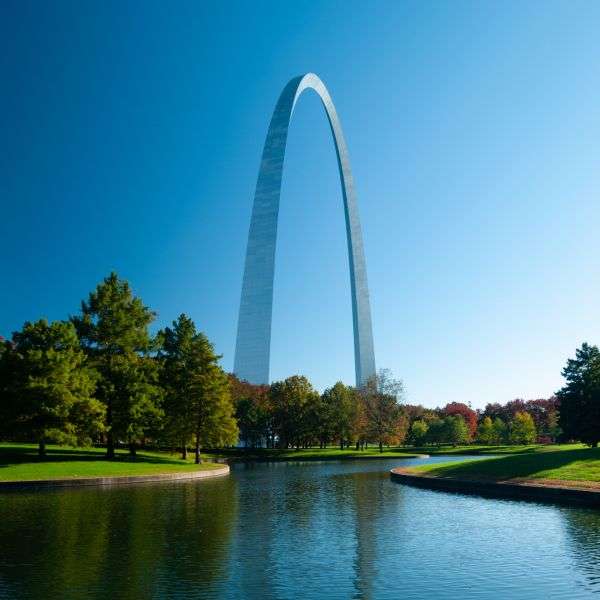
Missouri
a mesmerizing tapestry of geothermal wonders, pristine landscapes, and wildlife sanctuaries

Fast Facts
Location
St. Louis, Missouri
Established in
2018
Established by
President George W. Bush
Size
.14 sq. miles
Known For
- Renowned the Gateway Arch, an architectural marvel and symbol of the westward expansion of the United States
- Commemorates the role St. Louis played as the gateway to the West during the 19th-century expansion of the United States
- a tribute to the pioneers, explorers, and settlers who ventured into the American frontier
History
Natural History and Formation
Gateway Arch National Park has a modest but interesting natural history shaped by its location along the Mississippi River in the heart of St. Louis. Although the park is primarily recognized for its historical and cultural significance, its riverfront setting, vegetation, and urban habitats support a variety of plants and wildlife. The Mississippi River and surrounding green spaces provide important habitat for fish, birds, small mammals, and other species, demonstrating how nature continues to exist within an urban environment.
Native History
Gateway Arch National Park is located in a region with a rich Native American history that extends thousands of years before the arrival of European settlers. Indigenous peoples lived, traveled, traded, hunted, and cultivated the lands and waterways surrounding present-day St. Louis, with the Mississippi and Missouri Rivers serving as important centers of movement and exchange.
Osage Nation: The Osage were one of the Indigenous nations historically connected to the broader St. Louis region. As part of the Dhegiha Siouan language group, the Osage developed extensive cultural traditions and relied on hunting, gathering, agriculture, and trade.
Mississippian Culture: The region was also influenced by the Mississippian civilization, which developed large settlements and complex societies along the Mississippi River. The nearby Cahokia site became one of the largest urban and ceremonial centers in pre-Columbian North America.
Cahokia Mounds: Located across the Mississippi River from present-day St. Louis, Cahokia provides important evidence of the sophisticated Indigenous societies that flourished in the region. Its massive earthen mounds, plazas, and settlements demonstrate the cultural and political importance of the Mississippi River valley.
Mississippi River Trade: Long before European settlement, the Mississippi River served as an important transportation and trade corridor. Indigenous peoples from different regions exchanged materials, tools, food, and cultural knowledge along the river and its tributaries.
European Contact: European exploration and settlement brought major changes to Indigenous communities in the region. Disease, warfare, displacement, and changing patterns of land ownership profoundly affected Native American peoples and their traditional relationships with the land.
Lewis and Clark Expedition: St. Louis became an important starting point for the Lewis and Clark Expedition in 1804. The expedition traveled through numerous Indigenous territories and interacted with many Native nations, making the city an important part of the history of U.S. exploration and westward expansion.
Enduring Indigenous Heritage: Native American history remains an important part of understanding the landscape surrounding Gateway Arch National Park. Recognizing Indigenous cultures, the legacy of Cahokia, and the continuing presence of Native peoples provides a broader perspective on the history of the Mississippi River region.
Preservation
The preservation history of Gateway Arch National Park reflects efforts to protect its important historical, architectural, and cultural resources while maintaining the Mississippi Riverfront for public use. From its early designation as a national memorial to its transformation into a national park, the area has undergone decades of planning, restoration, and preservation.
Establishment as a National Memorial: The area was established in 1935 as the Jefferson National Expansion Memorial to commemorate Thomas Jefferson's role in the westward expansion of the United States. The designation provided federal recognition and protection for the historic riverfront area.
Construction of the Gateway Arch: The Gateway Arch was designed by architect Eero Saarinen as a monument to westward expansion. Construction began in 1963 and was completed in 1965. Its distinctive stainless-steel structure became the centerpiece of the memorial and required ongoing efforts to maintain its architectural and structural integrity.
Preservation of Historic Resources: Preservation efforts have extended beyond the Arch to include historic buildings and sites associated with St. Louis and the nation's westward expansion. These resources help interpret the city's important role in American history.
Riverfront Preservation: The park's location along the Mississippi River has encouraged efforts to maintain open spaces, landscapes, pedestrian areas, and riverfront habitats. These improvements help connect the historic monument with the surrounding urban environment.
Redesignation as a National Park: In 2018, the Jefferson National Expansion Memorial was redesignated as Gateway Arch National Park. The change recognized the area's broader collection of historical, cultural, architectural, and recreational resources.
Ongoing Preservation: Today, preservation efforts focus on maintaining the Gateway Arch, historic structures, landscapes, and visitor facilities while protecting the significance of the site for future generations. The park continues to balance historic preservation with public access and educational opportunities.
Future Preservation
Preserving Gateway Arch National Park for future generations presents a range of challenges because of its urban setting, historic structures, and location along the Mississippi River. Protecting the park requires balancing conservation, historic preservation, public access, and the needs of the surrounding city.
Flooding and Environmental Change: The park's location along the Mississippi River makes it vulnerable to flooding, erosion, and other environmental pressures. Climate change may increase the frequency or severity of extreme weather events, creating additional challenges for the park's landscapes and historic resources.
Urban Development: Gateway Arch National Park is surrounded by the densely developed city of St. Louis. Maintaining the park's open spaces and historic character while accommodating transportation systems, infrastructure, and surrounding development requires careful planning and cooperation with local authorities.
Visitor Impact: Large numbers of visitors can place pressure on the Arch, historic sites, landscaping, walkways, and other park facilities. Effective visitor management, maintenance, and educational programs are important for protecting resources while ensuring that people can continue to enjoy the park.
Historic Preservation: The Gateway Arch and other historic structures require continuous inspection, maintenance, and conservation. Protecting the Arch's stainless-steel exterior and structural systems while preserving nearby historic sites is essential to maintaining the park's cultural significance.
Infrastructure Maintenance: Roads, pathways, visitor facilities, landscaping, and other infrastructure must be regularly maintained. Aging facilities and exposure to weather, flooding, and heavy use can increase the cost and complexity of long-term preservation.
Balancing Recreation and Conservation: The park must provide opportunities for recreation, education, and tourism while protecting its historic and natural resources. Finding this balance is particularly important in an urban national park where public use is a major part of the visitor experience.
Community Engagement: Because Gateway Arch National Park is closely connected to the city of St. Louis, successful preservation depends on cooperation among the National Park Service, local communities, government agencies, preservation organizations, and visitors. Community involvement can help ensure that the park remains both a protected historic resource and an important part of the city's future.
Addressing these challenges requires long-term planning, regular maintenance, sustainable management, and collaboration with the surrounding community. These efforts are essential for ensuring that Gateway Arch National Park's architectural, historical, cultural, and natural resources remain protected for generations to come.
Geography
Gateway Arch National Park, located in downtown St. Louis, Missouri, occupies a scenic area along the western bank of the Mississippi River. The park's landscape combines the iconic Gateway Arch with landscaped grounds, open spaces, historic sites, and riverfront views, creating a distinctive urban setting. Its location provides visitors with views of both the Mississippi River and the St. Louis skyline while connecting the city's rich history with its surrounding environment.
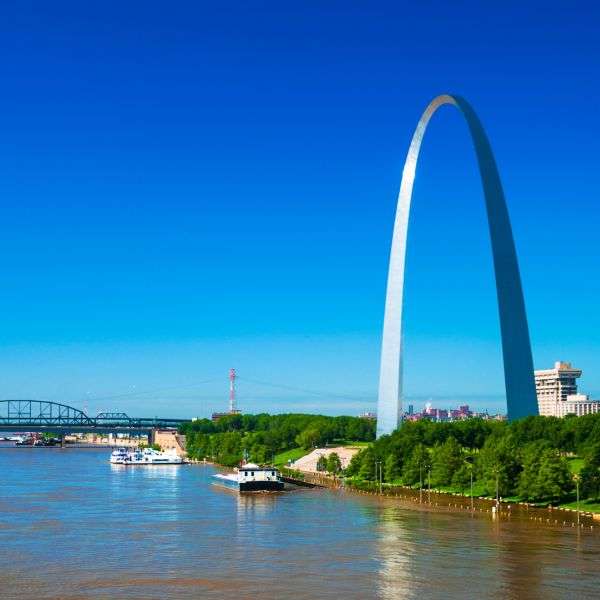
Mississippi River
The topography of the park is relatively flat, typical of the surrounding region. The land gently slopes down toward the Mississippi River, which is a prominent geographical feature of the area.
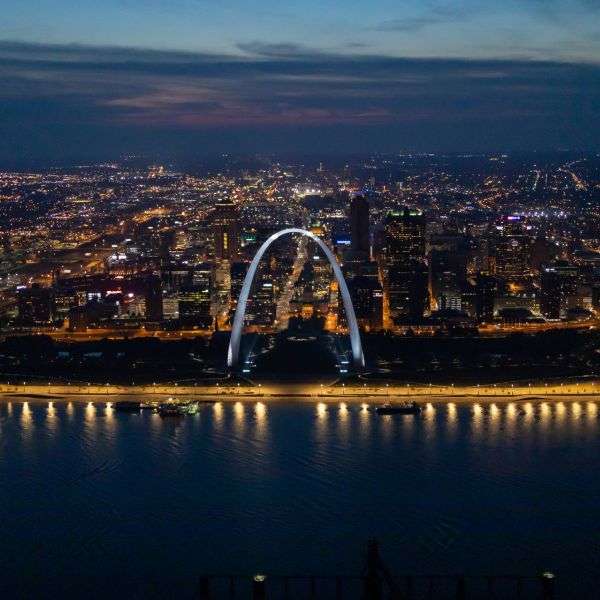
Urban Environment
Despite its natural setting along the river, Gateway Arch National Park is situated within an urban environment. It is surrounded by the cityscape of downtown St. Louis, including skyscrapers, businesses, residential areas, and cultural institutions.
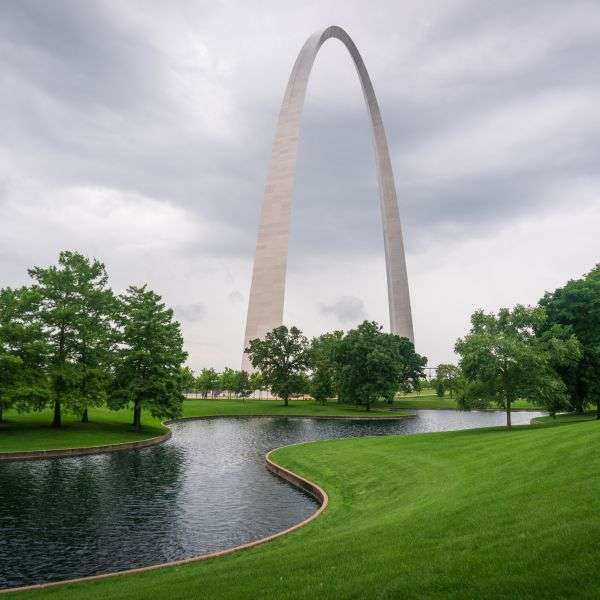
Green Spaces
While much of the park is developed for recreational and cultural purposes, there are green spaces and landscaped areas within its boundaries. These include parks, gardens, and pedestrian-friendly pathways that offer opportunities for relaxation and outdoor activities.
Plants
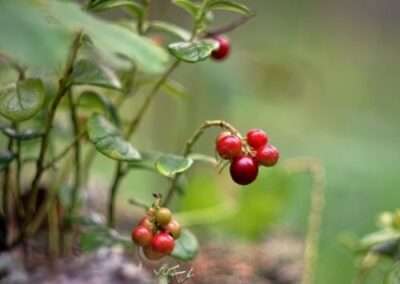
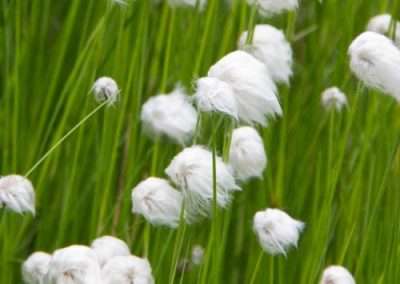
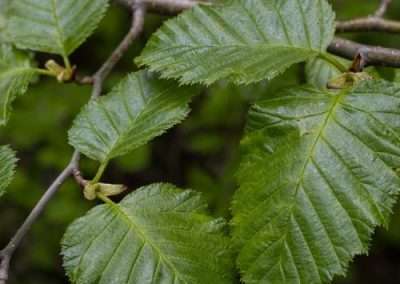
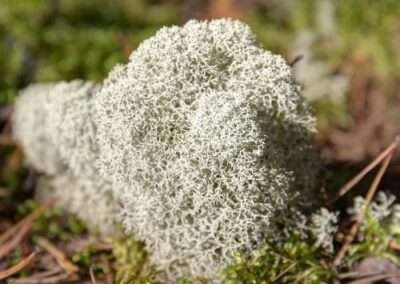
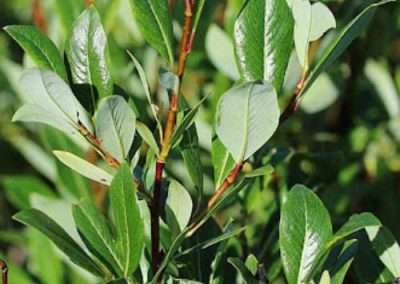
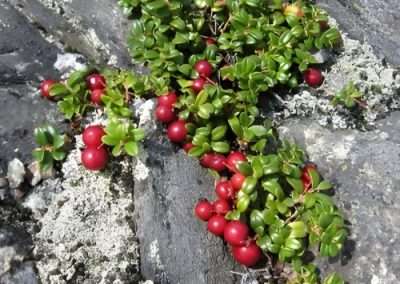
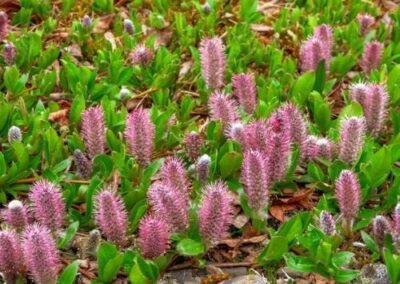
Gateway Arch National Park features a variety of plant life within its landscaped urban environment along the Mississippi River. Although the park is primarily known for its historic and architectural resources, its lawns, gardens, trees, and native vegetation provide greenery and habitat for urban wildlife. Carefully maintained landscapes surrounding the Gateway Arch create a welcoming setting for visitors while adding natural beauty to the heart of St. Louis.

Animals
Mammals
Gateway Arch National Park is situated in an urban environment, so its mammal diversity is relatively limited compared with larger, more natural parks. Nevertheless, the park's landscaped grounds, trees, and nearby riverfront provide habitat for several adaptable species that have learned to live alongside people.
Eastern Gray Squirrel (Sciurus carolinensis): Eastern gray squirrels are among the most commonly observed mammals in the park and surrounding areas. They forage for nuts, seeds, fruits, and other foods in the park's trees and landscaped areas.
Eastern Cottontail (Sylvilagus floridanus): Eastern cottontails can inhabit urban parks and green spaces where suitable vegetation provides food and cover. They primarily feed on grasses, leaves, and other plant material.
Eastern Chipmunk (Tamias striatus): Eastern chipmunks may occur in landscaped and vegetated areas around the park. These small rodents forage for seeds, nuts, fruits, and insects and often shelter in burrows.
White-Tailed Deer (Odocoileus virginianus): White-tailed deer are common throughout Missouri but are unlikely to be regular residents of the heavily developed area surrounding the park. Individuals may occasionally move through larger green spaces or riverfront areas.
Raccoon (Procyon lotor): Raccoons are highly adaptable mammals that can thrive in urban environments. They may occur near the park and Mississippi River, where they can find food and shelter in a variety of habitats.
Norway Rat (Rattus norvegicus): Norway rats are introduced mammals commonly associated with urban environments. They may occur around buildings, infrastructure, and areas where food and shelter are readily available.
House Mouse (Mus musculus): House mice are another introduced species commonly associated with human structures. Their presence is primarily connected to buildings and developed areas rather than the park's natural habitats.
Although Gateway Arch National Park does not support the large and diverse mammal communities found in wilderness parks, these species demonstrate how wildlife can adapt to an urban landscape. The park's trees, lawns, gardens, and connection to the Mississippi River provide small but valuable habitats within the city.
Reptiles
Gateway Arch National Park has a relatively limited reptile community because it is located in a highly developed urban environment. However, the park's landscaped areas, riverfront, gardens, and nearby green spaces can provide suitable habitat for several reptiles adapted to living around cities.
Eastern Garter Snake (Thamnophis sirtalis): Eastern garter snakes are adaptable, nonvenomous snakes that can live in a variety of habitats, including urban parks and gardens. They feed on insects, earthworms, amphibians, and other small animals.
Common Five-lined Skink (Plestiodon fasciatus): Five-lined skinks are small lizards commonly associated with wooded areas, rocky habitats, and parks. Juveniles are recognizable by the light stripes running along their dark bodies.
Northern Fence Lizard (Sceloporus undulatus): Northern fence lizards are small, agile reptiles that often use rocks, tree trunks, fences, and other elevated surfaces for basking. They feed primarily on insects and other small invertebrates.
Common Snapping Turtle (Chelydra serpentina): Common snapping turtles are aquatic turtles that inhabit rivers, ponds, and other freshwater environments. The nearby Mississippi River provides potential habitat, although sightings within the heavily developed park grounds may be uncommon.
Eastern Box Turtle (Terrapene carolina): Eastern box turtles are terrestrial turtles that prefer wooded areas, fields, and areas with dense vegetation. Their hinged shells allow them to close their bodies inside their shells when threatened.
Eastern Worm Snake (Carphophis amoenus): Eastern worm snakes are small, secretive snakes that spend much of their time beneath soil, leaf litter, and logs. They primarily feed on earthworms and other soft-bodied invertebrates.
Although reptiles are not a prominent feature of Gateway Arch National Park, the presence of green spaces and the nearby Mississippi River creates opportunities for adaptable reptiles to survive within the urban landscape. These species contribute to the park's limited but important urban biodiversity.
Birds
Gateway Arch National Park, located along the Mississippi River in St. Louis, provides habitat for a variety of fish species associated with the river and its surrounding aquatic environments. Although the park is primarily known for its cultural and historical significance, the Mississippi River supports an important aquatic ecosystem that contributes to the region's biodiversity.
Channel Catfish (Ictalurus punctatus): Channel catfish are common in the Mississippi River and are well adapted to its deep, slow-moving waters. They are bottom-feeding fish that consume insects, crustaceans, and other aquatic organisms.
Blue Catfish (Ictalurus furcatus): Blue catfish are among the larger fish found in the Mississippi River. They inhabit deep channels and pools and are important predators within the river's food web.
Flathead Catfish (Pylodictis olivaris): Flathead catfish are large, freshwater predators that prefer deep pools and areas with submerged structures. They primarily feed on other fish and are popular among recreational anglers.
Largemouth Bass (Micropterus salmoides): Largemouth bass can be found in quieter areas of the river and nearby backwaters. They are predatory fish that feed on smaller fish, crayfish, and aquatic insects.
White Bass (Morone chrysops): White bass are schooling fish commonly found in the Mississippi River. They are active predators that feed on smaller fish and aquatic invertebrates.
Freshwater Drum (Aplodinotus grunniens): Freshwater drum are native to the Mississippi River and are recognizable by their rounded bodies and ability to produce grunting sounds. They feed on insects, crustaceans, and small aquatic organisms.
Common Carp (Cyprinus carpio): Common carp are an introduced species that are widespread in the Mississippi River. They are adaptable fish that feed on vegetation, insects, and organisms living in the river bottom.
Longnose Gar (Lepisosteus osseus): Longnose gar are ancient-looking predatory fish with elongated bodies and narrow snouts filled with sharp teeth. They inhabit slow-moving portions of the river and prey on smaller fish.
Shortnose Gar (Lepisosteus platostomus): Shortnose gar are another primitive fish species found in the Mississippi River system. They prefer quiet waters and contribute to the river's diverse predator community.
Bigmouth Buffalo (Ictiobus cyprinellus): Bigmouth buffalo are large native fish that inhabit slow-moving rivers and backwaters. They primarily feed on small aquatic organisms and contribute to the ecological balance of the river.
Smallmouth Buffalo (Ictiobus bubalus): Smallmouth buffalo are native freshwater fish that inhabit rivers, backwaters, and pools. They are bottom-feeders and help cycle nutrients through the aquatic ecosystem.
Bluegill (Lepomis macrochirus): Bluegill are common freshwater sunfish found in quieter waters and backwater habitats. They feed on insects, small crustaceans, and other aquatic organisms and serve as an important food source for larger predators.
Fish
Gateway Arch National Park, located along the Mississippi River, supports a variety of fish species despite its primarily urban setting. The river and its associated aquatic habitats provide food, shelter, and breeding areas for numerous freshwater fish, including species adapted to the river's changing currents, depths, and seasonal conditions.
Channel Catfish (Ictalurus punctatus): Channel catfish are common in the Mississippi River and are well adapted to its slow-moving waters and deeper channels. They use their sensitive barbels to locate food and are important predators and scavengers in the river ecosystem.
Blue Catfish (Ictalurus furcatus): Blue catfish are large freshwater predators found in the Mississippi River. They inhabit deep channels and areas with strong currents, feeding on fish and other aquatic organisms.
Flathead Catfish (Pylodictis olivaris): Flathead catfish are powerful predators that prefer deep pools, submerged structures, and areas with slower currents. They primarily feed on live fish and can grow to considerable sizes.
Freshwater Drum (Aplodinotus grunniens): Freshwater drum are common river fish that inhabit deeper waters and areas with rocky or sandy bottoms. They feed on aquatic insects, crustaceans, mollusks, and small fish.
Largemouth Bass (Micropterus salmoides): Largemouth bass may be found in quieter backwaters, sloughs, and areas with submerged vegetation along the Mississippi River. They are ambush predators that feed on smaller fish, crayfish, and aquatic invertebrates.
Smallmouth Bass (Micropterus dolomieu): Smallmouth bass prefer clearer water and rocky habitats. Although less typical of the main Mississippi River channel, they may occur in suitable areas and nearby tributary habitats.
Bluegill (Lepomis macrochirus): Bluegill are common freshwater sunfish that inhabit calmer waters, backwaters, and areas with aquatic vegetation. They feed on insects, small crustaceans, and other small organisms.
White Crappie (Pomoxis annularis): White crappie can occur in quiet portions of the river and its backwaters. They often gather around submerged vegetation, branches, and other structures while feeding on small fish and aquatic invertebrates.
Black Crappie (Pomoxis nigromaculatus): Black crappie inhabit sheltered waters with vegetation and submerged structures. They are opportunistic predators that consume small fish, insects, and crustaceans.
Common Carp (Cyprinus carpio): Common carp are an introduced species that are widespread in the Mississippi River system. They are bottom-feeding fish that consume aquatic plants, invertebrates, and other organic material.
Gizzard Shad (Dorosoma cepedianum): Gizzard shad are schooling fish that are common in large rivers and backwaters. They primarily filter-feed on plankton and serve as an important food source for larger predatory fish and birds.
Shortnose Gar (Lepisosteus platostomus): Shortnose gar are long-bodied predatory fish that can inhabit slow-moving portions of large rivers. Their elongated jaws and sharp teeth allow them to capture smaller fish and other aquatic prey.
Amphibians
Gateway Arch National Park is primarily an urban and cultural landscape, but its location along the Mississippi River provides opportunities for amphibians to inhabit nearby aquatic and vegetated areas. Although amphibian diversity is more limited than in larger natural wetlands, ponds, river edges, and green spaces around the park can provide suitable habitat for several species.
American Bullfrog (Lithobates catesbeianus): American bullfrogs are large aquatic frogs commonly associated with ponds, lakes, rivers, and other permanent freshwater habitats. They may occur in suitable waterways near the park and are recognized by their deep, resonant calls.
Green Frog (Lithobates clamitans): Green frogs inhabit shallow ponds, marshes, streams, and other freshwater environments with abundant vegetation. Their distinctive call resembles a plucked banjo string and may be heard near suitable water sources.
Northern Leopard Frog (Lithobates pipiens): Northern leopard frogs are semi-aquatic frogs associated with wetlands, ponds, grasslands, and slow-moving waterways. They are identifiable by the dark spots across their green or brown bodies.
Cope's Gray Treefrog (Hyla chrysoscelis): Cope's gray treefrogs are small arboreal frogs that can inhabit wooded areas, gardens, and urban green spaces. They climb trees and shrubs in search of insects and breed in temporary or permanent pools of water.
Eastern American Toad (Anaxyrus americanus): Eastern American toads are adaptable terrestrial amphibians that can live in forests, lawns, gardens, and other developed environments. They may be encountered in vegetated areas around the park, particularly during warm and wet conditions.
Northern Cricket Frog (Acris crepitans): Northern cricket frogs are small frogs associated with the edges of ponds, streams, marshes, and other shallow-water habitats. Their quick movements and distinctive clicking calls make them characteristic inhabitants of suitable wet areas.
Spotted Salamander (Ambystoma maculatum): Spotted salamanders are woodland amphibians that require temporary or permanent pools for breeding. While suitable habitat within the urban park is limited, they may occur in surrounding natural areas where adequate forest cover and breeding pools are available.
Marbled Salamander (Ambystoma opacum): Marbled salamanders are terrestrial salamanders associated with wooded habitats and seasonal wetlands. They depend on suitable moist environments and temporary pools for reproduction and may occur in natural areas near the park.
Overall, amphibians are not a dominant part of Gateway Arch National Park's wildlife because of its highly developed urban setting. However, the Mississippi River, landscaped green spaces, and nearby wetlands and natural areas can provide important habitat for amphibians and demonstrate how wildlife can persist within and around urban environments.
"The Gateway Arch is a symbolic bridge between east and west, past and future, people and possibilities."
- Lyndon B. Johnson
"The Gateway Arch is more than just a monument; it's a testament to human ingenuity and perseverance."
- Barack Obama
Explore More With Us
Stay updated on National Parks EDU resources, park news, community updates, and and ways to explore, and protect.

National Parks Edu's mission is to help kids and families understand what makes these places so important. Because when you learn about nature, you start to care about protecting it.
National Parks EDU is an independent educational website and is not affiliated with, endorsed by, sponsored by, or officially connected to the National Park Service (NPS) or the U.S. government. © National Parks EDU. All Rights Reserved. October 18, 2026