Gates of the Arctic
National Park
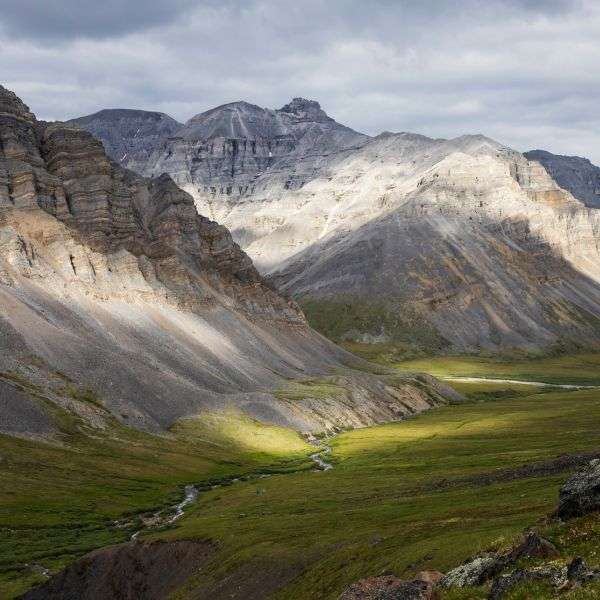
Alasaka
pristine wilderness, rugged mountain ranges, expansive tundra, and untouched beauty of the Arctic
Fast Facts
Location
northern Alaska
Established in
1980
Established by
President Jimmy Carter
Size
13,238 sq. miles
Known For
- Located entirely north of the Arctic Circle, the park is renowned for its remote and untouched wilderness
- The park is unique for having no designated trails, providing visitors with the opportunity for unspoiled exploration and a sense of true wilderness adventure
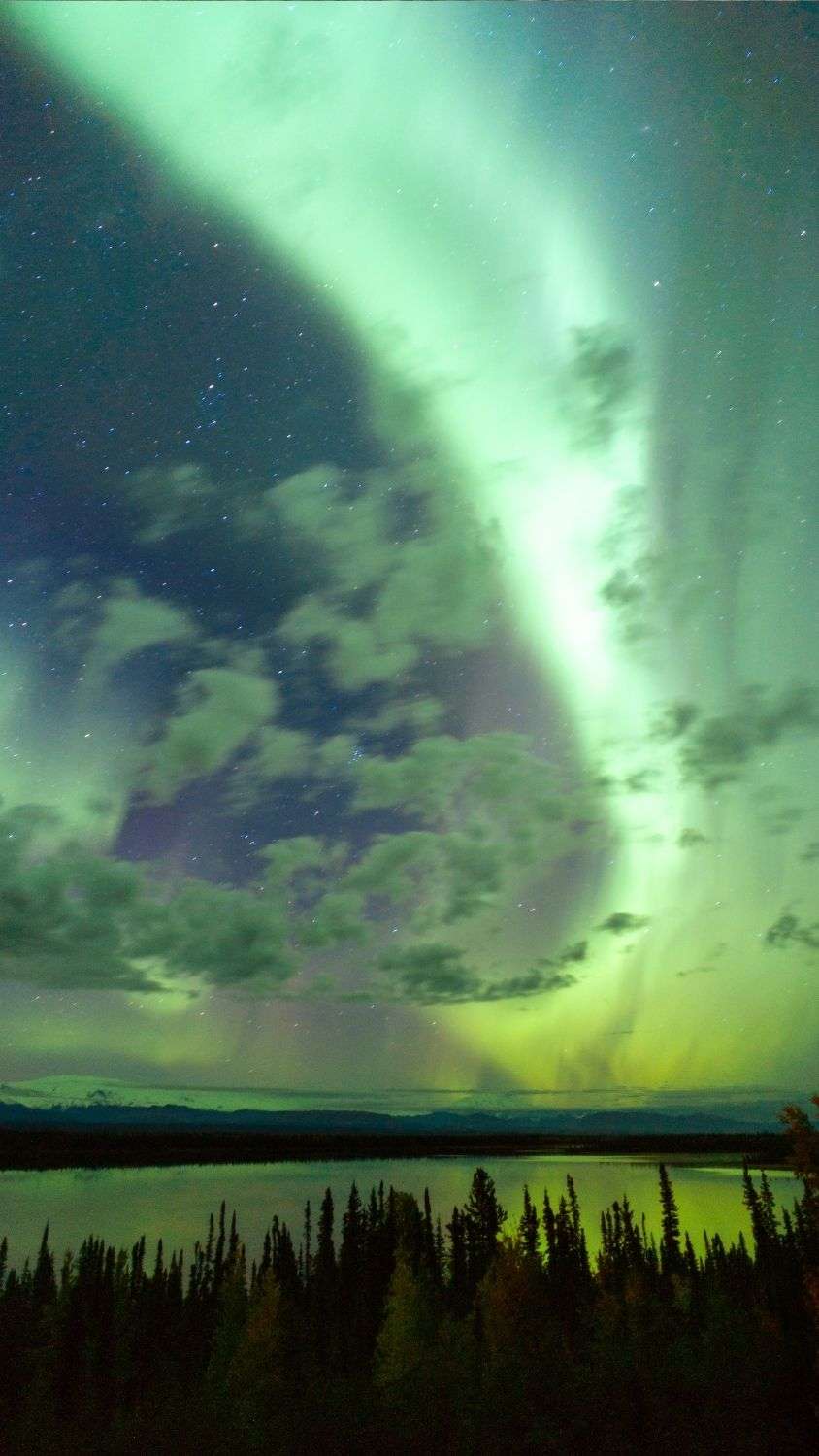
- Due to its high latitude, Gates of the Arctic offers an excellent opportunity to witness the mesmerizing Northern Lights during the winter months
History
Natural History and Formation
Gates of the Arctic National Park and Preserve has a remarkable natural history shaped by its remote Arctic environment, rugged mountains, vast tundra, rivers, glaciers, and permafrost. The park's ecosystems have developed over thousands of years in response to extreme seasonal conditions, creating habitats for caribou, Dall sheep, grizzly bears, wolves, and numerous other species.
Tectonic Activity: The geological foundation of Gates of the Arctic was shaped by powerful tectonic forces over millions of years. The Brooks Range formed through the collision and compression of tectonic plates, which uplifted and folded layers of Earth's crust. These processes created the park's dramatic mountain ranges and rugged terrain.
Formation of the Brooks Range: The Brooks Range is the dominant geological feature of the park and extends across northern Alaska. Its mountains were uplifted over millions of years through tectonic activity and have since been shaped by erosion, weathering, and glaciation. Some peaks rise more than 9,000 feet above sea level, creating a striking contrast with the surrounding valleys and tundra.
Glacial Activity: Glaciers played an important role in shaping the landscape of Gates of the Arctic during repeated glacial periods. Moving ice carved deep valleys, steep mountain slopes, cirques, and other distinctive landforms. Although many glaciers have retreated, their influence remains visible throughout the park.
River and Stream Formation: Rivers and streams continue to shape the landscape by eroding rock and transporting sediment through mountain valleys. Major waterways, including the Alatna, Kobuk, Noatak, and Koyukuk river systems, have created broad valleys and drainage networks that are essential to the park's ecosystems and wildlife.
Permafrost: Permanently frozen ground is an important component of the park's natural environment. Permafrost influences soil development, drainage patterns, vegetation, and the stability of the landscape. Seasonal thawing of the upper active layer allows plants to grow during the short Arctic summer.
Erosion and Weathering: Wind, water, ice, and cycles of freezing and thawing continually modify the park's mountains and valleys. These processes break down exposed rock and transport sediment, gradually reshaping cliffs, slopes, riverbanks, and other geological features.
Rock Types: Gates of the Arctic contains a complex mixture of sedimentary, metamorphic, and igneous rocks. These formations record different stages of the region's geological history, including ancient environments, tectonic deformation, volcanic activity, and mountain building.
Tundra Development: The park's cold climate, permafrost, and short growing season have created extensive tundra ecosystems. Low-growing plants such as mosses, lichens, grasses, sedges, and dwarf shrubs are adapted to the challenging conditions. In sheltered valleys and lower elevations, patches of boreal forest can also occur.
Wildlife Adaptations: The natural history of Gates of the Arctic is closely connected to the animals that inhabit the region. Species such as caribou, Dall sheep, Arctic ground squirrels, wolves, and grizzly bears have developed adaptations that allow them to survive extreme cold, limited winter food, and dramatic seasonal changes.
Ongoing Geological Processes: The landscape of Gates of the Arctic continues to evolve. Erosion, permafrost thaw, river activity, landslides, and the advance and retreat of glaciers continue to modify the terrain. Climate change is also influencing these processes by increasing temperatures, altering precipitation patterns, and contributing to changes in permafrost and glaciers.
Understanding the natural history and geological formation of Gates of the Arctic National Park provides insight into the powerful forces that have created its mountains, valleys, rivers, and tundra. The interaction of tectonic activity, glaciation, erosion, permafrost, and climate has produced one of the most remote and largely undeveloped landscapes in the United States.
Native History
Gates of the Arctic National Park and Preserve has a rich Native history that stretches back thousands of years. The region has long been home to Indigenous peoples who developed deep cultural, spiritual, and subsistence connections with the Brooks Range and its surrounding landscapes.
Inupiat People: The Inupiat are among the primary Indigenous peoples historically associated with the northern and western portions of the Gates of the Arctic region. They traditionally relied on hunting, fishing, trapping, and gathering to support their communities and developed extensive knowledge of the Arctic environment.
Koyukon Athabascan People: Koyukon Athabascan communities have long occupied areas south of the Brooks Range and along rivers connected to the park. Their traditional way of life included hunting caribou, moose, and other wildlife, as well as fishing and gathering plants and berries.
Traditional Subsistence: Native peoples of the region depended heavily on the land and waterways for food, clothing, tools, and other necessities. Caribou were especially important, providing meat, hides, bones, and other materials. Fish, moose, small mammals, birds, and wild plants also contributed to their seasonal diets.
Seasonal Movement: Indigenous communities traditionally moved across the landscape according to seasonal patterns of wildlife, fish, and plant availability. Camps and travel routes were established along rivers, valleys, and mountain passes, allowing people to make effective use of the region's changing resources.
Traditional Knowledge: Generations of experience produced detailed knowledge of animal behavior, weather, rivers, plants, and seasonal changes. This traditional ecological knowledge remains an important part of Indigenous cultural heritage and provides valuable insight into the Arctic environment.
Cultural Connection to the Land: The mountains, rivers, valleys, and wildlife of the Brooks Range have cultural and spiritual significance for Indigenous peoples. The landscape is not simply viewed as a source of resources but as an interconnected environment with which people maintain longstanding relationships.
European and American Contact: Russian traders, explorers, missionaries, miners, and later American settlers gradually entered the region. Contact brought new trade goods and economic opportunities but also introduced diseases and outside pressures that affected Indigenous communities and traditional ways of life.
Alaska Native Claims Settlement Act: In 1971, the Alaska Native Claims Settlement Act (ANCSA) established a framework for resolving Alaska Native land claims and created regional and village corporations. The legislation significantly influenced land ownership and resource management throughout Alaska, including areas surrounding Gates of the Arctic.
Establishment of the National Park: Gates of the Arctic National Park and Preserve was established in 1980 under the Alaska National Interest Lands Conservation Act (ANILCA). The legislation protected vast areas of wilderness while also recognizing the importance of continued traditional subsistence activities by qualified rural Alaska residents.
Contemporary Indigenous Presence: Today, Indigenous communities remain closely connected to the Gates of the Arctic region. Subsistence activities, cultural traditions, and knowledge of the landscape continue to play important roles in community life. The park's management also recognizes the importance of maintaining relationships between Indigenous peoples and the lands they have used for generations.
Understanding the Native history of Gates of the Arctic National Park is essential to appreciating the region as more than a wilderness landscape. Its mountains, rivers, and wildlife are part of a living cultural landscape shaped by thousands of years of Indigenous knowledge, traditions, and connections to the land.
Preservation
Early Indigenous Stewardship: Long before the establishment of Gates of the Arctic National Park and Preserve, the region was inhabited and cared for by Indigenous peoples, including Iñupiat and Koyukon Athabascan communities. Their traditional knowledge and sustainable use of the land played an important role in maintaining the area's natural and cultural resources.
Early Exploration and Conservation Interest: During the late 19th and early 20th centuries, explorers, scientists, and travelers began documenting the Brooks Range and its remote wilderness. The region's rugged mountains, rivers, tundra, and wildlife attracted growing interest from conservationists seeking to protect Alaska's undeveloped landscapes.
Wilderness Preservation Efforts: During the 1960s and 1970s, increasing national attention focused on protecting large areas of Alaska from development. Conservationists, scientists, and government officials recognized the exceptional ecological and scenic value of the Brooks Range and advocated for permanent protection of the region.
Alaska National Interest Lands Conservation Act: In 1980, Congress passed the Alaska National Interest Lands Conservation Act (ANILCA), one of the most significant conservation laws in Alaska's history. The legislation established Gates of the Arctic National Park and Preserve and protected more than 8 million acres of wilderness in the central Brooks Range.
Establishment of Gates of the Arctic National Park and Preserve: Gates of the Arctic was officially established on December 2, 1980. The park was created to preserve the vast wilderness, wildlife, ecosystems, rivers, and cultural resources of the Brooks Range while allowing appropriate traditional activities and public use.
Wilderness Designation: A large portion of Gates of the Arctic was designated as wilderness under the Wilderness Act and ANILCA. This designation provides a high level of protection by limiting roads, permanent development, and other activities that could substantially alter the area's natural character.
Protection of Rivers and Wildlife: The park's rivers, including the Alatna, John, Kobuk, Noatak, and Koyukuk river systems, are important components of its protected landscape. Conservation efforts also focus on wildlife such as caribou, grizzly bears, wolves, Dall sheep, and migratory birds.
Subsistence and Indigenous Rights: Preservation at Gates of the Arctic recognizes the continuing relationship between Indigenous communities and the land. Under ANILCA, qualified rural residents are permitted to continue traditional subsistence activities in the park, helping protect both cultural practices and the connection between people and the Arctic landscape.
National Park Service Management: The National Park Service manages Gates of the Arctic with an emphasis on maintaining natural ecological processes and the area's wilderness character. Because the park has no roads or developed visitor facilities within most of its boundaries, management focuses heavily on protecting remote ecosystems while allowing low-impact recreation and traditional uses.
Ongoing Conservation: Today, preservation efforts at Gates of the Arctic address threats such as climate change, permafrost thaw, changing wildlife populations, wildfires, and increasing interest in development outside the park. Scientific research, Indigenous knowledge, wilderness management, and long-term monitoring all contribute to protecting the park for future generations.
Legacy of Preservation: The preservation history of Gates of the Arctic reflects a broad effort to protect one of the largest remaining intact wilderness landscapes in the United States. Its designation ensures that the mountains, rivers, tundra, wildlife, and cultural traditions of the Brooks Range can continue to exist with minimal human disturbance.
Future Preservation
Preserving Gates of the Arctic National Park presents a unique set of challenges because of its remote location, harsh Arctic climate, vast wilderness, and the importance of protecting both natural and cultural resources.
Remote Location and Limited Accessibility: Gates of the Arctic is one of the most remote national parks in the United States, with no roads or developed visitor facilities within the park. Its isolation makes monitoring wildlife, maintaining park resources, and responding to emergencies difficult and expensive.
Climate Change: Climate change is one of the greatest long-term threats to the park. Rising temperatures, changing precipitation patterns, melting permafrost, and shrinking glaciers can alter habitats, vegetation, waterways, and wildlife populations. Changes in the Arctic environment may also affect traditional ways of life for Indigenous communities.
Permafrost Thaw: Much of the park's landscape is underlain by permafrost. As temperatures increase, thawing ground can destabilize soils, change drainage patterns, and alter tundra ecosystems. These changes can have cascading effects on plants, wildlife, and the park's geological landscape.
Wildlife Conservation: Gates of the Arctic provides important habitat for caribou, grizzly bears, wolves, Dall sheep, muskoxen, and numerous other species. Climate change, changes in migration patterns, and disturbances to habitat can make wildlife conservation increasingly challenging.
Traditional Land Use: Indigenous peoples, including Iñupiat and other Alaska Native communities, have longstanding cultural and subsistence connections to the region. Protecting the park requires respecting traditional hunting, fishing, gathering, and travel practices while also maintaining the ecological integrity of the wilderness.
Resource Development Pressures: The broader Brooks Range region contains valuable mineral and energy resources. Potential mining, oil, and gas development outside the park can create concerns about habitat fragmentation, pollution, transportation corridors, and impacts on wildlife and watersheds.
Visitor Impact: Although visitation is relatively low, the park's Arctic tundra is extremely fragile. Foot traffic, camping, waste, and aircraft activity can disturb vegetation and wildlife. Careful visitor education and responsible recreation are important for minimizing these impacts.
Cultural Heritage Preservation: The park contains archaeological sites, historic places, and landscapes associated with generations of Indigenous use. Protecting these resources from natural deterioration, climate change, and unauthorized disturbance requires cooperation with Indigenous communities and careful management.
Wildfire and Changing Fire Patterns: Warmer temperatures and changing vegetation conditions can influence the frequency, intensity, and distribution of wildfires in the Arctic. Fire is a natural ecological process in parts of Alaska, but changes in fire regimes can affect forests, tundra, wildlife habitat, and carbon stored in soils.
Limited Funding and Resources: Managing such a vast wilderness requires substantial resources for scientific research, wildlife monitoring, cultural resource protection, search and rescue, and environmental management. The park's enormous size and difficult terrain make these responsibilities especially demanding.
Balancing Conservation and Indigenous Rights: Effective preservation requires collaboration between the National Park Service, Alaska Native communities, scientists, local residents, and other stakeholders. Recognizing Indigenous knowledge and traditional practices is an important part of protecting both the natural environment and the cultural heritage of the region.
Addressing these challenges requires long-term scientific research, cooperation with Indigenous communities, responsible recreation, and adaptive conservation strategies. Protecting Gates of the Arctic National Park means preserving its extraordinary wilderness while allowing natural processes and traditional relationships with the land to continue for future generations.
Geography
Gates of the Arctic National Park, located in the remote Brooks Range of northern Alaska, is a vast wilderness defined by rugged mountains, expansive tundra, icy rivers, and pristine valleys. With no roads or permanent trails, the park offers an exceptionally untouched Arctic landscape shaped by glaciers, permafrost, and powerful natural forces. Its dramatic scenery and remote character make Gates of the Arctic one of the most extraordinary wilderness areas in the United States.
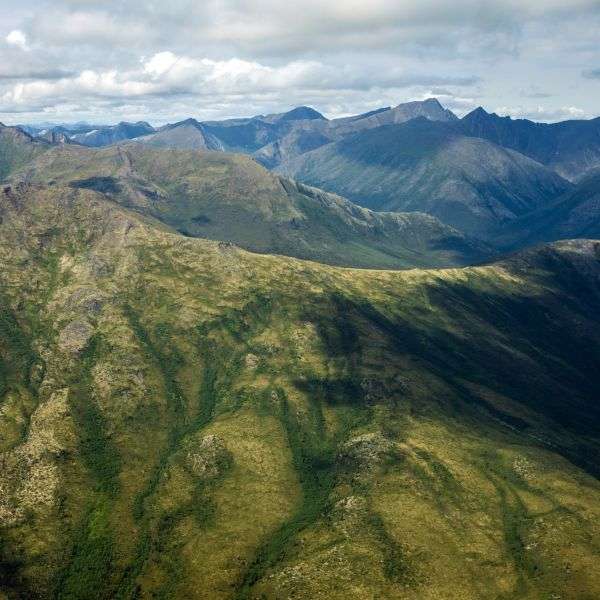
Brooks Range
The dominant geographical feature of the park is the Brooks Range, a mountain range stretching across northern Alaska. This rugged mountainous terrain is characterized by sharp peaks, deep valleys, and expansive plateaus. It serves as a barrier between the Arctic Coastal Plain to the north and the interior boreal forests to the south.
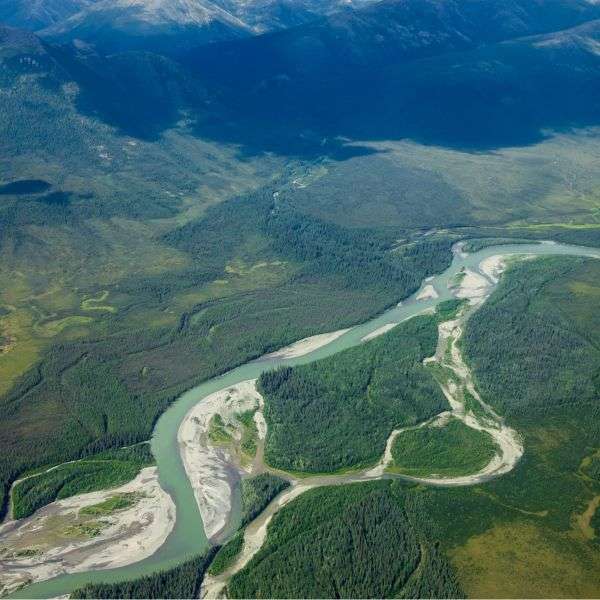
Noatak River
One of the major rivers in the park, the Noatak River, flows through the western portion of Gates of the Arctic. The river plays a significant role in shaping the landscape and provides habitat for various wildlife species.
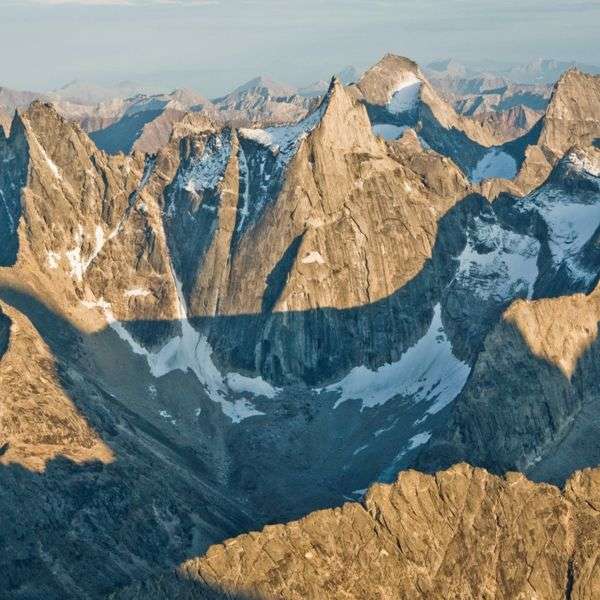
Arrigetch Peaks
Located in the central Brooks Range, the Arrigetch Peaks are a cluster of stunning granite spires and peaks that attract climbers and outdoor enthusiasts. These unique rock formations contribute to the diverse topography of the park.
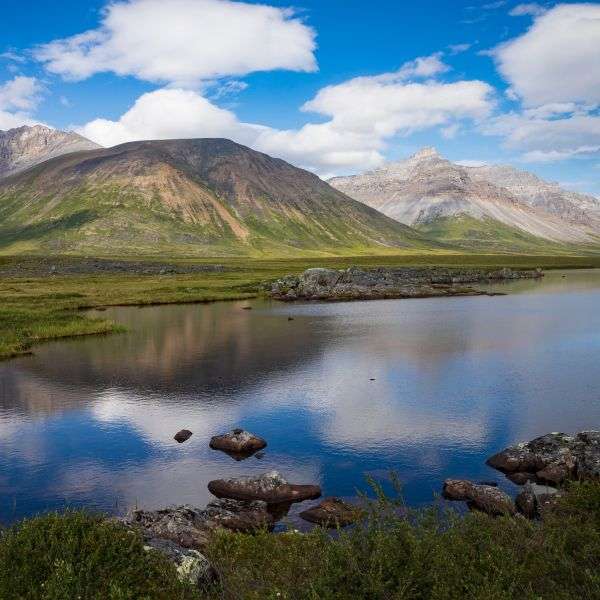
Rivers and Lakes
Gates of the Arctic is dotted with numerous rivers, streams, and lakes. These water bodies contribute to the park's varied ecosystems and serve as important habitats for fish and other aquatic species.
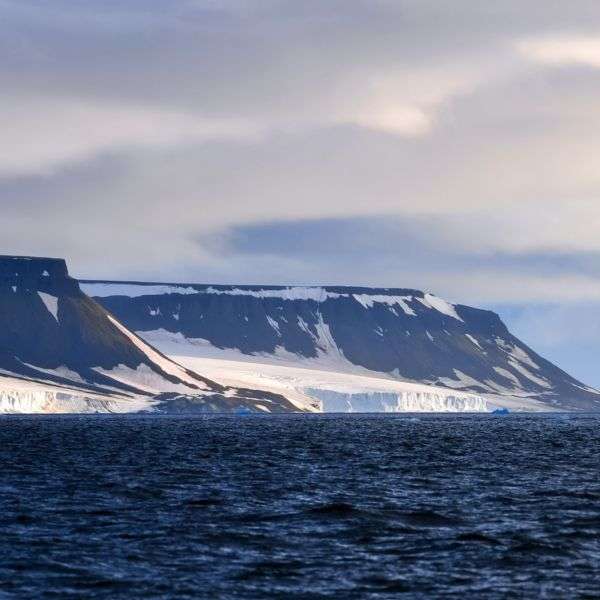
Arctic Coastal Plain
The northern part of the park extends to the Arctic Coastal Plain, a region characterized by low-lying tundra, wetlands, and a coastal environment. This area is ecologically important for migratory birds and supports a variety of wildlife.
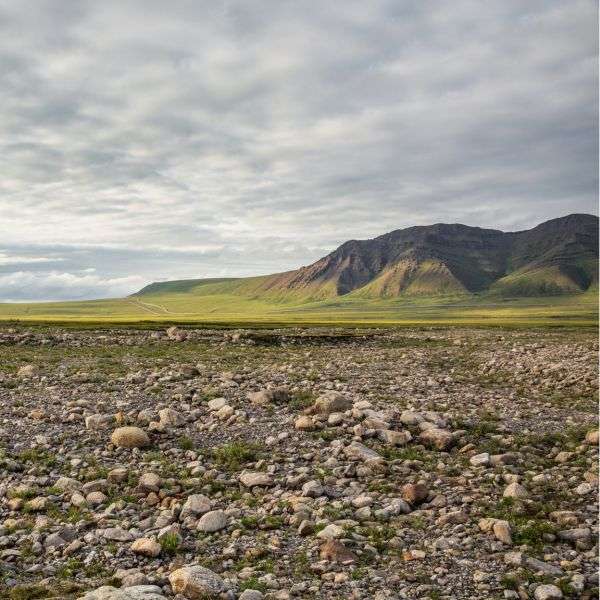
Permafrost
The park experiences permafrost, where the ground remains frozen for a significant portion of the year. Permafrost influences the landscape and creates unique features such as ice-wedge polygons and pingos.
Plants
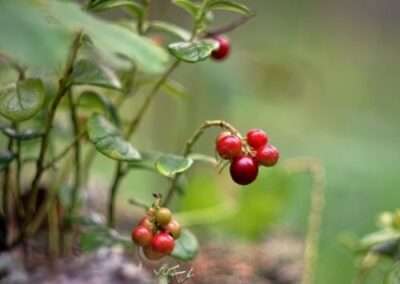
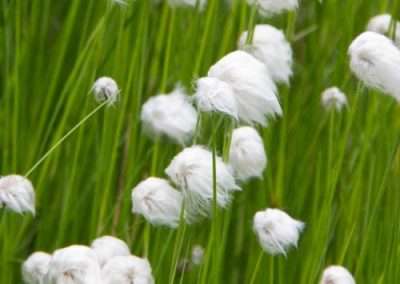
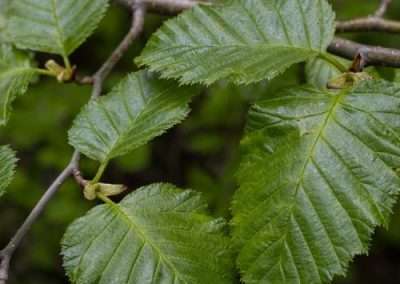
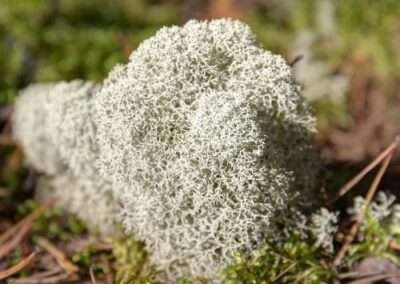
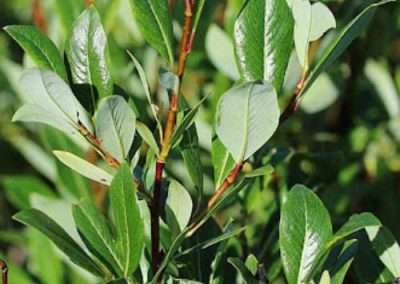
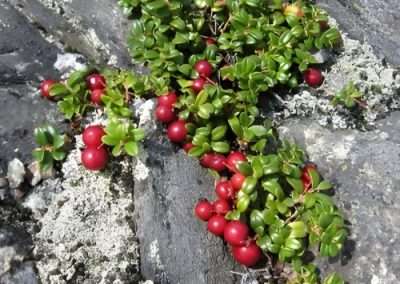
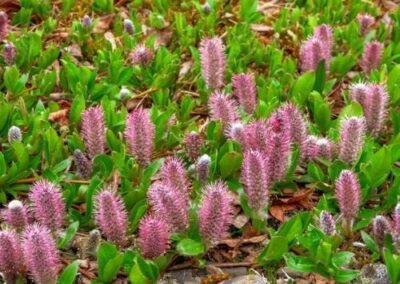
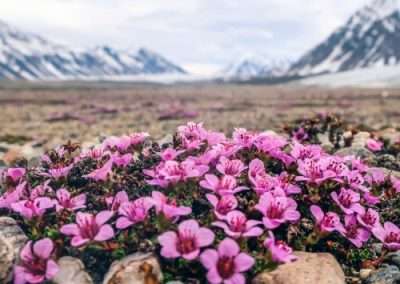
Gates of the Arctic National Park is home to a remarkable variety of plant life adapted to its cold Arctic climate, short growing season, and rugged terrain. Across the park's vast tundra and mountain valleys, hardy lichens, mosses, grasses, sedges, and dwarf shrubs thrive despite extreme conditions. During the brief summer, colorful wildflowers bloom across the landscape, while stunted spruce and other hardy trees grow in sheltered valleys, adding diversity and resilience to the park's pristine wilderness.
Animals
Mammals
Gates of the Arctic National Park is home to a diverse array of mammals adapted to the harsh Arctic environment. The park's vast mountains, tundra, river valleys, and boreal habitats support species ranging from large herbivores and predators to small rodents, each playing an important role in the ecosystem.
Caribou (Rangifer tarandus): Caribou are among the most iconic mammals of Gates of the Arctic. They undertake extensive seasonal migrations across the tundra in search of food and play an important role in the Arctic food web.
Arctic Fox (Vulpes lagopus): Arctic foxes are highly adapted to cold conditions, with thick fur that changes from brownish-gray in summer to white during winter. They feed on small mammals, birds, eggs, and carrion.
Grizzly Bear (Ursus arctos horribilis): Grizzly bears inhabit the park's valleys, tundra, and mountainous areas. These powerful omnivores feed on berries, roots, insects, fish, and other available food sources.
Dall Sheep (Ovis dalli): Dall sheep are well adapted to the steep and rugged terrain of the Brooks Range. Their white coats provide camouflage against the mountains, while their specialized hooves allow them to navigate rocky slopes.
Moose (Alces alces): Moose are found primarily in forested valleys, wetlands, and areas along rivers and streams. They browse on willow, birch, aquatic plants, and other vegetation.
Wolverine (Gulo gulo): Wolverines are elusive and powerful members of the weasel family. They occupy large territories and are opportunistic feeders, consuming carrion as well as small mammals and other available prey.
Red Fox (Vulpes vulpes): Red foxes are adaptable predators that inhabit a variety of environments within the park. They hunt small mammals and birds and may also feed on carrion and seasonal berries.
Arctic Ground Squirrel (Urocitellus parryii): Arctic ground squirrels are common inhabitants of the tundra. They spend much of the winter in hibernation and become active during the short summer, when they forage for vegetation and seeds.
Muskox (Ovibos moschatus): Muskoxen are adapted to the extreme Arctic environment with their dense coats and strong bodies. They graze on grasses, sedges, and other tundra vegetation and may gather in groups for protection from predators.
Canada Lynx (Lynx canadensis): Canada lynx are adapted to the cold northern climate and are closely associated with boreal forest habitats. Their primary prey is the snowshoe hare, although they may also hunt birds and other small mammals.
Arctic Hare (Lepus arcticus): Arctic hares are specially adapted to cold tundra environments. Their thick fur provides insulation, while their seasonal coloration helps camouflage them against the snow and rocky landscape.
These mammals demonstrate the remarkable adaptations necessary to survive in the extreme conditions of Gates of the Arctic. Together, they form an important part of the park's Arctic food webs and contribute to the ecological diversity of this vast wilderness.
Reptiles
Reptiles are extremely scarce in Gates of the Arctic National Park due to its harsh Arctic climate and long, cold winters. The region's low temperatures, short summers, and permanently frozen ground make it difficult for reptiles, which depend on external heat sources to regulate their body temperature, to survive and reproduce. As a result, the park's wildlife is dominated by cold-adapted mammals, birds, fish, and other species better suited to the extreme Arctic environment.
Birds
Gates of the Arctic National Park is home to a diverse array of bird species adapted to its Arctic and subarctic environments. The park's tundra, mountains, rivers, and boreal forests provide important habitats for resident and migratory birds, many of which take advantage of the brief but productive summer breeding season.
Golden Eagle (Aquila chrysaetos): Golden eagles are commonly associated with the park's mountainous terrain. They nest on cliffs and use their excellent eyesight and powerful talons to hunt small mammals.
Peregrine Falcon (Falco peregrinus): Peregrine falcons are fast and agile predators that nest on cliffs and rocky ledges. They hunt other birds in flight and are well adapted to the rugged landscapes of the Brooks Range.
Arctic Tern (Sterna paradisaea): Arctic terns migrate extraordinary distances between their Arctic breeding grounds and Antarctic wintering areas. They arrive in the park during the summer to breed and raise their young.
Snowy Owl (Bubo scandiacus): Snowy owls are specially adapted to Arctic tundra environments. Their white plumage provides camouflage against snowy landscapes, and they primarily hunt small mammals and birds.
Common Raven (Corvus corax): Common ravens are highly intelligent and adaptable birds found throughout the park. They feed on a wide variety of foods, including carrion, small animals, and seasonal resources.
Tundra Swan (Cygnus columbianus): Tundra swans breed in Arctic and subarctic wetlands during the summer. They migrate south during the winter, traveling between breeding and wintering areas over long distances.
Gyrfalcon (Falco rusticolus): The gyrfalcon is the largest falcon species and is well adapted to the Arctic environment. It hunts ptarmigan and other birds and can be found around the mountains and open tundra.
Long-tailed Jaeger (Stercorarius longicaudus): Long-tailed jaegers breed on the Arctic tundra during the summer. They are agile aerial hunters and may pursue other birds to obtain food.
Rock Ptarmigan (Lagopus muta): Rock ptarmigans are well adapted to the park's cold tundra environment. Their plumage changes seasonally, becoming white during winter and brown or mottled during summer for camouflage.
Arctic Warbler (Phylloscopus borealis): Arctic warblers are migratory songbirds that travel to the region during the short summer breeding season. They feed primarily on insects and are often associated with shrubs and open woodland.
Glaucous Gull (Larus hyperboreus): Glaucous gulls are large birds adapted to northern environments. They are opportunistic feeders and may consume fish, carrion, eggs, and smaller animals.
Northern Wheatear (Oenanthe oenanthe): Northern wheatears are small migratory songbirds that breed in Arctic and subarctic habitats. They feed mainly on insects and travel thousands of miles between their breeding and wintering grounds.
These birds demonstrate the remarkable adaptations needed to survive the extreme seasonal conditions of Gates of the Arctic. Their presence adds to the park's biodiversity and reflects the importance of its tundra, mountains, wetlands, and river valleys as breeding and feeding habitats.
Fish
Gates of the Arctic National Park is home to a variety of cold-water fish adapted to its pristine Arctic rivers, streams, and lakes. The park's waterways support important aquatic ecosystems, providing food for birds, mammals, and other wildlife while also playing an important role in the traditional subsistence practices of local communities.
Arctic Grayling (Thymallus arcticus): Arctic grayling are among the most characteristic fish of Gates of the Arctic. They thrive in the park's cold, clear rivers and streams and are recognized by their large, colorful dorsal fins. They feed primarily on aquatic insects and other small organisms.
Arctic Char (Salvelinus alpinus): Arctic char are well adapted to the extremely cold waters of the Arctic. They may be found in lakes and rivers and can undertake migrations between freshwater and marine environments. Their diet includes insects, smaller fish, and other aquatic organisms.
Dolly Varden (Salvelinus malma): Dolly Varden are cold-water char found in rivers and streams throughout northern Alaska. They are recognizable by their distinctive spots and colorful markings and are an important predator in freshwater ecosystems.
Lake Trout (Salvelinus namaycush): Lake trout inhabit some of the deeper and colder lakes in the region. They are long-lived predators that feed on smaller fish and aquatic organisms and are particularly well suited to the park's cold, oxygen-rich waters.
Northern Pike (Esox lucius): Northern pike occur in suitable lakes, ponds, and slow-moving waters. These powerful predators use their elongated bodies and sharp teeth to ambush fish and other aquatic animals.
Round Whitefish (Prosopium cylindraceum): Round whitefish are adapted to cold rivers and lakes and feed largely on aquatic insects and other organisms living on or near the bottom. They also provide an important food source for larger fish and wildlife.
Longnose Sucker (Catostomus catostomus): Longnose suckers inhabit rivers and lakes and use their specialized mouths to feed along the bottom. They consume aquatic invertebrates and contribute to nutrient cycling within freshwater ecosystems.
Inconnu or Sheefish (Stenodus leucichthys): Inconnu are large members of the whitefish family that occur in some of Alaska's major river systems. They are powerful swimmers and predators, feeding on smaller fish and other aquatic organisms.
Least Cisco (Coregonus sardinella): Least cisco are small cold-water fish associated with Arctic and subarctic freshwater systems. They form part of the aquatic food web and serve as prey for larger fish and fish-eating wildlife.
Arctic Cisco (Coregonus autumnalis): Arctic cisco are adapted to northern freshwater environments and can occur in rivers and lakes connected to Arctic drainage systems. They are an important prey species for larger fish, birds, and other predators.
Fish and the Arctic Ecosystem: The fish of Gates of the Arctic are an essential part of the park's food webs. They provide food for species such as otters, bears, eagles, and other fish-eating animals, while their presence reflects the exceptional quality and cold-water character of the park's rivers and lakes.
Amphibians
Amphibians are extremely rare in Gates of the Arctic National Park because of the region's harsh Arctic and subarctic climate. Long, freezing winters, short summers, widespread permafrost, and limited suitable breeding habitats make it difficult for amphibians to survive and reproduce. As ectothermic animals, amphibians depend on environmental temperatures and accessible water sources for their life cycles, conditions that are limited across much of the park. Consequently, the park's ecosystems are dominated by wildlife specially adapted to cold conditions, including mammals, birds, and cold-water fish.
"Gates of the Arctic, in northern Alaska, is one of the most pristine and remote wilderness areas in the world."
-
"Far north in Alaska, above the Arctic Circle, sits the least-visited national park: Gates of the Arctic. With no roads or trails, most visitors access the breathtaking, 8.4-million acre park and preserve by small bush plane — or on foot, for the adventurous backpacker."
- Marlena Sloss
Explore More With Us
Stay updated on National Parks EDU resources, park news, community updates, and and ways to explore, and protect.

National Parks Edu's mission is to help kids and families understand what makes these places so important. Because when you learn about nature, you start to care about protecting it.
National Parks EDU is an independent educational website and is not affiliated with, endorsed by, sponsored by, or officially connected to the National Park Service (NPS) or the U.S. government. © National Parks EDU. All Rights Reserved. October 18, 2026