Evergaldes
National Park
Florida
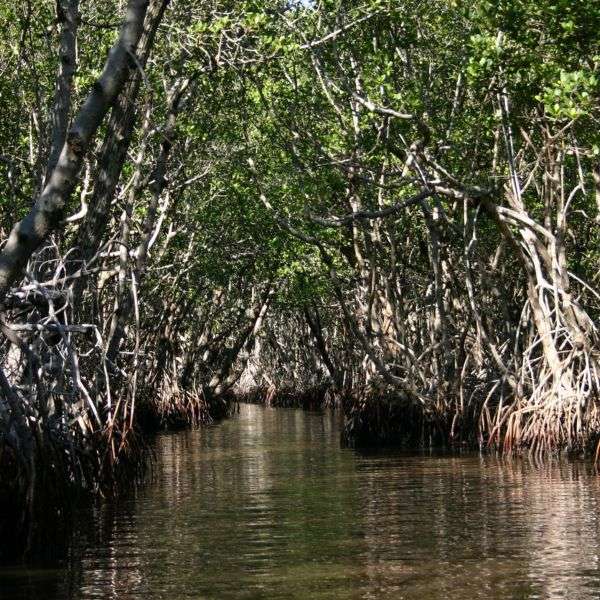
renowned for its expansive marshes, diverse wildlife, and critical role in preserving the delicate balance between land and water
Fast Facts
Location
southern Florida
Established in
1934
Established by
President Harry S Truman
Size
2,357 sq. miles
Known For
- Often referred to as the "River of Grass," the Everglades is characterized by slow-moving water flowing over a limestone shelf, creating a unique and intricate landscape
- The park is home to a rich diversity of plant and animal species, including alligators, manatees, panthers, and a variety of bird species
- Plays a crucial role in preserving the delicate balance between land and water
History
Natural History and Formation
The formation of Everglades National Park is the result of complex geological and hydrological processes that have shaped South Florida over millions of years. Its distinctive wetlands developed through the interaction of limestone geology, changing sea levels, freshwater flow, and the accumulation of organic material.
Limestone Foundation: The Everglades rests on a broad, shallow limestone platform that formed from sediments and the remains of marine organisms deposited in ancient seas. This porous limestone provides the foundation for the region's wetlands and strongly influences how water moves through the landscape.
Sea Level Changes: Repeated changes in sea level during glacial and interglacial periods exposed and submerged portions of the Florida Platform. These fluctuations helped shape the low-lying landscape and influenced the development of freshwater wetlands and coastal environments.
Peat Formation: As freshwater plants grew and died in the wetlands, their organic remains accumulated faster than they could completely decompose. Over thousands of years, this material formed layers of peat that helped create the characteristic shallow wetlands of the Everglades.
River of Grass: The Everglades is often described as a "River of Grass" because freshwater moves slowly southward across the broad, nearly level landscape as a shallow sheet of water. Sawgrass and other wetland plants thrive in this environment, creating the ecosystem's distinctive appearance.
Hydrological Processes: Seasonal rainfall is the primary source of water for the Everglades. Water flows south from the greater Everglades watershed through wetlands, marshes, sloughs, and mangrove ecosystems before eventually reaching Florida Bay and the Gulf of Mexico.
Coastal and Marine Influences: At the southern end of the Everglades, freshwater wetlands transition into mangrove forests, estuaries, and shallow coastal waters. The interaction between freshwater and saltwater has helped create one of the most diverse wetland and coastal ecosystems in North America.
Human Alteration: Beginning in the late 19th and especially the 20th century, drainage canals, levees, flood-control structures, and water diversions substantially altered the natural flow of water through the Everglades. These changes contributed to habitat loss, altered salinity patterns, and other ecological problems that modern restoration efforts seek to address.
Overall, the geological and hydrological history of Everglades National Park reflects the long-term interaction of limestone geology, sea-level fluctuations, freshwater flow, vegetation, and coastal processes. These forces created the unique wetland landscape that makes the Everglades one of the world's most distinctive ecosystems.
Native History
The Everglades has a rich Native American history, with Indigenous peoples maintaining deep cultural, spiritual, and economic connections to the region for thousands of years. The Miccosukee and Seminole peoples are particularly closely associated with the Everglades and continue to maintain strong ties to the landscape today.
Miccosukee Tribe: The Miccosukee people have longstanding cultural and historical connections to the Everglades. They traditionally lived in elevated chickees, which were well suited to the region's wet environment, and relied on hunting, fishing, gathering, and other natural resources for their livelihoods. Materials such as palmetto, cypress, and other native plants were used to make tools, shelters, clothing, and crafts.
Seminole Tribe: The Seminole people developed strong connections to the Everglades, particularly during the 19th century as they sought refuge from U.S. military campaigns and forced removal. They adapted their traditional practices to the wetland environment and relied on hunting, fishing, farming, and gathering. Today, the Seminole Tribe of Florida continues to preserve its cultural traditions and history.
Traditional Land Use: Indigenous communities developed extensive knowledge of the Everglades' seasonal cycles, waterways, plants, and wildlife. Dugout canoes provided an important means of transportation through the wetlands, while hunting, fishing, and gathering allowed communities to make use of the region's diverse resources.
Chickee Architecture: Chickees, traditionally built on raised platforms with open sides and thatched roofs, were well adapted to the hot, wet conditions of the Everglades. This distinctive architectural tradition remains an important symbol of Seminole and Miccosukee culture.
Cultural Significance: The Everglades holds profound cultural and spiritual importance for Indigenous communities. Traditional knowledge emphasizes relationships among people, wildlife, water, plants, and the broader landscape, reflecting a longstanding understanding of the interconnectedness of the ecosystem.
European and American Expansion: European colonization and later U.S. expansion brought warfare, disease, displacement, and changes in land use that profoundly affected Indigenous communities. Despite these pressures, Seminole and Miccosukee people maintained their presence and cultural traditions in South Florida.
Contemporary Presence: The Miccosukee Tribe and Seminole Tribe of Florida continue to maintain strong cultural connections to the Everglades. Their traditional knowledge, cultural practices, and perspectives contribute to contemporary efforts to understand and protect the region's natural and cultural heritage.
The Native American history of the Everglades demonstrates that the region is not simply a wilderness landscape but also a cultural homeland shaped by generations of Indigenous knowledge, traditions, and relationships with the environment.
Preservation
Preserving the Everglades for future generations requires addressing interconnected environmental, social, and economic challenges. Protecting the ecosystem depends on maintaining natural water flows, improving water quality, controlling invasive species, and adapting to climate change while balancing the needs of surrounding communities.
Altered Hydrology: Drainage, canals, levees, and water-management projects have changed the natural movement and timing of water through the Everglades. Restoring more natural hydrological patterns is essential for maintaining wetlands, wildlife habitats, and coastal ecosystems.
Invasive Species: Invasive plants and animals, including melaleuca, Brazilian pepper, and Burmese pythons, can compete with native species and disrupt ecological processes. Monitoring, controlling, and preventing the spread of invasive species requires continued long-term management.
Water Quality: Agricultural runoff, urban development, and other sources can introduce excess nutrients and pollutants into the Everglades. Poor water quality can damage wetlands, promote harmful algal growth, and threaten aquatic organisms.
Land Use and Development: Urban growth and agriculture surrounding the Everglades create pressure on available land and water resources. Balancing the needs of South Florida's growing population with the protection of wetlands and wildlife habitat remains a major conservation challenge.
Climate Change: Rising sea levels, increasing temperatures, changing rainfall patterns, and more frequent extreme weather events threaten the Everglades. Saltwater intrusion is particularly concerning because it can alter freshwater wetlands and coastal ecosystems.
Everglades Agricultural Area: Agricultural activities in the Everglades Agricultural Area contribute to complex water-management and nutrient-management issues. Developing sustainable agricultural practices while protecting downstream ecosystems is an important component of long-term conservation.
Political and Economic Pressures: Everglades restoration involves numerous stakeholders, including government agencies, Tribal nations, agricultural interests, conservation organizations, businesses, and local communities. Balancing competing priorities can make environmental decision-making complex.
Comprehensive Everglades Restoration Plan: The Comprehensive Everglades Restoration Plan (CERP) represents a long-term effort to improve the region's water management and restore more natural ecological conditions. Its success depends on sustained funding, coordination among agencies, scientific monitoring, and the ability to adapt projects as conditions change.
Public Awareness and Engagement: Public support is essential for the long-term protection of the Everglades. Education, visitor programs, community involvement, and conservation initiatives can help foster greater understanding of the ecosystem and encourage responsible stewardship.
Adapting to Future Conditions: Because climate and environmental conditions are changing, conservation strategies must remain flexible. Continued scientific research, monitoring, and adaptive management will be necessary to respond effectively to emerging threats.
Addressing these challenges requires sustained cooperation among government agencies, Tribal nations, scientists, conservation organizations, local communities, agricultural interests, and the public. Long-term commitment to restoration, adaptive management, and environmental stewardship will be essential for preserving the Everglades for future generations.
Future Preservation
Preserving the Everglades for future generations is a complex challenge involving environmental, social, economic, and political issues. Protecting this unique ecosystem requires maintaining natural water flows, improving water quality, managing invasive species, and balancing conservation with the needs of surrounding communities.
Altered Hydrology: Drainage, canal construction, levees, and water-management projects have disrupted the natural flow of water through the Everglades. Restoring more natural hydrological patterns is essential for maintaining wetlands, wildlife habitats, and coastal ecosystems.
Invasive Species: Invasive plants and animals, including melaleuca, Brazilian pepper, and Burmese pythons, threaten native species and disrupt ecological processes. Controlling existing populations and preventing the introduction and spread of new invasive species remain ongoing challenges.
Water Quality Issues: Agricultural runoff, urban development, and other sources can introduce excess nutrients and pollutants into the Everglades. Poor water quality can damage wetlands, promote harmful algal growth, and negatively affect aquatic wildlife.
Land Use Changes: Urban development and agriculture have altered and fragmented habitats surrounding the Everglades. Balancing the needs of South Florida's growing population with the protection of wetlands and wildlife habitat remains a major conservation challenge.
Climate Change: Rising sea levels, increasing temperatures, changing precipitation patterns, and more frequent extreme weather events pose significant threats to the Everglades. Sea-level rise is particularly concerning because saltwater can move farther inland and alter freshwater habitats.
Everglades Agricultural Area (EAA): Agricultural activities in the Everglades Agricultural Area contribute to water-management and nutrient-management challenges. Developing sustainable agricultural practices while reducing environmental impacts is an important part of long-term Everglades conservation.
Political and Economic Pressures: Conservation decisions involve numerous stakeholders, including government agencies, Tribal nations, agricultural interests, environmental organizations, businesses, and local communities. Balancing competing economic, social, and environmental priorities can make restoration efforts complex.
Comprehensive Everglades Restoration Plan (CERP) Implementation: CERP provides a long-term framework for improving water management and restoring more natural ecological conditions. However, successful implementation requires sustained funding, coordination among agencies, scientific monitoring, and adaptive management.
Public Awareness and Engagement: Building public understanding of the Everglades is essential for long-term conservation. Educational programs, community involvement, and responsible recreation can encourage greater stewardship and support for restoration initiatives.
Adapting to Uncertain Future Conditions: The Everglades must respond to changing climate and environmental conditions. Flexible management strategies, continued scientific research, and long-term monitoring are necessary to address emerging threats and improve the ecosystem's resilience.
Addressing these challenges requires sustained cooperation among government agencies, Tribal nations, conservation organizations, scientists, local communities, agricultural interests, and the public. Collaborative approaches, adaptive management, and a long-term commitment to restoration are essential for protecting the Everglades and ensuring its ecological health for future generations.
Geography
Everglades National Park, located in southern Florida, encompasses a vast and diverse landscape shaped by shallow freshwater flows, wetlands, and coastal environments. The park features expansive sawgrass marshes, mangrove forests, cypress swamps, coastal prairies, and shallow marine waters that support an extraordinary variety of wildlife. Often described as a "River of Grass," the Everglades is characterized by the slow movement of freshwater across a broad, nearly level landscape toward Florida Bay and the Gulf of Mexico. Its subtropical climate and interconnected habitats create one of the most ecologically diverse and distinctive landscapes in the United States.
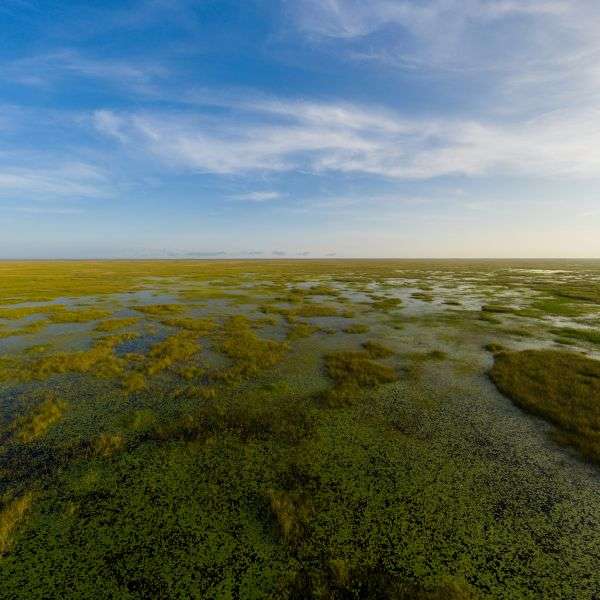
River of Grass
The Everglades is often referred to as the "River of Grass" due to the slow and shallow sheet flow of water moving across the landscape. This unique flow is a defining feature of the ecosystem.
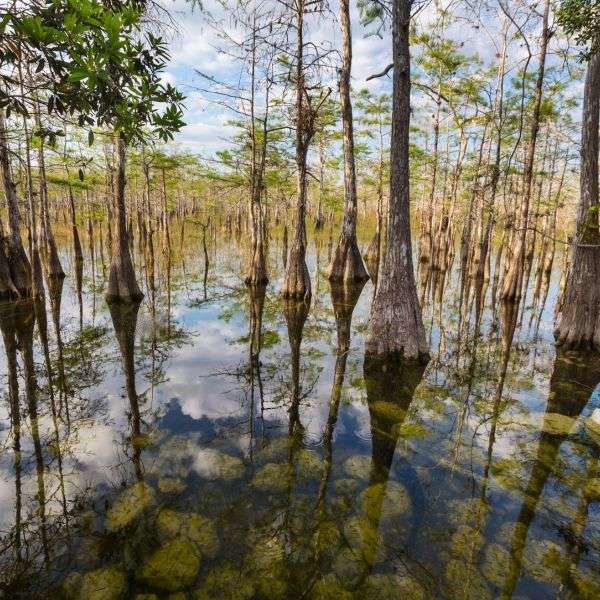
Ecosystem Types
The park is characterized by a variety of ecosystems, including freshwater marshes, sawgrass prairies, mangrove forests, cypress swamps, pinelands, and marine environments.
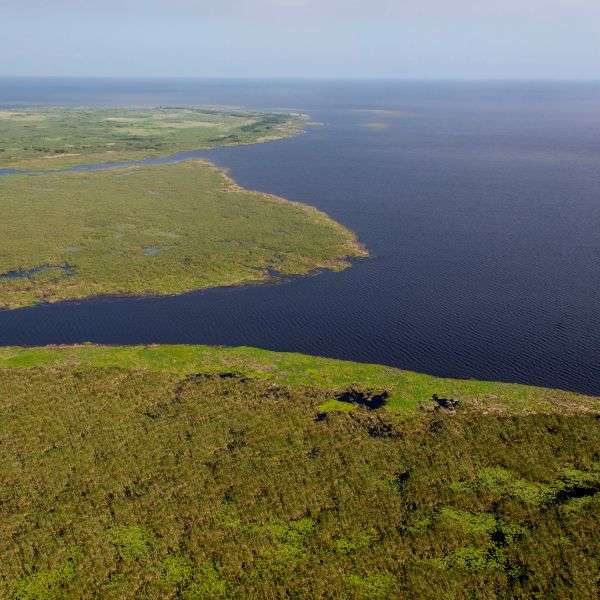
Water Sources
The primary water sources for the Everglades include rainfall, overflow from Lake Okeechobee, and a slow-moving sheet flow across the landscape. The park's hydrology is essential for maintaining the health of the ecosystem.
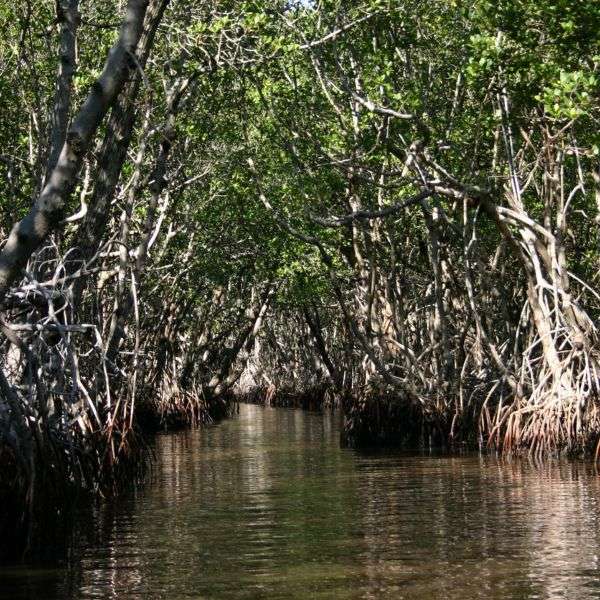
Mangrove Forests
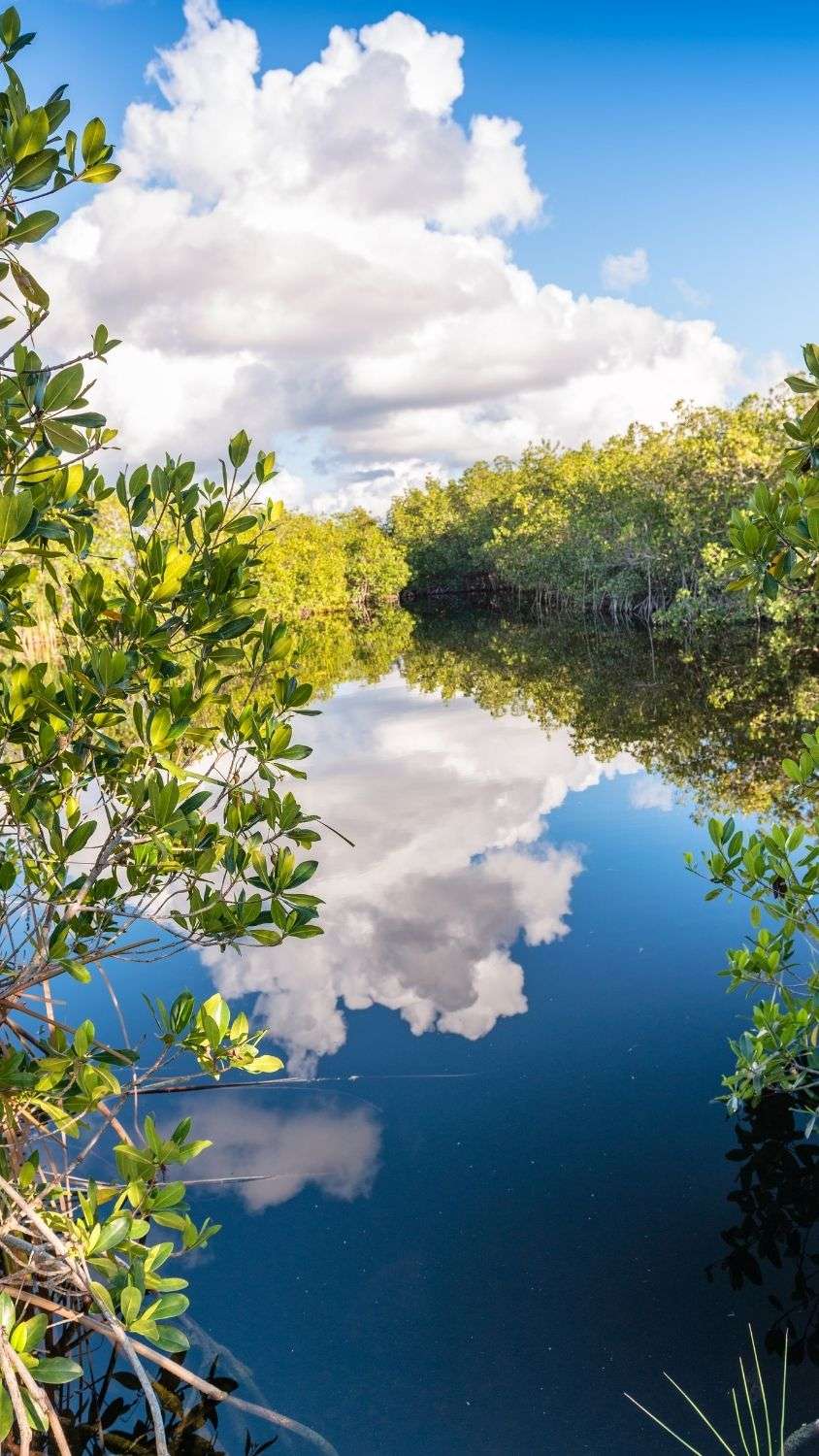
Extensive mangrove forests are found in the coastal areas of the park, especially in the southern regions near Florida Bay. Mangroves serve as crucial habitats for various marine species.
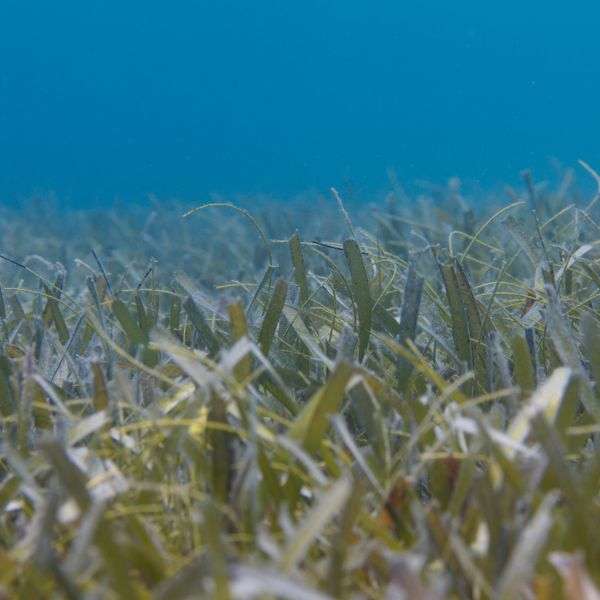
Florida Bay
The southern boundary of the park is marked by Florida Bay, an estuary that provides a transition from the freshwater Everglades to the marine environment. The bay is known for its seagrass beds and diverse marine life.
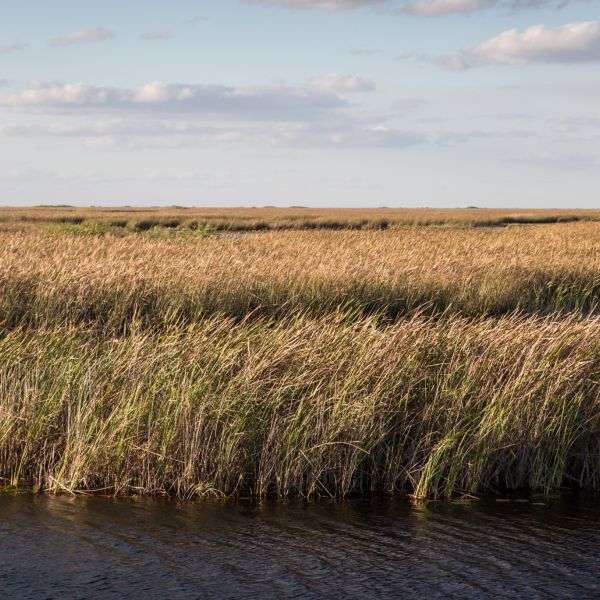
Sawgrass Prairies
Sawgrass prairies dominate much of the central portion of the park. These expansive grassy areas are interspersed with tree islands and support a variety of wildlife, including wading birds and alligators.
Plants
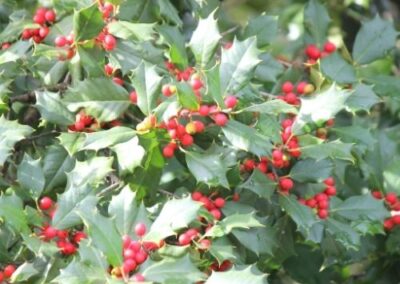
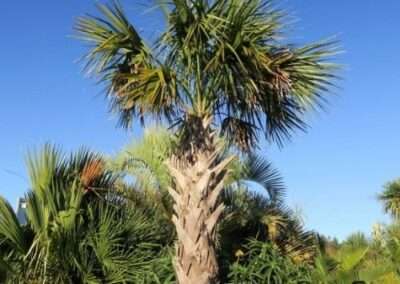
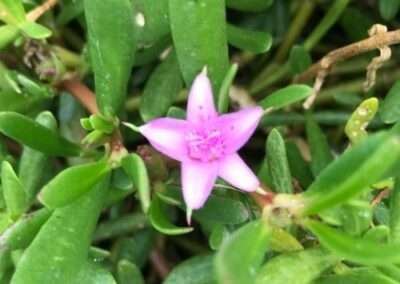
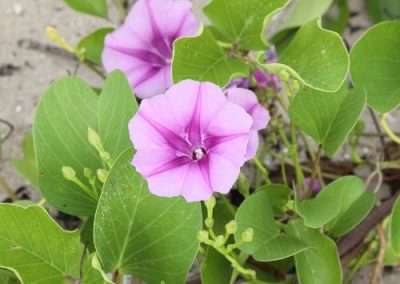
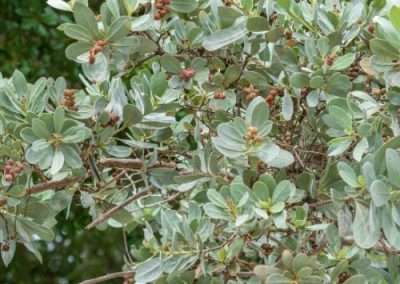
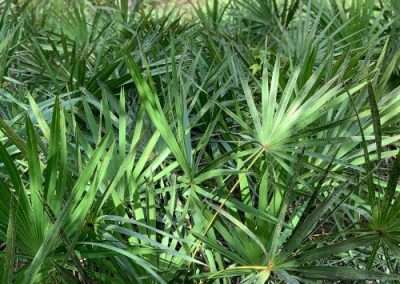
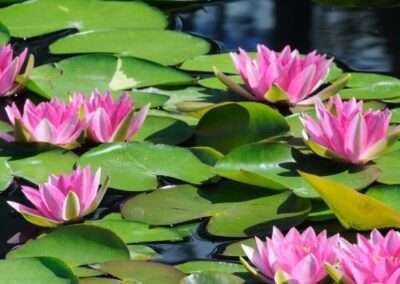
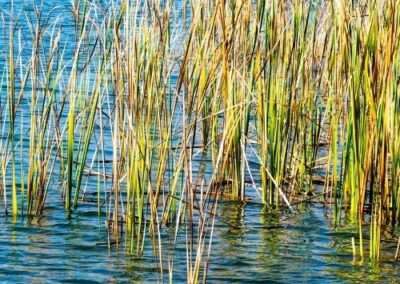
Everglades National Park is renowned for its remarkable diversity of plant life, which thrives across its subtropical wetlands, forests, marshes, and coastal habitats. The park's landscape includes vast sawgrass marshes, mangrove forests, cypress swamps, pine rocklands, and coastal prairies, each supporting distinctive plant communities. From towering royal palms and bald cypress trees to colorful orchids, bromeliads, and air plants, the Everglades' flora demonstrates remarkable adaptations to varying water levels, soil conditions, and salinity. These plants provide food and shelter for wildlife, stabilize habitats, and play a vital role in maintaining the ecological health of the Everglades.
Animals
Mammals
Everglades National Park is home to a diverse array of mammals adapted to its varied ecosystems, including freshwater marshes, cypress swamps, pine rocklands, hardwood hammocks, and coastal mangrove habitats. These mammals play important roles in the park's food webs and ecological processes.
Florida Panther (Puma concolor coryi): The Florida panther is an endangered population of pumas and one of the most iconic mammals associated with South Florida. These elusive predators require large areas of suitable habitat and play an important role as a top predator in the ecosystem.
West Indian Manatee (Trichechus manatus): West Indian manatees inhabit the park's freshwater, brackish, and coastal waterways. These large herbivores feed primarily on aquatic vegetation and are well adapted to the warm waters of South Florida.
White-tailed Deer (Odocoileus virginianus): White-tailed deer occur in several habitats throughout the Everglades, particularly in areas with greater concentrations of vegetation. As herbivores, they influence plant communities and serve as prey for larger predators.
Raccoon (Procyon lotor): Raccoons are adaptable omnivores that occur in wetlands, forests, and coastal habitats. They feed on a wide variety of foods, including fruits, insects, small animals, and aquatic organisms.
Bobcat (Lynx rufus): Bobcats are elusive predators found in a variety of Everglades habitats. They hunt small mammals, birds, reptiles, and other prey and are particularly well adapted to navigating the park's diverse landscapes.
North American River Otter (Lontra canadensis): River otters inhabit waterways, wetlands, and coastal areas throughout the Everglades. Excellent swimmers, they feed primarily on fish, crustaceans, amphibians, and other aquatic prey.
Eastern Gray Squirrel (Sciurus carolinensis): Eastern gray squirrels occur primarily in wooded habitats such as hardwood hammocks and pine forests. They feed on seeds, nuts, fruits, and other plant material and contribute to seed dispersal.
Marsh Rabbit (Sylvilagus palustris): Marsh rabbits are specially adapted to wetland environments and are commonly associated with marshes and other areas of dense aquatic vegetation. They are strong swimmers and feed primarily on grasses and other plants.
Key Largo Woodrat (Neotoma floridana smalli): The Key Largo woodrat is an endangered subspecies associated with hardwood hammock habitats in the Florida Keys. Although its range is highly restricted, it is an important part of South Florida's native mammalian diversity.
Everglades Mink (Neogale vison evergladensis): The Everglades mink is a population of American mink adapted to the region's wetlands and waterways. This semi-aquatic carnivore feeds on a variety of aquatic and terrestrial prey and is closely associated with wetland habitats.
Reptiles
Everglades National Park is home to a diverse array of reptiles adapted to its mosaic of freshwater marshes, sawgrass prairies, cypress swamps, pine rocklands, hardwood hammocks, and coastal mangroves. Reptiles play important roles as predators, herbivores, and prey within the park's complex ecosystems.
American Alligator (Alligator mississippiensis): The American alligator is one of the most iconic reptiles of the Everglades. These large predators inhabit freshwater marshes, ponds, sloughs, and other wetlands, where they feed on fish, turtles, birds, and other animals.
American Crocodile (Crocodylus acutus): The American crocodile is a threatened species found primarily in the park's coastal and brackish habitats. It is particularly associated with mangrove-lined waterways, estuaries, and Florida Bay and is well adapted to living in both freshwater and saltwater environments.
Eastern Diamondback Rattlesnake (Crotalus adamanteus): The eastern diamondback is a large venomous snake that can occur in upland and coastal habitats of South Florida. Its diet consists primarily of small mammals and other available prey.
Florida Cottonmouth (Agkistrodon conanti): Formerly commonly referred to as the cottonmouth or water moccasin, this venomous pit viper is associated with wetlands and waterways. It is an excellent swimmer and feeds on fish, amphibians, reptiles, and small mammals.
Florida Softshell Turtle (Apalone ferox): The Florida softshell is a large aquatic turtle characterized by its flexible, leathery shell and long, snorkel-like snout. It inhabits freshwater lakes, ponds, marshes, and slow-moving waterways.
Gopher Tortoise (Gopherus polyphemus): Gopher tortoises are terrestrial reptiles associated with dry upland habitats such as pine rocklands. Their extensive burrows provide shelter for numerous other animals, making them an important ecosystem engineer.
Green Anole (Anolis carolinensis): Green anoles are small, agile lizards commonly found in trees, shrubs, and other vegetation. They can change between shades of green and brown and feed primarily on insects and other small invertebrates.
Florida Box Turtle (Terrapene carolina bauri): The Florida box turtle is a terrestrial turtle found in habitats such as hardwood hammocks and pine forests. Its hinged shell allows it to withdraw its head and limbs for protection from predators.
Eastern Mud Turtle (Kinosternon subrubrum): Eastern mud turtles are small aquatic turtles associated with shallow wetlands, ponds, marshes, and other freshwater habitats. They feed on aquatic invertebrates, small fish, carrion, and plant material.
Brown Basilisk (Basiliscus vittatus): The brown basilisk is an introduced lizard that occurs in parts of South Florida. It is sometimes called the "Jesus Christ lizard" because of its ability to rapidly run across the surface of water for short distances.
These reptiles demonstrate the remarkable adaptability of wildlife in the Everglades, with species occupying habitats ranging from freshwater marshes and upland forests to brackish estuaries and coastal mangrove systems.
Birds
Everglades National Park is a premier destination for birdwatchers, with its diverse wetlands, mangrove forests, hardwood hammocks, pine rocklands, and coastal habitats supporting a remarkable variety of resident and migratory birds.
Roseate Spoonbill (Platalea ajaja): The roseate spoonbill is one of the Everglades' most recognizable wading birds, distinguished by its pink plumage and broad, spoon-shaped bill. It forages in shallow wetlands and coastal waters, especially around Florida Bay.
American White Pelican (Pelecanus erythrorhynchos): American white pelicans are large waterbirds that visit the Everglades, particularly during the cooler months. They can be observed resting and foraging around shallow wetlands, lakes, and coastal waters.
Anhinga (Anhinga anhinga): Commonly called the "snakebird," the anhinga is frequently seen swimming through freshwater wetlands with only its long neck and head above the surface. It dives underwater to pursue fish and often perches with its wings spread to dry.
Great Blue Heron (Ardea herodias): Great blue herons occur throughout the park in freshwater wetlands, mangroves, ponds, and coastal areas. They patiently stalk fish, amphibians, reptiles, and other small animals in shallow water.
Osprey (Pandion haliaetus): Ospreys are commonly seen near the park's waterways and coastal habitats. These specialized fish-eating raptors dive feet-first into the water to capture fish and may build large nests on elevated structures.
Bald Eagle (Haliaeetus leucocephalus): Bald eagles inhabit areas near the Everglades' larger waterways and coastal habitats. They are powerful predators and scavengers that feed on fish, birds, and other animals and build large nests in tall trees.
Red-shouldered Hawk (Buteo lineatus): Red-shouldered hawks are associated with wooded wetlands, cypress swamps, and hardwood hammocks. Their distinctive calls can often be heard echoing through forested areas.
Wood Stork (Mycteria americana): Wood storks are large wading birds with dark, bare heads and long bills. They forage in shallow wetlands, using their sensitive bills to locate fish and other aquatic prey.
Peregrine Falcon (Falco peregrinus): Peregrine falcons may be observed in the Everglades, particularly during migration and the winter months. They are renowned for their extraordinary speed and capture other birds in flight.
Wilson's Snipe (Gallinago delicata): Wilson's snipe is the species commonly encountered in North America rather than the Eurasian or Common Snipe. These secretive shorebirds use their long bills to probe wet soils and shallow water for invertebrates.
Northern Harrier (Circus hudsonius): Northern harriers are winter visitors to the Everglades and can often be seen flying low over marshes and prairies while searching for small mammals, birds, and other prey.
Painted Bunting (Passerina ciris): Painted buntings are colorful songbirds that occur in suitable shrubby and grassy habitats, particularly during migration and winter. Their vivid plumage makes them a favorite among birdwatchers.
Fish
Everglades National Park is home to a diverse array of fish species adapted to the park's varied aquatic habitats, including freshwater marshes, rivers, lakes, estuaries, and coastal areas. The park's aquatic ecosystems support rich biodiversity, and fish play an important role in the overall health of the Everglades.
Florida Gar (Lepisosteus platyrhincus): This freshwater fish is recognizable by its long, slender body and distinctive snout. Florida gars are often found in slow-moving waters, including canals and marshes.
Largemouth Bass (Micropterus salmoides): A popular sportfish, largemouth bass inhabit freshwater habitats such as lakes, ponds, and canals in the park. They are known for their voracious feeding behavior.
Tarpon (Megalops atlanticus): A large and powerful fish, tarpon are often found in the coastal and estuarine waters of the park, including Florida Bay. They are prized by anglers for their impressive size and fighting ability.
Snook (Centropomus undecimalis): Snook are commonly found in coastal waters, estuaries, and mangrove habitats. They are known for their distinctive body shape and are popular targets for recreational fishing.
Redfish (Red Drum) (Sciaenops ocellatus): Redfish are found in estuaries, tidal creeks, and other coastal waters. They are known for their reddish coloration and are popular among recreational anglers.
Sheepshead (Archosargus probatocephalus): Sheepshead are often found in brackish and saltwater habitats, including mangroves and oyster beds. They are recognized by their prominent teeth and distinctive black-and-white stripes.
Mullet (Mugilidae family): Various species of mullet inhabit the park's waters. These schooling fish are important components of the Everglades food web, providing prey for larger fish, birds, and other predators.
Bluegill (Lepomis macrochirus): Bluegill are freshwater sunfish found in habitats such as lakes, ponds, and slow-moving waterways. They are recognized by their distinctive markings and are an important part of freshwater food webs.
Spotted Seatrout (Cynoscion nebulosus): Spotted seatrout are commonly found in estuaries, bays, and tidal creeks. They are characterized by their spotted appearance and are an important recreational fish species.
Gulf Killifish (Fundulus grandis): This small fish occurs in shallow freshwater and brackish habitats. It is well adapted to fluctuating environmental conditions and serves as an important food source for larger predators.
Sailfin Molly (Poecilia latipinna): Sailfin mollies are small fish found in freshwater and brackish habitats, including ponds, marshes, and canals. They are named for the prominent dorsal fin found on males.
Amphibians
Amphibians play a crucial role in the Everglades ecosystem, contributing to the park's biodiversity. They are found in various aquatic and terrestrial habitats, including freshwater marshes, cypress swamps, and hardwood hammocks.
Southern Leopard Frog (Lithobates sphenocephalus): These frogs are commonly found in freshwater habitats, including ponds, marshes, and slow-moving streams. They are characterized by their distinctive spotted patterns.
Green Treefrog (Hyla cinerea): Green treefrogs are arboreal amphibians that can be found in trees and shrubs near bodies of water. They are known for their bright green coloration.
Squirrel Treefrog (Hyla squirella): This small treefrog is often found in vegetation near water bodies. Its call resembles the sound of a squirrel, giving it its common name.
Eastern Narrowmouth Toad (Gastrophryne carolinensis): As the name suggests, narrowmouth toads have a small, pointed snout. They are typically found in sandy areas and are skilled burrowers.
Southern Toad (Anaxyrus terrestris): Southern toads are found in a variety of habitats, including pine flatwoods and hardwood hammocks. They have distinctive warty skin and are often encountered in the park.
Pig Frog (Lithobates grylio): Named for its pig-like grunting call, the pig frog is commonly found in freshwater habitats, including ponds and marshes.
Florida Cricket Frog (Acris gryllus dorsalis): These small frogs are known for their cricket-like calls. They inhabit grassy areas and can be found near ponds and wetlands.
Eastern Spadefoot Toad (Scaphiopus holbrookii): Spadefoot toads are adapted to sandy soils and are excellent burrowers. They spend much of their time underground and emerge during rainy periods.
Gopher Frog (Lithobates capito): Gopher frogs are primarily terrestrial but require fishless wetlands for breeding. They are well-adapted to the sandy soils of the park.
Pine Woods Treefrog (Hyla femoralis): These treefrogs are often found in pine flatwoods and other wooded habitats. Their coloration can vary, and they are known for their distinctive calls.
Little Grass Frog (Pseudacris ocularis): As one of the smallest frogs in North America, the little grass frog is found in grassy areas near water bodies and has a high-pitched call.
"The river of grass seemed to lead into the heart of the wilderness, a tangled, teeming wilderness where there were still panthers and bears, owls that hooted through the dark nights, and crocodiles that slithered into the waters."
- Peter Matthiessen
"The Everglades is an extraordinarily beautiful swamp. It's the largest tropical wilderness of any kind in the U.S. It's extraordinary what you find there."
- David Attenborough
"The Everglades are America's Amazon."
- Clyde Butcher
"The miracle of light pours over the green and brown expanse of saw grass and of water, shining and slowly moving, the grass and water that is the meaning and the central fact of the Everglades. It is a river of grass."
- Marjory Stoneman Douglas
Explore More With Us
Stay updated on National Parks EDU resources, park news, community updates, and and ways to explore, and protect.

National Parks Edu's mission is to help kids and families understand what makes these places so important. Because when you learn about nature, you start to care about protecting it.
National Parks EDU is an independent educational website and is not affiliated with, endorsed by, sponsored by, or officially connected to the National Park Service (NPS) or the U.S. government. © National Parks EDU. All Rights Reserved. October 17, 2026