Dry Tortugas
National Park
Florida
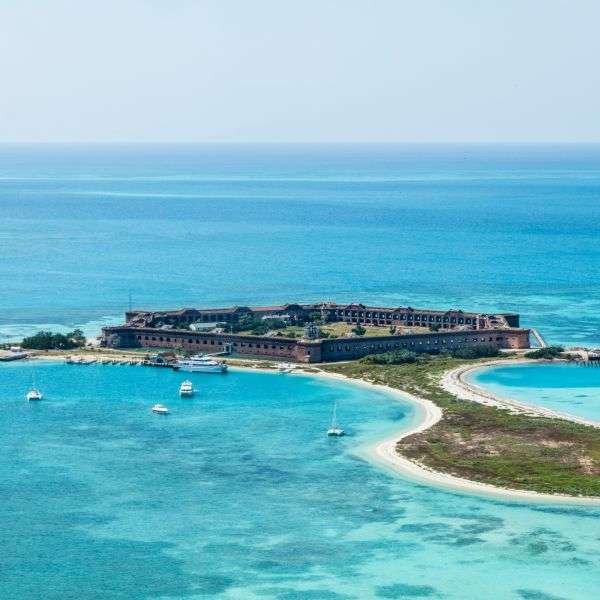
a remote archipelago known for its crystal-clear waters, coral reefs, and the historic Fort Jefferson
Fast Facts
Location
70 miles west of Key West, Florida
Established in
1992
Established by
President George Bush
Size
100 sq. miles
Known For
- Dry Tortugas National Park is composed of 99% water with several small islands
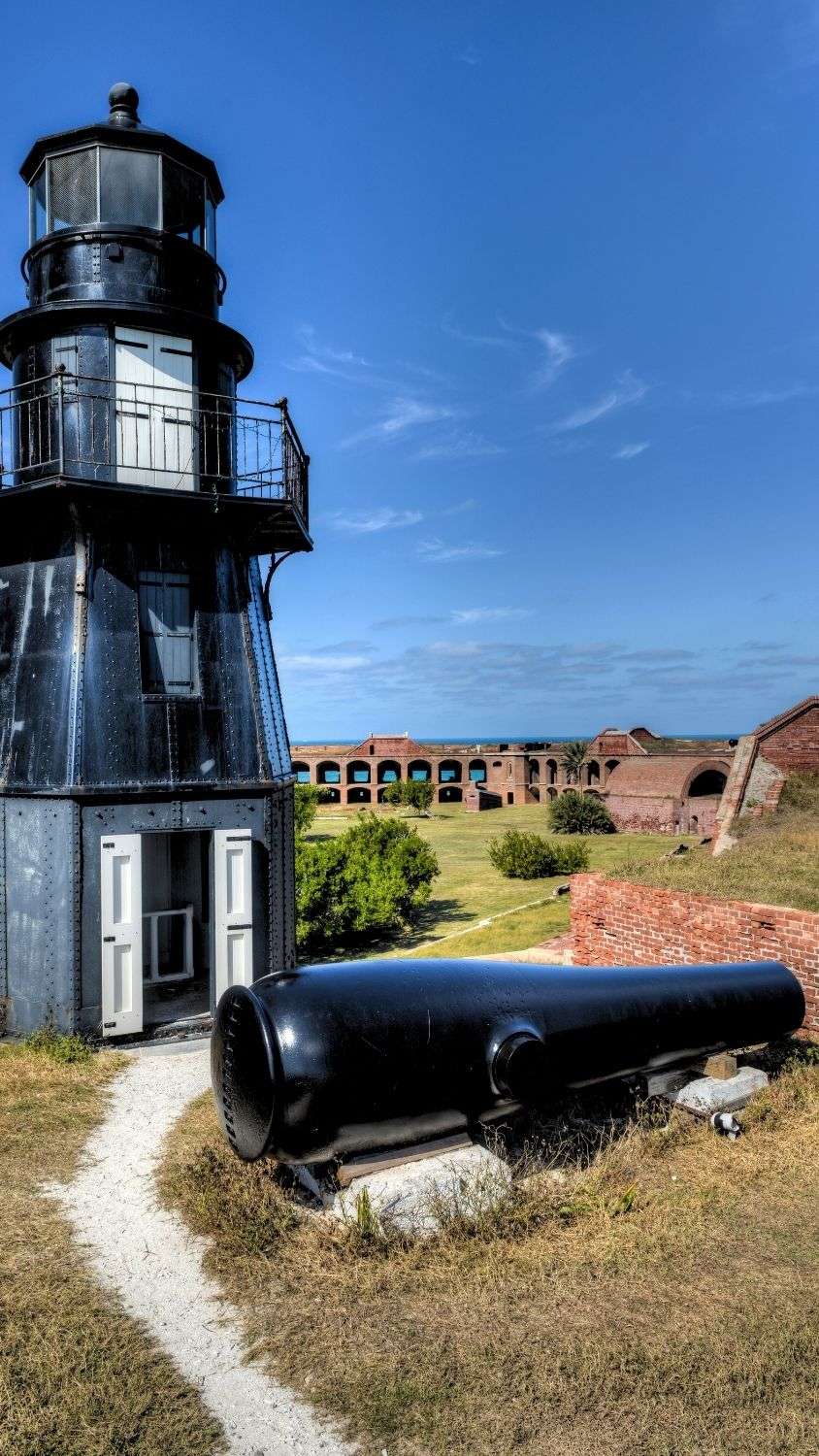
- Fort Jefferson, the massive coastal fortress on Garden Key, played a significant role during the Civil War and served as a military prison, although it was never completed.
- Often referred to as an "underwater wilderness" due to its pristine coral reefs and the abundance of marine ecosystems thriving beneath the surface
History
Natural History and Formation
Dry Tortugas National Park has a fascinating geological history shaped by ancient coral reefs, changing sea levels, sediment accumulation, and ongoing marine processes. Located at the western end of the Florida Keys, the park's islands and surrounding waters are part of the larger Florida Reef Tract.
Ancient Coral Reefs: The geological foundation of the Dry Tortugas is associated with the development of limestone and ancient coral reef systems on the Florida Platform. Over thousands of years, coral and other marine organisms contributed calcium carbonate that became part of the region's underlying rock.
Sea-Level Changes: Repeated changes in sea level during the Pleistocene and Holocene epochs influenced the development and exposure of the islands. When sea levels were lower, portions of the Florida Platform were exposed, while rising seas submerged the landscape and allowed marine organisms and coral communities to continue developing.
Coral and Sediment Accumulation: The islands have been shaped by the accumulation of coral fragments, shells, sand, and other marine sediments. Waves and currents continually redistribute these materials, contributing to the formation and changing shape of the park's low-lying islands and beaches.
Holocene Development: During the Holocene Epoch, which began about 11,700 years ago, rising sea levels helped establish the modern marine environment of the Dry Tortugas. Coral reefs, shallow waters, currents, and sediment deposition continued to shape the islands and surrounding seafloor.
Coral Reef Formation: The waters surrounding Dry Tortugas contain extensive coral reef habitats that are part of the Florida Reef Tract. These reefs provide important habitat for fish, sea turtles, invertebrates, and numerous other marine organisms.
Dynamic Marine Landscape: The geology of Dry Tortugas remains an ongoing process. Storms, waves, currents, coral growth, erosion, and sediment movement continually modify the islands and shallow marine environments. Because the islands are low-lying, even relatively small changes in sea level can have significant effects on their landscapes.
Fort Jefferson: Human activity also became part of the islands' geological and cultural landscape. Construction of Fort Jefferson on Garden Key began in the 19th century, using locally available coral rock along with large quantities of brick. The massive structure remains one of the most prominent features of the park.
Native History
Dry Tortugas National Park has a relatively limited and poorly documented Native American history compared with many other areas of Florida. The islands' remote location and lack of reliable freshwater made them unlikely places for permanent, large-scale settlements.
Limited Permanent Settlement: The absence of freshwater would have made sustained habitation difficult. Archaeological evidence of substantial Indigenous settlements on the islands is limited, although Native peoples may have visited the Dry Tortugas temporarily for fishing, hunting, gathering, or travel.
Maritime Use: The islands' location within the Gulf of Mexico made them important landmarks for Indigenous peoples traveling through the Florida Keys and surrounding waters. Their rich marine environment may also have provided opportunities to harvest fish, shellfish, and other coastal resources.
Indigenous Peoples of the Region: Native American groups in southern Florida and the Florida Keys, including the Calusa and Tequesta, maintained extensive connections with coastal and marine environments. Their broader maritime traditions provide important context for understanding the potential Indigenous use of the Dry Tortugas.
European Contact: European exploration of Florida beginning in the 16th century brought profound changes to Indigenous communities throughout the region. Introduced diseases, warfare, displacement, and colonial exploitation caused severe population declines and disrupted traditional ways of life.
Archaeological Research: Although evidence of Indigenous activity in the Dry Tortugas is limited, archaeological and historical research continues to investigate the connections between Native peoples and the islands. These efforts help place the park within the broader history of Indigenous maritime cultures in the Gulf of Mexico and Florida.
Preservation
The preservation history of Dry Tortugas National Park reflects a long-standing effort to protect its unique marine ecosystems, remote islands, and nationally significant historic resources.
National Monument Designation: Dry Tortugas was designated a national monument on January 4, 1935, by President Franklin D. Roosevelt. The designation recognized the area's historic importance, particularly Fort Jefferson, as well as its surrounding islands and marine environment.
Wildlife Refuge Management: In 1947, management of the area was transferred from the National Park Service to the U.S. Fish and Wildlife Service, reflecting the importance of the Dry Tortugas as a refuge for seabirds and other wildlife.
Redesignation as a National Park: On October 26, 1992, Congress redesignated Dry Tortugas National Monument as Dry Tortugas National Park and returned its management to the National Park Service. The change strengthened recognition of the area's combined natural, historical, and recreational significance.
Marine Conservation: Protecting the park's surrounding waters, coral reefs, seagrass beds, and marine wildlife has become a major component of its preservation mission. Regulations and monitoring help reduce damage to sensitive marine ecosystems from activities such as fishing, boating, and anchoring.
Historic Preservation of Fort Jefferson: Fort Jefferson is one of the park's most important cultural resources. Preservation efforts focus on protecting its massive masonry walls, structures, and historic features from deterioration caused by saltwater, hurricanes, wind, and other harsh environmental conditions.
Visitor Management: Because Dry Tortugas is remote and its ecosystems are particularly fragile, the National Park Service works to balance public access with conservation. Visitor regulations, designated use areas, and educational programs help minimize impacts on the islands, historic resources, and surrounding marine environment.
Overall, the preservation history of Dry Tortugas National Park reflects a commitment to protecting both its remarkable natural resources and its historic heritage while allowing visitors to experience this remote and unique part of the Florida Keys.
Future Preservation
Preserving Dry Tortugas National Park for future generations presents several challenges because of its remote location, fragile marine ecosystems, and historic structures.
Remote Location: Dry Tortugas is located approximately 70 miles west of Key West, making access difficult. The park's isolation creates logistical challenges for maintaining facilities, conducting research, transporting supplies, and responding to emergencies.
Harsh Marine Environment: Saltwater, strong winds, tropical storms, and hurricanes can damage both natural resources and historic structures. Coral reefs are particularly sensitive to changes in ocean conditions, while Fort Jefferson is continually exposed to corrosive marine elements.
Climate Change: Rising sea levels, warming ocean temperatures, coral bleaching, and increasingly severe storms pose significant threats to the park. These changes can damage coral reefs, alter marine habitats, increase coastal erosion, and threaten low-lying islands and historic resources.
Visitor Impact: Managing visitor access while protecting fragile ecosystems and historic sites is an ongoing challenge. Recreational activities such as snorkeling, boating, fishing, and camping must be carefully managed to reduce impacts on coral reefs, wildlife, and sensitive areas.
Invasive Species: Invasive terrestrial and marine species can disrupt native ecosystems by competing with native organisms and altering habitats. Monitoring and controlling invasive species is therefore an important part of the park's conservation efforts.
Limited Freshwater Resources: The islands have no reliable natural source of freshwater, creating challenges for both park operations and visitors. Water must be carefully managed and transported to support human needs while minimizing impacts on the island environment.
Historic Preservation: Maintaining Fort Jefferson is a major preservation challenge. Saltwater, humidity, hurricanes, erosion, and other environmental forces can deteriorate the fort's masonry and other historic features, requiring continuous inspection, maintenance, and restoration.
Emergency Response: The park's isolated location makes responding to hurricanes, medical emergencies, oil spills, and other environmental threats more difficult. Effective emergency planning and coordination among multiple agencies are essential.
Addressing these challenges requires an adaptive and collaborative approach involving the National Park Service, scientists, conservation organizations, local communities, and visitors. Continued research, environmental monitoring, historic preservation, and responsible visitor management will be essential for protecting Dry Tortugas National Park for future generations.
Geography
Dry Tortugas National Park, located in the Gulf of Mexico about 70 miles west of Key West, Florida, is a remote archipelago surrounded by crystal-clear waters and vibrant coral reefs. The park's geography is characterized by seven small islands, including Garden Key, Loggerhead Key, and Bush Key, along with extensive shallow waters, sandy beaches, seagrass beds, and coral reef habitats. Rising prominently above Garden Key is historic Fort Jefferson, one of the largest 19th-century coastal fortifications in the United States. This remarkable combination of pristine marine ecosystems, low-lying islands, and historic architecture makes Dry Tortugas a unique destination where natural beauty and cultural heritage come together.
Island Archipelago
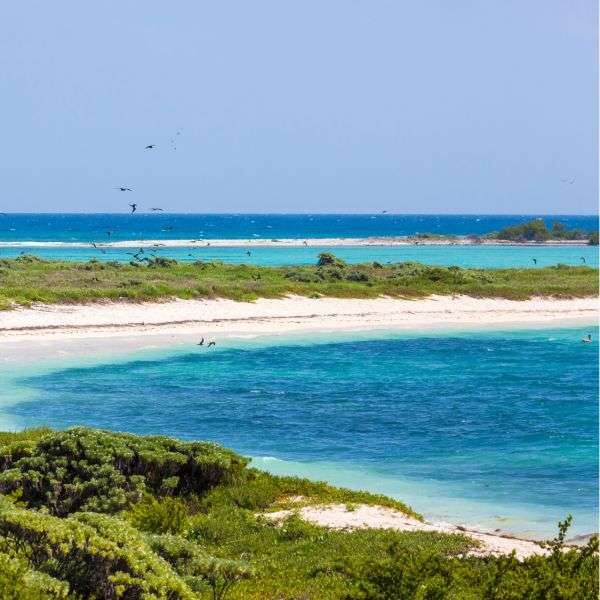
The park is comprised of a group of seven small islands, including Garden Key, Loggerhead Key, Bush Key, Long Key, Hospital Key, East Key, and Middle Key. These islands collectively form an archipelago, with Garden Key being the most prominent and hosting the historic Fort Jefferson.
Coral Reefs
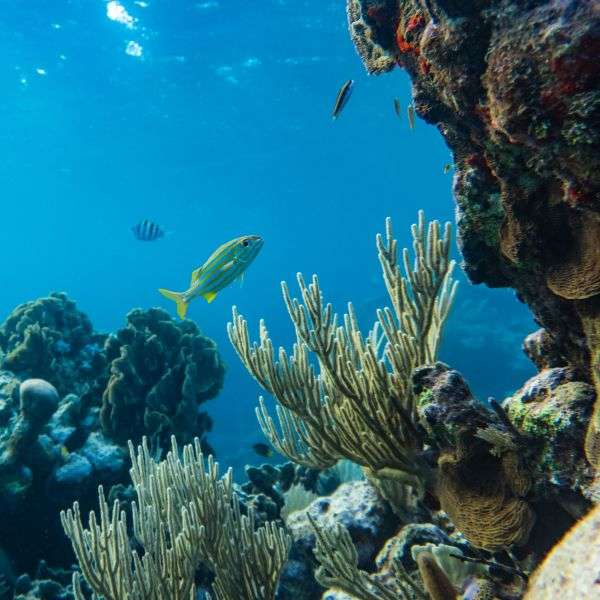
The waters surrounding Dry Tortugas are part of the Florida Keys National Marine Sanctuary and are renowned for their vibrant coral reefs. The coral reefs support a diverse range of marine life, making the area popular for snorkeling and diving.
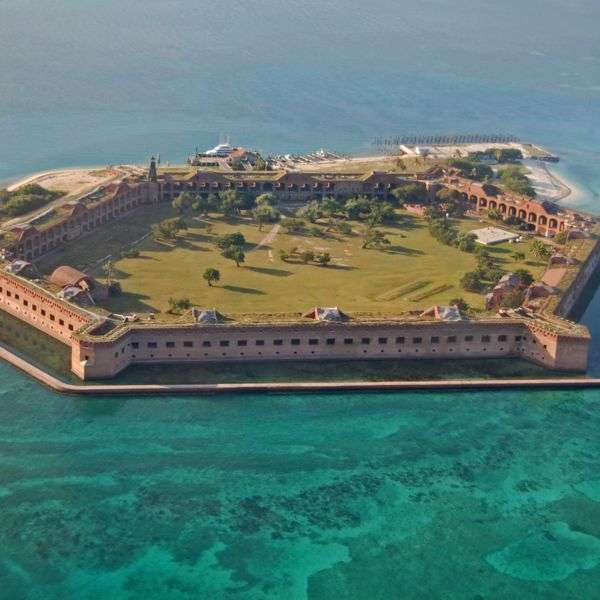
Fort Jefferson
The centerpiece of Dry Tortugas National Park is Fort Jefferson, an imposing coastal fortress located on Garden Key. The fort is a historical structure that played a role in the Civil War and served as a military prison.
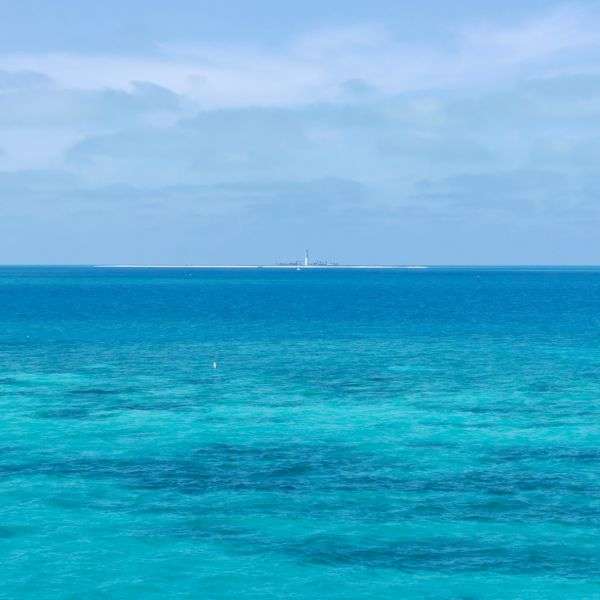
Marine Environment
The park's geography includes extensive seagrass beds, coral reefs, and clear blue waters. The marine environment is home to a variety of marine species, including fish, sea turtles, and colorful coral formations.
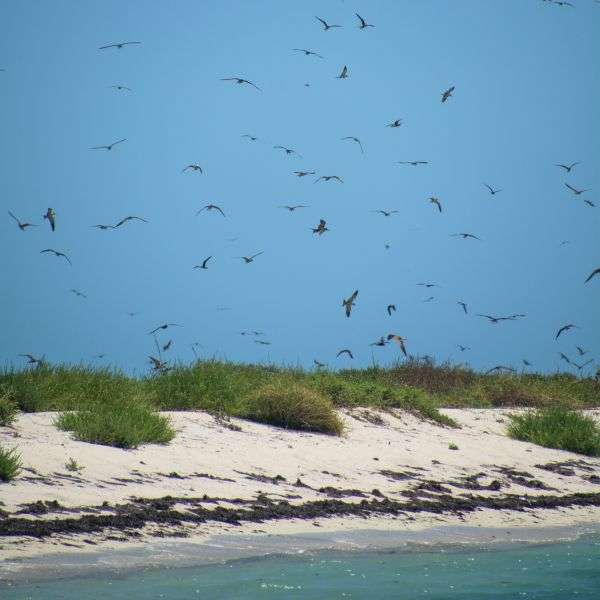
Bird and Wildlife Habitat
Dry Tortugas provides important habitat for migratory birds, making it a crucial stopover point for various species. The islands and surrounding waters are also home to diverse wildlife, including nesting seabirds and marine life.
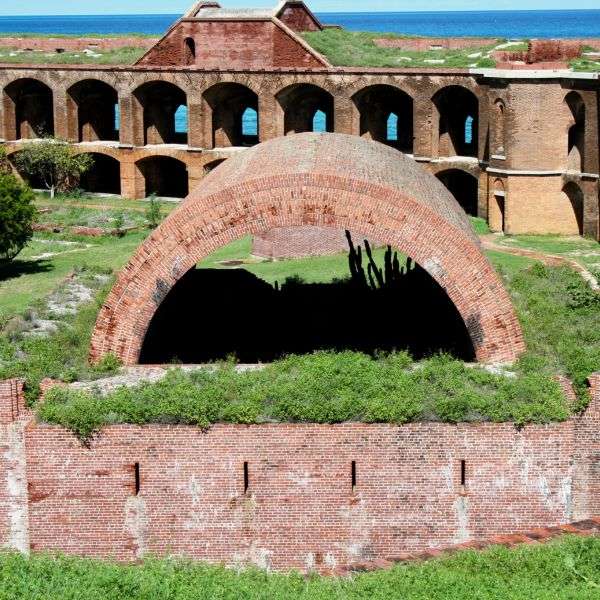
Lack of Freshwater
One notable geographical characteristic is the absence of freshwater sources on the islands. This lack of freshwater has influenced the historical and natural aspects of the park.
Plants
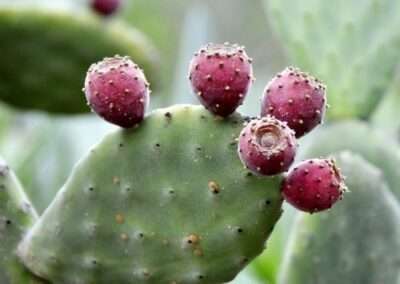
Dry Tortugas National Park supports a diverse array of plant life adapted to its remote tropical island environment, salty winds, sandy soils, and limited freshwater. Coastal plants such as sea oats, saltwort, and beach morning glory help stabilize sandy shores and dunes, while mangroves provide important habitat for fish, birds, and other wildlife. Seagrass meadows in the surrounding shallow waters also play a vital ecological role by providing shelter and feeding grounds for marine species. Together, these resilient plant communities contribute to the ecological richness of Dry Tortugas and demonstrate how vegetation can thrive in a challenging coastal environment.
Animals
Mammals
Dry Tortugas National Park has limited terrestrial mammal diversity because of its small, isolated islands and lack of reliable freshwater. However, the surrounding marine environment supports a variety of mammals, including dolphins, whales, and manatees that may occasionally be observed in the park's waters.
Bats: Several species of bats may pass through or occur on the islands, particularly during migration. Bats can help control insect populations and may also contribute to pollination in the park's tropical environment.
Bottlenose Dolphin (Tursiops truncatus): Bottlenose dolphins are among the marine mammals most likely to be encountered around Dry Tortugas. They inhabit the Gulf of Mexico and can sometimes be seen traveling, feeding, or socializing in the waters surrounding the islands.
Atlantic Spotted Dolphin (Stenella frontalis): Atlantic spotted dolphins inhabit warm offshore waters of the Gulf of Mexico. They are recognizable by the spots that develop on their bodies as they mature and may occasionally be seen around the Dry Tortugas.
Pilot Whales (Globicephala spp.): Pilot whales are highly social, deep-diving marine mammals that occur in the Gulf of Mexico. Although sightings near the park are uncommon, individuals or groups may occasionally pass through deeper offshore waters.
Sperm Whale (Physeter macrocephalus): Sperm whales inhabit the deeper waters of the Gulf of Mexico and are capable of remarkable deep dives in search of prey such as squid. They are less likely to be seen near the shallow waters of the islands but occur in the broader region.
West Indian Manatee (Trichechus manatus): West Indian manatees may occasionally occur in the warmer coastal waters around the Florida Keys and Dry Tortugas. These large herbivores feed primarily on aquatic vegetation and are sometimes associated with shallow areas containing seagrass.
Although land mammals are scarce, the marine mammals found around Dry Tortugas demonstrate the importance of the park's surrounding waters. The combination of shallow reefs, seagrass habitats, and deeper Gulf waters provides habitat and feeding areas for a variety of marine wildlife.
Reptiles
Dry Tortugas National Park is home to a variety of reptiles, particularly marine turtles and coastal reptiles adapted to the park's warm tropical environment. The surrounding waters, beaches, mangroves, and islands provide important habitat for several species.
Green Sea Turtle (Chelonia mydas): Green sea turtles inhabit the waters surrounding Dry Tortugas and are among the marine turtles that can be encountered in the park. They feed primarily on seagrasses and algae and use the area's shallow waters for feeding and shelter.
Loggerhead Sea Turtle (Caretta caretta): Loggerhead sea turtles occur in the Gulf of Mexico and use the waters around Dry Tortugas for feeding and migration. Females may also come ashore on suitable sandy beaches to lay their eggs.
Hawksbill Sea Turtle (Eretmochelys imbricata): Hawksbill sea turtles are less frequently encountered but may occur in the waters around the park. Their narrow, beak-like mouths allow them to feed on sponges and other organisms associated with coral reef habitats.
American Crocodile (Crocodylus acutus): American crocodiles are associated with coastal and brackish environments in southern Florida and may occur in suitable habitats around the Dry Tortugas. They are adapted to both saltwater and freshwater conditions.
Brown Anole (Anolis sagrei): Brown anoles are small lizards that are widespread in southern Florida and may occur on the islands. They are commonly seen basking on rocks, vegetation, and other surfaces.
Green Anole (Anolis carolinensis): Green anoles are small, primarily arboreal lizards that occur in suitable vegetation. They can change shades from green to brown and use their extendable throat fans in territorial and courtship displays.
Florida Softshell Turtle (Apalone ferox): Florida softshell turtles are freshwater species found in ponds, marshes, and other freshwater habitats throughout Florida. They are not characteristic of the saltwater environment of Dry Tortugas and are not considered a regular species of the park.
Gopher Tortoise (Gopherus polyphemus): Gopher tortoises occur in mainland Florida and parts of the Florida Keys but are not native to the small islands of Dry Tortugas National Park. Their absence from the park reflects the islands' limited terrestrial habitat and isolated location.
Eastern Diamondback Rattlesnake (Crotalus adamanteus): Eastern diamondback rattlesnakes are native to Florida but are not characteristic of the remote Dry Tortugas islands. The lack of suitable terrestrial habitat and the islands' isolation make them unlikely to occur regularly in the park.
Overall, marine turtles are among the most ecologically important reptiles associated with Dry Tortugas National Park. The park's beaches and surrounding waters provide important habitat for sea turtles, while its coastal environments support other reptiles adapted to tropical and marine conditions.
Birds
Dry Tortugas National Park is a haven for birdwatchers, with its remote islands and surrounding waters providing important habitat for seabirds, shorebirds, and migratory species. Its location in the Gulf of Mexico makes it an important stopover and breeding area for many birds.
Sooty Tern (Onychoprion fuscatus): Dry Tortugas supports one of the largest breeding colonies of sooty terns in the United States. These dark seabirds gather in large numbers on Bush Key during the breeding season.
Brown Noddy (Anous stolidus): Brown noddies are colonial seabirds that nest in vegetation on the islands. They are recognizable by their dark plumage and contrasting pale forehead and crown.
Masked Booby (Sula dactylatra): Masked boobies are large seabirds that breed in the Dry Tortugas. They have striking white plumage, dark facial markings, and long pointed wings suited to life over open water.
Magnificent Frigatebird (Fregata magnificens): Magnificent frigatebirds are frequently seen soaring over the park. Their enormous wings allow them to remain airborne for long periods while searching for food, and males are recognizable by their bright red throat pouches.
Roseate Tern (Sterna dougallii): Roseate terns are elegant coastal seabirds that may use the Dry Tortugas during the breeding season or migration. They are distinguished by their slender bodies, long forked tails, and pale plumage.
Red-footed Booby (Sula sula): Red-footed boobies occasionally occur in the Dry Tortugas. They are easily recognized by their colorful feet and can spend much of their lives flying over tropical waters in search of fish.
Least Tern (Sternula antillarum): Least terns are small seabirds that may nest on sandy beaches and open shorelines. They are agile fliers and plunge into shallow water to catch small fish.
Royal Tern (Thalasseus maximus): Royal terns are commonly associated with coastal waters and beaches around the park. Their large size, orange bills, and black crests make them relatively easy to identify.
Peregrine Falcon (Falco peregrinus): Peregrine falcons may visit the Dry Tortugas during migration or while hunting. These powerful raptors can pursue other birds in flight and are capable of extremely rapid dives.
Osprey (Pandion haliaetus): Ospreys can be seen hunting over the waters surrounding the islands. They specialize in catching fish and may use elevated structures and other suitable locations for nesting.
Fish
Dry Tortugas National Park is surrounded by clear, warm waters that support a remarkable diversity of marine life. Its coral reefs, seagrass beds, sandy flats, and deeper waters provide habitat for numerous species of tropical and reef-associated fish.
Goliath Grouper (Epinephelus itajara): Goliath groupers are among the largest reef fish in the region and can occur around coral reefs, rocky structures, and deeper waters. Their impressive size makes them one of the most notable fish in the park's marine ecosystem.
Barracuda (Sphyraena spp.): Several species of barracuda inhabit the waters around Dry Tortugas. These streamlined predators are recognizable by their elongated bodies, powerful jaws, and sharp teeth.
Queen Angelfish (Holacanthus ciliaris): Queen angelfish are colorful reef fish commonly associated with coral reefs and rocky habitats. Their brilliant blue and yellow coloration makes them a favorite among snorkelers and divers.
French Grunt (Haemulon flavolineatum): French grunts are small reef fish that often gather in schools around coral formations. Their silver bodies and yellow stripes make them easy to recognize, and they are capable of producing grunting sounds by grinding their teeth.
Blue Tang (Paracanthurus hepatus): Blue tangs are brightly colored reef fish that occur in coral-rich habitats. They feed largely on algae and contribute to maintaining the balance of reef communities.
Yellowtail Snapper (Ocyurus chrysurus): Yellowtail snappers are common around coral reefs, rocky structures, and other areas with shelter. Their distinctive yellow tails and lateral stripe make them easily identifiable.
Hogfish (Lachnolaimus maximus): Hogfish are reef-associated fish recognized by their elongated snouts and distinctive coloration. They forage among reefs and sandy areas, searching for crustaceans and other small prey.
Parrotfish (Scaridae family): Several species of parrotfish inhabit the park's coral reefs. Their specialized teeth allow them to scrape algae from reef surfaces, making them important contributors to coral reef health and sediment production.
Spotted Eagle Ray (Aetobatus narinari): Spotted eagle rays may occasionally be seen gliding through the shallow waters around the islands. Their distinctive spotted bodies, broad wings, and long tails make them particularly striking marine animals.
Grunts and Snappers (Various species): Numerous species of grunts and snappers inhabit the reefs and surrounding waters. These fishes form an important part of the park's marine food web and contribute significantly to the biodiversity of its coral reef communities.
Bonefish (Albula vulpes): Bonefish inhabit shallow flats and sandy areas around the islands. They are fast, powerful swimmers and are highly valued by recreational anglers practicing catch-and-release fishing.
Amphibians
Dry Tortugas National Park has no established native amphibian populations. The park's small, isolated islands lack permanent freshwater sources, which limits the availability of suitable breeding and living habitats for amphibians.
Limited Freshwater Habitat: Amphibians generally depend on freshwater or moist environments for reproduction and survival. The Dry Tortugas' lack of permanent ponds, streams, and other freshwater habitats makes the islands unsuitable for sustaining native amphibian populations.
Marine Environment: Most of the park consists of open water, coral reefs, seagrass beds, and low-lying islands. These predominantly marine and coastal environments do not provide the freshwater conditions required by most frogs, toads, and salamanders.
Ecological Significance: Although amphibians are absent, Dry Tortugas supports a remarkable diversity of other wildlife, particularly seabirds, marine turtles, reef fish, and other marine organisms. The absence of amphibians reflects the unique environmental conditions and isolation of this tropical island ecosystem.
"Camping at Fort Jefferson in Dry Tortugas National Park is the stuff dreams are made of. Sun, sky, sand, shallow seas and a Civil War era fortress!"
-
“There is a special place, at the end of nowhere, but on the way to everywhere, a place of explorers, pirates, smugglers, soldiers, prisoners and scientists... Though pain and suffering contributes to its fascinating history, it is also a place of beauty, vivid colors, peace, solitude and happiness.”
―
Explore More With Us
Stay updated on National Parks EDU resources, park news, community updates, and and ways to explore, and protect.

National Parks Edu's mission is to help kids and families understand what makes these places so important. Because when you learn about nature, you start to care about protecting it.
National Parks EDU is an independent educational website and is not affiliated with, endorsed by, sponsored by, or officially connected to the National Park Service (NPS) or the U.S. government. © National Parks EDU. All Rights Reserved. October 17, 2026