Cuyahoga Valley
National Park
Ohio
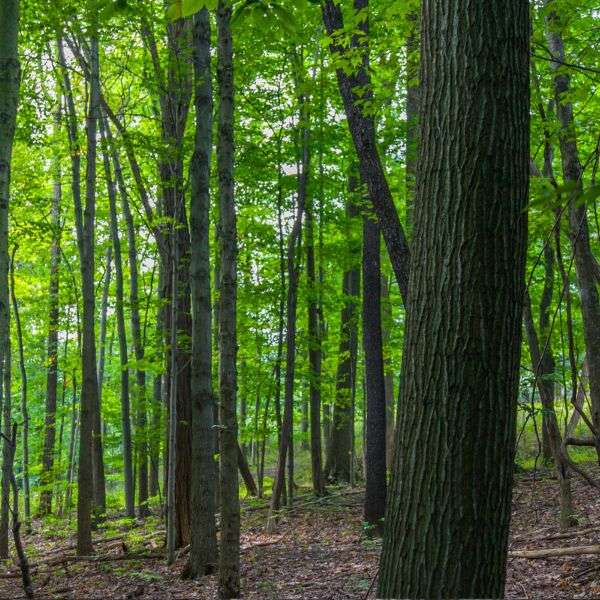
nestled along the Cuyahoga River boasts beautiful landscapes, diverse wildlife, and historic landmarks
Fast Facts
Location
Ohio
Established in
2000
Established by
President Bill Clinton
Size
51 sq. miles
Known For
- Scenic beauty, featuring lush forests, rolling hills, and the winding Cuyahoga River
- The historic Ohio & Erie Canal Towpath Trail offering scenic hiking and biking routes
- Popular recreational activities such as hiking, biking, birdwatching, and scenic train rides
History
Natural History and Formation
Cuyahoga Valley National Park's geological history reflects millions of years of sediment deposition, erosion, glacial activity, and river processes that have shaped the landscape of northeastern Ohio.
Ancient Seas and Sedimentary Rocks: Much of the bedrock beneath Cuyahoga Valley National Park formed hundreds of millions of years ago when the region was covered by ancient seas. Layers of sediment accumulated on the seafloor and were eventually compacted and cemented into sedimentary rocks, including sandstone, shale, and conglomerate.
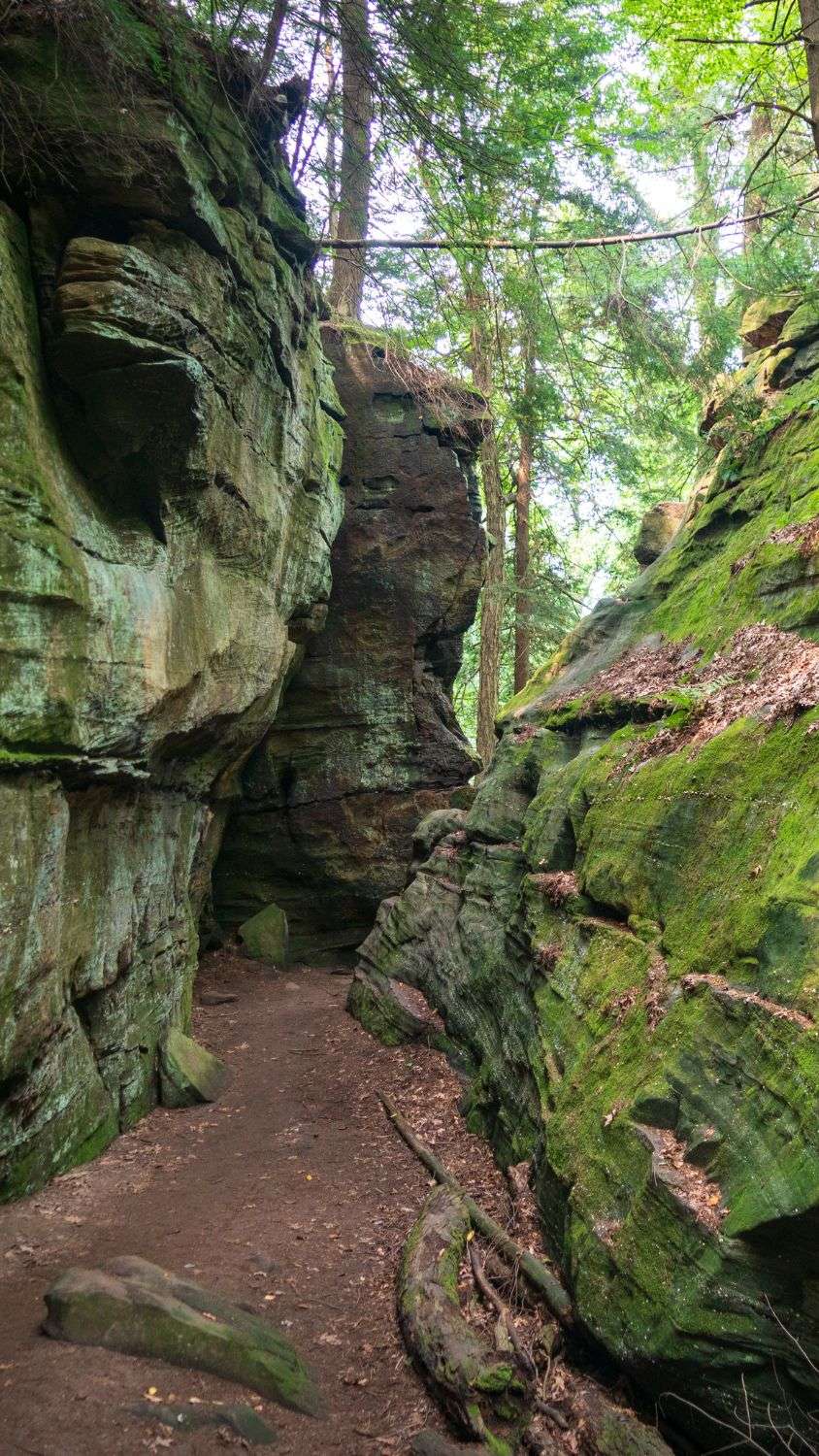
Bedrock Formation: The park's prominent sandstone formations, such as those found at places like Brandywine Falls and the Ledges, are remnants of ancient river and coastal environments. Differences in the hardness and resistance of these rock layers have played an important role in shaping the park's cliffs, ledges, and waterfalls.
Glaciation: During the Pleistocene Epoch, continental glaciers advanced into northeastern Ohio. Although the glaciers did not cover every part of the present-day park, their movement and melting influenced the surrounding landscape. Glacial deposits and altered drainage patterns contributed to the development of the modern valley.
Cuyahoga River: The Cuyahoga River has been one of the most important forces shaping the park's landscape. Over thousands of years, flowing water eroded the bedrock and sediments, gradually carving and deepening the valley. The river continues to transport sediment and modify the landscape today.
Waterfalls and Ravines: The interaction between resistant sandstone layers and softer underlying rocks has produced many of the park's distinctive waterfalls, gorges, and ravines. Brandywine Falls and Blue Hen Falls are examples of landforms created through long-term erosion by flowing water.
Post-Glacial Development: Following the retreat of the glaciers, vegetation gradually colonized the landscape, while streams continued to erode and reshape the valley. Soil development, weathering, landslides, and seasonal flooding have continued to modify the terrain throughout the Holocene Epoch.
Human Influence: Human activities have also affected the landscape. Mining, quarrying, farming, settlement, and construction of the Ohio & Erie Canal altered portions of the valley. Today, remnants of these activities form an important part of the park's cultural landscape.
Overall, Cuyahoga Valley National Park's geology is the product of ancient seas, sedimentary rock formation, glacial processes, and ongoing erosion. Together, these forces created the cliffs, waterfalls, ravines, forests, and river valley that characterize the park today.
Native History
The Native American history of Cuyahoga Valley National Park spans thousands of years, reflecting a long relationship between Indigenous peoples and the forests, rivers, wetlands, and valleys of northeastern Ohio.
Early Indigenous Peoples: Archaeological evidence indicates that Indigenous peoples have lived in and traveled through the Cuyahoga Valley for thousands of years. Early communities hunted game, gathered wild plants, fished in the Cuyahoga River, and used the valley's natural resources for food, tools, shelter, and other materials.
Archaic and Woodland Periods: Over time, Indigenous societies developed increasingly sophisticated technologies and social systems. During the Woodland Period, communities practiced agriculture, produced pottery, developed extensive trade networks, and constructed ceremonial and burial sites throughout the region.
Adena and Hopewell Traditions: The broader Ohio region was an important center for the Adena and Hopewell cultural traditions. These peoples are especially known for constructing elaborate earthworks, ceremonial structures, and burial mounds. Their activities demonstrate the cultural and spiritual importance of the landscape long before European settlement.
Historic Indigenous Nations: Before and during the period of European colonization, several Indigenous nations had connections to northeastern Ohio and the Cuyahoga Valley. These included the Erie, Wyandot, Seneca, and other peoples who used the region for hunting, travel, trade, and settlement.
Cuyahoga River and Trade: The Cuyahoga River served as an important natural transportation corridor. Indigenous peoples used the river and surrounding trails to travel between communities and to exchange food, tools, animal products, and other goods with neighboring groups.
European Contact and Displacement: European exploration and settlement brought profound changes to Indigenous communities. Epidemic diseases, warfare, changing political boundaries, treaties, and increasing pressure from European-American settlement contributed to the displacement of Native peoples from their ancestral lands.
Removal and Relocation: During the 18th and 19th centuries, many Indigenous peoples were forced to relocate westward as the United States expanded into Ohio and surrounding territories. These policies disrupted established communities and severed many traditional connections to the landscape.
Contemporary Connections: Indigenous peoples continue to maintain cultural, historical, and ancestral connections to the Cuyahoga Valley and northeastern Ohio. Descendant communities and tribal nations remain important partners in understanding and interpreting the region's Indigenous history.
Cultural Preservation: Today, archaeological research, historical interpretation, and collaboration with Native American communities help preserve the Indigenous heritage of Cuyahoga Valley National Park. Recognizing Indigenous perspectives provides a more complete understanding of the valley's long and continuing human history.
Preservation
The preservation history of Cuyahoga Valley National Park reflects decades of grassroots activism, community involvement, and efforts to protect the valley from development and environmental degradation.
Early Preservation Efforts: Concerns about the effects of industrialization, urban development, and pollution in the Cuyahoga Valley emerged during the 20th century. Local conservationists, community organizations, and regional park authorities recognized the valley's importance as a natural and recreational resource and advocated for its protection.
Creation of Cuyahoga Valley National Recreation Area: In 1974, Congress established the Cuyahoga Valley National Recreation Area. The designation protected important natural, scenic, and historic resources while providing recreational opportunities for the large populations of Cleveland and Akron nearby.
Restoration and Land Acquisition: After the recreation area was established, the National Park Service and its partners worked to acquire and restore additional lands. Former farms, forests, wetlands, and other disturbed areas were gradually incorporated into the protected landscape, helping reconnect habitats and restore ecological processes.
Protection of Cultural Resources: Preservation efforts have also focused on the valley's rich cultural heritage. Historic structures, canal-era resources, farms, railroads, and other remnants of the region's past are protected and interpreted as important parts of the park's history.
National Park Designation: In 2000, Congress redesignated Cuyahoga Valley National Recreation Area as Cuyahoga Valley National Park. The new designation recognized the national significance of the valley's natural, scenic, recreational, and cultural resources and strengthened its identity within the National Park System.
Environmental Restoration: The National Park Service has undertaken numerous restoration projects to improve water quality, restore wetlands and forests, control invasive species, and protect native wildlife. These efforts have helped restore portions of the Cuyahoga River and surrounding ecosystems that were historically affected by industrialization and development.
Partnerships and Community Involvement: Conservation in Cuyahoga Valley depends heavily on partnerships with local governments, nonprofit organizations, volunteers, universities, and nearby communities. Organizations such as the Conservancy for Cuyahoga Valley National Park have supported restoration, education, trail development, and preservation projects.
Continued Conservation: Today, Cuyahoga Valley National Park continues to balance conservation with recreation in a heavily populated region. Ongoing efforts focus on protecting forests, waterways, wildlife, historic resources, and scenic landscapes while providing opportunities for visitors to experience and learn about the valley.
Overall, the preservation history of Cuyahoga Valley National Park demonstrates how community activism and long-term conservation efforts can transform a landscape threatened by development into a protected national treasure for future generations.
Future Preservation
Preserving Cuyahoga Valley National Park for future generations presents several challenges that require ongoing conservation, management, and cooperation among the National Park Service, local communities, and other partners.
Urbanization and Development Pressure: Because the park is surrounded by the metropolitan areas of Cleveland and Akron, development and infrastructure projects outside the park can affect wildlife habitats, water quality, and ecological connectivity. Maintaining connections between protected areas while accommodating the needs of surrounding communities remains an important challenge.
Water Quality and Pollution: The Cuyahoga River and its tributaries have a long history of pollution associated with industrialization and urban development. Although water quality has improved significantly, runoff, erosion, contaminants, and other pollutants continue to require monitoring and management.
Invasive Species: Invasive plants and animals can threaten native biodiversity by competing with native species and altering habitats. Species such as garlic mustard, Japanese knotweed, and invasive shrubs require continued monitoring, removal, and habitat restoration.
Climate Change: Rising temperatures, changing precipitation patterns, flooding, drought, and more frequent extreme weather events may affect forests, wetlands, streams, wildlife, and historic structures. Adapting management practices to changing environmental conditions is increasingly important.
Visitor Impacts: Cuyahoga Valley is located near major population centers and receives substantial visitation. Hiking, biking, horseback riding, and other recreational activities can contribute to trail erosion, vegetation damage, soil compaction, wildlife disturbance, and impacts on sensitive habitats. Managing recreation while maintaining public access is an ongoing challenge.
Habitat Fragmentation: Roads, railways, residential development, and other infrastructure surrounding the park can fragment habitats and restrict wildlife movement. Protecting ecological corridors and working with neighboring landowners can help maintain connectivity across the broader landscape.
Cultural Resource Protection: The park contains historic buildings, canal features, archaeological resources, farms, and other cultural sites. Protecting these resources from deterioration, flooding, vandalism, and other threats requires regular maintenance, research, and careful management.
Funding and Staffing: Adequate funding and staffing are necessary to maintain trails and facilities, monitor ecosystems, manage invasive species, protect cultural resources, and provide visitor services. Limited resources can make it difficult to address all conservation and maintenance needs.
Balancing Conservation and Recreation: One of the park's central challenges is providing opportunities for people to enjoy the valley while protecting its natural and cultural resources. Effective visitor education, sustainable trail design, habitat restoration, and careful planning can help balance recreation with long-term conservation.
Addressing these challenges requires collaboration among the National Park Service, local governments, nonprofit organizations, scientists, volunteers, Indigenous communities, and surrounding residents. Through research, restoration, education, and adaptive management, Cuyahoga Valley National Park can continue to protect its unique natural and cultural heritage for future generations.
Geography
Cuyahoga Valley National Park, located in northeastern Ohio, encompasses a diverse landscape shaped by the Cuyahoga River, glacial activity, and centuries of human use. The park features rolling hills, deep wooded valleys, scenic waterfalls, wetlands, and winding waterways, creating a rich mosaic of natural habitats. Historic farms, forests, meadows, and remnants of the Ohio & Erie Canal add important cultural and historical character to the landscape. Together, these natural and cultural features make Cuyahoga Valley National Park a unique protected area where visitors can experience the beauty, history, and ecological diversity of the Midwest.
River Valley
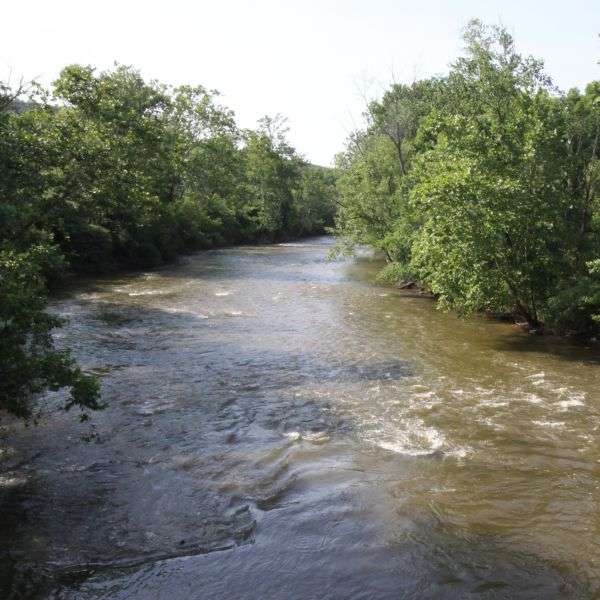
The Cuyahoga River, which gives the park its name, meanders through the center of the valley, carving out a scenic corridor bordered by forested hillsides and rocky bluffs. The river valley is characterized by fertile floodplains, wetlands, and riparian habitats that support diverse wildlife.
Rolling Hills and Ravines
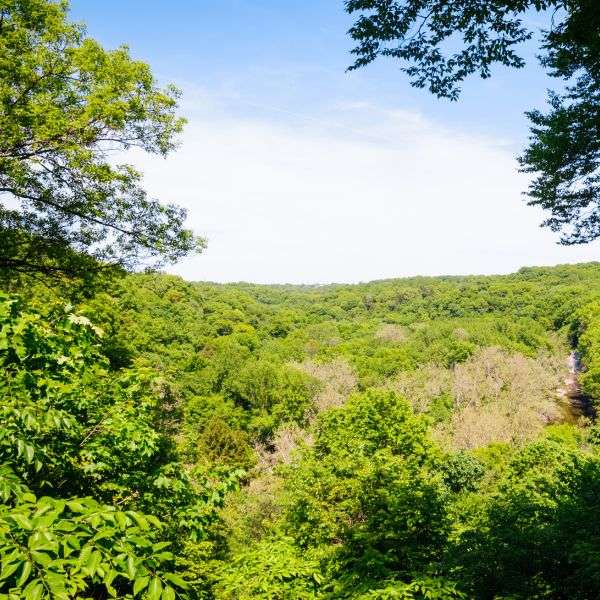
The surrounding terrain features rolling hills, deep ravines, and rugged escarpments formed by glacial and erosional processes. These landforms provide opportunities for hiking, scenic overlooks, and recreational activities.
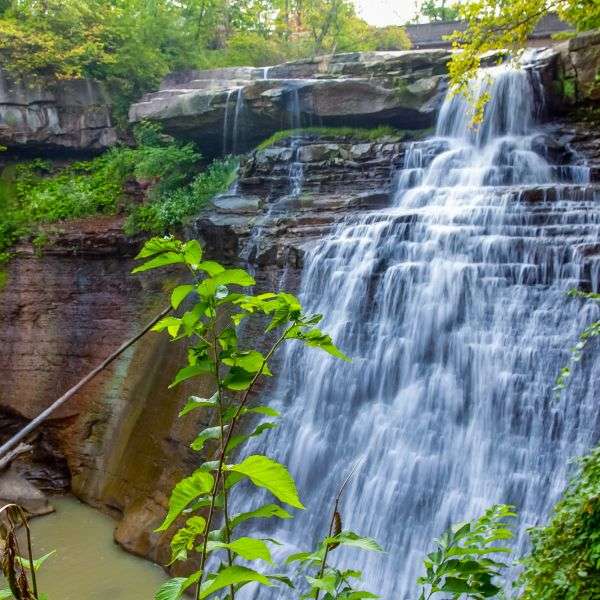
Waterfalls and Streams
Within the park, visitors can discover several picturesque waterfalls, including Brandywine Falls, Blue Hen Falls, and Buttermilk Falls, which cascade over rocky ledges and enhance the natural beauty of the landscape. Numerous streams and tributaries feed into the Cuyahoga River, contributing to its flow and ecological diversity.
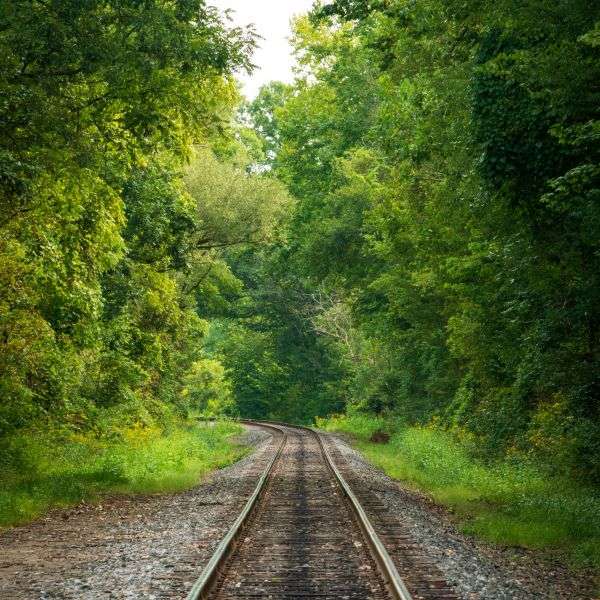
Forest and Woodlands
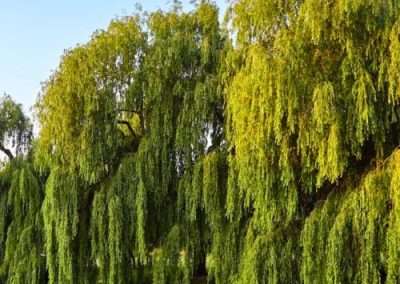
Cuyahoga Valley National Park is predominantly forested, with a mix of deciduous and coniferous trees covering much of the area. Oak, maple, beech, and hickory trees are common in the upland forests, while wetland areas support species such as red maple, sycamore, and willow.
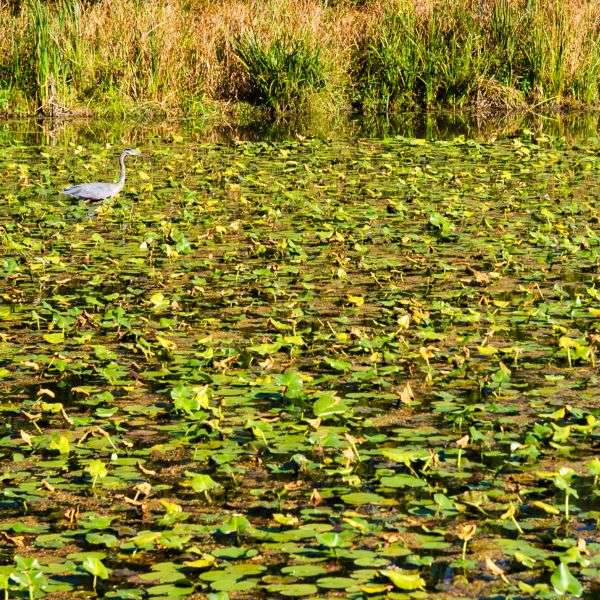
Wetlands and Marshes
The park contains several wetland ecosystems, including marshes, swamps, and bogs, which provide important habitat for waterfowl, amphibians, and other aquatic species. These wetlands also play a crucial role in flood control, water purification, and biodiversity conservation.
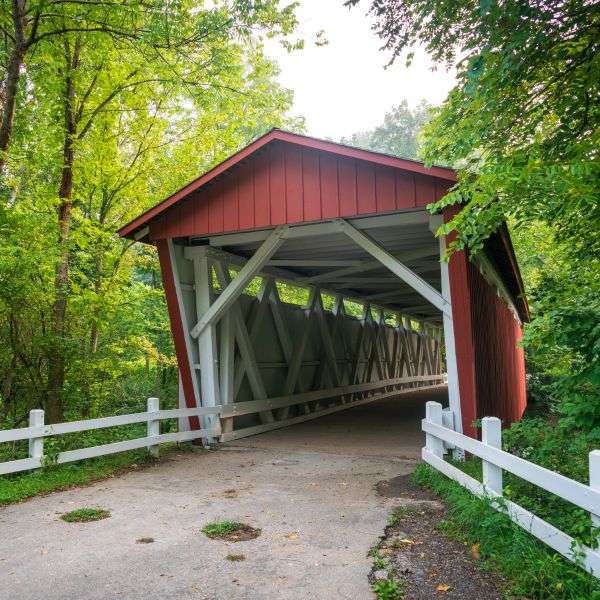
Cultural Landmarks
In addition to its natural features, Cuyahoga Valley National Park is home to numerous historic sites and cultural landmarks, including remnants of the Ohio & Erie Canal, old farmsteads, and Native American archaeological sites, reflecting the area's human history and heritage.
Plants
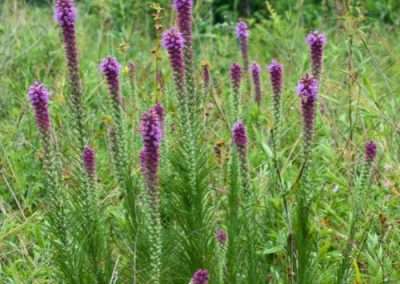
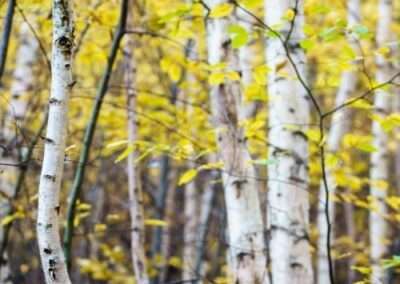
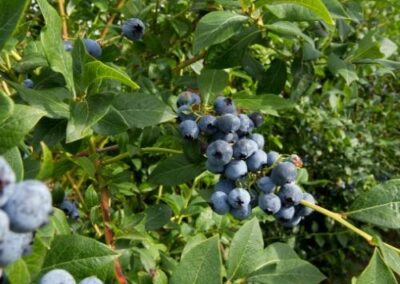
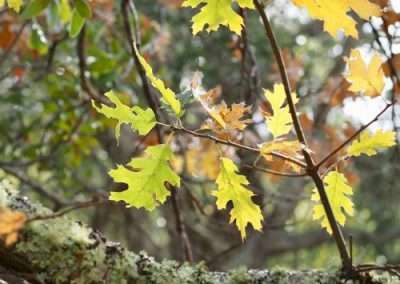
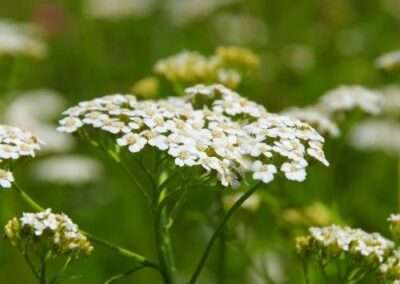
Cuyahoga Valley National Park, located between Cleveland and Akron in northeastern Ohio, supports a diverse array of plant life across its forests, wetlands, meadows, and river valleys. The park's forests are dominated by species such as sugar maple, red maple, oak, hickory, and tulip poplar, while areas along the Cuyahoga River and its tributaries support moisture-loving trees, shrubs, and herbaceous plants. Spring wildflowers add vibrant color to the forest floor, while open meadows provide habitat for grasses, flowering plants, and pollinators. These varied plant communities contribute to the park's biodiversity, stabilize soils, protect waterways, and provide essential food and shelter for wildlife.


Animals
Mammals
Cuyahoga Valley National Park is home to a diverse array of mammal species, ranging from small rodents to large carnivores. The park's forests, wetlands, meadows, and waterways provide important habitats for a wide variety of mammals, many of which play essential roles in the park's ecosystems.
White-tailed Deer (Odocoileus virginianus): White-tailed deer are common throughout Cuyahoga Valley National Park and can be found in forests, meadows, and woodland edges. They are important herbivores that influence vegetation through their browsing activities.
Eastern Gray Squirrel (Sciurus carolinensis): Eastern gray squirrels are abundant in the park's forests and wooded areas. They forage for nuts, seeds, fruits, and other plant material and often store food for later use.
Eastern Cottontail Rabbit (Sylvilagus floridanus): Eastern cottontails inhabit meadows, grasslands, forest edges, and brushy areas throughout the park. They feed primarily on grasses, leaves, and other vegetation and serve as an important prey species for predators.
Eastern Chipmunk (Tamias striatus): Eastern chipmunks are small, active rodents commonly found in forests, rocky areas, and along woodland edges. Their distinctive stripes make them easy to recognize as they forage for seeds, nuts, fruits, and insects.
Eastern Coyote (Canis latrans): Coyotes inhabit a variety of habitats within Cuyahoga Valley National Park, including forests, meadows, and wetlands. They are adaptable predators that feed on small mammals, birds, reptiles, insects, and other available food sources.
Raccoon (Procyon lotor): Raccoons are common nocturnal mammals that inhabit forests, wetlands, and areas near streams and rivers. As opportunistic omnivores, they consume fruits, insects, small animals, aquatic organisms, and other available foods.
Striped Skunk (Mephitis mephitis): Striped skunks are nocturnal mammals found in forests, fields, meadows, and woodland edges. They use their strong-smelling defensive spray to deter predators and feed on insects, small animals, fruits, and other foods.
Eastern Red Fox (Vulpes vulpes): Eastern red foxes inhabit forests, fields, meadows, and other open habitats within and around the park. They are adaptable predators and scavengers that feed on small mammals, birds, insects, fruits, and other available foods.
American Beaver (Castor canadensis): American beavers inhabit the park's rivers, streams, ponds, and wetlands. By building dams and lodges, they create and modify wetland habitats that provide important resources for fish, amphibians, birds, and other wildlife.
North American River Otter (Lontra canadensis): River otters are semi-aquatic mammals associated with the Cuyahoga River and other waterways. They are excellent swimmers and feed primarily on fish, crayfish, amphibians, and other aquatic prey.
Virginia Opossum (Didelphis virginiana): Virginia opossums are adaptable nocturnal mammals that can live in forests, wetlands, and areas near human development. They are omnivores and consume insects, fruits, small animals, carrion, and other foods.
American Mink (Neogale vison): American mink are semi-aquatic mammals associated with streams, rivers, ponds, and wetlands. They are skilled swimmers and predators that feed on fish, amphibians, crayfish, small mammals, and birds.
Reptiles
Cuyahoga Valley National Park is home to a diverse array of reptile species, including snakes, turtles, and lizards. Although reptiles are generally less commonly observed than mammals or birds, they play important roles in the park's forests, wetlands, meadows, and waterways.
Eastern Garter Snake (Thamnophis sirtalis): Garter snakes are among the most widespread and commonly encountered snakes in North America, including within Cuyahoga Valley National Park. They are non-venomous and feed primarily on amphibians, small rodents, and insects.
Eastern Box Turtle (Terrapene carolina carolina): Eastern box turtles are terrestrial turtles commonly found in wooded areas and meadows within the park. They are easily recognized by their domed shells and hinged plastrons, which allow them to retract completely into their shells for protection.
Eastern Milk Snake (Lampropeltis triangulum triangulum): Milk snakes are non-venomous constrictors that inhabit a variety of habitats, including forests, fields, and rocky outcrops. They are known for their vibrant coloration, which consists of reddish-brown blotches on a light background.
Northern Watersnake (Nerodia sipedon): Watersnakes are semi-aquatic snakes commonly found near streams, ponds, and wetland areas within the park. They are excellent swimmers and feed primarily on fish, amphibians, and small mammals.
Eastern Fence Lizard (Sceloporus undulatus): Fence lizards are commonly found in rocky, wooded areas within the park. They are small, agile lizards known for their ability to climb trees and other vertical surfaces.
Northern Red-bellied Snake (Storeria occipitomaculata occipitomaculata): Red-bellied snakes are small, non-venomous snakes commonly found in forested habitats and grassy meadows within the park. They are secretive and primarily feed on earthworms and other invertebrates.
Common Snapping Turtle (Chelydra serpentina): Snapping turtles are large, aquatic turtles commonly found in ponds, streams, and wetlands within the park. They are known for their powerful jaws and defensive behavior when threatened.
Eastern Painted Turtle (Chrysemys picta): Painted turtles are small to medium-sized aquatic turtles commonly found in ponds, lakes, and slow-moving streams within the park. They are easily recognized by their colorful, patterned shells and yellow markings on their heads and legs.
Birds
Cuyahoga Valley National Park is a haven for birdwatchers, offering a diverse range of habitats that attract a rich variety of bird species throughout the year. The park's forests, wetlands, rivers, meadows, and open areas provide important habitat for resident, migratory, and breeding birds.
Bald Eagle (Haliaeetus leucocephalus): Bald eagles can be spotted soaring over the Cuyahoga River and its tributaries within the park. Their populations have rebounded following major conservation efforts, making sightings increasingly common.
Great Blue Heron (Ardea herodias): These majestic wading birds are frequently seen along the banks of rivers, ponds, and streams within the park, where they patiently hunt for fish and other aquatic prey. They are recognizable by their long necks, dagger-like bills, and blue-gray plumage.
Woodpeckers: Cuyahoga Valley National Park is home to several species of woodpeckers, including the downy woodpecker, hairy woodpecker, red-bellied woodpecker, and pileated woodpecker. These birds can often be heard drumming on trees and searching for insects beneath bark.
Songbirds: The park is filled with the songs of numerous songbirds, especially during the breeding season. Common species include the American robin, eastern bluebird, northern cardinal, tufted titmouse, Carolina wren, and black-capped chickadee.
Warblers: Cuyahoga Valley National Park is an excellent destination for observing warblers during spring and fall migration. Species such as the yellow warbler, black-throated green warbler, magnolia warbler, and Blackburnian warbler may be spotted in the park's woodlands.
Waterfowl: The park's ponds, wetlands, and marshes attract a variety of waterfowl, including mallards, wood ducks, Canada geese, and hooded mergansers. During migration, visitors may also encounter tundra swans and various species of dabbling and diving ducks.
Raptors: In addition to bald eagles, the park supports a variety of birds of prey, including red-tailed hawks, Cooper's hawks, sharp-shinned hawks, and turkey vultures. These raptors can often be seen soaring overhead or perched in trees while searching for prey.
Owls: Several owl species inhabit the park, including the barred owl, great horned owl, eastern screech-owl, and occasionally the elusive northern saw-whet owl. These primarily nocturnal birds are more often heard than seen, particularly during the evening and nighttime hours.
Fish
Cuyahoga Valley National Park contains a variety of aquatic habitats, including streams, rivers, ponds, and wetlands, which support diverse fish populations. These waterways provide important habitat for both native and introduced fish species.
Smallmouth Bass (Micropterus dolomieu): Smallmouth bass are native to eastern North America and are commonly found in the park's rivers and streams. They are prized by anglers for their fighting ability and are often targeted for catch-and-release fishing.
Rock Bass (Ambloplites rupestris): Rock bass are common sportfish found in the park's rivers and streams. They are closely related to smallmouth and largemouth bass and are known for their aggressive feeding behavior.
Brown Trout (Salmo trutta): Brown trout are a prized game fish that were introduced to North America from Europe. They can be found in the park's cold, clear streams and are often targeted by fly fishermen.
Rainbow Trout (Oncorhynchus mykiss): Rainbow trout are native to western North America but have been widely introduced for sport fishing. They can be found in the park's streams and rivers and may be stocked in suitable waters.
Brook Trout (Salvelinus fontinalis): Brook trout are native to eastern North America and are valued for their striking coloration and preference for cold, clean water. They can be found in suitable headwater streams and tributaries.
Common Carp (Cyprinus carpio): Common carp are non-native fish that can be found in the park's lakes, ponds, and slow-moving rivers. They can disturb aquatic habitats while feeding and may compete with native species.
Channel Catfish (Ictalurus punctatus): Channel catfish are native to North America and inhabit larger rivers, lakes, and other waterways. They are popular with anglers and are known for their whisker-like barbels and opportunistic feeding habits.
Bluegill (Lepomis macrochirus): Bluegill are common sunfish found in ponds, lakes, and slow-moving streams. They feed on insects, small invertebrates, and other aquatic organisms and are frequently caught by recreational anglers.
Amphibians
Cuyahoga Valley National Park provides habitat for a variety of amphibians, which are typically found near streams, wetlands, ponds, forests, and other water sources. These amphibians play important roles in the park's ecosystems as both predators and prey.
American Toad (Anaxyrus americanus): American toads are widespread in eastern North America and can be found in a variety of habitats within the park, including woodlands, meadows, and wetlands. They are known for their distinctive warty skin and loud trilling calls during the breeding season.
Spring Peeper (Pseudacris crucifer): Spring peepers are small tree frogs that are commonly heard but not often seen in the park. Their high-pitched calls are especially noticeable on warm spring evenings near wetlands, ponds, and marshes.
Gray Treefrog (Hyla versicolor): Gray treefrogs are arboreal frogs found in forested areas within the park. They are excellent climbers and can change color to blend with their surroundings. Their distinctive calls are often heard during the breeding season.
Green Frog (Lithobates clamitans): Green frogs are aquatic frogs commonly found in ponds, wetlands, and slow-moving streams. They are known for their deep calls, which are often compared to the sound of a plucked banjo string.
Northern Leopard Frog (Lithobates pipiens): Northern leopard frogs are semi-aquatic frogs that inhabit wetlands, marshes, ponds, and stream banks. They are recognizable by the dark spots on their backs and are known for their distinctive calls.
Eastern Spadefoot Toad (Scaphiopus holbrookii): Eastern spadefoot toads are secretive, burrowing amphibians that may occur in suitable sandy or loamy habitats. They have specialized digging structures on their hind feet that help them burrow underground during dry conditions.
Wood Frog (Lithobates sylvaticus): Wood frogs inhabit forested areas and temporary wetlands within the park. They are remarkably tolerant of cold temperatures and are often among the first amphibians to become active in early spring. They can be identified by the dark mask-like markings around their eyes.
Eastern Newt (Notophthalmus viridescens): Eastern newts inhabit ponds, wetlands, and forested areas throughout their life cycle. They pass through aquatic and terrestrial stages and play an important role in the park's freshwater food webs.
"The Cuyahoga River was once the symbol of environmental degradation, but now it’s a shining example of how a community can turn things around."
- Secretary of the Interior Ken Salazar
Cuyahoga Valley National Park is a national treasure that preserves and celebrates the beauty of nature in the heart of Ohio."
- Senator Sherrod Brown
Explore More With Us
Stay updated on National Parks EDU resources, park news, community updates, and and ways to explore, and protect.

National Parks Edu's mission is to help kids and families understand what makes these places so important. Because when you learn about nature, you start to care about protecting it.
National Parks EDU is an independent educational website and is not affiliated with, endorsed by, sponsored by, or officially connected to the National Park Service (NPS) or the U.S. government. © National Parks EDU. All Rights Reserved. October 18, 2026