Crater Lake
National Park
Oregon
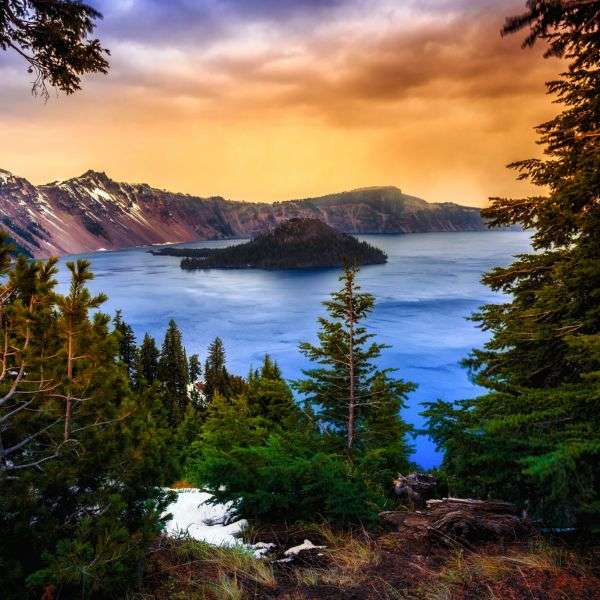
renowned for its stunningly deep and intensely blue caldera lake, set within a pristine wilderness
Fast Facts
Location
in the Cascade mountain range of Oregon
Established in
1902
Established by
President Theodore Roosevelt
Size
286 sq. miles
Known For
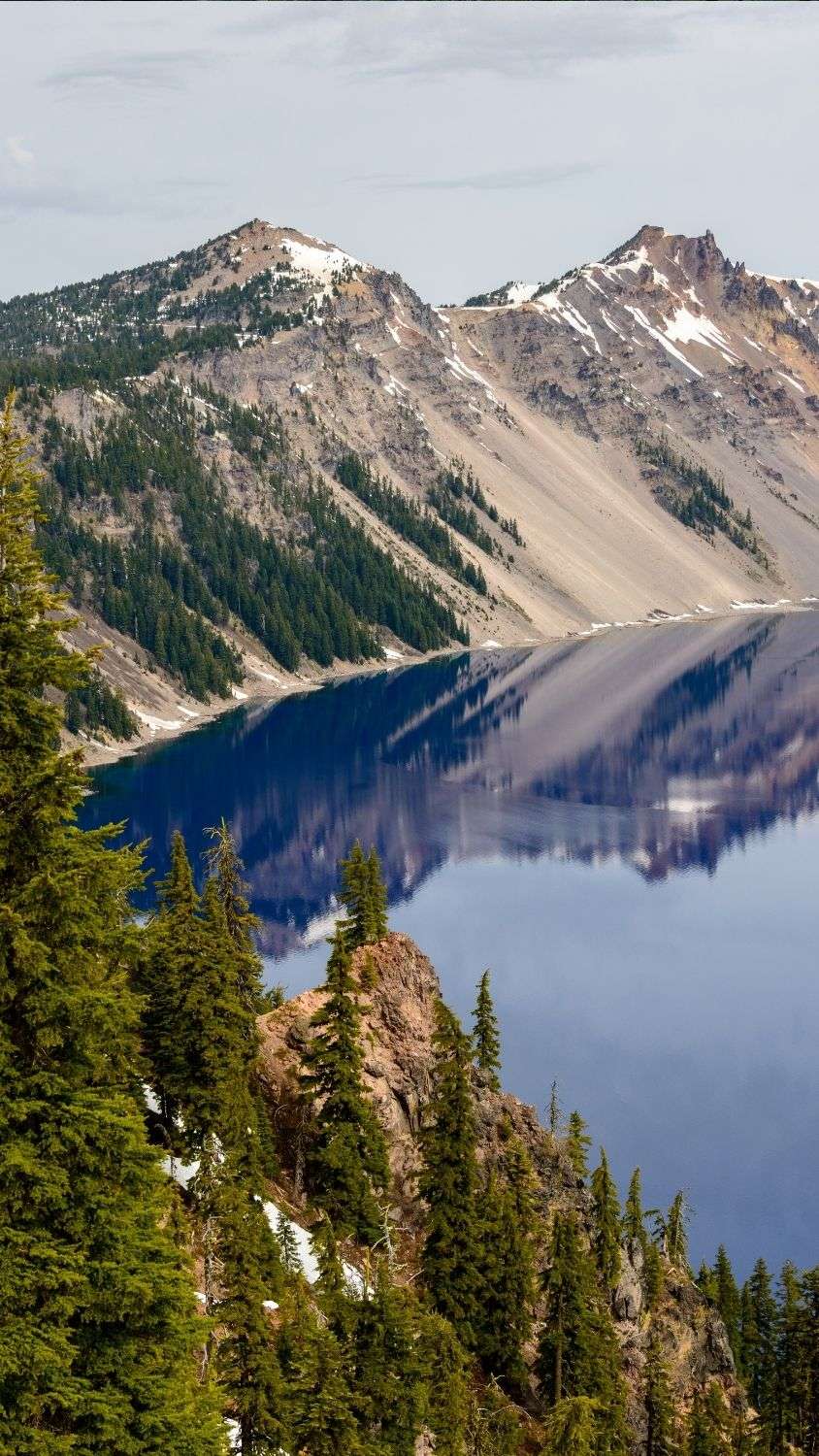
- Crater Lake National Park is renowned for its breathtaking crater lake, which is the deepest lake in the United States and the ninth deepest in the world
- Within Crater Lake, Wizard Island stands out as a cinder cone that rises prominently from the lake's surface
- The clarity of Crater Lake, a result of its pristine water source, with little inflow of sediments or pollutants, creates a mesmerizing and vivid blue hue
History
Natural History and Formation
The formation of Crater Lake is a geological story that dates back thousands of years and involves a catastrophic volcanic event.
Volcanic Activity: The story begins with the volcanic activity of Mount Mazama, a stratovolcano located in what is now southern Oregon. Mount Mazama was a massive peak, towering over the surrounding landscape.
Eruption and Collapse: Around 7,700 years ago, Mount Mazama experienced a series of explosive eruptions. These eruptions released vast amounts of volcanic ash, pumice, and lava. The eruption was so powerful that it emptied the magma chamber beneath the volcano, causing the summit to collapse.
Caldera Formation: The collapse of Mount Mazama resulted in the formation of a large caldera, a basin-like depression. This caldera measured roughly 5 to 6 miles in diameter. The collapse was not a single event but occurred in stages as the volcano expelled immense volumes of volcanic material.
Filling with Water: Over time, rainwater and snowmelt gradually filled the caldera, forming what we now know as Crater Lake. The absence of any outlets or inlets meant that the lake's water source was solely precipitation.
Hydrological Balance: Crater Lake's water level is maintained through a balance of precipitation and evaporation. The lake is renowned for its clarity, which is a result of the lack of incoming streams and rivers that would carry sediments into the water.
Hydrothermal Activity: While not as active as it once was, hydrothermal activity still occurs at Crater Lake. Subsurface hot springs contribute to the lake's unique chemistry and may have played a role in preventing the lake from freezing over in winter.
Native History
Crater Lake holds significant cultural and spiritual importance for Native American tribes, primarily the Klamath people, whose ancestral lands encompass the region where the park is situated. According to Klamath tribal legends, the creation of Crater Lake is tied to a fierce battle between the sky god, Skell, and the spirit of the underworld, Llao. When Mount Mazama erupted, it is believed that the battle resulted in the formation of the caldera, which later filled with water to become Crater Lake.
For the Klamath people, Crater Lake is considered a sacred site, and it plays a central role in their cultural and spiritual traditions. They have historically conducted vision quests and other ceremonial activities in the area, seeking guidance and connecting with the spiritual essence of the lake. The Klamath have shared their stories and rituals associated with Crater Lake, passing down their cultural heritage from generation to generation.
Like many Native American tribes, the Klamath faced challenges during the European colonization of North America. They experienced changes in their traditional lifestyles, loss of territory, and cultural disruptions. Despite these challenges, the Klamath people have maintained their cultural identity and continue to celebrate their heritage.
The park collaborates with local tribes to preserve and share the Native American history and cultural significance of Crater Lake. Interpretive programs and exhibits aim to honor the connection between the indigenous peoples and the land, acknowledging their deep-rooted relationship with this majestic natural wonder.
Preservation
Crater Lake National Park has a rich history of preservation efforts that date back to the late 19th century.
Discovery and Proposal for Protection: Crater Lake was "discovered" by non-indigenous Americans in 1853, and its stunning beauty and unique features garnered attention. In 1885, William Gladstone Steel, a young journalist, became captivated by the lake. Recognizing the need to preserve this natural wonder, Steel began advocating for its protection as a national park.
Crater Lake National Park Established: On May 22, 1902, President Theodore Roosevelt signed a bill into law, establishing Crater Lake National Park. This designation marked the fifth national park in the United States and the only one in the state of Oregon at that time.
Road and Rim Village Development: In an effort to make the park more accessible to visitors, a road to the rim was completed in 1915. Rim Village, which includes the iconic Crater Lake Lodge, was developed to accommodate tourists and enhance their experience while minimizing the impact on the natural environment.
1938: Collaborative Management with Civilian Conservation Corps (CCC): During the Great Depression, the Civilian Conservation Corps played a crucial role in developing park infrastructure and facilities. The CCC worked on projects such as trail construction, campground development, and erosion control, contributing significantly to the park's preservation efforts.
1967: Wilderness Designation: A significant portion of Crater Lake National Park was designated as wilderness in 1967, ensuring the protection of its natural character and prohibiting certain types of development and activities within these designated areas.
1997: Klamath Tribe and Park Partnership: The Klamath Tribe and the National Park Service established a cooperative agreement to collaborate on the preservation and interpretation of the cultural and historical significance of Crater Lake. This partnership reflects a growing awareness and commitment to incorporating Native American perspectives in park management.
2001: Dark Sky Park Designation: Crater Lake received Dark Sky Park designation in 2001, recognizing the park's commitment to preserving natural darkness for astronomy and the appreciation of the night sky.
Future Preservation
While Crater Lake National Park has a long history of preservation, it faces several challenges that will likely shape its conservation efforts in the future.
Temperature Changes: Rising temperatures are expected to have direct impacts on the park's climate. Warmer temperatures can affect the timing of seasonal events, such as plant blooming and animal migrations, potentially disrupting ecological relationships within the park.
Snowpack Reduction: Changes in precipitation patterns and warmer temperatures may lead to a reduction in the snowpack in the surrounding mountains. Crater Lake's water source is primarily from snowmelt, and alterations in the timing and amount of snowmelt can impact the lake's water levels and overall hydrology.
Altered Hydrology: Changes in precipitation and snowmelt patterns can influence the hydrology of the park, affecting streamflow and the water balance of Crater Lake. These changes may have cascading effects on aquatic ecosystems, including the lake's clarity and nutrient cycling.
Shifts in Vegetation Zones: Climate change may lead to shifts in vegetation zones within the park. As temperatures rise, certain plant species may migrate to higher elevations. This could have implications for the park's biodiversity, as well as for the animals that depend on specific plant communities.
Glacier Recession: Glaciers in the park, although relatively small compared to some other mountainous regions, are sensitive to changes in temperature. The recession of glaciers can affect water availability and contribute to changes in streamflow and aquatic ecosystems.
Wildfire Management: The increasing frequency and intensity of wildfires in the western United States pose a significant challenge to the park. Wildfires can threaten both human safety and the ecological integrity of the landscape. Developing and implementing effective wildfire management strategies will be crucial for preserving the park's ecosystems.
Visitor Pressure: The popularity of Crater Lake as a tourist destination brings challenges related to managing visitor impact. Increased visitation can lead to issues such as congestion, damage to trails and vegetation, and strain on park infrastructure. Balancing the desire for public access with the need for conservation will be an ongoing challenge.
Invasive Species: The introduction and spread of invasive plant and animal species can disrupt native ecosystems. Invasive species can outcompete native flora and fauna, leading to changes in biodiversity and ecosystem dynamics. Monitoring and managing invasive species will be essential for preserving the park's ecological balance.
Cultural Resource Protection: Preserving the cultural and historical significance of Crater Lake, particularly in collaboration with the Klamath Tribe, requires ongoing efforts. Ensuring that Native American perspectives are integrated into park management and interpretation is essential for the park's cultural preservation.
Limited Funding: Like many national parks, Crater Lake faces financial constraints that can affect its ability to address various preservation challenges effectively. Adequate funding is essential for managing infrastructure, conducting research, and implementing conservation initiatives.
Geography
Crater Lake National Park, located in southern Oregon, is home to one of the deepest and clearest lakes in the world, occupying the caldera of Mount Mazama, a collapsed volcano. The park's geography is defined by the stunning blue waters of Crater Lake, surrounded by towering cliffs and lush forests that provide a striking contrast to the lake's pristine surface. With its dramatic volcanic landscape, including Wizard Island and numerous hiking trails showcasing panoramic vistas, Crater Lake offers visitors a captivating glimpse into the natural wonders of the Pacific Northwest.
Crater Lake
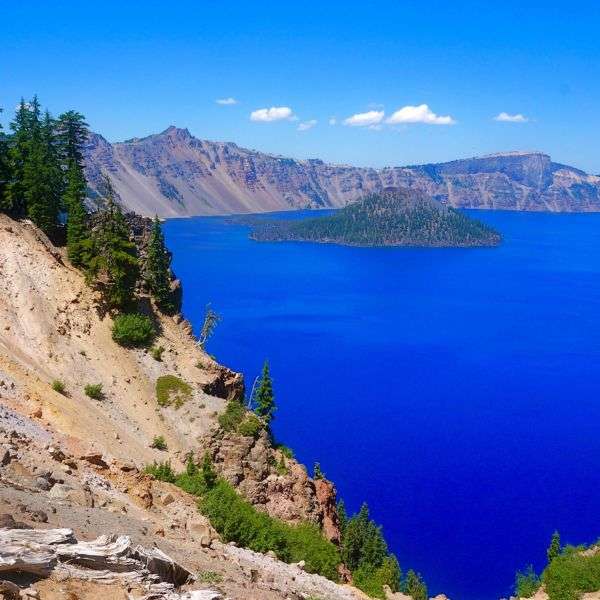
At the heart of the park is Crater Lake, which fills the caldera of Mount Mazama. The lake is the deepest in the United States and the ninth deepest in the world, with a maximum recorded depth of about 1,943 feet. The lake is known for its intense blue color and exceptional clarity, making it a breathtaking natural wonder.
Mount Mazama
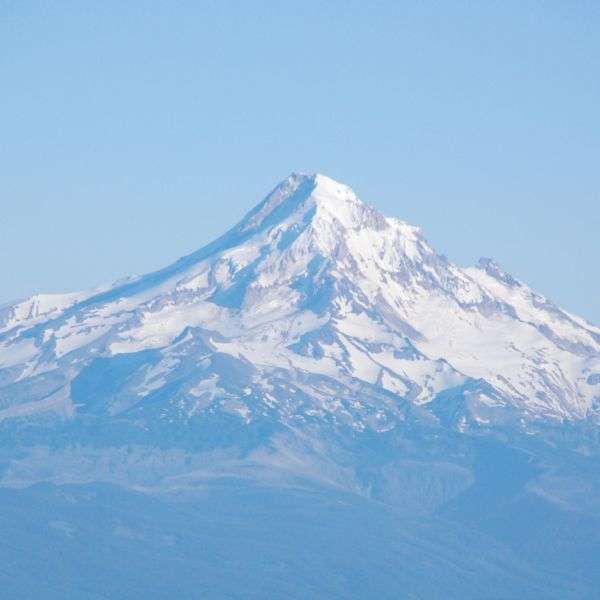
The park's dominant geological feature is Mount Mazama, a stratovolcano that collapsed approximately 7,700 years ago, forming the caldera that now houses Crater Lake. The collapse was a result of a massive eruption, and subsequent smaller eruptions occurred on the caldera floor. (The image above is of Mt.Hood, a similar landscape to what Mount Mazama looked like before the eruption and collapse.)
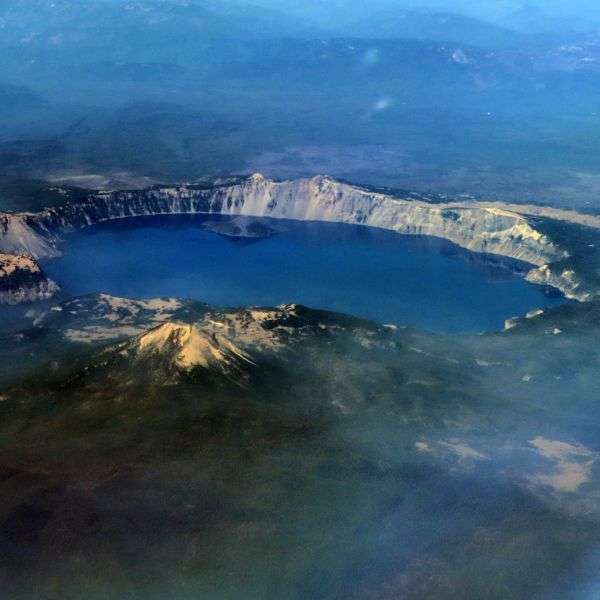
Caldera
The caldera created by the collapse of Mount Mazama is approximately 5 to 6 miles in diameter. The rim of the caldera reaches elevations of over 7,000 feet in some places. The park's famous Rim Drive provides stunning panoramic views of the caldera and the lake.
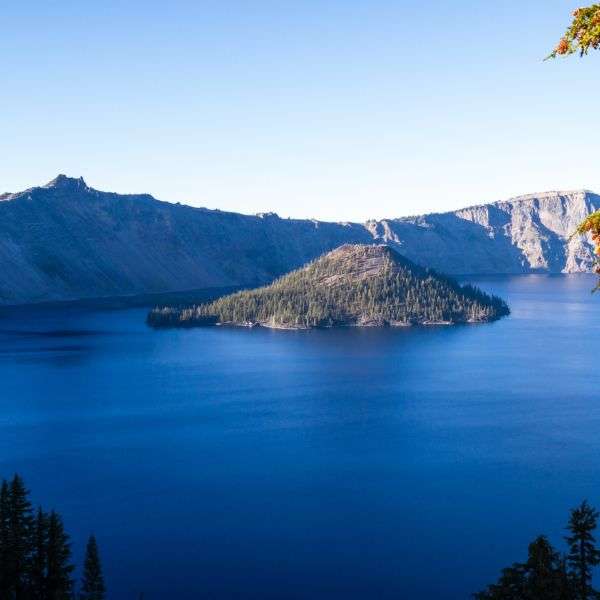
Wizard Island
Wizard Island is a cinder cone that rises from the western side of Crater Lake. It is one of the most prominent features on the lake and is accessible by boat. Visitors can explore Wizard Island, hike to its summit, and enjoy unique perspectives of the surrounding landscape.
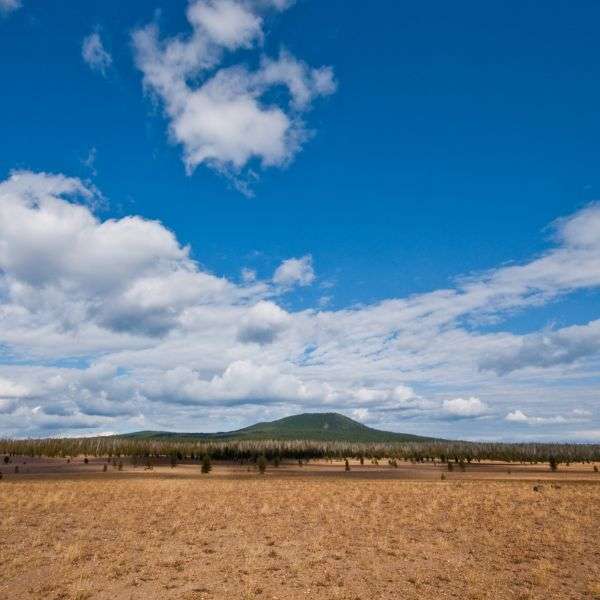
Pumice Desert
On the northern and northeastern sides of the park, there are areas known as the Pumice Desert. This landscape is covered in volcanic ash and pumice from past eruptions, creating a unique and otherworldly environment.
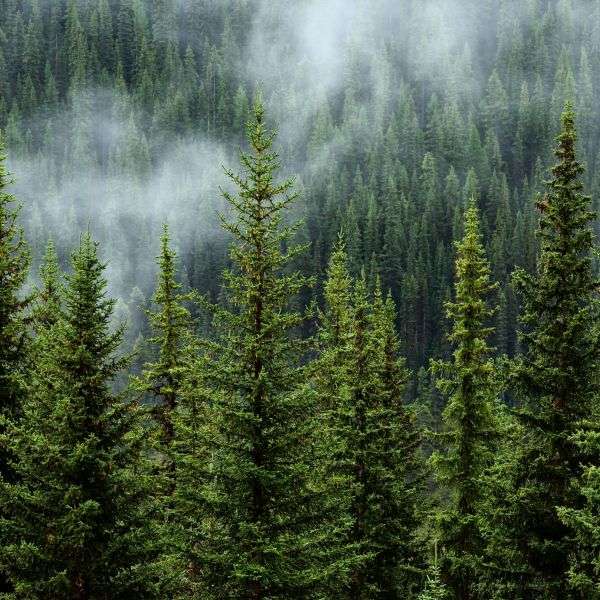
Forests
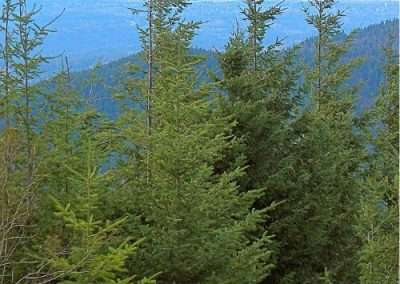
The park is surrounded by lush forests, predominantly consisting of mountain hemlock, whitebark pine, and Shasta red fir. These forests provide habitat for diverse wildlife, including birds, mammals, and other fauna.
Plants
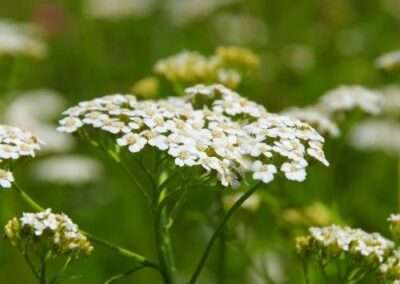
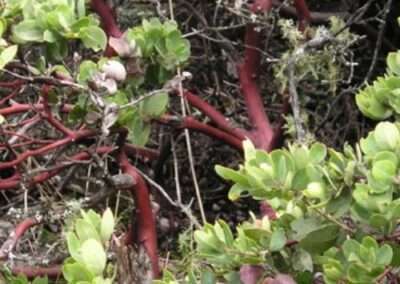
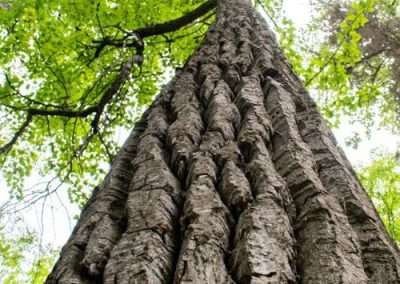
Crater Lake National Park boasts a diverse array of plant life adapted to its high-altitude volcanic environment in southern Oregon. From hardy conifers such as whitebark pine and mountain hemlock to delicate wildflowers that carpet the meadows in summer, the park's flora adds vibrancy to its rugged landscape. Despite the challenging conditions of thin soils and harsh winters, the resilient plants of Crater Lake thrive, contributing to the park's ecological richness and providing habitat for a variety of wildlife species.
Animals
Mammals
Crater Lake National Park is home to a diverse array of mammal species adapted to its varied ecosystems, including forests, meadows, and the caldera surrounding Crater Lake.
Mule Deer (Odocoileus hemionus): These large herbivores are commonly seen in the park's forests and meadows. Mule deer are known for their distinctive large ears and are often encountered by visitors.
Elk (Cervus canadensis): Elk are another species of large herbivores found in the park. They prefer open meadows and can often be spotted grazing in these areas. Elk are particularly active during the early morning and late afternoon.
Black Bear (Ursus americanus): Black bears inhabit the forests of Crater Lake National Park. They are generally shy and elusive, but visitors should exercise caution and follow proper food storage guidelines to avoid attracting bears.
Coyote (Canis latrans): Coyotes are adaptable predators that can be found throughout the park. They play a role in controlling small mammal populations and are often heard rather than seen.
Red Fox (Vulpes vulpes): Red foxes are present in the park and are known for their bushy tails and reddish fur. They are opportunistic predators, feeding on small mammals, birds, and fruits.
Bobcat (Lynx rufus): These elusive and solitary cats can be found in the park's forests. Bobcats are skilled hunters and primarily prey on small mammals like rodents and rabbits.
Pine Marten (Martes americana): Pine martens are members of the weasel family and are agile climbers. They inhabit the park's coniferous forests and feed on small mammals and birds.
Golden-mantled Ground Squirrel (Callospermophilus lateralis): These small, chipmunk-like rodents are common in the park. They are often seen foraging on the ground for seeds and nuts.
American Pika (Ochotona princeps): These small, round-bodied mammals are adapted to alpine environments. They are known for their distinctive "haystacks," where they dry grasses for winter forage.
Mountain Lion (Puma concolor): While elusive and rarely seen, mountain lions inhabit the park's wilderness areas. They are the largest cats in North America and are skilled hunters.
Reptiles
Crater Lake National Park, being in a high-elevation environment with cold winters, has limited reptile diversity compared to warmer regions. However, several reptile species inhabit the park.
Western Fence Lizard (Sceloporus occidentalis): These lizards are commonly found in the park's lower elevations. They are recognizable by their spiny scales and often bask in sunny areas.
Northwestern Garter Snake (Thamnophis ordinoides): Garter snakes are widespread in North America, and the Northwestern Garter Snake is found in the park. They inhabit a variety of habitats, including meadows and forested areas.
Western Skink (Plestiodon skiltonianus): This small lizard is characterized by smooth, shiny scales and short legs. Western skinks are found in rocky areas and open forests, where they can be observed foraging for insects.
Rubber Boa (Charina bottae): A non-venomous boa species, the rubber boa is well adapted to cooler climates. They are secretive and burrow in soil or leaf litter. They are rarely seen by visitors due to their elusive behavior.
Common Garter Snake (Thamnophis sirtalis): While not exclusive to Crater Lake, the common garter snake is found in the park's various habitats. They are often seen near water sources and feed on a variety of prey, including amphibians and small rodents.
Western Rattlesnake (Crotalus oreganus): In the lower elevations surrounding Crater Lake National Park, particularly in warmer areas, Western Rattlesnakes may be present. They are venomous pit vipers and play an important ecological role in controlling rodent populations.
Northern Alligator Lizard (Elgaria coerulea): These large lizards are found in forested areas, and they are known for their distinctive appearance and coloration. They feed on insects and small invertebrates.
Western Pond Turtle (Actinemys marmorata): In lower elevation areas with suitable aquatic habitats, Western Pond Turtles may be found. They are the only native freshwater turtles in the western United States.
Birds
Crater Lake National Park provides habitat for a variety of bird species, including both resident and migratory birds. The park's diverse ecosystems, ranging from coniferous forests to meadows and the iconic Crater Lake itself, offer suitable habitats for a wide range of avian life.
Common Raven (Corvus corax): Ravens are often seen and heard throughout the park. They are highly adaptable and can be found in a variety of habitats, including rocky slopes and open areas.
Clark's Nutcracker (Nucifraga columbiana): This bird is well adapted to high-elevation coniferous forests and is known for its ability to cache pine seeds for later consumption. Clark's Nutcrackers play a role in the regeneration of certain tree species.
Mountain Bluebird (Sialia currucoides): These striking blue birds are often seen in open meadows and grassy areas. They feed on insects and berries and are known for their vibrant plumage.
Gray Jay (Perisoreus canadensis): Also known as the whiskey jack, Gray Jays are found in the park's subalpine and alpine forests. They are known for their bold behavior and tendency to interact with visitors.
Steller's Jay (Cyanocitta stelleri): Steller's Jays are common in coniferous forests and can often be seen foraging for insects, seeds, and berries. They are known for their striking blue and black plumage.
White-crowned Sparrow (Zonotrichia leucophrys): These sparrows are found in a variety of habitats, including meadows and shrubby areas. Their distinctive white and black head markings make them easily recognizable.
Osprey (Pandion haliaetus): Ospreys are fish-eating raptors that can be seen around Crater Lake. They build nests near water bodies and are known for their impressive fishing skills.
Peregrine Falcon (Falco peregrinus): Peregrine Falcons are occasionally spotted in the park. They are powerful birds of prey known for their high-speed dives during hunting.
Red-tailed Hawk (Buteo jamaicensis): These large hawks are found in a variety of habitats, including open areas and forest edges. They are easily identified by their red tails and broad wings.
American Dipper (Cinclus mexicanus): These unique birds are often found near fast-flowing streams. They are known for their ability to dive and swim underwater in search of aquatic insects.
Common Merganser (Mergus merganser): These large diving ducks can be found in Crater Lake and other bodies of water within the park. They are known for their long, serrated bills and are skilled fish hunters.
Swainson's Thrush (Catharus ustulatus): These migratory songbirds can be found in the park's forests during the breeding season. They are known for their beautiful flute-like songs.
Fish
Crater Lake National Park is known for its exceptionally clear and pristine waters, but Crater Lake does not have a native fish population. Fish were not naturally present in the lake because it formed within the caldera of Mount Mazama and has no natural connection to other bodies of water.
Historical Fish Introductions: Although Crater Lake had no native fish, several fish species were introduced by humans between 1888 and 1941 in an effort to establish recreational fishing. Species introduced included rainbow trout and kokanee salmon. These introduced populations have persisted, but they are not native to the lake.
Rainbow Trout (Oncorhynchus mykiss): Rainbow trout were among the fish species introduced into Crater Lake. They have adapted to the lake's cold, clear waters and are one of the most commonly encountered fish species in the lake.
Kokanee Salmon (Oncorhynchus nerka): Kokanee salmon, a landlocked form of sockeye salmon, were also introduced into Crater Lake. They feed primarily on plankton and provide an important food source for other aquatic organisms.
Aquatic Invertebrates: Despite the limited fish diversity, Crater Lake supports a variety of aquatic invertebrates, including zooplankton and other microscopic organisms. These organisms form the foundation of the lake's aquatic food web.
Water Clarity: The lake's exceptional clarity is primarily related to its isolation, the absence of major streams carrying sediment into the lake, and its relatively low nutrient levels. The presence of introduced fish has had some ecological effects, but it is not accurate to attribute the lake's clarity simply to the absence of fish.
Today, Crater Lake's aquatic ecosystem is carefully monitored by the National Park Service to understand changes in fish populations, water quality, and the broader ecological health of this remarkable volcanic lake.
Amphibians
Crater Lake National Park provides habitat for a variety of amphibian species, particularly in lower-elevation areas, wetlands, ponds, and other locations where seasonal or permanent water is available. These amphibians are adapted to the park's cool mountain climate and play important roles in aquatic and terrestrial food webs.
Western Toad (Anaxyrus boreas): Western toads can be found in suitable habitats at lower elevations and around ponds, wetlands, and other breeding sites. They have rough, warty skin and are well adapted to the cool environments of the Pacific Northwest.
Long-toed Salamander (Ambystoma macrodactylum): Long-toed salamanders inhabit ponds, wetlands, and forested areas near water. They are recognizable by their elongated fourth toe on the hind feet and distinctive dark coloration with a lighter stripe along the back.
Cascade Frog (Rana cascadae): Cascade frogs are adapted to the cool, high-elevation environments of the Cascade Range. They can be found near ponds, lakes, and wetlands and are particularly associated with mountainous habitats.
Pacific Treefrog (Pseudacris regilla): Pacific treefrogs are small, adaptable amphibians that may occur in meadows, forests, wetlands, and areas near ponds. They are capable of changing coloration and are well known for their distinctive calls.
Columbia Spotted Frog (Rana luteiventris): Columbia spotted frogs may occur in suitable wetland and aquatic habitats in the broader Crater Lake region. They are characterized by dark spots on their backs and are closely associated with ponds, marshes, and other wetlands.
These amphibians depend on healthy wetlands and clean water for breeding and survival. Protecting aquatic habitats, monitoring populations, and understanding the effects of climate change are important parts of conserving amphibian diversity around Crater Lake National Park.
"Crater Lake is a caldron of intensely blue water encircled by sheer cliffs almost two thousand feet high. It is a masterpiece of creation."
- Jack London
"Crater Lake is the most beautiful lake in the world, the noblest thing I ever saw."
- Mark Twain
"Crater Lake is above all an incomparable mirror, reflecting the sky and retaining in its deep basin all the blue of the sky and its tints."
- Jesse Applegate
"Crater Lake is a strange and unearthly creation, which seems at first as if Nature were playing at magic, and had merely dried up the water and left the basin standing."
- William Gladstone Steel
Explore More With Us
Stay updated on National Parks EDU resources, park news, community updates, and and ways to explore, and protect.

National Parks Edu's mission is to help kids and families understand what makes these places so important. Because when you learn about nature, you start to care about protecting it.
National Parks EDU is an independent educational website and is not affiliated with, endorsed by, sponsored by, or officially connected to the National Park Service (NPS) or the U.S. government. © National Parks EDU. All Rights Reserved. October 17, 2026