Congaree
National Park
South Carolina
renowned for its ancient trees, diverse wildlife, and pristine floodplain ecosystems
Fast Facts
Location
South Carolina
Established in
2003
Established by
President George W. Bush
Size
42 sq. miles
Known For
- Ancient and towering old-growth trees, including some of the tallest hardwoods in the eastern United States
- Unique floodplain ecosystems that support a variety of plant and animal species adapted to periodic flooding
- The Congaree River, which flows through the park, offers opportunities for paddling, fishing, and scenic views
History
Natural History and Formation
Geological History of Congaree National Park
Congaree National Park's geological history is closely tied to the development of the South Carolina Coastal Plain and the floodplain of the Congaree River. Rather than being dominated by exposed bedrock, the park's modern landscape has been shaped primarily by sediment deposition, river erosion, flooding, and changing sea levels over millions of years.
Ancient Geological Foundations: The region's deeper geological foundation developed over hundreds of millions of years through tectonic activity and the deposition of sediments. The eventual breakup of the supercontinent Pangaea and the opening of the Atlantic Ocean helped establish the broader geological framework of the southeastern United States.
Cretaceous and Cenozoic Periods: During the Cretaceous and Cenozoic eras, sediments were deposited across the Coastal Plain by rivers and changing marine environments. Layers of sand, clay, silt, and other sediments accumulated over time, forming much of the unconsolidated material underlying the region.
Formation of the Congaree Floodplain: Over the Cenozoic Era, the Congaree River and its tributaries repeatedly shifted their channels across the landscape. Erosion removed sediment from some areas while flooding deposited new layers of sand, silt, and clay elsewhere. These processes gradually created the broad floodplain that characterizes the park today.
Pleistocene Epoch: During the Ice Ages, glaciers did not cover Congaree National Park itself, but global changes in sea level and climate affected river systems throughout the southeastern United States. Lower sea levels increased the elevation difference between inland areas and the coast, encouraging rivers to cut deeper channels into their floodplains.
Holocene Epoch: Beginning about 11,700 years ago, the Holocene brought the relatively stable climate in which today's floodplain ecosystem developed. The Congaree River has continued to migrate and deposit sediment across the floodplain, while periodic flooding has created and maintained wetlands, sloughs, oxbow lakes, and other features.
Modern Geological Processes: Geological change continues today. Floodwaters transport and deposit sediment, erode riverbanks, create new channels, and influence the distribution of vegetation. Fallen trees, decaying organic material, and accumulated sediments also contribute to the development of the park's soils and wetlands.
Congaree National Park's landscape is therefore a living example of an active river floodplain. The continuing interaction of water, sediment, erosion, and deposition has created the exceptionally diverse wetlands and bottomland forests that make the park unique.
Native History
The Native American history of Congaree National Park is rich and diverse, with evidence of human habitation dating back thousands of years. The Congaree River and its surrounding floodplain provided abundant natural resources that sustained indigenous communities for generations.
Early Inhabitants: Archaeological evidence suggests that Native American tribes, including the Congaree, Santee, and Wateree, inhabited the region as early as 12,000 years ago. These indigenous peoples relied on the rich biodiversity of the floodplain for hunting, fishing, gathering, and agriculture.
Sustenance and Culture: The abundant resources of the Congaree River floodplain supported a diverse diet and way of life for Native American communities. They harvested fish, shellfish, game animals, and edible plants from the area, while also engaging in cultural practices such as pottery-making, tool crafting, and ceremonial activities.
Trade and Interaction: The Congaree River served as a vital transportation route, facilitating trade and interaction among indigenous groups throughout the region. This network of exchange allowed for the sharing of goods, ideas, and cultural practices among different tribes.
European Contact: With the arrival of European explorers and settlers in the 16th century, the lives of Native American communities in the area were profoundly impacted. Encounters with Europeans brought about changes in trade patterns, social structures, and traditional ways of life.
Colonial Period: During the colonial period, European colonization and expansion led to conflicts and displacement of Native American tribes from their ancestral lands. Many indigenous communities were forced to relocate or assimilate into European-American society, resulting in the disruption of traditional lifeways and the loss of cultural heritage.
Cultural Heritage: Despite the challenges faced by Native American communities over the centuries, their cultural heritage endures in the stories, traditions, and archaeological sites found within Congaree National Park. Efforts to preserve and interpret this heritage help to honor the contributions of indigenous peoples to the history and identity of the park.
Preservation
The preservation history of Congaree National Park reflects a concerted effort to protect and conserve the unique natural and cultural resources found within its boundaries.
Early Recognition of Significance: As early as the 1920s, conservationists and naturalists began to recognize the ecological importance of the Congaree floodplain. Efforts to protect the area gained momentum as researchers documented the exceptional biodiversity and ancient forest ecosystems.
Formation of Congaree Swamp National Monument: In 1976, Congaree Swamp National Monument was established by Congress to preserve the old-growth bottomland hardwood forest and associated wetlands. This designation aimed to safeguard the park's natural and cultural resources for future generations.
Expansion and Renaming: In 2003, the monument was redesignated as Congaree National Park and expanded to encompass a larger area of approximately 26,000 acres. This expansion provided additional protection for critical habitats and enhanced opportunities for public enjoyment and scientific research.
Recognition as a Biosphere Reserve: In 1983, Congaree Swamp National Monument was designated as a UNESCO Biosphere Reserve, recognizing its exceptional ecological value and biodiversity. This designation highlights the park's role as a living laboratory for studying natural processes and conservation strategies.
Designation as a Globally Important Bird Area: Congaree National Park has also been designated as a Globally Important Bird Area by the National Audubon Society and BirdLife International. This recognition underscores the park's significance as a habitat for diverse bird species and emphasizes the importance of conserving its wetland ecosystems.
Overall, the preservation history of Congaree National Park reflects a commitment to conserving its exceptional natural and cultural heritage while providing opportunities for public enjoyment, education, and scientific research.
Future Preservation
Preserving Congaree National Park for the future presents several challenges, many of which are common to protected areas around the world.
Invasive Species: Like many natural areas, Congaree National Park is threatened by invasive species that can outcompete native flora and fauna. Managing invasive species such as Chinese privet, cogongrass, and feral hogs requires ongoing efforts to control and eradicate these threats to the park's biodiversity.
Climate Change: Climate change poses significant challenges to the long-term preservation of Congaree National Park. Rising temperatures, altered precipitation patterns, and more frequent extreme weather events can impact the park's ecosystems, including changes in water levels, shifts in species distributions, and increased vulnerability to wildfires.
Fragmentation and Development Pressure: Surrounding land use and development can impact the integrity of the park's ecological processes and connectivity. Fragmentation of habitat, pollution from nearby urban and agricultural areas, and infrastructure development can all degrade the quality of the park's natural resources and disrupt wildlife corridors.
Visitor Impacts: Managing visitation while minimizing impacts on the park's ecosystems is an ongoing challenge. Increased visitation can lead to habitat degradation, soil compaction, trampling of vegetation, and disturbance to wildlife. Balancing the desire for public access and recreation with the need to protect sensitive habitats requires careful planning and management strategies.
Fire Management: Fire plays a crucial role in shaping the ecology of Congaree National Park, but managing fire in a way that balances ecological benefits with visitor safety and nearby property protection can be challenging. Prescribed burning programs must consider factors such as weather conditions, air quality, and potential impacts on neighboring communities.
Funding and Resources: Adequate funding and resources are essential for effectively managing and preserving Congaree National Park. Limited budgets, competing priorities, and deferred maintenance can strain the ability of park staff to address conservation challenges and provide high-quality visitor experiences.
Addressing these challenges requires collaboration among government agencies, conservation organizations, local communities, and other stakeholders. By implementing adaptive management strategies, promoting research and monitoring efforts, and engaging in outreach and education, Congaree National Park can continue to thrive as a cherished natural and cultural resource for future generations.
Geography
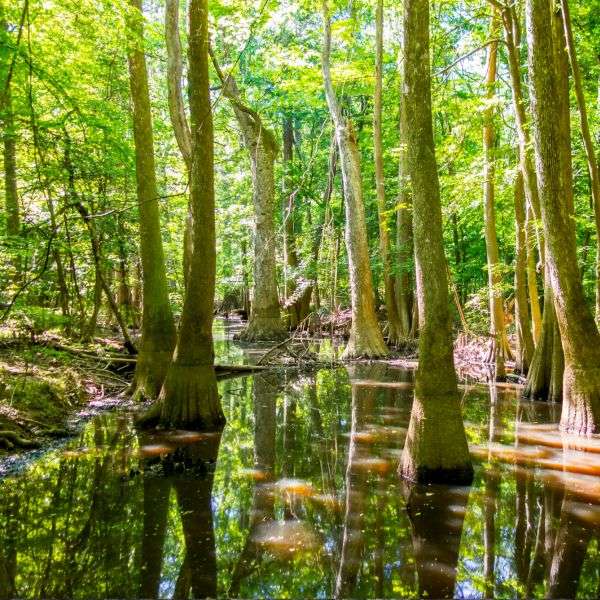
Congaree National Park, nestled in central South Carolina, is a sprawling wilderness characterized by its expansive floodplain forests and diverse ecosystems. The park's geography is shaped by the meandering Congaree River, which periodically inundates the surrounding landscape, nurturing a rich bottomland hardwood forest renowned for its towering trees and lush vegetation. With its extensive network of creeks, sloughs, and oxbow lakes, Congaree offers visitors a glimpse into the dynamic interplay between water and land that sustains this unique wilderness area.
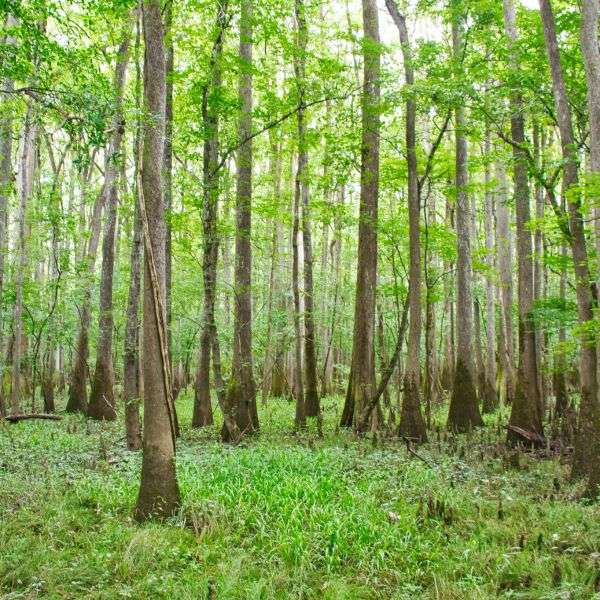
Floodplain Forests
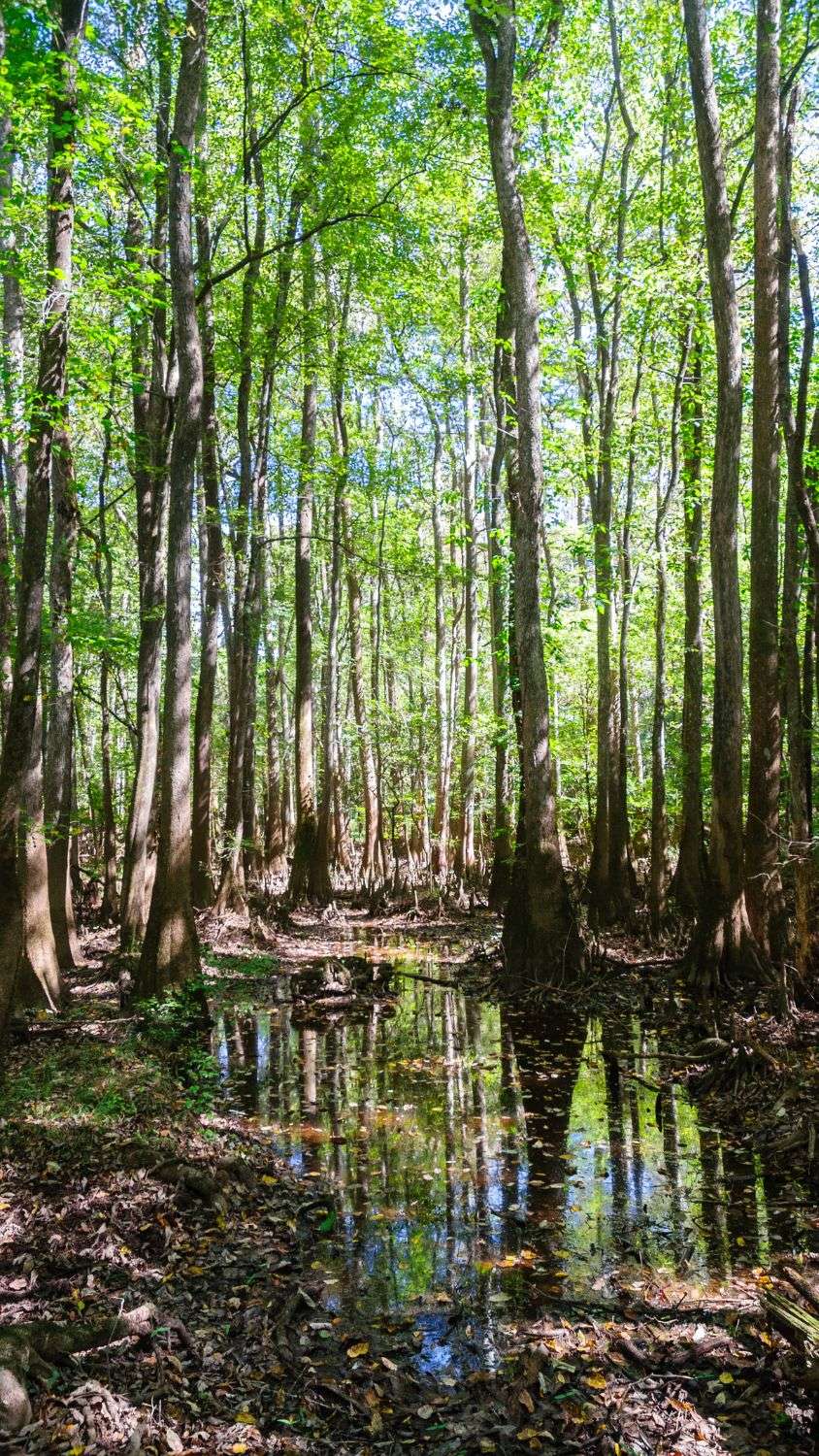
At the heart of Congaree National Park lies one of the largest tracts of old-growth bottomland hardwood forest remaining in the southeastern United States. The park's floodplain forests are characterized by towering bald cypress and water tupelo trees, some of which are among the tallest hardwoods in North America.
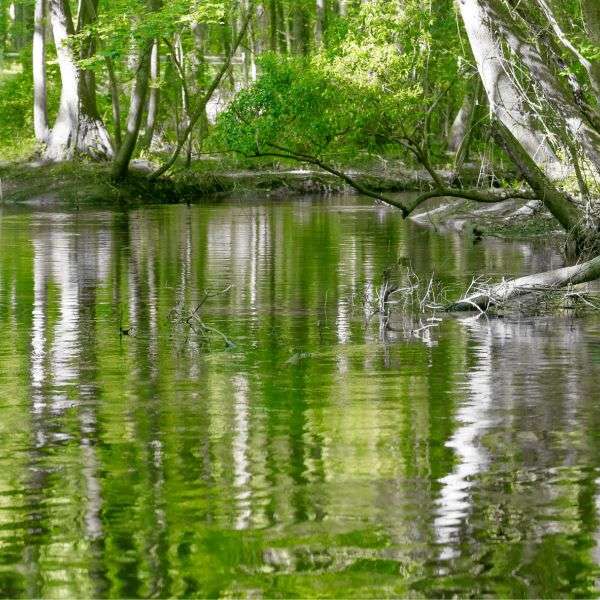
Congaree River
The Congaree River flows through the park, serving as a central feature of its geography. The river and its associated floodplain provide critical habitat for diverse plant and animal species, as well as opportunities for recreational activities such as kayaking, canoeing, and fishing.
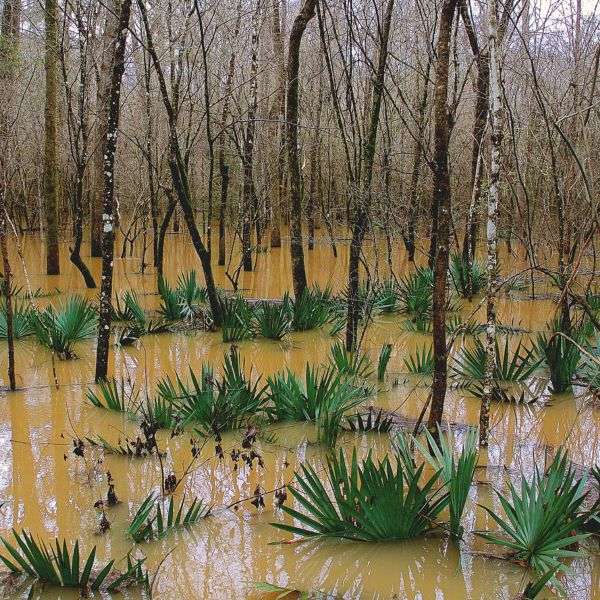
Wetlands and Swamps
Congaree National Park is home to a variety of wetland habitats, including swamps, sloughs, and oxbow lakes. These wetlands support a rich array of plant and animal life, including numerous bird species, amphibians, and reptiles. Along the edges of the floodplain, natural bluffs and terraces rise above the surrounding landscape.
Plants
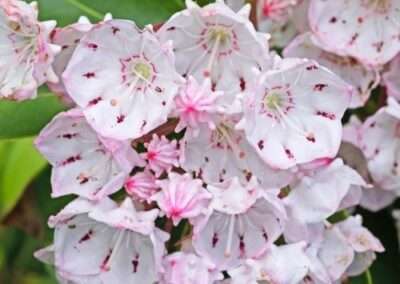
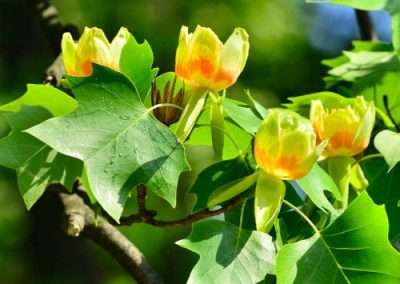
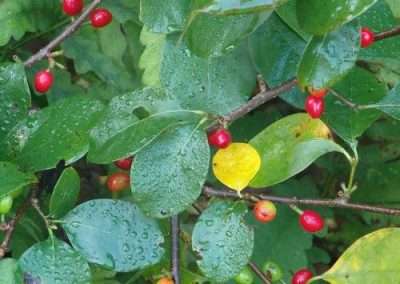
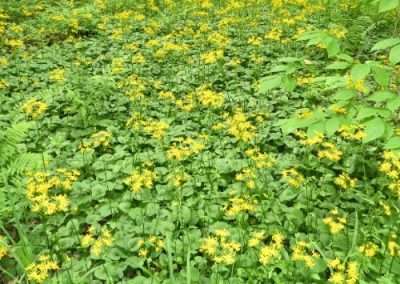
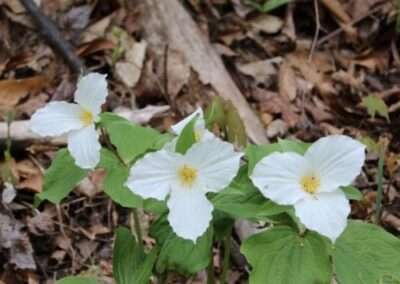
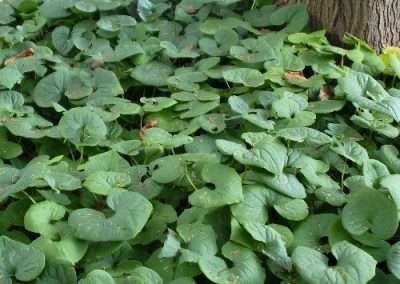
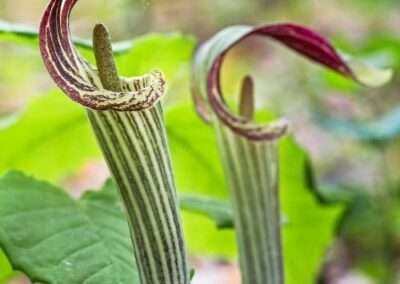
Congaree National Park, located in central South Carolina, is a sanctuary for a diverse array of plant life within one of the largest intact expanses of old-growth bottomland hardwood forest in the United States. The park's flora thrives in the floodplain of the Congaree River, with towering bald cypress trees, tupelo gum, and water tupelo dominating the canopy. Beneath the forest canopy, an understory of shrubs, vines, and herbaceous plants flourishes, contributing to the park's remarkable biodiversity and providing habitat for numerous species of wildlife.

Animals
Mammals
Congaree National Park is home to a diverse array of mammal species adapted to its varied habitats, including floodplain forests, wetlands, and upland areas.
White-tailed Deer (Odocoileus virginianus): White-tailed deer are common in Congaree National Park and can be found throughout the forested areas. They are often seen foraging for food in the understory and along the park's trails.
Eastern Gray Squirrel (Sciurus carolinensis): This familiar squirrel species is abundant in the park and can be seen darting among the trees and foraging for nuts and seeds.
Raccoon (Procyon lotor): Raccoons are common in Congaree National Park and are often encountered near water sources, where they feed on aquatic organisms and forage for food along the riverbanks.
River Otter (Lontra canadensis): River otters inhabit the waterways of Congaree National Park, where they are skilled swimmers and adept hunters of fish, crayfish, and other aquatic prey.
Bobcat (Lynx rufus): Though elusive and seldom seen, bobcats are present in Congaree National Park. These solitary predators primarily hunt small mammals such as rabbits and rodents.
Coyote (Canis latrans): Coyotes are relatively recent inhabitants of the southeastern United States, including Congaree National Park. They are opportunistic predators and scavengers, feeding on a variety of prey, including small mammals, birds, and fruits.
North American River Otter (Lontra canadensis): River otters are semi-aquatic mammals that inhabit the waterways of Congaree National Park. They are excellent swimmers and skilled hunters, preying on fish, crayfish, and other aquatic creatures.
Nine-banded Armadillo (Dasypus novemcinctus): Armadillos, though more commonly associated with drier habitats, can also be found in Congaree National Park. These unique mammals use their strong claws to dig for insects and other invertebrates in the forest floor.
Eastern Cottontail Rabbit (Sylvilagus floridanus): Eastern cottontails are common in the park and can often be seen foraging for vegetation in open areas and along forest edges.
Beavers (Castor canadensis): Beavers are present in Congaree National Park, where they construct dams and lodges along the park's waterways. These industrious mammals play an important role in shaping the park's wetland habitats.
Reptiles
Congaree National Park is home to a variety of reptile species adapted to its diverse habitats, including floodplain forests, wetlands, and upland areas.
American Alligator (Alligator mississippiensis): Alligators are common in the park's waterways, including the Congaree River and its tributaries. These large reptiles are skilled predators and play an important role in the park's aquatic ecosystems.
Eastern Box Turtle (Terrapene carolina): Eastern box turtles are terrestrial turtles commonly found in the forested areas of Congaree National Park. They are omnivores, feeding on a variety of plant and animal matter.
Eastern Diamondback Rattlesnake (Crotalus adamanteus): While relatively rare and secretive, Eastern diamondback rattlesnakes inhabit the upland areas of Congaree National Park. These venomous snakes play an important role as predators in the park's food web.
Cottonmouth (Agkistrodon piscivorus): Also known as water moccasins, cottonmouths are venomous snakes commonly found in wetland habitats throughout the southeastern United States, including Congaree National Park.
Common Watersnake (Nerodia sipedon): Common watersnakes are non-venomous aquatic snakes that can be found in the park's waterways, where they prey on fish, amphibians, and other aquatic organisms.
Eastern Fence Lizard (Sceloporus undulatus): Eastern fence lizards are common in the upland areas of Congaree National Park, where they can often be seen basking on rocks or tree branches.
Green Anole (Anolis carolinensis): Green anoles, also known as Carolina anoles, are small arboreal lizards commonly found in forested habitats throughout the southeastern United States, including Congaree National Park.
Five-lined Skink (Plestiodon fasciatus): Five-lined skinks are small lizards commonly found in forested habitats, where they forage for insects and other invertebrates among leaf litter and fallen logs.
Eastern Mud Turtle (Kinosternon subrubrum): Eastern mud turtles are small aquatic turtles commonly found in wetland habitats throughout the southeastern United States, including Congaree National Park.
Black Racer (Coluber constrictor): Black racers are non-venomous snakes commonly found in a variety of habitats, including forests, fields, and wetlands, throughout the eastern United States, including Congaree National Park.
Birds
Congaree National Park is home to a diverse array of bird species, making it a popular destination for birdwatchers and ornithologists.
Prothonotary Warbler (Protonotaria citrea): This brightly colored songbird is commonly found in the park's bottomland hardwood forests, where it nests in tree cavities along waterways.
Barred Owl (Strix varia): Barred owls are nocturnal birds of prey that inhabit the park's forests. Their distinctive hooting calls can often be heard echoing through the woods at night.
Bald Eagle (Haliaeetus leucocephalus): Bald eagles are occasionally spotted soaring over the Congaree River and its surrounding wetlands. These majestic birds of prey are known for their striking white heads and impressive wingspans.
Great Blue Heron (Ardea herodias): Great blue herons are common sights along the park's waterways, where they wade through shallow waters in search of fish, frogs, and other aquatic prey.
Wood Duck (Aix sponsa): Wood ducks are often seen in the park's wetlands and oxbow lakes, where they nest in tree cavities and feed on aquatic vegetation and invertebrates.
Pileated Woodpecker (Dryocopus pileatus): Pileated woodpeckers are large, striking birds with distinctive red crests. They can often be seen and heard drumming on dead trees in the park's forests.
Swallow-tailed Kite (Elanoides forficatus): Swallow-tailed kites are graceful birds of prey that soar over the park's floodplain forests, where they hunt insects, small mammals, and reptiles.
Yellow-billed Cuckoo (Coccyzus americanus): Yellow-billed cuckoos are secretive birds that inhabit the park's riparian areas. They are known for their distinctive calls and habit of laying their eggs in the nests of other bird species.
Red-shouldered Hawk (Buteo lineatus): Red-shouldered hawks are often seen perched in the canopy of the park's forests, where they hunt for small mammals, birds, and reptiles.
Northern Parula (Setophaga americana): Northern parulas are small, colorful warblers that inhabit the park's bottomland hardwood forests. They are known for their distinctive blue-gray plumage and buzzy trilling songs.
Fish
Congaree National Park is home to a variety of fish species, many of which inhabit the park's waterways, including the Congaree River and its tributaries.
Largemouth Bass (Micropterus salmoides): Largemouth bass are popular sportfish found in the park's waterways. They inhabit slow-moving sections of rivers, lakes, and ponds, where they prey on smaller fish and aquatic invertebrates.
Bluegill (Lepomis macrochirus): Bluegill, also known as bream or sunfish, are commonly found in the park's freshwater habitats. They are popular among anglers for their willingness to bite and tasty flesh.
Channel Catfish (Ictalurus punctatus): Channel catfish are bottom-dwelling fish found in the park's rivers and streams. They are opportunistic feeders, consuming a variety of prey, including fish, insects, and plant matter.
Redbreast Sunfish (Lepomis auritus): Redbreast sunfish are colorful fish with distinctive red or orange bellies. They are commonly found in the park's slow-moving rivers and streams, where they feed on aquatic insects and small invertebrates.
Chain Pickerel (Esox niger): Chain pickerel are predatory fish found in the park's freshwater habitats. They are known for their long, slender bodies and voracious appetite for smaller fish and amphibians.
Bowfin (Amia calva): Bowfin, also known as Mudfish or Grinnell, are primitive fish found in the park's wetlands and slow-moving rivers. They are capable of breathing air and can survive in oxygen-deprived waters.
American Shad (Alosa sapidissima): American shad are anadromous fish that migrate from the ocean to freshwater rivers to spawn. While their populations have declined in recent years, they can still be found in the Congaree River during their spawning runs.
White Perch (Morone americana): White perch are freshwater fish commonly found in the park's rivers and lakes. They are popular among anglers for their tasty flesh and are often caught using bait or lures.
Mullet (Mugilidae family): Mullet are schooling fish found in the park's estuarine and brackish habitats. They are known for their ability to tolerate a wide range of salinities and are an important food source for predatory fish and birds.
Spotted Gar (Lepisosteus oculatus): Spotted gar are primitive fish found in the park's slow-moving rivers and wetlands. They are known for their long, slender bodies and distinctive spotted patterns.
Amphibians
Congaree National Park is home to a diverse array of amphibian species, adapted to its varied habitats, including floodplain forests, wetlands, and upland areas.
American Bullfrog (Lithobates catesbeianus): American bullfrogs are large, aquatic frogs commonly found in the park's wetlands and waterways. They are known for their deep croaking calls and voracious appetite for insects and small vertebrates.
Southern Leopard Frog (Lithobates sphenocephalus): Southern leopard frogs are common in the park's freshwater habitats, where they can often be seen basking along the water's edge. They are known for their distinctive spotted patterns and low, chuckling calls.
Green Treefrog (Hyla cinerea): Green treefrogs are arboreal frogs commonly found in the park's bottomland hardwood forests. They are known for their bright green coloration and adhesive toe pads, which allow them to climb trees and shrubs.
Pickerel Frog (Lithobates palustris): Pickerel frogs are semi-aquatic frogs commonly found in the park's wetlands and streams. They are known for their distinctive black markings and high-pitched calls.
Marbled Salamander (Ambystoma opacum): Marbled salamanders are terrestrial salamanders commonly found in the park's upland areas. They are known for their striking black-and-white coloration and prefer to live in moist leaf litter and forested habitats.
Eastern Spadefoot Toad (Scaphiopus holbrookii): Eastern spadefoot toads are nocturnal amphibians commonly found in the park's sandy upland habitats. They are known for their distinctive call, which sounds like a high-pitched whistling or trilling noise.
American Toad (Anaxyrus americanus): American toads are common in the park's forests and wetlands, where they can often be seen hopping along the forest floor. They are known for their warty skin and long, melodious trilling calls.
Two-toed Amphiuma (Amphiuma means): Two-toed amphiumas are aquatic salamanders commonly found in the park's slow-moving rivers and wetlands. They are long, eel-like amphibians with reduced limbs and are adapted for life in aquatic environments.
Southern Two-lined Salamander (Eurycea cirrigera): Southern two-lined salamanders are small, semi-aquatic salamanders commonly found in the park's streams and wetlands. They are known for their distinctive yellow or orange stripes along their bodies.
Eastern Narrow-mouthed Toad (Gastrophryne carolinensis): Eastern narrow-mouthed toads are small, secretive amphibians commonly found in the park's sandy upland habitats. They are known for their elongated bodies and distinctive pointed snouts.
"Congaree is truly a park for the people, offering something for everyone."
- Rick Huffman
"Congaree National Park is an international treasure, a critical part of our common natural heritage, and a refuge for countless plants and animals that call it home."
- Jack Hanna
Explore More With Us
Stay updated on National Parks EDU resources, park news, community updates, and and ways to explore, and protect.

National Parks Edu's mission is to help kids and families understand what makes these places so important. Because when you learn about nature, you start to care about protecting it.
National Parks EDU is an independent educational website and is not affiliated with, endorsed by, sponsored by, or officially connected to the National Park Service (NPS) or the U.S. government. © National Parks EDU. All Rights Reserved. October 18, 2026