Capitol Reef
National Park
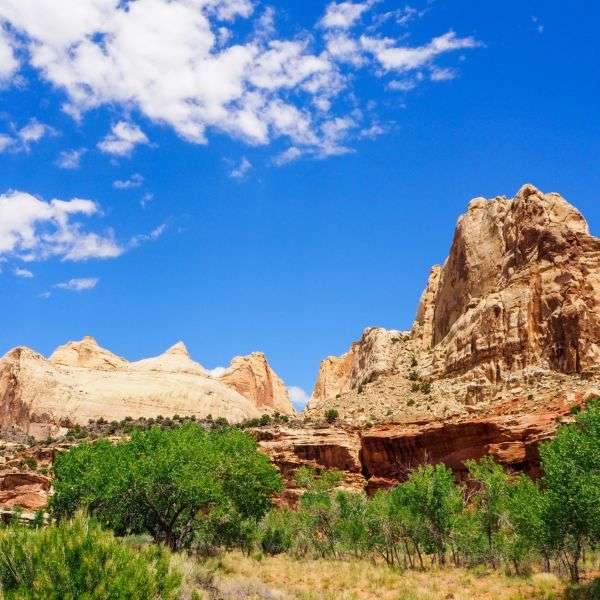
Utah
showcases the iconic Waterpocket Fold, displaying millions of years of geological history
Fast Facts
Location
south-central Utah
Established in
1971
Established by
President Richard Nixon
Size
378 sq. miles
Known For
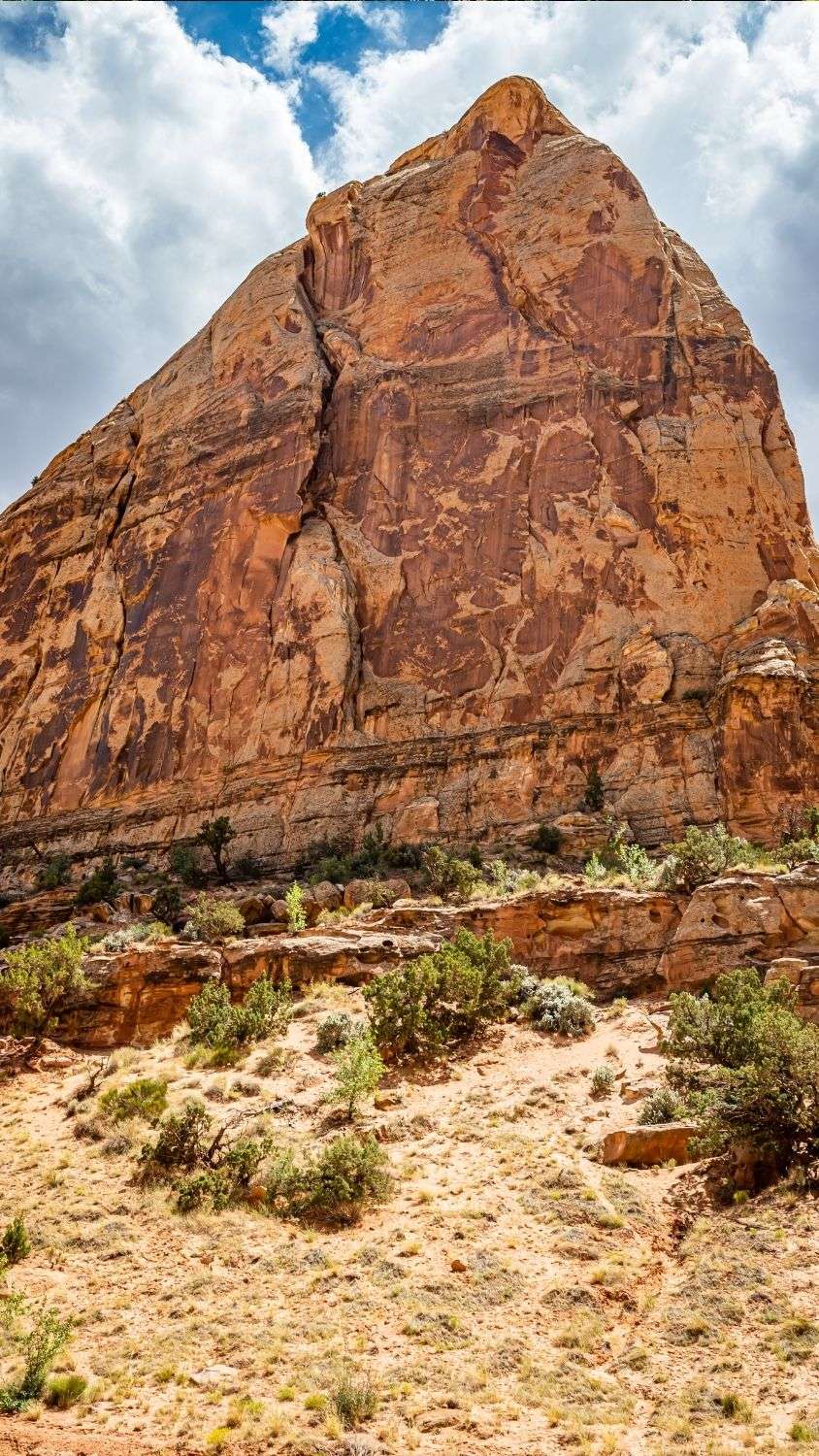
- Capitol Reef is renowned for the Waterpocket Fold, a nearly 100-mile-long warp in the Earth's crust, creating a unique and striking landscape
- A diverse array of geological features, including towering monoliths, colorful canyons, natural bridges, and ancient petroglyphs
- The Fruita Historic District preserves a pioneer settlement, featuring orchards with historic fruit trees that bloom in spring
History
Natural History and Formation
Capitol Reef National Park has a long geological history that began hundreds of millions of years ago. Layers of sedimentary rock were deposited over time and later lifted, folded, and eroded. These processes created the cliffs, canyons, domes, and other rock formations seen in the park today.
Ancient Seas and Sediments: During the Paleozoic and Mesozoic eras, the area that is now Capitol Reef experienced changing environments, including seas, rivers, lakes, deserts, and coastal areas. Sand, mud, and other sediments collected in these environments and eventually hardened into layers of sandstone, shale, and limestone.
Uplift of the Colorado Plateau: Millions of years ago, the Colorado Plateau was lifted high above the surrounding land. The rock layers remained mostly intact but were exposed to weathering and erosion. This helped create the high plateaus and deep canyons of the region.
Waterpocket Fold: The Waterpocket Fold is the main geological feature of Capitol Reef. It is a type of fold called a monocline, where layers of rock bend and create a steep step in the landscape. The fold formed about 50 to 70 million years ago as forces deep within the Earth's crust moved the rocks.
Erosion: After the Waterpocket Fold formed, wind, rain, snow, and flowing water slowly wore away the exposed rock. Rivers and streams, including the Fremont River and Sulphur Creek, helped carve canyons and valleys. Harder layers of rock resisted erosion and formed cliffs, domes, arches, and bridges.
Arches and Bridges: Cracks and joints in the rock gave water and weathering pathways through the cliffs. Over time, some areas were worn away, creating formations such as Hickman Bridge and Cassidy Arch.
Ice and Weathering: During colder periods of the Ice Age, freezing and thawing helped break apart rock. Water that entered cracks in the rock could freeze and expand, slowly widening the cracks. This process helped shape the cliffs and other formations.
Ongoing Changes: Erosion continues to change Capitol Reef today. Rain, snow, wind, and flowing water continue to wear down the rocks and carry sediment into lower areas. The landscape visitors see today is still being shaped by these natural processes.
Capitol Reef's landscape is the result of hundreds of millions of years of changing environments, movement of Earth's crust, and erosion. The Waterpocket Fold and its surrounding cliffs and canyons provide a remarkable record of the region's geological history.
Native History
Capitol Reef National Park has a long Native American history, with evidence of people living in the area thousands of years ago. The park protects archaeological sites and rock art that show how different communities lived in and used this desert landscape.
Fremont Culture: The Fremont people lived in the Capitol Reef region from about 1,000 to 700 years ago. They farmed crops such as corn, beans, and squash while also hunting and gathering wild foods. They left behind tools, pottery, dwellings, and other archaeological remains.
Rock Art: Capitol Reef is known for its Fremont rock art. Petroglyphs are designs carved into rock, while pictographs are paintings made with natural pigments. These images provide important information about the people who lived in the area. Visitors can see Fremont rock art along several trails and roads in the park.
Southern Paiute People: Southern Paiute people have longstanding connections to the Capitol Reef region. They used the area's plants, animals, water sources, and other natural resources for food and materials. Their connection to the land continues today.
Euro-American Settlement: Euro-American settlers arrived in the region during the late 1800s. Mormon settlers established communities and farms along the Fremont River. Their arrival changed the landscape and affected Native American communities and their traditional use of the land.
Fruita Settlement: In the late 1800s, Mormon settlers established Fruita in the Fremont River Valley. They planted orchards and grew crops using water from the river. Some of the historic orchards and buildings are still preserved in the park today.
Cultural Resources: Capitol Reef protects many archaeological sites, including rock art, granaries, tools, and other remains. These places help scientists and visitors learn about the people who lived in the region long before the park was established.
Respecting Native American Heritage: Native American history is an important part of Capitol Reef's story. The National Park Service works to protect archaeological sites and cultural resources. Visitors should never touch, damage, or remove artifacts or rock art.
Capitol Reef's Native American history shows how people adapted to the desert environment and developed strong connections to the land. The archaeological sites and rock art preserved in the park help tell this story and remain important to Native American communities today.
Preservation
The preservation history of Capitol Reef National Park began with efforts to protect its unusual rock formations, scenic landscapes, and cultural resources. These efforts eventually led to the creation of the national park we know today.
Early Conservation Efforts: In the 1930s and 1940s, local residents and government officials worked to protect the Waterpocket Fold and the surrounding landscape. The campaign became known as Wayne Wonderland because the area was in Wayne County and was known for its unusual scenery.
Capitol Reef National Monument: On August 2, 1937, President Franklin D. Roosevelt established Capitol Reef National Monument. The monument was created to protect the area's unusual rock formations, canyons, cliffs, and other natural features. The protected area was later expanded.
Growth and National Park Designation: Over the following decades, the protected area grew. On December 18, 1971, President Richard Nixon signed legislation making Capitol Reef a national park. The change recognized the area's important geological, natural, and cultural resources.
Protecting Natural Resources: The National Park Service works to protect Capitol Reef's cliffs, canyons, plants, animals, rivers, and other natural resources. Park staff monitor the environment, maintain trails, and manage visitor use to reduce damage to the landscape.
Protecting Cultural Resources: The park also protects important archaeological sites, including petroglyphs, pictographs, and ancient structures. Historic buildings, orchards, and other features of the Fruita area are also preserved as part of the park's cultural history.
Visitor Education: Signs, exhibits, ranger programs, and educational materials help visitors understand the park's natural and cultural history. Visitors are encouraged to leave rocks, plants, artifacts, and other resources where they find them.
Conservation Today: Capitol Reef National Park continues to balance public enjoyment with resource protection. Park staff use research, monitoring, restoration, and careful management to help protect the park for future generations.
The preservation of Capitol Reef shows how conservation efforts can protect important landscapes and cultural resources while allowing people to learn about and enjoy them.
Future Preservation
Protecting Capitol Reef National Park for the future requires careful planning and conservation. The park must balance protecting its natural and cultural resources with allowing visitors to enjoy the landscape.
Visitor Impact: More visitors can cause erosion on trails, damage plants, and disturb wildlife. Sensitive archaeological sites and rock art can also be harmed by careless visitors. Park staff manage trails, roads, and visitor activities to reduce these impacts.
Invasive Species: Non-native plants can compete with native plants for water, sunlight, and space. Park staff monitor invasive species and work to control their spread.
Climate Change: Rising temperatures and changes in rainfall can affect plants, animals, and water supplies. Hotter and drier conditions may make it harder for some species to survive and can change where plants and animals are found.
Water Scarcity: Water is especially important in Capitol Reef's dry environment. Changes in rainfall, snowmelt, and temperature can affect streams, springs, plants, wildlife, and the historic orchards in the Fruita area.
Flooding and Other Weather Events: Heavy rain can cause flash floods in the park's narrow canyons and washes. Floods can damage roads, trails, plants, and cultural sites. Drought and extreme heat can also put stress on the park's ecosystems.
Cultural Resource Protection: Capitol Reef contains petroglyphs, pictographs, archaeological sites, and historic buildings. These resources can be damaged by vandalism, theft, erosion, weather, and accidental contact. Protecting them is an important part of the park's work.
Wildlife Conservation: Wildlife needs healthy habitats, food, water, and safe places to raise young. Park managers monitor wildlife and work to protect habitats from damage and disturbance.
Development Outside the Park: Activities outside the park, such as roads, energy development, and other land uses, can affect views, wildlife, water, and air quality. Working with nearby communities and agencies can help reduce these impacts.
Funding and Staffing: The park needs enough funding and staff to maintain trails and facilities, protect natural and cultural resources, conduct research, and provide visitor services. Limited resources can make this work more difficult.
Protecting the Future: The National Park Service works with scientists, local communities, Native American tribes, and other partners to address these challenges. Research, careful planning, visitor education, and responsible recreation can help protect Capitol Reef National Park for future generations.
Geography
Capitol Reef National Park, located in southern Utah's red rock country, is known for its colorful cliffs, deep canyons, and unusual rock formations. The park stretches along the Waterpocket Fold, a large bend in the Earth's crust that formed millions of years ago. Wind, rain, ice, and flowing water have slowly shaped the rock into cliffs, domes, arches, and canyons. The park also has green valleys and historic orchards near the Fremont River, creating a striking contrast with the surrounding desert. Together, these features make Capitol Reef a unique place to explore Utah's natural landscape and geology.
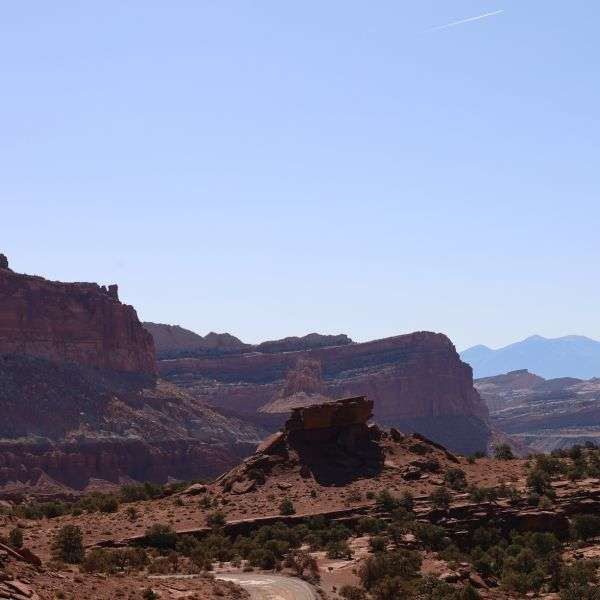
Waterpocket Fold
The most prominent geological feature of Capitol Reef is the Waterpocket Fold, a nearly 100-mile long warp in the Earth's crust. This fold gives rise to cliffs, canyons, domes, and monoliths, providing a unique and visually stunning landscape.
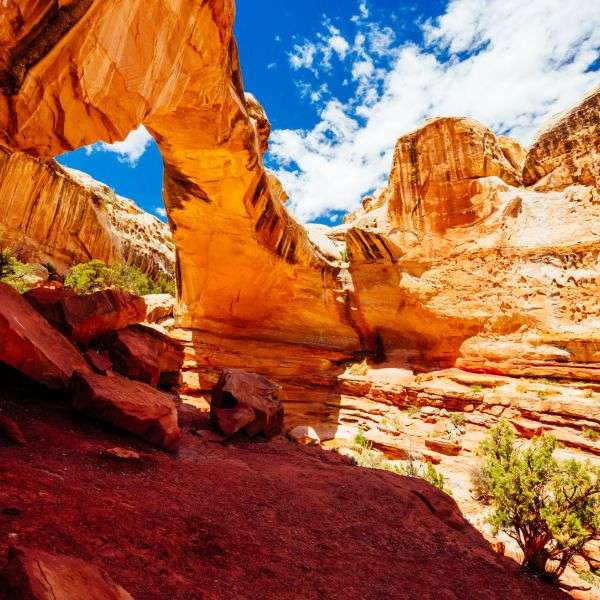
Rock Formations
The park showcases a variety of colorful rock formations, including cliffs, domes, bridges, and monoliths. The Navajo Sandstone, Wingate Sandstone, and Kayenta Formation are among the prominent rock layers visible in the park.
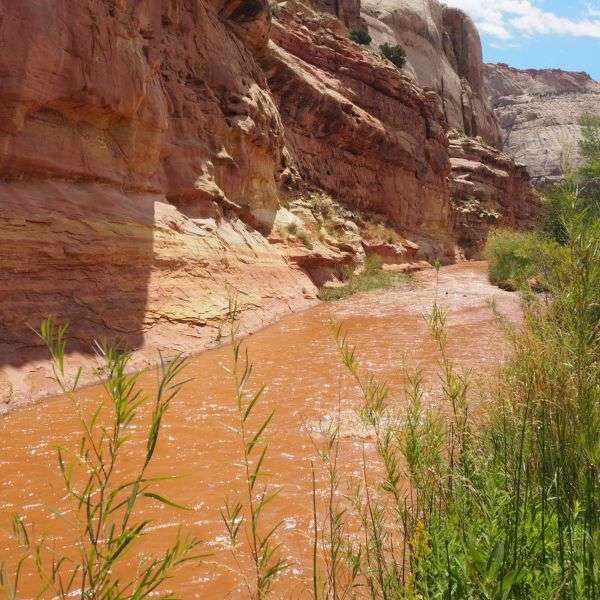
Fremont River
The Fremont River flows through the park, carving canyons and shaping the landscape. It provides a vital water source for the region's ecosystems.
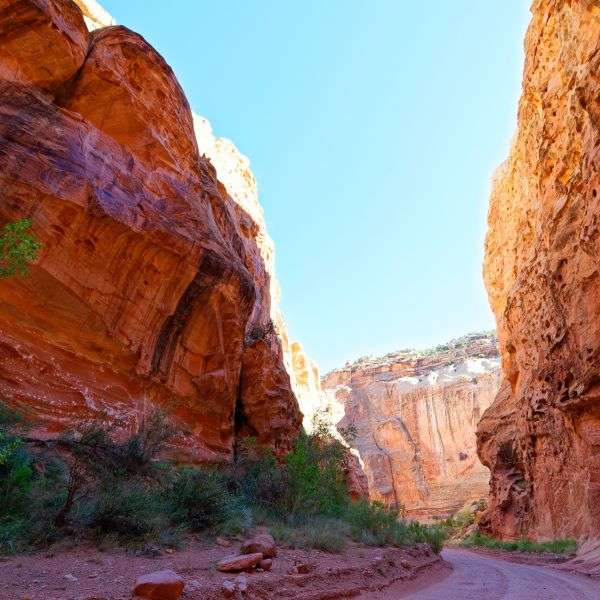
Canyon Country
Capitol Reef is part of Utah's famous canyon country. The park is home to numerous slot canyons, including the famous Capitol Gorge and Grand Wash, offering opportunities for exploration and hiking.
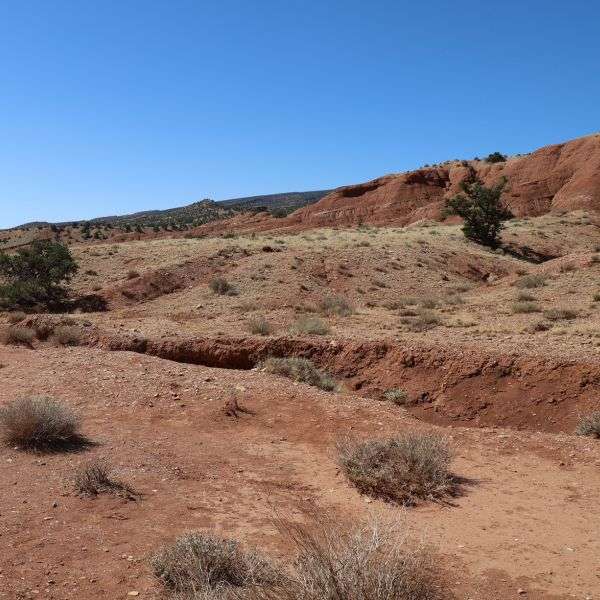
The Waterpocket District
This district within the park includes a vast expanse of rugged and remote terrain. It is named after the numerous basins and pockets that can hold water during rainstorms.
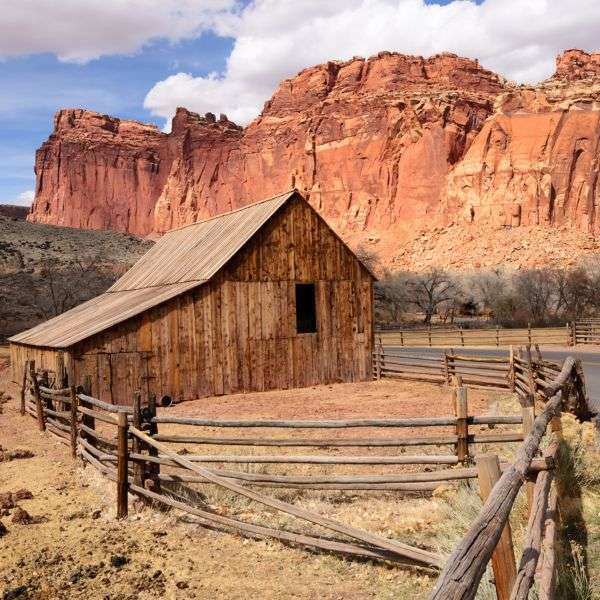
Historic Fruita District
The Fruita Historic District is located in the Fremont River Valley and features historic orchards, the remnants of an early Mormon settlement, and the Gifford Homestead, preserving the area's cultural history.
Plants
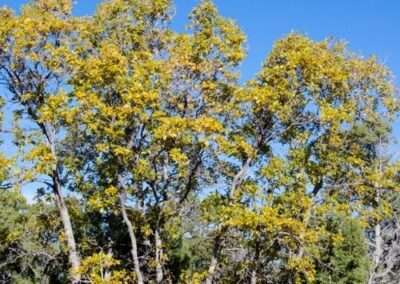
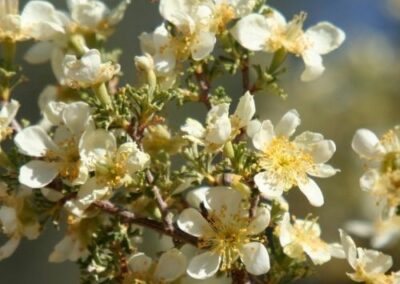
Capitol Reef National Park has many types of plants that are adapted to the dry desert climate of southern Utah. Sagebrush, rabbitbrush, grasses, and other shrubs grow across the park's rocky landscape. Cottonwood trees and other plants grow near rivers, streams, and springs where water is available. In spring, wildflowers can add bright colors to the desert. The park's plant life shows how plants can survive and thrive in a hot, dry environment.
Animals
Mammals
Capitol Reef National Park is home to a diverse variety of mammals adapted to its desert canyons, rugged cliffs, river valleys, and higher-elevation plateaus.
Mule Deer (Odocoileus hemionus): Mule deer are common throughout the park and can be found in canyons, woodlands, and open areas. They are recognizable by their large ears and distinctive bounding gait.
Desert Bighorn Sheep (Ovis canadensis nelsoni): Desert bighorn sheep are well adapted to the steep cliffs and rugged canyon terrain of Capitol Reef. Their sure-footedness allows them to navigate rocky slopes that are difficult for many other animals to access.
Mountain Lion (Puma concolor): Mountain lions inhabit the park's remote areas but are rarely seen. These solitary predators are most active during the cooler hours around dawn, dusk, and at night.
Bobcat (Lynx rufus): Bobcats are elusive predators that occupy a variety of habitats throughout Capitol Reef. They primarily hunt small mammals and birds and are generally solitary.
Coyote (Canis latrans): Coyotes are highly adaptable and occur throughout the park. They feed on small mammals, reptiles, insects, fruits, and carrion and are often heard rather than seen.
Gray Fox (Urocyon cinereoargenteus): Gray foxes inhabit wooded areas, canyon bottoms, and other habitats with adequate cover. Unlike most canids, they are capable of climbing trees and are primarily nocturnal.
Porcupine (Erethizon dorsatum): Porcupines occur in Capitol Reef, particularly in areas with suitable vegetation and cover. They feed on bark, twigs, leaves, and other plant material and are primarily active at night.
Striped Skunk (Mephitis mephitis): Striped skunks inhabit a variety of environments within the park. These primarily nocturnal omnivores feed on insects, small animals, fruits, and vegetation.
Golden-mantled Ground Squirrel (Callospermophilus lateralis): These ground squirrels are often found at higher elevations and in rocky or open habitats. They feed on seeds, fruits, vegetation, and other available foods.
Rock Squirrel (Otospermophilus variegatus): Rock squirrels are well adapted to the park's rocky terrain and are frequently seen foraging around cliffs, boulders, and canyon walls. They are active during the day and have a varied diet.
Bushy-tailed Woodrat (Neotoma cinerea): Also known as a packrat, the bushy-tailed woodrat inhabits rocky areas and caves. It constructs large nests, or middens, from vegetation and other collected materials.
White-tailed Antelope Squirrel (Ammospermophilus leucurus): These small desert squirrels are adapted to hot, arid conditions and are commonly associated with rocky and sandy habitats. They forage for seeds, plants, and other food while remaining active during the day.
Reptiles
Capitol Reef National Park is home to a variety of reptiles adapted to its arid desert environment, rocky terrain, and dramatic canyon landscapes. These reptiles play important roles in the park's ecosystems as predators, prey, and contributors to biodiversity.
Collared Lizard (Crotaphytus collaris): Collared lizards are brightly colored reptiles often seen basking on rocks. They are agile and well adapted to rocky habitats, using their speed and climbing abilities to escape predators.
Greater Short-horned Lizard (Phrynosoma hernandesi): These small, spiky lizards are well camouflaged in their arid surroundings. They primarily feed on insects and are known for their distinctive defensive behaviors.
Western Whiptail (Aspidoscelis tigris): Western whiptails are fast-moving lizards commonly found in open and rocky areas. They have long, slender bodies and tails and actively search for insects and other small prey.
Plateau Striped Whiptail (Aspidoscelis velox): This whiptail is characterized by its striped pattern and is adapted to rocky and arid habitats. Like other whiptails, it is known for its rapid movements and active foraging behavior.
Side-blotched Lizard (Uta stansburiana): Side-blotched lizards are small and widespread throughout the region. Males can display different color patterns associated with distinct reproductive strategies.
Western Fence Lizard (Sceloporus occidentalis): Western fence lizards are often observed basking on rocks, logs, and other elevated surfaces. They are territorial and may perform distinctive push-up displays when interacting with other lizards.
Eastern Fence Lizard (Sceloporus undulatus): Eastern fence lizards are primarily associated with eastern North America, and their presence in Utah should be treated cautiously because regional identification can overlap with closely related western species.
Gopher Snake (Pituophis catenifer): Gopher snakes are large, non-venomous constrictors that are well adapted to the park's dry environment. They prey on rodents, birds, eggs, and other small animals and help regulate prey populations.
Great Basin Rattlesnake (Crotalus oreganus lutosus): The Great Basin rattlesnake is a venomous snake adapted to the dry, rocky landscapes of the region. It uses its rattle as a warning signal and primarily feeds on small mammals and other animals.
Striped Whipsnake (Masticophis taeniatus): Striped whipsnakes are slender, fast-moving, non-venomous snakes commonly associated with rocky and open habitats. They feed on a variety of small vertebrates and are active hunters.
Plateau Lizard (Sceloporus tristichus): Plateau lizards are well adapted to rocky habitats and are active during the day. They feed primarily on insects and other small invertebrates.
Western Skink (Plestiodon skiltonianus): Western skinks have smooth, shiny scales and elongated bodies with relatively short limbs. They are often found beneath rocks, logs, and other cover in suitable habitats.
Birds
Capitol Reef National Park provides habitat for a diverse range of bird species, including resident and migratory birds. The park's varied landscapes, from deep canyons and cliffs to riparian corridors, pinyon-juniper woodlands, and high desert plateaus, support a rich avian community.
Golden Eagle (Aquila chrysaetos): Golden eagles are large raptors that inhabit the cliffs, canyons, and open landscapes of Capitol Reef. They are skilled predators and can often be seen soaring above the park's rugged terrain.
Peregrine Falcon (Falco peregrinus): Peregrine falcons are powerful raptors known for their remarkable speed and aerial hunting abilities. They use cliffs for nesting and may be observed hunting birds over the canyon country.
California Condor (Gymnogyps californianus): California condors have been reintroduced to the broader region as part of ongoing recovery efforts for this endangered species. Their large wingspans make them especially impressive when soaring over the cliffs and canyons.
Common Raven (Corvus corax): Common ravens are highly intelligent and adaptable birds commonly found throughout Capitol Reef. They can often be seen soaring above cliffs, calling from rocky outcrops, or foraging across the landscape.
Western Scrub-Jay (Aphelocoma californica): Western scrub-jays inhabit pinyon-juniper woodlands and other areas with suitable vegetation. They are intelligent, vocal birds with distinctive blue and gray plumage.
Black-throated Gray Warbler (Setophaga nigrescens): This small migratory songbird may be found in wooded habitats during the breeding season. It is recognized by its contrasting black, white, and gray plumage and feeds primarily on insects.
Mountain Bluebird (Sialia currucoides): Mountain bluebirds are cavity-nesting birds often found in open areas and higher-elevation habitats. Males are especially recognizable for their vivid blue plumage.
Say's Phoebe (Sayornis saya): Say's phoebes are flycatchers commonly found around open landscapes, cliffs, and rocky areas. They frequently perch on exposed surfaces before making quick flights to capture insects.
Common Nighthawk (Chordeiles minor): Common nighthawks are crepuscular and nocturnal birds that feed on flying insects. They may be seen performing graceful aerial flights over open areas around dusk and dawn.
Turkey Vulture (Cathartes aura): Turkey vultures are common scavengers that use rising thermal air currents to soar over the park's canyons and mesas. They feed primarily on carrion and play an important role in the ecosystem.
Rock Wren (Salpinctes obsoletus): Rock wrens are well adapted to the rocky terrain of Capitol Reef. They forage among boulders, cliffs, and canyon walls and are known for their distinctive songs.
Black-chinned Hummingbird (Archilochus alexandri): Black-chinned hummingbirds are seasonal visitors that feed on nectar from wildflowers and flowering plants. They can be observed around riparian areas, gardens, and other locations with abundant flowers.
Fish
Capitol Reef National Park is not known for having a highly diverse fish community because the park contains relatively few permanent waterways. Its aquatic habitats are primarily made up of perennial and intermittent streams, springs, and seasonal washes. Despite these limitations, several native fish species may occur in the park's waterways and contribute to the aquatic ecosystem.
Speckled Dace (Rhinichthys osculus): Speckled dace are small native freshwater fish adapted to streams with variable flow conditions. They can inhabit rocky pools and riffles and feed on aquatic insects, algae, and other small organisms.
Flannelmouth Sucker (Catostomus latipinnis): Flannelmouth suckers are native fish associated with the Colorado River drainage. They have distinctive fleshy lips adapted for feeding along the bottoms of streams, where they consume algae, aquatic invertebrates, and organic material.
Amphibians
Capitol Reef National Park is situated in the high desert of south-central Utah, where arid conditions and limited permanent water sources restrict amphibian diversity. However, seasonal pools, springs, streams, and canyon waterways provide suitable habitat for some amphibian species.
Canyon Treefrog (Hyla arenicolor): Canyon treefrogs are well adapted to the dry environments of the Southwest. They are commonly associated with rocky canyons, springs, seeps, and other sources of water, particularly during the breeding season. Their mottled coloration provides excellent camouflage against the rocks and cliffs of Capitol Reef.
"Hunter-gatherers, cattlemen, uranium miners—all have come and gone in this unforgiving realm."
- Frederick Swanson
"Capitol Reef National Park is a hidden gem and a great place to experience the singular wonders of hiking amidst the colorful, sculpted sandstone formations characteristic of the red-rock country"
- John Osaki
“Capitol Reed is filled with geology that takes shape, color, and dimension to a level beyond comprehension.”
―
"The Waterpocket Fold stretches like a reptilian spine across over a hundred miles of broken desert lands along the western edge of the Colorado Plateau. This protruding geologic feature stands out in a region of impressive rock formations—heavenly spires, contorted hoodoos, canyon gorges, majestic plateaus."
- Ralph Becker
Explore More With Us
Stay updated on National Parks EDU resources, park news, community updates, and and ways to explore, and protect.

National Parks Edu's mission is to help kids and families understand what makes these places so important. Because when you learn about nature, you start to care about protecting it.
National Parks EDU is an independent educational website and is not affiliated with, endorsed by, sponsored by, or officially connected to the National Park Service (NPS) or the U.S. government. © National Parks EDU. All Rights Reserved. October 18, 2026