Canyonlands
National Park
Utah
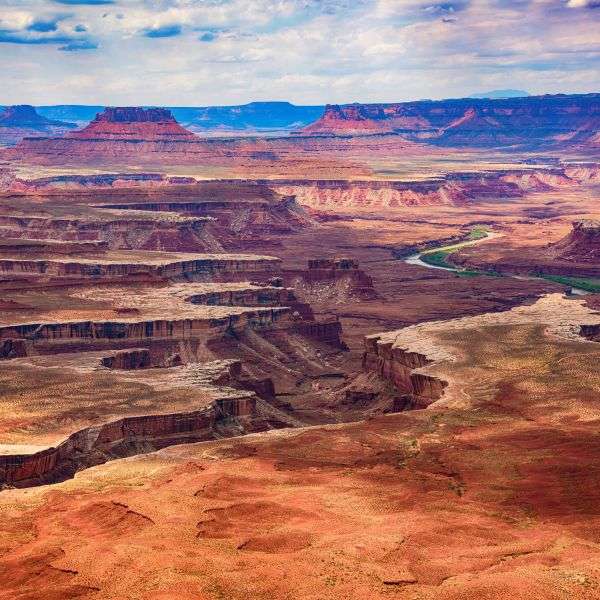
rugged red rock landscapes, deep canyons, towering mesas, and the iconic confluence of the Green and Colorado Rivers
Fast Facts
Location
southeastern Utah
Established in
1964
Established by
President Lyndon B. Johnson
Size
527 sq. miles
Known For
- Renowned for its striking and diverse red rock formations, including canyons, mesas, and buttes
- The park features deep, intricate canyons carved by the Colorado River and its tributaries
- The park showcases a geological masterpiece shaped over millions of years, and still changing today
History
Natural History and Formation
Canyonlands National Park has a long geological history that stretches back hundreds of millions of years. Layers of sedimentary rock were built up over time and later shaped by uplift, rivers, wind, water, and other forces. These processes created the deep canyons, mesas, cliffs, and rock formations seen in the park today.
Sediment Deposition: The rocks of Canyonlands formed in many different environments over hundreds of millions of years. At different times, the area was covered by shallow seas or was crossed by rivers and streams. Other periods had deserts, floodplains, and coastal environments. Sand, mud, and other sediments built up in layers and eventually hardened into rock.
Uplift of the Colorado Plateau: The region was gradually lifted high above sea level as part of the formation of the Colorado Plateau. Major uplift occurred during the last several million years. As the land rose, rivers gained more power to cut into the layers of rock.
River Erosion: The Colorado River and Green River are major forces that shaped Canyonlands. Over millions of years, these rivers and their tributaries cut deep into the rock, creating the park's large canyons and mesas. Erosion continues today.
Wind and Water: Wind, rain, snow, and changes in temperature also wear away the rock. Softer layers erode faster than harder layers, helping create cliffs, towers, canyons, and other unusual formations.
Natural Arches: Erosion has created many arches and other openings in the park's sandstone. Mesa Arch, in the Island in the Sky district, is one of Canyonlands' best-known formations. Water, ice, and weathering slowly widened cracks in the rock until the arch formed.
Faults and Grabens: Faults are cracks in Earth's crust where blocks of rock have moved. In some parts of Canyonlands, these movements created grabens, which are areas of rock that dropped between faults. These geological structures helped shape the park's cliffs, valleys, and other landforms.
Salt Deposits: Thick layers of salt were deposited in the region hundreds of millions of years ago. These salt layers can slowly move underground and affect the rocks above them. They have helped shape some of the park's unusual geological features.
Upheaval Dome: Upheaval Dome is one of the most unusual features in Canyonlands. Scientists now generally believe that it was formed by a large meteorite or asteroid impact millions of years ago. For many years, scientists debated whether it was caused by an impact or by movement of underground salt.
The landscape of Canyonlands is the result of many geological processes working over a very long period of time. The Colorado and Green rivers, along with wind, water, weathering, tectonic forces, and erosion, continue to shape the park today.
Native History
Canyonlands National Park has a long history of Native American use and cultural connection. People have lived in and traveled through the area for thousands of years. Evidence of their presence includes stone tools, pottery, shelters, and rock art. Several Native American tribes have connections to the Canyonlands region, both in the past and today.
Early Peoples: People have lived in the Canyonlands region for thousands of years. During the Archaic period, groups hunted animals and gathered wild plants. They used stone tools and left behind other archaeological evidence of their lives.
Ancestral Puebloans: Ancestral Puebloan people lived in the region for many centuries. They grew crops such as corn, beans, and squash when conditions allowed and also hunted and gathered wild foods. They made pottery, baskets, stone tools, and other objects. Rock shelters, granaries, and other archaeological sites provide evidence of their lives.
Basketmaker and Pueblo Traditions: Over time, Ancestral Puebloan communities developed new farming methods, pottery, basketry, and ways of building homes and storage structures. Different communities lived in different parts of the Colorado Plateau, adapting their way of life to the local environment.
Rock Art: Canyonlands contains many important rock art sites. Some were created by Ancestral Puebloan people, while others were made by earlier groups. Petroglyphs were carved into rock, while pictographs were painted onto rock surfaces. These images provide clues about the people who lived in the region, although their exact meanings are not always known.
Ute and Paiute Connections: Ute and Paiute peoples have longstanding connections to the Canyonlands region. They used the land for hunting, gathering plants, traveling, and other activities. Their relationships with the landscape continued after the arrival of European-American settlers.
Trade and Travel: People living on the Colorado Plateau traveled between different areas and exchanged goods and resources. Items such as pottery, stone materials, food, and other objects could be moved between communities. Rivers and natural travel routes helped people move through the region.
Cultural Importance: The canyons, rivers, plants, animals, and rock formations are important parts of the cultural history of Native American peoples. Rock art and archaeological sites provide evidence of long-term relationships between people and the landscape.
Native American Connections Today: Native American tribes continue to have cultural connections to Canyonlands and the surrounding Colorado Plateau. The National Park Service works with tribes to protect cultural resources and improve understanding of the area's Native American history.
The Native American history of Canyonlands is much older than the park itself. Protecting archaeological sites and respecting tribal connections to the land helps preserve this history for future generations.
Preservation
The preservation history of Canyonlands National Park shows how the United States has worked to protect its canyons, rivers, wildlife, plants, and cultural resources. Protection of the area has expanded over time as people learned more about its natural and cultural importance.
Early Recognition: During the late 1800s and early 1900s, explorers, ranchers, scientists, and other visitors became interested in the unusual landscapes of southeastern Utah. The area's deep canyons, mesas, rivers, and rock formations attracted attention because of their beauty and geological importance.
Creation of Canyonlands National Park: On September 12, 1964, President Lyndon B. Johnson signed the law creating Canyonlands National Park. The new park protected about 257,000 acres of canyons, mesas, rivers, and other landscapes. The goal was to preserve the area's natural beauty and resources for future generations.
Later Additions: Congress later changed and expanded the park's boundaries. These additions helped protect more of the landscape surrounding the original park and strengthened protection for important natural and cultural resources.
Wilderness Protection: Large areas of Canyonlands have been protected as wilderness. Wilderness designation provides strong protection for undeveloped lands and helps limit roads, buildings, and other forms of development. These areas allow natural processes to continue with little human interference.
Protecting Cultural Resources: Canyonlands contains many archaeological sites and rock art panels that provide evidence of thousands of years of human history. The National Park Service works to protect these places from vandalism, theft, erosion, and other damage. The park also works with Native American tribes to better understand and protect cultural resources.
Managing Visitors: Today, park managers must balance public access with conservation. Roads, trails, campgrounds, and other facilities allow people to experience Canyonlands while helping direct visitors away from especially fragile areas.
Ongoing Conservation: Protecting Canyonlands is an ongoing effort. Park staff monitor wildlife, plants, water, archaeological sites, and other resources. They also work with scientists, tribes, government agencies, and local communities to address threats and protect the park for the future.
The preservation of Canyonlands National Park is an ongoing process. Protecting its natural landscapes and cultural resources helps ensure that future generations can experience and learn from this remarkable part of Utah.
Future Preservation
Protecting Canyonlands National Park is an ongoing challenge. The park's desert landscape, rivers, wildlife, plants, and cultural sites can be affected by visitors, climate change, invasive species, and activities outside the park. The National Park Service works with scientists, tribes, government agencies, and local communities to protect these resources.
Visitor Impact: Canyonlands is a popular destination for hiking, camping, and sightseeing. Heavy visitor use can damage plants, disturb wildlife, and cause soil erosion. Staying on marked trails, following camping rules, and respecting closed areas can help reduce these impacts.
Invasive Species: Non-native plants can compete with native plants for water and space. Park staff monitor invasive species and work to control them when necessary. Protecting native plants is especially important in the park's dry environment.
Climate Change: Rising temperatures and changes in rainfall and snowfall can affect water supplies, plants, and wildlife. Hotter and drier conditions may place additional stress on the park's desert ecosystems. Scientists monitor these changes to understand how the park is being affected.
Protecting Water: The Colorado and Green rivers are important parts of Canyonlands. Changes in water levels, water quality, and the amount of water flowing through the rivers can affect fish, wildlife, plants, and people. Protecting these rivers requires cooperation beyond the park's boundaries.
Development Outside the Park: Roads, mining, energy development, and other activities outside the park can affect views, wildlife, air quality, and water resources. The National Park Service works with other agencies and communities to help protect the park from impacts that begin outside its boundaries.
Cultural Resource Protection: Canyonlands contains many archaeological sites, rock art panels, and other cultural resources. These places can be damaged by vandalism, theft, erosion, or careless visitors. Protecting these sites is important for understanding the area's long human history and its connections to Native American tribes.
Wildlife Protection: Animals need safe habitats and access to food and water. Visitors can help by keeping their distance from wildlife, storing food properly, and following park rules. Protecting natural habitats also helps wildlife survive changes in the environment.
Wildfire: Wildfires can affect forests and other plant communities in and around Canyonlands. Some fires are natural, while others are started by people. Park managers monitor wildfire risks and work to protect visitors, wildlife, and important resources when fires occur.
Limited Resources: Maintaining trails, roads, facilities, and natural and cultural resources requires staff, equipment, and funding. Limited resources can make it harder to monitor the park and respond to conservation problems.
Working with Native American Tribes: Native American tribes have longstanding connections to the Canyonlands region. Working with tribes helps the National Park Service better understand and protect cultural resources and important places.
Protecting the Future: Caring for Canyonlands requires cooperation between park staff, scientists, Native American tribes, government agencies, local communities, and visitors. Careful management and responsible recreation can help protect the park's natural and cultural resources for future generations.
Geography
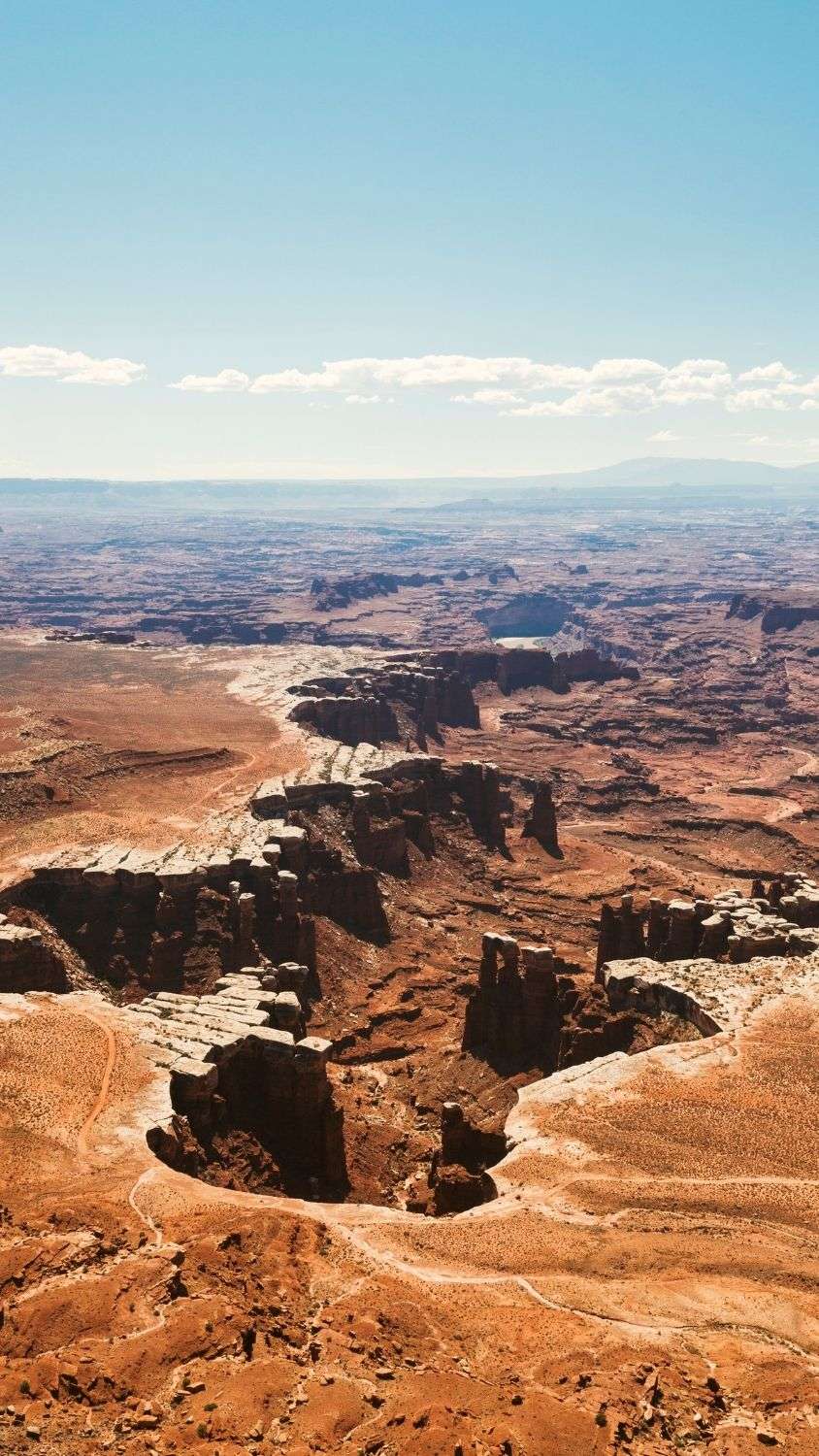
Canyonlands National Park is located in southeastern Utah and is known for its deep canyons, tall mesas, colorful cliffs, and unusual rock formations. The Colorado River and Green River divide the park into four main districts: Island in the Sky, the Needles, the Maze, and the rivers. Each area has its own landscape and features. Island in the Sky has high cliffs and wide views, while the Needles is known for its tall, colorful rock spires. The Maze has remote and rugged canyons, and the rivers have shaped much of the park's landscape over millions of years. Together, these areas show how water, wind, weather, and erosion have shaped southeastern Utah.
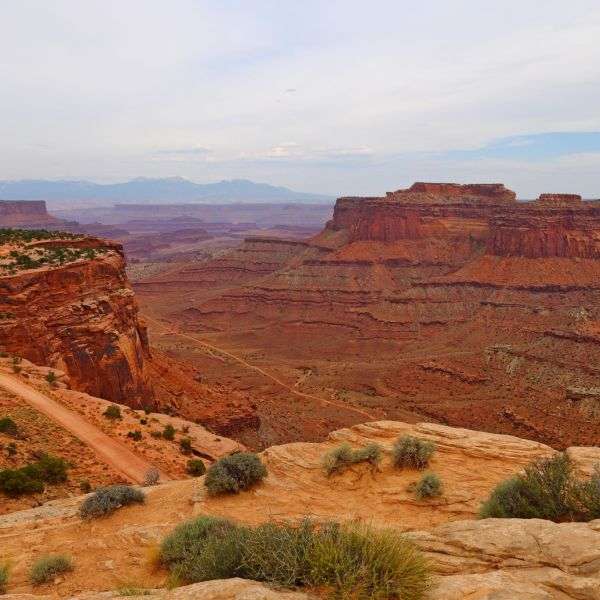
Island in the Sky
This high mesa district offers expansive views of the surrounding canyons and valleys. It is characterized by sheer sandstone cliffs, deep canyons, and towering mesas. Grand View Point provides panoramic vistas of the canyons, while the Shafer Trail descends to the White Rim, a prominent sandstone bench.
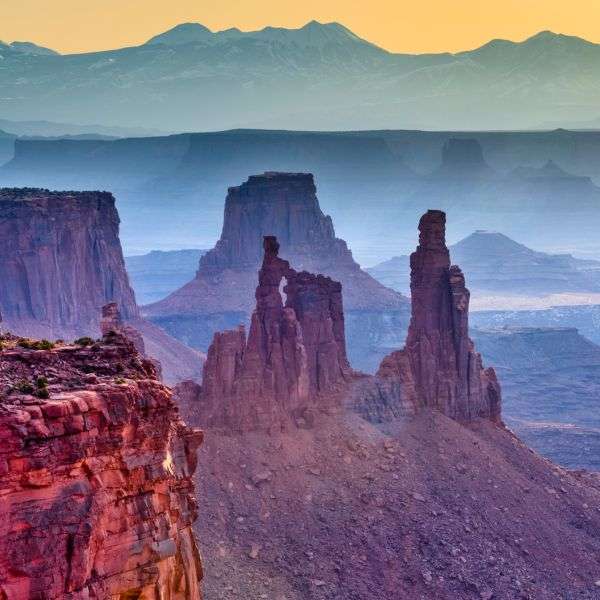
The Needles
The Needles district is known for its colorful spires, arches, and canyons formed by a combination of sedimentary rock layers. The Needles themselves are striking sandstone pinnacles. Hiking trails lead to various viewpoints and natural features, showcasing the intricate rock formations.
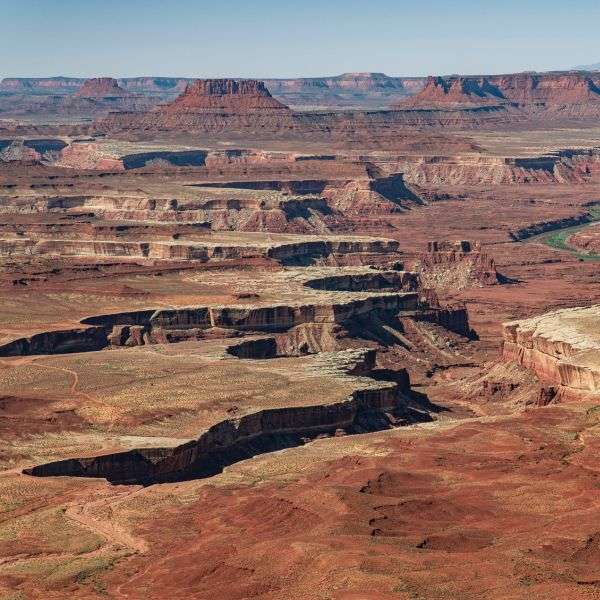
The Maze
The Maze is the most remote and challenging district to access, featuring a labyrinth of deep canyons and towering rock walls. It is a vast and rugged wilderness with limited services and marked by the iconic Doll House, a group of towering red-rock pinnacles.
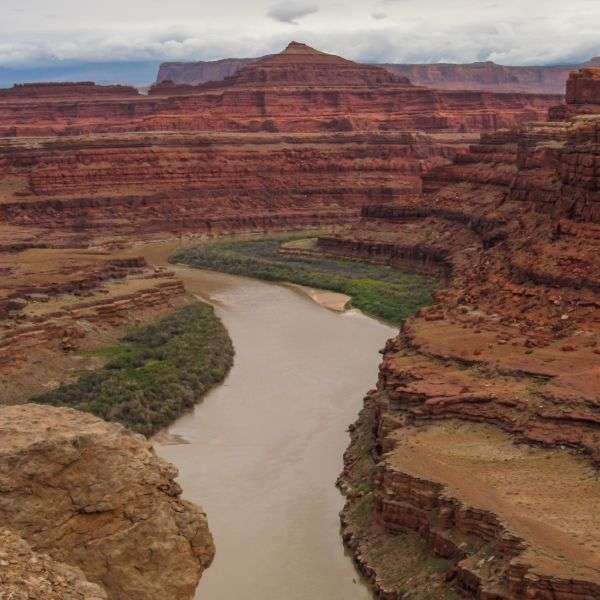
The Rivers
The Rivers district encompasses the canyons carved by the confluence of the Green and Colorado Rivers. This area includes Cataract Canyon, known for its challenging whitewater rapids, and the confluence itself, where the two rivers merge. The rivers have played a crucial role in shaping the deep canyons and intricate rock formations.
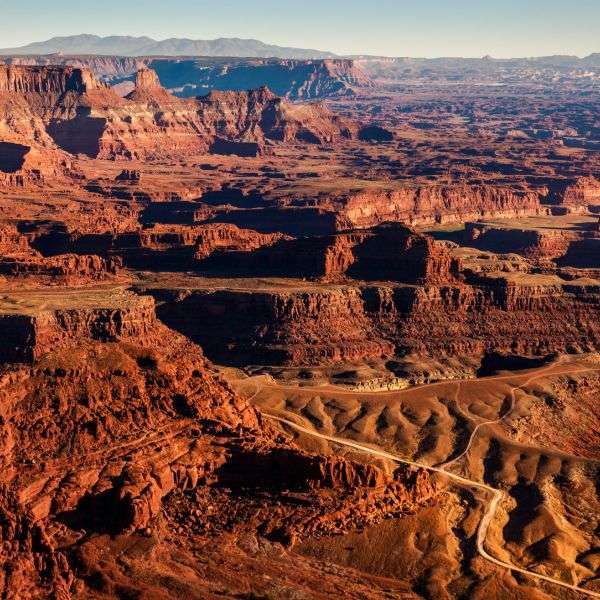
Canyons
The park is renowned for its deep canyons, including the Grand Canyon, which is carved by the Colorado River. Other notable canyons include Buck Canyon, Shafer Canyon, and Horseshoe Canyon.
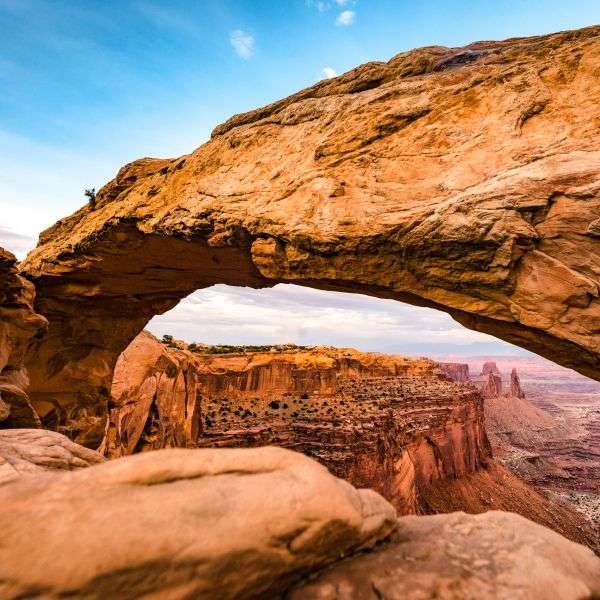
Natural Arches and Bridges
The park is home to numerous natural arches and bridges, including Mesa Arch and the impressive Washer Woman Arch. These geological features result from erosion and contribute to the park's scenic beauty.
Plants
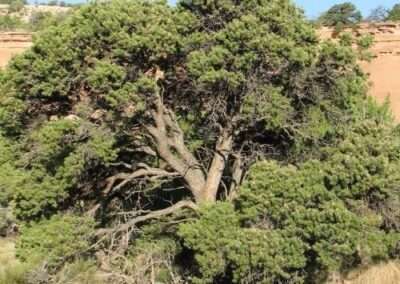
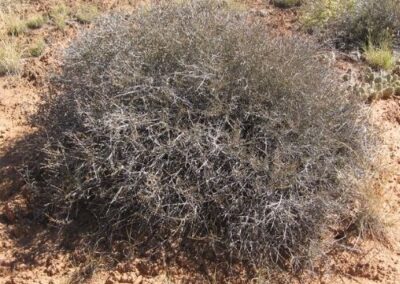
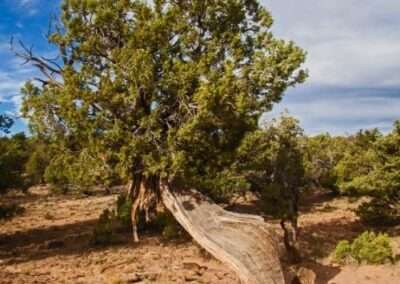
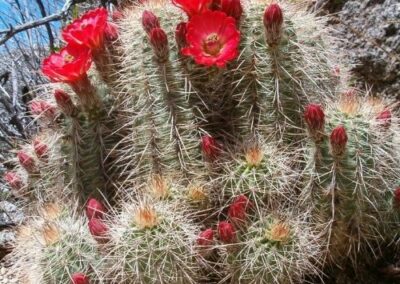
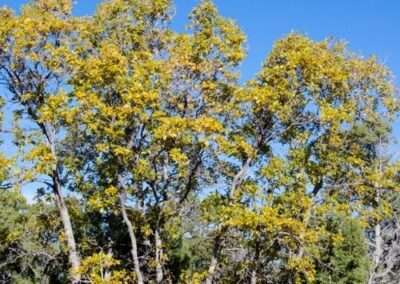
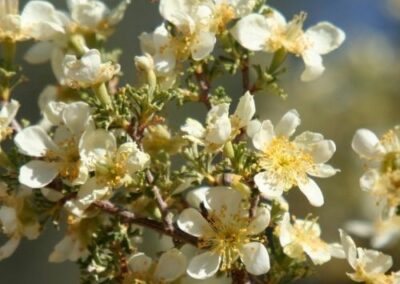
Canyonlands National Park is located in southeastern Utah and has a dry desert climate. Even with little rainfall, many plants are adapted to survive in the park's hot summers, cold winters, and rocky soil. Sagebrush, desert shrubs, grasses, and cacti grow throughout the park. Along the Colorado and Green Rivers, cottonwood trees and other plants grow where water is more available. These plants provide food and shelter for wildlife and help hold the soil in place. Together, the plants of Canyonlands show how life can adapt to a dry and rugged environment.
Animals
Mammals
Canyonlands National Park is home to many mammals that are adapted to its hot, dry climate and rugged desert landscape. Some animals are active during the day, while others are most active at night when temperatures are cooler. Visitors may see animals or find signs of them, such as tracks, burrows, and droppings.
Desert Bighorn Sheep (Ovis canadensis nelsoni): Desert bighorn sheep are well adapted to the steep cliffs and rocky terrain of Canyonlands. They can climb difficult slopes and use rocky areas to escape predators. They are an important part of the park's wildlife.
Mule Deer (Odocoileus hemionus): Mule deer live in many parts of Canyonlands, including mesas, canyons, and areas near water. They feed on grasses, shrubs, leaves, and other plants. They are often more active during the cooler parts of the day.
Coyote (Canis latrans): Coyotes are adaptable predators that live throughout the park. They eat small mammals, birds, insects, fruit, and other foods. They can be active during the day or night.
Bobcat (Lynx rufus): Bobcats are solitary wild cats that live in rocky areas, canyons, and other habitats. They hunt rabbits, rodents, birds, and other small animals. They are rarely seen by visitors.
Mountain Lion (Puma concolor): Mountain lions, also called cougars or pumas, live in Canyonlands and the surrounding region. They are solitary predators that can travel across large areas while searching for prey. Sightings are uncommon.
Black-tailed Jackrabbit (Lepus californicus): Black-tailed jackrabbits are large hares with long ears and powerful back legs. They are well adapted to the desert and feed on grasses, shrubs, and other plants. They are often active around dusk and at night.
Kangaroo Rats (Dipodomys species): Kangaroo rats are small rodents that move by hopping on their powerful back legs. They are active mostly at night and are specially adapted to dry environments. They get much of the water they need from their food.
Gray Fox (Urocyon cinereoargenteus): Gray foxes are small predators that can live in rocky areas, canyons, and places with vegetation. They eat small mammals, birds, insects, fruit, and other foods. Unlike most other foxes, they are good climbers.
Porcupine (Erethizon dorsatum): Porcupines are mostly active at night and feed on plants, leaves, bark, and other vegetation. Their bodies are covered with sharp quills that help protect them from predators.
Ringtail (Bassariscus astutus): Ringtails, sometimes called ringtail cats, are small mammals related to raccoons. They have long tails with dark and light rings and are excellent climbers. They are usually active at night.
Striped Skunk (Mephitis mephitis): Striped skunks are mostly active at night. They eat insects, plants, small animals, and other foods. Their strong-smelling spray helps protect them from predators.
Bats: Several species of bats live in Canyonlands and use its caves, cliffs, and other areas for shelter. They are most active at night and use echolocation to find insects. Bats help control insect populations and are an important part of the park's ecosystem.
Reptiles
Canyonlands National Park is home to several reptiles that are adapted to its hot, dry climate and rocky desert landscape. Lizards and snakes are most active during the warmer months. They help the ecosystem by eating insects, rodents, and other small animals.
Collared Lizard (Crotaphytus collaris): Collared lizards are large, colorful lizards with dark bands around their necks. They live in rocky, open areas and often bask in the sun. They eat insects, spiders, and other small animals.
Greater Short-horned Lizard (Phrynosoma hernandesi): Greater short-horned lizards have flattened bodies and small horns on their heads. Their colors help them blend into the soil and rocks around them. They mainly eat ants and other insects.
Western Whiptail (Aspidoscelis tigris): Western whiptails are long, slender lizards with long tails. They move quickly across the ground while searching for insects and other small animals. They are often active during the day.
Side-blotched Lizard (Uta stansburiana): Side-blotched lizards are small reptiles with a dark spot on each side of their bodies. They live in rocky and dry areas and feed on insects and other small animals.
Western Diamondback Rattlesnake (Crotalus atrox): Western diamondback rattlesnakes are venomous snakes that live in dry, rocky habitats. Their rattles warn other animals when they feel threatened. They help control populations of rodents and other small animals.
Black-necked Gartersnake (Thamnophis cyrtopsis): Black-necked gartersnakes are usually found near streams, springs, and other sources of water. They are good swimmers and eat small animals such as frogs, fish, and insects.
Striped Whipsnake (Masticophis taeniatus): Striped whipsnakes are long, thin, nonvenomous snakes with dark stripes. They are fast-moving hunters that feed on lizards, small mammals, insects, and other prey.
Common Chuckwalla (Sauromalus ater): Chuckwallas are large, sturdy lizards that live among rocks. They mainly eat plants and can squeeze into cracks in rocks when threatened. They are well adapted to the hot desert environment.
Plateau Fence Lizard (Sceloporus tristichus): Plateau fence lizards are common in rocky habitats of the Colorado Plateau. They often bask on rocks and feed on insects and other small animals. Their coloring helps them blend into their surroundings.
Western Skink (Plestiodon skiltonianus): Western skinks are small lizards with smooth, shiny scales. They live in areas with rocks, soil, and vegetation and feed on insects and other small invertebrates.
Gopher Snake (Pituophis catenifer): Gopher snakes are large, nonvenomous snakes that can live in many desert habitats. They eat rodents, birds, lizards, and other small animals. When threatened, they may hiss and shake their tails, which can make them look like a rattlesnake.
Birds
Canyonlands National Park is a great place to see birds. Its high mesas, deep canyons, desert areas, and pinyon-juniper woodlands provide habitats for many kinds of birds. Raptors, songbirds, and desert birds can all be found in the park.
Peregrine Falcon (Falco peregrinus): Peregrine falcons are powerful birds of prey known for their amazing speed. They nest on cliffs and may be seen flying over the canyons while looking for smaller birds to eat.
Common Raven (Corvus corax): Common ravens are large, intelligent black birds that are common throughout the park. They can be seen flying over cliffs and mesas or searching the ground for food.
Golden Eagle (Aquila chrysaetos): Golden eagles are large birds of prey that live in open areas and rocky landscapes. They use rising air currents to soar over the park while searching for prey.
Canyon Wren (Catherpes mexicanus): Canyon wrens are small brown birds that live around cliffs and rocky areas. Their clear, ringing songs can often be heard echoing through the canyons.
Western Scrub-Jay (Aphelocoma californica): Western scrub-jays live in areas with shrubs and pinyon-juniper trees. They eat insects, seeds, fruit, and other foods and are known for being active and curious.
White-throated Swift (Aeronautes saxatalis): White-throated swifts are fast-flying birds that spend much of their time in the air. They often fly around cliffs and canyons while catching flying insects.
Black-throated Sparrow (Amphispiza bilineata): Black-throated sparrows are well adapted to the dry desert environment. They can be found among shrubs and other desert plants and are recognized by their black-and-white facial markings.
Black-chinned Sparrow (Spizella atrogularis): Black-chinned sparrows live in dry, shrubby areas of the Southwest. They feed mainly on seeds and insects and can be difficult to spot because they blend into their surroundings.
Swainson's Hawk (Buteo swainsoni): Swainson's hawks may be seen in the Canyonlands region, especially during migration. They are often seen soaring high in the sky while searching for small animals.
Rock Wren (Salpinctes obsoletus): Rock wrens are well suited to the rocky landscape of Canyonlands. They often move among rocks while searching for insects and other small animals.
American Kestrel (Falco sparverius): American kestrels are small falcons that live in open areas. They often perch on rocks, trees, or other high spots while looking for insects and small animals.
Turkey Vulture (Cathartes aura): Turkey vultures are common soaring birds that may be seen over the park. They use their excellent sense of smell to find carrion, or dead animals, and help clean up the environment.
California Condor (Gymnogyps californianus): California condors have been reintroduced in parts of northern Arizona and southern Utah. They may occasionally be seen in the wider region around Canyonlands, but they are not a common bird in the park.
Fish
Canyonlands National Park has fish in the Colorado River, Green River, and some smaller waterways. The rivers are an important part of the park's ecosystem, but the park does not have as many fish species as areas with larger lakes and cooler streams. Some fish are native to the Colorado River system, while others were introduced by people.
Humpback Chub (Gila cypha): The humpback chub is a native fish of the Colorado River system. It is adapted to life in the river's strong currents and rocky canyons. It is a threatened species and is protected by federal law.
Razorback Sucker (Xyrauchen texanus): The razorback sucker is a large native fish found in the Colorado River system. It gets its name from the raised ridge along its back. Its numbers have declined greatly, and conservation programs are helping restore its population.
Bluehead Sucker (Catostomus discobolus): Bluehead suckers are native to the Colorado River system. They live near the bottom of rivers and use their mouths to feed on algae and other material growing on rocks.
Flannelmouth Sucker (Catostomus latipinnis): Flannelmouth suckers are native fish that live in the Colorado River and its tributaries. They feed mainly on algae and other small organisms found along the river bottom.
Roundtail Chub (Gila robusta): Roundtail chubs are native fish of the Colorado River system. They live in rivers and eat insects, small fish, and other small animals.
Common Carp (Cyprinus carpio): Common carp are non-native fish that have been introduced to many rivers in North America. They can live in a wide range of water conditions and may compete with native fish for food and habitat.
Channel Catfish (Ictalurus punctatus): Channel catfish are non-native fish found in parts of the Colorado River system. They are bottom-feeding fish that eat insects, small fish, and other food they find in the water.
Fish in Canyonlands are an important part of the river ecosystem. Protecting native species such as the humpback chub, razorback sucker, bluehead sucker, flannelmouth sucker, and roundtail chub is an important part of conservation in the Colorado River system.
Amphibians
Amphibians are not common in Canyonlands National Park because the park has a hot, dry climate and few permanent water sources. However, some amphibians are adapted to these conditions. They may be found near springs, seeps, streams, and temporary pools, especially after rain.
Canyon Treefrog (Dryophytes arenicolor): Canyon treefrogs are well adapted to the dry Southwest. They are often found near rocky pools, springs, and other sources of water. They can survive dry conditions by hiding in cracks and other sheltered places.
Red-spotted Toad (Anaxyrus punctatus): Red-spotted toads are small toads that live in dry and rocky areas. They have small red or orange spots on their bodies. They often become active after rain, when temporary pools provide places to breed.
Great Basin Spadefoot (Spea intermontana): Great Basin spadefoots are adapted to dry environments and spend much of their time underground. After heavy rain, they may quickly emerge and gather in temporary pools to breed.
Amphibians are an important part of Canyonlands' ecosystem. They eat insects and other small animals and also provide food for predators. Because they depend on water for breeding, changes in rainfall and water availability can affect their populations.
"The rolling scrub desert gradually drops away into a region of painted rock domes, hidden cliffs, weathered and warped bluffs, tilted and tortured canyons, and broken monoliths."
- Aron Ralston
"As the work of erosion continues, today's geologic displays will eventually disappear, making way for future wonders."
- National Park Services
"We are now down among the buttes, and in a region the surface of which is naked, solid rock – a beautiful red sandstone, forming a smooth, undulating pavement."
- JW Powell
"At a time when we hardly know what we can count on in a country of shifting values and priorities, Canyonlands is our bedrock, a geologic truth that we all share, the eyes of the future are looking back at us, praying that we may see beyond our own time."
— Terry Tempest Williams
Explore More With Us
Stay updated on National Parks EDU resources, park news, community updates, and and ways to explore, and protect.

National Parks Edu's mission is to help kids and families understand what makes these places so important. Because when you learn about nature, you start to care about protecting it.
National Parks EDU is an independent educational website and is not affiliated with, endorsed by, sponsored by, or officially connected to the National Park Service (NPS) or the U.S. government. © National Parks EDU. All Rights Reserved. October 18, 2026