Bryce Canyon
National Park
Utah
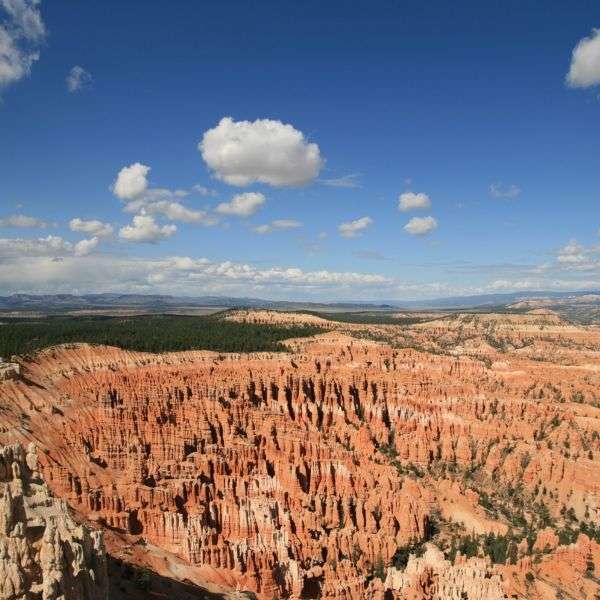
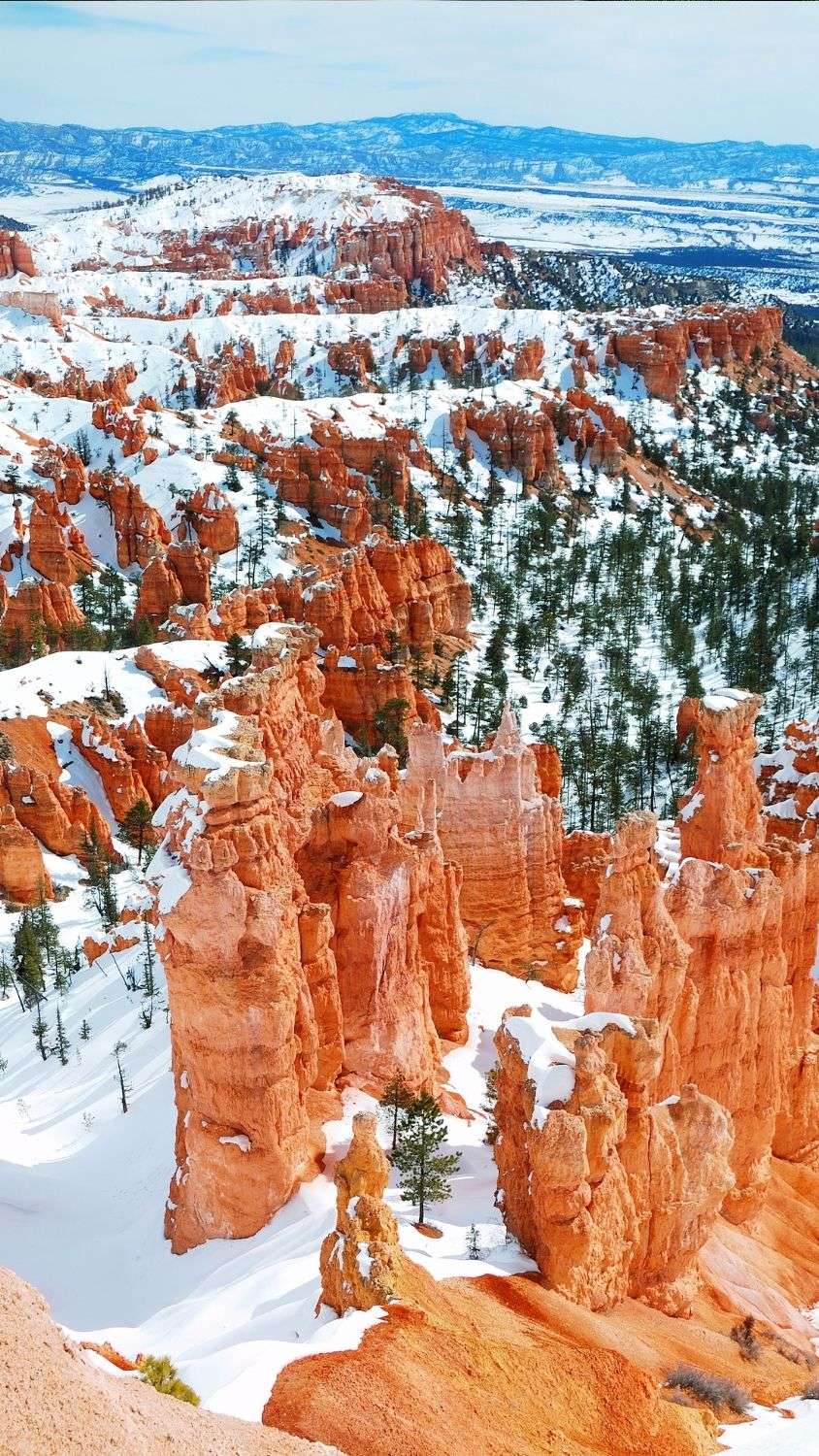
breathtaking amphitheaters of red, orange, and white hoodoos, creating a surreal and otherworldly landscape
Fast Facts
Location
southwestern Utah
Established in
1924
Established by
President Warren G. Harding
Size
56 sq. miles
Known For
- Renowned for its unique geological formations known as hoodoos, tall, thin spires of rock
- The rocks in the canyon are part of the Claron Formation and are around 50-60 million years old
- The park features a series of natural amphitheaters, where the majority of the hoodoos are concentrated
History
Natural History and Formation
Bryce Canyon National Park was shaped by millions of years of sediment buildup, uplift, weathering, and erosion. These forces created the colorful cliffs, amphitheaters, and tall rock spires called hoodoos that make Bryce Canyon unique.
Sediment Deposition: About 50 to 60 million years ago, sediments began collecting in the area that is now Bryce Canyon. Streams, rivers, floodplains, and lakes carried and deposited mud, silt, and other materials. Over time, these sediments built up in layers.
Claron Formation: The layers of sediment eventually hardened into rock. This rock is called the Claron Formation. It is made mostly of limestone, with some sandstone and mudstone. Iron in the rock gives many parts of Bryce Canyon their red, orange, pink, and white colors.
Uplift: Millions of years later, the land in this part of Utah was pushed upward. This uplift raised the Colorado Plateau and helped expose the Claron Formation to weathering and erosion.
Erosion: Water, ice, and gravity slowly wore away the rock. Streams and runoff helped cut into the landscape, creating the large amphitheaters and cliffs found at Bryce Canyon. The Paria River and its tributaries are part of the larger drainage system that continues to carry water away from the area.
Frost Wedging: Freezing and thawing is one of the most important processes that creates Bryce Canyon's hoodoos. Water enters cracks in the rock and freezes. As the water freezes, it expands and pushes against the rock. When this happens again and again, pieces of rock break away.
Hoodoo Formation: Hoodoos form because different parts of the rock erode at different speeds. Harder layers protect softer rock below them. Over time, this creates tall, thin columns of rock with larger pieces of harder rock near their tops.
Ongoing Erosion: The landscape of Bryce Canyon is still changing today. Rain, snow, ice, wind, and gravity continue to break down the rock. New hoodoos can form while older ones slowly become smaller and eventually disappear.
The combination of ancient sediments, uplift, weathering, and erosion created the remarkable landscape of Bryce Canyon. Its hoodoos are a visible record of the powerful natural processes that have shaped southern Utah over millions of years.
Native History
Ancient Peoples: The Southern Paiute people have a long history in the Bryce Canyon region. They lived and traveled across southern Utah and used the area's plants, animals, water, and other natural resources.
Cultural Significance: Bryce Canyon's landscape is important to the Southern Paiute people. The hoodoos are part of a traditional Paiute story. According to the story, the hoodoos were people who were turned to stone as a punishment for bad behavior. The Paiute name for the hoodoos means "red-painted faces."
Using Natural Resources: Southern Paiute people used the land around Bryce Canyon for hunting and gathering. They collected plants for food, medicine, tools, and other uses. They also hunted animals that lived in the region.
Seasonal Travel: Southern Paiute families traveled to different areas during the year to find food, water, and other resources. The timing and location of these movements depended on the seasons and what resources were available.
Connection to the Land: The land was an important part of Southern Paiute life and culture. Plants, animals, water, and natural places provided resources and were connected to traditions and knowledge passed down through generations.
Trade and Relationships: The Southern Paiute interacted with other Indigenous groups in the region. These relationships included sharing resources, exchanging goods, and sharing knowledge.
European-American Contact: European-American explorers and settlers began entering the region during the 1800s. New settlements, roads, and changes in land use affected Southern Paiute communities. Disease and the loss of access to traditional lands also caused serious harm.
Southern Paiute Today: Southern Paiute people continue to have strong cultural connections to southern Utah. Bryce Canyon National Park recognizes the area's Indigenous history and works to share information about the Southern Paiute people and their continuing connection to the landscape.
Preservation
The preservation history of Bryce Canyon National Park shows how people have worked to protect its hoodoos, wildlife, plants, and cultural resources. Today, the National Park Service works to protect the park while allowing visitors to enjoy its unique landscape.
Early Recognition: In the late 1800s, settlers and visitors began drawing attention to Bryce Canyon's unusual rock formations and beautiful scenery. Ebenezer Bryce, a Mormon pioneer who lived in the area, helped bring attention to the canyon. The area was later named after him.
National Monument Designation: On June 8, 1923, President Warren G. Harding established Bryce Canyon National Monument. This gave the area federal protection and helped prevent its unique rock formations from being damaged or developed.
National Park Designation: On February 25, 1928, Congress established Bryce Canyon National Park. The new national park provided greater protection for the area's hoodoos, forests, wildlife, and other natural resources.
Civilian Conservation Corps: During the 1930s, the Civilian Conservation Corps, also known as the CCC, worked in Bryce Canyon. CCC workers built trails, roads, buildings, and other facilities. Their work helped make the park easier for visitors to explore while protecting the landscape.
Protecting the Night Sky: Bryce Canyon has some of the darkest skies in the country. In 2019, it was recognized as an International Dark Sky Park. The designation recognizes the park's efforts to protect natural darkness and reduce the effects of light pollution.
Ongoing Conservation: Today, Bryce Canyon National Park protects its geology, plants, wildlife, water, and cultural resources. Park staff monitor natural resources, maintain trails and facilities, manage visitor use, and work to reduce damage to the environment.
Protecting the Future: Bryce Canyon continues to change because of natural weathering and erosion. Conservation work helps protect the park's unique landscape so that future generations can experience and learn from this remarkable place.
Future Preservation
Protecting Bryce Canyon National Park for the future requires managing the effects of visitors, climate change, development, and other environmental challenges. The National Park Service works to protect the park's hoodoos, wildlife, plants, water, dark skies, and cultural resources.
Visitor Impact: Bryce Canyon is a popular park, and large numbers of visitors can put pressure on the environment. Walking off trails can damage plants and cause soil erosion. Staying on marked trails and following park rules helps protect the landscape.
Protecting the Hoodoos: Weathering and erosion naturally change the hoodoos over time. Human activity can add to this damage. Visitors can help by staying on trails and not climbing on or damaging the rock formations.
Infrastructure: Roads, trails, buildings, and other visitor facilities are needed to safely enjoy the park. At the same time, these facilities must be planned and maintained carefully to reduce damage to plants, wildlife, and soil.
Climate Change: Changes in temperature and precipitation can affect Bryce Canyon's plants, animals, water, and forests. Warmer temperatures and changing weather patterns may also affect snow and water supplies. Park scientists monitor these changes to better understand their effects.
Invasive Species: Non-native plants can compete with native species for water, space, and nutrients. Park staff work to identify and control invasive plants to help protect native ecosystems.
Air Quality: Bryce Canyon is known for its clear views and clean mountain air, but pollution from sources outside the park can affect visibility and air quality. Protecting clean air helps both people and wildlife.
Dark Skies: Bryce Canyon is an International Dark Sky Park. Artificial light can make it harder to see stars and can affect nighttime wildlife. The park works to limit unnecessary light and protect its naturally dark skies.
Cultural Resources: Archaeological sites and other cultural resources can be damaged by weather, erosion, vandalism, and unauthorized collecting. Protecting these places helps preserve the history and cultural heritage of the area, including its connections to the Southern Paiute people.
Wildlife Protection: Wildlife needs safe habitats and places away from heavy human activity. Visitors are encouraged to keep a safe distance from animals and never feed them. These actions help reduce conflicts between people and wildlife.
Funding and Resources: Maintaining trails, roads, buildings, and natural resources requires staff, equipment, and funding. Careful planning helps the park use its resources where they are needed most.
Protecting the Future: Protecting Bryce Canyon requires cooperation between park staff, scientists, local communities, and visitors. Following park rules, staying on trails, respecting wildlife, and helping protect natural and cultural resources can help keep Bryce Canyon healthy for future generations.
Geography
Bryce Canyon National Park is located in southern Utah and is famous for its colorful cliffs and thousands of tall rock formations called hoodoos. These unusual rock shapes were created by weathering and erosion over millions of years. The park's landscape includes large natural amphitheaters, cliffs, arches, and narrow rock formations. Elevations in the park range from about 8,000 to more than 9,000 feet, making Bryce Canyon one of the highest national parks in Utah. The high elevation creates cool temperatures and supports a variety of plants and animals. Visitors can enjoy wide views of the colorful landscape and see how natural forces continue to shape the park.
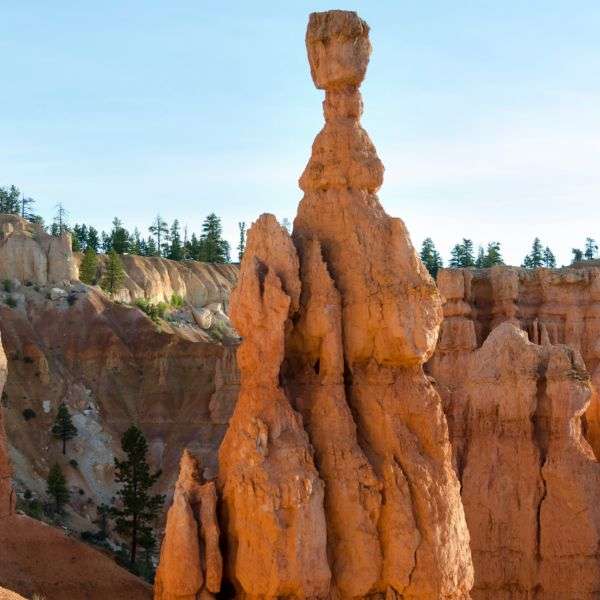
Hoodoos
Hoodoos are the distinctive rock formations that make Bryce Canyon unique. These formations are the result of erosion and frost weathering, creating a surreal and intricate landscape of orange, red, and white-colored spires.
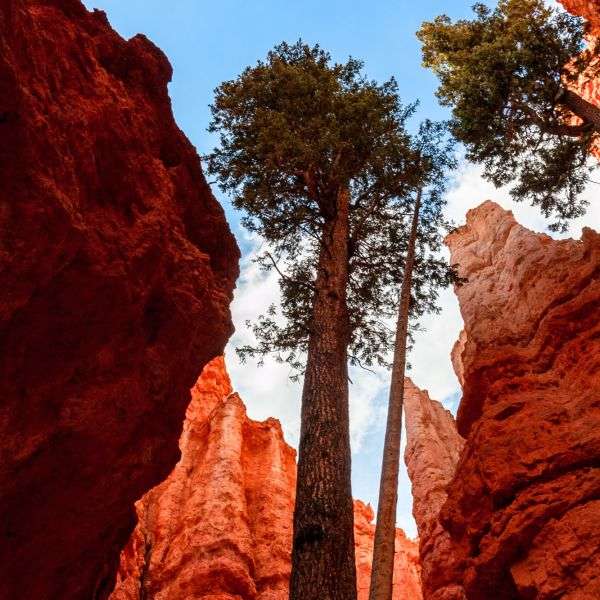
Canyons and Amphitheaters
Contrary to its name, Bryce Canyon is not a traditional canyon but a series of natural amphitheaters carved into the eastern edge of the Paunsaugunt Plateau. The most famous of these amphitheaters is Bryce Amphitheater, known for its concentration of hoodoos—tall, thin rock spires.
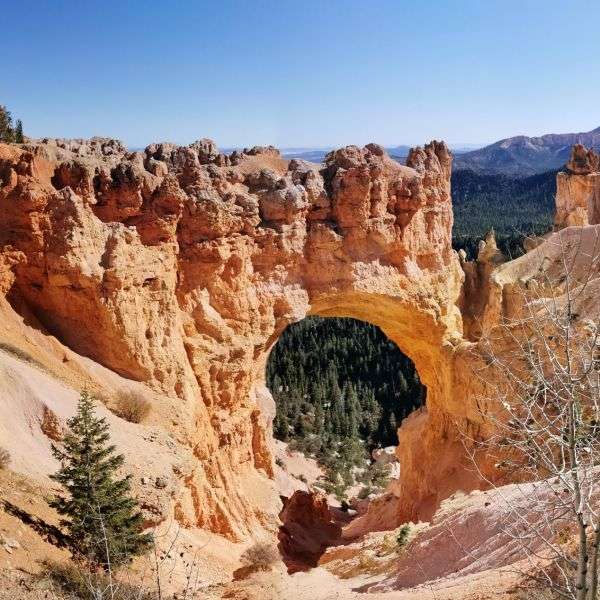
Natural Bridges
In addition to hoodoos, Bryce Canyon features natural stone bridges, arches, and windows formed by erosion. While not as numerous as the arches found in nearby Arches National Park, these features add to the geological diversity of the park.
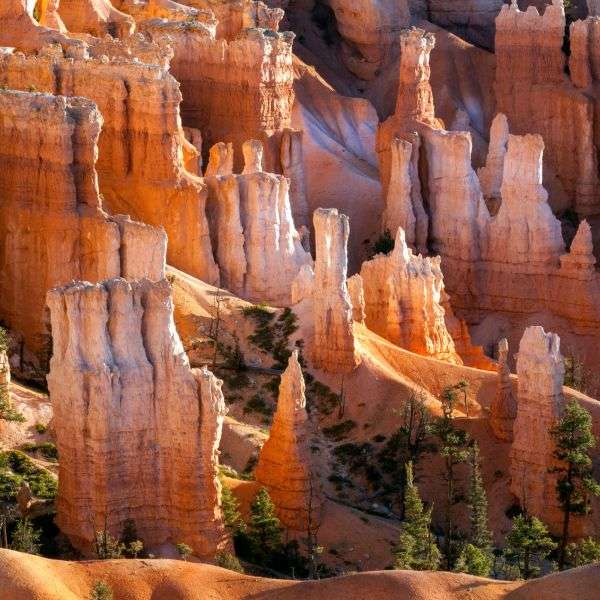
Rock Layers
The park showcases a sequence of sedimentary rock layers, each representing a different geological period. The predominant rock type is the Claron Formation, composed of limestone, mudstone, and siltstone.
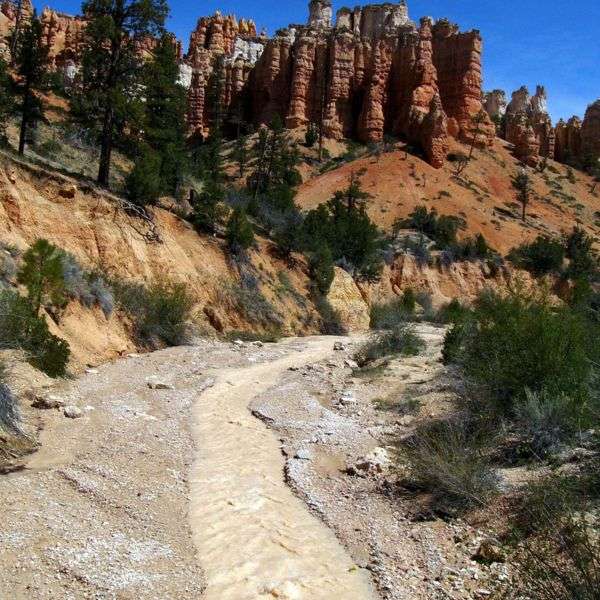
Riparian Areas
Despite the arid nature of the region, Bryce Canyon National Park contains riparian areas, where water flows seasonally. These areas support plant and animal life and add to the park's ecological complexity.
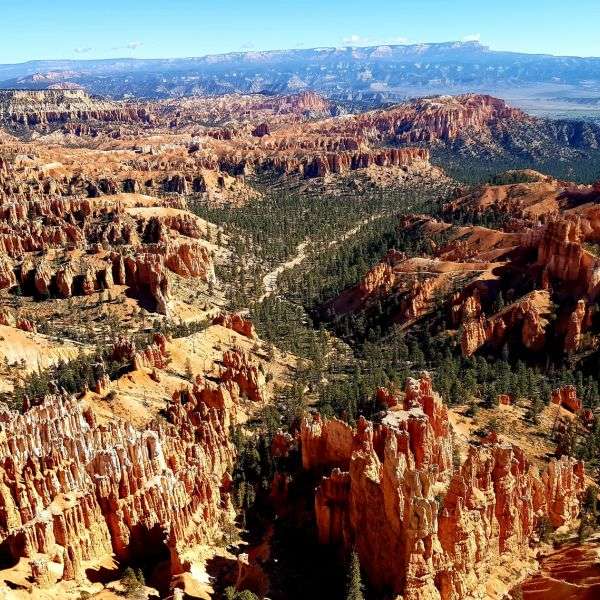
Streams and Drainages
The park is crisscrossed by several streams and drainages, including the Paria River and its tributaries. These waterways have played a crucial role in shaping the landscape over millions of years.
Plants
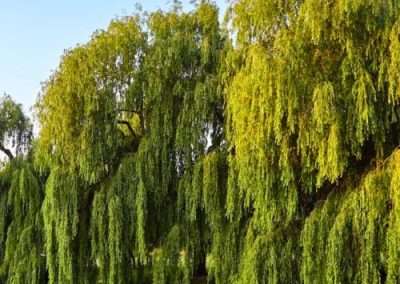
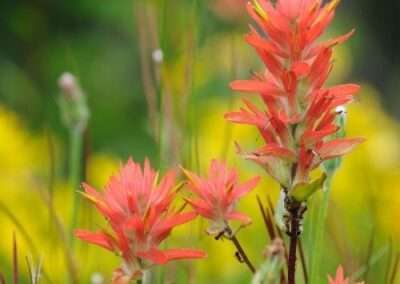
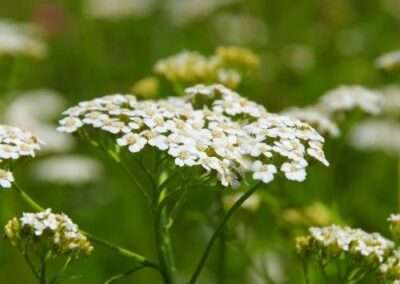
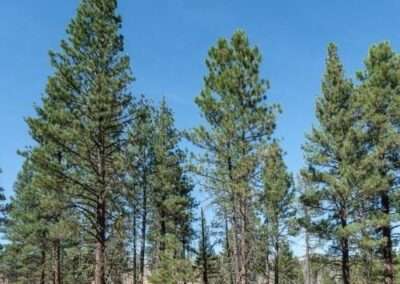
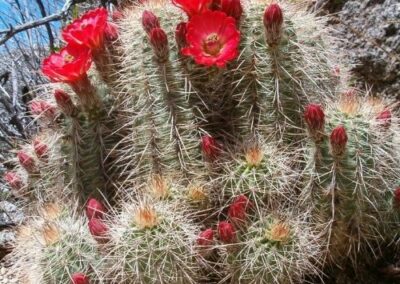
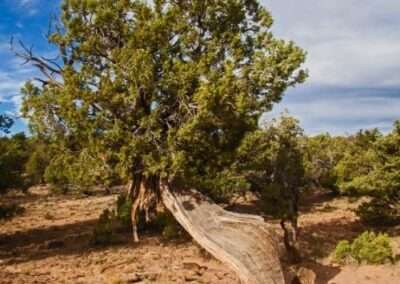
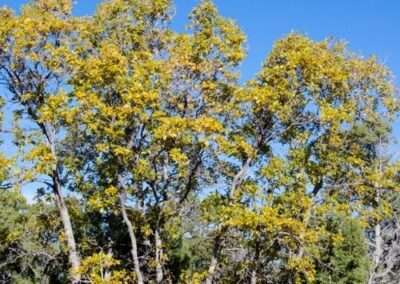
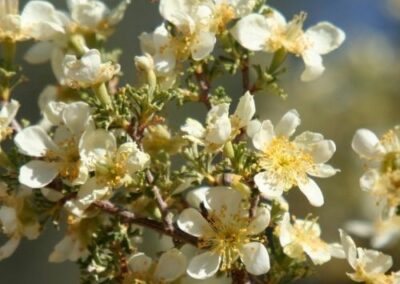
Bryce Canyon National Park has many different kinds of plants that are adapted to its high elevation and dry climate. Pinyon pines, Utah junipers, and sagebrush grow throughout the park. Ponderosa pine forests are also common in higher areas. In spring and summer, wildflowers add bright colors to meadows and open areas. These plants have adapted to cold winters, dry conditions, and changes in temperature. Together, they provide food and shelter for wildlife and add beauty to Bryce Canyon's colorful landscape.
Animals
Mammals
Bryce Canyon National Park is home to many mammals that are adapted to its high elevation, cold winters, dry climate, forests, and open meadows. Some mammals are easy to spot, while others are most active at night or are very good at hiding.
Mule Deer (Odocoileus hemionus): Mule deer are common in Bryce Canyon and can be seen in forests, meadows, and other open areas. They are named for their large ears and often feed on grasses, shrubs, and other plants.
Utah Prairie Dog (Cynomys parvidens): Utah prairie dogs are small, social animals that live in underground burrows. They are native to southwestern Utah and are a threatened species. Conservation efforts help protect their populations and habitat.
Uinta Chipmunk (Neotamias umbrinus): Uinta chipmunks are small animals with stripes on their backs. They live in forests and rocky areas and feed on seeds, plants, insects, and other foods. They are often active during the warmer months.
Golden-mantled Ground Squirrel (Callospermophilus lateralis): These ground squirrels have a golden-colored patch on their shoulders and back. They live in forests, meadows, and rocky areas. They eat seeds, plants, insects, and other foods.
Mountain Lion (Puma concolor): Mountain lions, also called cougars or pumas, live in the park and surrounding areas. They are solitary predators that hunt animals such as deer. They are rarely seen by visitors.
Bobcat (Lynx rufus): Bobcats are small wild cats that live in forests, rocky areas, and other habitats. They hunt rabbits, rodents, birds, and other small animals. They are solitary and difficult to spot.
Porcupine (Erethizon dorsatum): Porcupines are mostly active at night. They eat plants, bark, leaves, and other vegetation. Their bodies are covered with sharp quills that protect them from predators.
Bats: Several kinds of bats live in the Bryce Canyon area. Bats are most active at night, when they hunt insects. They help control insect populations and are an important part of the park's ecosystem.
Red Fox (Vulpes vulpes): Red foxes can live in many different habitats, including forests and open areas. They eat small mammals, birds, insects, fruit, and other foods. They are usually most active around dawn, dusk, and at night.
Coyote (Canis latrans): Coyotes are adaptable animals that live in many habitats. They eat small mammals, birds, insects, fruit, and other foods. They may be active during the day or night.
Big Brown Bat (Eptesicus fuscus): Big brown bats are one of the bat species found in the region. They are active at night and feed mainly on insects. By eating insects, they help support the health of the ecosystem.
Reptiles
Bryce Canyon National Park has several species of reptiles that are adapted to its dry climate, rocky landscape, and high elevation. Lizards and snakes are most active during the warmer months. They help the ecosystem by eating insects, rodents, and other small animals.
Sagebrush Lizard (Sceloporus graciosus): Sagebrush lizards are small reptiles that live in dry areas with shrubs and rocks. They often bask in the sun to warm their bodies. They eat insects and other small animals.
Plateau Fence Lizard (Sceloporus tristichus): Plateau fence lizards are adapted to the rocky landscapes of the Colorado Plateau. They are often seen resting on rocks or other sunny surfaces. Their coloring helps them blend into their surroundings.
Striped Whipsnake (Coluber taeniatus): Striped whipsnakes are long, thin, nonvenomous snakes with dark stripes running along their bodies. They are fast-moving hunters that feed on lizards, small mammals, and other prey.
Gopher Snake (Pituophis catenifer): Gopher snakes are large, nonvenomous snakes that live in many different habitats. They eat rodents, birds, lizards, and other small animals. When threatened, they may hiss and shake their tails, which can make them look like a rattlesnake.
Western Rattlesnake (Crotalus viridis): Western rattlesnakes are venomous snakes that live in dry and rocky habitats. They use their rattles to warn animals and people when they feel threatened. They mainly eat small mammals.
Common Side-blotched Lizard (Uta stansburiana): Side-blotched lizards are small lizards that live in rocky and dry areas. They often bask in the sun and feed on insects and other small animals. They have different color patterns that can vary between individuals.
Western Skink (Plestiodon skiltonianus): Western skinks are small lizards with smooth, shiny scales. They live in areas with rocks, soil, and vegetation. They feed mainly on insects and other small invertebrates.
Great Basin Collared Lizard (Crotaphytus bicinctores): Great Basin collared lizards are colorful lizards with dark bands around their necks. They live in rocky, dry habitats and eat insects, lizards, and other small animals.
Western Terrestrial Garter Snake (Thamnophis elegans): Western terrestrial garter snakes can live in many habitats, including areas near streams and ponds. They eat a variety of small animals, including insects, amphibians, and small fish.
Birds
Bryce Canyon National Park is home to many bird species. The park's forests, meadows, cliffs, and open areas provide habitats for birds throughout the year. Some species live in the park year-round, while others visit during migration or the warmer months.
Clark's Nutcracker (Nucifraga columbiana): Clark's nutcrackers are gray and black birds with strong bills. They eat seeds, especially pine seeds, and hide some of their food for later. The seeds they leave behind can grow into new trees.
Steller's Jay (Cyanocitta stelleri): Steller's jays have dark blue and black feathers and tall crests on their heads. They are common in forested areas and eat insects, seeds, berries, and other foods.
Mountain Bluebird (Sialia currucoides): Mountain bluebirds are small birds with bright blue feathers. They are often seen in open areas and meadows, where they search for insects and other small foods.
Common Raven (Corvus corax): Common ravens are large, intelligent black birds. They are well adapted to the park's cliffs, forests, and open areas. They eat many types of food and are often seen soaring above the canyon.
Peregrine Falcon (Falco peregrinus): Peregrine falcons are powerful birds of prey that can dive at very high speeds when hunting. They use cliffs for nesting and may be seen flying above the rocky areas of the park.
Western Tanager (Piranga ludoviciana): Western tanagers are colorful songbirds that visit Bryce Canyon during the warmer months. Males have yellow bodies, black wings, and a red-orange face. They eat insects, berries, and other small foods.
Black-chinned Hummingbird (Archilochus alexandri): Black-chinned hummingbirds are small, fast-flying birds that can be found in the park during the warmer months. They feed on flower nectar and small insects.
White-throated Swift (Aeronautes saxatalis): White-throated swifts are fast-flying birds that spend much of their time in the air. They can nest on cliffs and feed on insects while flying.
Golden Eagle (Aquila chrysaetos): Golden eagles are large birds of prey with broad wings. They can soar over the park's open areas and cliffs while searching for prey such as rabbits and other small mammals.
American Kestrel (Falco sparverius): American kestrels are small, colorful falcons that often hunt in open areas. They may perch on branches, posts, or other high places while looking for insects and small animals.
California Condor (Gymnogyps californianus): California condors have been reintroduced to northern Arizona and southern Utah. Although they are rare in the Bryce Canyon area, an occasional condor may be seen in the broader region. They are one of the largest flying birds in North America.
Fish
Bryce Canyon National Park does not have many fish species because it has very few permanent streams, lakes, or ponds. Most of the park's landscape is made up of high-elevation forests, meadows, cliffs, and dry areas. Some streams and small water sources appear during wetter periods, but they do not provide large habitats for fish. Visitors are more likely to see birds, mammals, reptiles, and other wildlife than fish. Fish are more common in larger rivers and lakes outside the park.
Amphibians
Bryce Canyon National Park has limited habitat for amphibians because the park has a dry climate and few permanent ponds and streams. Amphibians need water or moist places to survive and reproduce, so they are not as common in the park as birds, mammals, or reptiles.
Limited Water Sources: Most of the park is made up of forests, meadows, cliffs, and dry areas. Small streams, springs, and other wet places provide some habitat for amphibians. These water sources can change with the seasons and may become smaller or disappear during dry periods.
Seasonal Activity: Rain and snowmelt can create temporary wet areas that may provide opportunities for amphibians to feed or reproduce. Amphibians are more likely to be active during wetter parts of the year.
Conservation: Protecting water sources and keeping natural habitats healthy is important for the amphibians that live in or around Bryce Canyon. Because these animals depend on moist environments, changes in water availability can affect their populations.
“You are invited to connect with an amazing example of some of the most unusual terrain on this planet, making you feel as though you are stepping foot on the edge of another world.”
―
"It is one indescribable masterpiece of nature. Bryce’s unlikely amphitheaters took 60 million years to make but we measly humans only just stumbled upon them."
-Chirasree Banerjee
Explore More With Us
Stay updated on National Parks EDU resources, park news, community updates, and and ways to explore, and protect.

National Parks Edu's mission is to help kids and families understand what makes these places so important. Because when you learn about nature, you start to care about protecting it.
National Parks EDU is an independent educational website and is not affiliated with, endorsed by, sponsored by, or officially connected to the National Park Service (NPS) or the U.S. government. © National Parks EDU. All Rights Reserved. October 17, 2026