Black Canyon of the Gunnison
National Park
Colorado
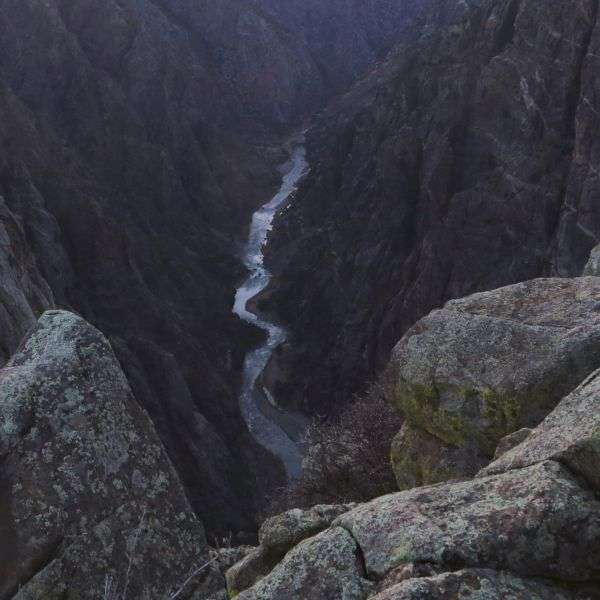
sheer cliffs, rugged terrain, and the roaring Gunnison River
Fast Facts
Location
western Colorado
Established in
1999
Established by
President Bill Clinton
Size
48 sq. miles
Known For
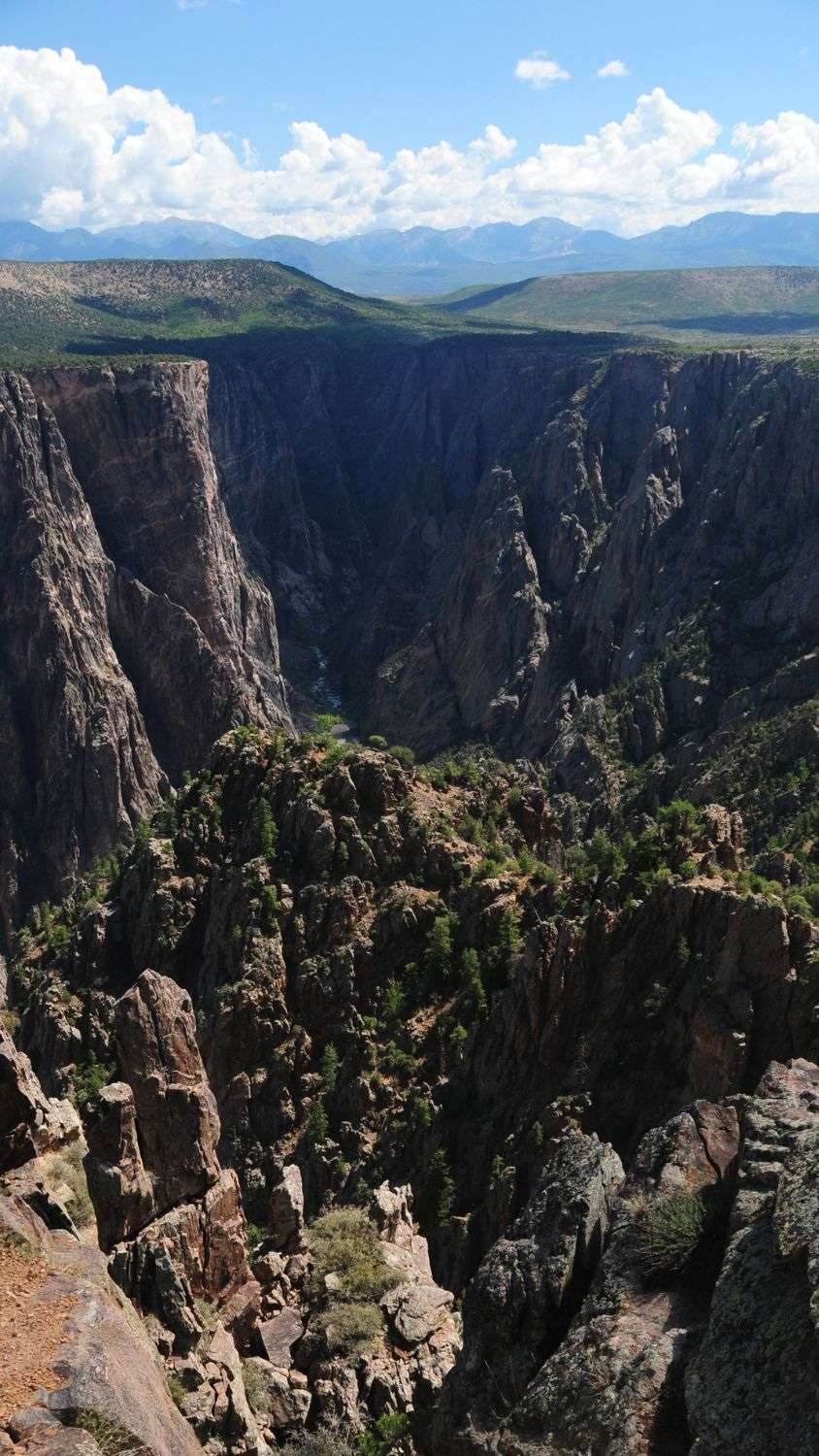
- Renowned for its incredibly steep and dramatic cliffs, which plunge into the canyon depths
- The Gunnison River, with its powerful currents and rapids, carves its way through the canyon
- The canyon's unique geology results in narrow, shadowy sections that give it the name "Black Canyon"
History
Natural History and Formation
Black Canyon of the Gunnison National Park was shaped by powerful forces over millions of years. The canyon formed as the Gunnison River cut through layers of rock, including some rocks that are nearly 2 billion years old. Uplift, volcanoes, erosion, and weathering all helped create the deep, narrow canyon we see today.
Gunnison Uplift: About 70 million years ago, a large block of land called the Gunnison Uplift was pushed upward. This exposed very old rocks that had formed deep underground. These rocks are mostly gneiss, schist, and other hard rocks. They are nearly 2 billion years old.
Ancient River: The Gunnison River has been flowing through this region for millions of years. Scientists believe the modern river course was established about 10 to 15 million years ago. The river first cut through softer volcanic and sedimentary rocks before reaching the much harder rocks below.
Erosion: About 2 million years ago, the Gunnison River began cutting into the hard rocks of the Gunnison Uplift. The river carried sand, gravel, and other materials that slowly wore away the rock. The river continues to shape the canyon today.
Hard Rock and Deep Cliffs: Much of the canyon is made of hard rocks that resist erosion. Because these rocks wear away slowly, the canyon has kept its steep, narrow shape. The Gunnison River drops about 43 feet for every mile through the canyon, giving it strong cutting power.
Volcanic Activity: Volcanoes formed north and south of the Gunnison Uplift millions of years ago. They covered parts of the area with thick layers of volcanic ash and rock. The Gunnison River later eroded much of this softer material as it carved the canyon. The last major volcanic eruptions in the nearby area ended about 18 million years ago.
Tectonic Activity: Movements of Earth's crust helped raise the Gunnison Uplift and bring the ancient rocks closer to the surface. These forces were an important part of the canyon's history. Erosion, weathering, and the Gunnison River continue to change the canyon today.
Black Canyon Today: Black Canyon is about 48 miles long, with about 14 miles inside the national park. Its deepest point is about 2,722 feet. The Gunnison River continues to slowly carve the canyon, showing that the landscape is still changing.
Native History
Black Canyon of the Gunnison has a long Native American history. The Ute people have strong historical and cultural connections to the region, and Indigenous people have used the lands around the canyon for thousands of years.
Ancient Use: People have lived in and traveled through the area around Black Canyon for thousands of years. They hunted animals, gathered plants, and used natural materials from the land. The canyon and nearby areas provided food, water, shelter, and other useful resources.
The Ute People: The Ute people have a long history in western Colorado, including the area around Black Canyon. Different Ute bands traveled across the region to hunt and gather food. The canyon was part of a larger landscape that was important to their way of life.
Cultural Connections: The landscape around Black Canyon has cultural importance to Indigenous peoples. However, specific beliefs, stories, or ceremonies connected to the canyon are not always known or publicly shared. It is important to avoid assuming that the canyon was considered a sacred place without evidence.
Rock Art and Archaeology: Archaeological sites in the region provide evidence of Indigenous use of the area. These sites can include tools, campsites, and other objects that help researchers learn about the people who lived here. Some rock art is also found in western Colorado, but individual sites should not be connected to a specific tribe without evidence.
Hunting and Gathering: Indigenous people used the land around Black Canyon to hunt animals and gather plants. Deer, elk, and other animals provided food and materials. Plants were also collected for food, medicine, and other uses.
Travel Through the Region: Indigenous people traveled across the lands around the canyon as they moved between hunting and gathering areas. However, the steep walls and narrow passages of Black Canyon made travel through the canyon itself difficult.
Euro-American Contact: During the 1800s, increasing numbers of Euro-American explorers, miners, and settlers entered western Colorado. This brought major changes for the Ute people and other Indigenous communities. The U.S. government later forced many Ute people from their traditional lands and onto reservations.
Continuing Connection: Native American history is an important part of the story of Black Canyon of the Gunnison. The Ute people and other Indigenous communities continue to have connections to western Colorado. Learning about these connections helps visitors better understand and respect the history of the park and the surrounding region.
Preservation
The preservation history of Black Canyon of the Gunnison shows how people worked to protect the canyon's dramatic cliffs, wildlife, rivers, and cultural resources. Today, the National Park Service manages the area so people can enjoy it while helping protect it for the future.
Early Recognition: By the late 1800s and early 1900s, explorers, photographers, and local residents had documented the canyon's steep cliffs and dramatic scenery. The canyon's rugged landscape helped draw attention to the need to protect the area.
National Monument Designation: On March 2, 1933, President Herbert Hoover established Black Canyon of the Gunnison National Monument. This gave the canyon federal protection and helped preserve its natural and scenic features.
Protection of the Canyon: After the national monument was established, the federal government continued to manage and protect the canyon. Roads, trails, overlooks, and other facilities were developed to allow visitors to experience the area while protecting important natural resources.
National Park and Recreation Area: In 1999, Congress passed legislation that established Black Canyon of the Gunnison National Park and Black Canyon of the Gunnison National Recreation Area. President Bill Clinton signed the legislation on October 21, 1999. The new designations recognized the canyon's outstanding scenery, geology, wildlife, and recreational value.
Management and Stewardship: Today, the National Park Service works to protect the canyon's plants, animals, geology, water, and cultural resources. Park staff also maintain trails and visitor facilities, manage visitor use, and teach people about the area's natural and human history.
Working With Others: Protecting Black Canyon also requires cooperation with nearby communities, government agencies, researchers, and other partners. Working together helps protect resources that extend beyond the park's boundaries.
Protecting the Future: Black Canyon of the Gunnison continues to change through natural processes such as erosion and weathering. Conservation efforts help protect the canyon and its resources so that future generations can experience and learn from this remarkable landscape.
Future Preservation
Preserving the Black Canyon of the Gunnison National Park presents several challenges due to its unique geological features, ecological diversity, and cultural significance.
Erosion and Geological Processes: The steep cliffs and rugged terrain of the Black Canyon are constantly shaped by natural erosion processes, including rockfalls, landslides, and weathering. Managing these geological dynamics while ensuring visitor safety and protecting cultural resources can be challenging.
Visitor Impacts: The park's popularity as a recreational destination brings challenges associated with managing visitor use and minimizing impacts on the natural environment. Activities such as hiking, climbing, camping, and wildlife viewing can lead to trail degradation, habitat disturbance, and conflicts between visitors and wildlife.
Invasive Species: Invasive plant species pose a threat to the native vegetation and ecosystems of the park. Controlling and preventing the spread of invasive species requires ongoing monitoring, management efforts, and public education.
Water Management: The Gunnison River, which flows through the canyon, plays a critical role in shaping the landscape and supporting the park's ecosystems. However, water management issues such as dam operations, water quality concerns, and competing demands for water resources can impact the health of the river and its associated habitats.
Fire Management: Wildfires are a natural part of the ecosystem in the Black Canyon region, but they can pose risks to human safety, property, and natural resources. Balancing the need for fire management with the preservation of sensitive habitats and cultural resources requires careful planning and coordination.
Climate Change: Climate change is altering the environmental conditions in and around the Black Canyon, affecting temperature, precipitation patterns, and vegetation dynamics. These changes can impact wildlife populations, water availability, and the frequency and intensity of natural disturbances such as wildfires and floods.
Cultural Resource Protection: The Black Canyon has significant cultural and archaeological resources, including Native American rock art sites and historic structures. Preserving these cultural resources while accommodating visitor access and recreation requires strategies for education, interpretation, and resource management.
Addressing these preservation challenges requires a collaborative and adaptive approach involving park managers, scientists, local communities, visitors, and stakeholders. By implementing sustainable management practices and fostering stewardship of the park's natural and cultural heritage, efforts to preserve the Black Canyon of the Gunnison National Park can ensure its conservation for future generations.
Geography
Black Canyon of the Gunnison National Park is in western Colorado. It is known for its steep cliffs, narrow walls, and deep gorges. The Gunnison River runs through the canyon and has helped shape the landscape over millions of years. Some parts of the canyon are more than 2,000 feet deep. The park's rugged landscape offers visitors dramatic views, hiking trails, and opportunities for rock climbing. Its ancient rock formations tell the story of the powerful natural forces that shaped the area over time.
Canyon Formation
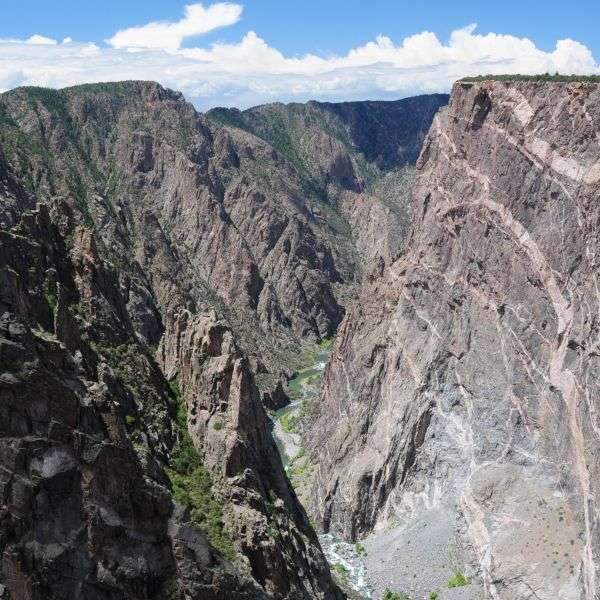
The park is centered around the Black Canyon, a deep and narrow gorge carved by the Gunnison River over millions of years. The canyon is distinguished by its sheer walls, which rise as high as 2,722 feet (829 meters) in some places, making it one of the steepest and most dramatic canyon systems in North America.
Geological Features
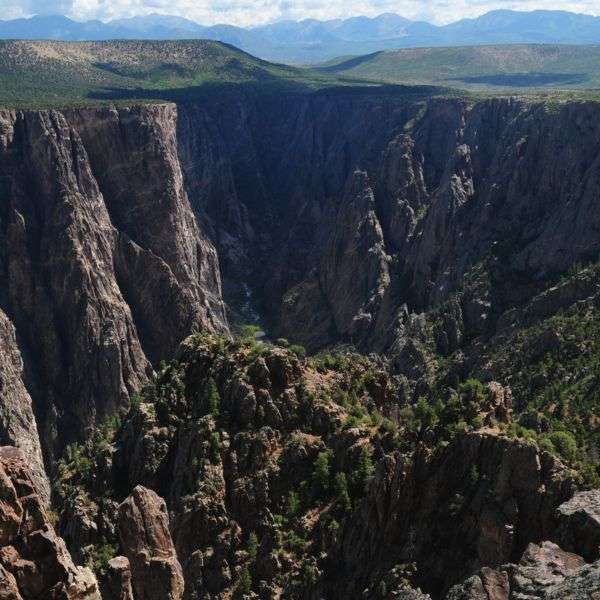
The canyon walls are primarily composed of Precambrian rocks, including gneiss and schist, which exhibit dramatic color variations and intricate rock formations. The steepness of the canyon walls and the narrowness of the gorge create unique geological conditions and microclimates within the park.
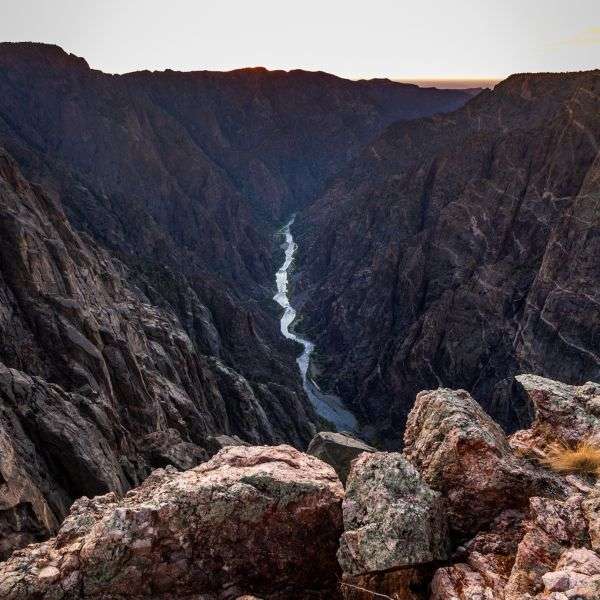
Gunnison River
The Gunnison River flows through the bottom of the canyon, carving its way through the rock formations and creating rapids and waterfalls along its course. The river plays a vital role in shaping the canyon's landscape and supporting the park's ecosystems.
Plants
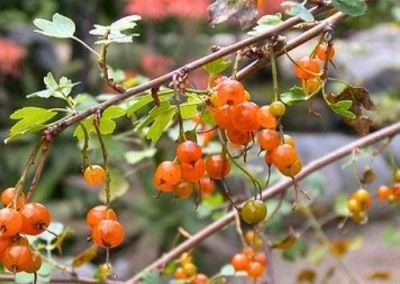
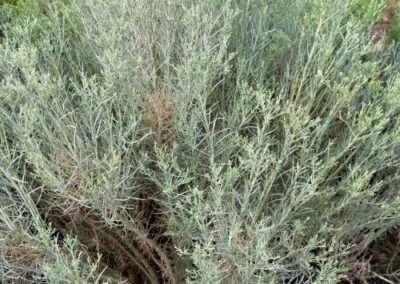
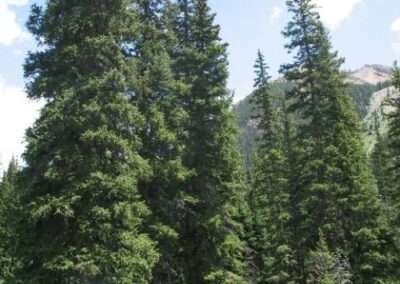
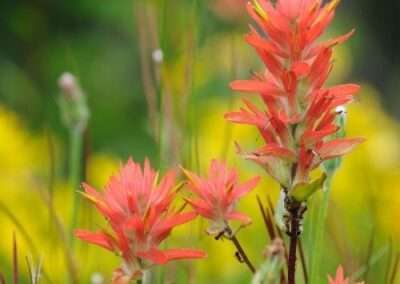
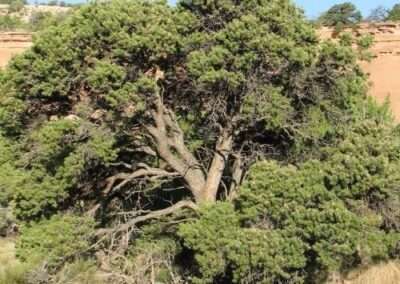
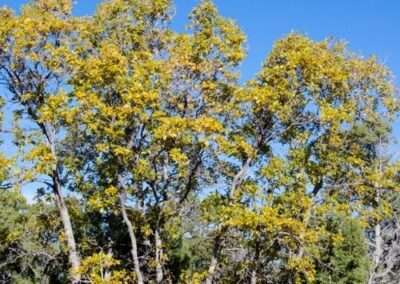
Black Canyon of the Gunnison National Park in western Colorado is known for its steep cliffs, rocky slopes, and the Gunnison River. Even though the park has a dry and rugged environment, many plants grow throughout the area. Plants such as shrubs, grasses, trees, and wildflowers have adapted to the park's different habitats. Some plants grow along the canyon rim, while others survive on rocky slopes and near the river. These plants add color to the landscape and provide food and shelter for wildlife.
Animals
Mammals
Black Canyon of the Gunnison National Park is home to many mammals. The park's forests, rocky slopes, canyon rims, and river areas provide different habitats for wildlife. Some animals are easy to spot, while others are rarely seen.
Mule Deer (Odocoileus hemionus): Mule deer are common in the park and surrounding areas. They live in forests, shrublands, and open areas. They eat grasses, leaves, shrubs, and other plants.
Black Bear (Ursus americanus): Black bears live in the forests and rugged areas around the canyon. They are usually shy and avoid people. Visitors should never leave food or trash where bears can reach it.
Mountain Lion (Puma concolor): Mountain lions, also called cougars or pumas, live in the park and surrounding areas. They are solitary hunters and are rarely seen because they avoid people and travel across large areas.
Bobcat (Lynx rufus): Bobcats are small wild cats that live in forests, shrublands, and rocky areas. They hunt animals such as rabbits, rodents, and birds. Bobcats are usually active when it is dark and are difficult to spot.
Coyote (Canis latrans): Coyotes are adaptable animals that can live in many habitats. They may be found throughout the park and surrounding areas. They eat small mammals, birds, insects, and other foods.
Bighorn Sheep (Ovis canadensis): Bighorn sheep are well suited to the steep, rocky terrain of Black Canyon. They use their strong legs and hooves to move across cliffs and rocky slopes. Males are known for their large, curved horns.
Beaver (Castor canadensis): Beavers live near streams and other areas with water. They use branches and mud to build dams and lodges. Their activity can create and change wetland habitats that benefit other wildlife.
Abert's Squirrel (Sciurus aberti): Abert's squirrels are closely associated with ponderosa pine forests. They have gray fur and long, tufted ears. They feed mainly on parts of ponderosa pine trees and can be found in suitable forest habitat in the region.
Porcupine (Erethizon dorsatum): Porcupines are slow-moving animals that are mostly active at night. They eat plants, bark, and other vegetation. Their bodies are covered with sharp quills that help protect them from predators.
Reptiles
Black Canyon of the Gunnison National Park is home to several kinds of reptiles. The park's dry climate, rocky slopes, forests, and canyon walls provide habitats for snakes and lizards. Reptiles are most active during the warmer months and play important roles in the park's food web.
Western Rattlesnake (Crotalus viridis): Western rattlesnakes are venomous snakes that live in rocky and dry areas. They are most active during warm weather. When threatened, they can shake their rattles as a warning.
Garter Snakes (Thamnophis species): Garter snakes are nonvenomous snakes that can live in many different habitats. They may be found near water and other moist areas. They eat small animals such as insects, frogs, and other small prey.
Western Fence Lizard (Sceloporus occidentalis): Western fence lizards are small lizards that are often seen basking on rocks, logs, and other sunny surfaces. They have rough, spiny scales and may have blue coloring on their belly and throat.
Common Kingsnake (Lampropeltis getula): Common kingsnakes are nonvenomous snakes that kill their prey by squeezing it. They eat rodents, lizards, birds, and other snakes. Their strong hunting skills help control populations of other animals.
Western Skink (Plestiodon skiltonianus): Western skinks are small lizards with smooth scales and long bodies. They live in areas with rocks, soil, vegetation, and places where they can hide. They mainly eat insects and other small invertebrates.
Bullsnake (Pituophis catenifer): Bullsnakes are large, nonvenomous snakes that can live in grasslands, shrublands, and rocky areas. They eat rodents and other small animals. When threatened, they may hiss, coil, and shake their tails, which can make them look and sound like a rattlesnake.
Short-horned Lizard (Phrynosoma hernandesi): Short-horned lizards are small reptiles with rough, spiky bodies. Their colors help them blend into the ground and rocks around them. They mainly eat ants and other small insects.
Birds
Black Canyon of the Gunnison National Park is home to many bird species. Birds can be found along the canyon walls, in forests and meadows, and near the Gunnison River. Raptors soar above the canyon while smaller birds live among the trees and rocks.
Peregrine Falcon (Falco peregrinus): Peregrine falcons are famous for their speed and ability to fly through narrow spaces. They nest on steep cliffs and hunt other birds. Their powerful flight makes them well suited to the canyon's tall walls.
Golden Eagle (Aquila chrysaetos): Golden eagles are large birds of prey with broad wings. They can be seen soaring above the canyon and open areas. They hunt animals such as rabbits and other small mammals.
Red-tailed Hawk (Buteo jamaicensis): Red-tailed hawks are common birds of prey in Colorado. They can live in many habitats, including open areas, forests, and shrublands. Their loud, high-pitched calls are often heard before the birds are seen.
Canyon Wren (Catherpes mexicanus): Canyon wrens are small brown birds that live around rocky cliffs and canyon walls. They have a bright white throat and a loud, musical song that echoes through the canyon.
White-throated Swift (Aeronautes saxatalis): White-throated swifts are fast-flying birds that spend much of their time in the air. They can nest on steep cliffs and feed on insects while flying. Their white throat and fast flight make them easy to recognize.
Steller's Jay (Cyanocitta stelleri): Steller's jays have dark blue and black feathers and tall crests on their heads. They are often found in forested areas. They eat seeds, insects, berries, and other foods.
Western Tanager (Piranga ludoviciana): Western tanagers are colorful songbirds with yellow bodies and darker wings. They are seasonal visitors to Colorado and can be seen in forested areas during the warmer months. They eat insects, berries, and other small foods.
Mountain Bluebird (Sialia currucoides): Mountain bluebirds are small birds with bright blue feathers. They prefer open areas and can often be seen perched on branches, fences, or other high spots while searching for insects.
American Dipper (Cinclus mexicanus): American dippers are unusual songbirds that live near fast-moving streams. They can walk and swim underwater to search for insects and other small aquatic animals. They may be found along suitable waterways in the Black Canyon area.
Common Raven (Corvus corax): Common ravens are large black birds with strong bills and deep, croaking calls. They are well adapted to the canyon's cliffs and open spaces. They eat a wide variety of foods and are often seen flying over the canyon.
Fish
Black Canyon of the Gunnison National Park protects part of the Gunnison River and its surrounding habitats. The river provides homes for several kinds of fish, including native species and fish that were introduced to the area. These fish are an important part of the river's food web.
Rainbow Trout (Oncorhynchus mykiss): Rainbow trout live in the Gunnison River and are popular with anglers. They prefer cool, clear water and feed on insects, small fish, and other aquatic animals.
Brown Trout (Salmo trutta): Brown trout are a non-native species that live in the Gunnison River. They often stay near rocks, deep pools, and other places where they can find food and shelter. They are also popular with anglers.
Colorado River Cutthroat Trout (Oncorhynchus clarkii pleuriticus): Colorado River cutthroat trout are native to the Gunnison River basin. Their numbers have declined in parts of their historic range, and conservation programs work to protect and restore native populations in suitable waters.
Mountain Sucker (Catostomus platyrhynchus): Mountain suckers are native freshwater fish found in the Gunnison River system. They often stay near the bottom of the river and feed on algae, small organisms, and other food found on rocks and the riverbed.
Smallmouth Bass (Micropterus dolomieu): Smallmouth bass are non-native fish that can be found in parts of the Gunnison River system. They are strong predators and are popular with recreational anglers.
Longnose Dace (Rhinichthys cataractae): Longnose dace are small native fish that live in streams and rivers. They are adapted to moving water and often stay near the bottom, where they feed on small aquatic insects and other organisms.
Speckled Dace (Rhinichthys osculus): Speckled dace are small native fish found in streams and rivers throughout the region. They can live in different types of water and feed on insects, algae, and other small organisms.
Sculpin (Cottus species): Sculpins are small bottom-dwelling fish with large heads and fan-shaped fins. They live among rocks in streams and rivers and feed on small aquatic animals. They are also an important food source for larger fish.
Amphibians
"There are canyons everywhere, but there's only one Black Canyon."
- Tomichi Creek Trading Post
"The Black Canyon is so narrow, the light so dim, that you could think you are looking at something that is not of this world."
- John Otto
"The Black Canyon is a crack in the earth where there is not much daylight and even less relief."
- Edward Abbey
"In the canyon, one is always conscious of the forces that have been at work for millions of years, carving the sheer, dark walls that seem to rise to impossible heights."
- Stewart Udall
Explore More With Us
Stay updated on National Parks EDU resources, park news, community updates, and and ways to explore, and protect.

National Parks Edu's mission is to help kids and families understand what makes these places so important. Because when you learn about nature, you start to care about protecting it.
National Parks EDU is an independent educational website and is not affiliated with, endorsed by, sponsored by, or officially connected to the National Park Service (NPS) or the U.S. government. © National Parks EDU. All Rights Reserved. October 18, 2026