Big Bend
National Park
Texas
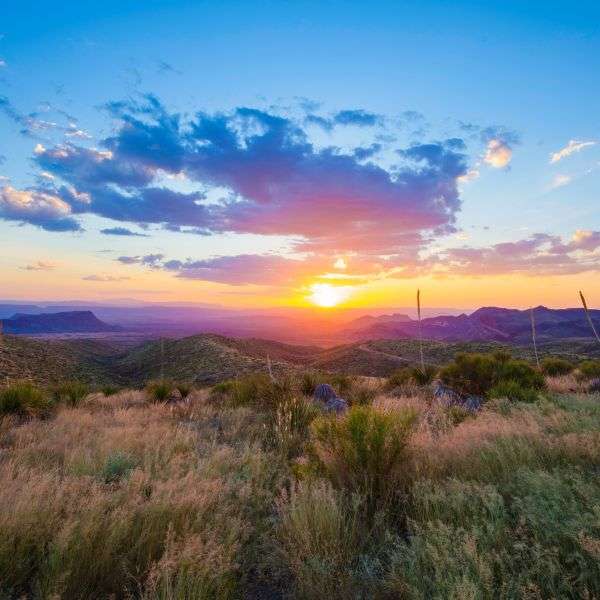
Vast desert expanses, towering canyons, and the meandering Rio Grande River
Fast Facts
Location
southwestern Texas
Established in
1944
Established by
President Franklin D. Roosevelt
Size
1,252 sq. miles
Known For
- As one of the least-visited national parks in the United States, Big Bend offers a sense of isolation and tranquility
- Home to the Chisos Mountains, featuring Emory Peak, the highest point in the park, and providing panoramic views of the surrounding terrain
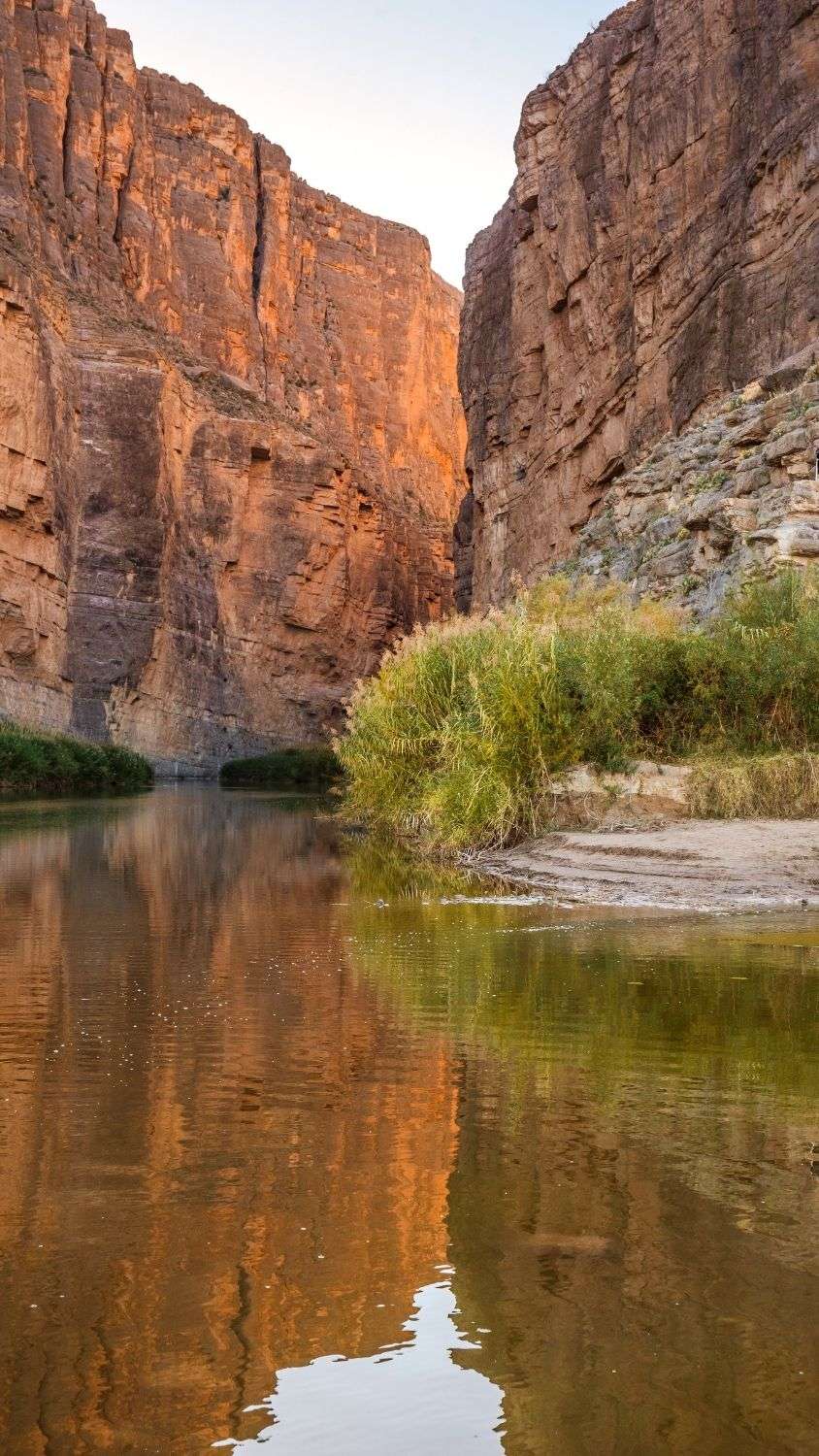
- The dramatic Santa Elena Canyon, where the Rio Grande cuts through towering limestone cliffs
History
Natural History and Formation
Big Bend National Park has a complex geological history shaped by ancient seas, moving land, volcanic activity, and erosion. Its rocks record hundreds of millions of years of change.
Ancient Seas: Hundreds of millions of years ago, shallow seas covered parts of the region. Sand, mud, and the remains of sea life built up on the seafloor. Over time, these sediments hardened into rocks such as limestone and shale.
Uplift and Erosion: Over millions of years, tectonic forces pushed parts of the region upward. Erosion from wind and water then wore down the land, helping create the mountains, valleys, and other features seen in the park today.
Volcanic Activity: About 40 to 20 million years ago, volcanic activity shaped much of the Big Bend region. Lava and ash formed layers of volcanic rock, and large amounts of magma cooled underground. The Chisos Mountains contain many of these volcanic rocks.
Rio Grande Rift: The region was also affected by the Rio Grande Rift, where the Earth's crust began to stretch and thin. This movement helped shape the valleys and mountains of the area.
Rio Grande and Canyon Formation: The Rio Grande has played an important role in shaping the park's landscape. Over time, the river and its tributaries have cut through layers of rock, helping form dramatic canyons such as Santa Elena Canyon and Boquillas Canyon.
Ongoing Geological Processes: Erosion and other natural processes continue to change the landscape today. Wind, rain, rivers, and changes in temperature slowly break down rock and reshape the mountains and desert.
Big Bend National Park's geology tells a story that spans hundreds of millions of years. Ancient seas, tectonic forces, volcanoes, and rivers have all helped create the rugged landscape visitors see today.
Native History
Early Peoples: Native peoples have lived in the Big Bend region for thousands of years. Archaeological evidence shows that hunter-gatherer groups lived in the area by at least 10,000 years ago. They used plants, animals, and other natural resources for food, tools, and shelter.
Archaic Period: During the Archaic period, people continued to hunt and gather across the region. They developed tools and used a wide variety of plants and animals. Later groups also began using farming in some parts of the region.
Farming and Trade: Some Native groups in the Big Bend region grew crops such as corn, beans, and squash. People also traded with communities in nearby regions. Archaeological discoveries, including pottery and stone tools, show that these groups had connections with other cultures.
Apache and Comanche: Apache and Comanche peoples have important historical connections to the Big Bend region. Both groups traveled through and used the area for hunting and gathering. The arrival of horses changed travel, hunting, and trade across the region.
Other Native Peoples: The Big Bend region was home to and visited by different Native groups over time. Archaeologists have found evidence of connections with cultures to the north and south. These connections can be seen in artifacts, tools, and trade materials.
Spanish Contact: Spanish explorers entered the Big Bend region in the 16th century. Álvar Núñez Cabeza de Vaca traveled through parts of the region during his journey across what is now Texas and northern Mexico. Spanish and Native peoples had different forms of contact, including trade and conflict.
Continuing Connections: Native American peoples with ties to the Big Bend region continue to maintain cultural connections to the area today. Big Bend National Park recognizes the importance of these connections and works to protect archaeological and cultural resources.
The Native American history of Big Bend stretches back thousands of years. The region's archaeological sites and cultural traditions show how Native peoples adapted to and developed strong connections with this desert landscape.
Preservation
The preservation history of Big Bend National Park reflects efforts to protect its desert landscapes, wildlife, rivers, mountains, and cultural resources.
Early Preservation Efforts: In the early 20th century, people began calling for the protection of the Big Bend region. J. O. Langford, a local rancher and businessman, became an important supporter of creating a national park in the area.
Creation of the Park: Big Bend National Park was established on June 12, 1944. The park was created to protect the Chihuahuan Desert, the Chisos Mountains, the Rio Grande, and the area's plants, animals, and cultural resources.
Adding More Land: The park's boundaries grew over time as additional lands were added. These additions helped protect more of the area's important landscapes and natural resources.
International Biosphere Reserve: In 1976, Big Bend was named a Biosphere Reserve by UNESCO. This recognition highlights the importance of protecting the park's ecosystems and studying its natural resources.
Protecting the Night Sky: Big Bend is known for its exceptionally dark skies. In 2012, the park was recognized as an International Dark Sky Park for its efforts to protect the night sky from light pollution.
Cultural Resource Protection: Big Bend contains archaeological sites and historic buildings that tell the story of people who have lived in and traveled through the region for thousands of years. The National Park Service works to protect these sites and share their history with visitors.
Working Across the Border: The Rio Grande forms part of the park's southern boundary and also marks the border between the United States and Mexico. Protecting the river and its wildlife requires cooperation between communities and agencies on both sides of the border.
Today, Big Bend National Park continues to protect its natural and cultural resources while allowing visitors to explore and learn about this unique part of Texas.
Future Preservation
Preserving Big Bend National Park for future generations comes with many challenges. Protecting the park's desert, mountains, river, wildlife, and cultural resources requires careful planning and cooperation.
Invasive Species: Non-native plants and animals can harm the park's native ecosystems. Invasive species may compete with native plants and animals for food, water, and space. Park staff work to monitor and control these species.
Climate Change: Rising temperatures and changes in rainfall can affect the Chihuahuan Desert. Changes in climate may put pressure on plants, animals, and limited water supplies.
Water Resources: Water is especially important in the dry Big Bend region. The Rio Grande and other water sources support plants, animals, and people. Protecting these limited water resources is an important part of park management.
Visitor Impact: Visitors can affect fragile desert soils, plants, and wildlife. The park must provide opportunities for people to explore while encouraging visitors to stay on trails, protect wildlife, and follow park rules.
Border and River Management: The Rio Grande forms part of the border between the United States and Mexico. Protecting the river and its wildlife can require cooperation across the border.
Cultural Resource Protection: Archaeological sites and historic buildings can be damaged by weather, visitors, vandalism, or illegal collecting. Protecting these resources helps preserve the stories of people who lived in the region long ago.
Wildlife Conservation: Big Bend is home to many species, including black bears, mountain lions, desert bighorn sheep, and many smaller animals. Protecting their habitats and monitoring wildlife health are important parts of conservation.
Limited Resources: The National Park Service needs enough staff, funding, and equipment to maintain trails, protect wildlife, study the environment, and care for cultural resources. Limited resources can make these tasks more difficult.
Protecting Big Bend National Park requires cooperation among the National Park Service, scientists, local communities, visitors, and partners in Mexico. Careful management and responsible recreation can help keep this unique landscape healthy for future generations.
Geography
Big Bend National Park stretches across the remote Chihuahuan Desert of Texas and features a rugged landscape shaped by mountains, rivers, and erosion. From the peaks of the Chisos Mountains to wide desert valleys and deep canyons along the Rio Grande, the park has a wide variety of landscapes to explore. Its mountains, desert, and river habitats also support a rich variety of plants and animals, making Big Bend an important place for both recreation and scientific study.
Chihuahuan Desert
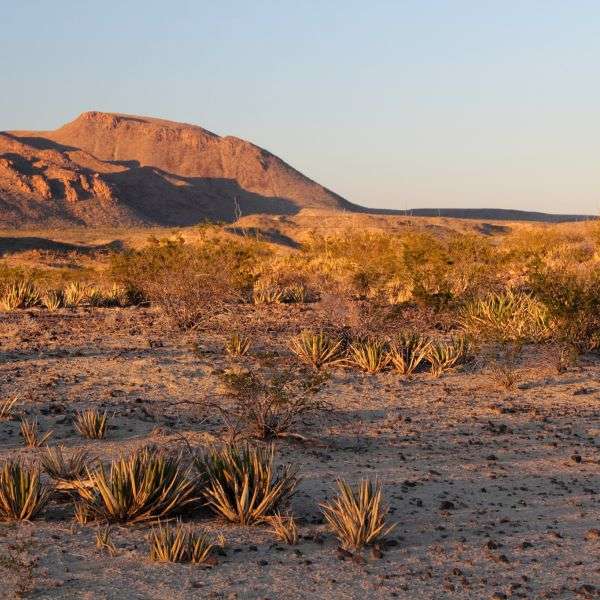
The majority of Big Bend National Park is situated within the Chihuahuan Desert, one of the largest deserts in North America. This desert biome is characterized by vast expanses of arid land, sparse vegetation, and a variety of unique plant and animal species adapted to desert conditions.
Chisos Mountains
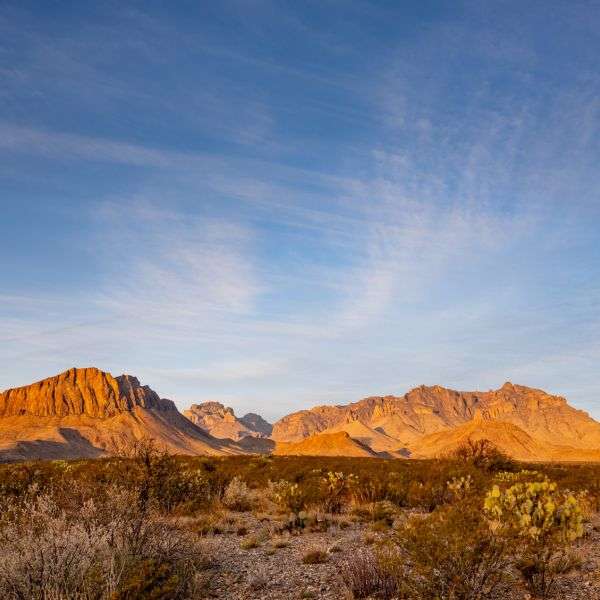
The Chisos Mountains, located in the center of the park, are a prominent mountain range rising dramatically from the surrounding desert. Emory Peak, the highest point in the park, reaches an elevation of 7,825 feet. The Chisos provide a stark contrast to the arid lowlands.
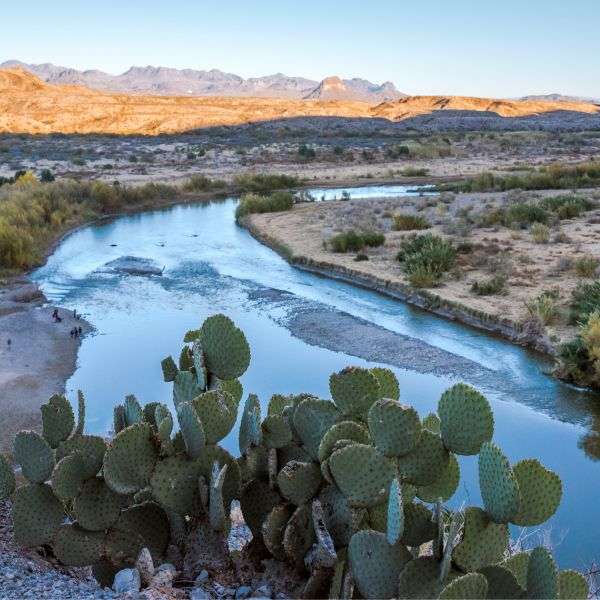
Rio Grande River
The Rio Grande, one of North America's major rivers, forms the park's southern boundary and serves as the international border between the United States and Mexico. The river has carved deep canyons, including the iconic Santa Elena, Mariscal, and Boquillas Canyons.
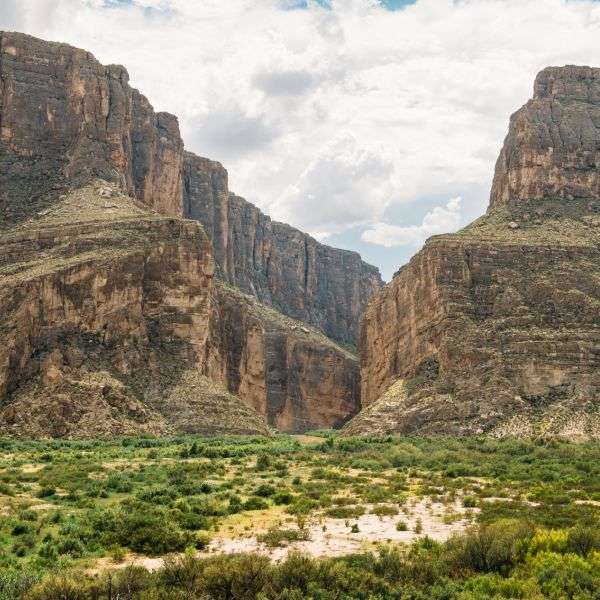
Santa Elena Canyon
Santa Elena Canyon is a spectacular natural feature created by the Rio Grande cutting through ancient limestone. The canyon walls rise steeply, reaching heights of over 1,500 feet in some places.
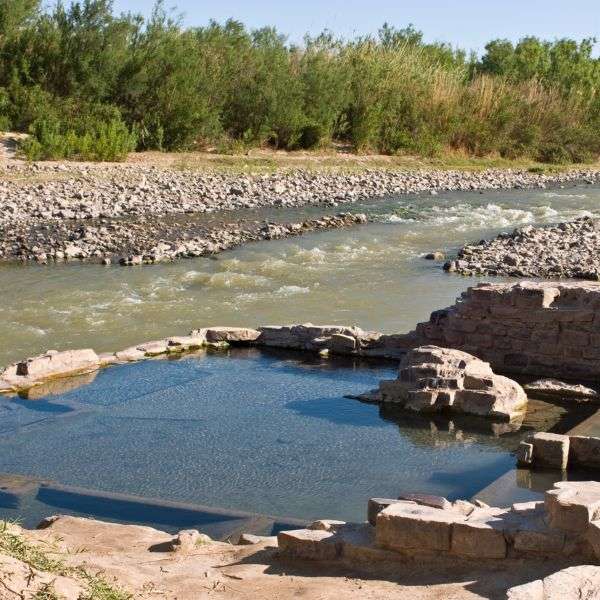
Hot Springs
The Hot Springs Historic District, located along the Rio Grande, features thermal hot springs that were historically used for their purported healing properties. The area includes remnants of early human habitation and structures.
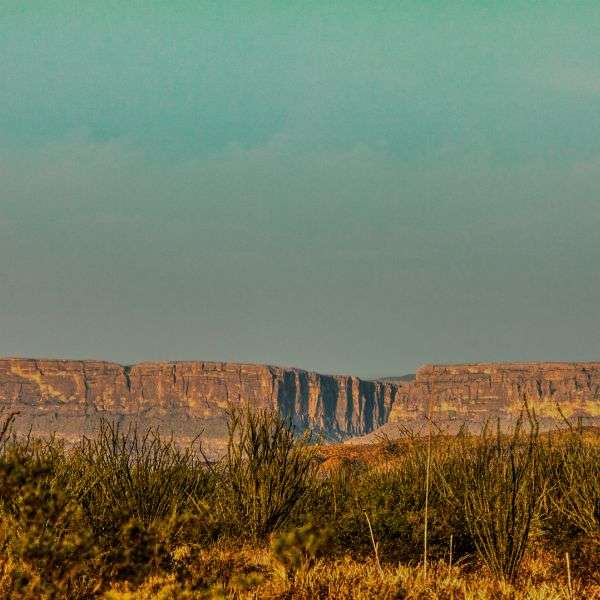
Mesa de Anguila
Located along the western boundary of the park, the Mesa de Anguila is a high plateau with scenic overlooks providing expansive views of the Chihuahuan Desert and the Rio Grande.
Plants
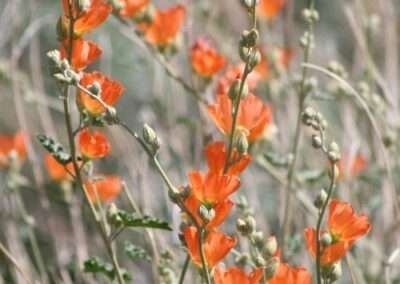
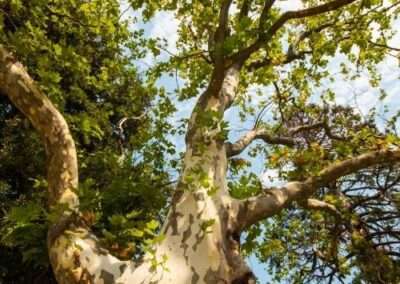
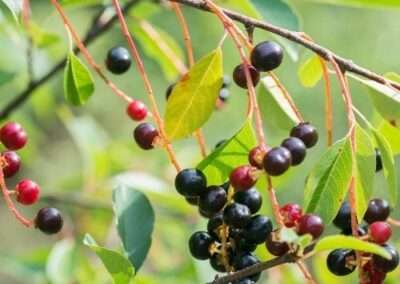
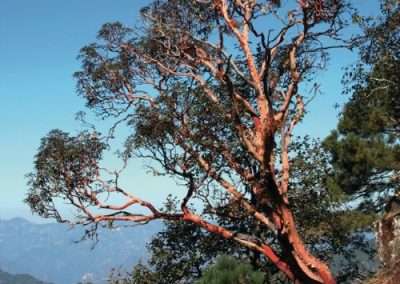
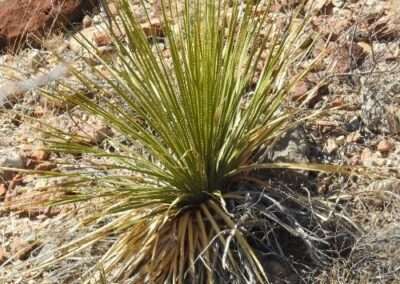
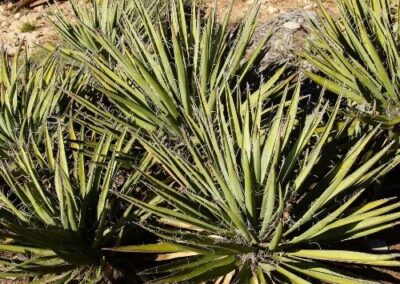
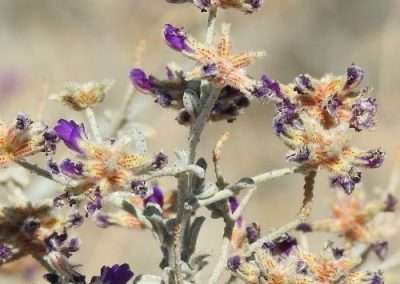
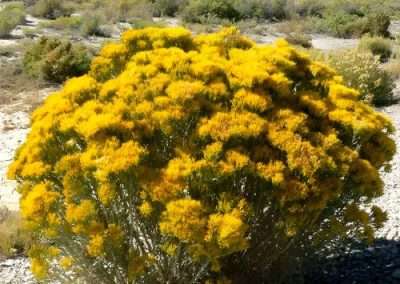
Big Bend National Park is home to a wide variety of plants adapted to its hot, dry desert, mountains, and river habitats. Plants such as ocotillo, cacti, and desert shrubs thrive in the Chihuahuan Desert, while cottonwood trees grow along the Rio Grande. Wildflowers add bright colors to the landscape after rain, showing how plants have adapted to the park's changing conditions.
Animals
Mammals
Big Bend National Park is home to many mammal species that are adapted to its deserts, mountains, grasslands, and river habitats. Some are easy to spot, while others are secretive or active mostly at night.
Black Bear (Ursus americanus): Black bears live in the mountains of Big Bend, especially in the Chisos Mountains. They were once gone from the area but returned naturally from Mexico. Bears are still uncommon and are rarely seen by visitors.
Mountain Lion (Puma concolor): Mountain lions live throughout Big Bend and are one of the park's top predators. They are solitary and difficult to see. They mainly hunt deer and other mammals.
Mule Deer (Odocoileus hemionus): Mule deer are common in Big Bend and can be found in deserts, grasslands, and mountain areas. They are named for their large ears, which look somewhat like those of a mule.
Collared Peccary (Pecari tajacu): Also called javelinas, collared peccaries are social mammals that live in groups. They are common in the park's desert and grassland habitats and feed on plants, fruits, and other foods.
Gray Fox (Urocyon cinereoargenteus): Gray foxes live in many parts of Big Bend, including desert and mountain habitats. They are mostly active at night and are skilled climbers.
Bobcat (Lynx rufus): Bobcats are found throughout the park but are rarely seen. These small wild cats hunt rabbits, rodents, birds, and other small animals.
Coyote (Canis latrans): Coyotes are common and highly adaptable mammals in Big Bend. They live in many different habitats and eat a wide variety of foods, including small mammals, insects, and plants.
Rock Squirrel (Otospermophilus variegatus): Rock squirrels are often seen around rocky areas, picnic areas, and campgrounds. They are active during the day and eat plants, seeds, and other foods.
Ringtail (Bassariscus astutus): Ringtails are small mammals related to raccoons. They have long, striped tails and are excellent climbers. They are mostly active at night and often live around rocky cliffs and canyons.
Desert Cottontail (Sylvilagus audubonii): Desert cottontails are common in Big Bend's dry habitats. They feed on grasses and other plants and are often active around dawn and dusk.
Black-tailed Jackrabbit (Lepus californicus): Black-tailed jackrabbits are well adapted to the desert. Their long ears help release heat, and their powerful back legs allow them to move quickly across open ground.
Bighorn Sheep (Ovis canadensis): Desert bighorn sheep live in the rugged mountains of Big Bend. They are excellent climbers and can move across steep, rocky slopes. The park has worked to restore bighorn sheep to areas where they had disappeared.
Kangaroo Rats (Dipodomys spp.): Several species of kangaroo rats live in the desert. These small rodents have large back legs and can move by hopping. They are well adapted to dry conditions and can get much of the water they need from their food.
Big Brown Bat (Eptesicus fuscus): Big brown bats are one of the many bat species found in Big Bend. They are active at night and help control insect populations.
Desert Shrew (Notiosorex crawfordi): Desert shrews are tiny mammals adapted to dry environments. They feed mainly on insects and other small animals and are difficult to spot because of their small size and secretive behavior.
Note: Big Bend has many other mammals, including several additional bat, rodent, rabbit, and carnivore species. The animals above are good examples of the park's mammal diversity and fit the same style as your other national park sections.
Reptiles
Big Bend National Park is home to many reptiles, including snakes, lizards, turtles, and tortoises. These animals are adapted to the park's hot deserts, rocky mountains, grasslands, and river habitats.
Western Diamondback Rattlesnake (Crotalus atrox): Western diamondbacks are common in Big Bend and live in many different habitats. They have dark diamond-shaped patterns along their backs and a rattle on their tails. They are venomous and use their venom to subdue prey.
Black-tailed Rattlesnake (Crotalus molossus): Black-tailed rattlesnakes are found in rocky areas and mountains throughout the park. They are named for the dark color on the end of their tails. They are venomous but usually avoid people.
Trans-Pecos Copperhead (Agkistrodon contortrix pictigaster): This venomous snake is found in parts of the Big Bend region. It has a copper-colored head and darker bands along its body. It is most active during warmer parts of the year.
Texas Coral Snake (Micrurus tener): Texas coral snakes have bright red, yellow, and black bands. They are venomous and usually stay hidden under rocks, soil, or plants. Their colorful pattern helps identify them.
Eastern Collared Lizard (Crotaphytus collaris): These colorful lizards are often seen on rocky slopes and open areas. They have two dark bands around their necks that look like collars. They can run quickly on their back legs when escaping danger.
Greater Earless Lizard (Cophosaurus texanus): This small lizard is well adapted to the hot, dry Chihuahuan Desert. It has no visible external ear openings and can often be seen running across sandy or rocky ground.
Madrean Alligator Lizard (Elgaria kingii): This long, slender lizard can be found in the higher and cooler parts of Big Bend, including the Chisos Mountains. It has rough-looking scales and often stays under rocks or vegetation.
Big Bend Slider (Trachemys gaigeae): The Big Bend slider is a freshwater turtle native to the Rio Grande region. It can be found in and around the river and other suitable waterways. It spends much of its time in or near water.
Rio Grande Cooter (Pseudemys gorzugi): This freshwater turtle occurs in the Rio Grande and other waterways in the region. It is a strong swimmer and often rests on rocks or logs near the water.
Texas Spiny Lizard (Sceloporus olivaceus): Texas spiny lizards are found in rocky areas, desert scrub, and woodland habitats. They have rough, spiny scales and can climb trees and rocks. Males may have blue coloring on their sides and belly.
Greater Short-horned Lizard (Phrynosoma hernandesi): This small, flat-bodied lizard has short horns on its head and is well camouflaged among rocks and soil. It mainly eats ants and other small insects.
Round-tailed Horned Lizard (Phrynosoma modestum): Round-tailed horned lizards are adapted to dry desert habitats. Their flat bodies and horn-like projections help them blend into the landscape and protect them from predators.
Chihuahuan Spotted Whiptail (Aspidoscelis exsanguis): This fast-moving lizard is found in parts of the park. It has a long tail and spotted or striped markings and spends much of its time searching for insects and other small prey.
Birds
Big Bend National Park is home to a wide variety of birds. Its deserts, mountains, grasslands, canyons, and river habitats provide places for both year-round and migrating birds. The park is especially well known for birds that are found in the Chisos Mountains.
Colima Warbler (Setophaga chrysoparia): The Colima warbler is one of Big Bend's most special birds. It nests in the higher elevations of the Chisos Mountains during the summer. Big Bend is one of the few places in the United States where this bird regularly breeds.
Golden Eagle (Aquila chrysaetos): Golden eagles can be seen soaring above the mountains and desert. They use their excellent eyesight to find prey and may nest on cliffs and other rocky areas.
Elf Owl (Micrathene whitneyi): The elf owl is one of the world's smallest owls. It is a summer visitor to Big Bend and can be found in desert areas, woodlands, and near the Rio Grande. It is mostly active at night.
Mexican Jay (Aphelocoma wollweberi): Mexican jays are common in the pine and oak forests of the Chisos Mountains. They are social birds and are often seen moving through trees in groups while searching for food.
Black-chinned Hummingbird (Archilochus alexandri): Black-chinned hummingbirds are common in Big Bend during the warmer months. They feed on nectar from flowers and also catch small insects.
Lucifer Hummingbird (Calothorax lucifer): Lucifer hummingbirds are small, colorful birds that can be found in parts of Big Bend. They are especially associated with dry mountain and desert habitats and feed on nectar and small insects.
Canyon Wren (Catherpes mexicanus): Canyon wrens are well suited to Big Bend's rocky cliffs and canyons. Their clear, descending songs can often be heard echoing through the rocks.
Great Horned Owl (Bubo virginianus): Great horned owls live in many of Big Bend's habitats. They are powerful nighttime hunters that eat mammals, birds, reptiles, and other animals.
Scaled Quail (Callipepla squamata): Scaled quail are ground-dwelling birds found in the park's desert grasslands and shrublands. Their gray, scaled-looking feathers help them blend into their surroundings.
Verdin (Auriparus flaviceps): Verdins are tiny desert birds with yellow heads and gray bodies. They are commonly found in desert shrubs and spend much of their time searching for insects and other small foods.
Zone-tailed Hawk (Buteo albonotatus): Zone-tailed hawks can be found in Big Bend's mountains and canyons. Their dark bodies and flight style can make them look similar to turkey vultures, which may help them approach prey without being noticed.
Common Poorwill (Phalaenoptilus nuttallii): Common poorwills are nocturnal birds that live in dry, open habitats. They are most active around dusk and during the night, when they hunt flying insects.
Swainson's Hawk (Buteo swainsoni): Swainson's hawks pass through Big Bend during migration and may also be seen during other parts of the year. They often soar high above the desert while searching for prey.
Painted Redstart (Myioborus pictus): Painted redstarts are striking black-and-white birds with red coloring on their bellies. They are found in the wooded mountain areas of Big Bend and often search for insects along streams and shady slopes.
Greater Roadrunner (Geococcyx californianus): Greater roadrunners are well adapted to Big Bend's desert environment. They spend much of their time on the ground and eat insects, lizards, snakes, small mammals, and other animals.
Acorn Woodpecker (Melanerpes formicivorus): Acorn woodpeckers are found in the oak woodlands of the Chisos Mountains. They collect acorns and store them in holes in trees and other wooden surfaces for later use.
Black Vulture (Coragyps atratus): Black vultures can be seen soaring over Big Bend, especially near the Rio Grande and other open areas. They feed mainly on carrion and help clean up dead animals.
Fish
Big Bend National Park has a surprising variety of fish, even though it is located in the Chihuahuan Desert. Fish are found mainly in the Rio Grande and a few smaller waterways and springs. The park is home to both native and introduced fish species, and some native fish face threats from changes in water flow, habitat loss, and introduced species.
Big Bend Gambusia (Gambusia gaigei): This tiny fish is one of the park's most unique species. It is federally endangered and lives in a few warm, spring-fed ponds near Rio Grande Village. Its wild population is found in a very small area of the park.
Longnose Dace (Rhinichthys cataractae): Longnose dace are small native fish that live in the Rio Grande. They often stay near the bottom of the river, where they feed on insects and other small organisms.
Longnose Gar (Lepisosteus osseus): Longnose gar are large, slender fish with long, narrow snouts and sharp teeth. They live in slower-moving parts of the Rio Grande and eat fish and other aquatic animals.
Channel Catfish (Ictalurus punctatus): Channel catfish are found in the Rio Grande and are popular with anglers. They have whisker-like barbels around their mouths that help them find food in the water.
Flathead Catfish (Pylodictis olivaris): Flathead catfish are large predators found in the Rio Grande. They have broad, flattened heads and mainly feed on other fish.
Blue Catfish (Ictalurus furcatus): Blue catfish are another large catfish found in the Rio Grande. They can grow to a large size and feed on fish, insects, and other aquatic animals.
Largemouth Bass (Micropterus salmoides): Largemouth bass live in slower-moving parts of the river. They are predators that eat fish, insects, frogs, and other small animals.
Bluegill (Lepomis macrochirus): Bluegill are small freshwater fish found in the Rio Grande. They feed on insects, small aquatic animals, and plants.
Green Sunfish (Lepomis cyanellus): Green sunfish are small fish that can live in a variety of water conditions. They are introduced in some areas and may compete with native fish for food and habitat.
Blue Tilapia (Oreochromis aureus): Blue tilapia are an introduced fish found in some of the park's warmer waters. They can compete with native fish for food and habitat and may be a concern for endangered species such as the Big Bend gambusia.
Rio Grande Silvery Minnow (Hybognathus amarus): The Rio Grande silvery minnow is a small native fish that is federally endangered. It depends on healthy river habitats, but its populations have declined because of changes to the Rio Grande and loss of suitable habitat.
Fish in Big Bend face several challenges, including changes in river flow, reduced water supplies, habitat changes, and competition from introduced species. Protecting the Rio Grande, springs, and other waterways is important for keeping the park's native fish populations healthy.
Amphibians
Big Bend National Park has a surprising variety of fish, even though it is located in the Chihuahuan Desert. Fish are found mainly in the Rio Grande and a few smaller waterways and springs. The park is home to both native and introduced fish species, and some native fish face threats from changes in water flow, habitat loss, and introduced species.
Big Bend Gambusia (Gambusia gaigei): This tiny fish is one of the park's most unique species. It is federally endangered and lives in a few warm, spring-fed ponds near Rio Grande Village. Its wild population is found in a very small area of the park.
Longnose Dace (Rhinichthys cataractae): Longnose dace are small native fish that live in the Rio Grande. They often stay near the bottom of the river, where they feed on insects and other small organisms.
Longnose Gar (Lepisosteus osseus): Longnose gar are large, slender fish with long, narrow snouts and sharp teeth. They live in slower-moving parts of the Rio Grande and eat fish and other aquatic animals.
Channel Catfish (Ictalurus punctatus): Channel catfish are found in the Rio Grande and are popular with anglers. They have whisker-like barbels around their mouths that help them find food in the water.
Flathead Catfish (Pylodictis olivaris): Flathead catfish are large predators found in the Rio Grande. They have broad, flattened heads and mainly feed on other fish.
Blue Catfish (Ictalurus furcatus): Blue catfish are another large catfish found in the Rio Grande. They can grow to a large size and feed on fish, insects, and other aquatic animals.
Largemouth Bass (Micropterus salmoides): Largemouth bass live in slower-moving parts of the river. They are predators that eat fish, insects, frogs, and other small animals.
Bluegill (Lepomis macrochirus): Bluegill are small freshwater fish found in the Rio Grande. They feed on insects, small aquatic animals, and plants.
Green Sunfish (Lepomis cyanellus): Green sunfish are small fish that can live in a variety of water conditions. They are introduced in some areas and may compete with native fish for food and habitat.
Blue Tilapia (Oreochromis aureus): Blue tilapia are an introduced fish found in some of the park's warmer waters. They can compete with native fish for food and habitat and may be a concern for endangered species such as the Big Bend gambusia.
Rio Grande Silvery Minnow (Hybognathus amarus): The Rio Grande silvery minnow is a small native fish that is federally endangered. It depends on healthy river habitats, but its populations have declined because of changes to the Rio Grande and loss of suitable habitat.
Fish in Big Bend face several challenges, including changes in river flow, reduced water supplies, habitat changes, and competition from introduced species. Protecting the Rio Grande, springs, and other waterways is important for keeping the park's native fish populations healthy.
"No fire can burn so bright, no projection can duplicate the colors that dance over the desert or the bare rock formations that form the backdrop. No words can tell you, and no painter hold it. It is only to be visited and looked at with awe, it will make you breathe deeply whenever you think of it, for you have inhaled eternity."
- Ludwig Bemelmans
"There is a strange, mystic beauty about that mountain range, something compelling and mysterious that grips you the first time you see it and never afterward leaves you."
– J.O. Langford
"At the far end of the valley, beyond the winding road, our eyes settled on a cleft in the ring of mountains—the Window—and through this window we could clearly see another world."
- Etta Koch
"Boundaries in the Big Bend are vague and fluid; it is variously a place, a state of mind, and at times an illusion. Paradoxical views reflect different tastes and different experiences. It is a heaven or a hell, a land of serene beauty or barren ugliness, a place of soothing solitude or haunting loneliness... The Big Bend allows no winners; there are only survivors."
- Kenneth Baxter Ragsdale
Explore More With Us
Stay updated on National Parks EDU resources, park news, community updates, and and ways to explore, and protect.

National Parks Edu's mission is to help kids and families understand what makes these places so important. Because when you learn about nature, you start to care about protecting it.
National Parks EDU is an independent educational website and is not affiliated with, endorsed by, sponsored by, or officially connected to the National Park Service (NPS) or the U.S. government. © National Parks EDU. All Rights Reserved. October 18, 2026