National Park of
American Samoa
American Samoa
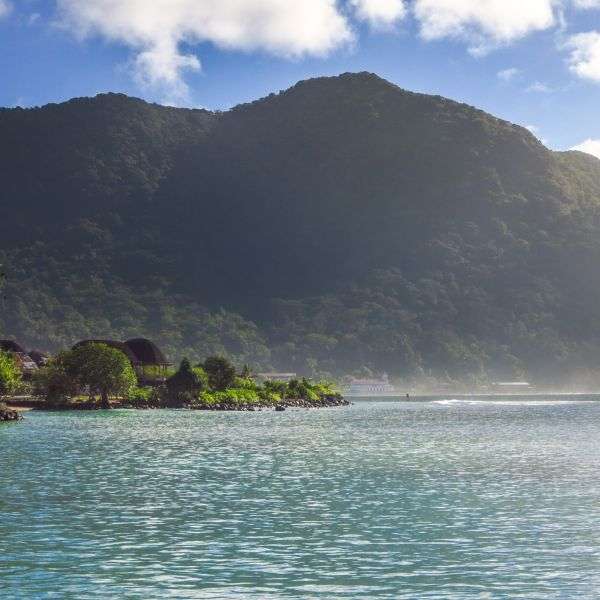
lush rainforests, pristine beaches, and vibrant coral reefs, providing habitat for a diverse range of flora and fauna
Fast Facts
Location
American Samoa
Established in
1988
Established by
President Ronald Reagan
Size
16 sq. miles
Known For
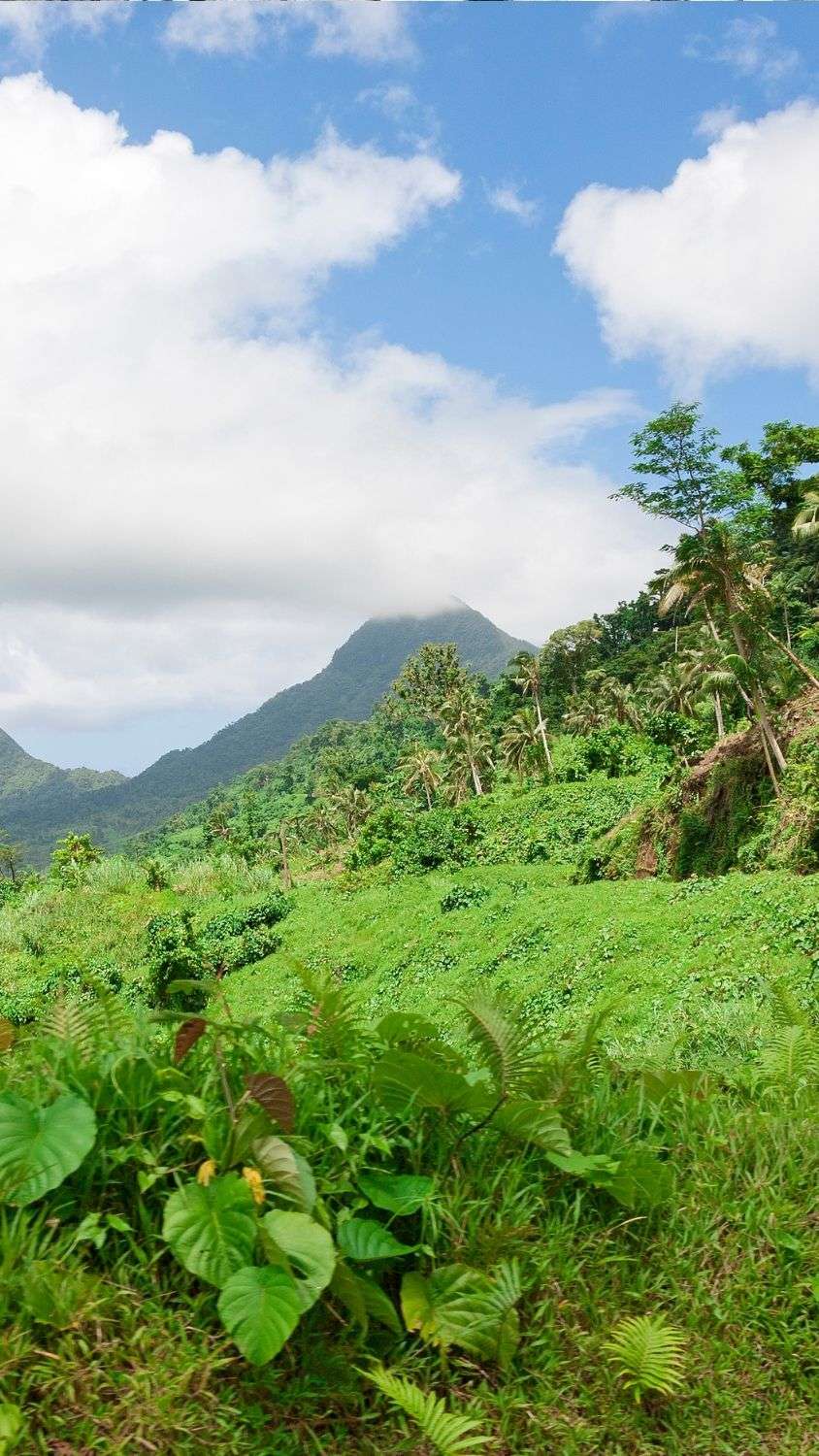
- Renowned for its stunning natural landscapes, including lush rainforests, pristine beaches, and dramatic volcanic terrain
- Vibrant coral reefs and marine ecosystems offer opportunities for snorkeling and diving amidst a diverse array of marine life
- A wide variety of plant and animal species, some of which are endemic to the region, contribute to the park's biodiversity
History
Natural History and Formation
American Samoa National Park has a unique geological history shaped by volcanic activity, erosion, and the movement of the Pacific Plate. The islands rose from the ocean as underwater volcanoes built up layers of lava over millions of years. Today, the park's mountains, valleys, cliffs, beaches, and coral reefs show how these natural forces have shaped the islands.
Volcanic Origins: The islands of American Samoa are volcanic in origin. They formed from volcanic activity on the ocean floor as lava built up over time. As the volcanoes grew, they eventually rose above the surface of the Pacific Ocean and became islands.
The Pacific Plate: American Samoa sits on the Pacific Plate, one of Earth's large tectonic plates. The Pacific Plate has slowly moved across a volcanic area beneath the ocean. As the plate moved, new volcanic islands formed while older islands became farther from the active volcanic area.
Tutuila Island: Tutuila is the largest island in American Samoa and contains part of the national park. The island has steep volcanic mountains, deep valleys, and narrow coastal areas. Rain, rivers, waves, and other forces have slowly worn away the volcanic rock and shaped the island's dramatic landscape.
Ofu and Ta'u: The national park also protects areas on the islands of Ofu and Ta'u. Like Tutuila, these islands were formed by volcanic activity. Their steep mountains and coastal cliffs show the effects of volcanic activity and millions of years of erosion.
Erosion: After the islands formed, wind, rain, rivers, and ocean waves began wearing away the volcanic rock. Heavy rainfall has carved deep valleys into the mountains, while waves continue to shape the coast. These processes help create the steep cliffs and rugged shorelines found throughout the park.
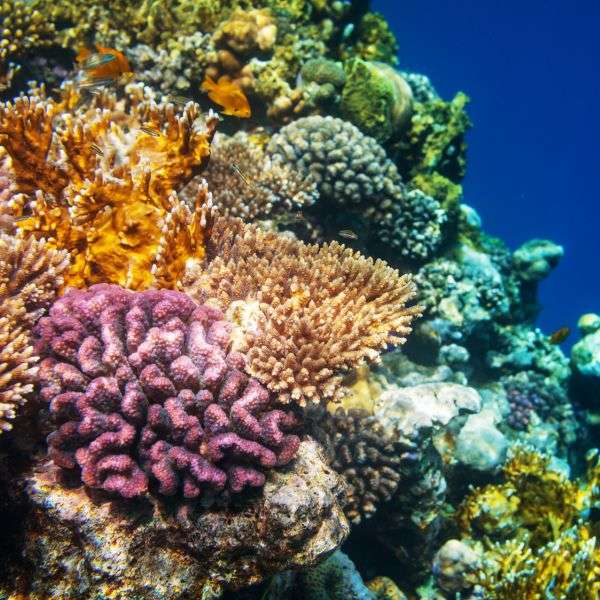
Coral Reefs: The volcanic islands are surrounded by warm tropical waters that support coral reefs. Coral reefs grow around the edges of the islands and provide habitats for many types of fish, sea turtles, and other marine life. The reefs are an important part of the park's natural landscape.
Earthquakes and Tsunamis: American Samoa is located in a region where earthquakes can occur. Underwater earthquakes can sometimes create tsunamis that affect Pacific islands. Because of this risk, understanding earthquakes and knowing how to respond to tsunami warnings are important for people living on and visiting the islands.
A Changing Landscape: The islands of American Samoa continue to change. Rain, rivers, waves, landslides, earthquakes, and other natural forces constantly reshape the land. Although the islands were created by volcanic activity, there are no active volcanoes currently erupting in the national park.
The Big Idea: American Samoa National Park is a place where visitors can see the results of millions of years of geological change. Volcanoes created the islands, while water, wind, waves, and other natural forces continue to shape them today.
Native History
The Samoan people are the Indigenous people of American Samoa. Their history in the islands goes back thousands of years, and Samoan culture continues to shape daily life today. The national park protects not only forests, mountains, and coral reefs, but also places connected to Samoan history and culture.
Polynesian Settlement: Polynesian voyagers settled the Samoan Islands more than 3,000 years ago. These skilled navigators traveled across the Pacific using knowledge of the stars, ocean currents, winds, and natural landmarks. Over time, Samoan communities developed their own language, traditions, and way of life.
Fa'a Samoa: The Samoan way of life is known as fa'a Samoa. Family, community, respect, service, and connections to the land are important parts of Samoan culture. These traditions continue to influence life in American Samoa today.
European Contact: European explorers began visiting the Samoan Islands in the 1700s. Over the following centuries, traders, missionaries, and other foreign visitors arrived. These new connections brought major changes to Samoan communities, including the introduction of Christianity and new forms of trade.
American Samoa and the United States: In 1900, leaders from Tutuila and Aunu'u formally agreed to place their islands under the authority of the United States. The United States later established a naval administration. Samoan communities continued to maintain many of their traditional customs, social structures, and connections to their land.
World War II: During World War II, American Samoa became an important military location in the Pacific. Thousands of U.S. military personnel came to the islands, and new roads, buildings, and other infrastructure were developed. The war brought significant changes to daily life in American Samoa.
Family and Community: Family is a central part of Samoan life. The word aiga refers to an extended family that can include many relatives and generations. Villages and community leaders also play an important role in making decisions and caring for the community.
Communal Land: Most land in American Samoa is held as communal land. Families and villages have strong connections to their traditional lands. This system is an important part of Samoan culture and helps maintain connections between families, communities, and the places where they live.
Religion: Christianity became an important part of Samoan society after missionaries arrived in the 1800s. Today, Christianity is widely practiced in American Samoa. Samoan cultural traditions continue alongside religious practices.
Connection to the Land and Ocean: Samoan culture has a strong connection to the natural world. The ocean, forests, mountains, and reefs provide food, materials, transportation, and places for cultural activities. Traditional knowledge about the environment has been passed down through generations.
Samoan Culture Today: Samoan language, dance, music, storytelling, ceremonies, food, and traditional arts remain important parts of life in American Samoa. Samoan people continue to practice and pass these traditions on to younger generations.
Cultural Heritage and the National Park: American Samoa National Park works with local communities to protect and share the cultural history of the islands. The park's cultural resources include archaeological sites, traditional knowledge, historic places, and landscapes connected to Samoan life.
The Big Idea: American Samoa National Park is more than a place of beautiful forests, mountains, and coral reefs. It is part of the homeland of the Samoan people, whose culture and traditions have developed in the islands for thousands of years and continue to shape American Samoa today.
Preservation
The preservation of American Samoa National Park is focused on protecting the islands' rainforests, coral reefs, wildlife, and cultural heritage. The park's story is also closely connected to the Samoan communities who have lived on these islands for thousands of years.
1988 — The National Park Is Established: Congress created the National Park of American Samoa on October 31, 1988. The park was established to protect the area's tropical forests, coral reefs, wildlife, and Samoan cultural resources while allowing people to enjoy and learn about the islands.
Protecting Samoan Culture: The park protects places and resources connected to Samoan history and culture. The National Park Service works with Samoan communities to better understand and share the cultural importance of the land and ocean.
Protecting the Rainforest: Tropical rainforests cover much of the park. These forests provide homes for many plants and animals, including species found only in the Samoan Islands. Protecting these forests helps keep the islands' ecosystems healthy.
Protecting Coral Reefs: The waters around the park contain important coral reef habitats. Coral reefs provide food and shelter for many marine animals and help protect coastlines from waves and storms. Keeping these waters healthy is an important part of the park's conservation work.
Protecting Wildlife: American Samoa National Park provides habitat for many species of birds, bats, fish, coral, and other wildlife. Some species are found only in Samoa or other Pacific islands. Conservation efforts help protect these animals and the habitats they depend on.
Working With Local Communities: Unlike many national parks, much of the land within American Samoa National Park is not owned by the federal government. The National Park Service protects the park through agreements with Samoan landowners and communities. This makes cooperation with local people an important part of managing the park.
Traditional Knowledge: Samoan communities have developed a deep understanding of the islands' forests, reefs, plants, animals, and seasons. Traditional knowledge can help provide important information about the environment and the ways people have interacted with these ecosystems over generations.
Protecting the Future: The park continues to face challenges such as climate change, invasive species, storms, and changes to coral reefs and other habitats. Scientists, park staff, local communities, and visitors all have a role in protecting American Samoa's natural and cultural resources.
The Big Idea: Protecting American Samoa National Park means protecting more than beautiful scenery. It means caring for the forests, ocean, wildlife, and cultural heritage of the islands while respecting the Samoan communities that continue to call this place home.
Future Preservation
Protecting American Samoa National Park comes with many challenges. The park's tropical forests, coral reefs, wildlife, and cultural resources can be affected by climate change, invasive species, storms, and other environmental pressures. Working with Samoan communities is also an important part of caring for the park.
Invasive Species: Invasive plants and animals can harm native species and change natural habitats. The park works to monitor and control invasive species that threaten the health of its forests and other ecosystems.
Climate Change: A changing climate can affect both land and ocean ecosystems. Warmer temperatures, changing rainfall, rising sea levels, and changes in ocean conditions can affect forests, coral reefs, wildlife, and coastal areas.
Coral Reef Health: Coral reefs are an important part of American Samoa's environment. Warmer ocean temperatures and other changes can cause coral bleaching and stress reef ecosystems. Protecting healthy reefs is important for fish, other marine life, and coastal communities.
Severe Storms: American Samoa can experience powerful tropical storms and cyclones. Strong winds, heavy rain, and large waves can damage forests, coastlines, coral reefs, and park facilities. Storms can also change the landscape and create new environmental challenges.
Earthquakes and Tsunamis: American Samoa is located in a region where earthquakes and tsunamis can occur. These events can damage natural and cultural resources as well as buildings, roads, and other infrastructure. Preparing for these hazards is an important part of protecting people and the park.
Protecting Native Wildlife: The park provides important habitat for many native species, including the Samoan flying fox and several species of birds. Protecting these animals requires keeping their forest and coastal habitats healthy and reducing threats from invasive species and environmental changes.
Cultural Preservation: Protecting American Samoa also means respecting Samoan culture and traditions. The National Park Service works with local communities and landowners to protect cultural resources and manage the park in ways that respect traditional connections to the land.
Traditional Land Ownership: Much of the park is located on land that is traditionally owned by Samoan families and villages. Because of this, the National Park Service must work closely with local landowners and communities. This partnership is an important part of managing and protecting the park.
Limited Resources: Protecting a remote national park requires staff, funding, equipment, and careful planning. Maintaining trails, facilities, monitoring wildlife, and responding to environmental threats all require resources.
Balancing Protection and Access: The park needs to protect sensitive ecosystems while also allowing visitors to experience and learn about the islands. Careful management helps reduce damage to natural and cultural resources while providing opportunities for education and recreation.
Long-Term Conservation: Protecting American Samoa National Park requires ongoing research, monitoring, and cooperation. Park staff, scientists, local communities, landowners, and visitors all have a role in caring for the islands and helping keep their natural and cultural resources healthy for future generations.
The Big Idea: American Samoa National Park is a place where nature and culture are closely connected. Protecting the park means caring for its forests, reefs, wildlife, and cultural heritage while working with the Samoan communities who have deep connections to these islands.
Geography
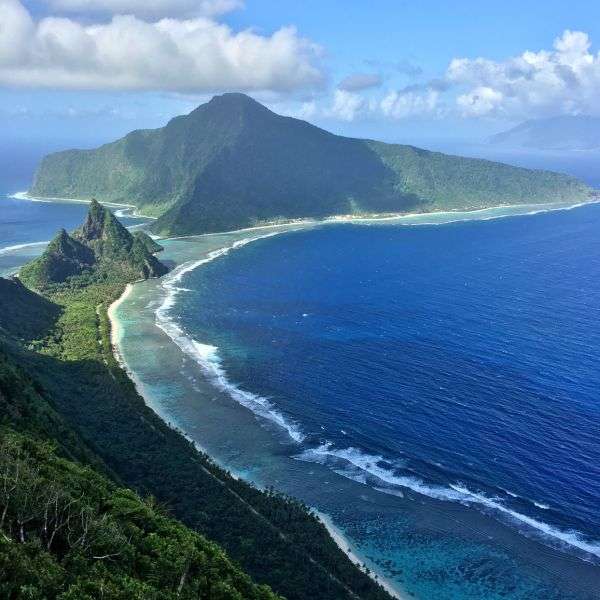
American Samoa National Park is located in the South Pacific and protects parts of three volcanic islands: Tutuila, Ofu, and Taʻū. The park is known for its lush tropical rainforests, steep mountain slopes, rocky coastlines, and colorful coral reefs. Its land and ocean habitats are home to many plants and animals, while its landscapes are closely connected to Samoan culture and history.
Tutuila
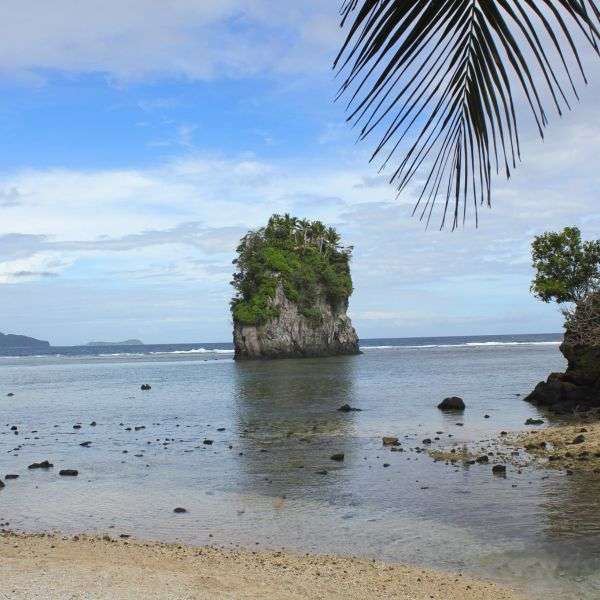
Tutuila is the largest and most populous island in American Samoa, and it is the location of the capital, Pago Pago. The island features a diverse geography, including volcanic peaks, dense rainforests, coastal plains, and deep valleys. Important natural and cultural sites within the park on Tutuila include Mt. Alava, Vatia, and the scenic coastline.
Ta'u
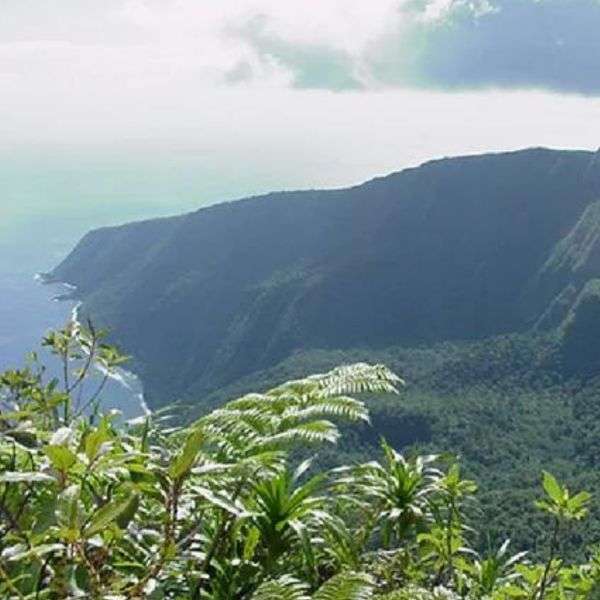
Ta'u is the second-largest island in American Samoa and is known for its rugged terrain and volcanic landscapes. Lata Mountain, an active shield volcano, is the highest point on Ta'u and in American Samoa. It stands prominently within the national park. The island also boasts pristine beaches, coral reefs, and archaeological sites.
Ofu
Ofu is another island within the park, known for its scenic beauty and coral-rich waters. The island features volcanic peaks, including Piumafua and Tumu Mountain, as well as white sandy beaches and fringing coral reefs. Ofu offers opportunities for hiking, snorkeling, and experiencing the tranquility of its natural surroundings.
Coral Reefs
The national park includes marine areas with vibrant coral reefs that contribute to the biodiversity of the region. Coral reefs are essential for marine life and provide opportunities for snorkeling and diving within the park.
Rainforests and Biodiversity
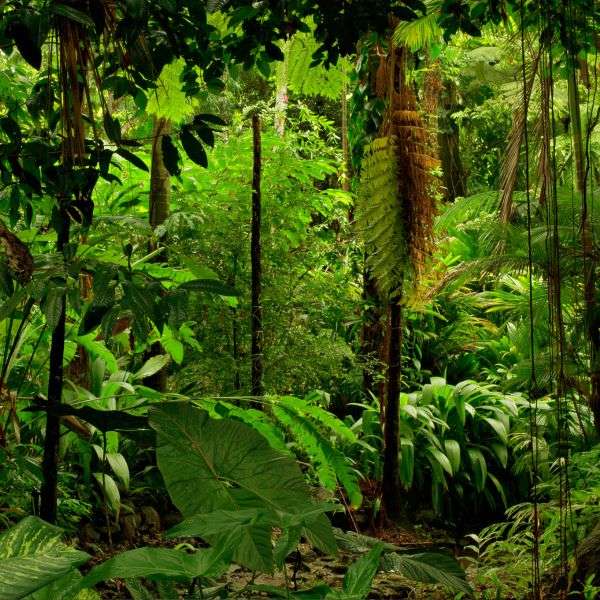
The islands of Tutuila, Ta'u, and Ofu are characterized by lush rainforests that support a variety of plant and animal species. The park is home to endemic flora and fauna, contributing to the ecological significance of the area.
Traditional Villages
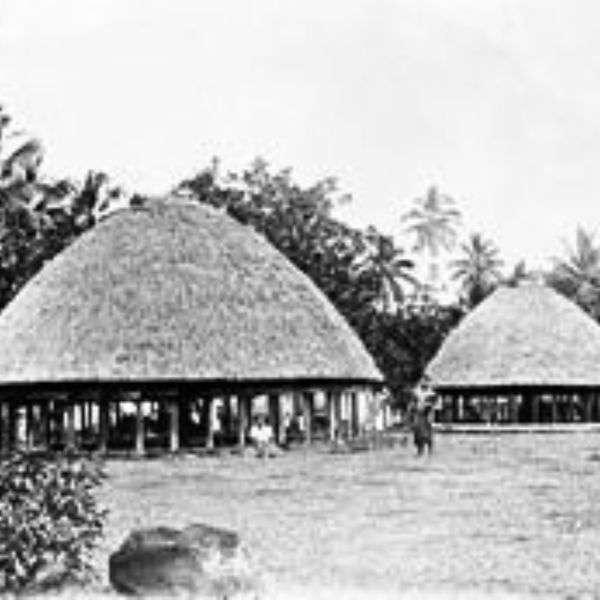
Throughout the park, traditional Samoan villages can be found, showcasing the cultural heritage of the indigenous people. Traditional architecture, communal living spaces, and cultural practices are integral to the landscape of the park.
Plants
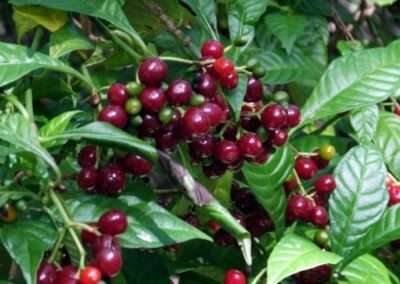
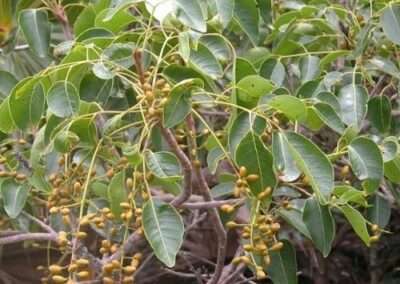
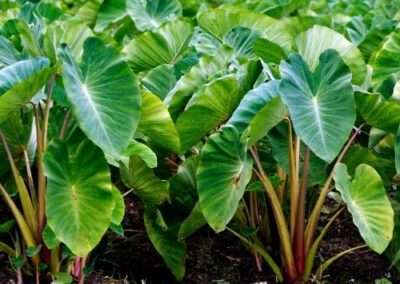
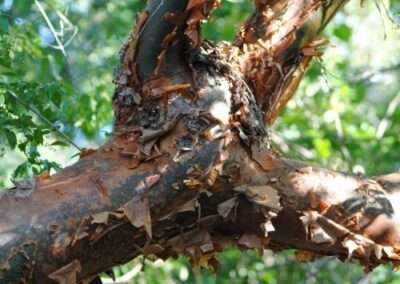
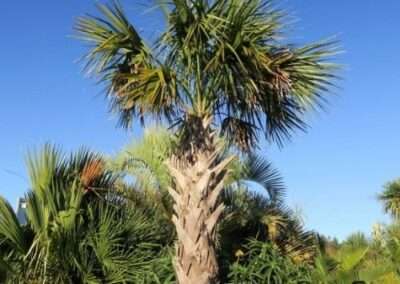
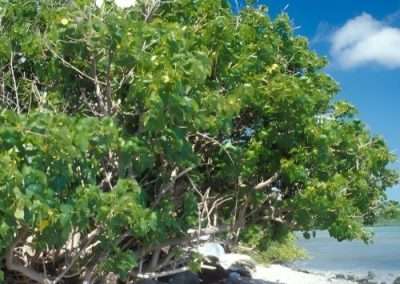
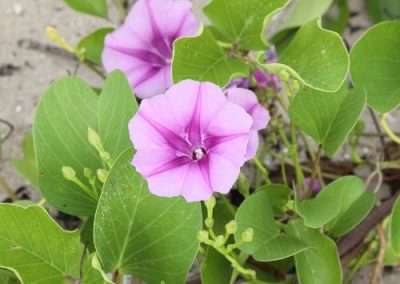
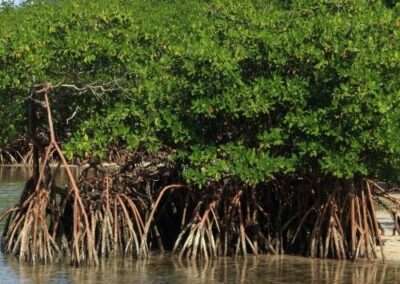
American Samoa National Park is home to a rich variety of tropical plant life. Lush rainforests cover much of the park, with towering trees, ferns, vines, shrubs, and colorful flowers growing throughout the islands. These plants create important habitats for wildlife and are an essential part of the unique ecosystems found across American Samoa.
Animals
Mammals
American Samoa National Park has a unique mammal community. Unlike many national parks, the islands have no native land mammals. However, several introduced mammals live on the islands, while the surrounding ocean is home to a variety of marine mammals.
Pacific Rat (Rattus exulans): Also called the Polynesian rat, this introduced species can affect native wildlife by eating seeds, plants, insects, and bird eggs.
Norway Rat (Rattus norvegicus): This introduced rat can compete with native species for food and may prey on eggs and young animals.
Black Rat (Rattus rattus): Also known as the roof rat, this introduced species can live in forests and around human communities. It can affect native birds and other wildlife by competing for food and eating eggs.
Feral Pig (Sus scrofa): Feral pigs can damage forests by digging in the soil and eating plants, roots, and other food. Their activity can disturb habitats and affect native species.
Humpback Whale (Megaptera novaeangliae): Humpback whales travel through the waters around American Samoa. They are especially visible during parts of the year when they migrate through the region.
Spinner Dolphin (Stenella longirostris): Spinner dolphins are found in the waters around American Samoa. They are known for their impressive leaps and spinning behavior above the water.
Bottlenose Dolphin (Tursiops truncatus): Bottlenose dolphins can be found in tropical and subtropical ocean waters around the world, including the waters of American Samoa.
False Killer Whale (Pseudorca crassidens): Despite its name, the false killer whale is actually a member of the dolphin family. These social marine mammals can be found in the tropical waters of the Pacific.
Reptiles
American Samoa National Park is home to several reptiles, including native lizards and sea turtles that live in the surrounding Pacific Ocean. The islands have no native land snakes, making the reptile life of American Samoa different from many other tropical regions.
Samoan Skink (Emoia samoensis): The Samoan skink is a small lizard native to the Samoan Islands. It can be found in forests and other habitats throughout the islands.
Pacific Skink (Emoia impar): Pacific skinks are small lizards found across parts of the Pacific Islands. They can live in forests, gardens, and other habitats and feed on small insects and other invertebrates.
Green Sea Turtle (Chelonia mydas): Green sea turtles live in tropical ocean waters around American Samoa. They may be found near coral reefs and coastal areas and feed mainly on algae and seagrasses as adults.
Hawksbill Sea Turtle (Eretmochelys imbricata): Hawksbill turtles can be found in the waters around American Samoa. They often live near coral reefs, where they use their narrow beaks to feed on sponges and other marine organisms.
Leatherback Sea Turtle (Dermochelys coriacea): Leatherback turtles are the largest sea turtles in the world. They travel through the open Pacific Ocean and may be found in waters around American Samoa.
Olive Ridley Sea Turtle (Lepidochelys olivacea): Olive ridley turtles are found in tropical and subtropical waters of the Pacific Ocean. They are smaller than green and leatherback turtles and spend much of their lives at sea.
Loggerhead Sea Turtle (Caretta caretta): Loggerhead turtles are large sea turtles that live in ocean waters around the world. They have powerful jaws that help them eat hard-shelled animals such as crabs and mollusks.
No Native Land Snakes: Unlike many tropical islands, American Samoa has no native land snakes. The reptiles found on land are mainly lizards, while several species of sea turtles use the surrounding ocean habitat.
Birds
American Samoa National Park is home to a wide variety of birds. The park's tropical forests, coastal areas, and surrounding ocean provide habitats for native birds, seabirds, and migratory species that visit the islands during parts of the year.
Samoa Fruit Dove (Ptilinopus perousii): This colorful fruit dove lives in the forests of Samoa and other Pacific islands. It feeds mainly on fruit and helps spread seeds through the forest.
Mao (Gymnomyza samoensis): The Mao is a rare honeyeater found in the Samoan Islands. It lives in forests and feeds on nectar, fruit, and insects. Protecting healthy forests is important for this threatened bird.
Cardinal Honeyeater (Myzomela cardinalis): This small, bright-colored bird is found throughout Samoa and other Pacific islands. It feeds on nectar and insects and can often be found in trees and forest habitats.
Pacific Imperial Pigeon (Ducula pacifica): This large pigeon lives in forests across many Pacific islands, including Samoa. It eats fruit and helps spread seeds as it moves through the forest.
White Tern (Gygis alba): Also called the fairy tern, this small white seabird lives around tropical Pacific islands. It can be seen near coastal areas and offshore islands, where it searches for small fish and other food.
Red-footed Booby (Sula sula): Red-footed boobies are tropical seabirds that spend much of their time over the ocean. They can nest in trees and are known for their colorful feet and long wings.
Brown Noddy (Anous stolidus): Brown noddies are dark-colored seabirds that live around tropical oceans. They often gather in groups and nest on islands and coastal areas.
Samoan Kingfisher (Todiramphus recurvirostris): The Samoan kingfisher is a colorful forest bird found in the Samoan Islands. It uses its strong bill to catch insects and other small animals.
Wandering Tattler (Tringa incana): This shorebird visits American Samoa during its migration. It can be found along rocky shores and in tidal areas, where it searches for small marine animals.
Pacific Golden-Plover (Pluvialis fulva): Pacific golden-plovers travel thousands of miles during their migrations. They breed in the Arctic and spend part of the year in warmer areas, including Pacific islands such as American Samoa.
Fish
American Samoa National Park protects both tropical forests and important marine habitats. The warm waters around the islands contain colorful coral reefs, rocky shores, and deeper ocean areas that support hundreds of species of fish. These fish are an important part of the park's marine ecosystem.
Surgeonfish: Surgeonfish are common around coral reefs. They have sharp spines near their tails and often feed on algae growing on rocks and coral.
Parrotfish: Parrotfish use their strong, beak-like teeth to scrape algae from rocks and coral. Their feeding helps keep algae from taking over healthy coral reefs.
Butterflyfish: Butterflyfish are small, colorful reef fish that are often seen swimming around coral. Many species feed on small animals, algae, or coral.
Triggerfish: Triggerfish have unusual body shapes and strong teeth. They can be found around reefs and rocky areas, where they feed on a variety of small marine animals and other food.
Moray Eels: Moray eels have long, snake-like bodies and often hide in holes and cracks in reefs during the day. They use their strong jaws to catch fish and other marine animals.
Snappers: Snappers are important reef predators found in tropical Pacific waters. They feed on smaller fish and other marine animals and are an important part of the food web.
Groupers: Groupers are large predatory fish that live around reefs and rocky habitats. They use their powerful mouths to catch fish, crustaceans, and other prey.
Trevally: Trevally are fast-swimming fish that hunt in coastal and reef waters. Some species, including giant trevally, can grow quite large and are important predators in Pacific reef ecosystems.
Damselfish: Damselfish are small, colorful reef fish that are common around coral reefs. They often defend small territories and feed on algae, plankton, or tiny marine animals.
Amphibians
American Samoa has no native amphibian species. Frogs, toads, salamanders, and other amphibians are not naturally found on the islands. Their absence is likely related to the islands' isolation and the difficulty amphibians have in crossing large areas of ocean. This makes American Samoa's wildlife especially unique compared with many other tropical regions.
“Tautua nei mo se taeao manuia”
"Serve now for a better tomorrow"
- Samoan Proverb
"The heart of the South Pacific, to a world of sights, sounds, and experiences that you will find in no other national park in the United States"
- National Park Services
Explore More With Us
Stay updated on National Parks EDU resources, park news, community updates, and and ways to explore, and protect.

National Parks Edu's mission is to help kids and families understand what makes these places so important. Because when you learn about nature, you start to care about protecting it.
National Parks EDU is an independent educational website and is not affiliated with, endorsed by, sponsored by, or officially connected to the National Park Service (NPS) or the U.S. government. © National Parks EDU. All Rights Reserved. October 18, 2026