Acadia
National Park
Maine
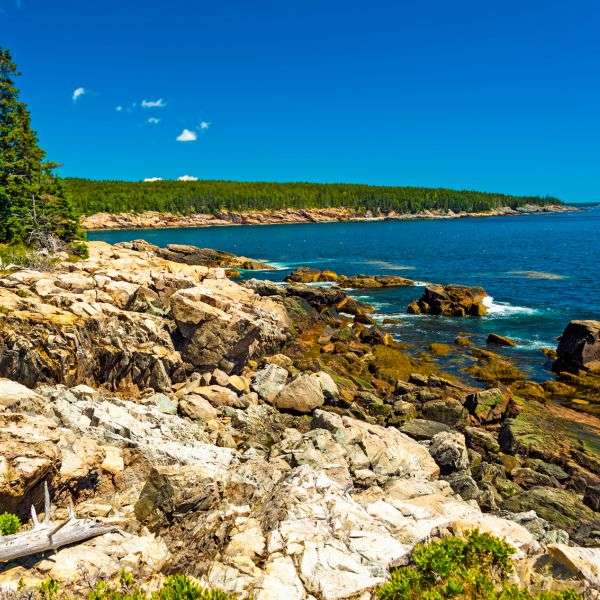
the rugged coast of Maine, encompassing diverse landscapes, granite peaks, pristine lakes, and rocky shores
Fast Facts
Location
primarily on Mount Desert Island along the coast of Maine with several smaller islands and a portion of the Schoodic Peninsula
Established in
1919
Established by
President Woodrow Wilson
Size
77 sq. miles
Known For
- Renowned for its breathtaking coastal landscapes, including granite peaks, dense forests, and picturesque shorelines
- Acadia National Park encompasses historic sites adding a cultural dimension to the natural beauty of the area
- In the fall, Acadia's landscapes transform into a vibrant tapestry of reds, oranges, and yellows, attracting visitors seeking the beauty of autumn foliage
History
Natural History and Formation
The Geology of Acadia National Park
Acadia National Park has a geological story that goes back more than 500 million years. Over a very long time, ancient oceans, volcanoes, moving continents, glaciers, and erosion helped create the mountains, lakes, valleys, and coastline we see today.
Ancient Beginnings: Acadia's story began when mud, sand, and volcanic ash settled on the floor of an ancient ocean. Over time, heat and pressure changed these materials into rock. One of the oldest rocks found around Mount Desert Island is called Ellsworth Schist.
Volcanoes and Granite: About 420 million years ago, magma rose deep underground and slowly cooled. This created large areas of granite, including the granite that makes up much of Mount Desert Island. Over millions of years, erosion wore away the layers of rock above it, exposing the granite we see today.
Moving Continents: Long ago, pieces of Earth's crust moved and collided with each other. These powerful forces changed the rocks and helped shape the region. The collision of a small landmass called Avalonia with North America played an important part in Acadia's geological history.
The Ice Age: During the last Ice Age, huge glaciers covered the area that is now Acadia National Park. As the glaciers slowly moved across the land, they scraped and carved the rock beneath them. They created U-shaped valleys, smooth mountain slopes, lakes, and other features that can still be seen throughout the park today.
Glaciers Leave Their Mark: The glaciers also carried and dropped large rocks and boulders as they moved. Some of these rocks came from places far away. These are called glacial erratics. They are clues that help scientists understand how the glaciers moved across the region.
The Coast Takes Shape: When the glaciers melted, the land slowly rose as the weight of the ice disappeared. At the same time, changing sea levels helped shape Acadia's coastline. Water filled some of the valleys and low areas, creating the bays, coves, and islands we see today.
A Landscape Still Changing: Acadia's landscape is still changing, although very slowly. Rain, wind, waves, ice, and freezing and thawing water continue to wear down and reshape the rocks and coastline.
The Big Idea
Acadia's landscape was shaped by fire, ice, water, and time. From ancient volcanic activity to massive glaciers, each force left its mark on the park. Today, these geological clues help us understand the incredible story of how Acadia was formed.
Native History
Acadia National Park is part of the homeland of the Wabanaki people, who have lived in this region for thousands of years. The Wabanaki are made up of five Indigenous nations: the Mi'kmaq, Maliseet, Passamaquoddy, Penobscot, and Abenaki. Their history, culture, and connections to the land continue today.
Who Are the Wabanaki? The word Wabanaki means “People of the Dawnland.” The Wabanaki nations share related languages, traditions, and a long history in what is now northern New England and eastern Canada. The five nations have their own distinct cultures and communities, while also sharing connections as Wabanaki peoples.
A Homeland of Many Generations: The Wabanaki have lived in and traveled throughout the lands and waters around what is now Acadia for thousands of years. They used the area's forests, mountains, rivers, lakes, and coast for food, materials, travel, and cultural practices.
Living With the Land: Wabanaki communities used many of the area's natural resources. They hunted animals, fished in rivers and coastal waters, gathered plants and berries, and traveled by canoe and other watercraft. Their knowledge of the seasons and the natural world helped them make use of different resources throughout the year.
Seasonal Travel: Wabanaki communities traditionally moved between different areas throughout the year. Where people traveled depended on the season, weather, available food, family needs, and many other factors. Rivers, lakes, and the ocean were important travel routes.
Culture and Traditions: Wabanaki cultures include rich traditions of storytelling, art, music, basket making, language, and teaching. Wabanaki knowledge has also been passed from one generation to the next through close relationships with the land and natural world.
European Contact: Europeans began arriving in the region hundreds of years ago. Contact brought major changes to Wabanaki communities. European diseases caused devastating loss of life, while colonization led to conflicts, changes in land ownership, and pressure on Wabanaki communities and their traditional ways of life.
Wabanaki People Today: Wabanaki history is not only part of the past. The five Wabanaki nations are living communities today. Their languages, traditions, cultures, and connections to their homelands continue to grow and change.
Wabanaki Connections to Acadia: Today, Acadia National Park works to recognize and share Wabanaki connections to the park and surrounding region. Visitors can learn about Wabanaki history and perspectives through park programs, exhibits, and educational resources.
The Big Idea
Acadia is more than mountains, forests, and ocean. It is also part of a homeland with thousands of years of Wabanaki history. Learning about the Wabanaki people helps us better understand the land, its history, and the people who continue to call this region home.
Preservation
Acadia National Park exists today because many people believed this beautiful landscape should be protected for future generations. Local residents, conservationists, philanthropists, and government leaders all played important roles in creating and protecting the park.
Growing Concern: In the late 1800s and early 1900s, Mount Desert Island became a popular summer destination. As more people visited and development increased, some residents worried that the area's natural beauty could be damaged.
George B. Dorr: George B. Dorr was one of the most important people in Acadia's early history. He believed the land should be protected and spent much of his life working toward that goal. Dorr worked with other conservationists, including Charles W. Eliot, to gather land and build support for creating a protected area.
Women as Conservation Leaders: Women also played an important role in protecting Acadia's land. Eliza Homans made an early major land donation that included areas such as the Bowl, the Beehive, and part of Champlain Mountain. Other women later donated land as well.
1916 — A National Monument: In 1916, President Woodrow Wilson established Sieur de Monts National Monument on Mount Desert Island. This was an important first step toward creating what would become Acadia National Park.
1919 — A National Park: In 1919, Congress established Lafayette National Park. It was the first national park east of the Mississippi River. George Dorr became the park's first superintendent.
1929 — Acadia Is Born: In 1929, Lafayette National Park was renamed Acadia National Park. The new name reflected the region's historic connection to Acadia, the name once used by French explorers for parts of northeastern North America.
John D. Rockefeller Jr.: Philanthropist John D. Rockefeller Jr. played a major role in developing the park. From 1913 to 1940, he funded the construction of a large network of carriage roads and stone bridges. About 45 miles of these historic roads remain in the park today.
1947 — The Great Fire: In 1947, a huge wildfire burned across much of Mount Desert Island. The fire destroyed forests, homes, and summer estates. Over time, the forests recovered, creating some of the landscape visitors see today.
1980s — Protecting More Land: New laws in the 1980s helped strengthen Acadia's boundaries and protect additional land. In 1982, Congress approved legislation that helped protect parkland on Isle au Haut. In 1986, Congress established a permanent boundary for most of the park and gave the National Park Service additional tools to protect important lands.
Acadia Today: Today, Acadia protects more than 47,000 acres of mountains, forests, lakes, islands, and coastline. The park continues to be protected through the work of the National Park Service, local communities, conservation groups, and others.
The Big Idea: Acadia was not created overnight. It grew from decades of conservation, land donations, community support, and hard work. The people who helped protect this landscape created a place that visitors can enjoy and learn from today.
Future Preservation
Protecting Acadia National Park for the future is an ongoing job. Climate change, invasive species, growing visitation, and the need to care for trails and other facilities all create challenges for the park. Scientists, park staff, local communities, and visitors all have a role in protecting this special place.
Warming Temperatures: Climate change is causing temperatures to rise. Warmer conditions can change when plants grow, where animals live, and how different species interact. Some species may be able to adapt, while others may struggle with the changes.
Sea-Level Rise: Acadia's coastline can be affected by rising sea levels. Higher water levels and stronger coastal storms can cause erosion and flooding. These changes can affect beaches, coastal habitats, roads, and other areas near the ocean.
Changing Weather: Changes in climate can bring heavier rainfall, stronger storms, droughts, and other weather events. These events can cause flooding, erosion, fallen trees, and damage to trails and roads.
Changing Ocean Conditions: The ocean around Acadia is also changing. Warmer water and increasing ocean acidity can affect marine animals and plants. Species that build shells or other hard structures may be especially sensitive to changes in ocean chemistry.
Changing Habitats: As temperatures and weather patterns change, some plants and animals may move to new areas. Species that depend on cooler conditions may have fewer places where they can survive. These changes can affect the relationships between plants, animals, and their habitats.
Wildlife: Changes in temperature, food, water, and habitat can affect wildlife in Acadia. Some animals may change where or when they feed, reproduce, or migrate. Scientists continue to study how these changes may affect the park's ecosystems.
Visitor Impact: Acadia is one of the most visited national parks in the United States. Large numbers of visitors can put pressure on trails, plants, wildlife, roads, and other resources. Staying on marked trails, following park rules, and respecting wildlife can help reduce these impacts.
Protecting Trails and Roads: Acadia has hundreds of miles of trails, roads, and historic carriage roads that need regular care. Heavy rain, storms, freezing temperatures, and large numbers of visitors can cause damage. Park staff work to maintain these areas while protecting the landscape around them.
Invasive Species: Invasive plants and animals can threaten native species. Some invasive plants spread quickly and compete with native plants for sunlight, water, and nutrients. Park staff monitor and manage invasive species to help protect Acadia's natural communities.
Air and Water Quality: Clean air and water are important to Acadia's plants, animals, and visitors. Pollution can travel into the park from areas far away. Runoff and other pollution can also affect lakes, streams, and coastal waters. Protecting water and air quality requires cooperation beyond the park's boundaries.
Protecting the Surrounding Land: Acadia's ecosystems do not stop at the park boundary. Development and changes in land use around the park can affect wildlife, water, and natural habitats. Protecting important lands near the park can help keep these ecosystems connected.
Limited Resources: The National Park Service has many responsibilities, but time, staff, and funding are limited. Park managers must decide how to use available resources to protect natural and cultural resources while also providing safe experiences for visitors.
Working Together: Protecting Acadia is not a job for the National Park Service alone. Scientists, local communities, conservation groups, park visitors, and other partners can all help. Small actions, such as staying on trails, leaving plants and rocks where they are, keeping wildlife wild, and following park rules, can make a difference.
The Big Idea: Acadia is a living landscape that is always changing. Protecting it for future generations means understanding these changes, caring for the land and water, and working together to keep the park healthy and resilient.
Geography
Acadia National Park sits along the rocky coast of Maine and is known for its beautiful mix of mountains, forests, lakes, and ocean. The landscape has been shaped by glaciers, volcanoes, waves, wind, and other natural forces over millions of years. Covering more than 47,000 acres, Acadia includes rugged coastlines, freshwater lakes, forests, islands, and the famous pink granite of Cadillac Mountain.
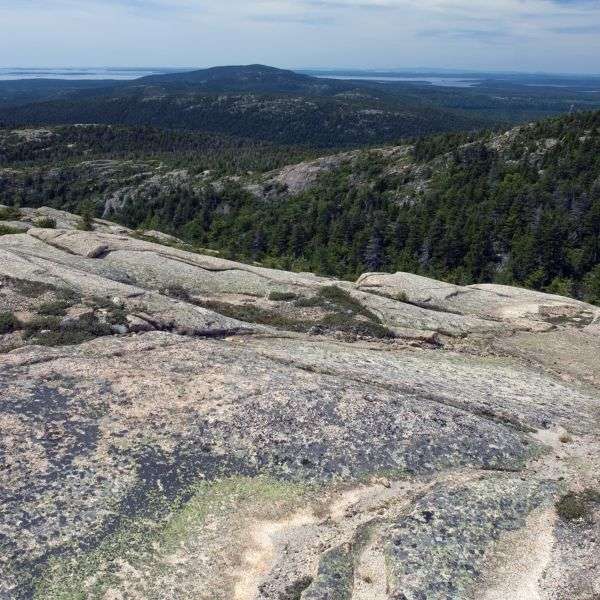
Granite Peaks
The park's topography is dominated by granite peaks, shaped by ancient volcanic activity. These peaks, including Cadillac Mountain, provide stunning panoramic views of the surrounding landscape, the Atlantic Ocean, and neighboring islands.
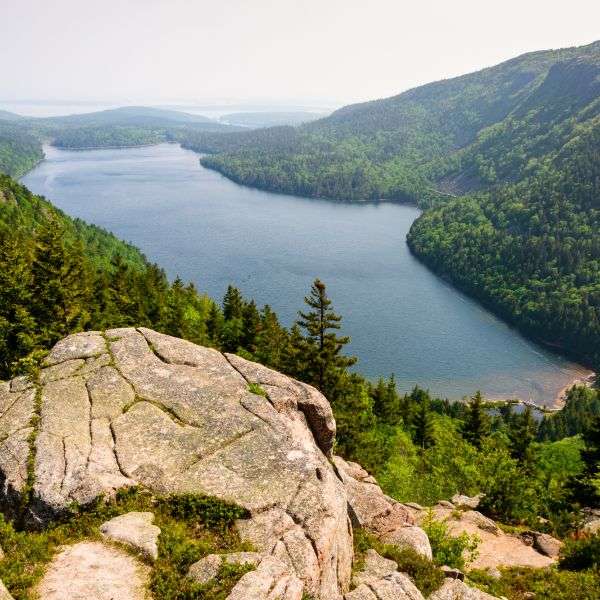
Fjords and Inlets
The park features several fjords or narrow, deep inlets of the sea between high cliffs. Notable fjords include Somes Sound, which divides Mount Desert Island nearly in half, providing unique geological features and scenic landscapes.
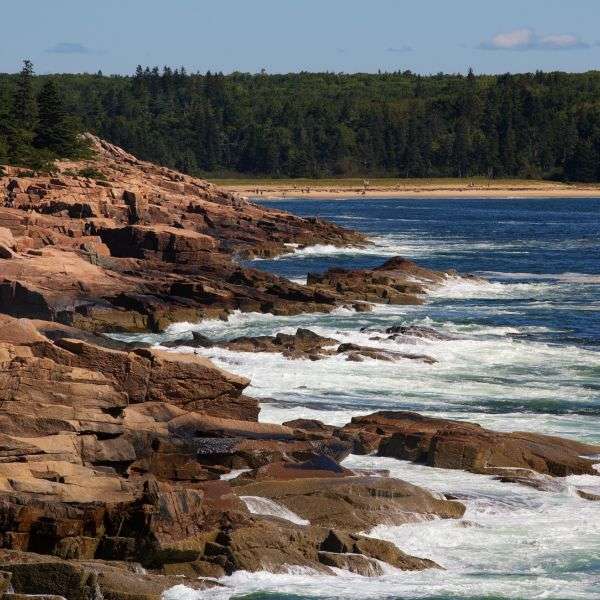
Coastline
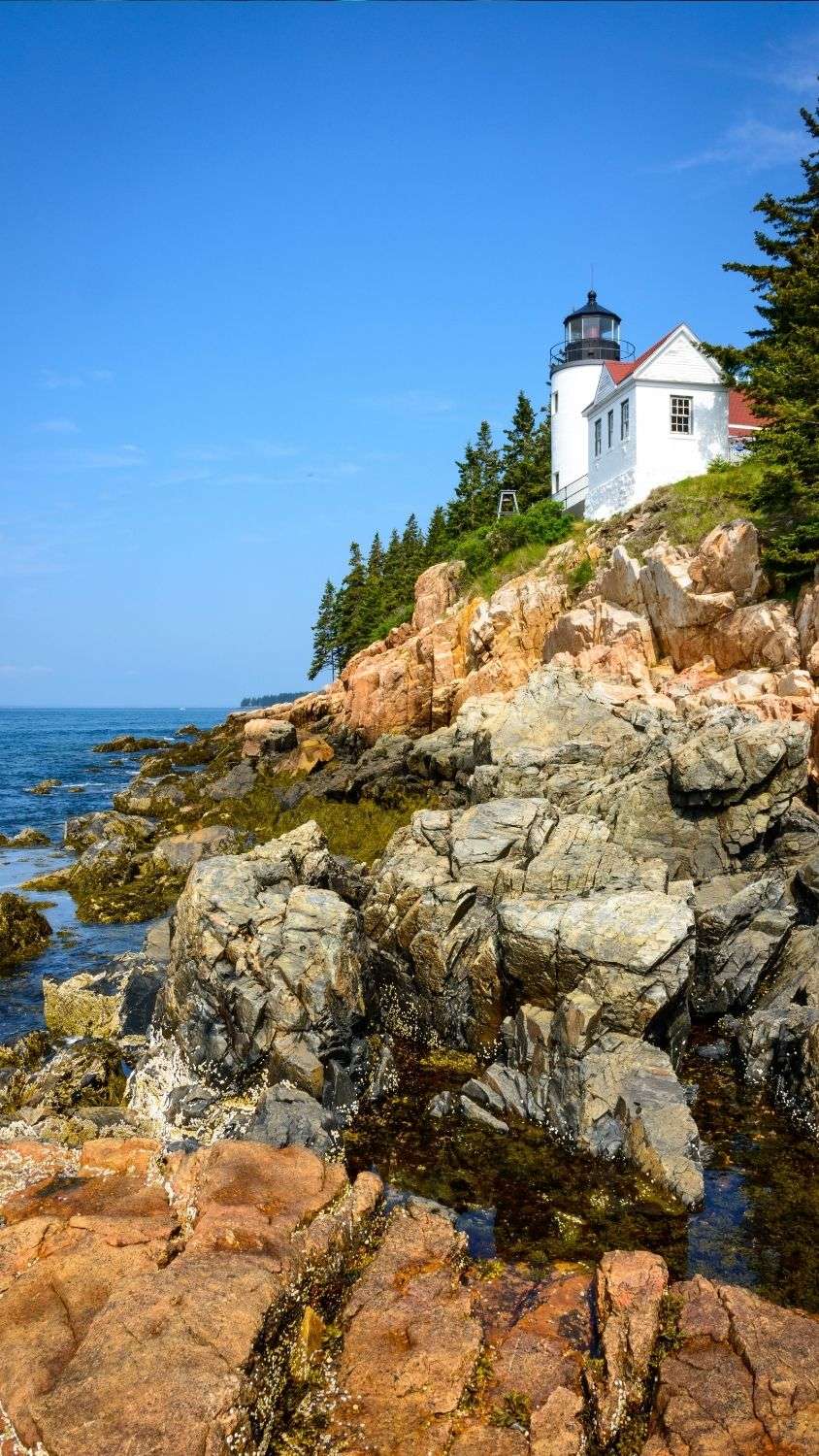
Acadia National Park boasts a rugged and dramatic coastline, with rocky shores, sea cliffs, and tidal pools. Thunder Hole, a natural rock inlet, is known for the thunderous sound produced when waves crash into the cavern during certain tide and sea conditions.
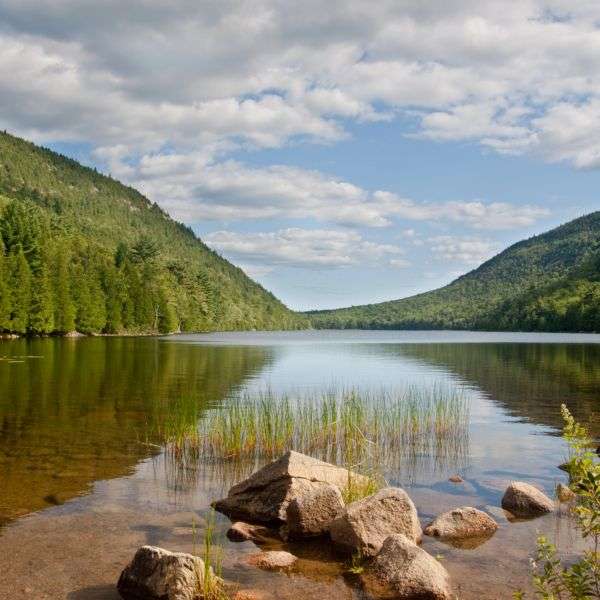
Lakes and Ponds
The park is home to pristine lakes and ponds, including Jordan Pond and Eagle Lake. These bodies of water offer scenic beauty and recreational opportunities such as boating and fishing.
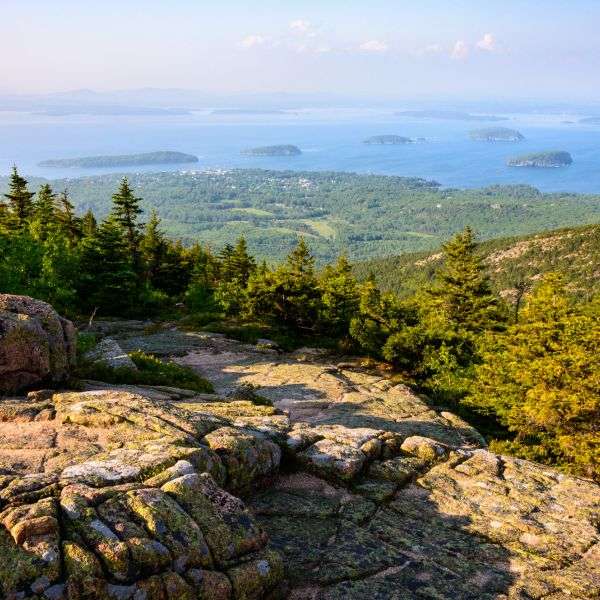
Islands
In addition to Mount Desert Island, Acadia National Park includes several smaller islands off the coast, such as Isle au Haut and the Cranberry Isles. These islands contribute to the park's diverse ecosystems and add to its scenic charm.
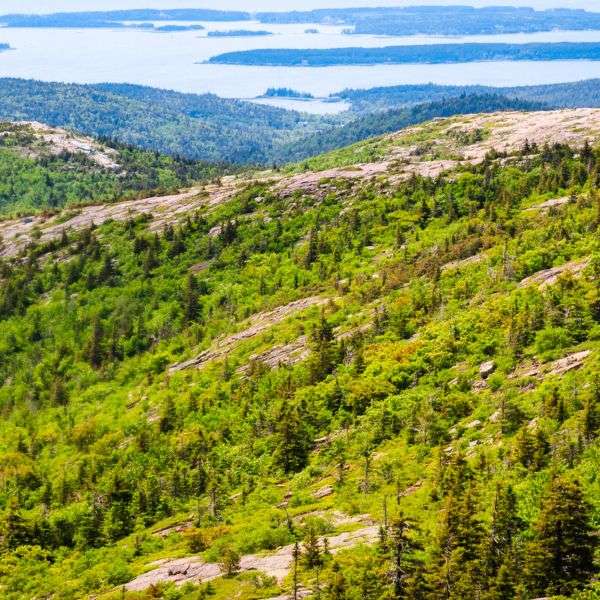
Woodlands
Acadia is home to a variety of forest types, including deciduous and coniferous woodlands. The park's vegetation includes a mix of hardwoods, evergreens, and a variety of plant species adapted to the coastal environment.
Plants
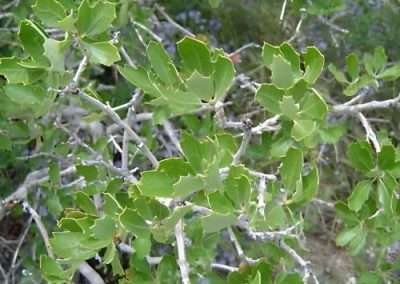
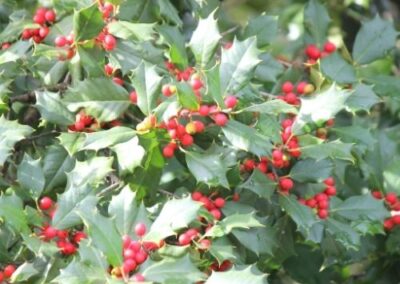
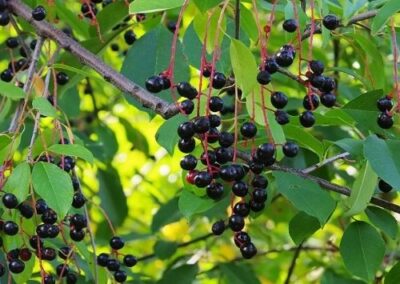
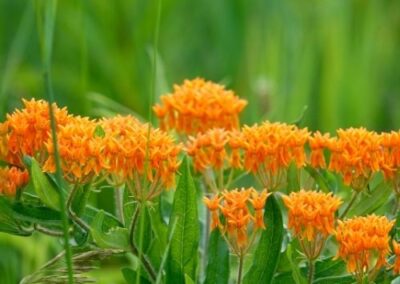
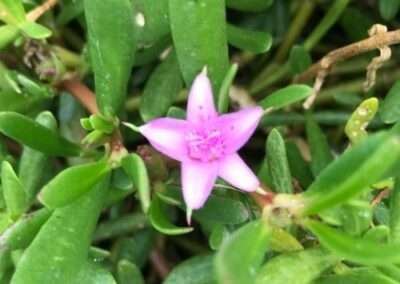
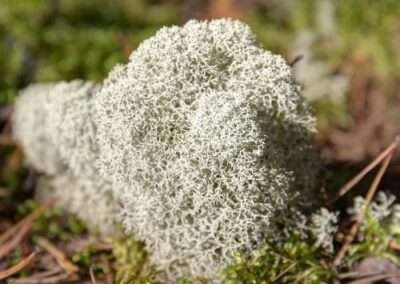
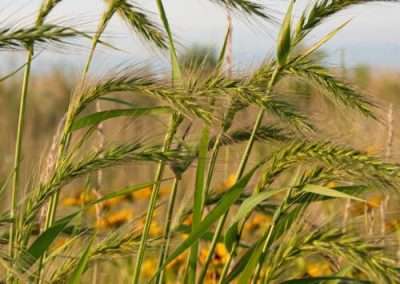
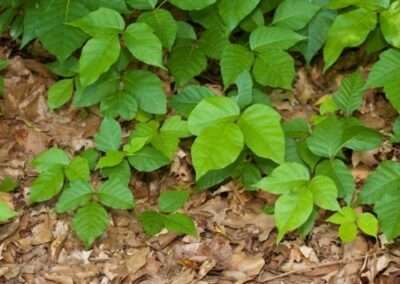
Acadia National Park is home to many different kinds of plants because the park has a variety of habitats. Along the coast, salt-tolerant plants can survive strong winds and salty air. Inland, forests are filled with a mix of evergreen and deciduous trees, including the Eastern white pine. In warmer months, wildflowers add color to fields, forests, and other open areas. Small shrubs, mosses, and other hardy plants also grow among Acadia's rocky mountains and cliffs.
Animals
Mammals
Acadia National Park is home to many different mammals. The park's forests, mountains, wetlands, lakes, and coastline provide habitats for animals ranging from tiny rodents to larger predators. Some mammals are easy to spot, while others are shy and rarely seen.
White-tailed Deer: White-tailed deer are common in Acadia and can be found in forests, fields, and other areas with plenty of plants to eat.
Red Fox: Red foxes live in many of Acadia's habitats, including forests and open areas. They are usually most active around dawn and dusk and can be difficult to spot.
Eastern Cottontail: These small rabbits live in areas with grasses, shrubs, and other plants that provide food and cover.
Coyote: Coyotes are adaptable animals that can live in many different habitats. They are found throughout Maine, including around Acadia, but visitors may hear them more often than they see them.
North American Porcupine: Porcupines are covered in sharp quills that help protect them from predators. They often feed on tree bark, leaves, and other plant material and may be found on the ground or in trees.
Muskrat: Muskrats live near ponds, streams, marshes, and other wetlands. They are excellent swimmers and feed on aquatic plants.
Eastern Chipmunk: Eastern chipmunks are small rodents with stripes along their backs. They are common around forests, rocky areas, and trails and often collect seeds and other food.
North American River Otter: River otters are strong swimmers that live near freshwater and coastal areas. They have long, streamlined bodies and spend much of their time in or near the water.
American Mink: Mink are small, semi-aquatic mammals that often live near streams, ponds, and other waterways. They are skilled swimmers and hunters.
Red Squirrel: Red squirrels are common in Acadia's forests. They eat seeds, nuts, and other foods and are known for their loud calls.
Bobcat: Bobcats are secretive predators that live in Maine's forests and other habitats. They are present in the Acadia region but are rarely seen by visitors.
Harbor Seal: Harbor seals can sometimes be seen in the waters around Acadia. They spend much of their time in the ocean and may rest on rocks or small islands.
Bats: Several species of bats can be found in and around Acadia. Bats are important predators of insects and can often be seen flying around at dusk.
Black Bear: Black bears live in Maine and can occasionally be found in the Acadia area. They are generally shy and avoid people. Visitors should never approach or feed a bear and should follow all park guidance about safely storing food.
Reptiles
Acadia National Park has fewer reptile species than areas farther south because of its cooler northern climate. Even so, several reptiles can be found in the park and surrounding region. Reptiles are most active during the warmer months and can often be difficult to spot.
Eastern Garter Snake: Eastern garter snakes are one of the more common snakes found in the region. They can live in forests, fields, rocky areas, and near water. Garter snakes are not venomous and usually avoid people.
Northern Ring-necked Snake: This small snake gets its name from the light-colored ring around its neck. Ring-necked snakes are secretive and often live under rocks, logs, or leaf litter in wooded areas.
Common Snapping Turtle: Snapping turtles can be found in freshwater habitats such as ponds, streams, and wetlands. They have strong jaws and should never be approached or handled.
Painted Turtle: Painted turtles live in freshwater habitats and can sometimes be seen resting on logs or rocks in the sun. They have dark shells with colorful markings along their edges.
Wood Turtle: Wood turtles are found in parts of Maine and depend on clean rivers and streams. They are less common than some other turtles and are considered a species of conservation concern in parts of their range.
Birds
Acadia National Park is an excellent place to see birds. The park's forests, lakes, mountains, rocky coastline, and offshore islands provide homes and resting places for many different species. Birds can be seen in Acadia during every season, with especially good opportunities during spring and fall migration. The National Park Service has recorded 338 bird species in the park.
Peregrine Falcon: Peregrine falcons are famous for their incredible speed and often nest on Acadia's steep cliffs. The park has played an important role in helping this species recover in the eastern United States. Visitors may be able to see peregrines near the Precipice area during the nesting season.
Bald Eagle: Bald eagles can be seen around Acadia's lakes, ponds, and coastal waters. They often perch in tall trees or soar above the water while searching for food.
Atlantic Puffin: Atlantic puffins live on the open ocean and nest on offshore islands near the Maine coast. They do not nest on Mount Desert Island and are rarely seen from Acadia's mainland areas. Boat trips can provide opportunities to see them near their nesting islands.
Common Loon: Common loons are one of Acadia's most recognizable birds. They breed on many of the park's lakes and ponds and are famous for their beautiful black-and-white feathers and haunting calls.
Black-capped Chickadee: These small birds are common in Acadia's forests. Their black caps and white cheeks make them easy to recognize, and their familiar calls can often be heard before the birds are seen.
Common Eider: Common eiders are large sea ducks that can be found along Acadia's rocky coast. They spend much of their time in the water and are especially noticeable during the colder months.
Song Sparrow: Song sparrows live in many different habitats, including fields, shrubs, and areas near water. Their songs are one of the familiar sounds of spring and summer.
Red-eyed Vireo: Red-eyed vireos are small songbirds that live in Acadia's forests during the warmer months. They eat insects and are often easier to hear than see because they spend much of their time high in the trees.
Osprey: Ospreys are large birds of prey that hunt fish. They can often be seen flying over Acadia's lakes and coastal waters or perched near the water.
Ruby-throated Hummingbird: Ruby-throated hummingbirds visit Acadia during the warmer months. They feed on nectar from flowers and also eat small insects. Their tiny size and fast-moving wings can make them exciting birds to spot.
Northern Saw-whet Owl: Northern saw-whet owls are small, secretive owls that live in wooded areas. They are mostly active at night, so visitors are much less likely to see them than daytime birds.
Warblers: Acadia is an excellent place to see warblers, especially during spring and fall migration. More than 20 species breed on Mount Desert Island, and many other warblers pass through during migration. Black-throated Green, Yellow, and Blackburnian warblers are among the species birdwatchers may encounter.
Shorebirds and Seabirds: Acadia's coastline attracts many birds, including gulls, terns, sandpipers, guillemots, eiders, and other shorebirds. Some stay in the area year-round, while others visit during migration or the warmer months.
Birdwatching Tip: Birds can be easier to find when you visit different habitats. Look near lakes for loons and eagles, explore forests for songbirds and warblers, and check the coastline for seabirds and shorebirds. Remember to give wildlife plenty of space and never disturb nesting birds.
Fish
Acadia National Park has both freshwater and coastal habitats that support many kinds of fish. The park's lakes, ponds, streams, tidal waters, and rocky coastline provide different places for fish to live and find food.
Brook Trout: Brook trout are native to Maine and live in cold, clean freshwater. They can be found in some of Acadia's lakes, ponds, and streams.
Landlocked Salmon: Landlocked salmon are a freshwater form of Atlantic salmon. They have been introduced to some lakes in Maine and can be found in certain waters around Acadia.
Lake Trout: Lake trout prefer deep, cold freshwater. They can be found in some of the deeper lakes in the Acadia area.
American Eel: American eels have a remarkable life cycle. They spend most of their lives in freshwater or coastal waters but travel to the ocean to reproduce. Young eels can then travel back into rivers and streams.
Atlantic Salmon: Atlantic salmon are an important fish of Maine's rivers and coastal waters. Unlike landlocked salmon, they normally travel between freshwater and the ocean during their life cycle.
Striped Bass: Striped bass live in coastal waters, estuaries, and tidal rivers. They are strong swimmers and can sometimes be found in waters around Acadia.
Atlantic Herring: Atlantic herring are small schooling fish that travel through coastal waters in large groups. They are an important food source for larger fish, seabirds, seals, and other marine animals.
Atlantic Mackerel: Atlantic mackerel are fast-swimming fish that travel through the coastal waters of the Gulf of Maine. They feed on small marine animals and are also important food for larger predators.
Cunner: Cunner are small fish that live around rocky shorelines, reefs, and other coastal habitats. They can sometimes be found in shallow water around Acadia's rocky coast.
Alewife: Alewives are anadromous fish, which means they spend part of their lives in the ocean and return to freshwater to reproduce. Their migrations provide an important food source for many other animals.
Winter Flounder: Winter flounder are flat-bodied fish that live in shallow coastal waters and estuaries. They spend much of their time near the ocean floor.
Fish and the Ecosystem: Fish are an important part of Acadia's food webs. They provide food for birds, seals, larger fish, and other wildlife. Freshwater and marine fish also connect different parts of the park's ecosystem.
Fishing at Acadia: Fishing is allowed in some areas of Acadia National Park, but rules vary by location and season. Visitors should always check current park regulations before fishing and follow all applicable state and park rules.
Fun Fact: Some fish, such as alewives and American eels, connect freshwater and ocean ecosystems by traveling between them during their lives. These migrations help move nutrients through different parts of the ecosystem.
Amphibians
Acadia National Park is home to several species of amphibians. Its forests, wetlands, ponds, streams, and vernal pools provide important places for frogs, salamanders, and toads to live and reproduce. Amphibians are also important parts of the food web and can help scientists learn about the health of an ecosystem.
Eastern Newt: Eastern newts have an unusual life cycle with both aquatic and land-based stages. Young newts, called efts, often have bright orange or reddish skin and spend time on land before returning to the water as adults.
Wood Frog: Wood frogs are well adapted to Maine's cold climate. They spend much of their time in forests and return to temporary pools and wetlands to reproduce. During winter, they can survive being partly frozen.
American Bullfrog: Bullfrogs are large frogs that live near ponds, lakes, and other freshwater habitats. Their deep calls can often be heard near the water during the warmer months.
Green Frog: Green frogs live in ponds, wetlands, streams, and other areas with freshwater. They are often identified by the ridge of skin that runs from behind their eyes down their backs.
Spring Peeper: Spring peepers are tiny frogs that are best known for their loud, high-pitched calls. They often call from wetlands and temporary pools during the spring breeding season.
American Toad: American toads can live in forests, fields, and other habitats. Their bumpy skin helps them blend into their surroundings, and they eat many insects and other small animals.
Northern Two-lined Salamander: These small salamanders are often found near clean streams and other wet areas. They have two dark lines running along their backs and spend much of their time under rocks, leaves, and other cover.
Four-toed Salamander: Four-toed salamanders are small salamanders named for the four toes on each of their back feet. They prefer cool, damp habitats and are difficult to spot because they spend much of their time hidden.
Amphibians and the Environment: Amphibians can be sensitive to changes in water quality, temperature, disease, and habitat. Because of this, scientists can study amphibians to help understand changes in the environment.
Fun Fact: Many amphibians depend on both land and water during their lives. Protecting forests, wetlands, ponds, and streams helps provide the different habitats they need to survive.
“Did you ever see a place that looks like it was built just to enjoy? Well, this whole state of Maine looks that way to me.”
– Will Rogers
“There’s a quality of life in Maine which is this singular and unique. I think. It’s absolutely a world onto itself.”
– Jamie Wyeth
“Maine is a joy in the summer. But the soul of Maine is more apparent in the winter.”
– Paul Theroux
“Located on the East Coast of the United States, Maine is famous for its wild, untamed scenery. Rocky, windswept beaches line the coast.”
– Robin S. Doak
Explore More With Us
Stay updated on National Parks EDU resources, park news, community updates, and and ways to explore, and protect.

National Parks Edu's mission is to help kids and families understand what makes these places so important. Because when you learn about nature, you start to care about protecting it.
National Parks EDU is an independent educational website and is not affiliated with, endorsed by, sponsored by, or officially connected to the National Park Service (NPS) or the U.S. government. © National Parks EDU. All Rights Reserved. October 18, 2026