Lassen Volcanic
National Park
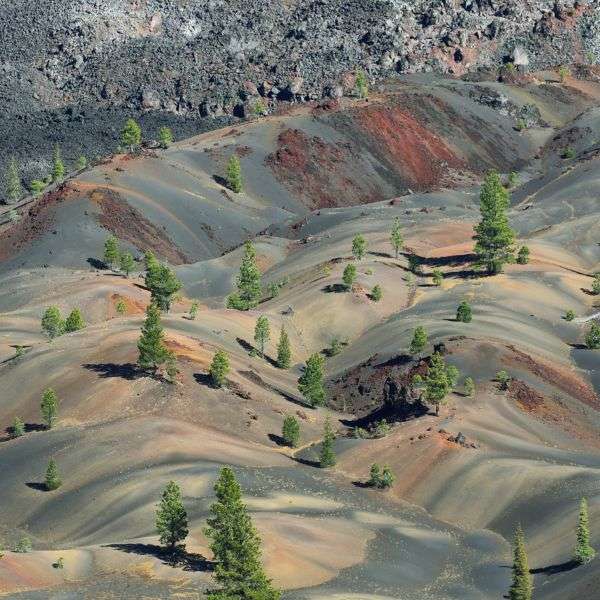
California
a stunning combination of geothermal wonders alongside dramatic volcanic landscapes
Fast Facts
Location
northeastern California
Established in
1916
Established by
President Woodrow Wilson
Size
165 sq. miles
Known For
- Lassen Volcanic National Park is renowned for its geothermal features and volcanic activity
- The park is dominated by Lassen Peak, an active volcano and the southernmost active volcano in the Cascade Range
- Lassen Volcanic National Park showcases a variety of volcanic landscapes, including lava beds, cinder cones, and the devastated area
History
Natural History and Formation
Lassen Volcanic National Park in northern California has a fascinating geological history shaped by volcanoes, earthquakes, glaciers, and erosion. The park is part of the Cascade Range, a volcanic mountain chain created by the movement of tectonic plates. Over millions of years, volcanic eruptions built the mountains and landforms that make the park unique today.
Tectonic Setting: Lassen Volcanic National Park is located near the area where the Juan de Fuca Plate moves beneath the North American Plate. This process, called subduction, causes melting deep underground and creates magma that can rise to the surface and form volcanoes.
Volcanic Activity: Volcanoes have shaped nearly every part of Lassen Volcanic National Park. The park contains several types of volcanoes, including plug dome volcanoes, cinder cones, shield volcanoes, and composite volcanoes. Lassen Peak is one of the largest plug dome volcanoes in the world.
Formation of Lassen Peak: Lassen Peak formed when thick lava slowly pushed upward and cooled into a steep-sided mountain called a plug dome. The volcano grew over thousands of years and was later shaped by glaciers and erosion.
Volcanic Features: The park contains many volcanic features, including lava flows, cinder cones, volcanic domes, and areas covered by ash and rock from past eruptions. Other famous features include Chaos Crags, Cinder Cone, and the remains of Mount Tehama, also known as Brokeoff Volcano.
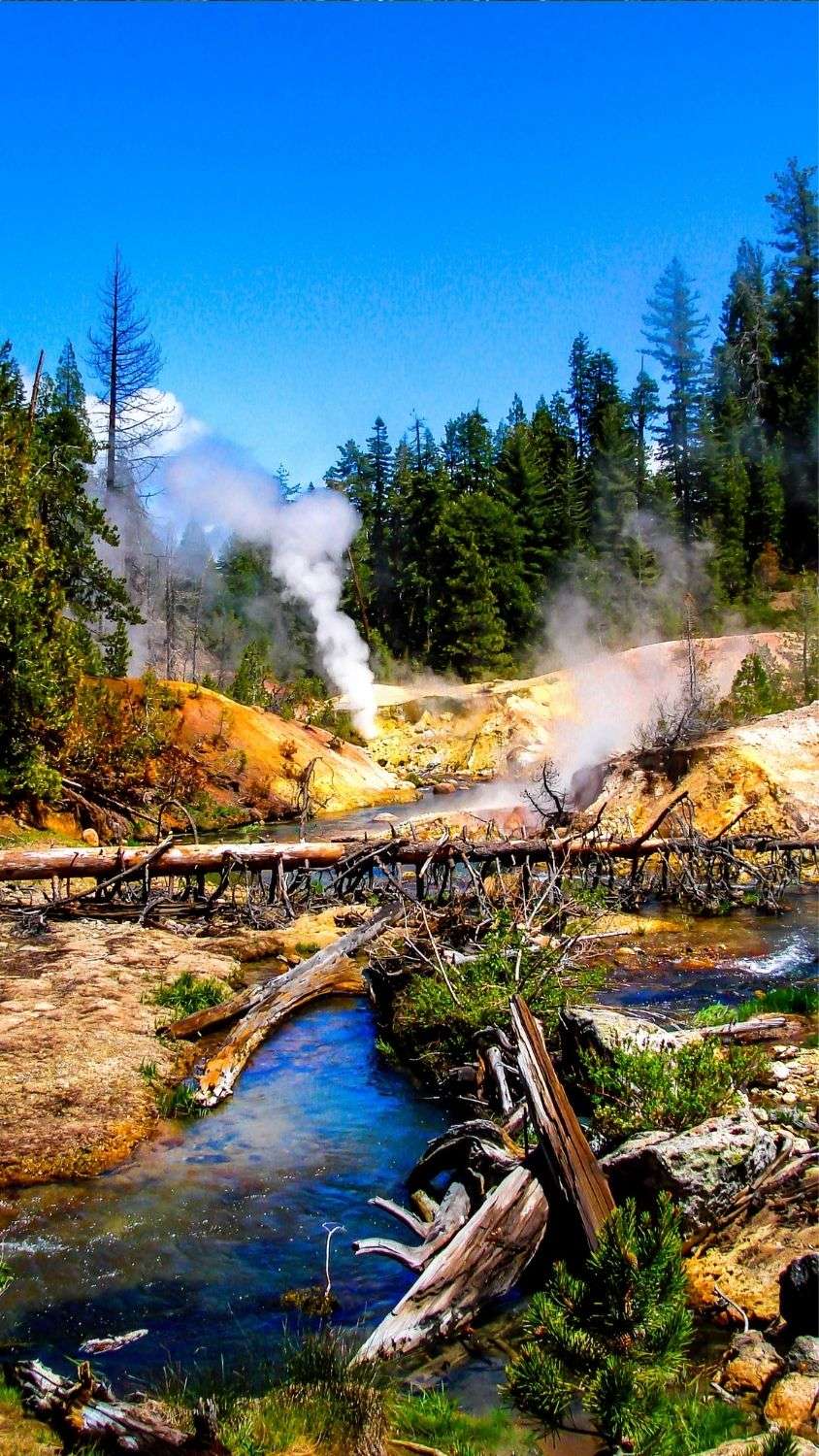
Hydrothermal Features: Heat from magma beneath the ground creates special features such as boiling springs, steam vents, and bubbling mud pots. These geothermal areas show that volcanic activity is still present beneath the park today.
Recent Eruptions: Lassen Peak last erupted between 1914 and 1917. The largest eruption happened in 1915, when ash, rocks, and hot volcanic material were blasted into the air. These eruptions changed the landscape and helped show the importance of protecting this unique volcanic area.
Overall, the geology of Lassen Volcanic National Park shows the powerful forces that shape Earth. Volcanoes, glaciers, and erosion continue to influence the landscape, making the park an important place for learning about Earth's changing surface.
Native History
The area now protected as Lassen Volcanic National Park has a long history of Native American use and cultural importance. Indigenous peoples have lived in and around the Lassen region for thousands of years, relying on the land’s plants, animals, rivers, and volcanic landscapes for food, tools, and spiritual practices. Several Native American groups have historical connections to the area, including the Mountain Maidu and the Atsugewi.
Mountain Maidu People: The Mountain Maidu are a Native American group whose traditional lands include parts of the northern Sierra Nevada and southern Cascade regions near Lassen. They adapted to a variety of environments, including forests, valleys, and mountain areas.
The Mountain Maidu lived in small communities and relied on hunting, fishing, and gathering for survival. Important foods included acorns, seeds, berries, roots, fish, and game animals. They used their detailed knowledge of the land to find resources throughout the seasons.
Traditional Skills and Crafts: The Mountain Maidu were highly skilled basket makers. They created baskets for gathering, storing food, cooking, and ceremonial purposes. Their basketry traditions are known for detailed designs and careful craftsmanship.
Atsugewi People: The Atsugewi people traditionally lived in the region around the Pit River and areas near Lassen. Their culture was closely connected to the rivers, forests, and mountains of northern California.
The Atsugewi lived in villages and relied on hunting, fishing, and gathering. They used local resources such as fish, deer, plants, and seeds for food and materials. Fishing in rivers and streams was an important part of their traditional lifestyle.
Traditional Crafts and Culture: Like the Mountain Maidu, the Atsugewi created woven baskets and other tools from natural materials. These crafts were used for everyday activities as well as cultural and ceremonial purposes.
Cultural and Spiritual Importance: The volcanic landscape of the Lassen region holds cultural significance for Native American communities. Mountains, rivers, springs, and other natural features were important parts of traditional stories, beliefs, and spiritual practices. Lassen Peak and surrounding areas were viewed as meaningful places connected to the natural world.
European Contact and Changes: During the 19th century, European American settlement brought major changes to Native American communities in the Lassen region. New diseases, loss of traditional lands, and changes in land use affected Indigenous ways of life and communities.
Preservation of Native American Heritage: Today, Lassen Volcanic National Park recognizes the importance of Native American history and works with affiliated tribes to protect cultural resources and share Indigenous perspectives. These efforts help preserve the long connection between Native peoples and the lands of the Lassen region.
The Native American history of Lassen Volcanic National Park reflects thousands of years of knowledge, traditions, and relationships with the landscape. The cultural heritage of the Mountain Maidu, Atsugewi, and other Indigenous groups remains an important part of the park’s story.
Preservation
The preservation history of Lassen Volcanic National Park is connected to the recognition of its unusual volcanic landscapes, geothermal features, and important natural resources. Efforts to protect the area began after scientists and visitors recognized the importance of Lassen Peak and its surrounding environment.
Early Recognition of Importance: During the late 1800s and early 1900s, the Lassen Peak area became known for its volcanic features, including hot springs, fumaroles, and other geothermal activity.
The eruptions of Lassen Peak between 1914 and 1917 attracted attention from scientists and the public. These events helped researchers learn more about volcanic activity and increased support for protecting the area.
Establishment as a National Park: Lassen Volcanic National Park was officially established on August 9, 1916, by an act of Congress. The park was created to protect its active volcanic landscape, unique hydrothermal features, and important natural areas.
Park Development and Protection: After the park was established, the National Park Service developed roads, trails, and visitor facilities to allow people to explore the area while protecting its natural resources.
Over time, the park's management has focused on preserving its volcanoes, forests, wildlife habitats, and geothermal features. Scientific research and monitoring continue to help protect the park’s changing landscape.
Dark Sky Preservation: Lassen Volcanic National Park has also worked to protect its naturally dark night skies. In 2021, the park was recognized as an International Dark Sky Park for its efforts to reduce light pollution and preserve opportunities for visitors to view stars and other celestial features.
Overall, the preservation history of Lassen Volcanic National Park shows a long commitment to protecting its volcanic landscapes, ecosystems, and cultural resources. The park continues to balance conservation with opportunities for visitors to learn about and enjoy this unique environment.
Future Preservation
Preserving Lassen Volcanic National Park for the future requires addressing challenges related to climate change, conservation, visitor use, and the protection of natural and cultural resources. Careful management and ongoing research help protect the park’s unique volcanic landscapes, forests, wildlife, and cultural heritage.
Climate Change: Rising temperatures can affect the park’s ecosystems by changing where plants and animals can survive. Species that depend on specific climate conditions may face challenges as temperatures and weather patterns change.
Increased Wildfire Risk: Warmer and drier conditions can increase the risk of larger and more frequent wildfires. While fire is a natural part of many forest ecosystems, severe fires can damage habitats, affect wildlife, and change plant communities.
Changes in Snowpack and Water Supply: Reduced snowfall and earlier snowmelt can affect the amount of water available in the park. Changes in water supplies may impact streams, plants, wildlife, and the overall health of park ecosystems.
Glacial and Snowfield Changes: Warming temperatures can affect glaciers and permanent snowfields in the park. Changes in these frozen areas may influence water sources and alter parts of the landscape.
Invasive Species: Changing environmental conditions can allow non-native plants and animals to spread into the park. Invasive species can compete with native plants and disrupt natural ecosystems.
Protection of Geothermal Features: Lassen Volcanic National Park contains unique geothermal features, including boiling springs and fumaroles. Monitoring these areas helps protect them from natural changes and human impacts.
Cultural Resource Protection: Protecting Native American cultural resources connected to groups such as the Maidu and Atsugewi peoples is an important part of park preservation. Working with Indigenous communities helps protect cultural sites, traditions, and knowledge.
Dark Sky Protection: As an International Dark Sky Park, Lassen works to preserve natural nighttime darkness. Continued efforts are needed to reduce light pollution and protect opportunities for visitors to experience the night sky.
Protecting Lassen Volcanic National Park requires cooperation among park managers, scientists, Native American communities, visitors, and conservation groups. Through research, education, and responsible management, the park can continue to preserve its natural and cultural treasures for future generations.
Geography
Lassen Volcanic National Park, located in northeastern California, features a unique landscape shaped by volcanic activity, glaciers, and erosion over thousands of years. The park is known for its volcanoes, lava fields, cinder cones, hot springs, and bubbling mud pots. Its mountains, forests, alpine lakes, and meadows provide habitats for many plants and animals. With its dramatic scenery and active geological features, Lassen Volcanic National Park offers visitors a chance to explore the powerful natural forces that continue to shape the Cascade Range.
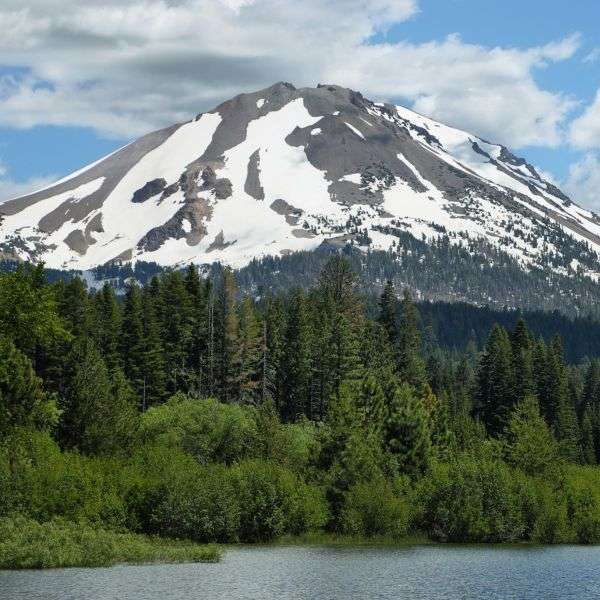
Lassen Peak
The park's namesake and the southernmost active volcano in the Cascade Range, Lassen Peak is the largest plug dome volcano in the world. It reaches an elevation of 10,457 feet.
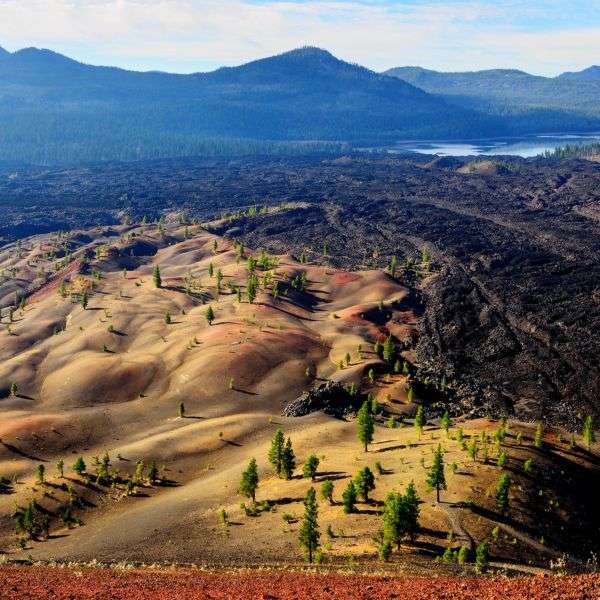
Volcanic Features
The landscape includes lava beds and cinder cones formed by past volcanic eruptions. Other notable volcanic structures include Cinder Cone, Chaos Crags, and Brokeoff Volcano.
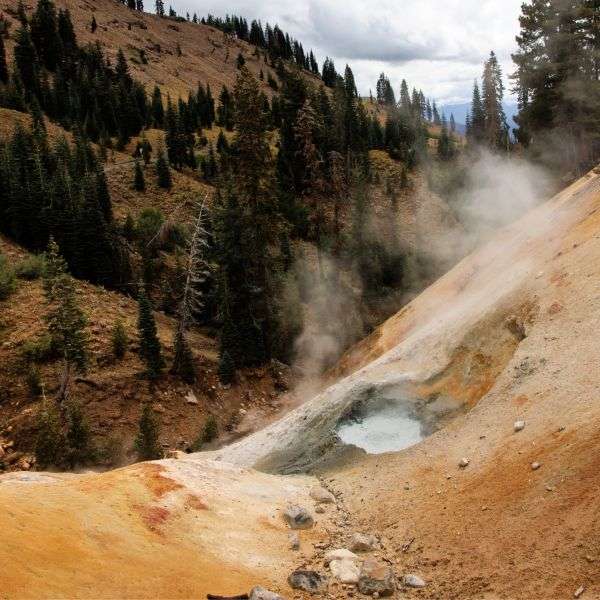
Hydrothermal Areas
The park is known for its geothermal features, including boiling springs, fumaroles, and hot springs. Bumpass Hell is one of the most famous hydrothermal areas, showcasing a range of geothermal activity.
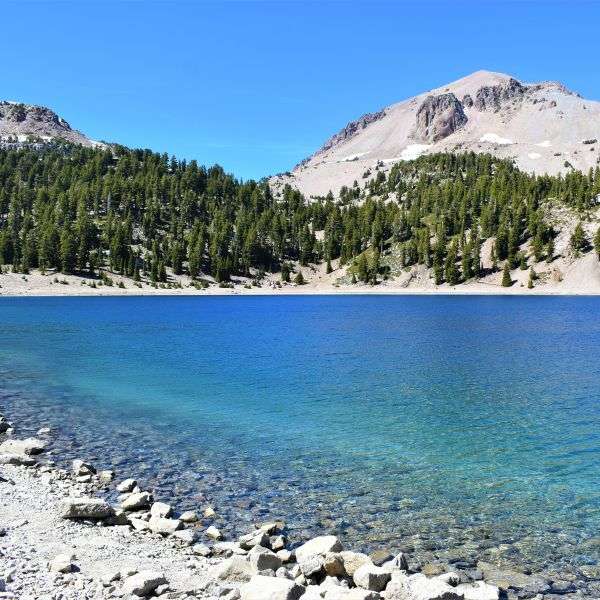
Mountain Lakes
The park features numerous mountain lakes, many of which were formed by the filling of volcanic craters. These water bodies contribute to the park's diverse ecosystems and offer scenic views.
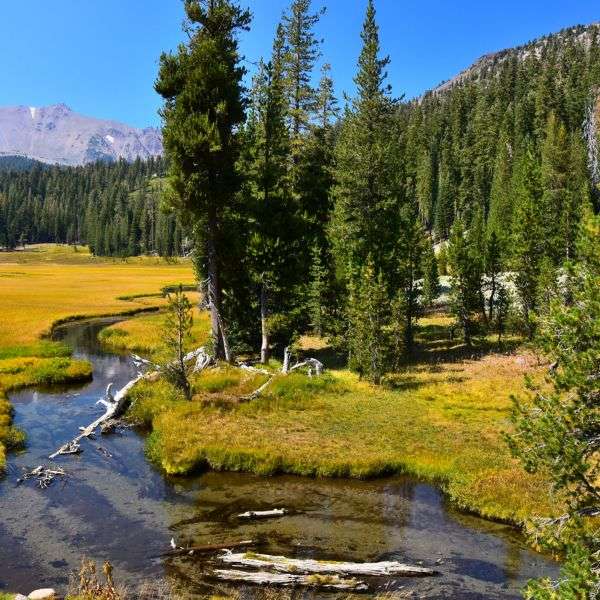
Forests and Vegetation
The park features a range of vegetation zones, from montane forests at lower elevations to alpine meadows at higher elevations. Coniferous forests dominated by species such as ponderosa pine, red fir, and mountain hemlock are prevalent.
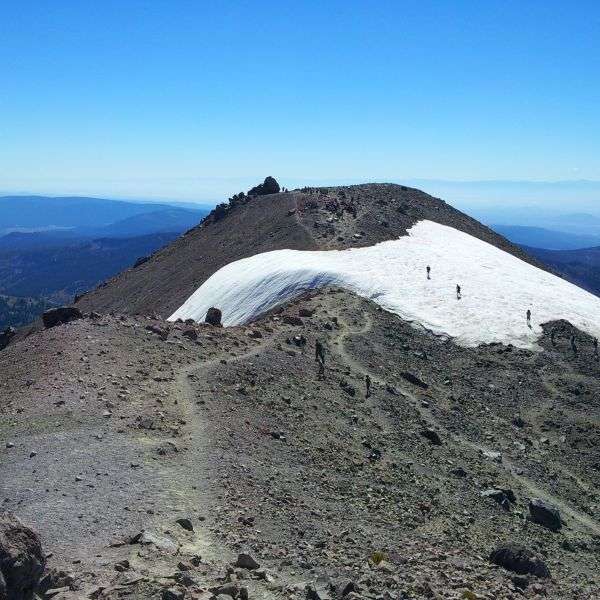
Subalpine and Alpine Zones
As elevation increases, visitors encounter subalpine and alpine environments characterized by stunted trees, herbaceous plants, and rocky terrain. These areas are home to specialized flora adapted to harsh alpine conditions.
Plants
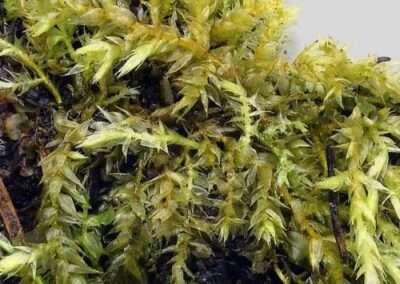
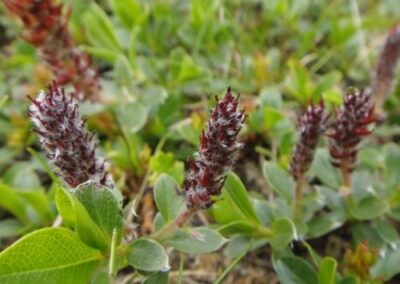
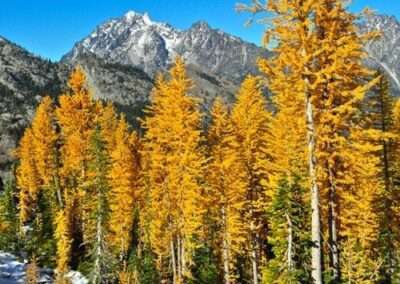
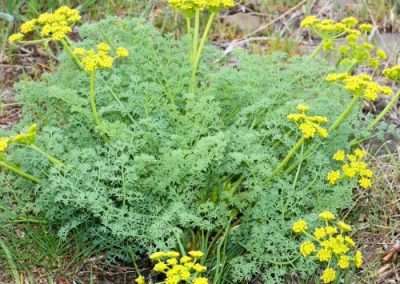
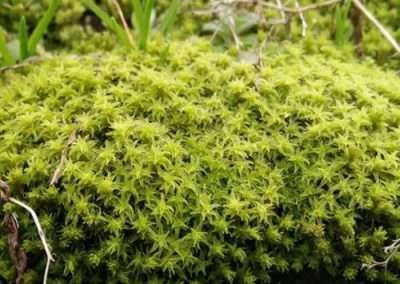
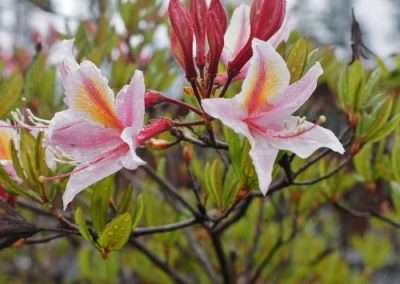
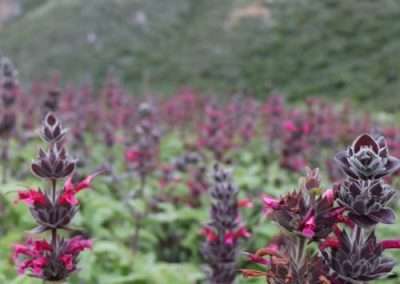
Lassen Volcanic National Park is known for its volcanoes, geothermal features, and diverse plant life. The park’s plants have adapted to different environments, including volcanic soils, forests, meadows, and high-elevation areas. Visitors can discover a variety of trees, wildflowers, shrubs, and alpine plants that help support the park’s ecosystems and add to its natural beauty.

Animals
Mammals
Lassen Volcanic National Park is home to a variety of mammals that have adapted to its diverse habitats, including forests, volcanic landscapes, meadows, and high-elevation alpine areas. These animals play important roles in the park’s ecosystems as herbivores, predators, and prey species.
Black Bear (Ursus americanus): Black bears are among the largest mammals in the park. They live in forests and meadows and eat a variety of foods, including berries, nuts, insects, plants, and small animals.
Mule Deer (Odocoileus hemionus): Mule deer are commonly seen throughout the park’s forests and meadows. They feed on grasses, shrubs, leaves, and other vegetation.
Mountain Lion (Puma concolor): Mountain lions live in the park but are rarely seen because they are solitary and avoid people. They are powerful predators that mainly hunt deer and other mammals.
Northern Pocket Gopher (Thomomys talpoides): Pocket gophers are small burrowing mammals found in meadows and grasslands. Their digging helps mix soil and affects plant growth.
Bats (Various Species): Several species of bats live in the park. They help control insect populations by feeding on flying insects at night.
Porcupine (Erethizon dorsatum): Porcupines are plant-eating mammals that use their strong claws to climb trees. They feed on bark, leaves, and other vegetation.
Coyote (Canis latrans): Coyotes are adaptable predators found in many areas of the park. They eat small mammals, birds, insects, and other available foods.
Bobcat (Lynx rufus): Bobcats are secretive predators that are usually active at night. They hunt rodents, birds, and other small animals.
Red Fox (Vulpes vulpes): Red foxes live in forests, meadows, and other habitats within the park. They eat small mammals, birds, insects, and fruits.
Martens (Martes spp.): Martens, including the Pacific marten and American marten, are agile forest mammals. They are excellent climbers and hunt small mammals and birds.
Ground Squirrels (Various Species): Ground squirrels, including the golden-mantled ground squirrel, are common in the park. They are important prey for many predators and help spread seeds.
Pika (Ochotona princeps): Pikas are small mammals found in rocky alpine areas. They collect and store plants during the summer to survive the cold winter months.
Reptiles
Lassen Volcanic National Park has a smaller variety of reptiles compared to its mammals, birds, and other wildlife. The reptiles that live in the park are adapted to different environments, including forests, rocky areas, meadows, and lower-elevation habitats. These species play important roles in the park’s ecosystems by controlling insect and small animal populations.
Western Fence Lizard (Sceloporus occidentalis): Western fence lizards are common in sunny, rocky areas of the park. They are often seen basking on rocks and are recognized by the blue coloring on their bellies.
Northern Alligator Lizard (Elgaria coerulea): Northern alligator lizards live in forested areas and have rough, patterned scales. They feed on insects, small animals, and other prey.
Rubber Boa (Charina bottae): Rubber boas are small, non-venomous snakes with smooth, rubber-like skin. They are secretive and usually active at night, living in forests and rocky areas.
Garter Snakes (Thamnophis spp.): Several species of garter snakes may be found in the park. They often live near streams and wetlands, where they feed on insects, amphibians, and small fish.
Mountain Gartersnake (Thamnophis elegans elegans): Mountain gartersnakes are adapted to cooler, higher-elevation environments. They can be found near mountain streams, meadows, and other moist habitats.
Sagebrush Lizard (Sceloporus graciosus): Sagebrush lizards live in drier areas of the park, especially at lower elevations. They are often found in open habitats with shrubs and rocky surfaces.
Sierra Night Lizard (Xantusia sierrae): Sierra night lizards are small, secretive reptiles that live among rocks and forest debris. They are mainly active at night and are well-camouflaged.
Western Skink (Plestiodon skiltonianus): Western skinks are small lizards with smooth, shiny scales. They can be found in forests, meadows, and rocky areas throughout the park.
Birds
Lassen Volcanic National Park supports a wide variety of bird species that live in its forests, meadows, lakes, streams, and alpine habitats. These birds include songbirds, woodpeckers, water birds, and birds of prey. Each species plays an important role in the park’s ecosystems by helping control insects, spreading seeds, and contributing to the balance of the food web.
Clark's Nutcracker (Nucifraga columbiana): Clark's nutcrackers are commonly found in the park’s higher-elevation forests and mountain areas. They collect and store pine seeds, helping new trees grow by spreading seeds across the landscape.
Mountain Bluebird (Sialia currucoides): Mountain bluebirds are often seen in open meadows and grasslands. They feed mainly on insects and sometimes berries.
Red-breasted Sapsucker (Sphyrapicus ruber): Red-breasted sapsuckers are woodpeckers found in forests. They create small holes in trees to feed on sap and also eat insects attracted to the sap.
Golden-crowned Kinglet (Regulus satrapa): These tiny birds live in conifer forests and are recognized by the yellow-orange crown on their heads. They feed on small insects and spiders.
Steller's Jay (Cyanocitta stelleri): Steller's jays are common in forested areas of the park. They have blue and black feathers and are known for their loud calls and intelligence.
Mountain Quail (Oreortyx pictus): Mountain quail live in forests and shrublands. They feed on seeds, berries, and insects and are known for their distinctive calls and long head plumes.
American Dipper (Cinclus mexicanus): American dippers are unique birds that live near fast-moving streams. They can walk underwater while searching for aquatic insects and small prey.
Osprey (Pandion haliaetus): Ospreys are large birds of prey that hunt fish in lakes and rivers. They are easily recognized by their white heads and powerful talons.
Mountain Chickadee (Poecile gambeli): Mountain chickadees are small birds found in conifer forests. They feed on insects, seeds, and other small food sources while moving through tree branches.
Northern Pygmy Owl (Glaucidium gnoma): Northern pygmy owls are small but skilled predators. They hunt insects, small birds, and small mammals in forest habitats.
White-crowned Sparrow (Zonotrichia leucophrys): White-crowned sparrows are commonly found in meadows and shrub areas. They are named for the bold black-and-white pattern on their heads and feed on seeds and insects.
Fish
Lassen Volcanic National Park has a variety of fish species that live in its lakes, rivers, and streams. The park’s cold, clear waters provide important habitat for both native and introduced fish. These fish support aquatic ecosystems and provide recreational fishing opportunities for visitors.
Rainbow Trout (Oncorhynchus mykiss): Rainbow trout are one of the most common fish found in the park. They live in lakes and streams and are popular with anglers because of their strength and ability to thrive in cold water.
Brown Trout (Salmo trutta): Brown trout are an introduced species found in some of the park’s waters. They are valued by anglers and are known for their ability to survive in a variety of freshwater habitats.
Brook Trout (Salvelinus fontinalis): Brook trout are known for their colorful markings and are found in some lakes and streams. Although native to eastern North America, they have been introduced to many western waters, including parts of California.
Mountain Whitefish (Prosopium williamsoni): Mountain whitefish are native to western North America and live in cold, clear streams. They have silvery bodies and are an important part of freshwater food webs.
Klamath Small-scale Sucker (Catostomus rimiculus): Klamath small-scale suckers are native fish that may be found in some waterways connected to the region. They feed along the bottom of streams and lakes, helping recycle nutrients in aquatic ecosystems.
Sacramento Pikeminnow (Ptychocheilus grandis): Sacramento pikeminnow are native freshwater fish found in parts of northern California. They live in larger streams and rivers and are predators that help shape aquatic communities.
Amphibians
Lassen Volcanic National Park provides habitat for several amphibian species that live in its forests, meadows, lakes, ponds, and streams. These amphibians depend on clean water and moist environments to survive. They are an important part of the park’s ecosystems because they help control insect populations and serve as food for other wildlife.
Western Toad (Anaxyrus boreas): Western toads are found in many habitats throughout the park, including forests, meadows, and wetlands. They lay eggs in shallow water, where their tadpoles develop in ponds and slow-moving streams.
Mountain Yellow-legged Frog (Rana muscosa): Mountain yellow-legged frogs are native to the Sierra Nevada and surrounding mountain regions. They live in high-elevation lakes and streams and have experienced population declines in some areas due to disease and environmental changes.
Cascades Frog (Rana cascadae): Cascades frogs live in cool mountain lakes, ponds, and streams. They are adapted to the high-elevation environments found in parts of the Cascade Range.
Sierra Nevada Ensatina (Ensatina eschscholtzii klauberi): Sierra Nevada ensatina are small salamanders that live in forests and moist areas. Like other lungless salamanders, they breathe through their skin and need damp environments to survive.
Long-toed Salamander (Ambystoma macrodactylum): Long-toed salamanders are found near ponds, wetlands, and mountain lakes. They are named for their long fourth toe on each back foot and are strong swimmers during their aquatic life stage.
Northern Red-legged Frog (Rana aurora): Northern red-legged frogs are mainly found at lower elevations but may occur in some wet areas near the park. They are known for the reddish coloring on the underside of their legs.
Pacific Treefrog (Pseudacris regilla): Pacific treefrogs are adaptable amphibians found in forests, meadows, wetlands, and other habitats. They are well known for their loud calls and their ability to change color.
Tailed Frog (Ascaphus truei): Tailed frogs live in cold, fast-moving mountain streams. They are specially adapted to rushing water, and males have a small tail-like structure used during reproduction.
"Miles of its flanks are reeking and bubbling with hot springs, many of them so boisterous and sulfurous they seem ever ready to become spouting geysers…”
- John Muir
"At Lassen snow arrives early and stays late. Jagged features are made smooth by deep blankets of snow, yet far below the surface, a fire still burns."
- National Parks Services
Explore More With Us
Stay updated on National Parks EDU resources, park news, community updates, and and ways to explore, and protect.

National Parks Edu's mission is to help kids and families understand what makes these places so important. Because when you learn about nature, you start to care about protecting it.
National Parks EDU is an independent educational website and is not affiliated with, endorsed by, sponsored by, or officially connected to the National Park Service (NPS) or the U.S. government. © National Parks EDU. All Rights Reserved. October 18, 2026