Sequoia
National Park
Caliofornia
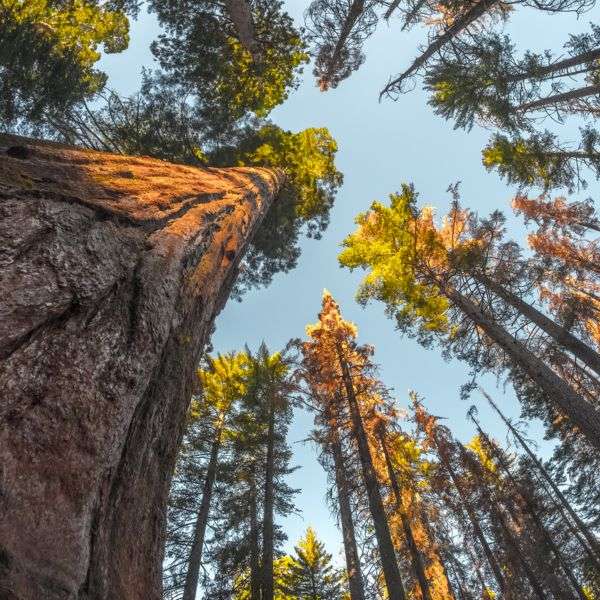
renowned for its breathtaking landscapes, including the towering giant sequoia trees
Fast Facts
Location
in the Southern Sierra Nevada mountains of California
Established in
1890
Established by
President Benjamin Harrison
Size
631 sq. miles
Known For
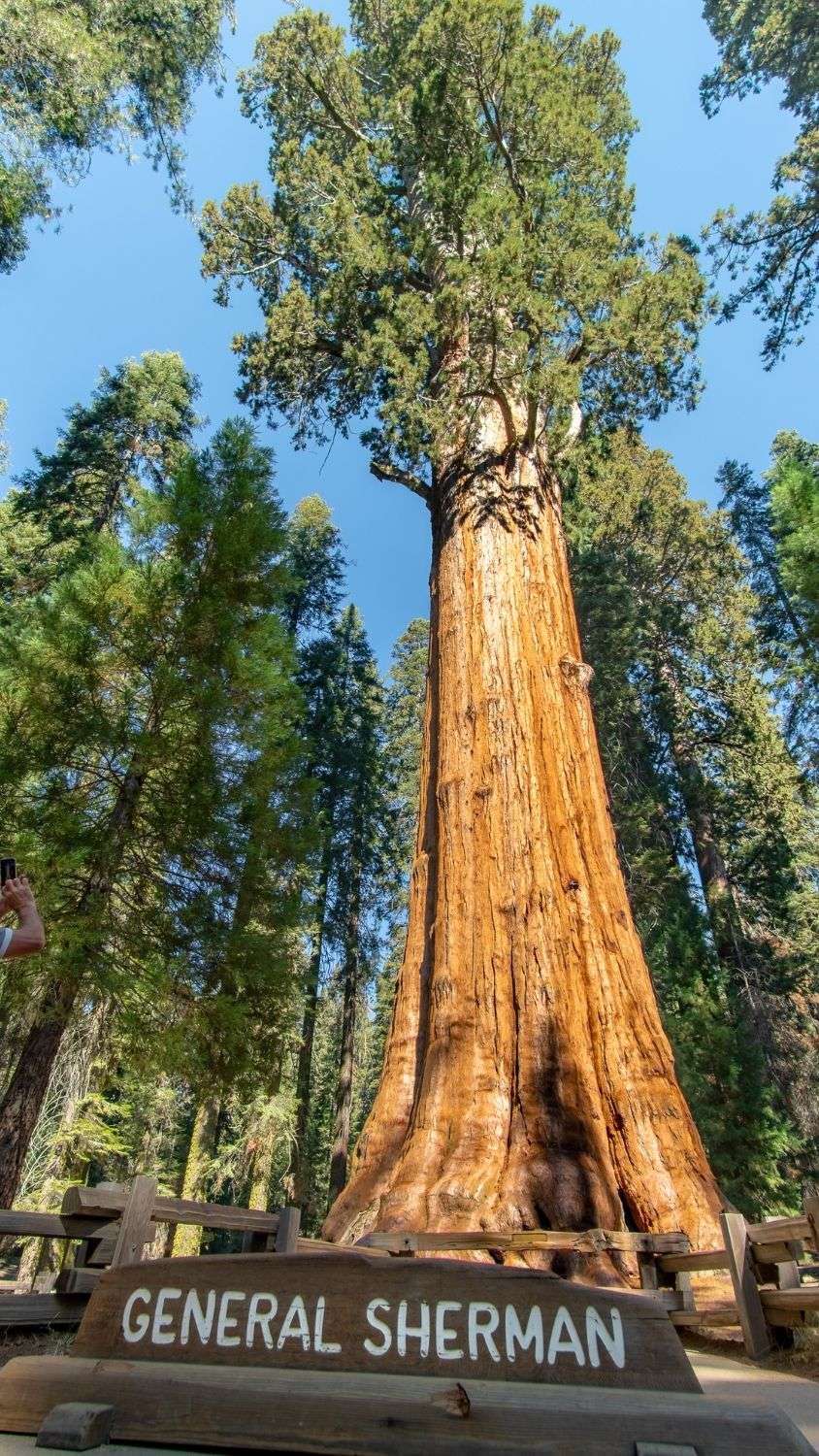
- Home to giant sequoia trees, including the General Sherman Tree, the largest living tree on Earth
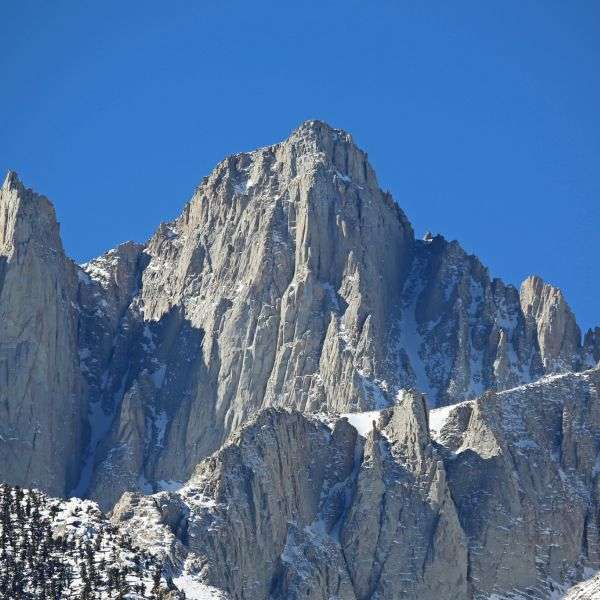
- Mount Whitney the highest peak in the contiguous United States lies within Sequoia National Park
- Spectacular mountainous landscape views of the Great Western Divide and the High Sierra
History
Natural History and Formation
Ancient Ancestors: The evolutionary history of sequoias dates back to the Jurassic Period, over 200 million years ago. Ancient relatives of modern sequoias populated the Earth during this time.
Formation of the Sierra Nevada: The Sierra Nevada mountain range, where Sequoia National Park is located, began forming around 40 million years ago through tectonic activity and volcanic processes.
Glacial Activity: During the Pleistocene Epoch, glaciers shaped the landscape, carving out valleys and leaving behind features such as moraines and glacially polished granite.
Evolution and Diversification: Conifers continued to evolve and diversify during the Cretaceous Period. While not identical to modern sequoias, ancient relatives of the giant sequoias likely populated different regions of the Earth.
Emergence of Sequoias in North America: Sequoias, including the ancestors of today's giant sequoias, likely emerged in North America during the Cretaceous and Paleogene periods, approximately 66 to 23 million years ago.
Native History
The area that is now Sequoia National Park has a rich Native American history, with several Native American groups having lived in or traversed the region for thousands of years.
Yokuts: The Yokuts traditionally inhabited the San Joaquin Valley and its surrounding foothills, which include parts of the region where Sequoia National Park is situated. Their territory extended from the Coast Range in the west to the Sierra Nevada mountains in the east. The Yokuts were skilled hunters, gatherers, and fishermen. They lived in small family groups and built dome-shaped houses made from tule reeds. Acorns were a staple in their diet, and they also hunted game, fished in local rivers, and gathered a variety of plants.
Western Mono: The traditional territory of the Western Mono people included parts of the Sierra Nevada mountains and adjacent foothills, covering areas around what is now Sequoia National Park. They inhabited the region between the South Fork of the San Joaquin River and the Kings River. Like many Native American groups in the area, the Western Mono were skilled hunters and gatherers. They relied on a variety of plants, animals, and fish for their sustenance. Acorns, pine nuts, and deer were important components of their diet. The Western Mono lived in cone-shaped houses constructed from local materials like brush and tule reeds. These structures were well-suited for their mobile lifestyle. They moved between lower elevations in the winter and higher elevations in the summer, utilizing the diverse resources of the different ecological zones within the park.
Tubatulabal: The Tubatulabal people, also known as the Tübatulabal or Kawaiisu, are another Native American group historically associated with the region that is now Sequoia National Park. The traditional territory of the Tubatulabal people included parts of the southern Sierra Nevada mountains and the surrounding foothills. Their homeland extended from the Kern River in the south to the Walker Pass area in the north. The Tubatulabal people were hunter-gatherers who relied on the diverse natural resources of their environment. They hunted game such as deer and bighorn sheep, gathered plants, and fished in local rivers and streams. Like other Native American groups in the region, acorns were a crucial part of their diet. The Tubatulabal traditionally lived in dome-shaped houses constructed from local materials such as willow and brush. These structures were designed to be easily assembled and disassembled, reflecting the mobile lifestyle of the Tubatulabal people.
Cultural Significance: The giant sequoia trees held cultural and spiritual significance for many Native American groups. These majestic trees were often regarded with reverence and played a role in the tribes' oral traditions and ceremonial practices.
Trade Networks: The area served as a crossroads for trade among Native American groups. Tribes from the Great Basin, Central Valley, and surrounding regions engaged in trade, exchanging goods like obsidian, shells, and other resources.
European Contact and Displacement: With the arrival of European settlers in the 19th century, the Native American way of life in the region was significantly altered. The introduction of diseases, conflicts over resources, and changes in land use practices disrupted traditional Native American lifestyles.
Recognition and Preservation: In recent years, efforts have been made to recognize and preserve the Native American heritage in the park. Collaboration between park authorities and Native American communities has aimed at incorporating traditional ecological knowledge into land management practices and acknowledging the historical significance of the area.
Today, there are ongoing efforts to ensure that Native American perspectives and histories are respectfully represented in the interpretation of Sequoia National Park's cultural and natural resources.
Preservation
Sequoia National Park has a rich history of preservation, marked by efforts to protect its natural wonders and diverse ecosystems.
Giants Forest Reserve: Before becoming a national park, the area was designated as the Giants Forest Reserve in 1886 by President Grover Cleveland. This early protection acknowledged the unique ecological value of the giant sequoia groves.
Establishment of the National Park: Sequoia National Park was established on September 25, 1890, making it the second national park in the United States, following Yellowstone. The park was initially created to protect the groves of giant sequoia trees, including the General Sherman Tree, the largest living tree on Earth.
Collaboration with Kings Canyon: In 1940, Sequoia National Park was combined with neighboring Kings Canyon National Park to form what is now known as Sequoia and Kings Canyon National Parks. This merger helped in managing the contiguous wilderness areas more effectively.
Wilderness Designation: Much of the park's area has been designated as wilderness, ensuring the preservation of its natural state. The John Krebs Wilderness, established in 1984, encompasses much of the park's eastern portion, while the Jennie Lakes Wilderness covers the northern section.
UNESCO World Heritage Site Designation: In 1984, Sequoia and Kings Canyon National Parks were jointly designated as a UNESCO World Heritage Site. This recognition highlights the global significance of the park's giant sequoia groves and diverse ecosystems.
Biosphere Reserve Designation: In 1986, the parks received further international recognition when they were designated as part of the Southern Sierra Nevada/Sequoia-Kings Canyon Biosphere Reserve by UNESCO. This designation emphasizes the importance of balancing conservation with sustainable human use.
International Dark Sky Park Designation: In 2020, Sequoia and Kings Canyon National Parks received the International Dark Sky Park designation, recognizing their efforts to preserve natural darkness and promote stargazing opportunities.
Throughout its history, Sequoia National Park has been committed to the preservation of its unique natural features and has adapted its management strategies to balance conservation with the responsible use of the park's resources. Ongoing efforts focus on ensuring that future generations can continue to experience and appreciate the park's ecological and cultural significance.
Future Preservation
While Sequoia National Park has made significant efforts to preserve its natural resources, several future concerns and challenges persist.
Climate Change: Like many other national parks, Sequoia is vulnerable to the impacts of climate change. Rising temperatures, altered precipitation patterns, and increased frequency of wildfires pose significant threats to the park's ecosystems. Climate change can affect the distribution and health of plant and animal species, including the iconic giant sequoias.
Wildfire Management: The increasing frequency and intensity of wildfires in California are a major concern for Sequoia National Park. Wildfires can have devastating effects on ecosystems, threaten wildlife habitats, and impact air quality. Park management faces the challenge of balancing fire management practices with the need to protect natural resources.
Invasive Species: Invasive plants, animals, and pathogens can disrupt the park's native ecosystems. Controlling and preventing the spread of invasive species is an ongoing challenge for park management to maintain the ecological balance and protect native flora and fauna.
Visitor Impact: As visitation to national parks continues to rise, managing the impact of visitors on the park's infrastructure, ecosystems, and wildlife becomes a critical concern. Sustainable tourism practices and effective visitor education programs are essential to minimize the ecological footprint of park visitors.
Infrastructure Maintenance and Funding: Aging infrastructure, including roads, trails, and visitor facilities, requires ongoing maintenance and upgrades. Securing adequate funding for these purposes can be a challenge. Adequate resources are needed to ensure the safety of visitors and the long-term preservation of park assets.
Water Resource Management: Ensuring the health of aquatic ecosystems and the availability of clean water is crucial for the park's diverse plant and animal life. Climate change, pollution, and increasing demand for water resources outside the park's boundaries can impact water quality and availability.
Cultural Resource Preservation: Protecting and interpreting the cultural heritage of Native American communities associated with the park is an ongoing concern. Collaborative efforts with Indigenous communities are essential to ensure that their perspectives are accurately represented and their cultural resources are respected.
Backcountry Stewardship: Managing the extensive backcountry areas of the park while balancing recreational use and environmental preservation is a delicate task. Ensuring responsible backcountry practices and minimizing the impact of human activities on wilderness areas are ongoing challenges.
Addressing these concerns requires a multidisciplinary and collaborative approach involving park management, local communities, government agencies, and conservation organizations. Continued research, adaptive management strategies, and public involvement will be key components of ensuring the long-term health and sustainability of Sequoia National Park.
Geography
Sequoia National Park, located in the southern Sierra Nevada Mountains of California, is a breathtaking landscape characterized by its towering peaks, deep canyons, and ancient forests. The park's geography is defined by its diverse terrain, which includes the famous Giant Forest, home to some of the largest trees on Earth, as well as rugged mountain landscapes and pristine wilderness. With its dramatic scenery, rich biodiversity, and remarkable geological features, Sequoia National Park offers visitors an unparalleled opportunity to experience the grandeur and natural beauty of the Sierra Nevada region.
Elevation
The park covers a wide range of elevations, from about 1,370 feet (417 meters) above sea level at Ash Mountain Entrance to the highest point in the contiguous United States, Mount Whitney, at 14,505 feet.
Giant Sequoia Groves
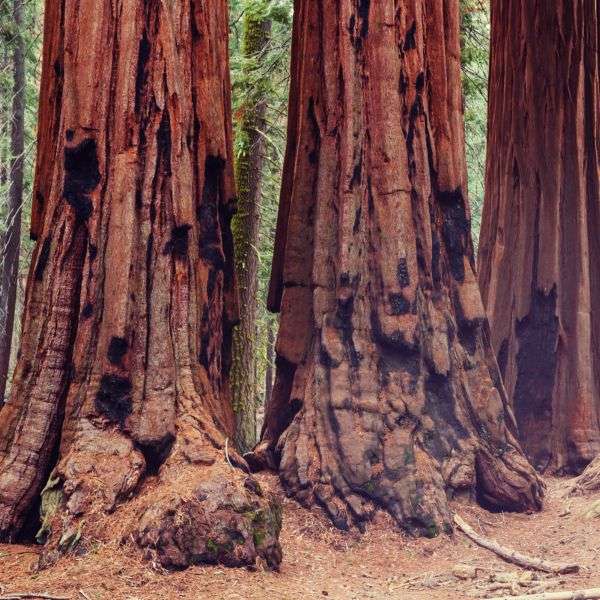
The park is famous for its giant sequoia trees. These massive trees are among the oldest and largest living organisms on Earth. Notable groves include the Giant Forest, home to the General Sherman Tree, the largest living tree by volume.
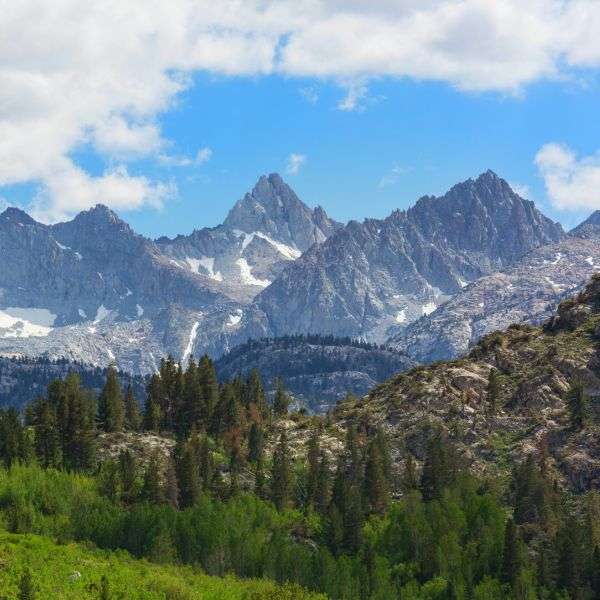
Sierra Nevada Mountains
Sequoia National Park is situated within the Sierra Nevada, a major mountain range in the western United States. The Sierra Nevada is known for its dramatic landscapes, including rugged peaks, alpine lakes, and deep canyons.
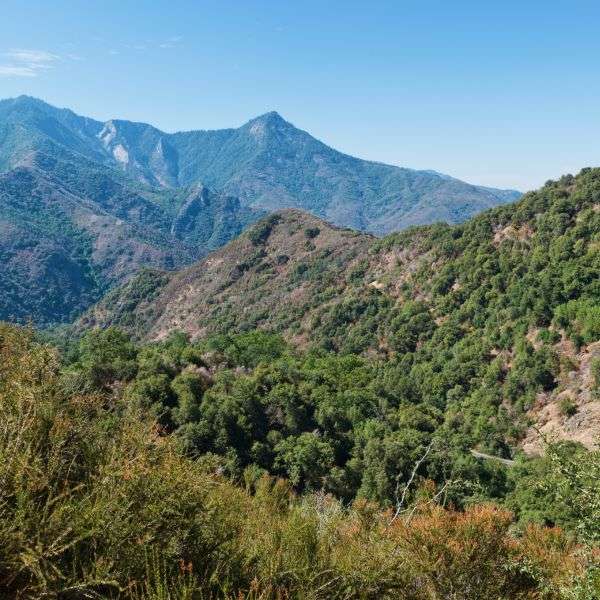
Glacial Landscape
A remote and mountainous glacial valley within the park, Mineral King is known for its alpine scenery, meadows, and trails. It has been designated as a wilderness area
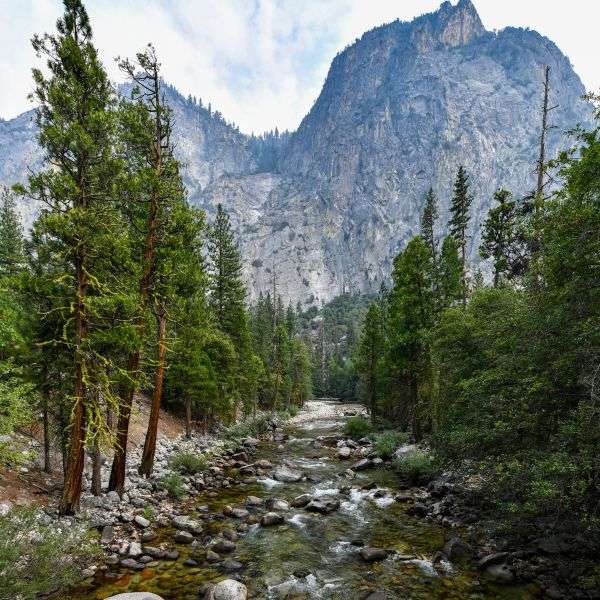
Rivers and Lakes
Several rivers and streams flow through the park, including the Middle Fork of the Kaweah River and the South Fork of the Kings River. There are also numerous alpine lakes, contributing to the park's diverse aquatic ecosystems.
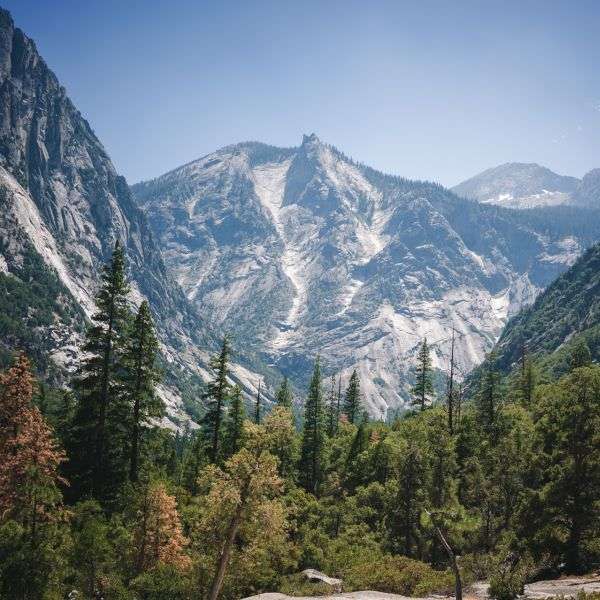
Kings Canyon
Sequoia National Park is adjacent to Kings Canyon National Park, and the two parks are often managed together. Kings Canyon features the Kings Canyon itself, which is deeper than the Grand Canyon in some places.
Plants
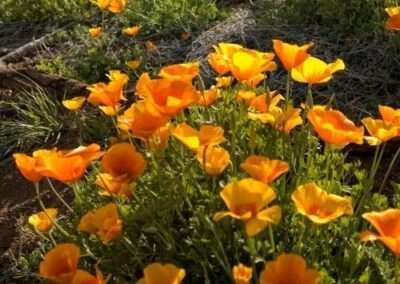
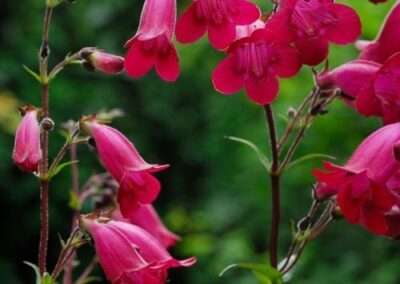
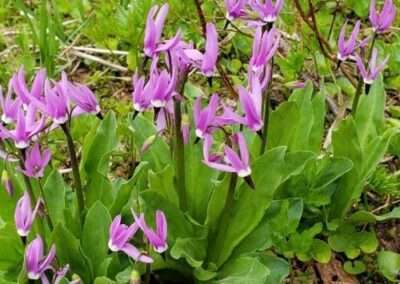
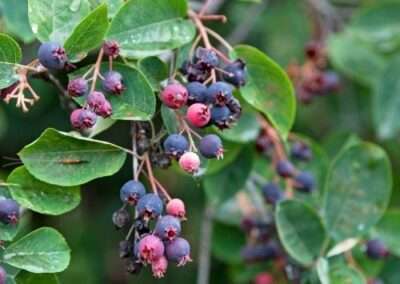
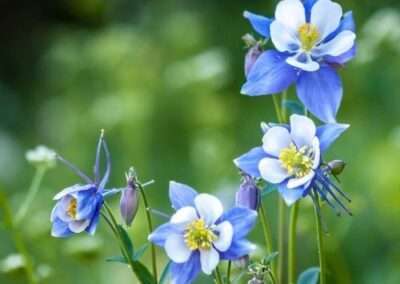
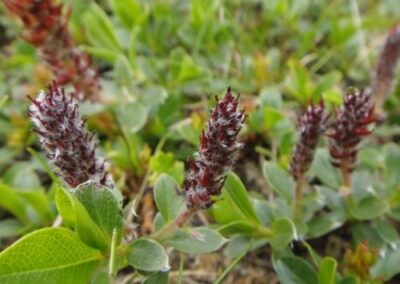
Sequoia National Park is renowned for its ancient giant sequoia trees, the largest living trees on Earth. The park's flora includes not only these majestic sequoias but also a diverse array of plant life adapted to its varying elevations and climates, from lush montane forests to rugged alpine meadows. Visitors to Sequoia National Park can marvel at the towering sequoias, explore the rich biodiversity of its forests, and witness the intricate beauty of its wildflower displays, experiencing the natural wonders of this iconic landscape.


Animals
Mammals
Sequoia National Park is home to a diverse array of mammals, adapted to the varying elevations and ecosystems within the park. Here are some notable mammals that can be found in Sequoia National Park.
Black Bear (Ursus americanus): Black bears are relatively common in the park and can be found in various habitats. Visitors are advised to take precautions with food storage to prevent human-bear conflicts.
Mule Deer (Odocoileus hemionus): Mule deer are frequently spotted in meadows and forested areas. They are recognizable by their large ears and bounding gait.
Bighorn Sheep (Ovis canadensis): The Sierra Nevada bighorn sheep, a subspecies of bighorn sheep, can be found in the higher elevations of the park. They are well-adapted to the rugged mountain terrain.
Mountain Lion (Puma concolor): Also known as cougars or pumas, these elusive predators inhabit the park but are seldom seen due to their solitary and nocturnal nature.
Gray Fox (Urocyon cinereoargenteus): These small, nocturnal foxes are present in the park and are known for their distinctive grizzled coat.
Bobcat (Lynx rufus): Bobcats are elusive and solitary cats that inhabit a variety of habitats, from forests to meadows.
Coyote (Canis latrans): Coyotes are adaptable canids that can be found throughout the park, often spotted in open areas.
Red Fox (Vulpes vulpes): Red foxes, with their characteristic rusty-red fur, are present in the park and can be encountered in a variety of habitats.
American Marten (Martes americana): These agile, tree-dwelling mammals are members of the weasel family and are found in coniferous forests.
Golden-Mantled Ground Squirrel (Callospermophilus lateralis): These small ground squirrels are common in rocky areas and are recognized by their golden-brown coloring and distinctive light-colored stripes.
Reptiles
Sequoia National Park is home to a variety of reptiles adapted to the diverse habitats found across the park's varying elevations. While reptiles are not always as noticeable as other wildlife, several species contribute to the park's biodiversity.
Western Fence Lizard (Sceloporus occidentalis): These common lizards are often seen basking on rocks and logs. Males are known for their distinctive blue coloration on the belly.
Common Gartersnake (Thamnophis sirtalis): Gartersnakes can be found in a variety of habitats, particularly near moist areas and water sources. They feed on amphibians, small fish, insects, and other small prey.
Northern Alligator Lizard (Elgaria coerulea): These lizards inhabit forested areas and rocky habitats. They are named for their rough, textured scales and are often active during the daytime.
Western Skink (Plestiodon skiltonianus): Western skinks are small, smooth-scaled lizards that can be found in sunny areas such as meadows, forest edges, and rocky outcrops.
Mountain Kingsnake (Lampropeltis zonata): These non-venomous snakes are known for their striking red, black, and yellow banding. They inhabit a variety of habitats, including forests and rocky areas.
Rubber Boa (Charina bottae): Rubber boas are non-venomous constrictors commonly associated with forested habitats. They have smooth, rubbery skin, a blunt tail, and are generally docile.
Western Rattlesnake (Crotalus viridis): Rattlesnakes occur in suitable rocky and open habitats at lower elevations. They are venomous predators that help regulate populations of rodents and other small animals.
Pacific Ring-necked Snake (Diadophis punctatus amabilis): These small, slender snakes are distinguished by the bright orange or yellow ring around their neck. They are generally secretive and can be found in wooded and moist habitats.
Birds
Sequoia National Park provides a diverse range of habitats, from foothills to alpine environments, making it a haven for birdwatchers. The park is home to a variety of bird species, including migratory birds that pass through the region. Here are some notable birds you might encounter in Sequoia National Park.
Mountain Bluebird (Sialia currucoides): These striking blue birds can be found in meadows and open areas. Look for them perched on branches or hunting for insects in the grass.
Steller's Jay (Cyanocitta stelleri): These bold and intelligent birds are common in the park's coniferous forests. They are known for their striking blue and black plumage and distinctive crests.
Clark's Nutcracker (Nucifraga columbiana): This bird is specially adapted to feed on pine seeds and is often found in high-elevation pine forests, including those with whitebark and sugar pines.
Mountain Quail (Oreortyx pictus): These quail are well-camouflaged birds found in the park's shrubby areas. They have a distinctive appearance with a plume atop their head.
Red-tailed Hawk (Buteo jamaicensis): These birds of prey can be seen soaring over open areas, using their keen eyesight to spot potential prey. They are often identified by their rust-colored tail feathers.
American Dipper (Cinclus mexicanus): Also known as the water ouzel, this unique bird can be found along fast-flowing mountain streams, where it hunts for aquatic insects underwater.
Common Raven (Corvus corax): Ravens are highly intelligent birds often seen in various habitats, from alpine regions to lower elevations. They are known for their deep, croaking calls.
Peregrine Falcon (Falco peregrinus): These powerful birds are skilled hunters, often seen soaring near cliffs and open areas. They are among the fastest birds in the world.
White-headed Woodpecker (Picoides albolarvatus): These woodpeckers are adapted to coniferous forests and are known for their striking black-and-white plumage with a red spot on the head.
Western Tanager (Piranga ludoviciana): These colorful birds can be found in the park's coniferous and mixed forests. Males are particularly vibrant, with bright yellow bodies and contrasting red-orange faces.
Golden Eagle (Aquila chrysaetos): These majestic birds of prey inhabit open areas, including mountainous regions, where they hunt for small mammals.
Yellow Warbler (Setophaga petechia): These small, vibrant warblers can be found in riparian habitats, adding a splash of color to the landscape with their bright yellow plumage.
Fish
Sequoia National Park is home to a variety of fish species inhabiting its numerous lakes, rivers, and streams.
Golden Trout (Oncorhynchus mykiss aguabonita): Perhaps the most iconic fish of the region, the golden trout is native to high-elevation streams in the southern Sierra Nevada, including waters within Sequoia National Park. It is known for its vibrant golden coloration and is California's official state freshwater fish.
Rainbow Trout (Oncorhynchus mykiss): Rainbow trout are found in many of the park's rivers, streams, and lakes. They are known for the distinctive pink or reddish stripe along their sides and are popular with anglers.
Brown Trout (Salmo trutta): Brown trout are non-native fish introduced to waters in the Sierra Nevada. They can be found in some of the park's waterways and are valued by anglers for their size and challenging behavior.
Brook Trout (Salvelinus fontinalis): Brook trout are another non-native species found in some high-elevation streams and lakes. They prefer cold, clear water and are recognized by their distinctive coloration and markings.
California Golden Trout (Oncorhynchus mykiss aguabonita): California golden trout are especially associated with the high-elevation waters of the southern Sierra Nevada. They are closely related to rainbow trout and are prized for their brilliant coloration and ecological significance.
Mountain Whitefish (Prosopium williamsoni): Mountain whitefish are native to western North America and inhabit cold, clear streams and rivers. They have streamlined bodies and are well adapted to fast-flowing mountain waters.
Sucker Species: Several native sucker species may occur in suitable waterways, including the mountain sucker (Catostomus platyrhynchus). These bottom-feeding fish contribute to the ecological health of the park's aquatic ecosystems.
Amphibians
Sequoia National Park is home to several amphibian species that inhabit its diverse wetlands, streams, ponds, meadows, and forests. These amphibians play important roles in the park's ecosystems and are sensitive indicators of environmental health.
Sierran Treefrog (Pseudacris sierra): This small treefrog occurs in a variety of habitats, including meadows, ponds, streams, and forested areas. It is well adapted to the range of elevations found throughout the park.
California Toad (Anaxyrus boreas halophilus): California toads can be found in riparian habitats, along streams, and near ponds and other sources of water. They are adapted to a range of elevations and terrestrial environments.
Mountain Yellow-legged Frog (Rana muscosa): This Sierra Nevada native is closely associated with high-elevation lakes, ponds, and streams. Its populations have experienced significant declines, making habitat protection and conservation efforts important to its recovery.
Pacific Treefrog (Pseudacris regilla): Pacific treefrogs are adaptable amphibians that can inhabit meadows, woodlands, wetlands, and areas near streams and ponds. They are recognized by their distinctive calls, particularly during the breeding season.
Western Toad (Anaxyrus boreas): Western toads occur in forests, meadows, wetlands, and other habitats throughout the region. Although they spend much of their lives on land, they depend on water for reproduction.
Cascade Frog (Rana cascadae): Cascade frogs are associated with cold, clear mountain streams, ponds, and lakes at higher elevations. Their distribution is closely linked to suitable aquatic habitats in mountainous environments.
Western Chorus Frog (Pseudacris triseriata): Western chorus frogs are associated with wetlands, ponds, and other moist habitats. Where present, they contribute to the park's diverse amphibian community.
"Many of them [sequoia trees] have seen a hundred human generations rise, give off their little clamors, and perish. They seem indeed to be forms of immortality standing here among the transitory shapes of time."
- Edwin Markham
"A grove of giant redwoods or sequoias should be kept just as we keep a great or beautiful cathedral."
- Theodore Roosevelt
"A sequoia seedling is always a sequoia at every point along its path to becoming a towering tree."
- Ali Binazir
"In their [sequoia trees] highest prime, reaching the age of from two to three thousand years, they are the grandest, most sublime of trees, surpassing all others not only in stature but in beauty and perfection of proportions."
- John Muir
Explore More With Us
Stay updated on National Parks EDU resources, park news, community updates, and and ways to explore, and protect.

National Parks Edu's mission is to help kids and families understand what makes these places so important. Because when you learn about nature, you start to care about protecting it.
National Parks EDU is an independent educational website and is not affiliated with, endorsed by, sponsored by, or officially connected to the National Park Service (NPS) or the U.S. government. © National Parks EDU. All Rights Reserved. October 18, 2026