Great Sand Dunes
National Park
Colorado
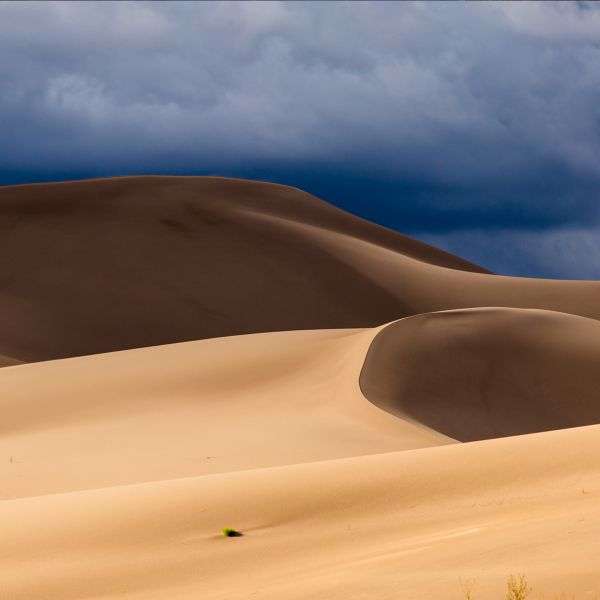
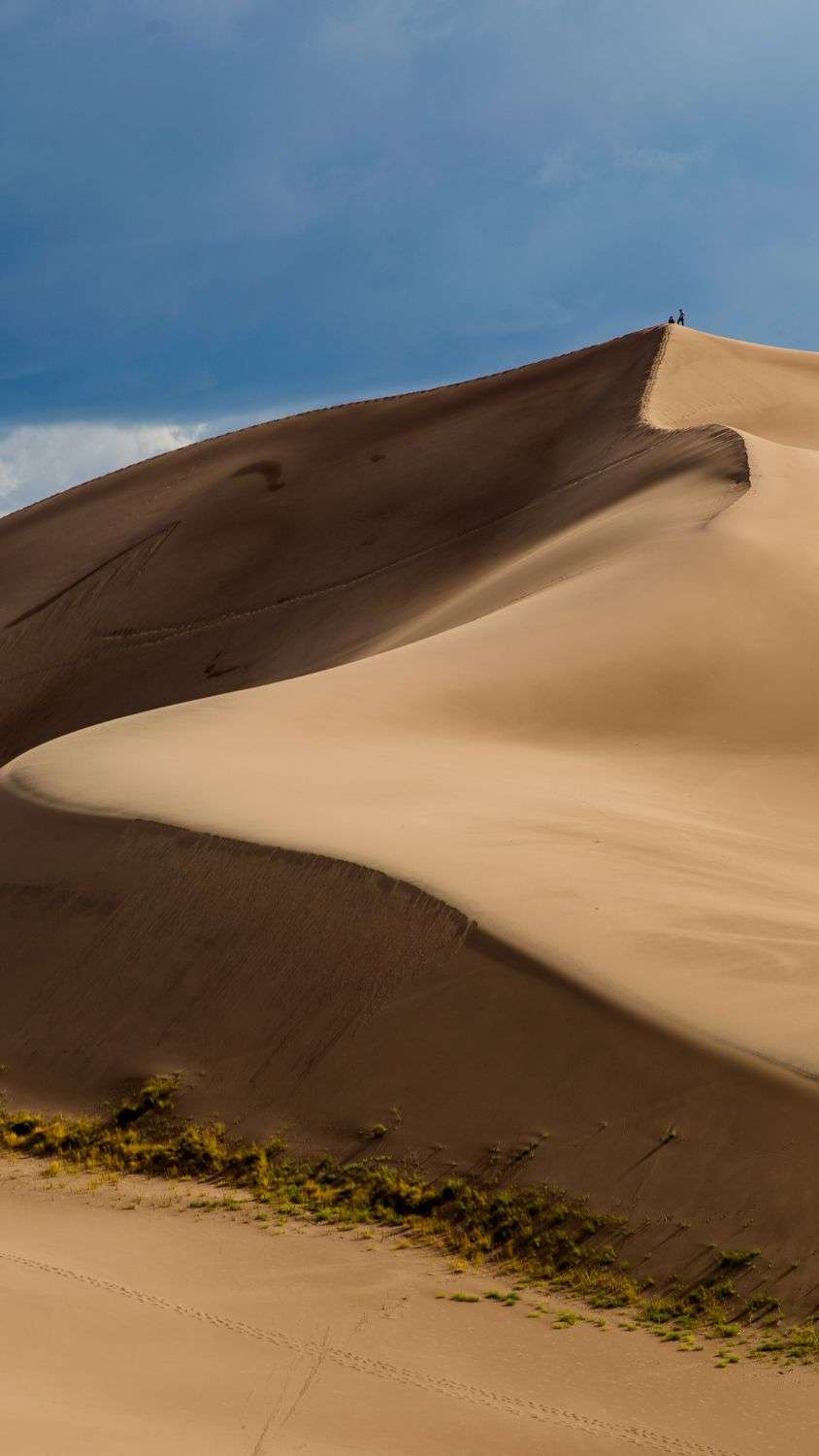
the tallest dunes in North America, sculpted by wind against a backdrop of rugged mountains
Fast Facts
Location
southeastern Colorado
Established in
2004
Established by
George W. Bush
Size
30 sq. miles
Known For
- Tallest sand dunes in North America
- Unique ecosystem of sand dunes, grasslands, forests, and wetlands
- Diverse recreational activities including sandboarding, hiking, and stargazing
History
Natural History and Formation
Great Sand Dunes National Park has a remarkable geological history shaped by tectonic uplift, erosion, sediment deposition, wind, and water. The park's enormous dunes developed within the San Luis Valley over thousands of years as sand eroded from the surrounding mountains, was transported across the valley, and accumulated along the eastern edge of the basin. The nearby Sangre de Cristo Mountains, the seasonal flow of Medano Creek, and persistent winds continue to shape and reshape the dunes, making the landscape an active and ever-changing geological system.
Formation of the Sangre de Cristo Mountains: The Sangre de Cristo Mountains began rising during the Laramide Orogeny, a major period of mountain building that affected much of the western United States roughly 70 million years ago. Subsequent uplift and erosion helped create the rugged mountain landscape bordering the park.
Formation of the San Luis Valley: The San Luis Valley developed as a broad tectonic basin between uplifted mountain ranges. Over millions of years, sediments eroded from the surrounding mountains accumulated within the valley, providing an important source of material for the modern dunes.
Accumulation of Sand: Rivers, streams, and erosion transported sand and other sediments from the surrounding mountains into the valley. As these sediments became exposed on the valley floor, prevailing winds transported the sand toward the eastern side of the valley.
Formation of the Great Sand Dunes: The massive dunes formed where winds carrying sand encountered the Sangre de Cristo Mountains. The mountains created conditions that caused winds to lose energy and deposit their sediment, gradually building the dunes over thousands of years.
Role of Wind: Wind is one of the most important forces shaping the dunes. It transports sand up the dune faces and redistributes it across the landscape, producing constantly changing ridges, slopes, and dune forms.
Role of Medano Creek: Medano Creek carries snowmelt from the Sangre de Cristo Mountains toward the valley. Its seasonal flow transports and redistributes sand along the base of the dunes, helping maintain the supply of sediment that contributes to dune formation.
Continued Geological Change: The dunes remain an active geological feature. Wind continually moves sand across their surfaces, while water erosion and deposition modify their lower slopes and surrounding landscapes. This ongoing interaction between wind, water, sediment, and mountains ensures that Great Sand Dunes National Park continues to evolve.
Native History
The Native American history of Great Sand Dunes National Park and the surrounding San Luis Valley extends back thousands of years, reflecting a long and continuing relationship between Indigenous peoples and the landscape. Archaeological evidence shows that people have used the region for hunting, gathering, travel, and trade since ancient times, while the dunes and surrounding mountains continue to hold cultural significance for several Native nations.
Early Indigenous Peoples: People have occupied the San Luis Valley for at least 11,000 years. Early inhabitants adapted to changing climates and environments, hunting animals and gathering plants across the valley and surrounding mountains.
Ute People: The Ute have particularly strong historical and cultural connections to the San Luis Valley and the southern Rocky Mountains. They traveled seasonally through the region, hunting game and gathering plants and other resources.
Apache and Comanche Peoples: Apache and Comanche peoples also traveled through and used portions of the San Luis Valley. The region formed part of broader seasonal migration, hunting, trade, and cultural networks connecting the Great Plains and Rocky Mountains.
Cultural Significance: The dunes, mountains, streams, and valley were not simply sources of physical resources but were also part of Indigenous cultural landscapes. Stories, traditions, and spiritual relationships connected people to prominent natural features throughout the region.
Hunting and Gathering: Indigenous communities used the valley's diverse environments to obtain food and materials. Resources included game animals, fish, seeds, berries, roots, and other native plants, with seasonal movements allowing communities to take advantage of changing resources.
Archaeological Evidence: Archaeological sites in and around the park provide evidence of long-term human use of the landscape. Stone tools, campsites, and other remains help researchers understand how Indigenous peoples adapted to the changing environments of the San Luis Valley.
Continuing Connections: Native American connections to Great Sand Dunes National Park continue today. Descendants of tribes associated with the region maintain cultural relationships with the landscape, and the National Park Service works to recognize Indigenous history and protect archaeological and cultural resources.
Preservation
The preservation history of Great Sand Dunes National Park reflects decades of efforts to protect its extraordinary dunes, wetlands, mountains, wildlife, and cultural resources. Conservation gradually expanded from protecting the iconic dunes to safeguarding the broader landscape and the ecological processes that sustain it.
Early Recognition of Significance: The remarkable dunes attracted scientists, photographers, explorers, and visitors during the late 19th and early 20th centuries. Growing appreciation of the landscape's geological and scenic importance helped build support for formal protection.
Establishment as a National Monument: In 1932, President Herbert Hoover established Great Sand Dunes National Monument to protect the spectacular dunes and surrounding landscape. The designation provided federal protection for the area's distinctive geological features.
Expansion of Protected Lands: During the second half of the 20th century, conservation efforts increasingly focused on protecting ecosystems surrounding the dunes, including wetlands, grasslands, forests, and alpine environments. Expanding protection helped preserve the connections between the dunes and the natural processes that supply them with sand.
National Park and Preserve Designation: In 2000, legislation established Great Sand Dunes National Park and Preserve. The new designation significantly expanded the protected area and recognized the importance of the dunes together with the surrounding mountains, ecosystems, wildlife habitat, and watersheds.
Conservation of Water and Sand: Protecting the natural flow of water is an important part of preserving the dunes. Medano Creek and other waterways transport and redistribute sediment, while surrounding watersheds help sustain the ecological systems of the park.
Cultural Resource Protection: Preservation efforts also include archaeological sites and places associated with the long history of Indigenous peoples and later settlers. Protecting these resources helps maintain the cultural heritage of the San Luis Valley.
Ongoing Stewardship: Today, the National Park Service works with scientists, local communities, Indigenous communities, and other partners to conserve the park's natural and cultural resources. Management efforts emphasize protecting wildlife, maintaining healthy ecosystems, preserving the dunes' natural processes, and providing opportunities for visitors to experience the landscape responsibly.
Future Preservation
Preserving Great Sand Dunes National Park for future generations requires addressing a range of environmental, recreational, and cultural challenges. Protecting the dunes depends not only on conserving the sand itself but also on maintaining the water, wildlife, vegetation, and natural processes that sustain the entire landscape.
Climate Change: Rising temperatures and changing precipitation patterns can affect snowpack, streamflow, vegetation, wildlife, and the availability of water within the park. Changes in these conditions may also influence the processes responsible for moving and depositing sand.
Invasive Species: Non-native plants can compete with native vegetation and alter important ecological processes. Monitoring and controlling invasive species is necessary to maintain healthy native plant communities and protect wildlife habitat.
Water Management: Water from Medano Creek, wetlands, and underground groundwater systems is essential to the park's ecosystems and the formation of its dunes. Maintaining natural water availability while accounting for surrounding human water use is an important conservation challenge.
Recreational Pressure: Activities such as hiking, camping, and sandboarding attract large numbers of visitors and can affect vegetation, wildlife, and sensitive areas. Careful visitor management and education help reduce damage while allowing people to experience the dunes.
Cultural Resource Protection: Archaeological sites and other cultural resources can be threatened by erosion, vandalism, unauthorized collection, and increased visitation. Protecting these resources requires careful management and respect for the perspectives and connections of Indigenous communities.
Sustainable Tourism: Growing visitation creates economic benefits for surrounding communities but also increases pressure on park infrastructure and natural resources. Sustainable tourism practices can help balance visitor enjoyment with long-term conservation.
Wildlife and Habitat Conservation: Protecting the park's diverse habitats, from wetlands and grasslands to forests and alpine environments, is essential for maintaining its biodiversity. Conservation efforts must account for the interconnected nature of these ecosystems.
Addressing these challenges requires scientific research, adaptive management, collaboration with Indigenous communities and local stakeholders, and continued public education. Protecting the natural processes that sustain the dunes will be essential to preserving Great Sand Dunes National Park for future generations.
Geography
Great Sand Dunes National Park, located in southern Colorado, is renowned for its towering sand dunes, dramatic mountain backdrop, and diverse landscapes. Surrounded by the Sangre de Cristo Mountains, the park features a remarkable combination of dunes, grasslands, wetlands, forests, and alpine environments. This unique variety of habitats creates a spectacular landscape where visitors can experience the striking contrast between vast sandy dunes and rugged mountain scenery.
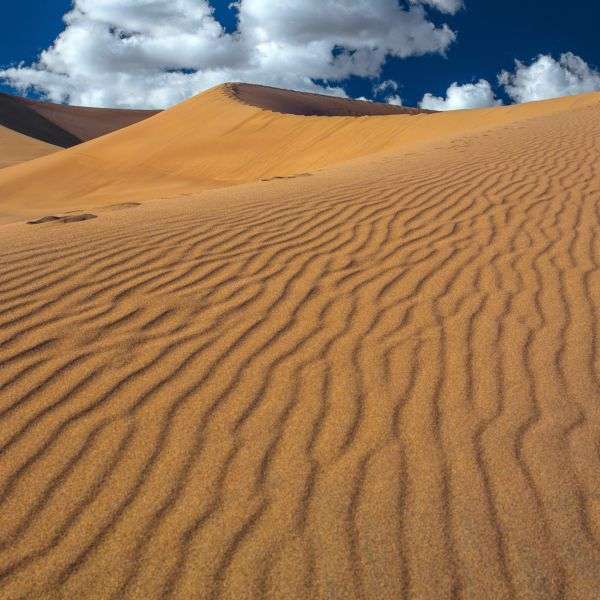
Sand Dunes
The park is renowned for its massive sand dunes, which are among the tallest in North America. These dunes are the result of sediment deposits carried by winds from the surrounding mountains and deposited in the San Luis Valley over millions of years.
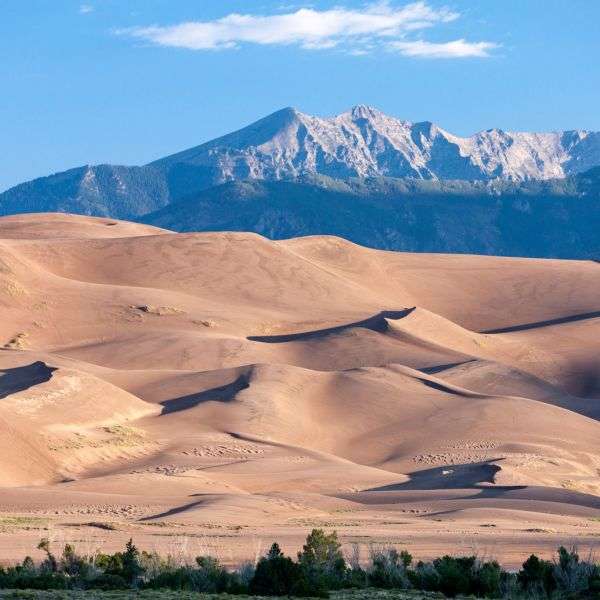
Mountains
To the east of the sand dunes rise the Sangre de Cristo Mountains, a rugged and picturesque mountain range that forms the backdrop of the park. These mountains include several peaks over 13,000 feet in elevation, adding to the dramatic scenery of the park.
Valleys and Basins
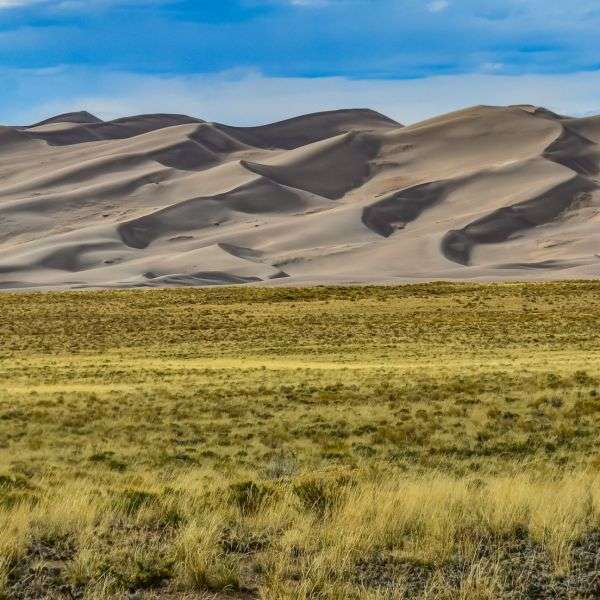
Surrounding the sand dunes and mountains are expansive valleys and basins, including the San Luis Valley, which stretches to the west of the park. These valleys and basins are characterized by flat, open terrain and are home to diverse ecosystems, including grasslands, wetlands, and forests.
Water Features
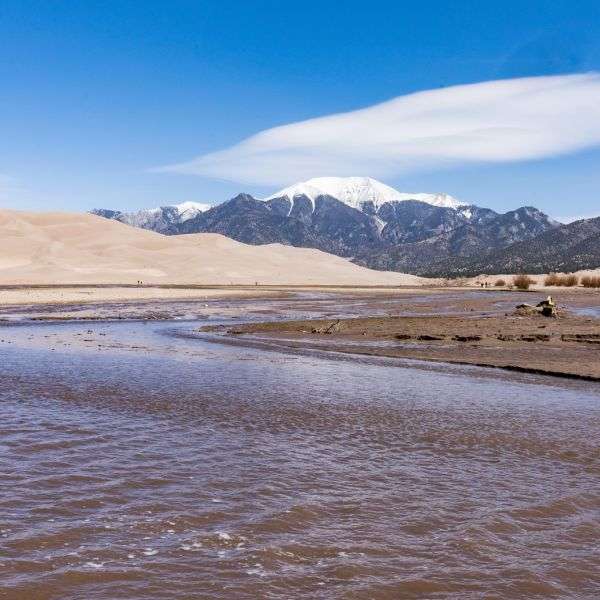
Medano Creek, fed by snowmelt from the Sangre de Cristo Mountains, flows through the park seasonally, creating unique riparian habitats and providing a vital water source for plants and wildlife. Additionally, several alpine lakes and streams can be found in the surrounding mountains.
Plants
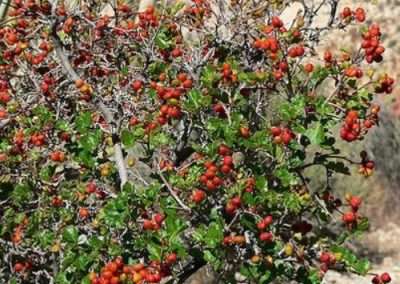
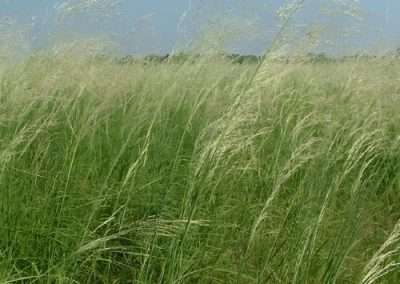
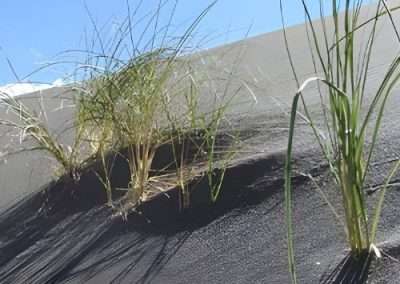
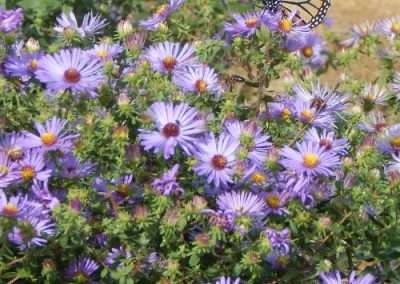
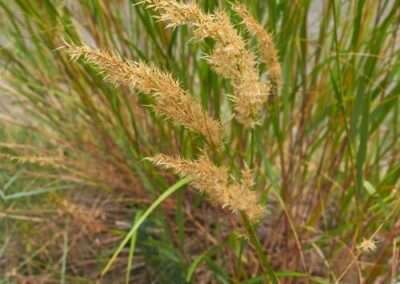
Great Sand Dunes National Park is home to a diverse array of plant life adapted to its unique combination of sandy, arid, and mountainous environments. Hardy grasses and shrubs help stabilize the dunes, while wetlands support moisture-loving vegetation and higher elevations provide habitats for forests, alpine plants, and colorful wildflowers. Together, these varied plant communities add beauty to the landscape and play an important role in supporting the park's wildlife and ecosystems.



Animals
Mammals
Great Sand Dunes National Park supports a diverse community of mammals adapted to its dunes, grasslands, wetlands, forests, and mountain environments. From small nocturnal rodents and bats to larger predators such as mountain lions and black bears, these animals occupy important roles throughout the park's interconnected ecosystems.
Kangaroo Rat (Dipodomys spp.): Kangaroo rats are well adapted to the park's sandy and arid environments. These nocturnal rodents use their powerful hind legs to move quickly across loose sand and feed primarily on seeds.
Black-tailed Prairie Dog (Cynomys ludovicianus): Black-tailed prairie dogs live in social colonies across grassland habitats. Their burrowing and grazing activities influence vegetation and create habitat used by other species.
Coyote (Canis latrans): Coyotes are adaptable predators that occur across many of the park's habitats. They feed on a variety of prey, including small mammals, birds, reptiles, and carrion.
Mule Deer (Odocoileus hemionus): Mule deer inhabit forests, shrublands, and grasslands throughout the region. They feed on a variety of grasses, shrubs, and other vegetation and serve as important prey for larger predators.
Mountain Lion (Puma concolor): Mountain lions are elusive predators associated with the park's mountainous and forested areas. They are primarily solitary and prey largely on deer and other mammals.
American Black Bear (Ursus americanus): Black bears can occur in the park's forested habitats, where they forage for berries, nuts, insects, and other foods. Visitors should follow wildlife-safety guidelines and properly secure food and other attractants.
Bobcat (Lynx rufus): Bobcats are secretive predators that can inhabit forests, shrublands, and rocky areas. They primarily hunt smaller mammals and birds.
Bats: Several bat species occur in the Great Sand Dunes region. They play important ecological roles by consuming large numbers of insects and using caves, cliffs, trees, and other sheltered locations for roosting.
Reptiles
Great Sand Dunes National Park supports a variety of reptiles adapted to its sandy dunes, grasslands, wetlands, and rocky mountain habitats. These reptiles contribute to the park's ecological balance as predators, prey, and consumers of insects and other small animals.
Western Terrestrial Garter Snake (Thamnophis elegans): This nonvenomous snake occurs in a variety of habitats, particularly near wetlands and other areas with suitable prey. It feeds on amphibians, small fish, and invertebrates.
Western Fence Lizard (Sceloporus occidentalis): Western fence lizards inhabit dry, rocky areas and often bask on rocks and logs. Their diet consists primarily of insects and other small invertebrates.
Great Plains Toad (Anaxyrus cognatus): This adaptable toad can occur in grasslands, shrublands, and wet areas. It spends much of its time underground or concealed and emerges to feed and reproduce when conditions are favorable.
Western Whiptail (Aspidoscelis tigris): Western whiptails are fast-moving lizards associated with dry, sandy, and rocky habitats. They primarily feed on insects and other small invertebrates.
Short-horned Lizard (Phrynosoma hernandesi): Short-horned lizards are well adapted to dry environments and can blend effectively with sandy and rocky surroundings. They primarily consume ants and other small insects.
Collared Lizard (Crotaphytus collaris): Collared lizards are colorful, powerful reptiles found in suitable rocky habitats. They are active predators that consume insects, smaller lizards, and other prey.
Common Garter Snake (Thamnophis sirtalis): Common garter snakes can inhabit moist environments such as wetlands and areas near streams. They feed on a variety of prey, including amphibians, fish, insects, and other small animals.
Prairie Rattlesnake (Crotalus viridis): Prairie rattlesnakes occur in grassland and rocky habitats in the region. As venomous predators, they help regulate populations of rodents and other small animals. Visitors should give rattlesnakes plenty of space and never attempt to handle them.
Birds
Great Sand Dunes National Park provides habitat for a diverse array of bird species across its grasslands, wetlands, forests, dunes, and alpine environments. From soaring raptors and colorful songbirds to migratory waterbirds, the park's varied landscapes support a rich bird community throughout the year.
Mountain Bluebird (Sialia currucoides): Mountain bluebirds are often found in open meadows and grasslands, where they feed on insects and nest in tree cavities and other sheltered locations.
American Kestrel (Falco sparverius): This small falcon hunts insects, rodents, and other small prey in open habitats. It can often be seen perched on elevated locations while scanning the ground.
Swainson's Hawk (Buteo swainsoni): Swainson's hawks are migratory raptors that can be observed soaring over open landscapes during the warmer months. They feed on rodents, insects, and other small animals.
Pinyon Jay (Gymnorhinus cyanocephalus): Pinyon jays are social birds associated with pinyon-juniper woodlands. They feed heavily on seeds and play an important role in seed dispersal.
Red-tailed Hawk (Buteo jamaicensis): Red-tailed hawks are widespread raptors that inhabit a variety of environments, including grasslands, forests, and open mountain areas. They primarily hunt small mammals.
Sandhill Crane (Antigone canadensis): Sandhill cranes can be seen in wetlands and open areas, particularly during migration. Their loud, distinctive calls and large size make them especially noticeable.
Common Nighthawk (Chordeiles minor): Common nighthawks are active around dusk and dawn, when they fly over open habitats catching insects. Their long wings and distinctive flight make them easy to recognize.
White-throated Swift (Aeronautes saxatalis): These fast-flying birds are associated with cliffs and rocky landscapes. They feed on flying insects while maneuvering through the air at high speeds.
Clark's Nutcracker (Nucifraga columbiana): Clark's nutcrackers inhabit higher-elevation coniferous forests and are particularly important seed dispersers. They cache seeds in the ground, helping new trees establish in suitable areas.
Wilson's Warbler (Cardellina pusilla): Wilson's warblers are small migratory songbirds that can be found in shrubby and riparian habitats during the breeding season. They primarily feed on insects and other small invertebrates.
Fish
Great Sand Dunes National Park has limited aquatic habitats, but its streams and seasonal waterways support fish and other aquatic life. Medano Creek and nearby waters provide habitat for species adapted to the region's high-elevation environment, while conservation efforts focus on protecting native fish and maintaining healthy aquatic ecosystems.
Rio Grande Cutthroat Trout (Oncorhynchus clarkii virginalis): This native trout is historically associated with streams of the southern Rocky Mountains and the Rio Grande drainage. Conservation and restoration efforts in the region aim to protect suitable habitat and support native populations.
Suckers (Catostomidae): Sucker species can occur in waterways within the broader San Luis Valley and surrounding region. These bottom-feeding fish contribute to aquatic food webs by consuming algae, invertebrates, and other organic material.
Speckled Dace (Rhinichthys osculus): Speckled dace are small native minnows found in streams and other freshwater habitats across the western United States. Where present, they form an important part of the aquatic food web.
Introduced Trout: Non-native trout, including rainbow trout and brown trout, occur in some waters in the broader region. Introduced fish can compete with native species, making careful management important for protecting native aquatic communities.
Amphibians
Great Sand Dunes National Park supports a variety of amphibians that depend on its wetlands, seasonal streams, ponds, and other moist habitats for breeding and survival. These species are well adapted to the park's changing conditions, from arid grasslands and sandy environments to cool mountain streams.
Great Plains Toad (Anaxyrus cognatus): Great Plains toads inhabit grasslands, wetlands, and other suitable lowland habitats. They emerge during favorable conditions and are known for their distinctive trilling calls during the breeding season.
Woodhouse's Toad (Anaxyrus woodhousii): Woodhouse's toads can occur in grasslands, shrublands, and riparian habitats. They are adaptable amphibians that often become active following rainfall.
Western Tiger Salamander (Ambystoma mavortium): Western tiger salamanders use ponds and other wetlands for breeding and spend much of their lives in terrestrial habitats. Their larvae develop in water before transforming into terrestrial adults.
Boreal Chorus Frog (Pseudacris maculata): These small frogs are associated with wetlands, ponds, and moist grasslands. Their distinctive calls can be especially noticeable during the spring breeding season.
Rocky Mountain Tailed Frog (Ascaphus montanus): Tailed frogs are specialized for life in cold, fast-flowing mountain streams. Their aquatic larvae are adapted to cling to rocks in strong currents.
Western Spadefoot Toad (Spea intermontana): Western spadefoots are adapted to dry environments and spend much of their time underground. Their specialized hind-foot spades allow them to burrow into loose soil and sand, emerging when temporary pools form after rainfall.
"Set amidst massive grasslands, lush thick forests, and even wetlands are America’s largest sand dunes"
- Elin P. Baby
"This combination of opposing winds, a huge supply of sand from the valley floor, and the sand recycling action of the creeks, are all part of the reason that these are the tallest dunes in North America"
- National Parks Services
Explore More With Us
Stay updated on National Parks EDU resources, park news, community updates, and and ways to explore, and protect.

National Parks Edu's mission is to help kids and families understand what makes these places so important. Because when you learn about nature, you start to care about protecting it.
National Parks EDU is an independent educational website and is not affiliated with, endorsed by, sponsored by, or officially connected to the National Park Service (NPS) or the U.S. government. © National Parks EDU. All Rights Reserved. October 17, 2026