Kenai Fjords
National Park
Alaska
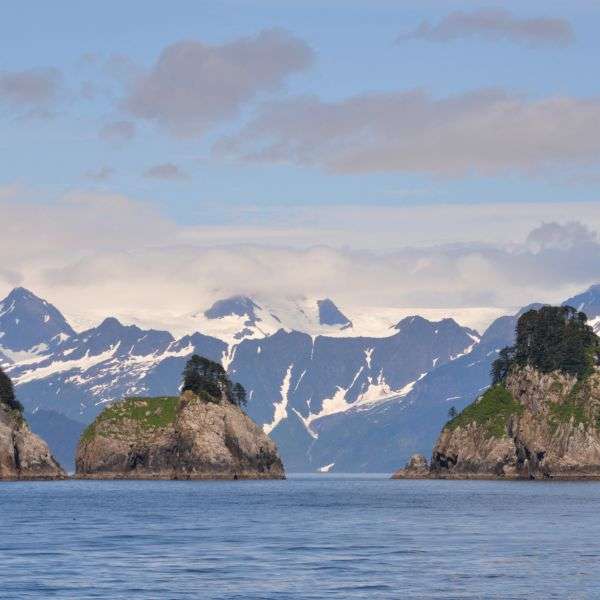
stunning glacial landscapes, icy fjords, and abundant wildlife
Fast Facts
Location
Alaska
Established in
1980
Established by
President Jimmy Carter
Size
1,047 sq. miles
Known For
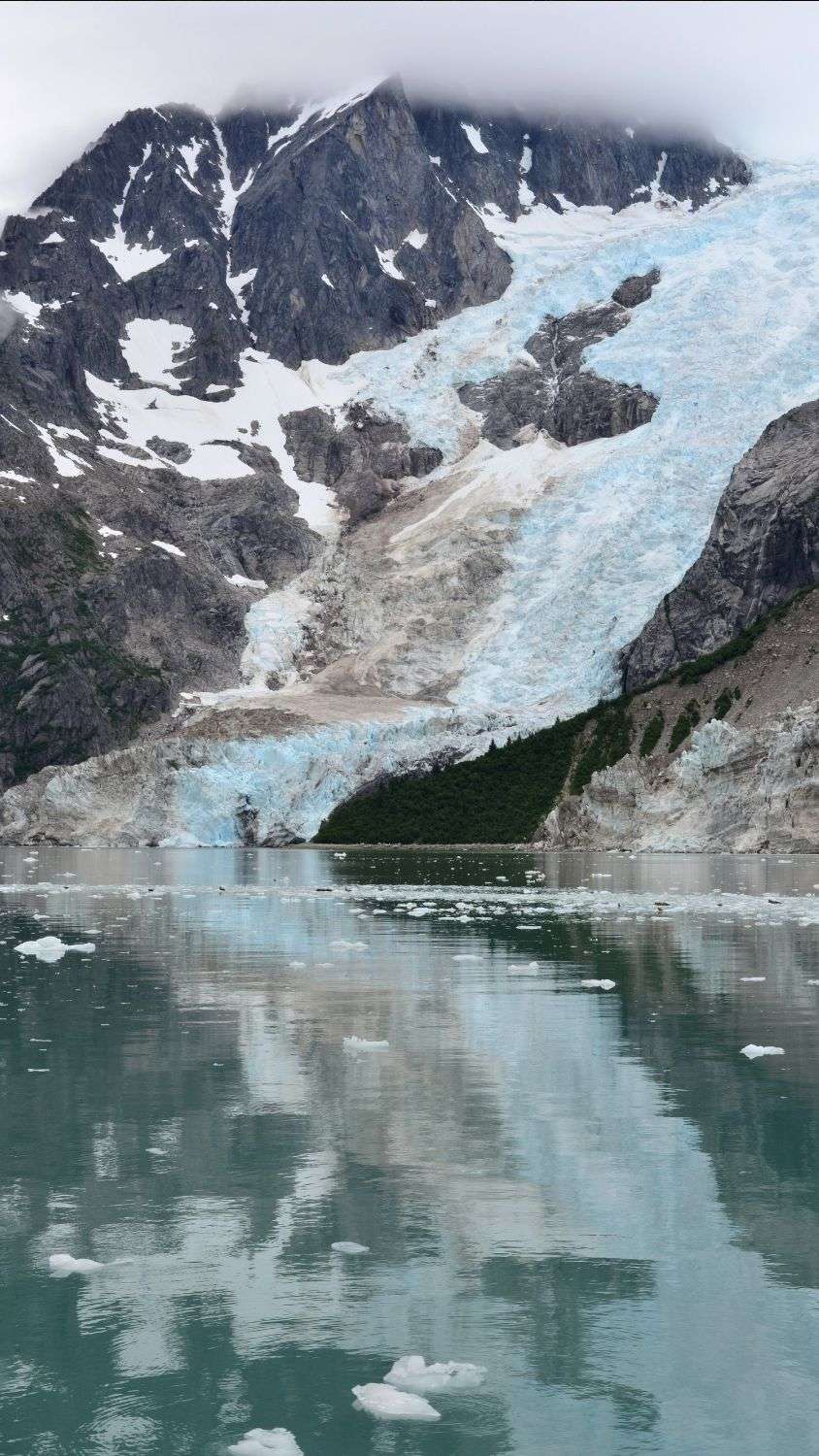
- Renowned for its breathtaking glacial landscapes, featuring numerous tidewater glaciers that flow from the Harding Icefield
- Characterized by deep, narrow fjords carved by glaciers, providing visitors with dramatic and picturesque views of icy waterways surrounded by towering mountains
- Encompasses the expansive Harding Icefield, a vast expanse of ice covering over 700 square miles, from which numerous glaciers flow into the surrounding fjords
History
Natural History and Formation
Kenai Fjords National Park has a dramatic geological history shaped by tectonic activity, glaciers, erosion, and changing sea levels. These powerful forces created the park's rugged mountains, deep fjords, glaciers, and coastal landscapes.
Tectonic Activity: The Kenai Peninsula has been shaped by the subduction of the Pacific Plate beneath the North American Plate. This ongoing process has uplifted the land and helped create the region's mountainous terrain.
Harding Icefield: The Harding Icefield developed during the Ice Age as snow accumulated and compacted into thick layers of ice. Today, it remains one of the largest icefields in the United States and feeds numerous glaciers throughout the park.
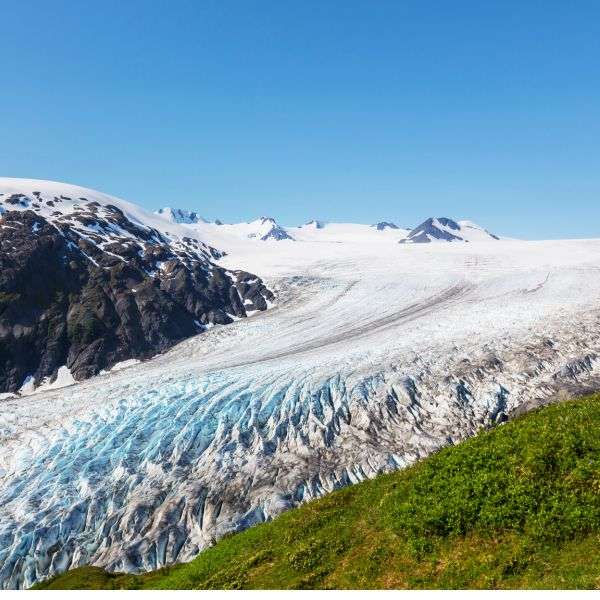
Glacial Carving: Glaciers such as Exit Glacier have carved deep valleys and fjords into the landscape. Their movement has gradually eroded the mountains, creating the steep cliffs and dramatic waterways that define Kenai Fjords.
Fjord Formation: As glaciers carved valleys below sea level and later retreated, seawater filled these valleys. This process created the deep, narrow fjords that give the park its name.
Glacial Retreat: Glaciers continue to shape the park today. Many glaciers have retreated in recent decades, exposing newly uncovered land and allowing plants and animals to establish themselves in areas once covered by ice.
Marine Fossils: Marine fossils found in elevated areas provide evidence that portions of the region were once underwater. Tectonic uplift later raised these ancient marine sediments above sea level.
Erosion: Wind, rain, waves, ice, and landslides continue to wear away at the landscape. These forces constantly modify the mountains, valleys, coastlines, and glaciers.
Ongoing Geological Change: Kenai Fjords remains an active geological landscape. Tectonic movement, glacial activity, erosion, and changing climate conditions continue to reshape the park, making it a remarkable example of Earth's constantly changing surface.
Native History
Kenai Fjords National Park has a long history of Indigenous presence and cultural connection. The region is traditionally associated with Alaska Native peoples, including the Dena'ina and Alutiiq, who developed ways of life closely connected to the area's forests, mountains, rivers, and coastal waters.
Dena'ina People: The Dena'ina have longstanding connections to the Kenai Peninsula and surrounding areas. They traditionally relied on fishing, hunting, gathering, and seasonal movements to make use of the region's abundant natural resources.
Alutiiq People: The Alutiiq, also known as Sugpiaq, have strong cultural ties to the coastal areas of the Kenai Peninsula. Marine resources such as fish, seals, and sea otters were important to their traditional way of life.
Subsistence Lifestyle: Indigenous communities relied on hunting, fishing, and gathering for food, materials, and other necessities. Seasonal changes and the movement of fish and wildlife played an important role in daily life.
Cultural Traditions: Storytelling, ceremonies, artwork, and traditional knowledge helped preserve cultural identity and pass important teachings from one generation to the next.
Connection to the Landscape: Indigenous peoples developed detailed knowledge of the region's coastal, forest, and mountain environments. This knowledge allowed communities to adapt to changing seasons and make sustainable use of available resources.
Trade and Exchange: Indigenous communities participated in regional trade networks, exchanging resources, tools, and other goods with neighboring groups. These connections also encouraged cultural exchange throughout south-central Alaska.
European Contact: Russian and later American explorers, traders, and settlers brought significant changes to the region. New trade systems, technologies, diseases, and outside settlement disrupted many traditional ways of life.
Cultural Preservation: Today, Alaska Native communities continue efforts to preserve languages, traditions, cultural knowledge, and connections to ancestral lands. Recognizing Indigenous history is an important part of understanding the cultural significance of Kenai Fjords National Park.
Preservation
The preservation history of Kenai Fjords National Park reflects a long-term effort to protect its glaciers, fjords, wildlife, ecosystems, and cultural resources. Through federal protection, scientific research, and responsible management, the park continues to preserve its unique Alaskan landscape.
National Monument Designation: In 1978, President Jimmy Carter designated the area as Kenai Fjords National Monument. The designation helped protect its glaciers, fjords, forests, and abundant wildlife.
National Park Designation: In 1980, the Alaska National Interest Lands Conservation Act expanded protections and established Kenai Fjords as a national park. This provided greater long-term protection for the area's natural and cultural resources.
Glacier Protection: Protecting the Harding Icefield and the park's many glaciers is a major part of conservation efforts. Monitoring these glaciers also helps scientists understand changes in climate and glacial activity.
Wildlife Conservation: The park protects diverse marine, coastal, and terrestrial habitats that support species such as sea otters, seals, whales, seabirds, and numerous land animals.
Cultural Resource Preservation: Archaeological sites and other cultural resources are protected to preserve evidence of the area's long Indigenous history and connection to Alaska Native communities.
Research and Education: Scientists study glaciers, wildlife, marine ecosystems, and climate change to better understand the park and guide conservation efforts. Educational programs also help visitors learn about the importance of protecting these resources.
Visitor Management: Park managers work to balance recreation with conservation by encouraging responsible tourism, protecting sensitive areas, and providing guidance for wildlife viewing and outdoor activities.
Collaboration with Native Communities: Working with Alaska Native communities helps incorporate cultural knowledge and perspectives into the management and preservation of the park.
Ongoing Preservation: Kenai Fjords National Park continues to be protected through cooperation among park managers, scientists, Indigenous communities, local residents, and visitors. These efforts help ensure that its remarkable landscapes and cultural heritage remain protected for future generations.
Future Preservation
Preserving Kenai Fjords National Park for future generations requires addressing several environmental, ecological, and management challenges. The park must balance conservation with visitor access while protecting its glaciers, wildlife, ecosystems, and cultural resources.
Climate Change: Rising temperatures are causing glaciers to retreat and changing habitats throughout the park. These changes can affect plants, animals, water systems, and coastal ecosystems.
Glacial Changes: Changes in glacier size and movement can reshape the landscape and alter rivers, fjords, and wildlife habitats. Monitoring these changes is important for understanding the park's future.
Visitor Impact: Increasing visitation can lead to trail erosion, vegetation damage, litter, and disturbance of wildlife. Park managers must find ways to provide recreational opportunities while minimizing environmental impacts.
Wildlife Protection: Wildlife such as marine mammals, seabirds, and land animals can be sensitive to human activity. Maintaining safe habitats and minimizing disturbance are important conservation priorities.
Cultural Resource Protection: Archaeological sites and other cultural resources can be damaged by natural erosion, climate change, and human activity. Protecting these resources while providing educational opportunities remains a challenge.
Invasive Species: Non-native plants and diseases can threaten native ecosystems. Preventing their introduction and controlling existing invasive species are important parts of park management.
Limited Resources: Funding, staffing, and equipment are needed to maintain trails, monitor wildlife, conduct research, and protect natural and cultural resources. Limited resources can make these responsibilities more difficult.
Partnerships with Native Communities: Continued collaboration with Alaska Native communities is important for protecting cultural heritage and incorporating traditional ecological knowledge into conservation efforts.
Scientific Research: Ongoing research is necessary to understand changing glaciers, ecosystems, wildlife populations, and climate conditions. This information helps managers make informed conservation decisions.
Long-Term Management: Protecting Kenai Fjords requires adaptive management that can respond to changing environmental conditions, visitor needs, and scientific discoveries. Cooperation among scientists, park staff, Indigenous communities, and visitors will be essential for preserving the park for future generations.
Geography
Kenai Fjords National Park, located on Alaska’s southern coast, is a spectacular wilderness shaped by glaciers, mountains, and the sea. The park is home to the vast Harding Icefield, towering tidewater glaciers, deep fjords, rugged coastlines, and diverse wildlife. Its dramatic landscapes and dynamic ecosystems provide visitors with an opportunity to experience the beauty and power of Alaska’s natural environment.
Fjords
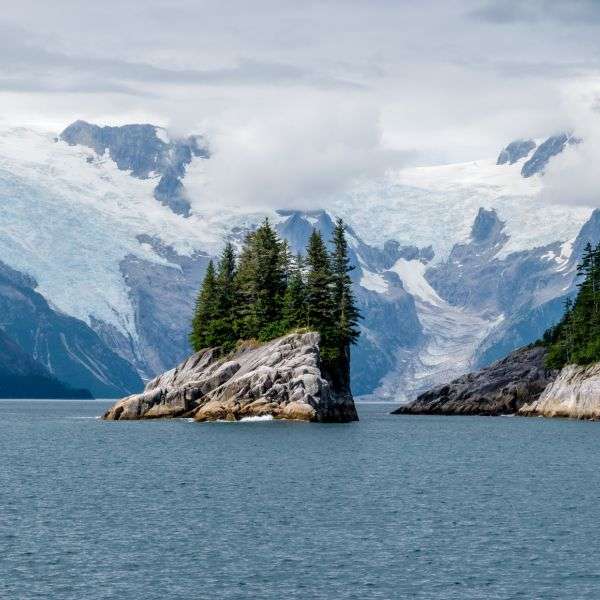
The park is known for its intricate system of fjords, which are deep, glacially-carved coastal valleys filled with seawater. Notable fjords within the park include Aialik Bay, Nuka Bay, and Resurrection Bay. These fjords showcase towering cliffs, waterfalls, and stunning glacial landscapes.
Harding Icefield
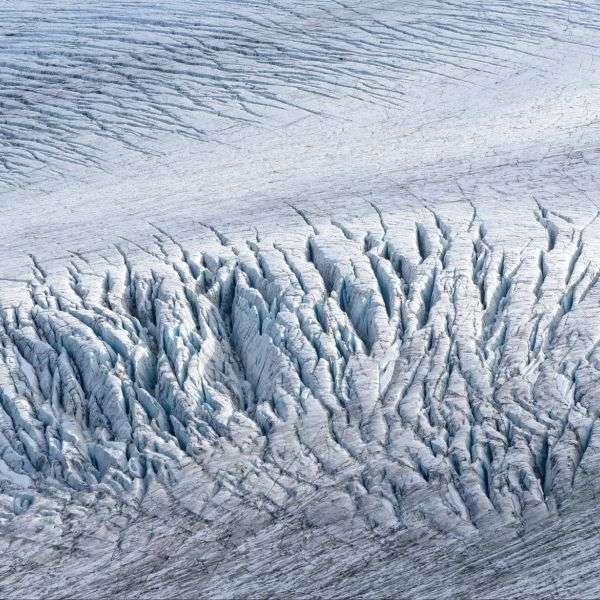
At the heart of the park lies the Harding Icefield, covering over 700 square miles. This vast expanse of ice is the source of numerous glaciers that flow into the surrounding fjords. The Harding Icefield is a significant feature, and its presence contributes to the park's dynamic glacial environment.
Glaciers
Kenai Fjords is home to several tidewater glaciers, including Exit Glacier, Holgate Glacier, Aialik Glacier, and Bear Glacier. These glaciers flow from the Harding Icefield into the fjords, creating a dramatic and ever-changing landscape.
Coastal Areas
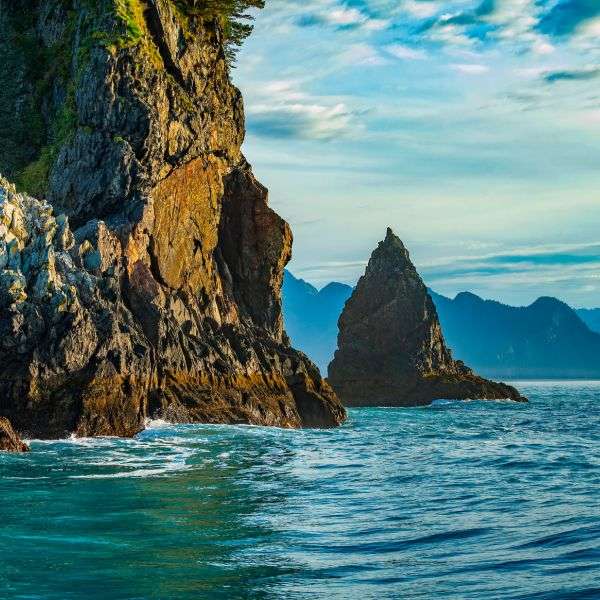
The park's geography includes a diverse coastal environment, with rocky shores, tidal flats, and intertidal zones. These areas support a variety of marine life, including seabirds, seals, sea lions, and otters.
Mountains
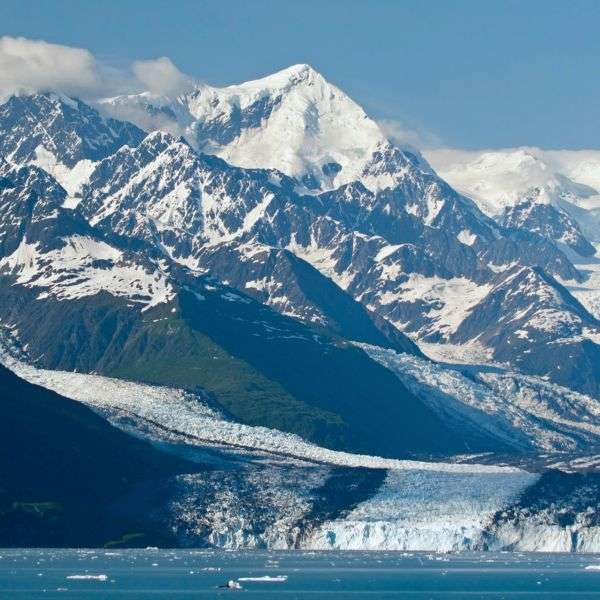
Coastal mountains border the fjords, providing a stunning backdrop to the park's landscapes. These mountains contribute to the park's rugged topography and are often covered in alpine vegetation.
Archipelago
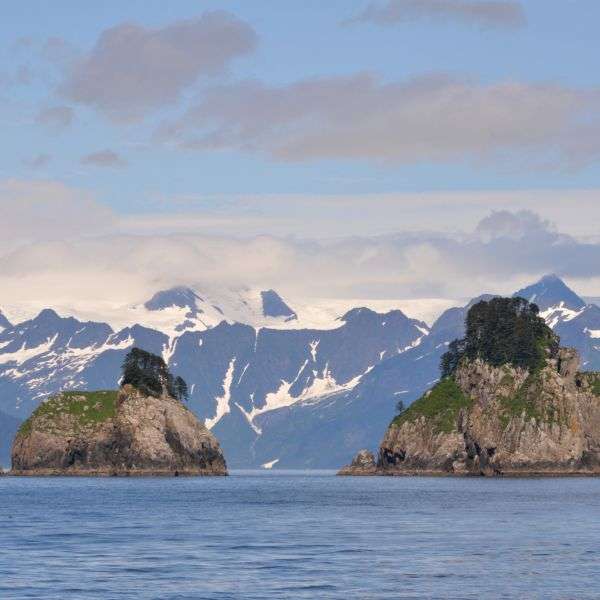
The park features numerous islands and islets scattered along its coastline. These islands provide additional wildlife habitat and contribute to the overall biodiversity of the marine ecosystem.
Plants
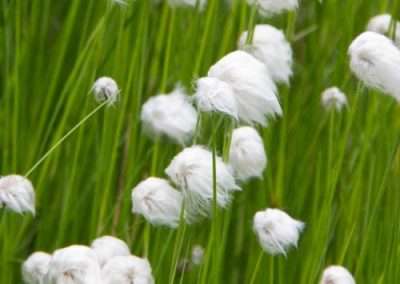
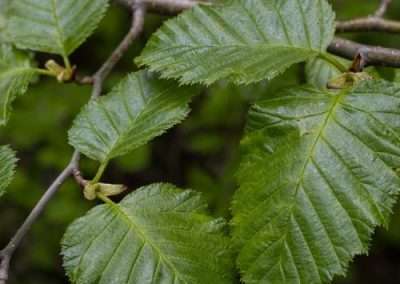
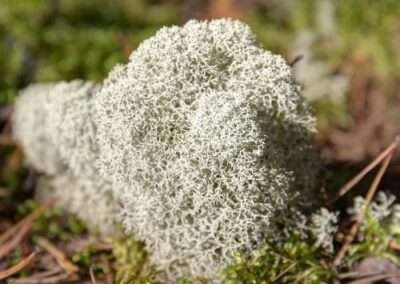
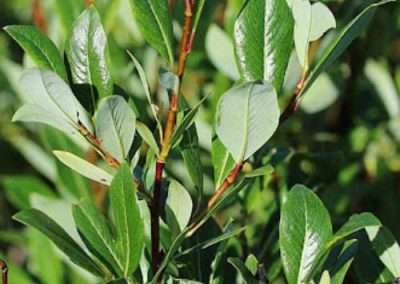
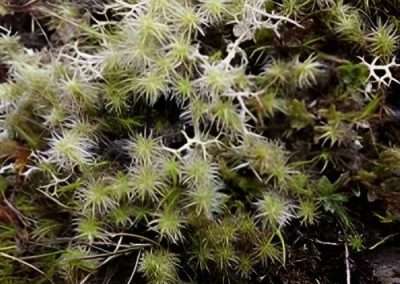
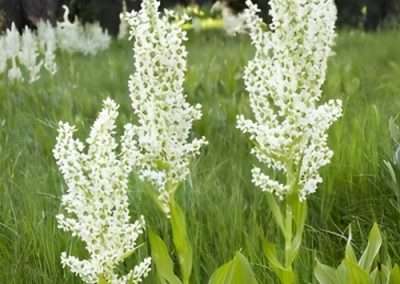
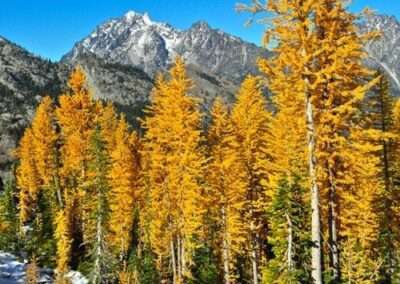
Kenai Fjords National Park supports a diverse range of plant life adapted to its cold, wet, and rugged environment. From lush coastal forests and meadows to alpine tundra and areas shaped by retreating glaciers, the park contains a variety of habitats that support many plant species. This rich vegetation contributes to the park's biodiversity, provides food and shelter for wildlife, and adds to the scenic beauty of the Alaskan wilderness.

Animals
Mammals
Kenai Fjords National Park is home to a diverse variety of mammals that thrive across its forests, mountains, glaciers, fjords, and coastal waters. These species include both land mammals and marine animals, each adapted to the park's cold and rugged environment.
Black Bear (Ursus americanus): Black bears are found throughout Kenai Fjords National Park, particularly in forested areas where they forage for berries, vegetation, fish, and small animals.
Brown Bear (Ursus arctos): Coastal brown bears inhabit areas near rivers, coastlines, and forests. They feed on vegetation, fish, berries, and other available foods.
Mountain Goat (Oreamnos americanus): Mountain goats are well adapted to the park's steep and rocky terrain. They use their climbing abilities to navigate cliffs and mountain slopes.
Moose (Alces alces): Moose inhabit forested areas and wetlands, where they feed on vegetation such as willow, shrubs, and aquatic plants.
Sea Otter (Enhydra lutris): Sea otters live in the coastal waters of Kenai Fjords. They feed on marine invertebrates such as sea urchins, clams, and crabs.
Harbor Seal (Phoca vitulina): Harbor seals are commonly found along the park's coastlines and fjords, where they rest on rocky shores and floating ice.
Steller Sea Lion (Eumetopias jubatus): Steller sea lions use rocky coastal areas as haul-out sites. They feed primarily on fish and other marine animals.
Humpback Whale (Megaptera novaeangliae): Humpback whales migrate through the waters around Kenai Fjords and can often be observed feeding during the summer months.
Orca (Orcinus orca): Orcas occasionally travel through the park's coastal waters. These apex predators hunt fish and marine mammals.
Gray Wolf (Canis lupus): Gray wolves inhabit the park's forests and alpine environments. They live in family groups and help regulate prey populations.
River Otter (Lontra canadensis): River otters inhabit freshwater habitats such as rivers and lakes. They are excellent swimmers and primarily feed on fish and other aquatic prey.
Red Fox (Vulpes vulpes): Red foxes are adaptable mammals found in a variety of habitats. They feed on small mammals, birds, insects, berries, and other available foods.
Reptiles
Kenai Fjords National Park's cold, subarctic climate makes it unsuitable for most reptiles. The park has no known native reptile species, as the low temperatures and long winters limit the ability of reptiles to survive and reproduce.
Reptiles: No native reptile species are known to inhabit Kenai Fjords National Park. The park's cold temperatures, maritime climate, and seasonal conditions are generally inhospitable to reptiles.
Birds
Kenai Fjords National Park supports a rich variety of bird species, with coastal cliffs, fjords, forests, and freshwater habitats providing important nesting and feeding areas.
Bald Eagle (Haliaeetus leucocephalus): Commonly seen near coastal waters, bald eagles hunt fish and other prey.
Common Murre (Uria aalge): These seabirds nest in large colonies on rocky coastal cliffs and feed primarily on fish.
Horned Puffin (Fratercula corniculata): Horned puffins nest along rocky coastal areas and are recognized by their colorful bills and distinctive facial markings.
Tufted Puffin (Fratercula cirrhata): These striking seabirds nest on coastal cliffs and islands and are known for their colorful bills and yellow facial tufts.
Black-legged Kittiwake (Rissa tridactyla): Kittiwakes form large nesting colonies on coastal cliffs and feed primarily on marine organisms.
Marbled Murrelet (Brachyramphus marmoratus): These small seabirds forage in coastal waters but nest in mature coastal forests.
Arctic Tern (Sterna paradisaea): Arctic terns are long-distance migrants that travel between Arctic breeding grounds and Antarctic wintering areas.
Kittlitz's Murrelet (Brachyramphus brevirostris): This specialized seabird is associated with glacial and coastal environments and is particularly adapted to Alaska's icy waters.
Black Oystercatcher (Haematopus bachmani): Found along rocky shorelines, black oystercatchers use their strong bills to feed on shellfish and other marine invertebrates.
Pelagic Cormorant (Urile pelagicus): These coastal seabirds nest on rocky cliffs and dive underwater to catch fish.
Glaucous-winged Gull (Larus glaucescens): Common along the coast, these large gulls are opportunistic feeders that consume a wide variety of foods.
Harlequin Duck (Histrionicus histrionicus): Harlequin ducks are often found along rocky shorelines and fast-flowing streams, where they forage for aquatic invertebrates.
Belted Kingfisher (Megaceryle alcyon): These skilled fishers are found near freshwater and coastal habitats, diving into the water to catch fish.
Fish
Kenai Fjords National Park supports a diverse range of fish species in its coastal waters, fjords, rivers, and streams. These fish are important parts of both marine and freshwater food webs.
Sockeye Salmon (Oncorhynchus nerka): Sockeye salmon migrate from the ocean into freshwater streams to spawn and provide an important food source for wildlife.
Coho Salmon (Oncorhynchus kisutch): Coho salmon are anadromous fish that return to freshwater to reproduce and contribute nutrients to aquatic ecosystems.
Pacific Halibut (Hippoglossus stenolepis): Pacific halibut are large flatfish found in coastal waters and are popular among recreational and commercial anglers.
Yelloweye Rockfish (Sebastes ruberrimus): These long-lived rockfish inhabit deep, rocky marine environments and are an important part of the coastal food web.
Lingcod (Ophiodon elongatus): Lingcod are large predatory fish that live around rocky reefs and seafloors, where they hunt smaller fish and other marine animals.
Dolly Varden (Salvelinus malma): Dolly Varden are char that inhabit rivers and streams and may also enter coastal and estuarine waters.
Coastal Cutthroat Trout (Oncorhynchus clarkii): Coastal cutthroat trout live in freshwater and estuarine habitats and are recognized by the reddish markings beneath their jaws.
Arctic Grayling (Thymallus arcticus): Arctic grayling inhabit cold freshwater streams and lakes and are easily recognized by their large, sail-like dorsal fins.
Pacific Herring (Clupea pallasii): Pacific herring are important forage fish that provide food for seabirds, marine mammals, and larger fish.
Pacific Cod (Gadus macrocephalus): Pacific cod are bottom-dwelling marine fish found in coastal waters and serve as both predators and prey within the marine ecosystem.
Eulachon (Thaleichthys pacificus): Also known as candlefish, eulachon are anadromous fish that migrate into freshwater rivers and are known for their high oil content.
Amphibians
Amphibians are relatively scarce in Kenai Fjords National Park because of its cold subarctic climate and limited freshwater breeding habitats. The park's extensive glaciers, rugged mountains, and marine environments provide few suitable conditions for amphibian populations.
"The fjords of Alaska are mind-bending and utterly stunning."
- Arron Spray
"At Kenai Fjords, the idea of "forever" is elusive. Glaciers advance and retreat with changes in global temperature and precipitation. Forests claim rocky ground left by retreating glaciers. As ice melts, sea level rises, and the land no longer weighted down by masses of ice rises as well. Nothing here is static; even "solid" land is a work in progress."
- National Park Services
Explore More With Us
Stay updated on National Parks EDU resources, park news, community updates, and and ways to explore, and protect.

National Parks Edu's mission is to help kids and families understand what makes these places so important. Because when you learn about nature, you start to care about protecting it.
National Parks EDU is an independent educational website and is not affiliated with, endorsed by, sponsored by, or officially connected to the National Park Service (NPS) or the U.S. government. © National Parks EDU. All Rights Reserved. October 18, 2026