Biscayne
National Park
Florida
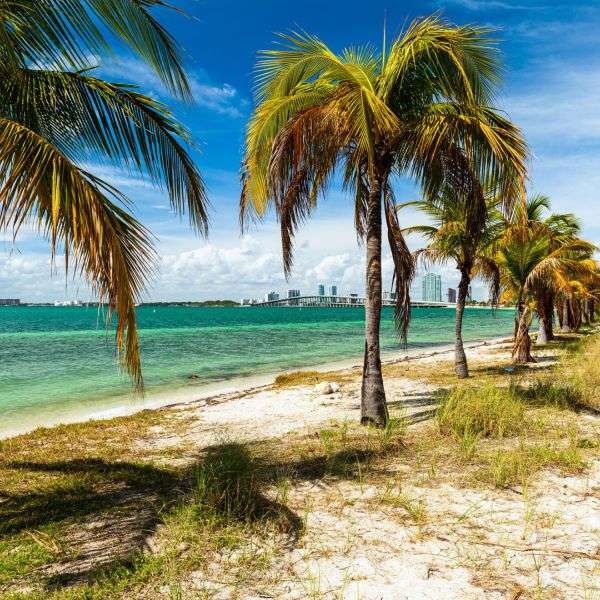
an archipelago of mangrove islands, reef keys, and shallow seagrass beds
Fast Facts
Location
southern Florida
Established in
1980
Established by
President Jimmy Carter
Size
270 sq. miles
Known For
- About 95% of the park is water
- Biscayne National Park is home to the third-largest coral reef system in the world, providing a vital habitat for a diverse array of marine life
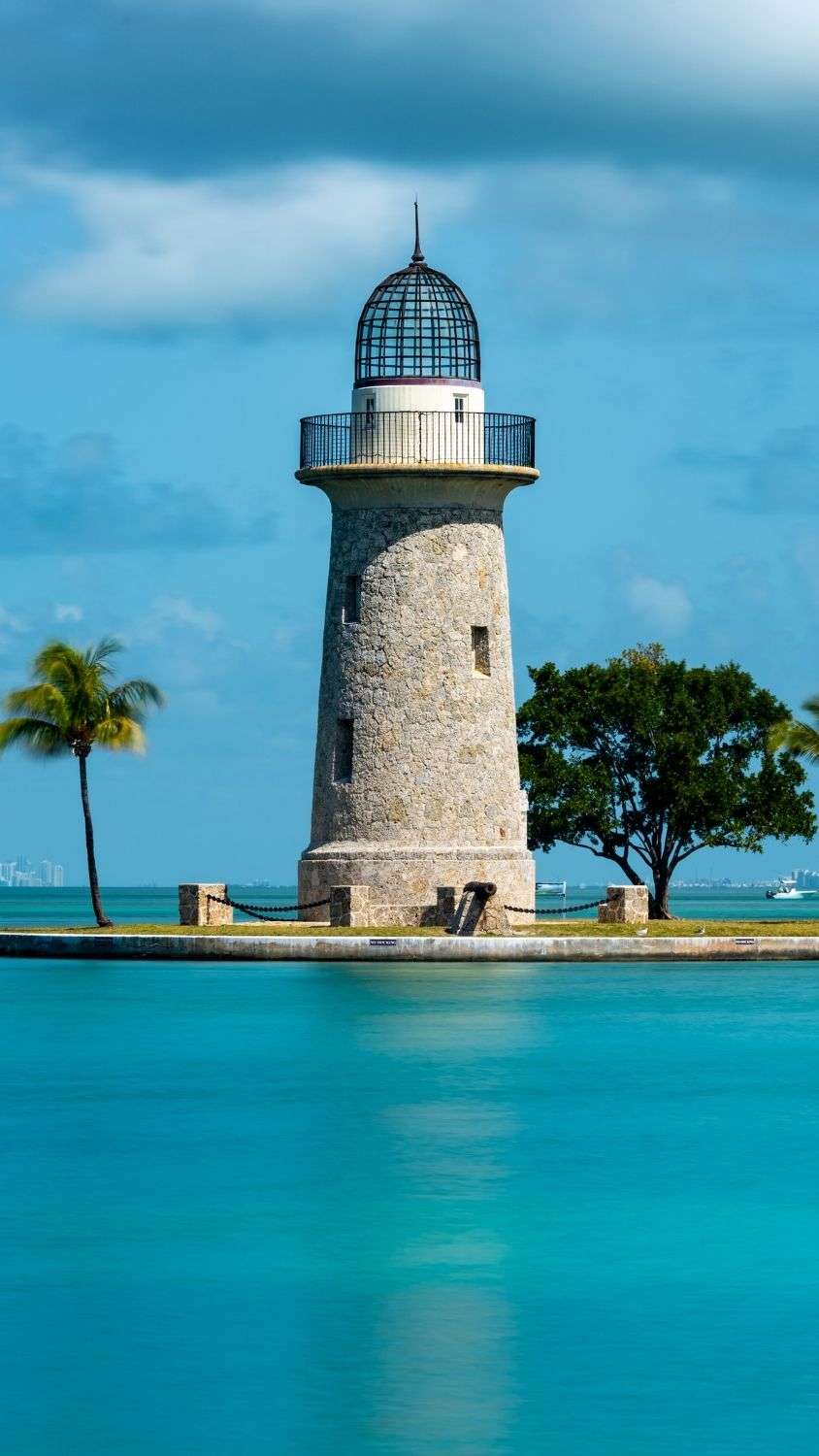
- The park includes picturesque keys such as Elliott Key and Boca Chita Key
History
Natural History and Formation
Here is a fact-checked, 6th-grade-level, copy-and-paste-ready version in the same format as your other parks:
Biscayne National Park has a unique geological history shaped by ancient seas, coral reefs, limestone, changing sea levels, and erosion. Most of the park is underwater, and its islands, bay, and coral reefs are part of the larger limestone platform of South Florida.
Formation of the Limestone: Millions of years ago, much of South Florida was covered by shallow tropical seas. Tiny sea creatures, shells, and other marine material collected on the seafloor and eventually formed thick layers of limestone. This limestone forms the foundation of much of Biscayne National Park.
Coral Reefs: Coral reefs have developed in the warm, shallow waters of the Florida Keys and Biscayne Bay region over a very long period of time. Ancient reef material helped add to the limestone that makes up the area. Today, living coral reefs are an important part of the park's marine ecosystem.
Changes in Sea Level: Sea levels have risen and fallen many times because of changes in Earth's climate. When sea levels were lower, parts of the limestone platform were exposed to the air. When sea levels rose, the platform became covered by the ocean again. These changes helped shape the islands, bay, and coastal habitats.
Formation of the Florida Keys: The Florida Keys, including islands within Biscayne National Park, are made mostly of limestone. Some of the islands formed from ancient coral reefs, while others are made from oolitic limestone, a rock made from tiny, rounded grains that formed in shallow marine waters.
Karst Landscape: Rainwater can slowly dissolve limestone over time. This process creates a type of landscape called karst, which can include underground passages, cavities, and other openings in the rock. The porous limestone also allows water to move through the ground.
Rising Seas and the Formation of Biscayne Bay: During the last ice age, sea level was much lower than it is today. As the climate warmed and glaciers melted, sea levels rose. Much of the low-lying limestone platform became covered by water, helping form the shallow waters of Biscayne Bay and the surrounding coastal areas.
Mangrove Coastline: As the coastline changed, mangroves became established along the shallow shores and islands. Their roots help hold sediment in place and provide important habitat for fish, birds, and other wildlife.
Ongoing Geological Changes: The geology of Biscayne National Park continues to change. Waves, storms, currents, erosion, and changes in sea level continue to shape the islands, reefs, and coastline. These processes help create the constantly changing landscape seen in the park today.
Overall, the geological history of Biscayne National Park is closely connected to the sea. Ancient limestone, coral reefs, changing sea levels, and coastal processes have created the underwater landscapes, islands, reefs, and shallow bay that make the park unique.
Native History
The area that is now Biscayne National Park has a long Native American history that goes back thousands of years. Indigenous people lived along the coast and depended on the bay, islands, and nearby mainland for food, water, and other resources.
Tequesta People: The Tequesta were one of the main Indigenous groups living in southeastern Florida, including the Biscayne Bay area. They relied heavily on fish, shellfish, plants, and other resources from the coastal environment. They lived in villages along the coast and nearby waterways.
Archaeological Sites: Archaeological sites around Biscayne Bay provide evidence of Indigenous life in the region. Shell deposits, tools, pottery, and other artifacts help researchers learn about how people lived, traveled, and used the area's natural resources.
Marine Resources: The waters of Biscayne Bay were an important source of food. Indigenous people caught fish and collected shellfish and other marine animals. The bay's mangrove forests, shallow waters, and islands provided many useful resources.
Trade and Travel: Indigenous groups in southern Florida traded and interacted with neighboring communities. Canoes were important for traveling through the bay and along the coast, allowing people to move between islands and mainland settlements.
European Contact: Spanish explorers reached southern Florida in the 16th century. European diseases, conflict, and changes caused by colonization had serious effects on Indigenous communities. Over time, the Tequesta population declined, and their traditional way of life was greatly disrupted.
Seminole and Miccosukee Peoples: In later centuries, Seminole and Miccosukee people became important Indigenous communities in Florida. Their histories are also connected to the broader region, and both communities continue to have strong cultural ties to Florida today.
Protecting Cultural Resources: Biscayne National Park protects archaeological sites and other cultural resources that tell the story of the area's Indigenous peoples. The National Park Service works to preserve these places and share their history while protecting them from damage.
Today, Biscayne National Park recognizes the deep Indigenous history of the area. The park's islands, waters, and coastal landscapes help tell the story of the people who lived in and traveled through southern Florida long before the park was established.
Preservation
The preservation history of Biscayne National Park shows how people worked to protect the area's coral reefs, mangrove forests, islands, wildlife, and cultural resources. The area faced growing threats from development, dredging, and changes to the marine environment.
Early Human History: Key Biscayne and the surrounding waters have been used by people for centuries. The area later became home to farms and other development. These changes became part of the area's history and helped shape the landscape visitors see today.
Cape Florida Lighthouse: The Cape Florida Lighthouse was built in 1825 on Key Biscayne to help guide ships through the waters of South Florida. The lighthouse was attacked and badly damaged during the Second Seminole War in 1836. It was later rebuilt and remains an important historic site.
Maritime Heritage: The waters around Biscayne Bay have been an important route for ships for hundreds of years. Many ships were wrecked in the area because of reefs, storms, and shallow waters. Today, these shipwrecks are protected as part of the park's maritime heritage.
Stiltsville: In the 1930s and later decades, buildings were constructed on stilts in the shallow waters of Biscayne Bay. Known as Stiltsville, these structures became part of the area's history. Only a small number of the original buildings remain today.
Growing Conservation Efforts: By the 1960s, development, dredging, pollution, and other activities threatened Biscayne Bay and its coral reefs. Conservationists and local residents worked to protect the area's important marine ecosystems.
Biscayne National Monument: On October 18, 1968, President Lyndon B. Johnson established Biscayne National Monument. The monument was created to protect the area's clear waters, coral reefs, islands, and marine life.
Expansion of the Monument: In 1974, Biscayne National Monument was greatly expanded to protect more of the bay and surrounding waters. The protected area included important coral reefs, islands, and underwater habitats.
Redesignation as a National Park: On June 28, 1980, Congress redesignated Biscayne National Monument as Biscayne National Park. This change recognized the national importance of the area's marine and coastal resources and provided broader protection for the park.
Protecting Marine Resources: The National Park Service works to protect coral reefs, seagrass beds, mangrove forests, fish, sea turtles, and other marine life. Scientists monitor water quality, coral health, wildlife, and other resources to help guide conservation efforts.
Maritime Heritage Trail: The park's Maritime Heritage Trail protects and interprets several historic shipwrecks. The trail allows visitors to learn about the area's maritime history while encouraging responsible snorkeling and diving.
Ongoing Conservation: Today, Biscayne National Park faces challenges such as coral reef decline, water pollution, climate change, and the effects of human activity. Protecting the park requires continued research, careful management, and cooperation with local communities and other organizations.
Preserving Biscayne National Park is an ongoing effort. The National Park Service works to protect both the natural environment and the area's cultural history so that future generations can enjoy and learn from this unique part of South Florida.
Future Preservation
Preserving Biscayne National Park for future generations is challenging because the park's coral reefs, mangroves, seagrass beds, wildlife, and historic sites are affected by both natural changes and human activities.
Climate Change: Warmer ocean temperatures can cause coral bleaching and make coral reefs more vulnerable to disease. Climate change can also affect sea levels, storms, and other conditions that shape the park's coastal ecosystems.
Sea Level Rise: Much of Biscayne National Park is made up of low-lying islands and shallow waters. Rising sea levels can change coastlines, affect mangrove forests and seagrass beds, and put historic structures at greater risk.
Water Quality: Pollution and runoff from nearby developed areas can enter Biscayne Bay. Poor water quality can harm seagrass, coral reefs, fish, and other marine life. Protecting clean water is an important part of keeping the park's ecosystems healthy.
Coral Reef Health: Coral reefs are among the park's most important natural resources. Coral bleaching, disease, pollution, warming waters, and physical damage can weaken reefs. The park works to monitor and protect these fragile ecosystems.
Human Impact: Boating, fishing, snorkeling, and other activities can affect the park's natural resources. Anchors and boats can damage coral reefs and seagrass beds. Managing recreation while allowing visitors to enjoy the park is an ongoing challenge.
Invasive Species: Non-native plants and animals can threaten native species and change natural ecosystems. Monitoring and controlling invasive species helps protect the park's native wildlife and habitats.
Historic Resource Protection: Historic places such as the Cape Florida Lighthouse and Stiltsville are exposed to saltwater, strong storms, wind, and other weather conditions. Protecting these structures requires regular monitoring and maintenance.
Wildlife Protection: The park provides habitat for many animals, including sea turtles, fish, birds, and marine mammals. Protecting these species requires healthy coral reefs, seagrass beds, mangroves, and clean water.
Limited Resources: Protecting a large marine park requires staff, equipment, research, and funding. Limited resources can make it harder to monitor ecosystems, maintain facilities, protect cultural sites, and respond to new environmental threats.
Addressing these challenges requires cooperation among the National Park Service, scientists, local communities, visitors, and other organizations. Through careful management and conservation, Biscayne National Park can continue to protect its unique natural and cultural resources for future generations.
Geography
Biscayne National Park, located in southern Florida, is a unique park made up mostly of water. More than 95% of the park is underwater, including parts of Biscayne Bay, coral reefs, seagrass beds, and shallow coastal waters. The park also includes mangrove forests and several small islands. These habitats support a wide variety of animals, including colorful reef fish, sea turtles, dolphins, and many kinds of birds. Visitors can explore the park by boat, snorkeling, diving, and kayaking while learning about its rich marine environment.
Biscayne Bay
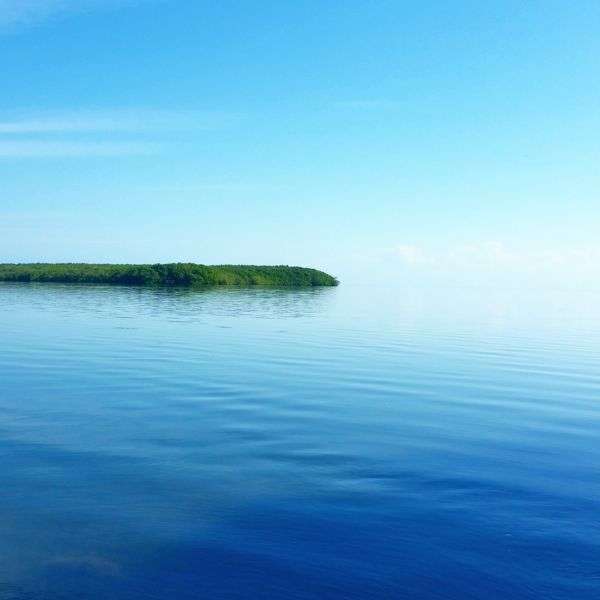
The heart of the park is Biscayne Bay, a large shallow lagoon that extends along the eastern side of the mainland. The bay is characterized by a mix of seagrass beds, mangrove forests, and shallow flats.
Mangrove Forests
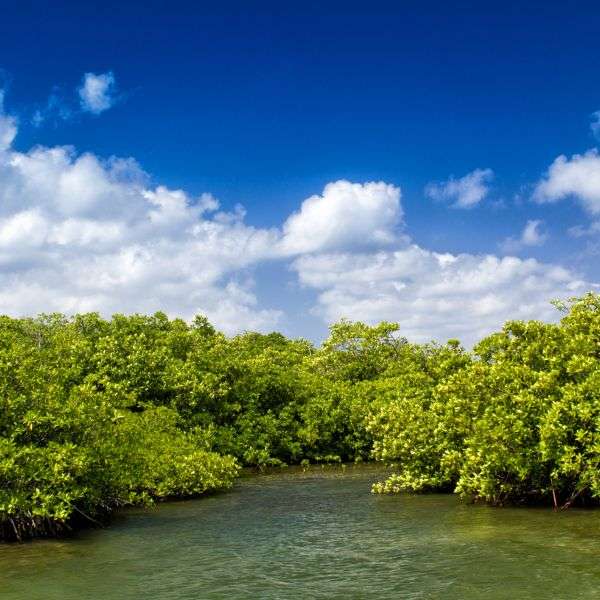
Extensive mangrove forests are found along the shores of Biscayne Bay. These salt-tolerant trees play a crucial role in providing habitat for various marine species, serving as nurseries for fish and shelter for birds.
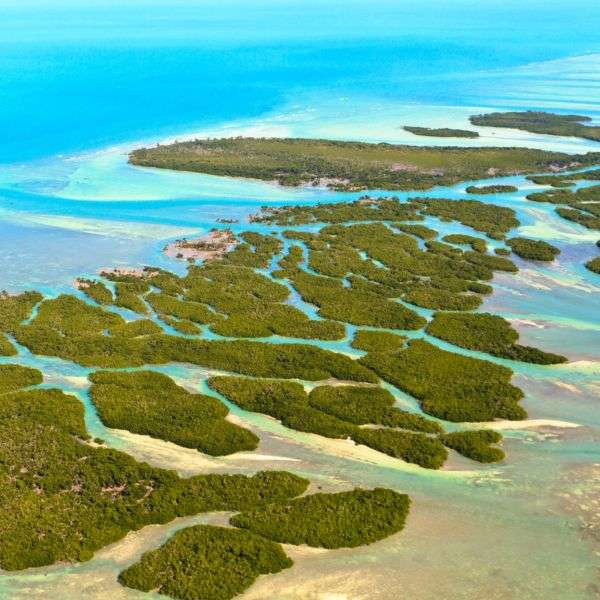
Keys
The park includes several keys, or islands, each with unique characteristics. Notable keys include Elliott Key, the largest key in the park, and Boca Chita Key, known for its historic lighthouse and scenic views.
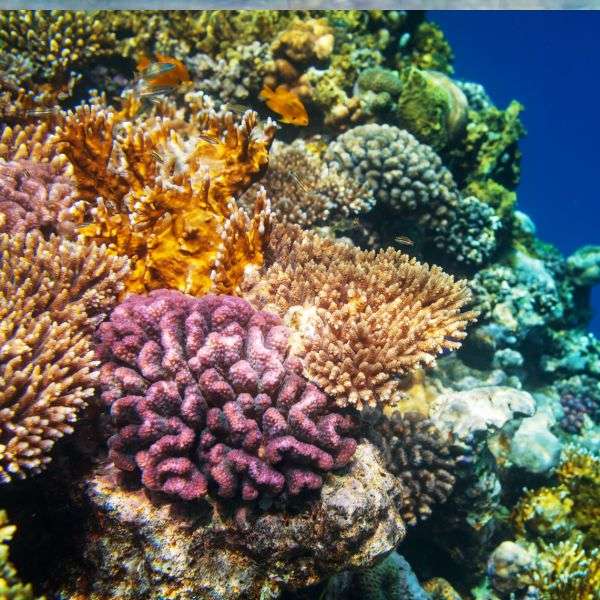
Coral Reefs
Biscayne National Park is home to vibrant coral reefs, particularly along the eastern boundary of the park. These reefs are part of the Florida Reef Tract, the third-largest coral reef system in the world.
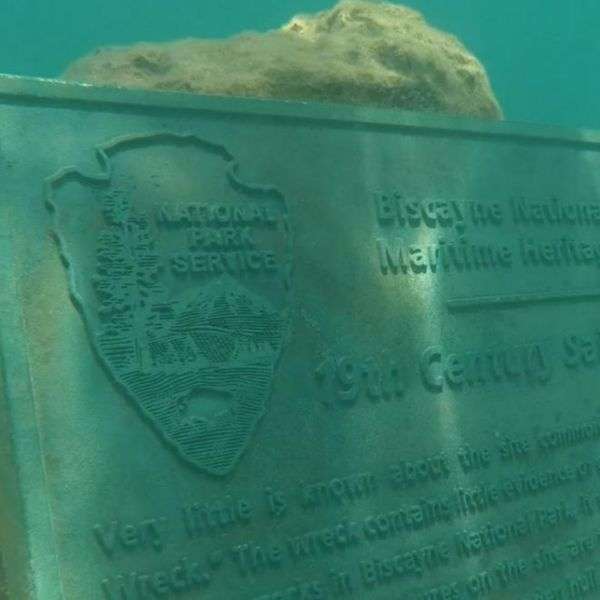
Maritime Heritage Trail
Off the shores of Biscayne National Park, there is a Maritime Heritage Trail featuring several shipwrecks. These submerged wrecks provide opportunities for snorkeling and diving while preserving the area's maritime history.
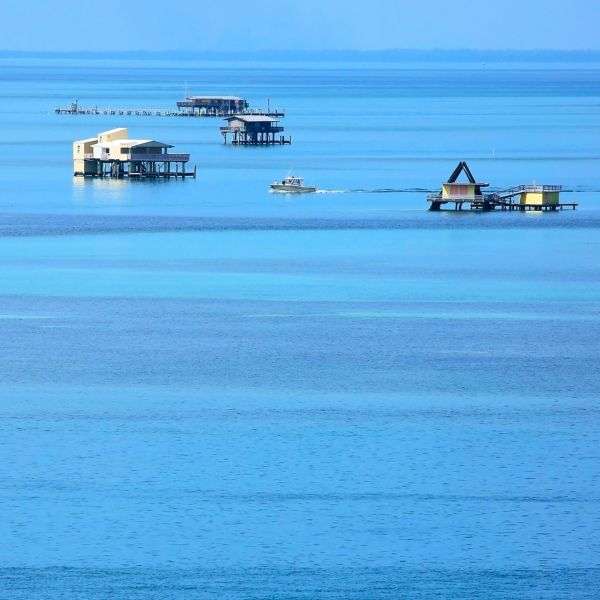
Stiltsville
Stiltsville is a collection of colorful stilt houses located in the northern part of Biscayne Bay. These structures, built in the shallow waters, were once used for social gatherings and parties.
Plants
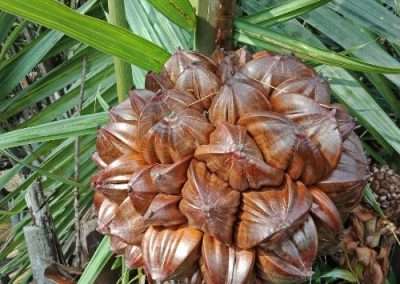
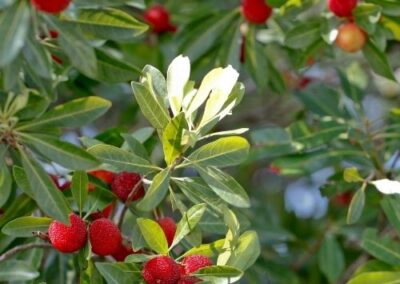
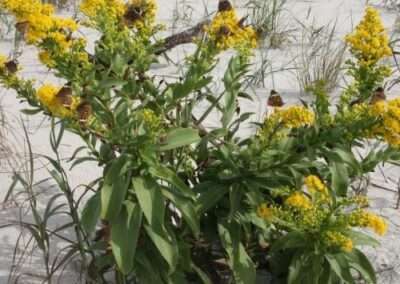
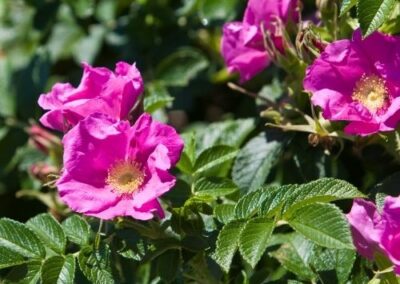
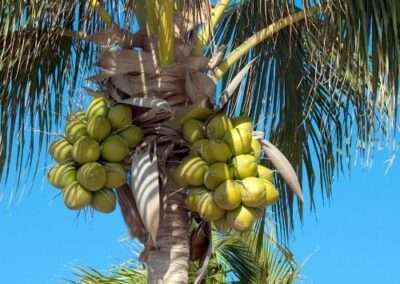
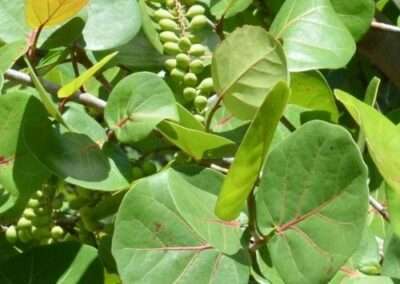
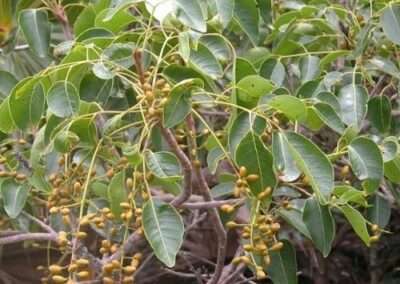
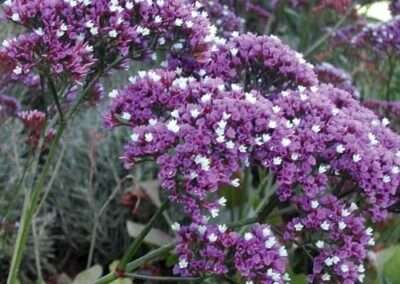
Biscayne National Park has a variety of plants that are adapted to its warm, coastal environment. Mangrove forests grow along the shores and provide shelter and food for many fish, birds, and other animals. In the shallow waters, seagrass meadows provide important habitat for sea turtles, fish, and other marine life. The park's islands also support coastal plants that can survive salty water, strong winds, and sandy soils. Together, these plants help protect the shoreline and support the park's rich coastal and marine ecosystems.
Animals
Mammals
Biscayne National Park is home to several mammal species that are adapted to its coastal forests, mangroves, islands, and surrounding waters. Marine mammals are especially important because most of the park is underwater.
West Indian Manatee (Trichechus manatus): Manatees are large, gentle mammals that eat plants. They can be found in the warm, shallow waters of Biscayne Bay and may be seen near mangroves and seagrass beds.
Bottlenose Dolphin (Tursiops truncatus): Bottlenose dolphins are commonly found in the waters around Biscayne National Park. They are intelligent marine mammals that feed on fish and other marine animals.
Florida Bonneted Bat (Eumops floridanus): The Florida bonneted bat is a rare and endangered bat found in southern Florida. It uses trees and buildings for roosting and feeds on insects at night.
Raccoon (Procyon lotor): Raccoons can live in coastal forests, mangroves, and other habitats around the park. They are adaptable animals that eat a wide variety of foods.
Marsh Rabbit (Sylvilagus palustris): Marsh rabbits are found in wet habitats in southern Florida. They are strong swimmers and feed mainly on grasses and other plants.
Florida Mouse (Podomys floridanus): Florida mice are small rodents found in parts of southern Florida. They prefer dry areas with sandy soils and vegetation that provides food and shelter.
Brazilian Free-tailed Bat (Tadarida brasiliensis): These bats are active at night and feed on flying insects. They may forage over coastal areas and other habitats in southern Florida.
Gray Squirrel (Sciurus carolinensis): Gray squirrels can be found on some of the park's islands and wooded areas. They feed on nuts, seeds, fruits, and other plant material.
Virginia Opossum (Didelphis virginiana): Opossums are adaptable mammals that can live in forests and coastal areas. They are mostly active at night and eat insects, fruits, small animals, and other foods.
Biscayne National Park's mammals depend on healthy forests, mangroves, seagrass beds, and surrounding waters. Protecting these habitats is important for maintaining the park's diverse mammal populations.
Reptiles
Biscayne National Park is home to a variety of reptiles that live in its islands, coastal forests, mangroves, and surrounding waters. The park also provides habitat for several species of sea turtles and the American crocodile.
American Crocodile (Crocodylus acutus): American crocodiles are one of the park's most notable reptiles. They live around mangrove-lined shorelines and shallow coastal waters. The species is federally protected, and southern Florida is an important part of its range.
Green Sea Turtle (Chelonia mydas): Green sea turtles live in the warm coastal waters around the park. They often feed on seagrasses and algae and use shallow waters around the Florida Keys.
Loggerhead Sea Turtle (Caretta caretta): Loggerhead sea turtles are found in the waters around Biscayne National Park. They have large heads and powerful jaws that help them eat hard-shelled animals such as crabs and mollusks.
Hawksbill Sea Turtle (Eretmochelys imbricata): Hawksbill turtles can be found in the park's coral reef and coastal waters. They have a narrow, pointed beak and often feed on sponges and other animals living on reefs.
Leatherback Sea Turtle (Dermochelys coriacea): Leatherback turtles may pass through the waters of the park. They are the largest living sea turtles and have a flexible, leathery shell instead of a hard shell.
Florida Softshell Turtle (Apalone ferox): Florida softshell turtles live mainly in freshwater and brackish habitats. They have a flat, leathery shell and a long nose that helps them breathe while partly buried in the bottom.
Gopher Tortoise (Gopherus polyphemus): Gopher tortoises live in dry, sandy habitats where suitable habitat remains. Their deep burrows provide shelter for many other animals. They are an important part of Florida's ecosystems.
Green Iguana (Iguana iguana): Green iguanas are an introduced species in Florida. They can be found in warm areas with trees and vegetation, where they often bask in the sun and feed on plants.
Brown Anole (Anolis sagrei): Brown anoles are introduced lizards that are now widespread in southern Florida. They are small, active lizards that can often be found on trees, rocks, and other surfaces.
Green Anole (Anolis carolinensis): Green anoles are native to the southeastern United States and can be found in trees, shrubs, and other vegetation. They feed mainly on insects and other small invertebrates.
Eastern Diamondback Rattlesnake (Crotalus adamanteus): This large venomous snake is native to the southeastern United States. It prefers dry habitats such as pine rocklands and coastal areas. Visitors should never approach or disturb a rattlesnake.
Biscayne National Park's reptiles are closely connected to its coastal and marine ecosystems. Protecting mangroves, seagrass beds, coral reefs, and nesting beaches helps protect these reptiles and the many other animals that depend on the park.
Birds
Biscayne National Park is a great place for birdwatching. Its mangrove forests, coastal waters, beaches, and tropical hardwood hammocks provide homes and feeding areas for many kinds of birds. Some birds live in the park year-round, while others visit during migration.
Brown Pelican (Pelecanus occidentalis): Brown Pelicans are common in Biscayne National Park. They have long bills and large throat pouches. You may see them flying low over the water before diving in to catch fish.
Great Blue Heron (Ardea herodias): This tall wading bird is often seen near shallow water. It walks slowly through the water and waits for fish and other prey before striking with its long bill.
Roseate Spoonbill (Platalea ajaja): The Roseate Spoonbill is easy to recognize because of its pink feathers and spoon-shaped bill. It feeds in shallow water by moving its bill from side to side to find food.
White Ibis (Eudocimus albus): The White Ibis has white feathers, dark wingtips, and a long, curved bill. It searches in shallow water and mud for small animals such as crustaceans.
Osprey (Pandion haliaetus): Ospreys are skilled fish hunters and are common in Biscayne National Park. They often soar over the water before diving feet-first to grab fish with their sharp talons.
Wood Stork (Mycteria americana): The Wood Stork is a large wading bird with white feathers and black flight feathers. It feeds in shallow water and wetlands, searching for fish and other small animals.
Bald Eagle (Haliaeetus leucocephalus): The Bald Eagle is one of the best-known birds in North America. It can be found in Biscayne National Park and may hunt fish and other prey near the water.
Peregrine Falcon (Falco peregrinus): The Peregrine Falcon is one of the fastest birds in the world. In Biscayne National Park, it may be seen during spring migration, including around Fowey Rocks Light.
Red-shouldered Hawk (Buteo lineatus): This hawk can be found in wooded areas of the park, including tropical hardwood hammocks. It is known for its loud, distinctive call.
Mangrove Cuckoo (Coccyzus minor): The Mangrove Cuckoo lives in mangrove forests and can be difficult to spot. Birdwatchers may hear its call before they see the bird.
Magnificent Frigatebird (Fregata magnificens): This large seabird has long, narrow wings and a distinctive shape. It is often seen soaring high above the coastal waters of Biscayne National Park.
Black Skimmer (Rynchops niger): The Black Skimmer has a unique bill with a longer lower half. It flies low over the water with its lower bill in the water, using it to catch small fish and other prey.
Fish
Biscayne National Park protects a wide range of marine habitats, including Biscayne Bay, coral reefs, seagrass beds, and mangrove areas. These habitats support many kinds of fish, from colorful reef fish to popular fish caught by recreational anglers.
Parrotfish (Family: Scaridae): Parrotfish are colorful reef fish that help keep coral reefs healthy. They eat algae that grows on rocks and coral. Their feeding helps prevent algae from taking over the reef.
Angelfish (Family: Pomacanthidae): Biscayne National Park is home to several species of angelfish. Queen angelfish and French angelfish are two examples. They are known for their bright colors and bold patterns.
Grouper (Family: Serranidae): Groupers are large fish that live around reefs and rocky areas. Species found in the area include black grouper and red grouper. They are predators that feed on smaller fish and other animals.
Snapper (Family: Lutjanidae): Snappers are an important group of reef and coastal fish. Mangrove snapper, mutton snapper, and yellowtail snapper can be found in the waters of the park and nearby areas.
Tarpon (Megalops atlanticus): Tarpon are large fish with shiny, silver scales. They can be found in Biscayne Bay and other coastal waters. Their size and strength make them a popular fish for recreational anglers.
Bonefish (Albula vulpes): Bonefish are fast fish that live in shallow coastal waters. They are often found around sandy flats and seagrass beds. Bonefish are popular with anglers because they are difficult to catch.
Barracuda (Family: Sphyraenidae): Barracudas have long, slender bodies and sharp teeth. They are predators that can be found around coral reefs, seagrass beds, and other coastal habitats.
Spotted Seatrout (Cynoscion nebulosus): Spotted seatrout are found in shallow coastal waters and seagrass areas. They have dark spots along their bodies and are popular with recreational anglers.
Sheepshead (Archosargus probatocephalus): Sheepshead have dark vertical stripes that make them easy to recognize. They live around rocky areas, reefs, docks, and other structures. They use their strong teeth to eat crabs, oysters, and other hard-shelled animals.
Jack Crevalle (Caranx hippos): Jack crevalle are strong and fast predators. They can be found in coastal waters, bays, and areas near reefs. Their powerful fighting ability makes them popular with recreational anglers.
Hogfish (Lachnolaimus maximus): Hogfish are reef fish with a long, pointed snout. They search the seafloor for crabs, shrimp, and other small animals. Hogfish are also popular with recreational anglers.
Yellow Jack (Carangoides bartholomaei): Yellow jacks are fast-swimming members of the jack family. They are often found around reefs and other structures and can be seen in the waters of Biscayne National Park.
Blue Tang (Acanthurus coeruleus): Blue tangs are colorful reef fish with bright blue bodies. They feed mainly on algae and can be found around coral reefs and rocky areas. They are also sometimes called doctorfish.
Sailfish (Istiophorus platypterus): Sailfish are large, fast-swimming fish that live mainly in offshore waters. They can sometimes be found in the waters around Biscayne National Park. They are easy to recognize by their tall, sail-like dorsal fin.
Amphibians
Biscayne National Park is best known for its marine habitats, but amphibians can also be found in the park and nearby areas. These animals depend on moist places and freshwater habitats for parts of their life cycles. Because much of the park is covered by water, amphibians are less common and less well documented here than many marine animals and reptiles.
Southern Leopard Frog (Lithobates sphenocephalus): Southern leopard frogs live in and around freshwater habitats such as ponds, marshes, and ditches. They are named for the dark spots on their bodies and can sometimes be found in wet areas of South Florida.
Greenhouse Frog (Eleutherodactylus planirostris): The greenhouse frog is a small introduced frog that is common in South Florida. It can live in gardens, yards, forests, and other areas where it can find moisture. Its call is often heard at night.
Squirrel Treefrog (Hyla squirella): Squirrel treefrogs are small frogs that can climb trees and shrubs. They live in a variety of habitats and are known for their loud calls, which are often heard after rain.
Cuban Treefrog (Osteopilus septentrionalis): The Cuban treefrog is an introduced species that is common in South Florida. It is a large treefrog with bumpy skin and can live in forests, wetlands, gardens, and developed areas. It can compete with native frogs for food and habitat.
Eastern Narrowmouth Toad (Gastrophryne carolinensis): This small native frog has a narrow, pointed head and a short, rounded body. It often hides under leaves, logs, and other objects. It feeds mostly on ants and termites.
Oak Toad (Anaxyrus quercicus): The oak toad is a very small native toad that lives in sandy areas and forests. It has a high-pitched call and is most active at night, especially after rain.
"A huge lagoon-like bay as much as eight miles wide, and most of the mainland portion is impenetrable mangrove"
- Joe Yogerst
"In most parks land dominates the picture. But Biscayne is not like most parks. Here water and sky overwhelm the scene in every direction, leaving the bits of low-lying land looking remote and insignificant."
- National Parks Services
Explore More With Us
Stay updated on National Parks EDU resources, park news, community updates, and and ways to explore, and protect.

National Parks Edu's mission is to help kids and families understand what makes these places so important. Because when you learn about nature, you start to care about protecting it.
National Parks EDU is an independent educational website and is not affiliated with, endorsed by, sponsored by, or officially connected to the National Park Service (NPS) or the U.S. government. © National Parks EDU. All Rights Reserved. October 18, 2026