Channel Islands
National Park
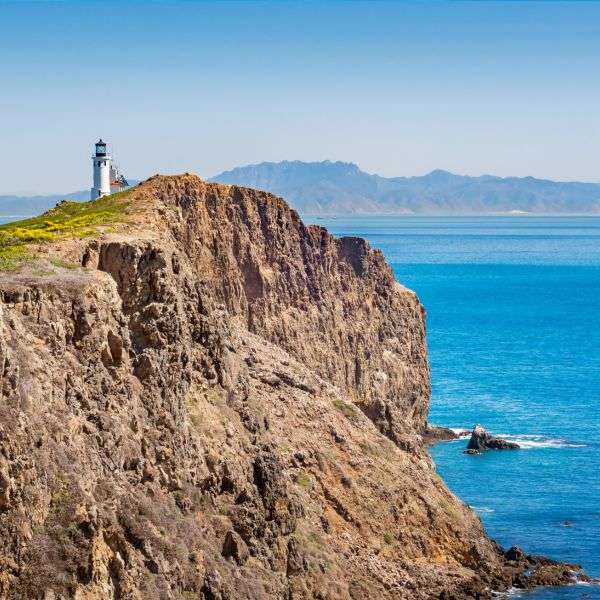
California
comprised of five stunning islands known for their diverse ecosystems, unique flora and fauna, and rich marine life
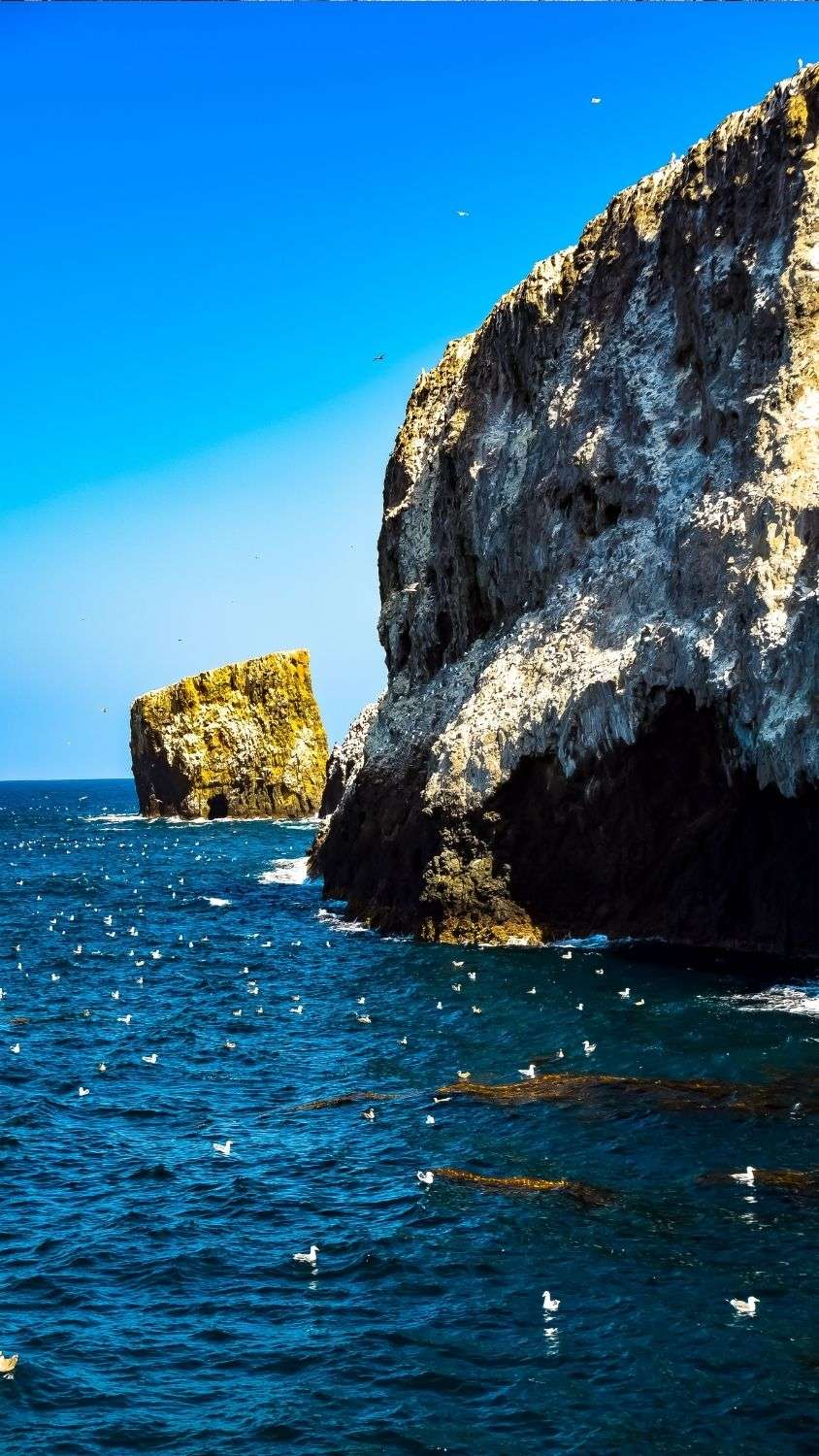
Fast Facts
Location
off the coast of southern California
Established in
1980
Established by
President Jimmy Carter
Size
390 sq. miles
Known For
- Renowned for its stunning coastal landscapes, rugged cliffs, and pristine beaches
- home to a remarkable diversity of plant and animal species, including several endemic species found nowhere else on Earth
- A rich archaeological history, with evidence of human habitation dating back thousands of years
History
Natural History and Formation
The geological history of Channel Islands National Park spans millions of years and reflects a complex combination of tectonic activity, volcanism, sedimentation, uplift, erosion, and changing sea levels. The five islands protected within the park—Anacapa, Santa Cruz, Santa Barbara, San Miguel, and Santa Rosa—are part of the larger Northern Channel Islands and contain a diverse collection of volcanic, sedimentary, and metamorphic rocks.
Formation of the Basement Rocks: Some of the oldest rocks in the Channel Islands formed tens of millions of years ago through igneous and metamorphic processes. These rocks provide the foundation for later geological formations and record the complex tectonic history of the region.
Volcanism and Sedimentation: During the Cenozoic Era, volcanic activity produced extensive layers of volcanic rocks, while marine environments deposited sediments such as sandstone, shale, and conglomerate. These deposits were later uplifted and deformed by tectonic forces.
Tectonic Uplift and Deformation: The Channel Islands are strongly influenced by the movement of the Pacific and North American tectonic plates. During the Miocene and later periods, compression and faulting contributed to the uplift and tilting of the islands, producing their rugged mountains, cliffs, and valleys.
Marine Transgressions and Regressions: Changes in sea level repeatedly altered the relationship between the islands and the surrounding mainland. During periods of lower sea level, several of the northern islands were connected to one another and to the mainland, forming a larger landmass known as Santarosae. Rising sea levels later isolated the islands.
Glacial Cycles: During the Pleistocene Epoch, repeated glacial cycles caused major fluctuations in sea level. Although the Channel Islands were not covered by continental glaciers, these changes strongly influenced their geography, shoreline position, and connectivity. Isolation and changing habitats also contributed to the evolution of distinctive island species.
Erosion and Coastal Processes: Wind, rain, waves, and weathering have continuously reshaped the islands. Coastal erosion has produced sea caves, cliffs, arches, beaches, and other features, while inland erosion has carved valleys and exposed layers of volcanic and sedimentary rock.
Holocene Development: During the Holocene Epoch, rising sea levels reached approximately modern levels and separated the northern islands from the mainland. The isolated landscapes allowed unique plant and animal communities to develop, including several endemic species.
Today, Channel Islands National Park provides a remarkable record of geological change. Its volcanic rocks, sedimentary layers, uplifted landscapes, faults, and dramatically eroded coastlines reveal the continuing interaction of tectonic forces, changing sea levels, and erosion that has shaped the islands over millions of years.
Native History
The Native American history of Channel Islands National Park is deeply connected to the Chumash people, who have maintained cultural ties to the Northern Channel Islands and surrounding mainland for thousands of years. Archaeological evidence reveals a long history of settlement, maritime travel, resource use, trade, and cultural traditions on the islands.
Early Occupation: Archaeological evidence indicates that people have inhabited the Channel Islands for at least 13,000 years, making the islands some of the longest-inhabited areas of North America. The Northern Channel Islands were home to Chumash communities, while the southern islands were associated with other Indigenous peoples, including the Tongva.
Chumash Maritime Culture: The Chumash developed a sophisticated maritime culture centered on the ocean and coastal environment. They fished, hunted marine mammals and birds, gathered shellfish, and collected plants and other resources. Their plank canoe, known as a tomol, allowed skilled mariners to travel between the islands and mainland.
Island Adaptations: Indigenous communities adapted to the distinctive environments of each island. They used native plants for food, medicine, tools, and other purposes while relying on marine and terrestrial animals for sustenance. Their detailed knowledge of seasonal cycles and local resources supported communities in the challenging island environment.
Trade and Interaction: The Channel Islands were part of extensive regional trade networks. Chumash communities exchanged goods such as shell beads, stone tools, food, and other materials with neighboring island and mainland communities. The tomol played an important role in facilitating long-distance maritime travel and trade.
Village Sites and Archaeological Resources: Thousands of archaeological sites occur throughout the Channel Islands, including village locations, shell middens, burial sites, hearths, stone tools, and other cultural materials. These resources provide valuable evidence of Indigenous lifeways and long-term relationships with the islands.
Spiritual and Cultural Connections: The islands, ocean, plants, animals, and geological features held important cultural and spiritual meanings. Chumash traditions emphasize strong relationships between people and the natural world, and these connections continue to be important to Chumash communities today.
European Contact: Spanish explorers reached the Channel Islands in the 16th century, followed by increasing European settlement and the establishment of Spanish missions on the mainland. Disease, forced relocation, and changes in traditional economies had devastating effects on Chumash communities. By the early 19th century, many island Chumash people had been removed from the islands and relocated to mainland missions.
Contemporary Connections: Today, Chumash and other Indigenous communities continue to maintain cultural, historical, and spiritual connections to the Channel Islands. Archaeological research, resource protection, and collaboration with Indigenous communities help preserve and interpret this long history while recognizing that Indigenous peoples remain an important part of the region's present as well as its past.
Preservation
The preservation history of Channel Islands National Park reflects a long-standing commitment to protecting the islands' unique ecosystems, wildlife, geological features, and cultural resources.
Early Conservation Efforts: Interest in protecting the Channel Islands increased during the early 20th century as scientists, conservationists, and government officials recognized their exceptional natural and cultural resources. In 1938, Anacapa Island was designated as a national monument, providing federal protection for part of the archipelago.
Creation of Channel Islands National Park: In 1980, Congress established Channel Islands National Park, incorporating Anacapa, Santa Barbara, Santa Cruz, San Miguel, and Santa Rosa islands. The designation provided comprehensive protection for both terrestrial and surrounding marine resources.
Wilderness Protection: Large portions of the park were designated as wilderness, limiting development and helping preserve the islands' remote character. Wilderness protection is particularly important for maintaining undisturbed habitats and allowing natural ecological processes to continue.
Endangered Species Conservation: The park has played an important role in recovering threatened and endangered species. One of the most successful examples is the island fox, whose populations declined dramatically because of disease and ecological changes. Captive breeding, vaccination, predator management, and habitat restoration helped several island fox populations recover.
Habitat Restoration: Introduced plants and animals have historically altered island ecosystems. Conservation programs have removed or controlled invasive species and restored native habitats. The removal of non-native animals from several islands has allowed native vegetation and wildlife populations to recover.
Marine Resource Protection: The park protects extensive ocean waters surrounding the islands, providing habitat for kelp forests, fish, seabirds, marine mammals, and other marine organisms. Research and monitoring help managers understand changes in ocean conditions and protect marine ecosystems.
Archaeological and Cultural Preservation: The islands contain thousands of archaeological sites documenting thousands of years of Indigenous occupation, particularly by Chumash communities. The National Park Service works to protect archaeological materials, village sites, burial areas, and other cultural resources from erosion, disturbance, and unauthorized collection.
Scientific Research and Monitoring: Long-term research programs monitor wildlife populations, vegetation, marine ecosystems, invasive species, climate conditions, and other ecological changes. The information collected helps guide conservation decisions and measure the effectiveness of restoration programs.
Ongoing Conservation: Today, Channel Islands National Park continues to balance public access with the protection of fragile island ecosystems. Through habitat restoration, endangered-species recovery, marine conservation, archaeological protection, scientific research, and collaboration with Indigenous communities and other partners, the park works to preserve the natural and cultural heritage of the Channel Islands for future generations.
Future Preservation
Preserving Channel Islands National Park for the future presents several challenges that require ongoing conservation efforts and careful management.
**Invasive Species:** Non-native plants and animals can compete with native species, disrupt food webs, and alter island habitats. Controlling invasive species and restoring native ecosystems are important conservation priorities.
**Climate Change:** Rising temperatures, changing ocean conditions, shifting precipitation patterns, and sea-level rise can affect the islands' ecosystems. Climate change may alter habitats, wildlife populations, and the availability of freshwater.
**Human Disturbance:** Recreational activities such as hiking, boating, camping, and wildlife viewing can disturb sensitive habitats and animals. Managing visitor access while allowing people to experience the islands is an ongoing challenge.
**Wildlife Conservation:** Several species, including the Channel Island fox and island scrub-jay, depend on healthy island ecosystems. Continued monitoring, habitat restoration, and species-recovery programs are necessary to maintain their populations.
**Cultural Resource Preservation:** Archaeological sites and other cultural resources associated with the Chumash people are vulnerable to erosion, natural deterioration, and human disturbance. Protecting these resources while respecting their cultural significance is essential.
**Wildfire Management:** Wildfires can significantly affect island vegetation and wildlife. Effective fire management and monitoring are necessary to reduce risks while recognizing the natural role fire can play in some ecosystems.
**Limited Freshwater Resources:** Freshwater is scarce on many of the islands. Protecting springs, streams, and other limited water sources is important for both wildlife and vegetation.
**Marine Conservation:** The waters surrounding the islands support kelp forests, seabirds, marine mammals, fish, and other marine life. Protecting these ecosystems requires addressing issues such as pollution, overfishing, climate change, and changing ocean conditions.
**Erosion and Coastal Change:** Coastal cliffs and archaeological sites can be affected by erosion, storms, and rising sea levels. Monitoring vulnerable areas helps park managers protect important natural and cultural resources.
**Funding and Collaboration:** Long-term conservation requires adequate funding, scientific research, and cooperation among the National Park Service, Indigenous communities, scientists, conservation organizations, and other partners.
Addressing these challenges requires a combination of scientific research, habitat restoration, responsible recreation, cultural stewardship, and adaptive management. These efforts help ensure that the natural beauty, biodiversity, and cultural heritage of Channel Islands National Park are protected for future generations.
Geography
Channel Islands National Park, located off the coast of Southern California, is an enchanting archipelago comprising five rugged islands and the surrounding marine environment. Shaped by geological forces and long-term isolation, each island has a distinct landscape, ranging from towering sea cliffs and windswept grasslands to secluded beaches, rocky shorelines, and coastal habitats. The surrounding waters support kelp forests and an abundance of marine life, while the islands provide habitat for many unique plants and animals. With its remarkable biodiversity both on land and underwater, Channel Islands National Park offers visitors a unique opportunity to explore and appreciate the natural beauty and ecological importance of this remote and protected sanctuary.
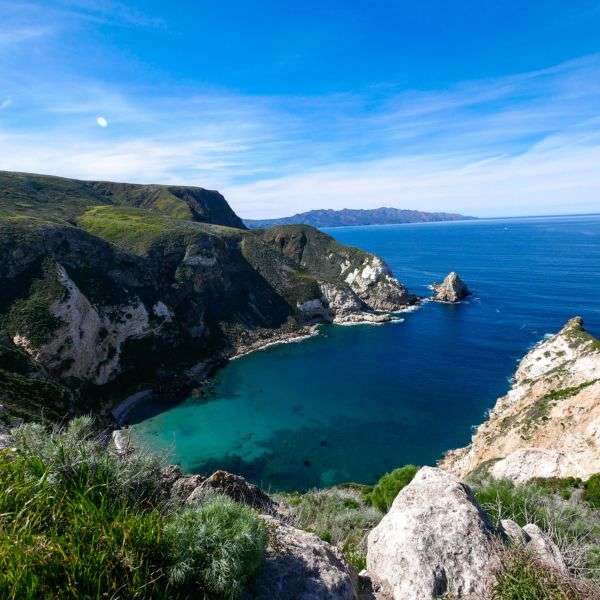
Santa Cruz Island
As the largest island in the park, Santa Cruz Island is characterized by a central mountain range, including the highest peak, Diablo Peak, which stands at approximately 2,450 feet. The island features deep canyons, sea cliffs, and expansive coastal bluffs. It has a variety of plant communities, including chaparral, grasslands, oak woodlands, and coastal sage scrub.
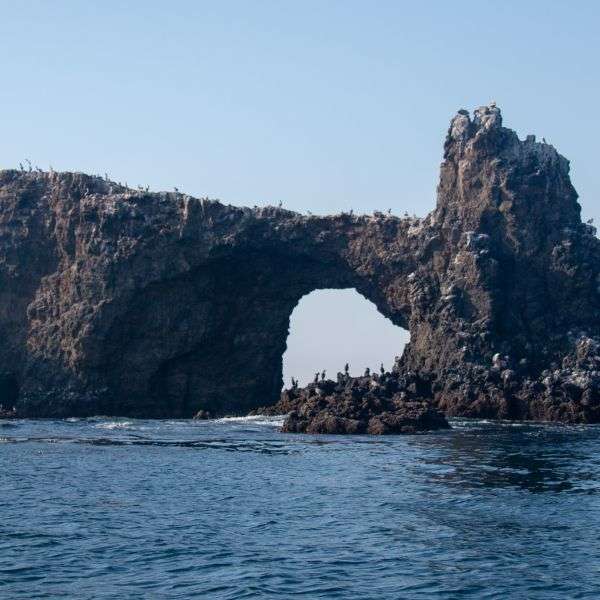
Anacapa Island
Anacapa is a chain of three islets: East, Middle, and West Anacapa. The islands are characterized by steep sea cliffs and rugged terrain. The eastern and middle portions of Anacapa are dominated by volcanic rock formations, including rugged sea stacks and natural arches. The western portion is a plateau covered in grasses and wildflowers.
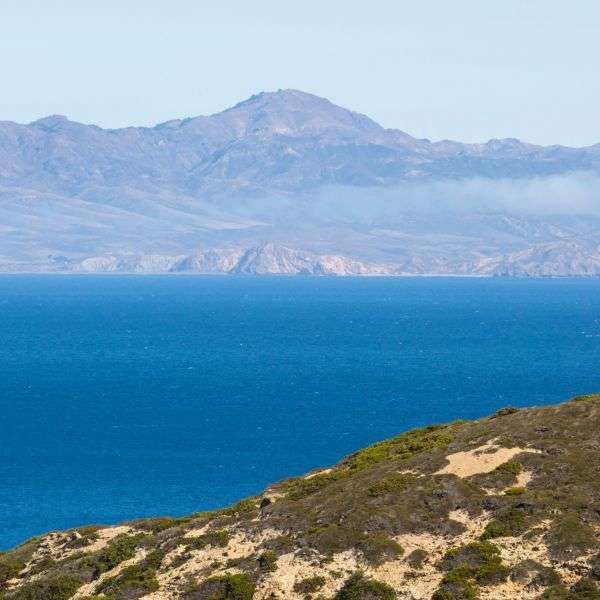
Santa Rosa Island
Santa Rosa Island features a diverse landscape, including high mountain ranges, rolling hills, and coastal plains. The island's highest peak is Soledad Peak at approximately 1,574 feet. The coastline of Santa Rosa Island includes sea cliffs, sandy beaches, and rocky shores. Unique plant communities thrive on the island, adapted to the different microclimates.
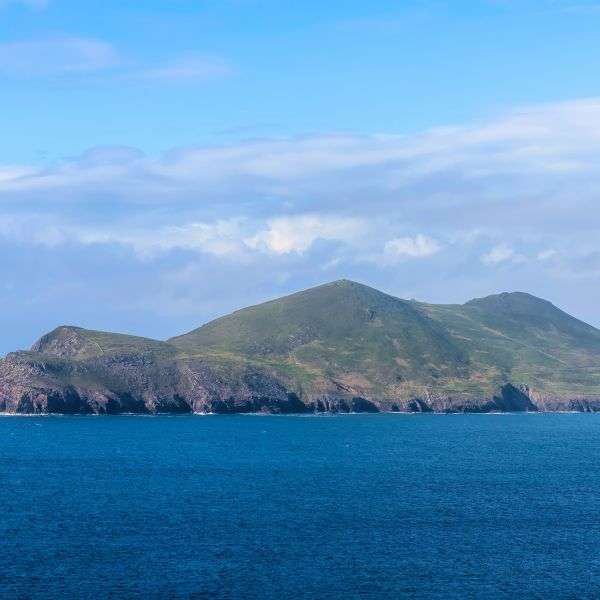
Santa Barbara Island
The smallest of the five islands, Santa Barbara Island is characterized by steep cliffs, rocky shores, and a central plateau. Its highest point, Signal Peak, reaches about 634 feet. The island is known for its seabird colonies and diverse marine life in the surrounding waters.
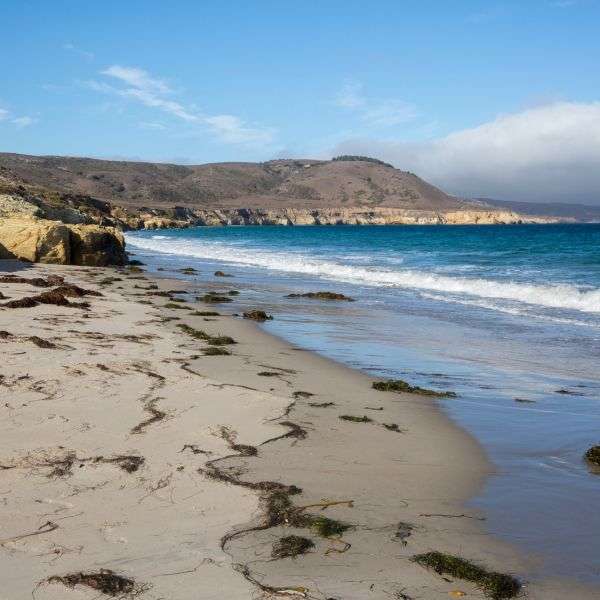
San Miguel Island
San Miguel Island is the westernmost and one of the windiest of the Channel Islands. It features steep sea cliffs, deep canyons, and sandy beaches. The island is home to distinctive plant communities, including the endemic island oak and chaparral. Cuyler Harbor is the primary landing area for visitors.
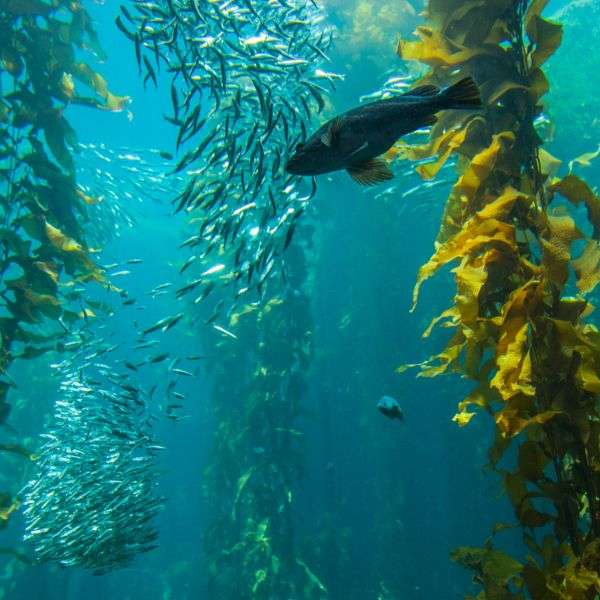
Marine Environment
The marine environment around the islands is part of the California Coastal National Monument. It includes kelp forests, sea caves, and a diverse array of marine life, submarine canyons, and rocky reefs, all contributing to the richness of the marine ecosystem.
Plants
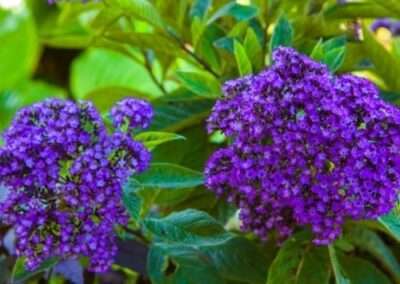
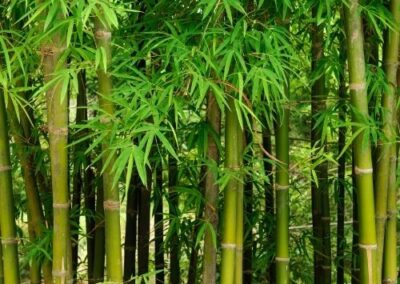
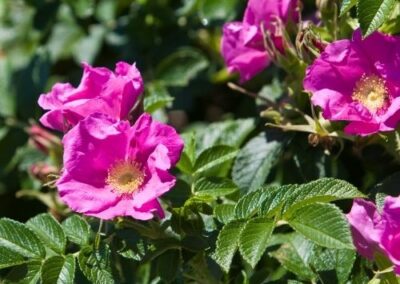
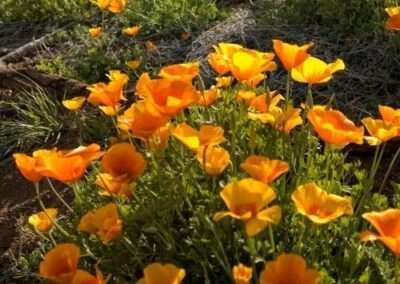
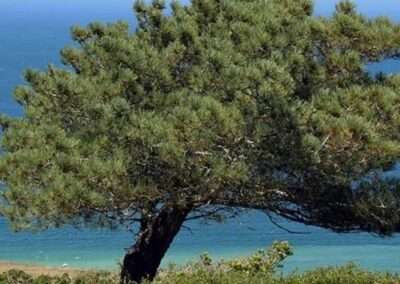
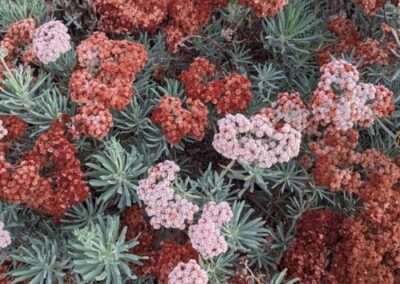
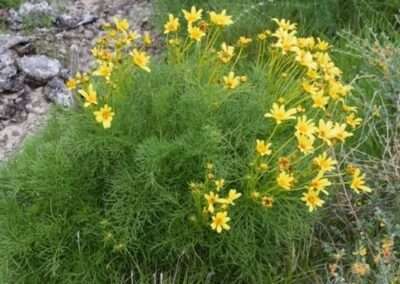
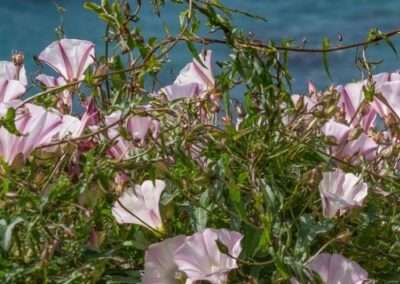
Channel Islands National Park is home to a diverse array of plant life shaped by the islands' mild coastal climate, varied habitats, and long-term isolation from the mainland. The park supports coastal sage scrub, island chaparral, grasslands, wildflowers, and numerous endemic plant species found nowhere else in the world. Santa Rosa Island is also home to the rare Torrey pine, one of the park's most distinctive trees. Along the windswept cliffs, coastal bluffs, valleys, and beaches, colorful wildflowers and hardy native plants thrive, providing food and shelter for the islands' unique wildlife.
Animals
Mammals
Channel Islands National Park is home to a remarkable variety of mammals, both on land and in the surrounding Pacific Ocean. The islands' long isolation has contributed to the evolution of several unique endemic species, while the nutrient-rich marine environment supports abundant populations of seals, sea lions, dolphins, and whales.
Terrestrial Mammals
Channel Island Fox (Urocyon littoralis): The Channel Island fox is one of the park's most iconic mammals. Six island-specific subspecies occur across the archipelago, each adapted to the conditions of its particular island. Once severely threatened by population declines, the fox has benefited from extensive conservation and recovery efforts.
Island Spotted Skunk (Spilogale gracilis amphiala): This island subspecies of spotted skunk is primarily nocturnal and is recognized by its distinctive black-and-white markings. It inhabits several of the Channel Islands and feeds on insects, small animals, and other available foods.
Island Deer Mouse (Peromyscus maniculatus): Island deer mice are found on several islands and have adapted to the unique conditions of their isolated environments. They are important members of island food webs and contribute to seed dispersal.
Santa Cruz Island Shrew (Sorex ornatus sinuosus): This small shrew is endemic to Santa Cruz Island. It inhabits areas such as grasslands, coastal scrub, and other vegetated environments, where it feeds primarily on insects and other small invertebrates.
Marine Mammals
California Sea Lion (Zalophus californianus): California sea lions are abundant around the Channel Islands and can frequently be seen resting on rocky beaches and swimming in coastal waters. The islands provide important resting and breeding habitat.
Northern Elephant Seal (Mirounga angustirostris): Northern elephant seals use several of the islands, particularly San Miguel Island, as important breeding and resting areas. These enormous marine mammals can be observed along beaches and coastal areas during portions of the year.
Harbor Seal (Phoca vitulina): Harbor seals inhabit sheltered coastal areas, rocky shores, and beaches throughout the region. They use these locations for resting, giving birth, and raising their young.
Gray Whale (Eschrichtius robustus): Gray whales migrate through the waters around the Channel Islands during their annual journeys between breeding grounds in Baja California and feeding areas farther north. They may be observed seasonally from the islands or by boat.
Common Dolphins: Short-beaked common dolphins and long-beaked common dolphins are frequently encountered in the productive waters surrounding the islands. They often travel in large groups and feed on fish and squid.
Humpback Whale (Megaptera novaeangliae): Humpback whales are seasonal visitors to the waters around the Channel Islands. They can sometimes be observed feeding near the islands, particularly when prey is abundant.
Blue Whale (Balaenoptera musculus): The nutrient-rich waters surrounding the Channel Islands can attract blue whales, the largest animals on Earth. These enormous whales are seasonal visitors and are most likely to be encountered when feeding conditions are favorable.
Reptiles
Channel Islands National Park is home to a variety of reptiles, including terrestrial species that have adapted to the islands' unique environments. The isolation of the islands has contributed to the development of distinctive populations and subspecies of reptiles.
Island Fence Lizard (Sceloporus occidentalis becki): The island fence lizard is a subspecies of the western fence lizard found on several of the Channel Islands. It is commonly seen basking on rocks, logs, and other exposed surfaces. Its coloration helps it blend into the island's rocky and vegetated habitats.
Channel Islands Skink (Plestiodon skiltonianus): Channel Islands skinks are small, smooth-scaled lizards adapted to the island environment. They can be found in areas with vegetation, rocks, and leaf litter, where they forage for insects and other small invertebrates.
Channel Islands Side-blotched Lizard (Uta stansburiana): Side-blotched lizards occur on several of the Channel Islands and exhibit variations in coloration and behavior. They are small, active lizards that are commonly found in open areas and rocky habitats.
Southern Alligator Lizard (Elgaria multicarinata): Southern alligator lizards inhabit several of the islands and can be found in chaparral, grasslands, woodlands, and areas with dense vegetation. They have elongated bodies and strong jaws and feed on insects, spiders, and other small animals.
Western Yellow-bellied Racer (Coluber constrictor mormon): This fast-moving, nonvenomous snake occurs on some of the Channel Islands. It is an active daytime predator that feeds on small reptiles, mammals, insects, and other prey.
Gopher Snake (Pituophis catenifer): Gopher snakes are nonvenomous constrictors that may occur in suitable island habitats. They help control populations of rodents and other small animals and are well adapted to grasslands, scrub, and rocky terrain.
Sea Turtles: Sea turtles, including Pacific green sea turtles and loggerhead sea turtles, may occasionally be observed in the waters surrounding the Channel Islands. These reptiles are generally transient visitors rather than permanent residents of the park.
Birds
Channel Islands National Park is home to a diverse array of bird species, including resident landbirds, migratory species, and seabirds. The islands' isolated habitats, coastal cliffs, grasslands, shrublands, and surrounding Pacific waters provide important nesting, feeding, and resting areas for many birds.
Terrestrial Birds
Island Scrub-Jay (Aphelocoma insularis): Endemic to Santa Cruz Island, the Island Scrub-Jay is one of the park's most distinctive birds. Its blue plumage and large size make it easy to recognize. It plays an important ecological role by dispersing and storing seeds, particularly those of island oak trees.
Peregrine Falcon (Falco peregrinus): Peregrine falcons nest on the steep cliffs of several islands. These powerful raptors are famous for their remarkable speed and aerial agility as they pursue birds and other prey.
Allen's Hummingbird (Selasphorus sasin): Allen's hummingbirds are small, colorful birds that occur in coastal habitats and areas with flowering plants. Males are especially striking, with bright orange-red throats and energetic territorial behavior.
Island Loggerhead Shrike (Lanius ludovicianus anthonyi): This distinctive songbird occurs in suitable island habitats and is known for its hooked bill and predatory behavior. It hunts insects, small birds, and other small animals from exposed perches.
California Quail (Callipepla californica): California quail can be found in grasslands, shrublands, and other vegetated habitats on some of the islands. They forage primarily on seeds, plants, and small invertebrates.
Seabirds
Western Gull (Larus occidentalis): Western gulls are common residents of the Channel Islands and frequently nest on rocky cliffs and offshore rocks. They are opportunistic feeders and may forage around beaches, tide pools, and marine mammal colonies.
Brandt's Cormorant (Urile penicillatus): Brandt's cormorants are abundant seabirds that nest on cliffs and rocky coastal areas. They are excellent divers and feed primarily on fish and other marine organisms.
Common Murre (Uria aalge): Common murres are black-and-white seabirds that spend much of their time at sea. They are powerful underwater divers and forage for fish and other marine prey.
Pelagic Cormorant (Urile pelagicus): Pelagic cormorants nest on steep coastal cliffs and rocky outcrops. They are smaller and more slender than some other cormorants and are highly skilled underwater hunters.
California Brown Pelican (Pelecanus occidentalis californicus): California brown pelicans are frequently seen around the islands, where they rest on rocky shores and forage in surrounding waters. They are especially recognizable by their long bills and dramatic plunge-diving feeding technique.
California Gull (Larus californicus): California gulls occur around the islands and coastal waters, where they forage for fish, invertebrates, and other available foods. They may be particularly noticeable near beaches and marine colonies.
Fish
Channel Islands National Park is surrounded by highly productive marine ecosystems, including kelp forests, rocky reefs, sandy seafloors, and open ocean waters. These habitats support a remarkable diversity of fish and other marine species, making the waters around the islands an important part of the park's ecosystem.
California Sheephead (Semicossyphus pulcher): California sheephead are distinctive reef fish commonly found around rocky reefs and kelp forests. They are protogynous hermaphrodites, meaning individuals begin life as females and some later change into males. They use their powerful teeth and jaws to feed on sea urchins, mollusks, and other invertebrates.
Garibaldi (Hypsypops rubicundus): The Garibaldi is California's state marine fish and is easily recognized by its brilliant orange coloration. These territorial fish live among rocky reefs and kelp forests and actively defend nesting areas.
Kelp Bass (Paralabrax clathratus): Kelp bass are commonly found in kelp forests, rocky reefs, and other coastal habitats. Also known as calico bass, they are important predators within nearshore ecosystems and are popular with recreational anglers.
Senorita (Oxyjulis californica): Senoritas are small, slender wrasses that are abundant around rocky reefs and kelp forests. They are active foragers and feed on small invertebrates and parasites found on other marine animals.
Rockfish Species (Sebastes spp.): The waters around the Channel Islands support numerous species of rockfish, including vermilion rockfish, bocaccio, and several other species. Rockfish occupy a variety of habitats, from shallow rocky reefs to deeper offshore waters.
California Halibut (Paralichthys californicus): California halibut are large flatfish that live primarily on sandy and muddy seafloors. Their flattened bodies and camouflage allow them to blend into the bottom while ambushing fish and other prey.
Bat Ray (Myliobatis californica): Bat rays are cartilaginous fish related to sharks and skates. They are commonly found in shallow coastal waters and use their broad, wing-like pectoral fins to glide over sandy and muddy seafloors while searching for prey.
Giant Sea Bass (Stereolepis gigas): The giant sea bass is one of the largest fish found in California's coastal waters. These impressive fish are associated with rocky reefs and kelp forests and are an important species for marine conservation.
Blacksmith (Chromis punctipinnis): Blacksmith are small damselfish that form large schools around rocky reefs and kelp forests. Their dark coloration and yellowish fins make them distinctive among the smaller reef fish of the Channel Islands.
Yellowtail (Seriola lalandi): Yellowtail, also known as yellowtail amberjack, are powerful, fast-swimming fish that inhabit coastal and open waters around the islands. They are important predators and are highly valued by recreational anglers.
Amphibians
There are no native amphibian species on the Channel Islands. Because the islands are isolated from the mainland by the Pacific Ocean, amphibians have not naturally established populations there. The lack of permanent freshwater habitats on many of the islands also makes conditions unsuitable for most amphibians, which typically require access to water or moist environments for reproduction.
As a result, amphibians are not a natural component of the terrestrial ecosystems within Channel Islands National Park. The islands' wildlife is instead characterized by a variety of unique reptiles, birds, mammals, and marine species that have adapted to the isolated coastal environment.
"They’ve been called the Galapagos of North America, but frankly, that’s selling them short."
- Ken McAlpine
"Isolation over thousands of years has created unique animals, plants, and archeological resources found nowhere else on Earth and helped preserve a place where visitors can experience coastal southern California as it once was."
- National Park Services
Explore More With Us
Stay updated on National Parks EDU resources, park news, community updates, and and ways to explore, and protect.

National Parks Edu's mission is to help kids and families understand what makes these places so important. Because when you learn about nature, you start to care about protecting it.
National Parks EDU is an independent educational website and is not affiliated with, endorsed by, sponsored by, or officially connected to the National Park Service (NPS) or the U.S. government. © National Parks EDU. All Rights Reserved. October 17, 2026