Theodore Roosevelt
National Park
North Dakota
situated in the rugged Badlands with stunning landscapes, diverse wildlife, and a rich history
Fast Facts
Location
western North Dakota
Established in
1978
Established by
President Jimmy Carter
Size
110 sq. miles
Known For
- Named after President Theodore Roosevelt, a prominent conservationist who played a pivotal role in the establishment of national parks and forests
- Renowned for its stunning Badlands landscape
- Famous for its diverse wildlife, including a sizable population of American bison, ferral horses, prairie dogs, elk, deer, and various bird species
History
Natural History and Formation
The geological history of Theodore Roosevelt National Park spans millions of years and reflects the powerful forces of sediment deposition, uplift, erosion, and climate change that created the park's distinctive Badlands landscape.
Ancient Sedimentary Deposits: Over millions of years, layers of sediment accumulated across the region, including mud, sand, volcanic ash, and organic material. These deposits eventually hardened into sedimentary rocks such as sandstone, shale, and lignite.
Uplift and Exposure: Tectonic forces associated with the development of the Rocky Mountains contributed to the uplift of the region. As the land rose, erosion gradually exposed the sedimentary layers that had formed beneath the surface.
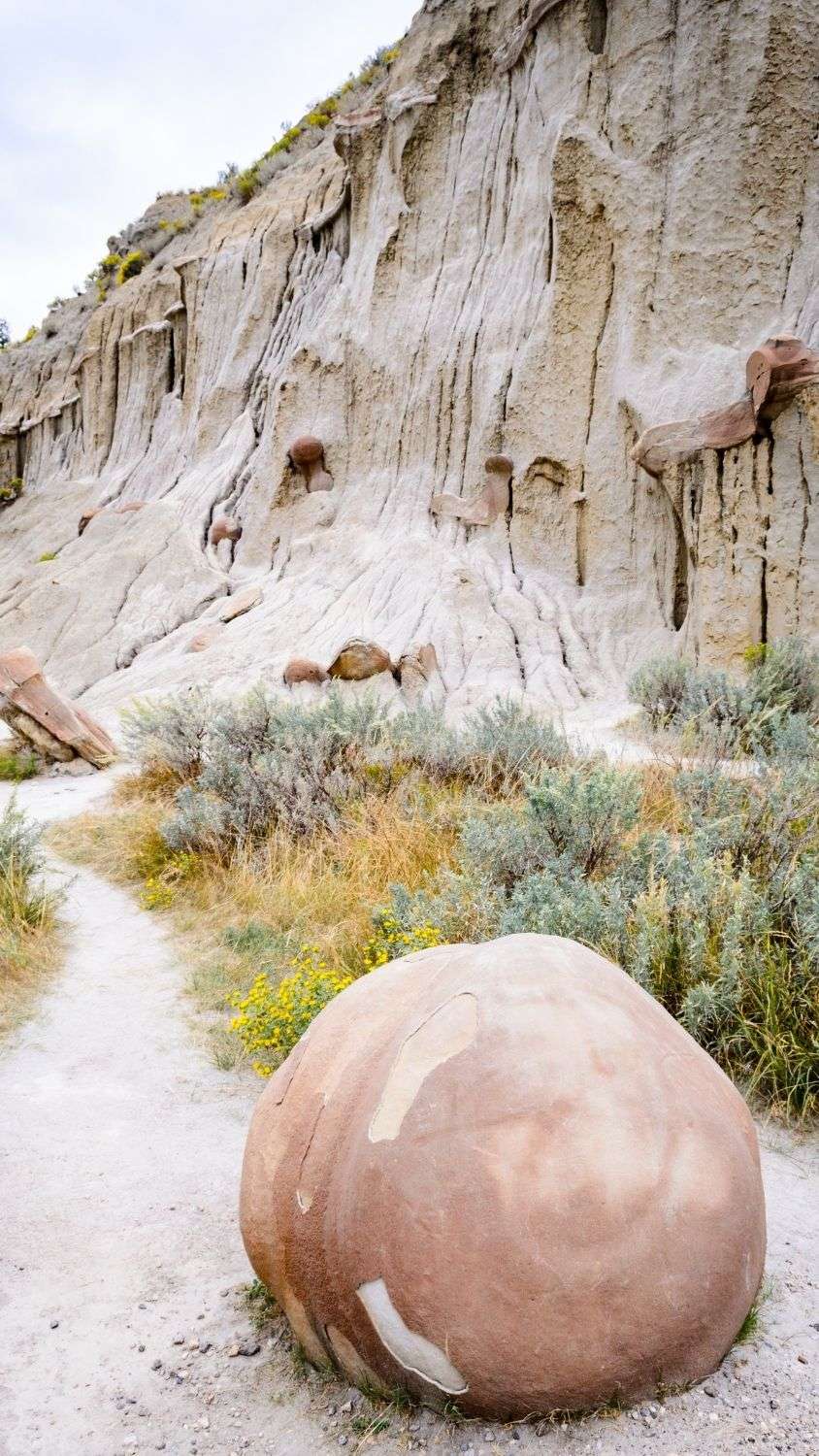
Formation of the Badlands: The distinctive Badlands began developing as rivers, streams, rain, and other erosional processes cut into the relatively soft sedimentary rocks. Differences in the hardness of individual layers produced buttes, ridges, valleys, and steep-sided formations.
Lignite Coal: Layers of lignite are an important part of the park's geology. These deposits formed from ancient vegetation that accumulated in wetlands and swamps, was buried by sediment, and was gradually transformed into low-grade coal.
Little Missouri River: The Little Missouri River has played a major role in shaping the modern landscape. Its flowing water and tributaries continue to erode the sedimentary formations, transporting sediment downstream and deepening valleys.
Caprock and Resistant Layers: Some harder sandstone and other resistant rock layers protect the softer sediments beneath them. This process contributes to the formation of distinctive flat-topped buttes, mesas, and ridges throughout the park.
Ice Age Climate Changes: Although continental glaciers did not cover the park itself, the region experienced major climatic changes during the Pleistocene. These changes influenced erosion, vegetation, wildlife, and the development of the modern Badlands environment.
Ongoing Erosion: Geological processes continue today. Rainfall, snowmelt, wind, and the Little Missouri River steadily wear away the exposed formations, meaning the Badlands landscape is constantly changing.
Native History
The Native American history of Theodore Roosevelt National Park is deeply connected to the Badlands and the Little Missouri River Valley, which have supported Indigenous peoples for thousands of years. Several Native nations have longstanding cultural and historical ties to the region.
Mandan and Arikara Peoples: The Mandan and Arikara developed agricultural communities along the Missouri River and maintained extensive trade networks across the northern Great Plains. Their villages, including earthlodge communities, provide important evidence of Indigenous lifeways in the region.
Hidatsa: The Hidatsa are another Native nation with historical connections to the northern Great Plains. Like the Mandan and Arikara, they combined agriculture with hunting and gathering and participated in regional trade networks.
Lakota and Other Plains Peoples: Lakota communities and other Plains Indigenous peoples used the Badlands and surrounding grasslands for hunting, travel, and gathering. Bison were particularly important as a source of food, clothing, tools, and other materials.
Little Missouri River Valley: The Little Missouri River provided water, wildlife habitat, and a natural travel corridor. Its valleys and surrounding grasslands supported seasonal activities and connected different areas of the northern Great Plains.
Cultural and Spiritual Significance: The Badlands landscape holds cultural significance for Indigenous peoples. The area's distinctive buttes, rivers, grasslands, and wildlife are connected to traditional knowledge, stories, and relationships with the land.
White Cloud's Village: Archaeological evidence from the region documents historic Arikara occupation, including village sites associated with the early nineteenth century. Such sites provide valuable information about Indigenous settlement, agriculture, trade, and daily life.
European-American Expansion: During the nineteenth century, increasing settlement, military activity, disease, and changes in land use disrupted Indigenous communities and their traditional relationships with the region. The expansion of the United States also brought major changes to hunting patterns and access to natural resources.
Cultural Preservation: Today, recognition and interpretation of Indigenous history are important components of understanding Theodore Roosevelt National Park and the broader Badlands region. Archaeological resources and cultural landscapes are protected, while Indigenous perspectives help provide a more complete history of the land.
Preservation
The preservation history of Theodore Roosevelt National Park reflects a long-standing effort to protect the natural landscapes, wildlife, and cultural resources of North Dakota's Badlands while preserving the connection of the area to Theodore Roosevelt's conservation legacy.
Theodore Roosevelt's Connection: Theodore Roosevelt first visited the North Dakota Badlands in 1883 and developed a lasting appreciation for the area's rugged landscapes and wildlife. His experiences in the Badlands influenced his views on conservation and contributed to his later efforts to protect America's natural resources as president.
Elkhorn Ranch Preservation: The Elkhorn Ranch Unit protects the landscape associated with Roosevelt's Elkhorn Ranch. Although the original ranch buildings no longer survive, the National Park Service preserves the setting and interprets its importance to Roosevelt's life and conservation philosophy.
Establishment of Theodore Roosevelt National Memorial Park: Theodore Roosevelt National Memorial Park was established in 1947 to commemorate Roosevelt and preserve the scenic and historic character of the Badlands. The protected area subsequently developed into the national park that exists today.
Expansion of the Park: The park grew through the establishment of additional units, including the North Unit and South Unit. The three units—the South Unit, North Unit, and Elkhorn Ranch Unit—protect different portions of the Badlands landscape and Roosevelt's historic associations with the region.
Natural Resource Conservation: The National Park Service works to protect the park's geological formations, grasslands, rivers, wildlife, and native plant communities. Management activities include monitoring wildlife, controlling invasive species, protecting watersheds, and maintaining the ecological health of the Badlands.
Wildlife and Bison Conservation: Bison, elk, prairie dogs, and other wildlife are important components of the park's natural heritage. Their populations are monitored and managed to maintain healthy ecosystems while preserving the park's natural processes.
Dark Sky Preservation: Theodore Roosevelt National Park is recognized for its exceptionally dark night skies. Efforts to limit artificial light and preserve natural darkness help protect nocturnal wildlife, enhance astronomical viewing, and maintain an important part of the Badlands' natural character.
Continuing Conservation: Today, preservation efforts focus on balancing visitor recreation with the protection of natural and cultural resources. Through research, resource monitoring, habitat management, and visitor education, the park continues to safeguard the Badlands for future generations.
Future Preservation
Preserving Theodore Roosevelt National Park for future generations requires addressing a range of environmental, cultural, and management challenges. The park's Badlands ecosystems are sensitive to changes in climate, land use, wildlife populations, and visitor activity.
Land Use Pressures: Agriculture, energy development, transportation infrastructure, and other activities outside the park can affect wildlife habitat, scenic views, water resources, and ecological connectivity. Cooperation with neighboring landowners and communities is important for protecting the broader landscape.
Wildlife Management: Bison, feral horses, elk, prairie dogs, and other wildlife are important components of the park ecosystem. Maintaining healthy populations while protecting available habitat and managing issues such as disease, population changes, and human-wildlife interactions requires ongoing monitoring.
Invasive Species: Invasive plants can compete with native vegetation and alter grassland ecosystems. Detecting new infestations and controlling established invasive species are important parts of maintaining the park's ecological integrity.
Climate Change: Rising temperatures, changing precipitation patterns, drought, and more frequent extreme weather events can affect vegetation, water availability, wildlife, and erosion. Adaptive management and long-term ecological monitoring will be increasingly important.
Tourism and Visitor Impacts: Recreation and tourism provide important opportunities for education and enjoyment but can also contribute to trail erosion, vegetation damage, litter, and wildlife disturbance. Managing visitation while maintaining access to the park is an ongoing challenge.
Water Resources: Rivers, streams, springs, and other water sources are essential to the park's ecosystems. Drought, climate change, sedimentation, and changes in water quality can affect both wildlife and vegetation, making water-resource monitoring and protection important.
Dark Sky Preservation: Protecting the park's naturally dark night skies requires limiting artificial light within the park and working with surrounding communities and industries to reduce light pollution. Preserving dark skies also benefits nocturnal wildlife and scientific and recreational astronomy.
Cultural Resource Preservation: Archaeological sites and other cultural resources connected to Indigenous peoples and the area's later history require careful protection. Collaboration with Tribal Nations can help ensure that cultural resources and Indigenous perspectives are appropriately respected and represented.
Limited Funding and Staffing: Maintaining trails, roads, facilities, natural resources, and cultural sites requires substantial financial and staff resources. Limited capacity can make it difficult to address every conservation need while also providing safe and meaningful visitor experiences.
Long-Term Adaptive Management: Addressing these challenges requires continued scientific research, ecological monitoring, collaboration with Tribal Nations and surrounding communities, and flexible management strategies. These efforts can help Theodore Roosevelt National Park remain a protected natural and cultural landscape for future generations.
Geography
Theodore Roosevelt National Park, located in the Badlands of western North Dakota, is characterized by a dramatic landscape of colorful rock formations, steep valleys, rolling hills, and expansive prairie grasslands. The meandering Little Missouri River has played an important role in shaping the terrain, while the park's diverse habitats support bison, wild horses, elk, prairie dogs, and many other species. With its striking scenery, rich cultural history, and opportunities for hiking, wildlife viewing, and scenic exploration, Theodore Roosevelt National Park offers visitors an immersive experience in the rugged beauty of the northern Great Plains.
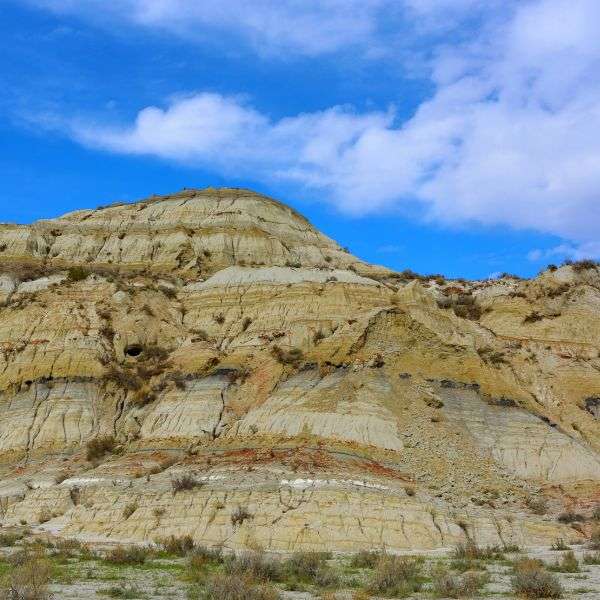
Badlands Topography
The park is situated within the larger Badlands region, known for its striking and colorful topography. The Badlands feature eroded buttes, spires, and canyons, creating a unique and visually captivating landscape.
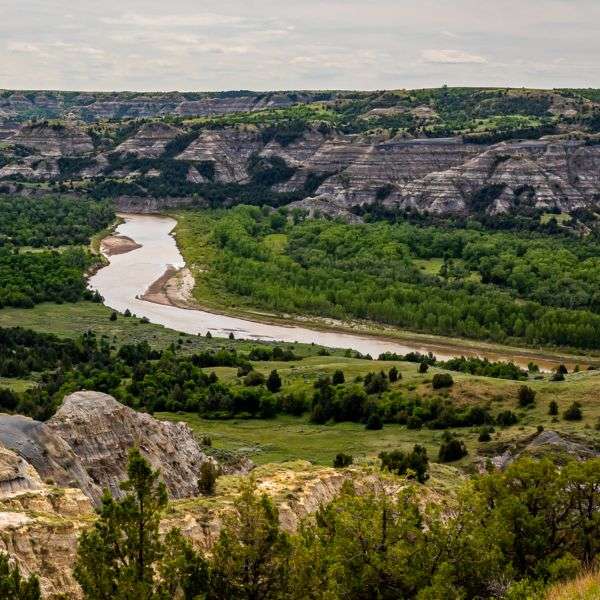
Little Missouri River
The Little Missouri River, a meandering watercourse, flows through both the North and South Units of the park. The river has played a significant role in shaping the park's topography, cutting through the sedimentary layers and creating deep canyons.
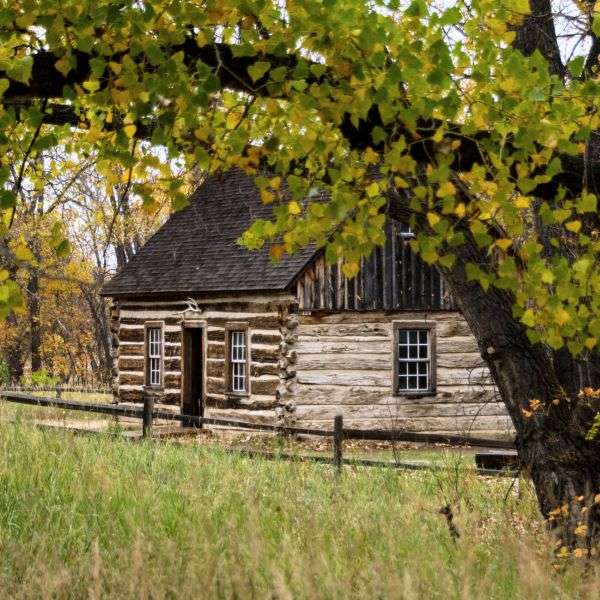
Elkhorn Ranch Unit
The Elkhorn Ranch Unit preserves the site of Theodore Roosevelt's Elkhorn Ranch, a remote and scenic location along the Little Missouri River. While the ranch buildings are no longer standing, the unit is important for its historical and cultural significance.
Plants
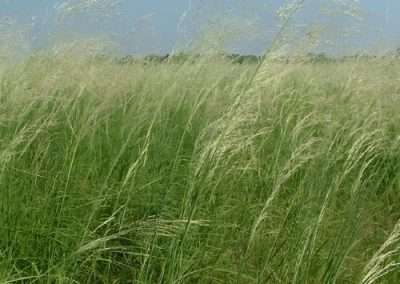
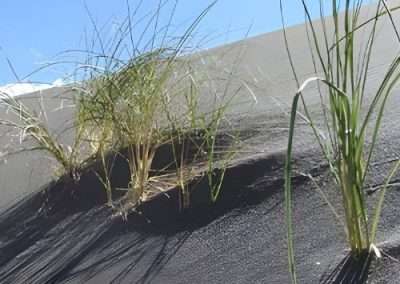
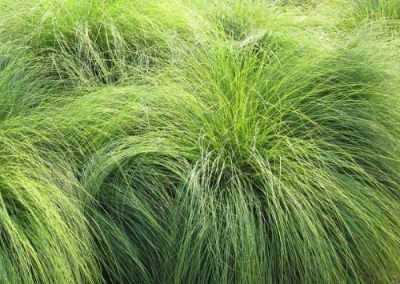
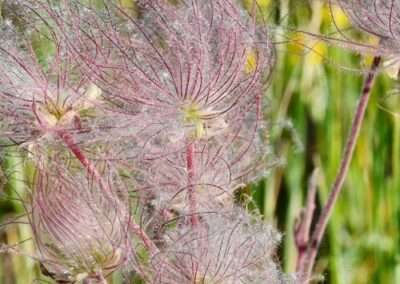
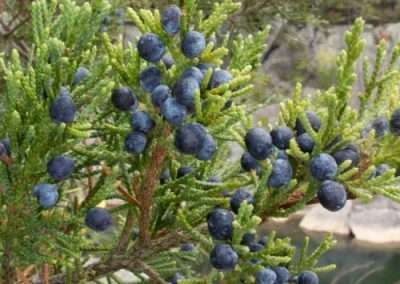
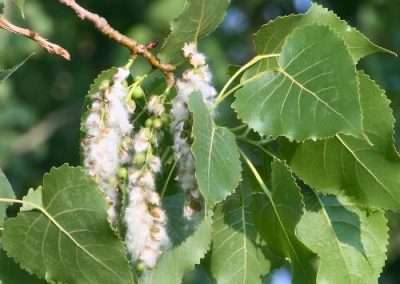
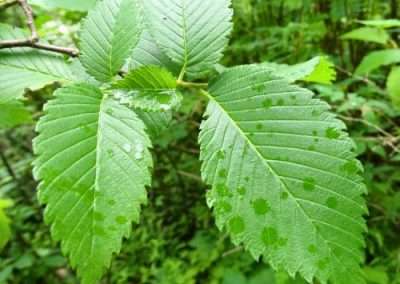
Theodore Roosevelt National Park is home to a diverse array of plant life adapted to the semi-arid climate, rugged terrain, and varied habitats of the North Dakota Badlands. The park's vegetation includes native prairie grasses, sagebrush, wildflowers, and hardy shrubs, while cottonwood trees and other riparian plants grow along the Little Missouri River and other waterways. Visitors can explore grasslands, river valleys, and badland slopes while discovering the plant species that contribute to the park's scenic beauty, wildlife habitat, and ecological diversity.

Animals
Mammals
Theodore Roosevelt National Park is home to a diverse community of mammals that thrive in the park’s varied landscapes, including rolling grasslands, rugged Badlands formations, wooded areas, and riparian habitats along the Little Missouri River. These species have adapted to the region’s seasonal climate and play important roles in maintaining the health of the park’s ecosystems.
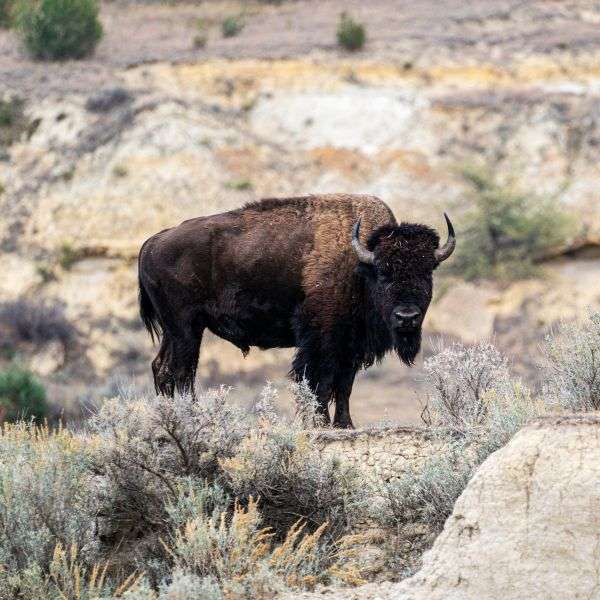
American Bison (Bison bison): American bison are one of the most iconic mammals in Theodore Roosevelt National Park. These massive herbivores roam the grasslands in large herds, grazing on native vegetation and helping shape the prairie ecosystem through their movements and feeding habits.
Feral Horses (Equus ferus): Feral horses are a distinctive feature of the park’s South Unit. Introduced in the 1970s, these free-roaming horses are descendants of domesticated horses brought to the region by settlers and ranchers. They continue to live in small bands across the park’s open landscapes.
Mule Deer (Odocoileus hemionus): Mule deer are among the most commonly observed mammals in the park. They inhabit grasslands, wooded areas, and rugged Badlands terrain, where they browse on shrubs, grasses, and other vegetation.
Bighorn Sheep (Ovis canadensis): Bighorn sheep are well adapted to the steep, rocky terrain of the park’s North Unit. They use their specialized hooves and climbing ability to navigate cliffs and badlands while feeding on grasses and vegetation.
Pronghorn (Antilocapra americana): Pronghorn are fast and agile mammals found throughout the park’s open grasslands. Known as the fastest land mammals in North America, they rely on their incredible speed to escape predators and move across wide prairie landscapes.
Black-tailed Prairie Dog (Cynomys ludovicianus): Prairie dogs are highly social rodents that live in large colonies known as towns. Their extensive burrow systems provide habitat for other species and contribute to soil health and nutrient cycling in the grasslands.
White-tailed Deer (Odocoileus virginianus): White-tailed deer are less abundant than mule deer but can still be found in wooded areas, river corridors, and habitats with denser vegetation. They feed on leaves, grasses, and other plant material.
Coyote (Canis latrans): Coyotes are adaptable predators found throughout Theodore Roosevelt National Park. They occupy a variety of habitats and help regulate populations of rodents, rabbits, and other small animals.
Red Fox (Vulpes vulpes): Red foxes inhabit grasslands, shrublands, and river areas within the park. These resourceful predators are opportunistic feeders, consuming small mammals, birds, insects, and plant material.
American Badger (Taxidea taxus): Badgers are powerful burrowing mammals found in prairie and grassland habitats. Their strong claws allow them to dig for prey such as prairie dogs, rodents, and other small animals.
North American Porcupine (Erethizon dorsatum): Porcupines are large rodents found in wooded areas and along river corridors. They are known for their protective quills and often feed on bark, leaves, and vegetation.
Muskrat (Ondatra zibethicus): Muskrats are semi-aquatic rodents found near wetlands and along the Little Missouri River. They build shelters in aquatic environments and feed on aquatic plants and vegetation.
The mammals of Theodore Roosevelt National Park represent the resilience and diversity of the Northern Great Plains ecosystem. From massive bison herds and swift pronghorn to burrowing prairie dogs and elusive predators, these animals contribute to the ecological balance and natural character of the park’s unique Badlands landscape.
Reptiles
Theodore Roosevelt National Park has a variety of reptiles that are adapted to the park's grasslands, badlands, and river areas. Because the park has a cool, dry climate, it does not have as many reptile species as warmer regions, but several snakes and lizards can still be found here.
Prairie Rattlesnake (Crotalus viridis): The prairie rattlesnake is the only venomous reptile found in Theodore Roosevelt National Park. It lives in grasslands, rocky areas, and badlands. These snakes help control rodent populations and usually avoid people unless they feel threatened.
Plains Garter Snake (Thamnophis radix): Plains garter snakes are common reptiles in the park. They are often found near wetlands, grasslands, and areas with water. They eat small animals such as insects, amphibians, and small fish.
Red-sided Garter Snake (Thamnophis sirtalis parietalis): Red-sided garter snakes are a type of common garter snake found in the park. They have bright markings along their bodies and can live in grasslands and areas near water.
Eastern Yellow-bellied Racer (Coluber constrictor flaviventris): Yellow-bellied racers are fast, non-venomous snakes that live in open areas. They hunt insects, small mammals, and other small animals.
Bullsnake (Pituophis catenifer sayi): Bullsnakes are large, non-venomous snakes that help control rodent populations. They are often found in grasslands and prairie habitats.
Plains Hognose Snake (Heterodon nasicus): Plains hognose snakes are small snakes with an upturned nose that helps them dig in sandy soils. They mainly eat insects, small animals, and amphibians.
Short-horned Lizard (Phrynosoma hernandesi): Short-horned lizards are small, well-camouflaged reptiles found in open, dry areas. They eat mostly ants and other insects.
Sagebrush Lizard (Sceloporus graciosus): Sagebrush lizards are small lizards that live in rocky and open habitats. They are active during the day and often bask in the sun to warm up.
Common Snapping Turtle (Chelydra serpentina): Common snapping turtles can be found in some of the park's water habitats. They spend much of their time in ponds, streams, and wetlands.
Western Painted Turtle (Chrysemys picta bellii): Western painted turtles live in calm waters and wetlands. They are known for their colorful markings and can often be seen basking on logs or rocks.
The reptiles of Theodore Roosevelt National Park are an important part of the prairie ecosystem. They help control insect and rodent populations and show how wildlife can adapt to the changing conditions of the Northern Great Plains.
Birds
Theodore Roosevelt National Park has many different habitats, including grasslands, Badlands, forests, and areas near the Little Missouri River. These habitats support many bird species, making the park a great place for birdwatching. Both year-round and migratory birds can be found throughout the park.
Ferruginous Hawk (Buteo regalis): This large hawk lives in open grasslands and prairies. It can often be seen flying above the park while searching for small mammals and other prey.
Golden Eagle (Aquila chrysaetos): Golden eagles are powerful birds of prey that live in the park's open landscapes and cliffs. They hunt animals such as rabbits and small mammals.
Burrowing Owl (Athene cunicularia): Burrowing owls are small owls that live in grasslands. They often use abandoned prairie dog burrows for nesting and shelter.
Prairie Falcon (Falco mexicanus): Prairie falcons are fast-flying predators that live in open areas, cliffs, and Badlands. They hunt birds and small mammals.
Western Meadowlark (Sturnella neglecta): The western meadowlark is a common grassland bird in the park. It is known for its bright yellow chest with a black V-shaped mark and its beautiful song.
Mountain Bluebird (Sialia currucoides): These bright blue birds can be seen in open grasslands and meadows. They feed mostly on insects.
Sage Thrasher (Oreoscoptes montanus): Sage thrashers live in dry areas with sagebrush. They feed on insects and berries and are sometimes seen in the park during migration.
Northern Harrier (Circus hudsonius): Northern harriers are birds of prey that fly low over grasslands while searching for small mammals and birds.
American Kestrel (Falco sparverius): The American kestrel is the smallest falcon in North America. It can often be seen sitting on fence posts or hunting insects and small animals.
Great Horned Owl (Bubo virginianus): Great horned owls are large, powerful owls found in forests, cliffs, and river areas. They are mostly active at night and hunt a variety of animals.
Eastern Bluebird (Sialia sialis): Eastern bluebirds are less common than mountain bluebirds in the park but may occasionally be seen in open areas and near wooded habitats.
Common Nighthawk (Chordeiles minor): Common nighthawks are active at dusk and dawn. They fly through open skies while catching insects and are known for their unique flying displays.
Fish
Theodore Roosevelt National Park does not have many large lakes or rivers, so fish diversity is limited. However, the Little Missouri River and small streams in the park provide habitat for several fish species.
Northern Pike (Esox lucius): Northern pike may be found in the Little Missouri River. These fish are predators that hide and wait for smaller fish to swim nearby before attacking.
Yellow Perch (Perca flavescens): Yellow perch can live in slow-moving rivers and ponds. They are small freshwater fish that feed on insects, small fish, and other aquatic animals.
Walleye (Sander vitreus): Walleye are found in parts of the Little Missouri River. They are popular with anglers because they are good to eat and are active during low-light conditions.
Channel Catfish (Ictalurus punctatus): Channel catfish live in rivers and streams with deeper water. They use their whisker-like barbels to help find food along the river bottom.
Common Carp (Cyprinus carpio): Common carp are introduced fish that can survive in many types of freshwater habitats. They feed on plants, insects, and small organisms found in the water.
Amphibians
Amphibians are not very common in Theodore Roosevelt National Park because the park has a mostly dry climate with grasslands, Badlands, and areas with limited water. Amphibians need water or moist environments to survive and reproduce, so they are usually found near rivers, ponds, wetlands, and temporary pools.
Boreal Chorus Frog (Pseudacris maculata): This small frog may be found in grassy areas and wetlands near the park. It is known for its loud, high-pitched calls, especially during the breeding season.
Plains Leopard Frog (Lithobates blairi): This frog can live in grasslands and near streams or ponds. It has dark spots on its body and often stays close to water where it can find food and reproduce.
Woodhouse's Toad (Anaxyrus woodhousii): This toad is well adapted to dry environments and may be found in grasslands and areas near water. It has rough, bumpy skin and is most active at night or after rainfall.
Great Plains Toad (Anaxyrus cognatus): This burrowing toad may occur in the region around the park. It spends much of its time underground and comes out after heavy rains to feed and breed in temporary pools.
Western Tiger Salamander (Ambystoma mavortium): This salamander may be found in areas with suitable wet habitats, such as ponds and temporary pools. It spends much of its life underground and comes to the surface during wetter periods.
Although amphibians are not one of the most noticeable wildlife groups in Theodore Roosevelt National Park, they are an important part of the ecosystem. They help control insect populations and serve as indicators of environmental health.
"Here is your country. Cherish these natural wonders, cherish the natural resources, cherish the history"
- Theodore Roosevelt
“There can be no greater issue than that of conservation in this country.”
- Theodore Roosevelt
"The beauty and charm of the wilderness are his for the asking, for the edges of the wilderness lie close beside the beaten roads of present travel."
- Theodore Roosevelt
"Conservation means development as much as it does protection. I recognize the right and duty of this generation to develop and use the natural resources of our land, but I do not recognize the right to waste them, or to rob, by wasteful use, the generations that come after us."
- Theodore Roosevelt
Explore More With Us
Stay updated on National Parks EDU resources, park news, community updates, and and ways to explore, and protect.

National Parks Edu's mission is to help kids and families understand what makes these places so important. Because when you learn about nature, you start to care about protecting it.
National Parks EDU is an independent educational website and is not affiliated with, endorsed by, sponsored by, or officially connected to the National Park Service (NPS) or the U.S. government. © National Parks EDU. All Rights Reserved. October 18, 2026